Boris Kagarlitsky on the Trump Administration’s 28-Point Plan to End the Ukraine War
From prison, the eminent critic of Putin and the war calls for the conflict to end.
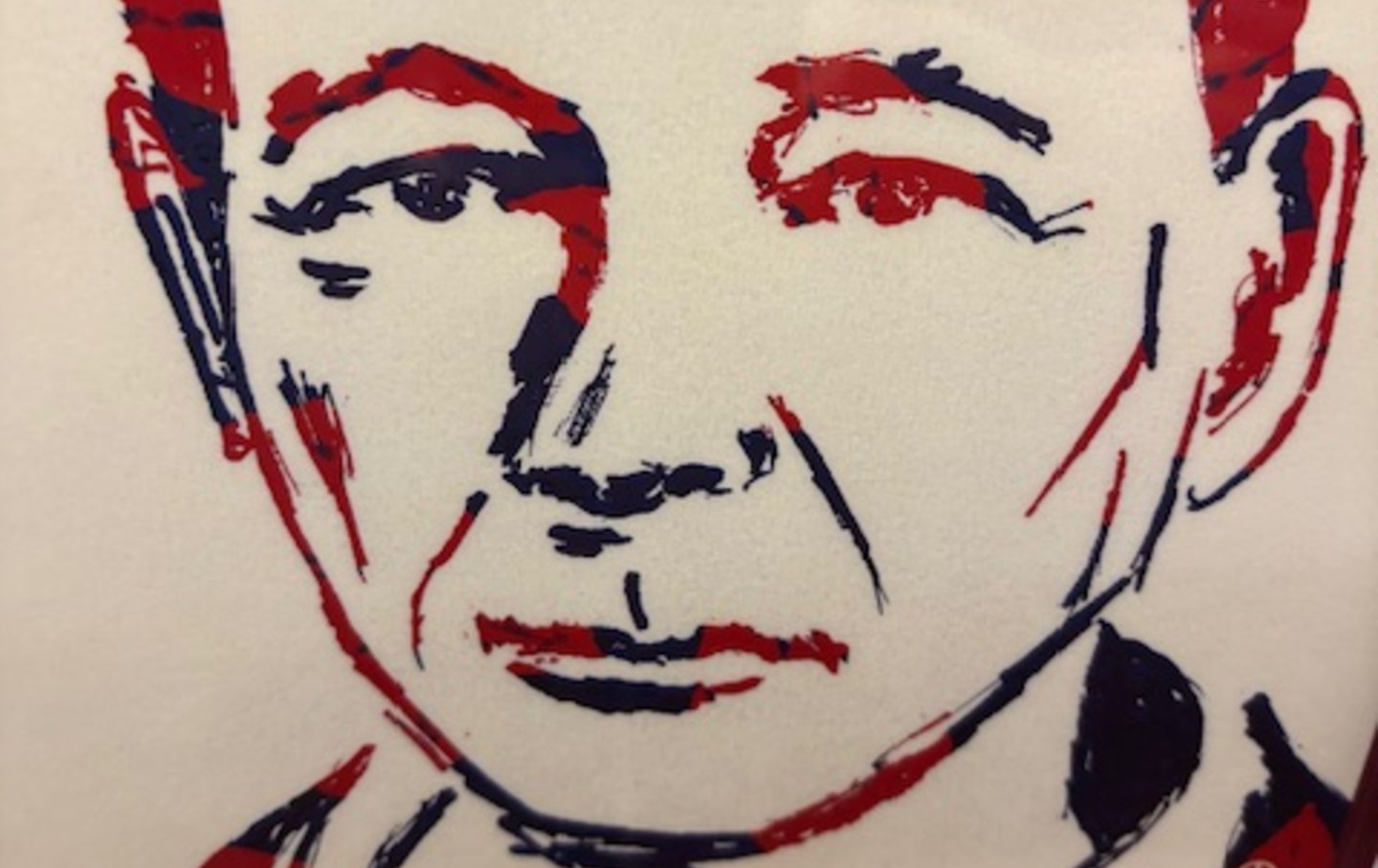
Boris Kagarlitsky was first arrested in July 2023 in connection with a since-deleted YouTube video about the 2022 Crimea Bridge explosion. His case reveals the cruelty and absurdity at work.
Kagarlitsky is perhaps Russia’s most prominent leftist intellectual, a Marxist critic of both Western imperialism and Putin’s domestic authoritarianism.
After spending nearly 5 months in pretrial detention 1,000 kilometers from Moscow, Kagarlitsky was convicted, but released with a fine of 609,000 rubles.
Supporters raised the money in less than an hour. Paying the fine, however, was complicated by the matter of Kagarlitsky having already been designated as both a “foreign agent” and a “terrorist or extremist” (common terms leveled against anti-war advocates remaining in Russia) and was therefore prohibited by law from conducting financial transactions.
The state then appealed his December release due to the fine not having been paid. Eight weeks later, the military court reversed the December verdict and imposed the harsher prison sentence of 5 years.
Kagarlitsky is now serving his sentence at Penal Colony No. 4 in Torzhok, 155 kilometers from Moscow. On November 8, he was sent to solitary confinement for three days; no reasons have been given. On November 20, lawyer Yulia Kuznetsova appealed to the head of the penal colony with a request to hospitalize Kagarlitsky: according to Kuznetsova, the 66-year-old prisoner’s health had deteriorated.
Kagarlitsky is one of Russia’s best-known political prisoners. There are others, much less visible, including quite a few labor rights advocates, environmentalists, ethnic and racial minority defenders about whom nobody writes or speaks. According to the UN Human Rights Committee in Russia, there are still more than 2000 political prisoners incarcerated in Russia, at least 120 of them “in imminent danger due to their critical health, age or disability.”
Kagarlitsky has demanded that he not be included on any exchanges. “I have stated several times and I repeat again,” Kagarlitsky insisted, “that I do not wish to participate in such exchanges… I see no point or benefit for myself in emigrating. If I had wanted to leave the country, I would have done so myself.”
Just this past weekend, Kagarlitsky released these comments on the Trump administration’s 28-point plan to end the war in Ukraine:
The twenty-eight points Trump offered, as they are currently published, look quite strange. Many aspects are written unclearly, vaguely, ambiguously, and rather contradictorily. The only thing that is described very thoroughly and in detail is the financial part. It is quite clear that Donald Trump has remained true to himself here: everything concerning money is the only important and significant thing in this situation.
It is clear that all these documents will be processed and settled in the near future; there will be further negotiations where something will be clarified and explained. The document that results in the end will most likely differ significantly from what we read today.
But if we take today’s document, the main conclusion that somehow comes to me is this: Ukraine looks like the losing side, and Russia in this situation does not look like the winning side. The only winner in this war, according to Trump, is the United States of America.
And yet the most important thing is that the conflict must end. However it happens, if people stop being killed, if cities stop being destroyed, if the sides stop exchanging blows, that will already be good news. Therefore, we still have to hope that this, even if very raw, very strange, and sometimes even unpleasant document, will nevertheless become a milestone on the path to peace.
Boris Kagarlitsky, from Penal Colony No. 4
Become a Sustaining Donor This September
Between the reemergence of right-wing red-baiting and Donald Trump’s use of the chilling National Security Presidential Memorandum–7 to criminalize left political organizing, we’re seeing McCarthyism reborn before our eyes.
This assault on democracy cannot be ignored or wished away. Resisting it requires bravery in the face of threats and repression, a steadfast commitment to the truth, and the unwavering belief that we can—and will—overcome this darkness.
We must have an independent media that sets the record straight, unearths corruption and abuses of power, and advances a politics of justice and dignity for all if we’re to win this fight.
That’s why I’m writing to you today. This September, The Nation needs to add 100 monthly donors to sustain our progressive journalism. Your contribution makes the next investigative report, the next truth-speaking column, and the next pathbreaking essay all possible.
I hope you’ll support our work with a recurring donation today. If you donate $10 or more a month, we’ll send you a brand new “Hands Off the Free Press!” sticker to recognise your commitment to our cause. Please, donate today.
Onward,
Katrina vanden Heuvel
Editor and Publisher, The Nation