
Does Putin Want to End the War in Ukraine?
It’s time to find out.
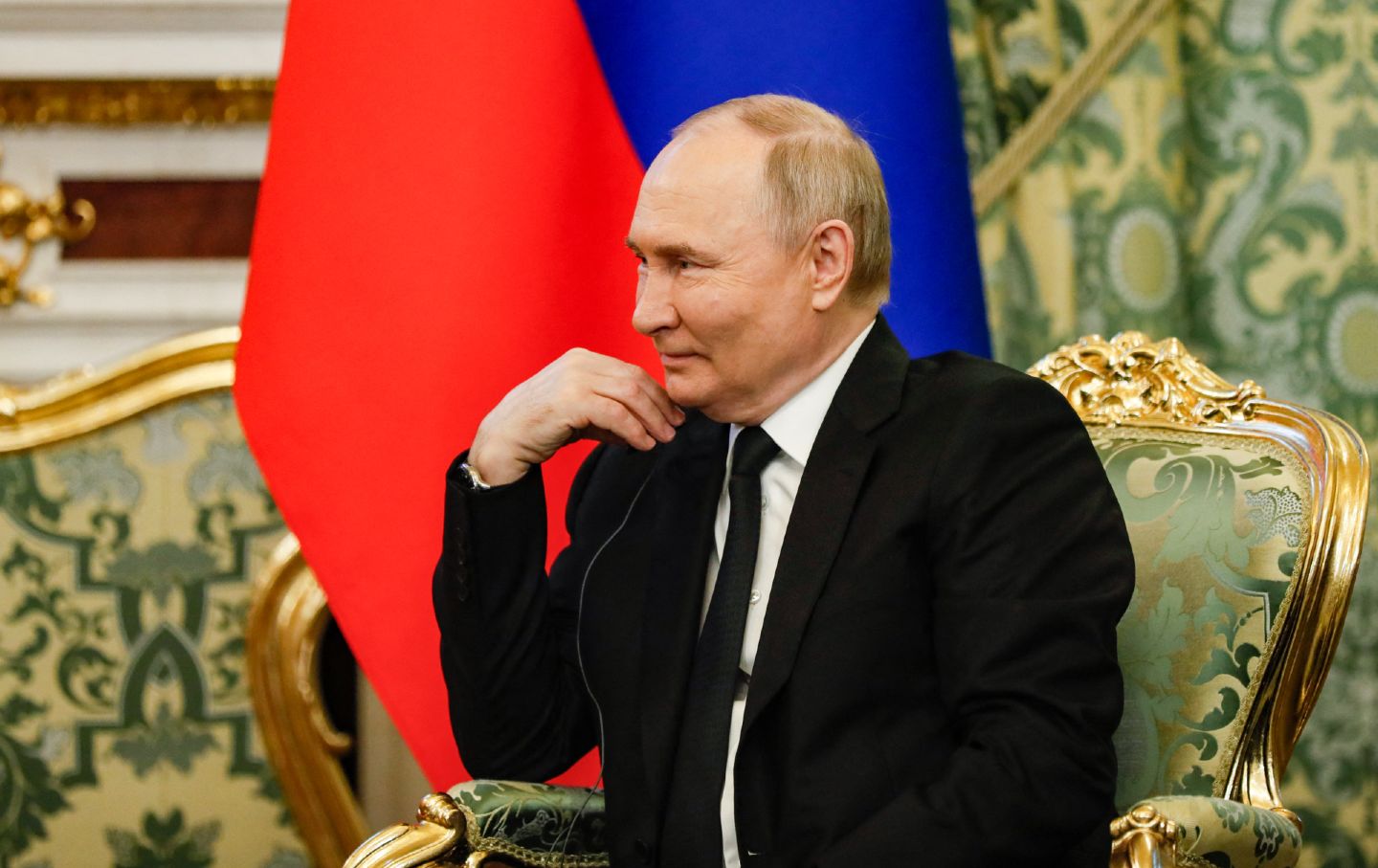
According to a report in Reuters, four Kremlin-connected Russian sources state that Putin is ready to negotiate a cease-fire along current battle lines. When Putin himself was asked about this report, he replied of negotiations: “Let them resume.”
Such statements have been met with skepticism. Putin is said to be “optimistic” about the war, given Russian momentum on the battlefield, and he recently appointed an economist as defense minister, suggesting, many argue, that he is prepared for a long war of attrition. Many speculate that the Kremlin wants to continue fighting until a possible Trump presidency. Thus, the assertion of Ukrainian Foreign Minister Dmytro Kuleba: “Putin currently has no desire to end his aggression against Ukraine.”
Yet there are solid grounds for questioning those assumptions. While Russia has made advances on the front lines in recent weeks, those gains remain largely incremental. Placing an economist at the head of the defense ministry may be a sign that the wartime economy is in danger of overheating, and facing the challenge, as Putin himself noted about the appointment, of providing for both “guns and butter.” The huge increases in military spending—now over 8 percent of Russia’s GDP—have led to record-low levels of unemployment, but at the cost of potentially destabilizing inflation.
Further still, low unemployment entails a manpower shortage, including for war fighting. While Ukraine’s challenges in staffing its army have been well documented, Russia, despite its larger population, is suffering from similar constraints. Three of the Kremlin-connected figures interviewed in the Reuters report stated that “Putin understood any dramatic new advances would require another nationwide mobilization, which he didn’t want,” for understandable reasons.
A previous “limited military mobilization” in September 2022 led hundreds of thousands of young men to flee the country. As noted in The Nation, surveys by the independent Levada Center revealed that “the public mood drastically deteriorated” as a result of the mobilization, so much so that “the country had not seen such a dramatic and swift decline in public mood in thirty years of regular polls.” Such reactions could hardly have escaped Putin’s notice, given his well-documented obsession with poll ratings.
Yet the challenge of recruiting soldiers continues. Having already sent tens of thousands of convicted criminals into battle in exchange for amnesty, the Russian military is now offering pretrial suspects a chance to clear their charges if they agree to serve, and debt collectors are reportedly starting to recruit for the front as well.
Meanwhile, protests by family members against the prolonged deployment of their sons and husbands continue.
Should the war end on current battle lines, Putin will no doubt claim “victory,” with a boast of having successfully stood up to NATO as well as Ukraine, though falling far short of his original goal of toppling Kyiv, or even occupying all the four Ukrainian regions that Russia now asserts are its permanent territory.
Any such settlement, many will no doubt argue, would simply reward Russian aggression. Yet the long-term prognosis for Russia’s economy and society is grim. Absent substantial territorial concessions, something Putin himself has stated he will not tolerate, Russia will remain isolated. The pressure of sanctions will continue to accumulate. The transition from a highly skewed wartime economy to one of peacetime faces the hazard of a recession or worse (and the longer that transition is delayed the greater the hazard becomes). With no successor in sight, a visibly aging Putin—already in power for close to a quarter-century—will struggle to maintain legitimacy in conditions of national decline.
Then again, without direct negotiations the war could continue indefinitely. By refusing to include Russia, the “peace summit” in Switzerland promises only to prolong the conflict. It is understandable why Zelensky, and many Ukrainians, would want to expel Russia from their territory. But Ukraine’s backers in the United States and Europe must provide a realistic and sober assessment about the potential to do so. While Ukraine is currently struggling to defend Kharkiv—its second-largest city—pundits claim that somehow a renewed counteroffensive in 2025 will be more successful than the recent one that failed. Others are urging the Biden administration to allow Ukraine to strike Russian territory with US missiles, while maintaining that, despite threats to the contrary, Russian escalation is “unlikely.” Still others argue, rather cynically, that Biden needs Ukraine to start “winning again” in order to boost his reelection prospects.
Yet still others boldly proclaim to know Putin’s true intentions, as in “Putin remains uninterested in meaningful negotiations” and “the Kremlin will continue to feign interest in negotiations.” However, basing such assumptions on bellicose wartime rhetoric risks a cognitive bias that psychologists call the “fundamental attribution error.” Moreover, such assumptions can be tested: If the Kremlin is truly uninterested in negotiations, it is time to find out. Indeed, evidence suggests the lack of interest is not coming from the Russian side.
To be sure, any such negotiations would be difficult, particularly over questions such as security guarantees for Ukraine. Yet the danger does not lie in agreeing to negotiate. Rather, it lies in greater loss of life and destruction for Ukraine, and the potential, however limited, of a wider war. Well into its third year, it’s time to bring the war to an end, and let the rebuilding of Ukraine begin.
Support independent journalism that does not fall in line
Even before February 28, the reasons for Donald Trump’s imploding approval rating were abundantly clear: untrammeled corruption and personal enrichment to the tune of billions of dollars during an affordability crisis, a foreign policy guided only by his own derelict sense of morality, and the deployment of a murderous campaign of occupation, detention, and deportation on American streets.
Now an undeclared, unauthorized, unpopular, and unconstitutional war of aggression against Iran has spread like wildfire through the region and into Europe. A new “forever war”—with an ever-increasing likelihood of American troops on the ground—may very well be upon us.
As we’ve seen over and over, this administration uses lies, misdirection, and attempts to flood the zone to justify its abuses of power at home and abroad. Just as Trump, Marco Rubio, and Pete Hegseth offer erratic and contradictory rationales for the attacks on Iran, the administration is also spreading the lie that the upcoming midterm elections are under threat from noncitizens on voter rolls. When these lies go unchecked, they become the basis for further authoritarian encroachment and war.
In these dark times, independent journalism is uniquely able to uncover the falsehoods that threaten our republic—and civilians around the world—and shine a bright light on the truth.
The Nation’s experienced team of writers, editors, and fact-checkers understands the scale of what we’re up against and the urgency with which we have to act. That’s why we’re publishing critical reporting and analysis of the war on Iran, ICE violence at home, new forms of voter suppression emerging in the courts, and much more.
But this journalism is possible only with your support.
This March, The Nation needs to raise $50,000 to ensure that we have the resources for reporting and analysis that sets the record straight and empowers people of conscience to organize. Will you donate today?
More from The Nation
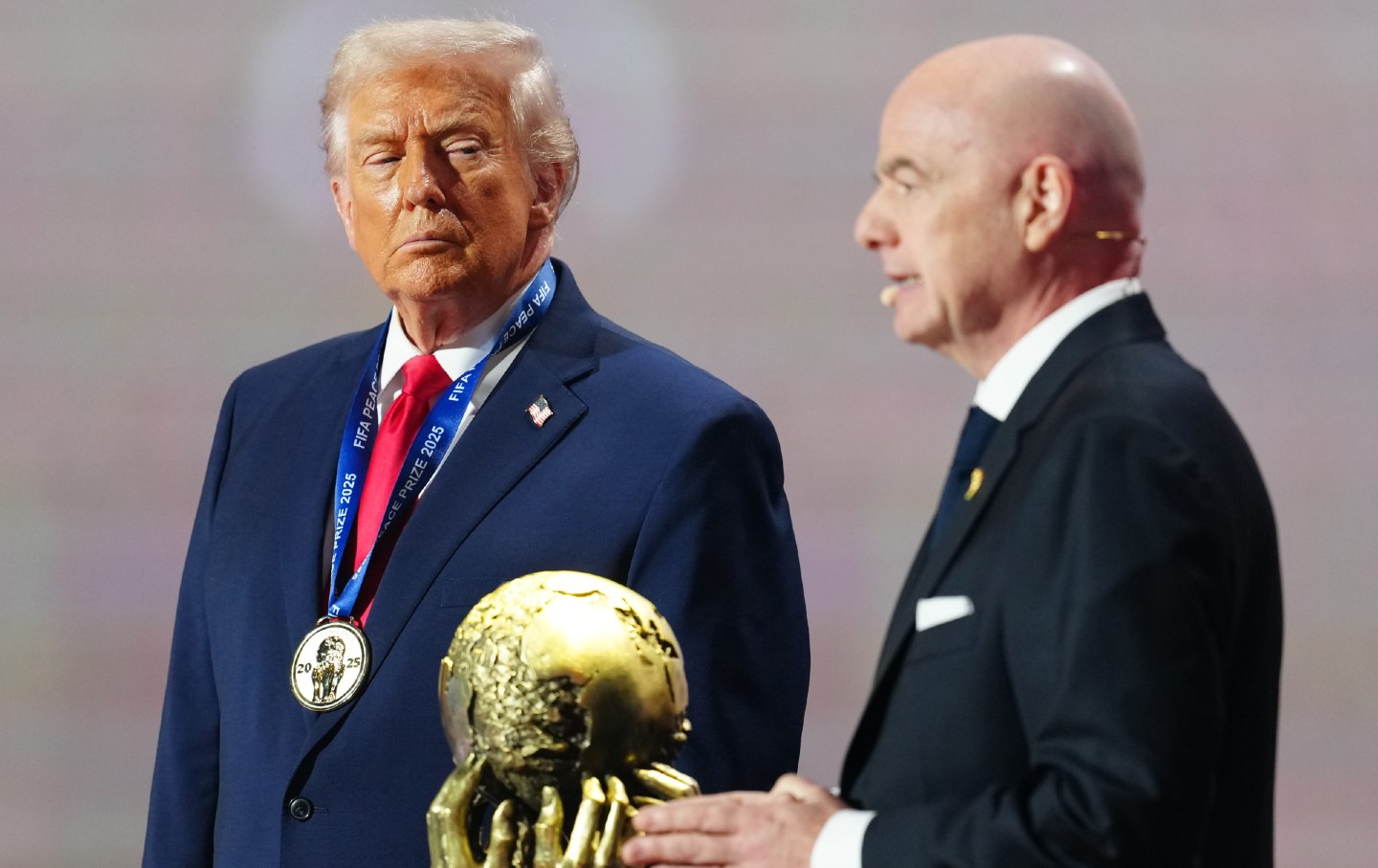
Trump and His Soulless Cronies Have Managed to Suck the Joy Out of the World Cup Trump and His Soulless Cronies Have Managed to Suck the Joy Out of the World Cup
Not even soccer is immune from Trump’s reverse Midas touch.
Garbage In, Carnage Out Garbage In, Carnage Out
The harrowing lessons of the Pentagon’s recently dissolved partnership with Anthropic.
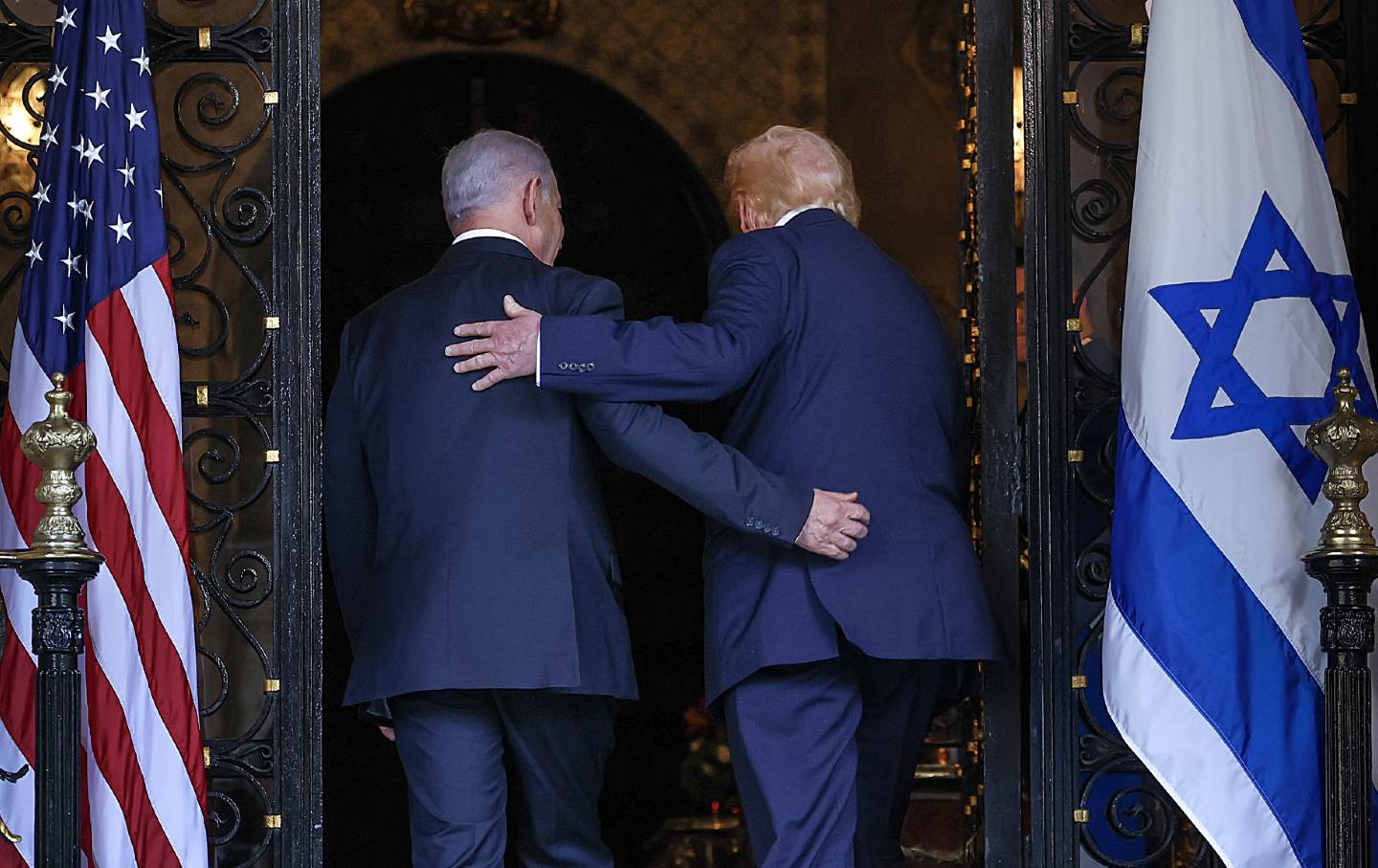
The Iran War Could Be Catastrophic for the US-Israel Alliance. Good. The Iran War Could Be Catastrophic for the US-Israel Alliance. Good.
As Israel’s role in pushing the war with Iran comes into ever sharper focus, it’s up to us to turn outrage into change.
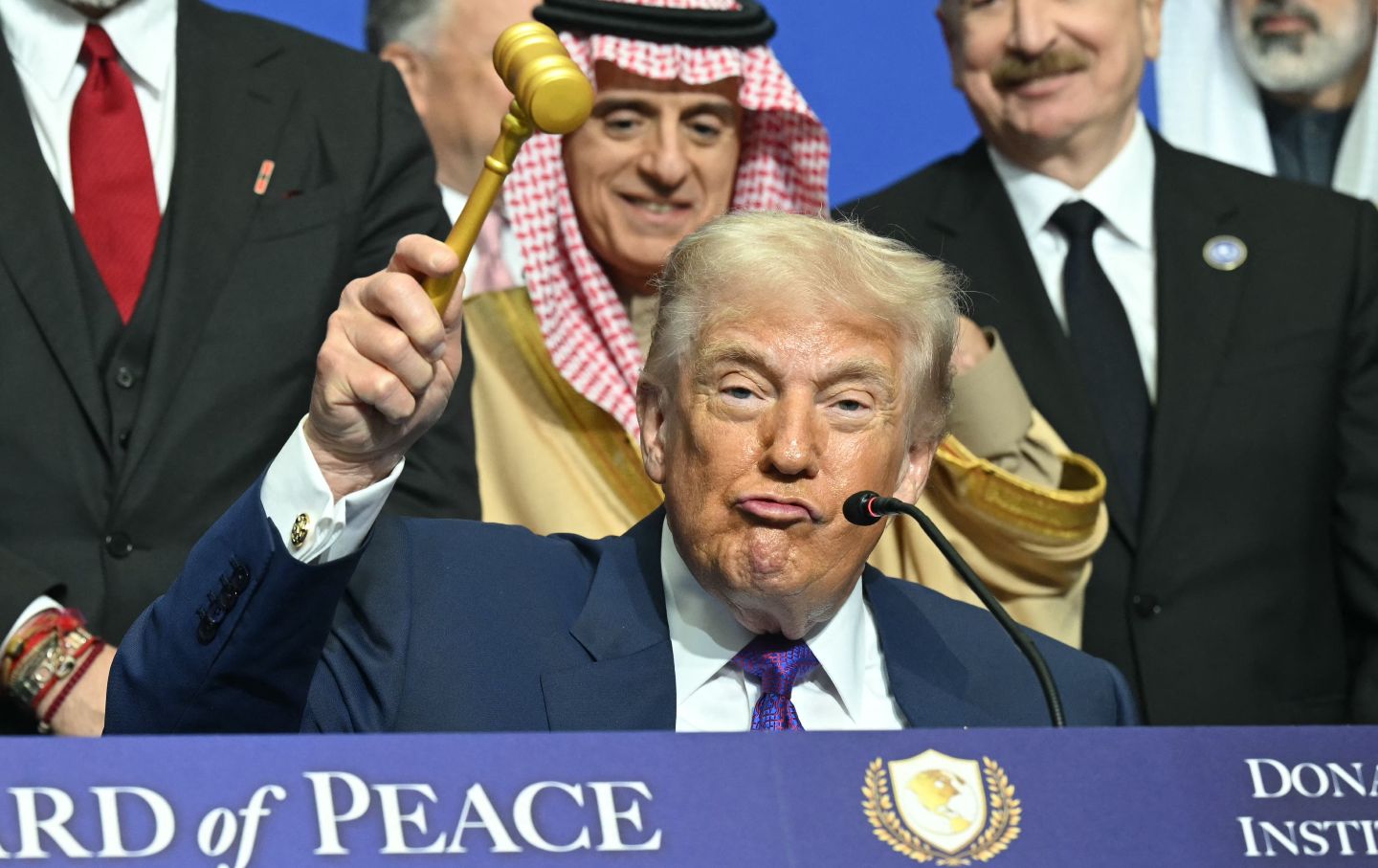
An Unlawful War An Unlawful War
The precedent being set by the US in launching this war of aggression against Iran will long live in infamy.
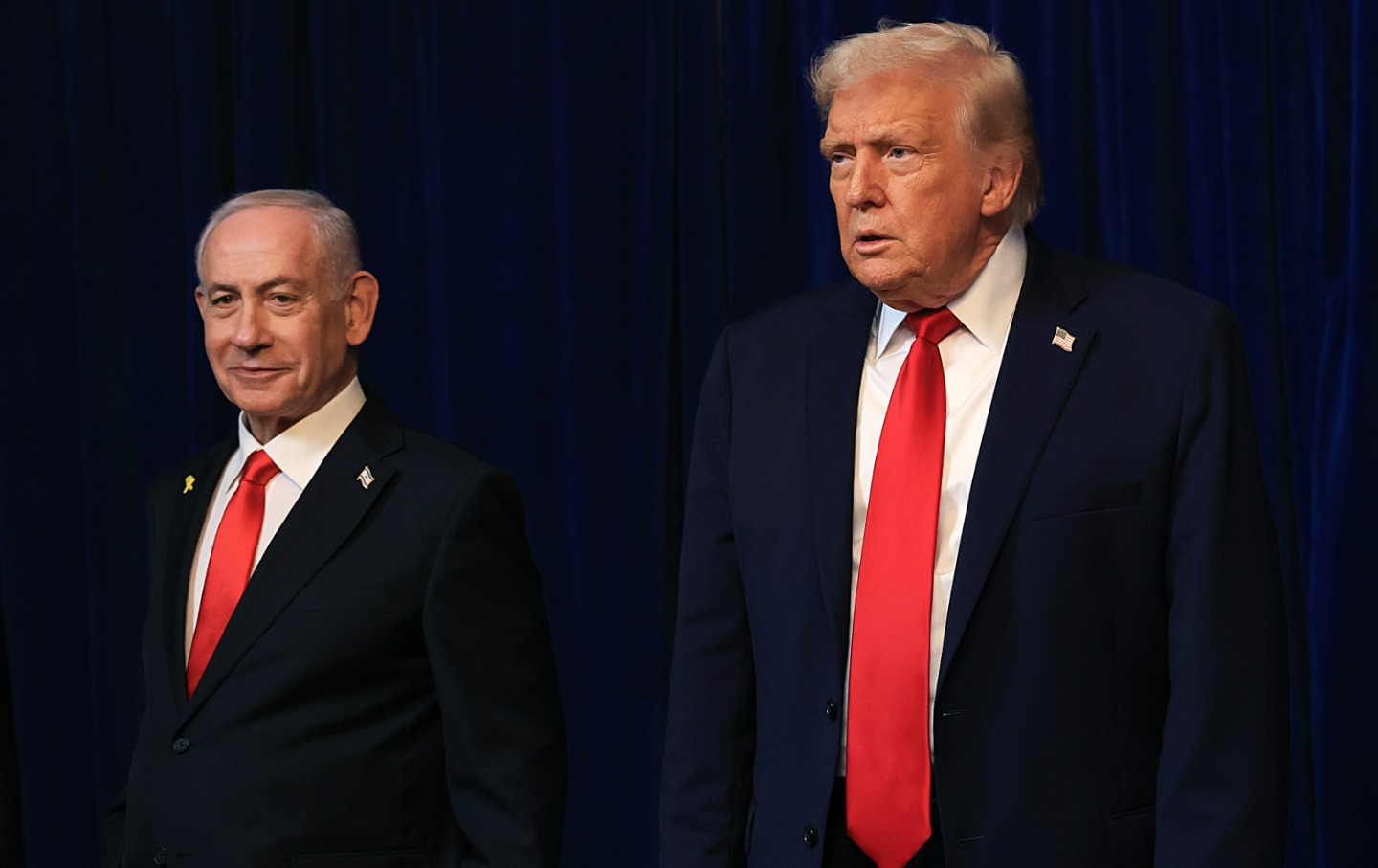
Trump and Netanyahu Want to Turn Iran Into a Failed State Trump and Netanyahu Want to Turn Iran Into a Failed State
This war looks designed to cause maximum chaos and instability. The world will pay a high price.

The War on Terror Paved the Way for Trump’s Rise—Now He’s Making It His Own The War on Terror Paved the Way for Trump’s Rise—Now He’s Making It His Own
Only the total abolition of the DHS can restore freedom.

