
In Gaza, We’re Caught Between Hope and Despair
The ceasefire was cause for jubilation and relief. But the nightmare of the genocide lingers on.
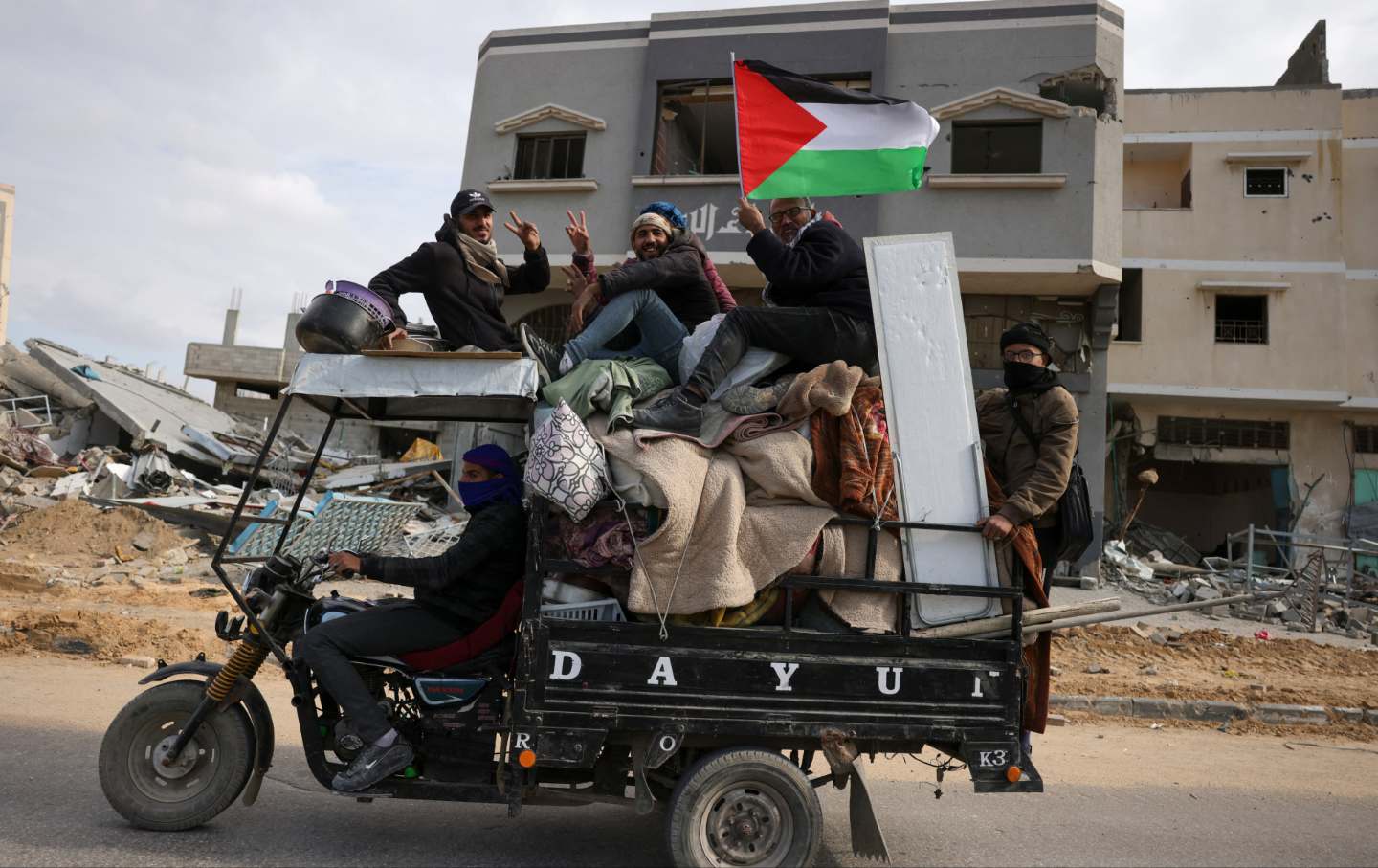
Palestinians transport belongings in Gaza’s southern city of Rafah on January 22, 2025.
(Bashar Taleb / AFP via Getty Images)Finally, it has happened. After 15 months of horror, on the morning of Sunday, January 19, 2025, the ceasefire in Gaza has came into effect. It might even last.
Despite the suffering that has been engulfing us throughout these terrible months, the streets in Gaza have come alive over the past days, with people joyfully clapping and chanting together. Many people in Gaza counted down the minutes until 8:30 am, when the ceasefire officially started. These were the first days of celebration we had in many months.
But even if some kind of peace does hold—and that is far from guaranteed—the atrocities and terrible experiences we endured during the previous 15 months will remain in our memories forever. The bombs may stop falling, but our world is still shattered. We will never be the same.
As I walk through the streets now that the ceasefire is here, joy and sadness mix all around me. Our home, once full of life, is now burnt and partially destroyed, just like so many others. Everywhere I look, I see ashes and ruins, and I feel deep sorrow for those who didn’t come home—who are forever missed at their dinner tables. I see the same pain in the faces of those around me. Some people cry as they celebrate, mourning the lives lost while dreaming of a better future. Others search for missing loved ones or wander aimlessly, still holding onto hope for a reunion.
I still recall how our lives were turned into waking nightmares month by horrible month.
In December 2023, we were forced to flee our home and relocate to Rafah—the first of seven times we had to move. I didn’t consider it a city at the time. It reminded me of a large cage.
We were at a loss when the first evacuation order came. What were we going to bring? What should we leave behind? How could we fit our entire lives into such tiny bags? My family members’ pallid looks are seared in my mind.
These were the most agonizing days of my life. I will never forget how tearful I was as I looked at each part of our home, starting with the living room, where we gathered with our family, watched TV, and laughed. Then the kitchen where my mother used to prepare traditional meals, where the aroma of maqlooba, maftool, and the mouthwatering manakish of zaatar, thyme, and cheese could be found. Then my desk full of books, my wardrobe full of clothes and shoes, my charming bedroom, and my bed.
We had to cling to one other in a truck during the horrors of January. We set up a tent in an area that looked like a desert when we arrived, and the people there had no means of survival. It was winter. There was a shortage of mattresses, and we had to spend some nights sleeping on the ground. The bite of cold sneaked into my bones.
Since our tent was composed of fabric, nylon, and wood, it was destroyed when rain came. Due to the severe winter temperatures and the unhealthy food, diseases spread rapidly. At that time, we only ate canned fava peas, beans, and luncheon meat. My little siblings were diagnosed with hepatitis, and we were unable to help them. Our misery was cruelly twisted by the fact that there was no privacy in the packed shared bathrooms.
We hoped that a truce would come before the holy month of Ramadan, but sadly, many people were murdered on the first day, which was meant to be peaceful and when people should have woken up to eat Al Suhoor. In normal times, when the fast was broken, Gazans would spread out a variety of foods. Their tables would have been filled with sweets and joyful gatherings with relatives. Now, many were going hungry and fighting for bread. We were listening to the sounds of bombs and mosques being leveled on the heads of the worshipers during a month when the sounds of prayer should have filled the air.
We set our tent in front of the shore in June. Before the genocide, I would visit the sea when I was stressed from work or study. The sound of sparrows chirping was a part of my morning walk along the shore. Families would take their kids to the beach. The fishermen would unload their catch on the shore in the morning. People would ride horses and camels.
No longer. I saw faces that were sad and depressed, pale and wrinkled. People who had lost their homes were packed along the beach, tired and starving. There was no music or laughter, only sorrow and mourning. As we battled the heat, the sun made our suffering worse. The beach was filled with diseases and insects. Even though we were surrounded by seawater, it was undrinkable. We had to walk long distances just to get a gallon of fresh water.
Even now, I can hear the sea. The wind would blow but it would not provide any relief as the waves crashed furiously into the beach. The sea itself seemed to have forsaken us. I came to hate what I had once loved.
I had hoped to celebrate my birthday in November with the end of the genocide, but instead I faced another birthday filled with sadness and hopelessness. On the final day of 2024, we genuinely believed that Gaza had been abandoned. Then came the ceasefire.
When the clock finally struck 8:30 am on Sunday, a cascade of emotions washed over us. It felt as if a massive weight had lifted, allowing us to take a deep, emancipated breath. We had made it through the night, through the suffering, through unimaginable pain. Yet, as the jubilant cries erupted around us, echoing “Allahu Akbar!” into the air, I couldn’t shake the heaviness that lingered in my heart.
Gaza doesn’t look as it did prior to this genocide. The Gaza Strip has become a graveyard. The streets we used to know don’t exist. There is debris everywhere and the dreams of martyred people have been lost. It will take years for hundreds of thousands of people to rebuild their lives.
Popular
“swipe left below to view more authors”Swipe →Every sector has been demolished. Even though almost everyone could read and education was highly valued here, over 6,000 children have missed an entire academic year, and the majority of schools have been destroyed or turned into overcrowded shelters. Reconstruction could cost tens of billions of dollars and take decades. The economy is nonexistent.
There was a time when Gaza was a lively city with numerous amounts of crops like olives and tomatoes and a green landscape. More than 67 percent of the agricultural land is now destroyed, and farmers are unable to get the required supplies or improve anything. The bombings have ruined the water supply, making it difficult to reach clean water, and hospitals are largely shuttered, depriving people of access to healthcare.
My family is caught between despair and hope. Each one of us carries the weight of loss in our own way. My aunt aches for her home in the north, missing the smell of the lemon trees that used to surround her. My cousin dreams of walking along the beach. We all wish to go back to a time before the genocide brought chaos and sorrow into our lives.
We want to rebuild our home, but we know it won’t be the same as it was before, and it will take time. We hope for lasting peace. The future is uncertain, but I wish things will get better so I can finish my studies and follow my dreams. My siblings want to go back to school and learn too. It’s going to be hard for us to forget everything that happened. The nightmare still stays with us, and we feel scared and hurt inside.
Many people in Gaza now struggle to make the difficult but necessary decision to leave it. For over 17 years, we have been living under the suffocating Israeli blockade. We have been subjected to unrelenting attacks. Still, for many of us, despite the continuous agony, Gaza—also referred to as an open-air prison—was like heaven. There were lots of locations to explore, including cafés, marketplaces, restaurants, and stores. Travelers from all over the world visited the ancient city. The Great Omari Mosque and the zawaya market, where the aroma of pickles and spices permeated the air, were both present.
Even in the smallest details, Gaza was lovely. Its citizens would use the slightest things to create and discover happiness. We have literacy, creativity, and ambition. Universities and offices were everywhere. Palestinians have persevered because they believe they belong here and have a responsibility to rehabilitate the area. For years, there has been a shortage of basic essentials including clean water, food, and medicine. Still, there was hope that circumstances would improve for us.
I received my bachelor’s degree in English literature and translation. Just a few months before the genocide, I had graduated and was excited to get my career started. In spite of the difficulties caused by Gaza’s high unemployment rate, I was fortunate to find some work. But all of my hopes were dashed when the genocide began.
Before the crossings were closed, a large number of my friends and acquaintances left Gaza. Many of those who remain have been discussing their plans to escape. People feel as though there is no safety, no opportunity, and no future here. Many of us are having trouble with this because we believe that leaving Gaza would be a betrayal of our country. We don’t want to neglect our connection to it. We don’t want to give up our possession of it.
But how can anyone live in a place that is unlivable? How long will it take for people to start over? How long before kids have schools to return to? How many more massacres must people here endure? How much longer must we see our dreams fade away before our very eyes? How much longer must we must suffer in our own country?
Become a Sustaining Donor This September
Between the reemergence of right-wing red-baiting and Donald Trump’s use of the chilling National Security Presidential Memorandum–7 to criminalize left political organizing, we’re seeing McCarthyism reborn before our eyes.
This assault on democracy cannot be ignored or wished away. Resisting it requires bravery in the face of threats and repression, a steadfast commitment to the truth, and the unwavering belief that we can—and will—overcome this darkness.
We must have an independent media that sets the record straight, unearths corruption and abuses of power, and advances a politics of justice and dignity for all if we’re to win this fight.
That’s why I’m writing to you today. This September, The Nation needs to add 100 monthly donors to sustain our progressive journalism. Your contribution makes the next investigative report, the next truth-speaking column, and the next pathbreaking essay all possible.
I hope you’ll support our work with a recurring donation today. If you donate $10 or more a month, we’ll send you a brand new “Hands Off the Free Press!” sticker to recognise your commitment to our cause. Please, donate today.
Onward,
Katrina vanden Heuvel
Editor and Publisher, The Nation
More from The Nation
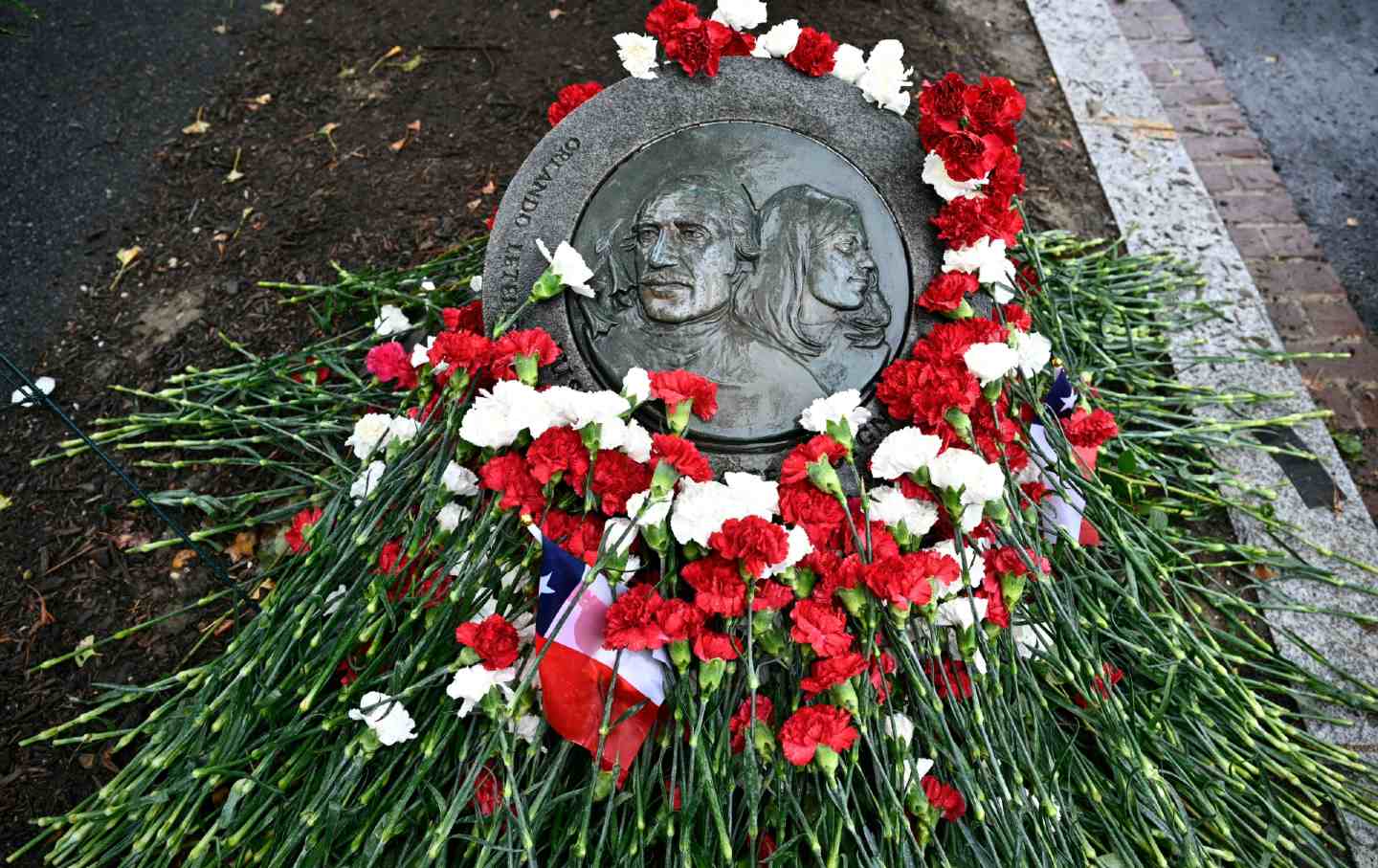
Pinochet: The Verdict of History in the Letelier-Moffitt Case Pinochet: The Verdict of History in the Letelier-Moffitt Case
An act of international terrorism on the streets of Washington, DC, still reverberates 50 years later.
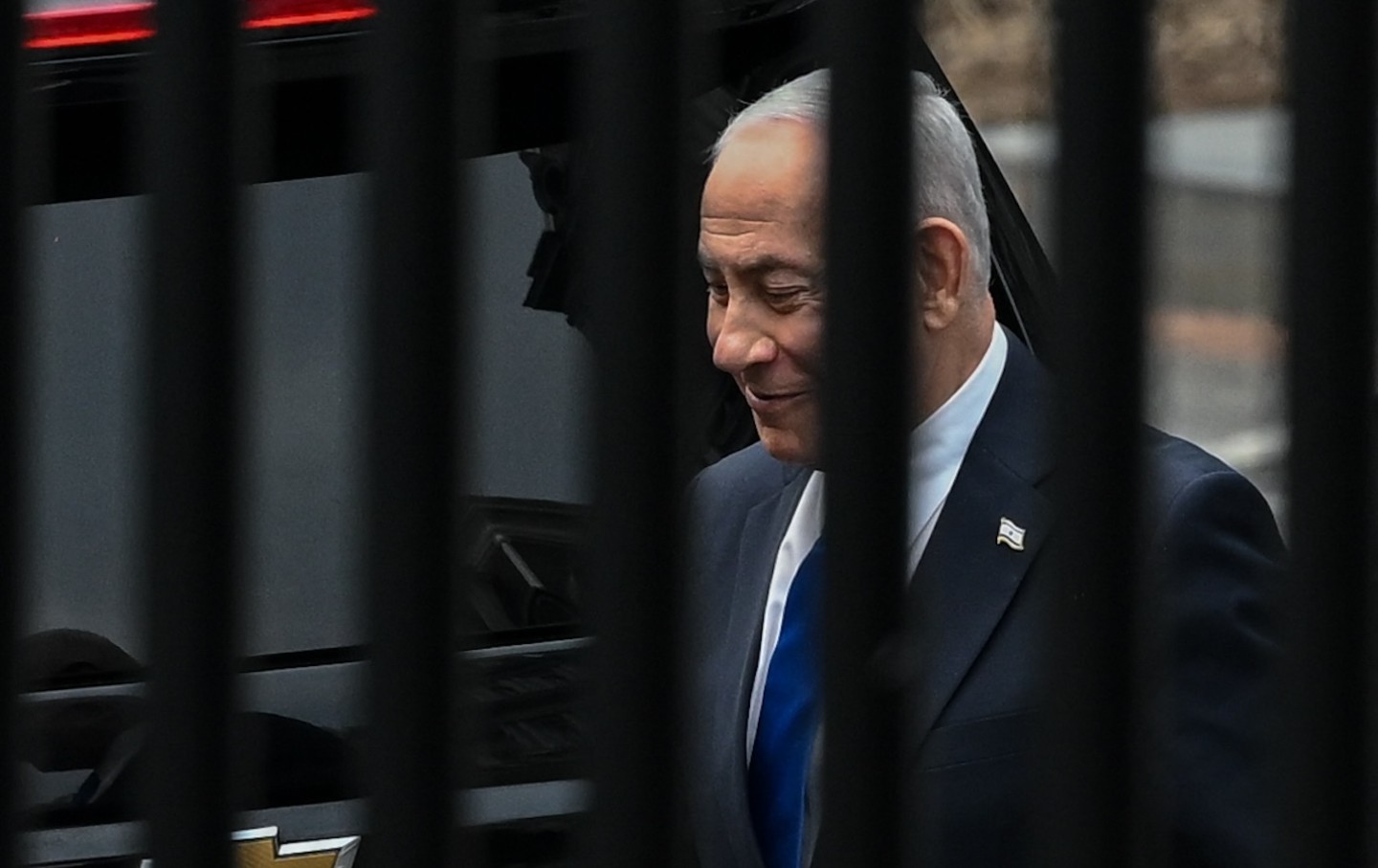
How to Arrest Benjamin Netanyahu How to Arrest Benjamin Netanyahu
Make no mistake: The United States can seize Netanyahu for crimes under US law and prosecute him in US courts when he is in New York City this week.
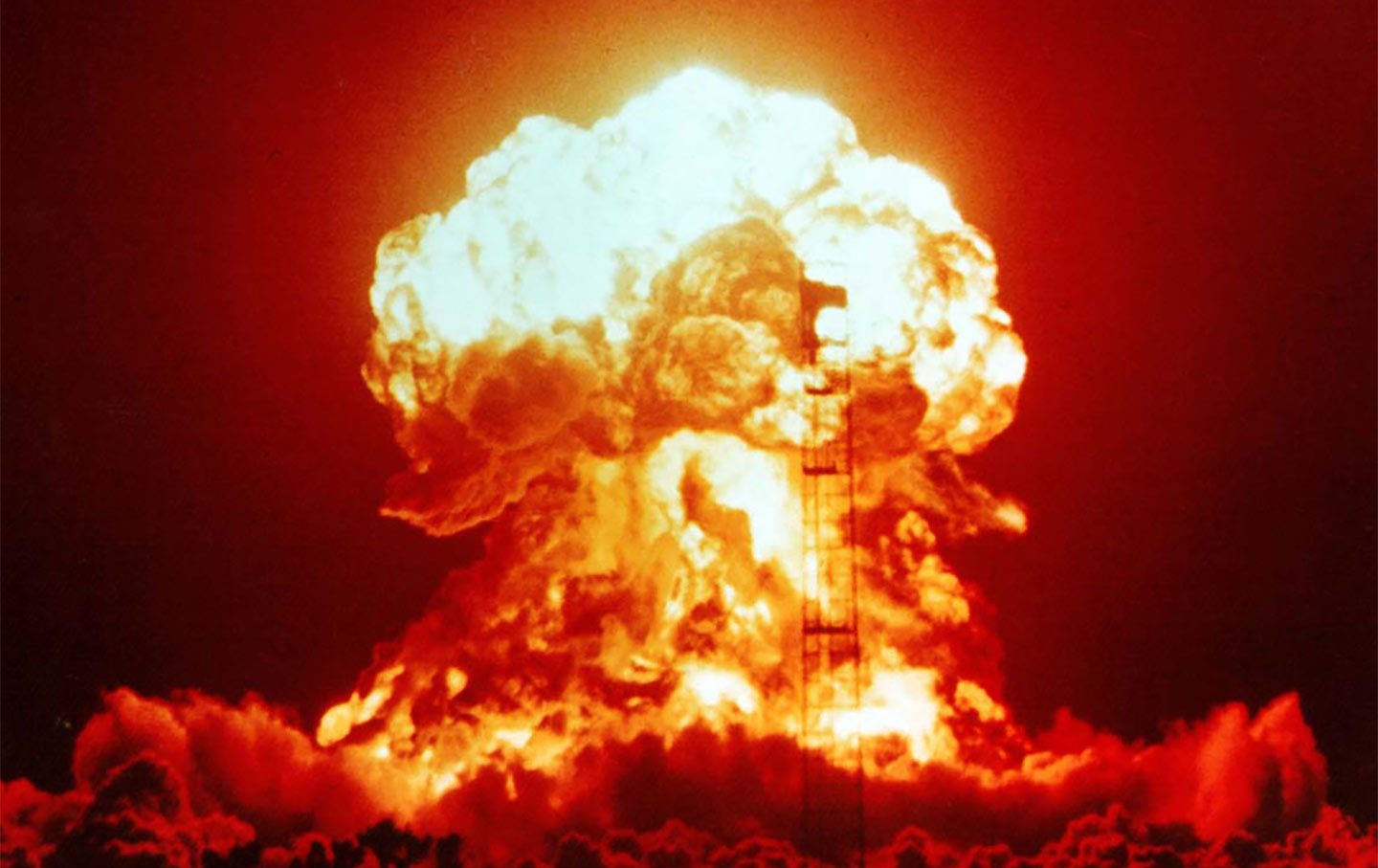
In the Age of AI, Nuclear Weapons Abolition Is a Renewed Imperative In the Age of AI, Nuclear Weapons Abolition Is a Renewed Imperative
As long as we have nuclear weapons, the job of ending humanity will continue to be as easy as the push of a button—or an AI agent hacking into a nuclear command-and-control system...
These Students Are Shaping UN Human Rights Policy These Students Are Shaping UN Human Rights Policy
Princeton undergraduates are helping the organization develop standards for post-mortem digital privacy and death in custody.
The Peril of Trump’s Final Act: Would He Use a Tactical Nuclear Weapon in Iran? The Peril of Trump’s Final Act: Would He Use a Tactical Nuclear Weapon in Iran?
Trump is trapped in a war that has already been lost, a reality that he will never allow himself to admit.
A Spreading War Rattles Global Energy Markets A Spreading War Rattles Global Energy Markets
Analysts say the consequences for energy prices and the world economy may be more serious in this later phase of a war that many had expected to be largely over by now.

