
Irish Goalkeeper Gavin Bazunu’s Refusal to Play Against Israel Puts Him on the Right Side of History
Bazunu’s decision raises the perennial question: Why is a country that is currently committing a genocide allowed to compete in the first place?
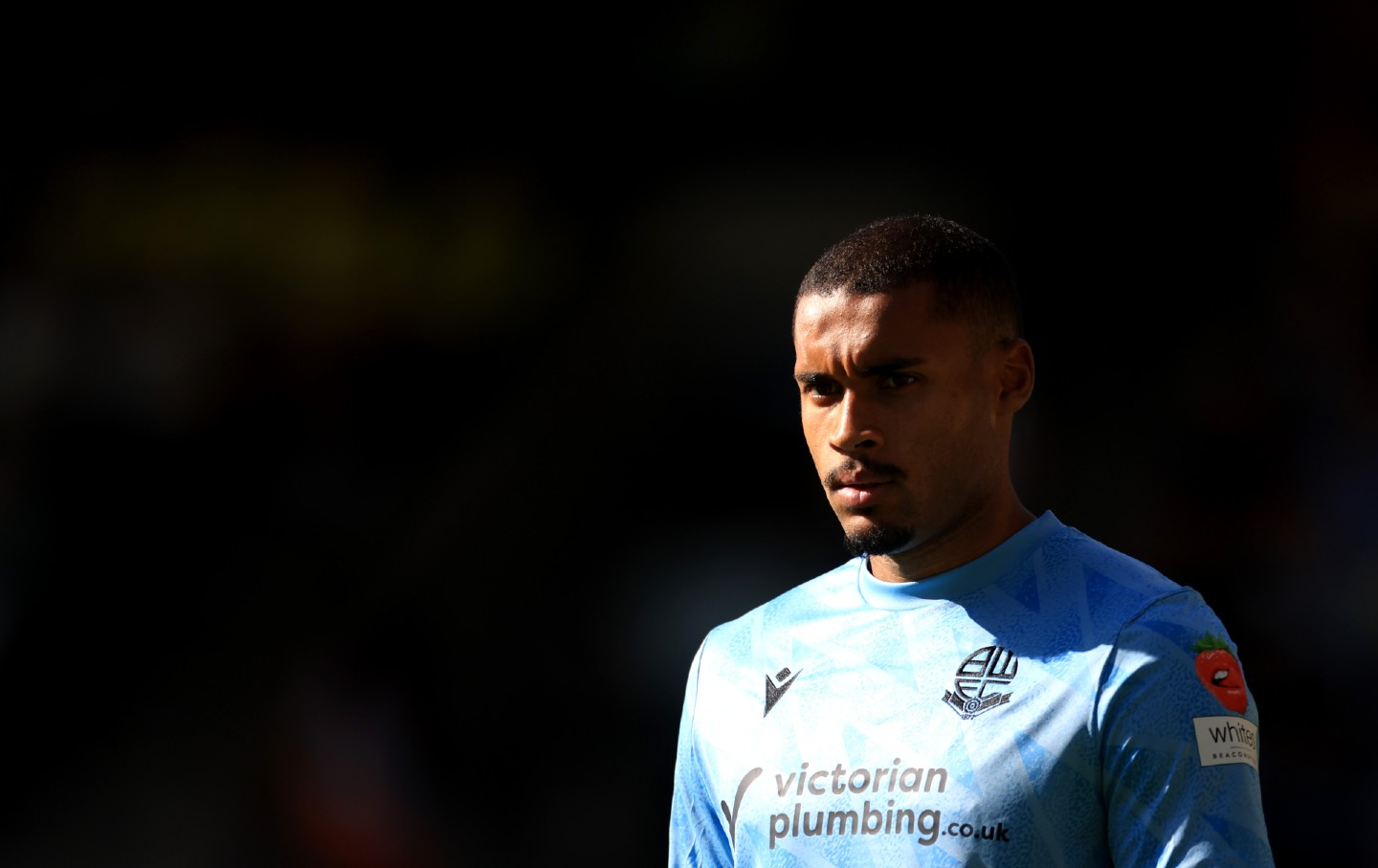
Gavin Bazunu during the Sky Bet Championship 2026–27 match between Norwich City and Bolton Wanderers on September 20, 2026, in Norwich, England.
(Stephen Pond / Getty Images)On Saturday, Gavin Bazunu, a goalkeeper for the Republic of Ireland’s national soccer team, decided that he had enough.
That day, Bazunu posted on Instagram that he refused to play against Israel in that Sunday’s match. He wrote, “I have reached a decision that I have not taken lightly. I am a man of strong faith and try my best to be a person of character and principle.” He continued:
Therefore I feel it would be wrong to participate in the upcoming fixtures against Israel. My decision is based purely upon my personal belief that the killing of innocent people is wrong. It is important to note that my stance is not in opposition of the Israeli people or the Jewish community but against the atrocities in the region. There are few times where you get a chance in life to stand up for something bigger and I strongly believe that this is one of them.
Bazunu should not have been forced to take this step by himself—but what other option did he have? The Union of European Football Associations—Europe’s governing body for soccer—has allowed Israel to continue to compete despite the United Nations’ determination that Israel is committing a genocide in Gaza. Still, when UEFA, abdicating any moral responsibility, punted the decision to the discretion of football federations of individual countries, the Football Association of Ireland (FAI) initially seemed to rise to the challenge. In late 2025, the FAI led an effort to submit a formal motion to UEFA that would ban Israel from competing, arguing that the Israel Football Association had failed to curb the racism of violently anti-Arab fan clubs like Beitar Jerusalem and permitted the organization of football teams in illegal West Bank settlements.
But then, earlier this year, FIFA—run by Donald Trump sycophant and greed-zombie Gianni Infantino—largely sided in favor of Israel in these matters, issuing two controversial, slap-on-the-wrist rulings that dripped with cowardice.
One cannot separate Bazunu’s courage from the movement of Irish soccer fans who have historically acted in solidarity with the Palestinian people, a solidarity that runs deeply throughout much of the country. This often projects itself on the pitch. At a May friendly match in Ireland against Qatar, spectators pelted the pitch with tennis balls decorated with tiny Palestinian flags as part of a Stop the Game campaign, demanding that Ireland withdraw from all fixtures against Israel.
Irish athletes are also at the forefront of speaking out for justice for the people of Gaza. Ahead of Sunday’s match against Israel, the advocacy group Irish Sport for Palestine released a list of more than 160 Irish sportspeople who implored players on Ireland’s squad “to act collectively with conscience” and refuse to take the pitch. The list included athletes from more than a dozen sports, from soccer and hockey to basketball and athletics.
Irish Sport for Palestine chairperson Rebecca O’Keeffe, told The Nation, “Israel has taken full advantage of this [situation] to intimidate, bully, and maintain the lie that sports and politics shouldn’t mix. They continue to act with impunity and weaponise sport for their Zionist propaganda.” The former Irish international basketball player added, “If this game goes ahead, Israel, the Zionist lobby, US interference, and corporate greed will be on full display. We refuse to let sport be used in this way and believe Irish sport is better than this.”
Republic of Ireland midfielder Jason Knight agreed that playing against Israel was wrong. “I don’t think the game should be going ahead,” he said, “but it is going ahead. We’ll have a deeper talk about it and what that means, we’ll get our thoughts as a group and go from there.” Ireland’s team assembled for that “deeper talk” the day before the match and voted by a “significant majority” to play the match.
That’s when Ireland goalkeeper Gavin Bazunu, done with the hand-wringing and “deeper talks,” stood up and refused. At 24, Bazunu is entering the prime of his career. He currently plays in the Championship for the Bolton Wanderers, only one tier beneath the Premier League, where he has logged minutes on the pitch and bench for clubs such as Southampton and Manchester City. This is a footballer with a future, and in a climate where billionaire stadium owners notify artists that they won’t perform if they say “Free Palestine,” taking such a stand puts that future at risk.
“We stand in solidarity with Bazunu,” Rebecca O’Keeffe of Irish Sport for Palestine told us. “Ireland stands in solidarity with him for his courage, leadership, and his principled stance. This is the Ireland we want represented on the global stage.”
While the team did not boycott alongside Bazunu, his teammates wore black armbands in their match against Israel “in recognition of all the lives lost in the conflict.” Ireland captain Dara O’Shea chose not to shake hands with Israel captain Manor Solomon at the coin toss and did not participate in the traditional exchange of pennants. Ireland players reportedly bowed their heads during Israel’s national anthem, and the teams did not perform the traditional handshake after. When Ireland attacker Jack Moylan scored the team’s third goal, he removed his black armband, lifting it in the air. He then kissed the Ireland badge on his shirt, directing the gesture at supporters of Israel, some of whom had heckled Ireland players during warm-ups. Ireland went on to wallop Israel, winning 3–0.
In Ireland, people have responded with powerful gestures of solidarity. The Irish Mirror chose not to cover the game, focusing instead on the political machinations before and after. “What’s happening is bigger than sport,” editor Billy Scanlan wrote. In addition, Numerous pubs refused to screen the Ireland-Israel match.
And let’s not forget that it was Irish artists who first backed Seattle rapper Macklemore when he was kicked off the Ed Sheeran tour by Sheeran and his benefactor, billionaire Zionist and New England Patriots team owner Robert Kraft. Solidarity and courage are indeed contagious: Now Macklemore is launching a global Free Palestine concert tour with proceeds going to activist and relief efforts. The first stop on the tour is Dublin. Perhaps Gavin Bazunu will take the stage.
More from The Nation
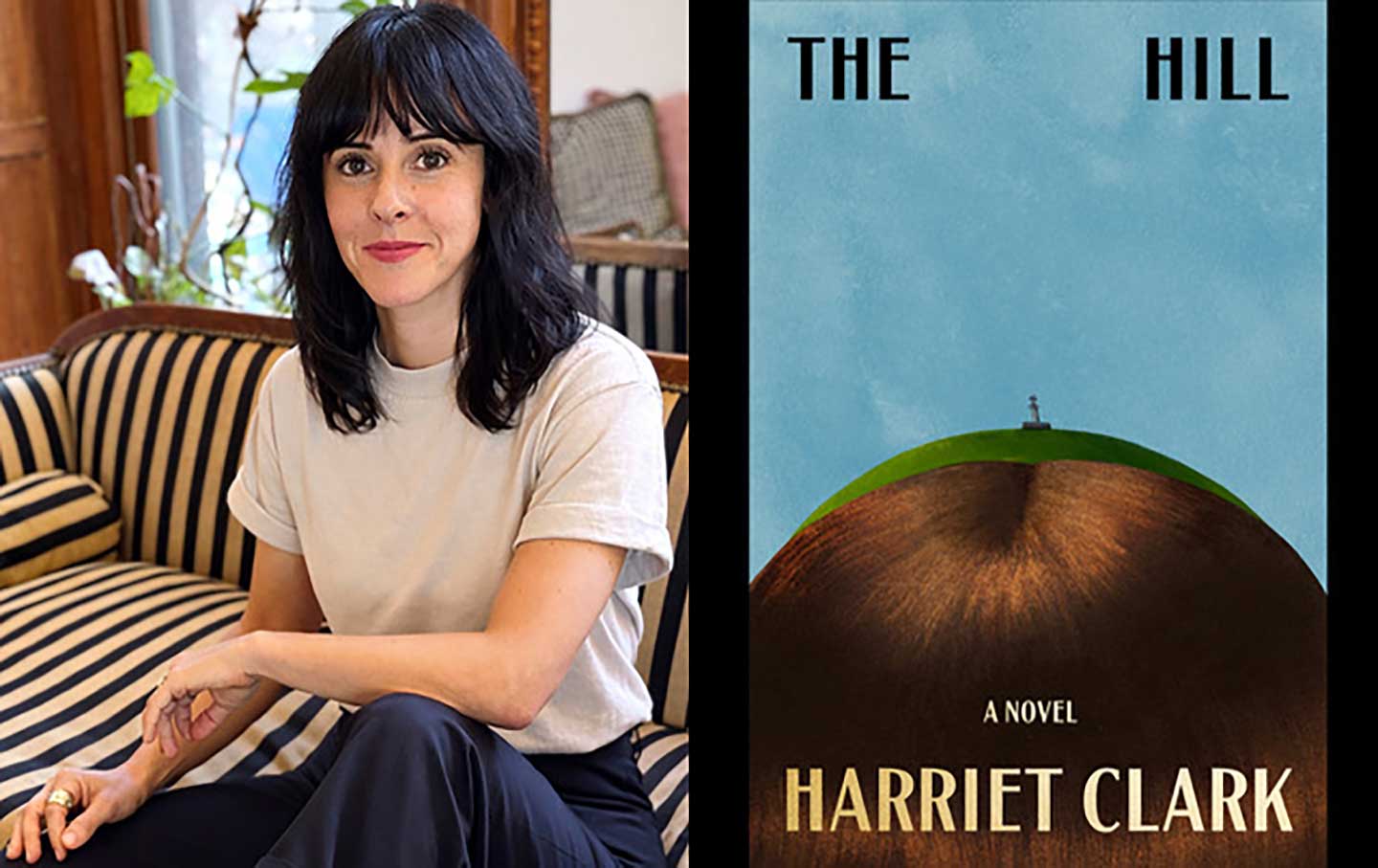
Seeing My Mother in Prison: A Conversation With Author Harriet Clark Seeing My Mother in Prison: A Conversation With Author Harriet Clark
An interview with the author of The Hill about her debut novel and the artist’s role in documenting atrocities.
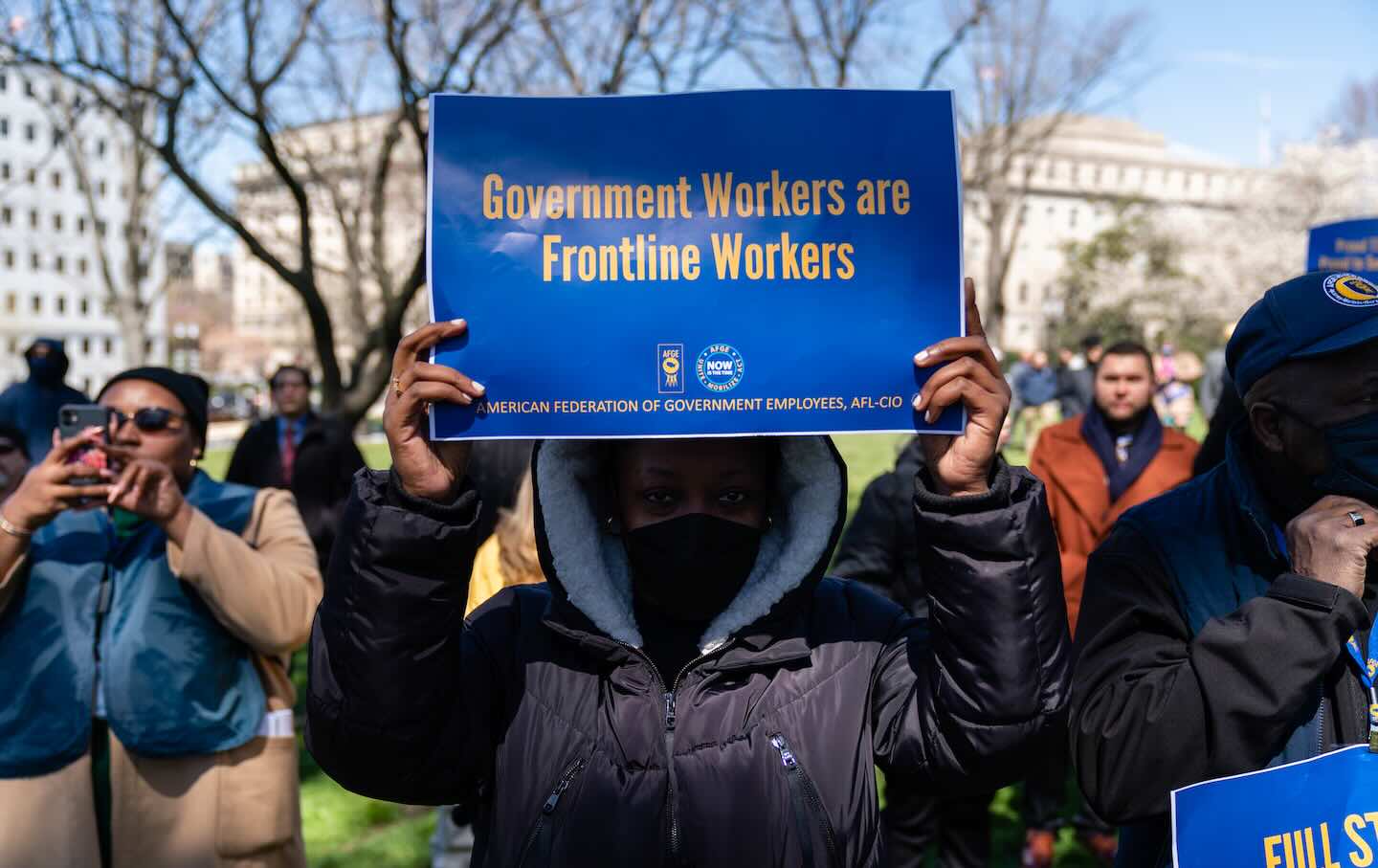
Recovering From a “Gut Punch”: Black Women Fired by Trump and Musk Work to Overcome Shame and Self-Blame Recovering From a “Gut Punch”: Black Women Fired by Trump and Musk Work to Overcome Shame and Self-Blame
Black women working for the federal government did what they were supposed to do. Yet their achievements could not protect them from the political winds.
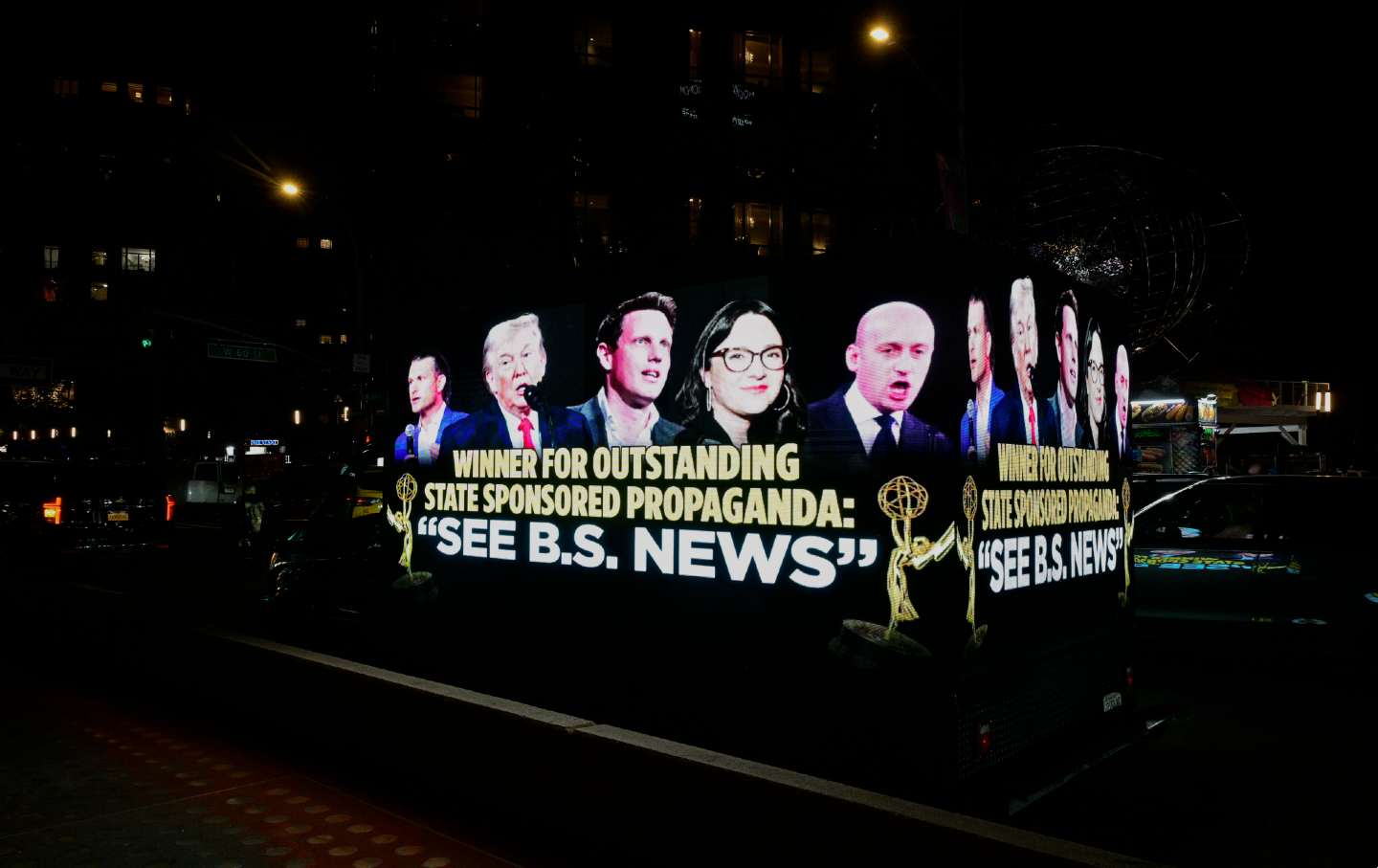
How the Skydance Merger Will Remake Hollywood and the News Business How the Skydance Merger Will Remake Hollywood and the News Business
The Ellison family’s $110 billion deal to acquire Warner Bros. Discovery means more top-down control, and less room for dissent.
The Conservative Organization Building a New Young Elite The Conservative Organization Building a New Young Elite
From pro-life summits to Palantir résumé drops, the David Network is discreetly building a pipeline for conservative college students.
The Unseen Toll: Depression, Anxiety Plague Black Women a Year After Being Fired by DOGE The Unseen Toll: Depression, Anxiety Plague Black Women a Year After Being Fired by DOGE
Trump’s federal workforce cuts dismantled a job pipeline for Washington, DC’s Black community and gutted the well-being of the women who hold up that community.
Yale’s Protest Tradition Is Back Yale’s Protest Tradition Is Back
For the first time in more than 50 years, Yale students gathered around an iconic sculpture to protest their university and their government.

