
Zohran Mamdani’s Win Could Change Everything
Mamdani won by uplifting and uniting some of New York City’s most forgotten voters. His coalition now has a chance to transform what’s possible for people everywhere.
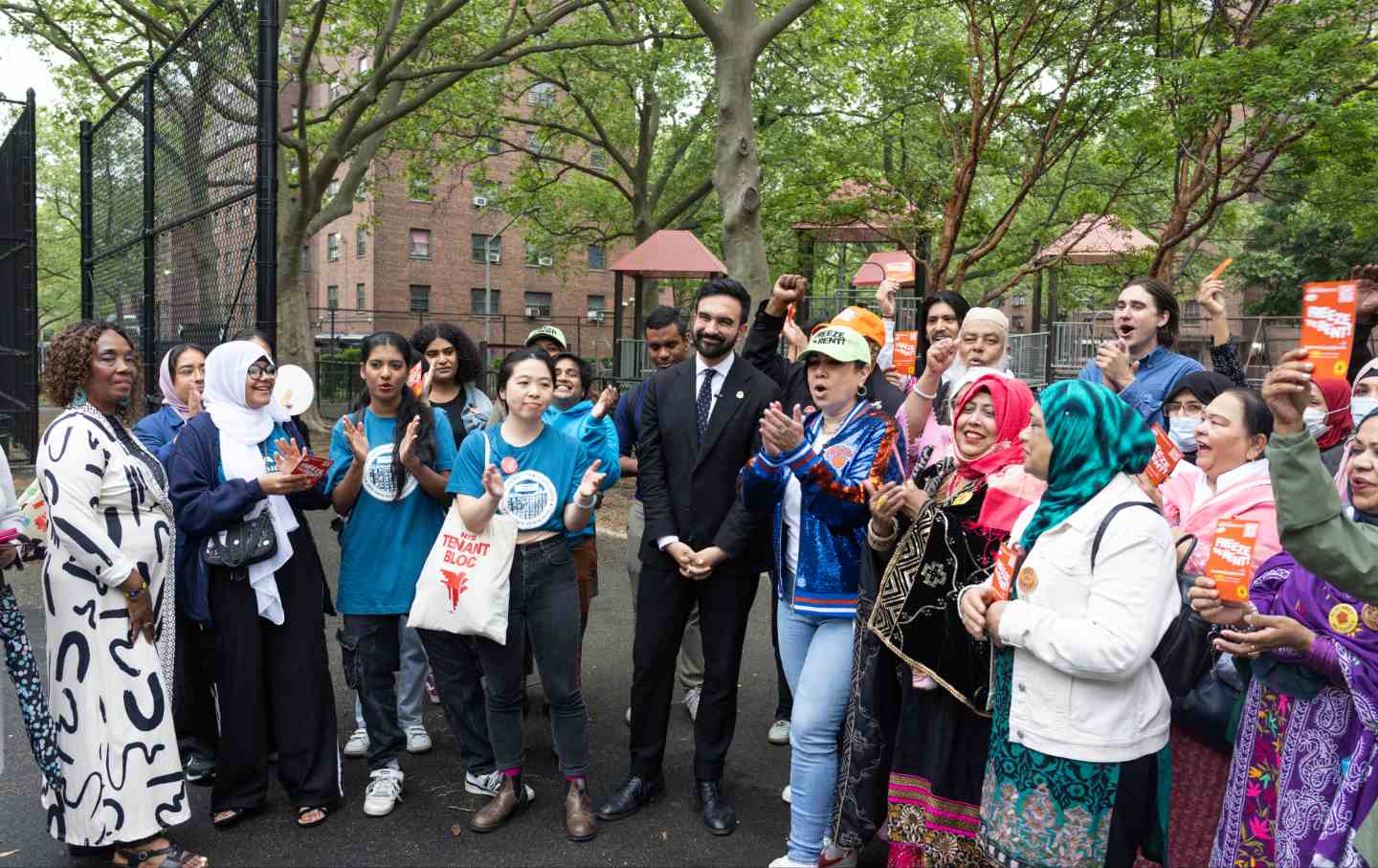
Zohran Mamdani with supporters in Brooklyn on May 4, 2025.
(Andrew Lichtenstein / Corbis via Getty Images)On a cold February day in 2017, the gates came down on thousands of bodegas across New York City. Many were Yemeni-owned, family-run stores—places that almost never closed, not for a blizzard, not for a blackout, not even for Eid. But just this once, they did. The occasion was Donald Trump’s first Muslim ban. The owners shut their lights, locked their doors, and taped notes to the glass: “Closed in protest. Closed for dignity. Closed for America.”
That day, they gathered outside Brooklyn’s Borough Hall under a winter sky, praying in the cold and waving American flags. It looked like a protest, but it felt like something deeper. It was a collective act of defiance—and belonging. For years after 9/11, Arab and Muslim New Yorkers had lived under the long shadow of surveillance and suspicion, told to keep their heads down, stay quiet, and be grateful. The 2017 bodega strike broke that silence. Here were Muslim workers and small business owners—unapologetic, organized, and standing shoulder to shoulder—not asking for permission but asserting their place in the city they helped build. It wasn’t just about Trump’s ban. It was a rupture with the post-9/11 politics of fear. It marked the emergence of a new kind of Muslim American politics—rooted in solidarity, visible in public, and grounded in power, not just presence.
Few saw it for what it was. But that day was not only an end to hiding. It was the quiet beginning of a realignment that would take clearer shape years later, when New York Democrats chose Zohran Mamdani as their nominee for mayor.
Mamdani’s win is historic in the ways the headlines capture. He is the first Muslim and South Asian nominee for mayor of New York, and the first democratic socialist in generations to have a real shot at leading a major American city. But the basic facts aren’t the real story. The real story is how he won—and why.
When Andrew Cuomo launched his comeback bid, the Democratic establishment seemed eager to pretend the last decade hadn’t happened. Cuomo ran as if it were still 2010, leaning on the same donors, repeating the same talking points, spending millions on television ads, and betting that a weary electorate would settle for the devil they knew.
But Mamdani saw something they didn’t. He recognized how much the ground had shifted. That shift began, in part, with the bodega strike in 2017. Some of the people who had organized or participated in that protest helped power his campaign. Others, who had been politicized by it or had been ignored since, joined his coalition. The memory of that moment—when immigrant communities stood up to say, “We belong here”—did not fade. It deepened. It matured.
These weren’t symbolic gestures. They were seeds. Mamdani’s campaign grew from years of organizing, frustration, and grief, especially among young progressives, immigrants, and Arab and Muslim communities who had long been pushed to the party’s margins. He didn’t just run against Cuomo. He ran against the political amnesia that forgot the people who showed up when it mattered.
No issue revealed that disconnect more clearly than Gaza. Over the past 20 months, as tens of thousands of Palestinian civilians were killed by American-made bombs, Democratic leaders offered excuses instead of action. Even as the party’s base shifted toward supporting Palestinian rights, the leadership stood firm.
In the primary, Cuomo followed this script, accusing Mamdani of extremism for his pro-Palestinian views and demanding loyalty tests. But Mamdani didn’t flinch. He named what was happening. He said that solidarity is not a slogan, that multiracial democracy must mean something for those most often asked to wait.
Voters didn’t punish him for it. They rewarded him. As a Bangladeshi Uber driver told me on election night, “Zohran is for peace, not war. He’s for ordinary people. We don’t want more wars. We need help here in New York.”
This clarity wasn’t rhetorical. It was the foundation of his campaign. And it worked. Mamdani didn’t just win in Park Slope or Cobble Hill. He won all over the city: in Jackson Heights, Richmond Hill, Sunset Park, Chinatown, and Flushing. He flipped swing districts like Oakland Gardens, places that had voted for Joe Biden in 2020, for GOP gubernatorial candidate Lee Zeldin in 2022, and for Donald Trump last year. He united two groups that rarely move in tandem: young progressives and working-class immigrants.
This coalition didn’t appear out of thin air. It was built over the course of a decade, starting with Bernie Sanders’s 2016 campaign, the rise of DSA in New York politics, the Justice Democrats victories of Alexandria Ocasio-Cortez and Jamaal Bowman, and the defeat of the Republican-aligned, Cuomo-backed Independent Democratic Coalition, a win fueled in part by the Working Families Party. It gained strength through protests, petitions, primaries, and losses. It learned how to win by learning how to lose—together.
By 2023, socialists held more seats in Albany than at any time in the past hundred years. Arab, Muslim, and Bangladeshi communities had begun electing their own leaders and forming durable institutions. Mamdani grew within that movement. When he ran for mayor, he was ready.
While national Democrats pulled back, Mamdani leaned in. He ran on a clear and grounded message: freeze rents, make buses free, build public grocery stores. His stance on Israel and Palestine wasn’t buried, and it wasn’t isolated. It was part of a broader argument about dignity, housing, and whose voices matter. He made democratic socialism sound like common sense. He invited people in—not to agree on everything, but to build something bigger than themselves.
He also understood that solidarity is something you do. His alliance with Brad Lander, New York’s progressive Jewish comptroller, was not just symbolic. It was strategic. Together, they showed that Muslims and Jews could share power without flattening their differences, and that real coalition is built through action, not just talk.
Popular
“swipe left below to view more authors”Swipe →Some will say Mamdani won because of Cuomo’s failures, or because young voters like TikTok. But this wasn’t a vibe campaign. It was a campaign about housing, buses, food, and war. Yes, the communications were sharp. Yes, Mamdani understood the moment. But what made his campaign powerful was its honesty. It didn’t just look good. It told the truth.
The danger now is that Democrats will take the wrong lesson from Mamdani’s triumph. They may try to copy Mamdani’s media strategy while ignoring the content of his message. Somewhere, someone is already pitching a crypto-friendly meme about the “Opportunity Economy” sponsored by JPMorgan. But what moved voters wasn’t the medium. It was the message.
Mamdani’s critics call him radical. So did critics of Fiorello La Guardia in the 1930s. The New York Times said La Guardia was obsessed with “socialistic playthings” like public power. Today, La Guardia is remembered not as a radical but as one of the city’s greatest mayors. They named an airport after him.
If Mamdani’s victory feels like something new, it is. But it is also a return. A return to a politics that sees dignity as nonnegotiable, solidarity as a strategy, and leadership as a tool for the many. In a city long governed by caution, voters chose boldness. They chose memory over forgetting.
They remembered the bodegas. They remembered the prayers in the cold. They remembered what it felt like to be left out—and what it felt like to fight back. And this time, they didn’t just protest. They voted.
The question now is whether Mamdani’s coalition can govern. If it can, it might not just change New York. It might change what’s possible everywhere.
More from The Nation
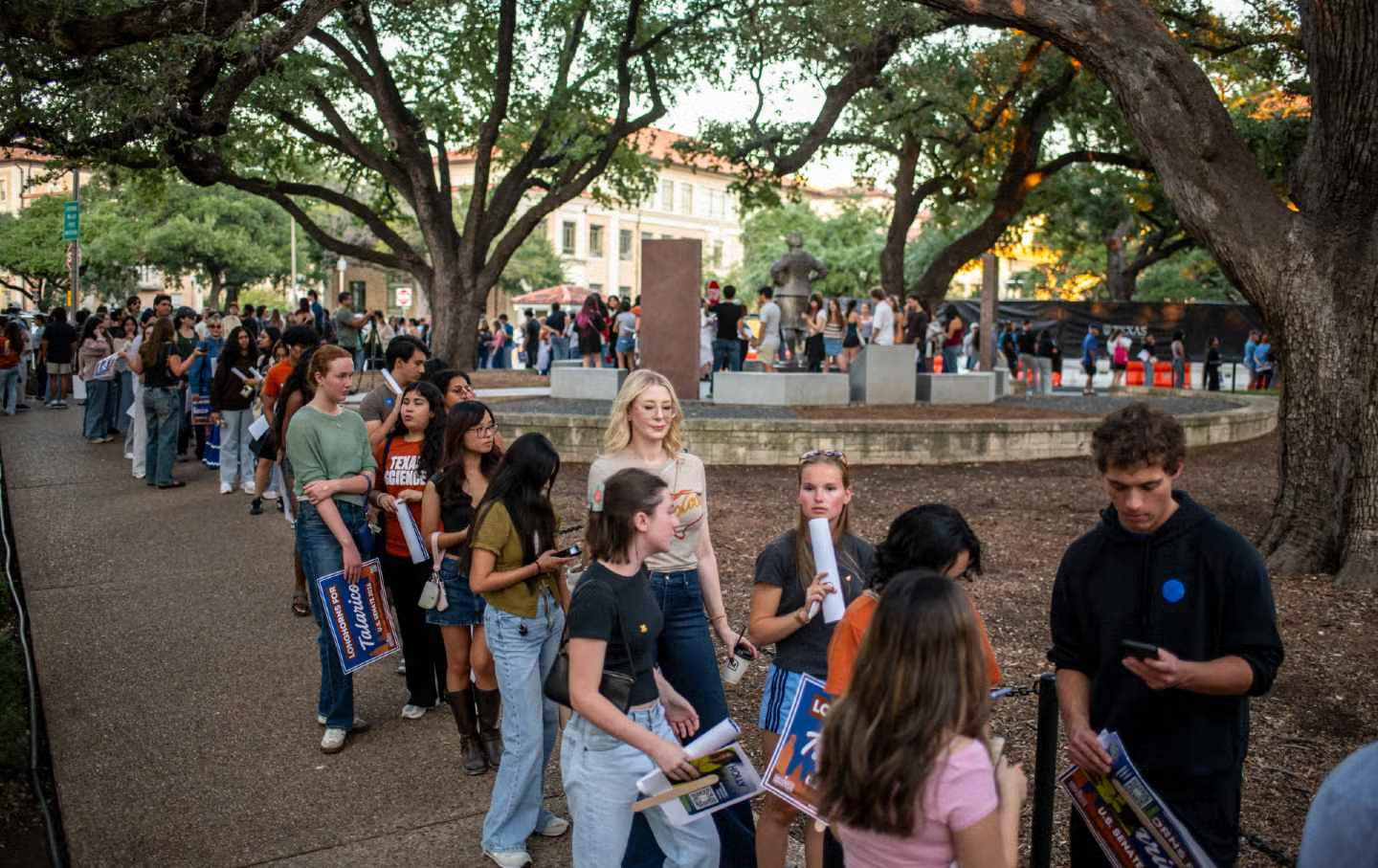
I Am a UMich Student From Texas. Choosing Where to Vote Was Impossible. I Am a UMich Student From Texas. Choosing Where to Vote Was Impossible.
Despite Michigan being a battleground for one of the most contentious midterm races this cycle, I couldn’t help but feel a draw to my native Texas.
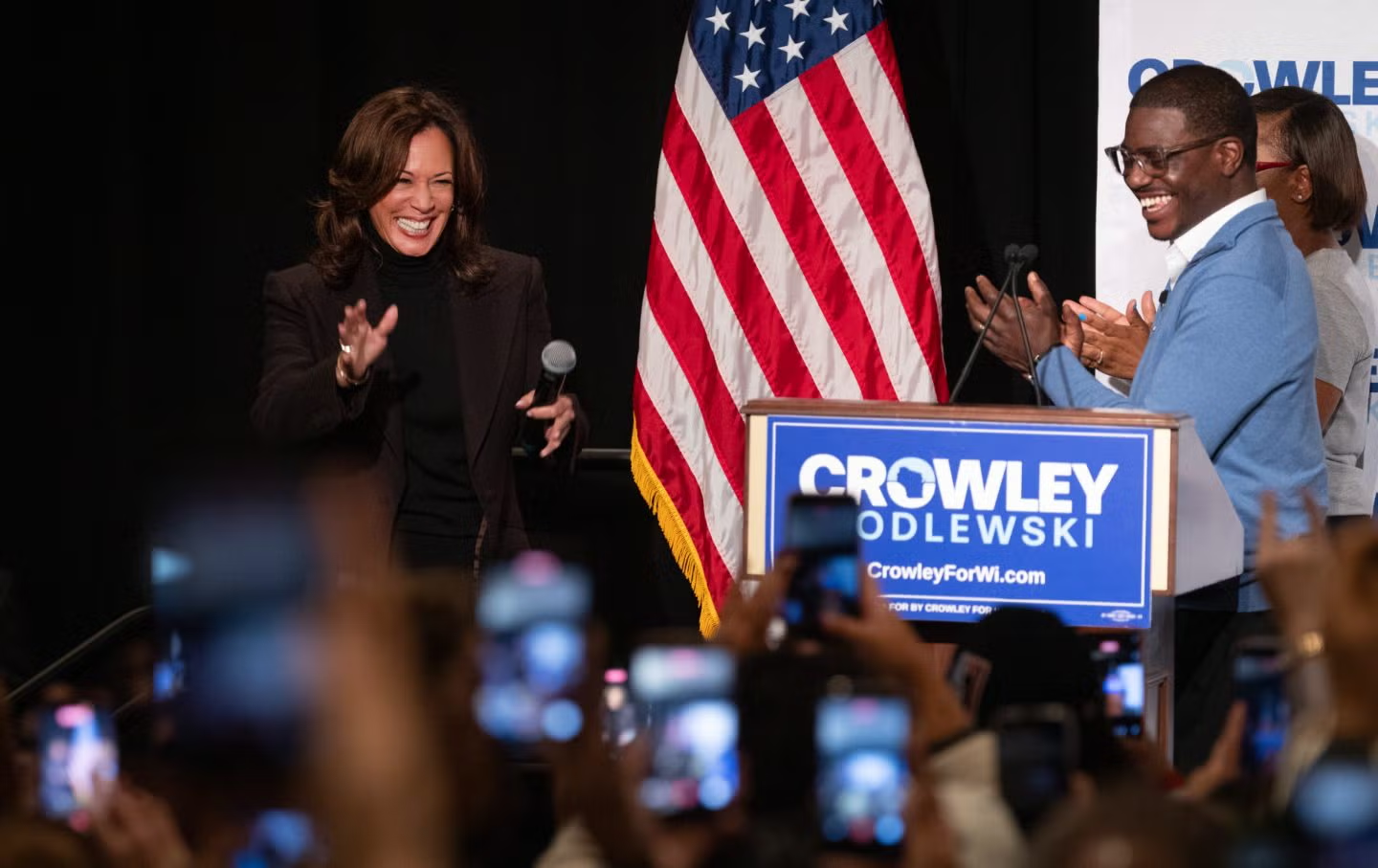
Kamala Harris Has Her Eye on Today’s Gubernatorial Races Kamala Harris Has Her Eye on Today’s Gubernatorial Races
The former vice president reminds The Nation that, even if government is divided in DC, “a governor, as the chief executive of a state, can actually make things happen.”
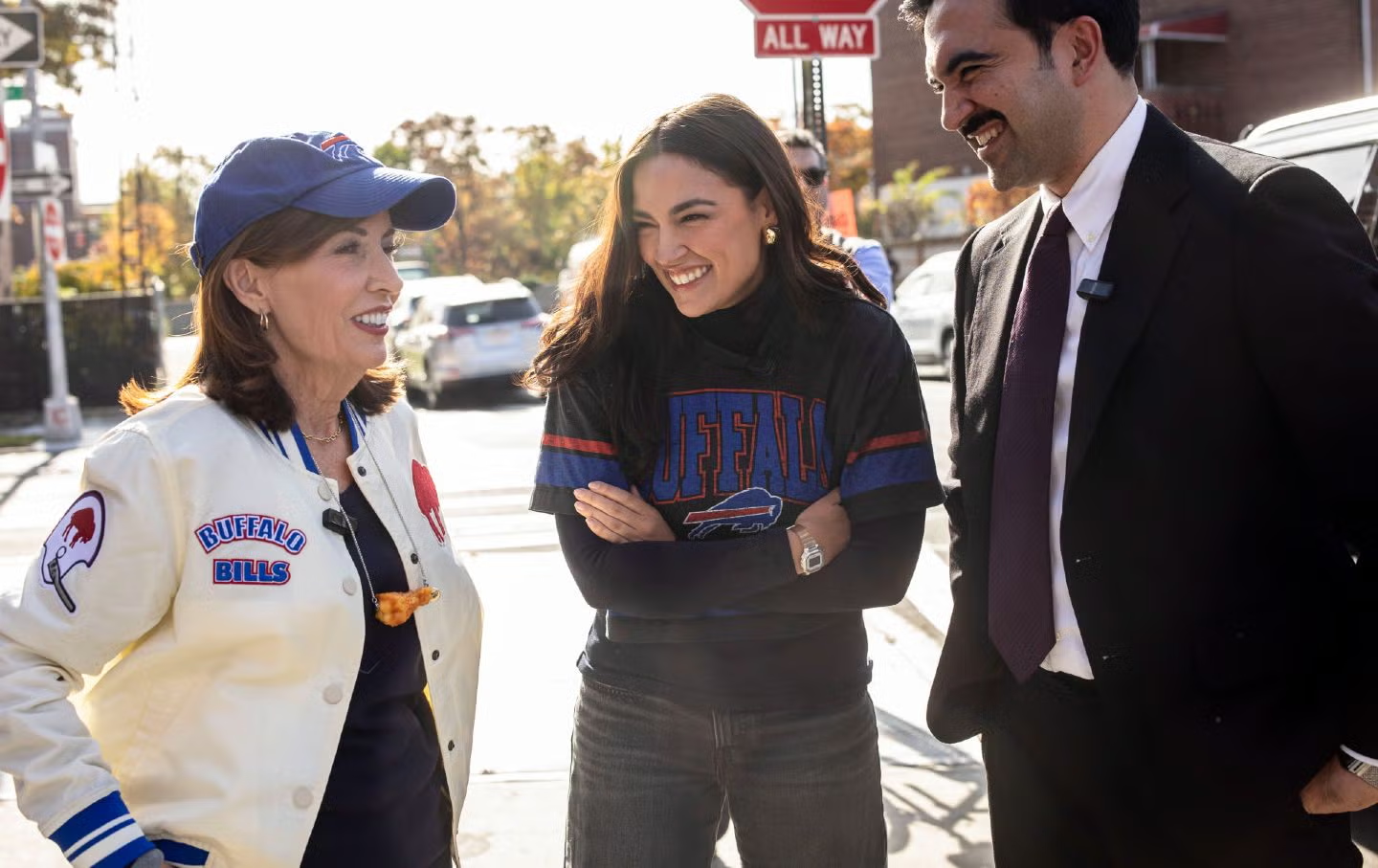
Hochul and Mamdani Teach Democrats a Vital Lesson in Party Unity Hochul and Mamdani Teach Democrats a Vital Lesson in Party Unity
New York State’s governor and New York City’s mayor are illustrating how ideologically diverse Democrats can build winning coalitions.
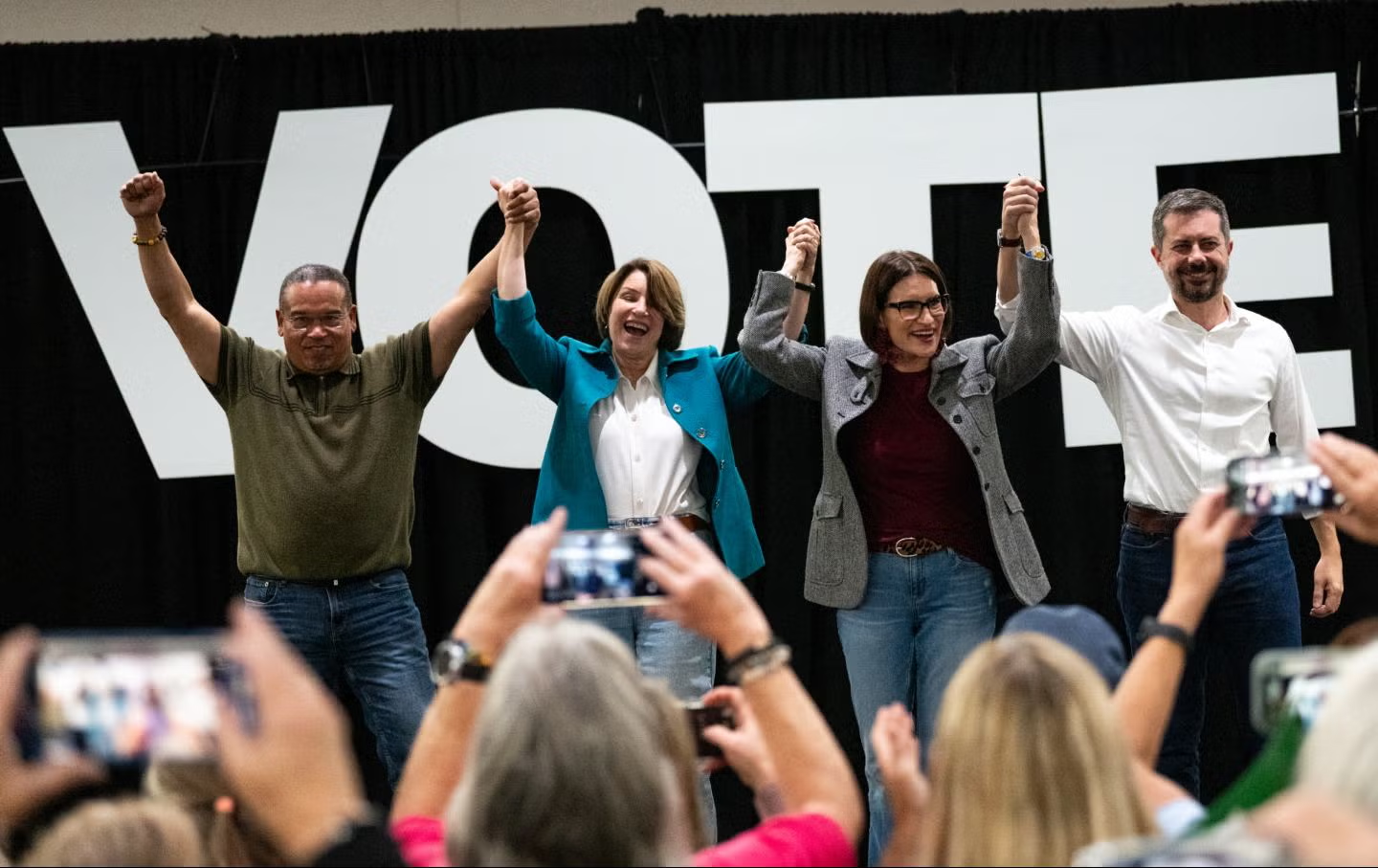
Peggy Flanagan Makes Her Closing Argument Against Trump’s “Cruelty and Chaos” in the Minnesota Senate Race Peggy Flanagan Makes Her Closing Argument Against Trump’s “Cruelty and Chaos” in the Minnesota Senate Race
Flanagan opponent Michele Tafoya’s extreme and erratic stands on Operation Metro Surge may well cost her the Senate seat.
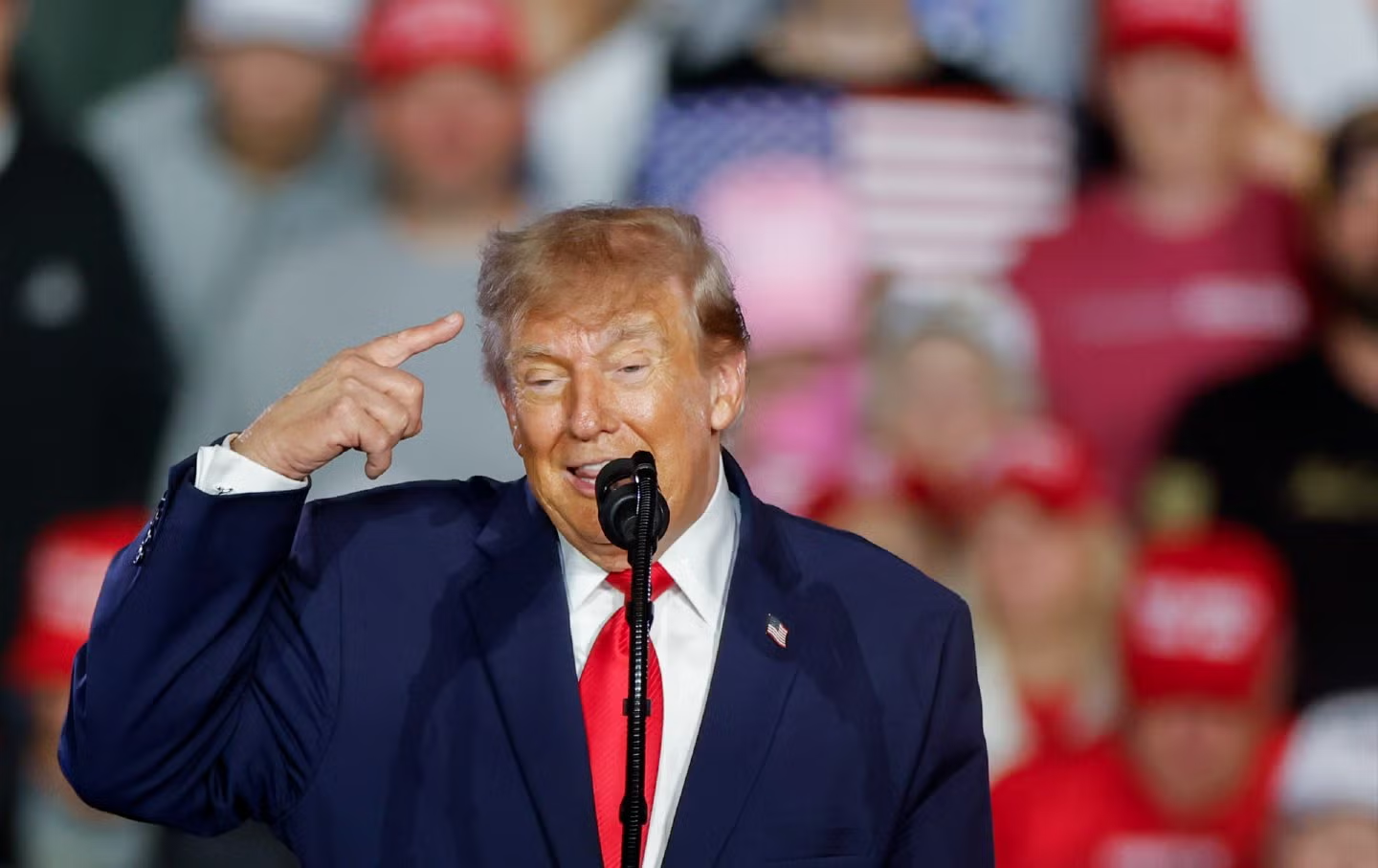
Donald Trump Has Lost It Donald Trump Has Lost It
At one of his final midterm rallies, the president showed just what a spent political force he has become—and what little grip on reality he still has.
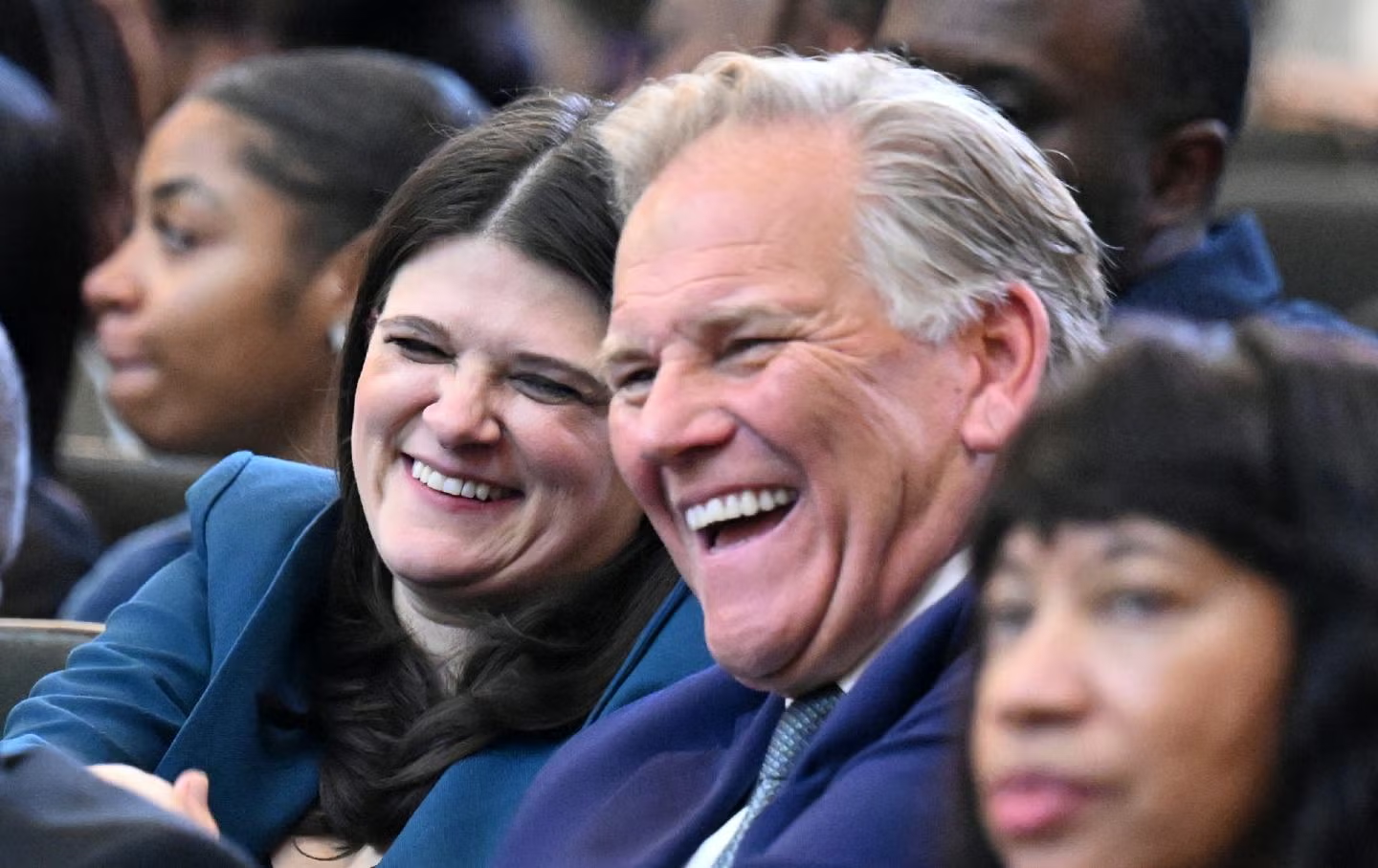
Haley Stevens’s Betrayal Is a Fiasco for the Democratic Establishment Haley Stevens’s Betrayal Is a Fiasco for the Democratic Establishment
Centrist, pro-Israel Democrats helped Stevens undermine Abdul El-Sayed for months. Now they are reaping the consequences.

