
Trump’s Fickle Iran Policy
He is now a rudderless potentate.
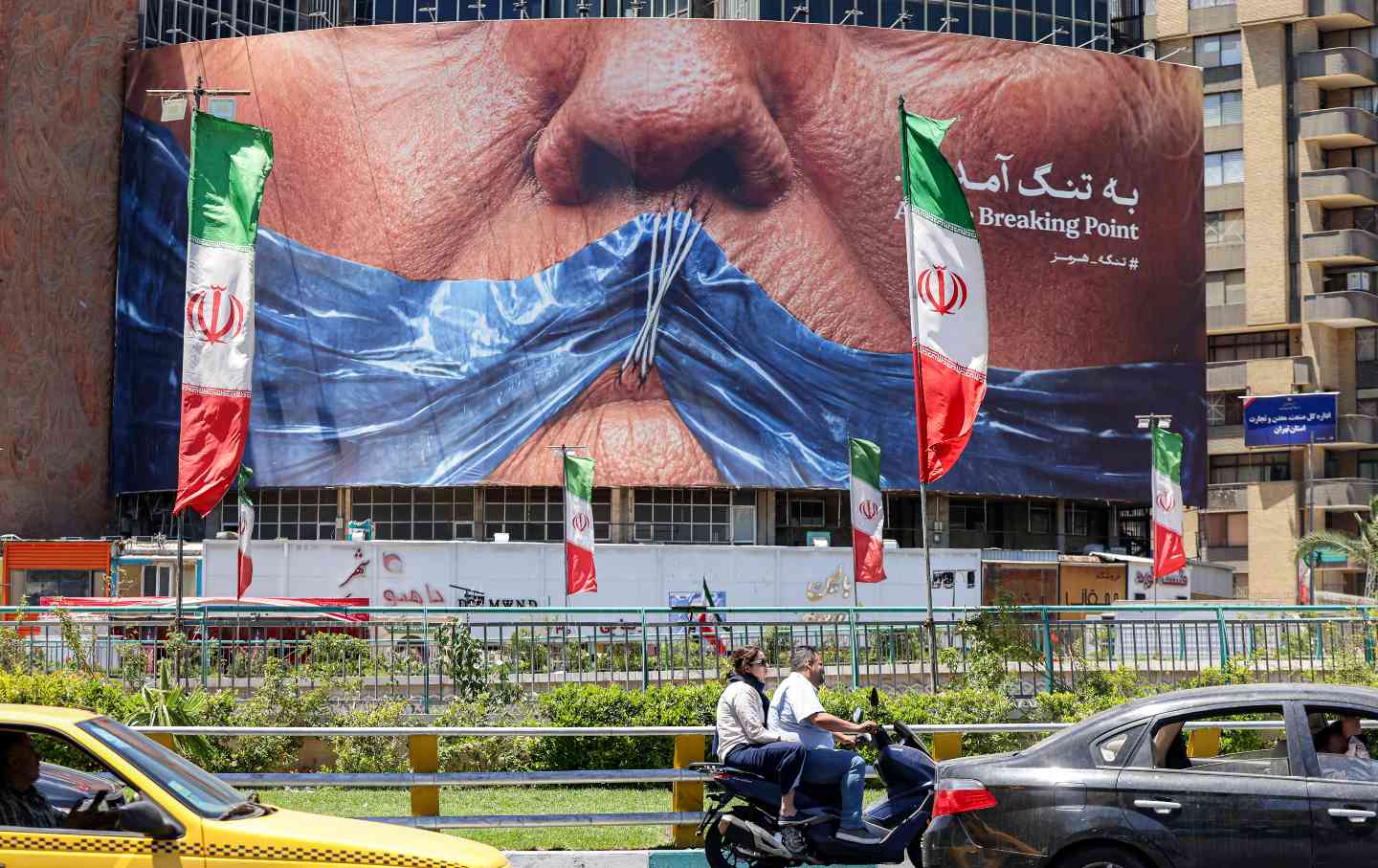
More than anything, Trump has sought to project an aura of personal power and decisiveness. Whether through his ironclad rule over the Republican Party, condescending stance toward foreign emissaries, or ruthless exercise of military power, Trump is constantly reminding us of his extraordinary grasp of executive powers and his unique temperament to exploit them. Recent developments in the Middle East, however, have thrown into doubt his capacity to wield power effectively—with unpredictable and potentially perilous consequences.
Trump’s obsession with the public display of personal power was notably evident in his announcement of the January 2 US kidnapping of Venezuela’s President Nicolás Maduro, to face trial in New York on drug charges. “This was one of the most stunning, effective, and powerful displays of American military might and competence in American history,” he said the next morning. “The United States military is the strongest and most fierce military on the planet by far,” he asserted—a distinction he attributed to his personal initiative. “Under the Trump administration, we are reasserting American power in a very powerful way,” he declared. “We had great dominance in my first term, and we have far greater dominance right now.”
Evidently propelled by these fantasies of domination, Trump concluded—or was led to believe—that a full-scale air and missile assault on Iran would produce a similar outcome, with even greater rewards for Washington.
According to an exhaustive investigation by Jonathan Swan and Maggie Haberman of The New York Times, Trump was persuaded to undertake the assault by assurances of unqualified success provided by Israeli Prime Minister Benjamin Netanyahu and Mossad director David Barnea during a February 11 meeting in the White House Situation Room. An all-out US/Israeli attack, Trump was reportedly told, would almost certainly result in the collapse of Iran’s clerical regime, the destruction of its ballistic missile inventory, the elimination of its aid to proxy forces like Hamas and Hezbollah, and the permanent cessation of its drive to acquire nuclear weapons. Any potential Iranian ability to retaliate by striking US allies in the Persian Gulf region or blocking the Strait of Hormuz—through which one-fifth of the world’s oil supply normally passes—was said by the Israelis to constitute a negligible concern.
Although some US officials, including chairman of the Joint Chiefs of Staff Gen. Dan Caine, warned of possible risks from an attack on Iran, Trump chose the path of promised glory, embracing the Israeli plan for a full-scale assault.
The president’s overweening self-confidence and undiluted faith in American military power was on full display when he announced the assault on February 28. “This regime will soon learn that no one should challenge the strength and might of the United States Armed Forces,” he declared. “I built and rebuilt our military in my first administration and there is no military on earth even close to its power, strength or sophistication.”
As events soon demonstrated, however, the Iranian regime was fully prepared to challenge the strength and might of America’s armed forces—and, in doing so, deprived Trump of success in nearly all of his priority areas.
By firing one-way drones and ballistic missiles at US bases in the region and the energy facilities of US allies, the Iranians were able to inflict significant damage to US combat capabilities and to block traffic through the Strait of Hormuz, provoking a global energy crisis. Despite intense US and Israeli attacks, moreover, the regime did not collapse, nor was its ability to conduct drone and missile barrages fully eliminated. In countering those barrages, moreover, the United States consumed a large share of its inventory of advanced air-defense missiles, leaving US forces ill-prepared for any future confrontation with well-equipped Chinese or Russian forces. Most significantly, Iran’s supply of highly enriched uranium remained untouched, presumably still stored in canisters buried in a cave near Isfahan, whose entrance was reportedly sealed by US “bunker buster” bombs during a raid last June.
Faced with these disappointments, Trump—egged on by Netanyahu and pro-Israeli forces in the US—threatened to escalate the fighting even further, attacking not only military and regime targets but also bridges, power plants, and other infrastructure—a severe threat to the health and well-being of Iran’s civilian population. Unless the regime bowed to his demands, Trump declared at 8 am on April 7, “A whole civilization will die tonight, never to be brought back again.”
This was, perhaps, the last time it could be said that Trump exercised full control over the course of battle in Iran. Between 8 am and 6 pm Washington time on April 7, Trump was somehow persuaded by Pakistani mediators and other interlocutors to initiate a two-week ceasefire with the Iranians and to use that time to complete work on a lasting peace settlement, whose broad outlines the Pakistanis had crafted over the previous weeks.
Why did Trump agree to a ceasefire, even though he had yet to achieve his key objectives in starting the war?
While it is almost impossible to reconstruct what went on in the Oval Office during those frantic hours—let alone inside the president’s head—it appears that Trump came under enormous pressure from the leaders of friendly states in the Gulf, where Iranian retaliatory strikes had been concentrated. A new wave of US attacks on Iran, they argued, would invite crippling Iranian counterstrikes against the Gulf’s oil facilities—extending the energy crisis and causing widespread economic harm. These leaders, including top officials from Qatar, Saudi Arabia, and the United Arab Emirates, have come to wield considerable influence in Trump’s Washington due to their immense oil wealth and ties to the Trump dynasty’s business interests. When they speak out—as reportedly they have on this matter—Trump listens.
President Trump’s deference to the leaders of these countries and others with similar attributes was fully evident in his May 23 announcement that a peace agreement was nearly ready for signing. “I am in the Oval Office at the White House where we just had a very good call with President Mohammed bin Salman Al Saud, of Saudi Arabia, Mohammed bin Zayed Al Nahyan, of the United Arab Emirates, Emir Tamim bin Hamad bin Khalifa Al Thani, Prime Minister Mohammed bin Abdulrahman bin Jassim bin Jaber Al Thani, and Minister Ali al-Thawadi, of Qatar, Field Marshal Syed Asim Munir Ahmed Shah, of Pakistan, President Recep Tayyip Erdoğan, of Türkiye, President Abdel Fattah El-Sisi, of Egypt, King Abdullah II, of Jordan, and King Hamad bin Isa Al Khalifa, of Bahrain, concerning the Islamic Republic of Iran, and all things related to a Memorandum of Understanding pertaining to PEACE,” he wrote on Truth Social. “An Agreement has been largely negotiated,” he added, “subject to finalization between the United States of America, the Islamic Republic of Iran, and the various other Countries, as listed.”
But Trump soon repudiated his avowal of an imminent peace agreement, saying the Iranians had yet to agree to all of his stipulations, especially with regard to the disposition of nuclear materials and control over the Strait of Hormuz. Iran, he claimed, will have to surrender all that buried enriched uranium and allow untrammeled passage through the Strait; until its leaders agreed to this, there could be no agreement. On May 27, Trump indicated that he was prepared to prolong negotiations for months if necessary—even if that entailed the continued closure of the Strait and resulting high gas prices during the coming election season—or to resume fighting. “They want very much to make a deal,” Trump told reporters. “So far, they haven’t gotten there. We’re not satisfied with it, but we will be—either that or we’ll have to just finish the job.”
As if to demonstrate Washington’s readiness to resume fighting, US forces struck Iranian missile bases near the Strait of Hormuz on May 27—a move said to be in response to aggressive Iranian naval actions in the strait—and again on May 28, following an attempted Iranian missile strike on a US base in Bahrain.
All this naturally raises another critical question: What explains Trump’s aversion to concluding a peace deal after repeatedly saying one was nearly at hand?
Once again, it is difficult to determine what is going on inside Trump’s head, but it appears that he is under pressure from another group of actors to reject any peace deal short of a total Iranian surrender or, lacking that, to resume the fighting. This group, which includes Benjamin Netanyahu and influential pro-Israeli politicians in the US, argues that any agreement must incorporate all of the objectives of the original US/Israeli assault that were not achieved in the first round of fighting.
“President Trump’s decision to strike Iran was the most consequential decision of his second term. He was right to do so, and we achieved extraordinary military results,” Senator Ted Cruz (R-TX) asserted on May 23, in a characteristic expression of this outlook. “If the result of all that is to be an Iranian regime…being able to enrich uranium and develop nuclear weapons, and having effective control over the Strait of Hormuz, then that outcome would be a disastrous mistake.”
Trump’s deference to Netanyahu and the Iran hawks like Cruz is apparent in his recent demand that the very countries pushing for a peace deal, including Egypt, Qatar, Saudi Arabia, and Turkey, sign the Abraham Accords, entailing diplomatic ties with Israel. “After all the work done by the United States to try and pull this very complex puzzle together, it should be mandatory that all of these Countries, at a minimum, simultaneously, sign onto the Abraham Accords,” he asserted in a May 25 social-media post. “I’m not sure we should make the deal, if they don’t sign,” he added.
While Egypt and Jordan already maintain diplomatic relations with Israel, it is highly unlikely that Qatar and Saudi Arabia will agree to do so, given their oft-stated stipulation that Israel first agree to the establishment of a Palestinian state in Gaza and the West Bank—a nonstarter for Netanyahu. By making this demand, then, Trump appears to be bowing to pressure from pro-war forces to disregard the pleas of the Gulf states and other US allies and resume the assault on Iran.
At this point, it appears that Trump is more likely to choose a peace settlement of some sort rather than the resumption of fighting, but either outcome is possible. Whatever happens, we can draw two conclusions from all this: First, Trump has lost any claim to be a master of military strategy, having employed US capabilities in a costly and spectacular fashion without achieving his stated goals; second, he has surrendered his executive authority to multiple choruses of regional interests without ever asserting an overarching US strategic objective.
Popular
“swipe left below to view more authors”Swipe →It follows that any course of action he eventually chooses to pursue will likely prove detrimental to US interests. Should he decide to resume the fighting, we can expect intense Iranian retaliation, further damaging Persian Gulf energy installations and perpetuating the energy crisis—possibly triggering a global economic meltdown in the months ahead. Iran’s civilian population would also suffer mightily, producing a mammoth humanitarian crisis and claims of US war crimes. Renewed fighting would also entail the extensive employment of America’s remaining stockpiles of air-defense interceptors, leaving US forces in Europe and the Pacific at severe risk should they be drawn into a conflict with Russia or China. Countries that once looked to the United States for protection and strategic leadership, including the Gulf states and America’s Asian allies, will be tempted to seek alternative security arrangements, much as Canada has begun doing.
A decision to avoid war and sign a peace deal would be preferable in many respects, not the least being diminished human casualties. But it would also entail strategic risks for the United States. To begin with, it would widen an incipient breach in relations between the US and Israel. Prime Minister Netanyahu has repeatedly denounced the draft peace agreement as overly beneficial to the Iranian regime and pledged to use force in Lebanon and elsewhere as needed to ensure Israel’s safety—even if this undermines the terms of the agreement.
“I think the war accomplished a great deal, but it’s not over,” Netanyahu told CBS News on May 10. “There are still enrichment sites that have to be dismantled. There are still proxies that Iran supports. There are ballistic missiles that they still want to produce,” he said—“all that is still there, and there’s work to be done.”
A peace agreement that fails to ensure these outcomes will also alienate many US hawks from both parties, who traditionally view close ties with Israel as essential to US security and the existence of any Iranian nuclear capabilities, however diminished, as anathema. By suspending military action and negotiating with the hard-line regime in Tehran, moreover, Trump will be viewed by many in Washington—and elsewhere—as a “paper tiger,” quick to back off when things got tough. The fact that “the strongest and most fierce military on the planet by far” was fought to a standstill by a third-rate military power will surely contribute to this impression of Trump’s ineffectualness.
It is too early to calculate how all this will play out, but it is hard to picture any outcome that burnishes Trump’s reputation as a decisive leader or that bolsters America’s status as a major world power. Rather, we will likely encounter a world that is more divided than ever, with a host of aspiring regional superpowers competing with one another—sometimes violently—for economic and strategic advantage.
Become a Sustaining Donor This September
Between the reemergence of right-wing red-baiting and Donald Trump’s use of the chilling National Security Presidential Memorandum–7 to criminalize left political organizing, we’re seeing McCarthyism reborn before our eyes.
This assault on democracy cannot be ignored or wished away. Resisting it requires bravery in the face of threats and repression, a steadfast commitment to the truth, and the unwavering belief that we can—and will—overcome this darkness.
We must have an independent media that sets the record straight, unearths corruption and abuses of power, and advances a politics of justice and dignity for all if we’re to win this fight.
That’s why I’m writing to you today. This September, The Nation needs to add 100 monthly donors to sustain our progressive journalism. Your contribution makes the next investigative report, the next truth-speaking column, and the next pathbreaking essay all possible.
I hope you’ll support our work with a recurring donation today. If you donate $10 or more a month, we’ll send you a brand new “Hands Off the Free Press!” sticker to recognise your commitment to our cause. Please, donate today.
Onward,
Katrina vanden Heuvel
Editor and Publisher, The Nation
More from The Nation

Clavicular’s Charges Are One Thing. Rape Culture Is Another. Clavicular’s Charges Are One Thing. Rape Culture Is Another.
Braden Peters consistently acts as though the autonomy of women is a maladaptive trait, and dogmatically dismisses any claim to female equality as an outlying aberration.
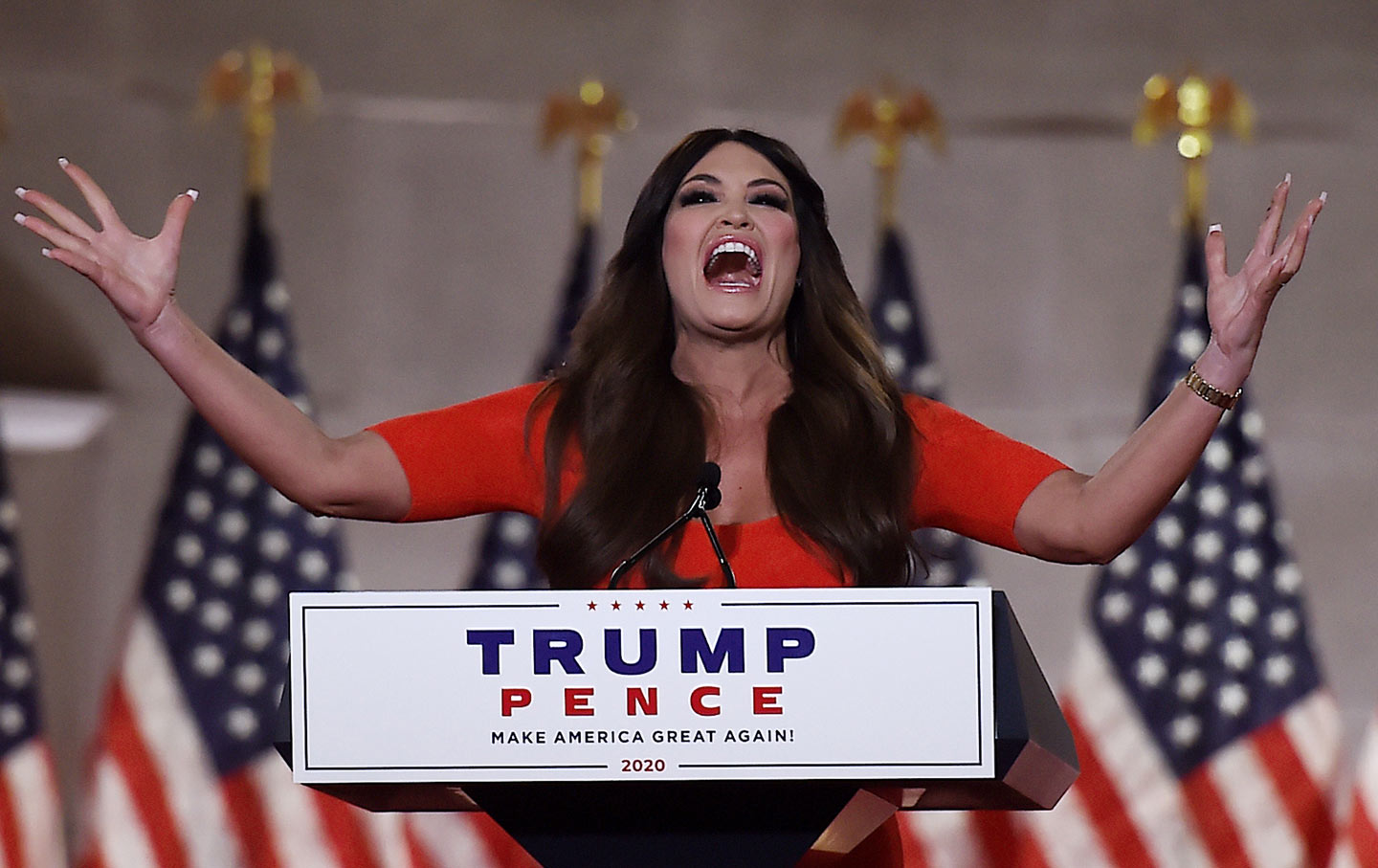
Kimberly Guilfoyle Is a Master of Mafia Diplomacy Kimberly Guilfoyle Is a Master of Mafia Diplomacy
The US Ambassador to Greece is making suspicious deals for her buddies.
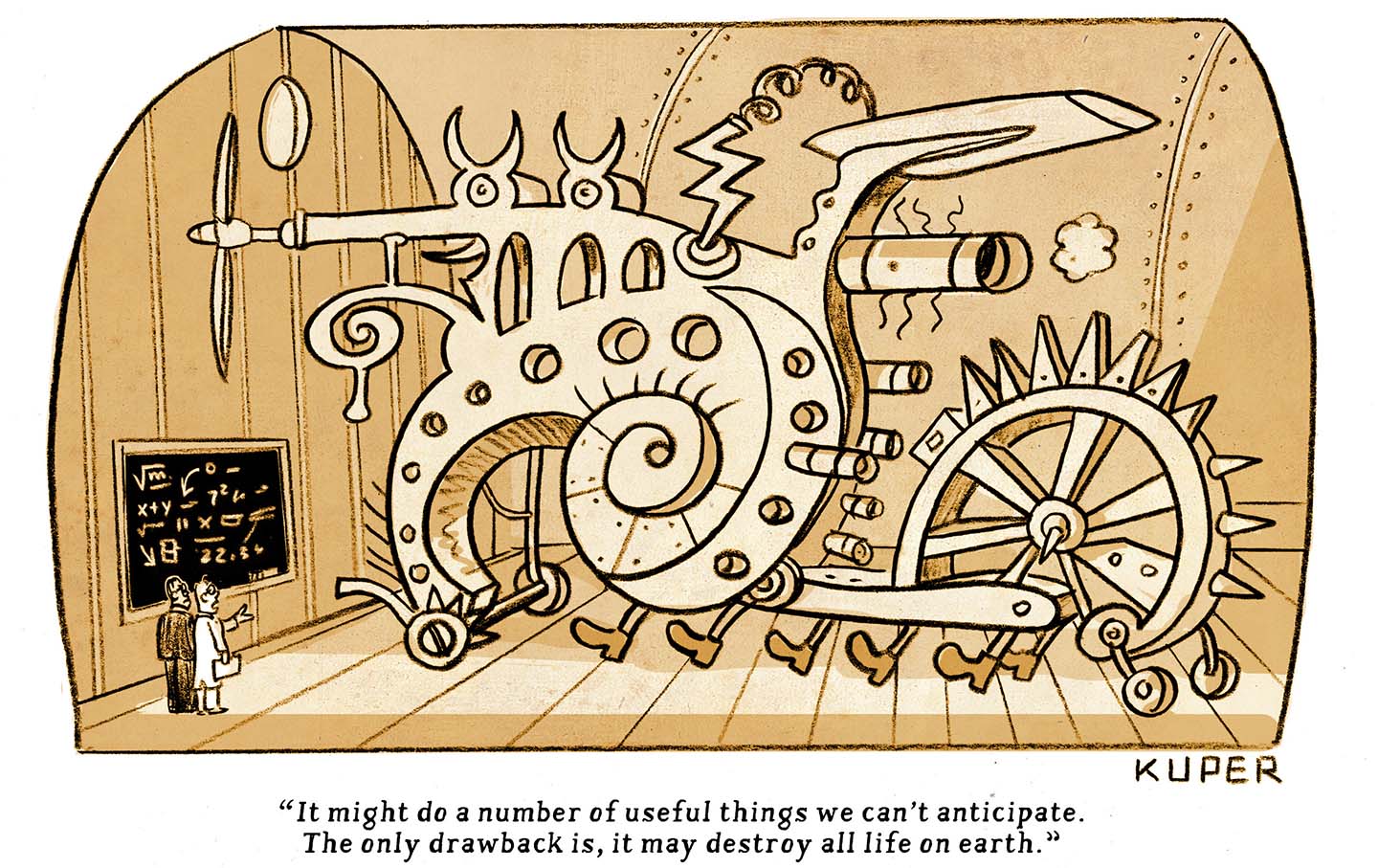
Missing Guardrails for AI Missing Guardrails for AI
Trump ignores the threat of extinction.
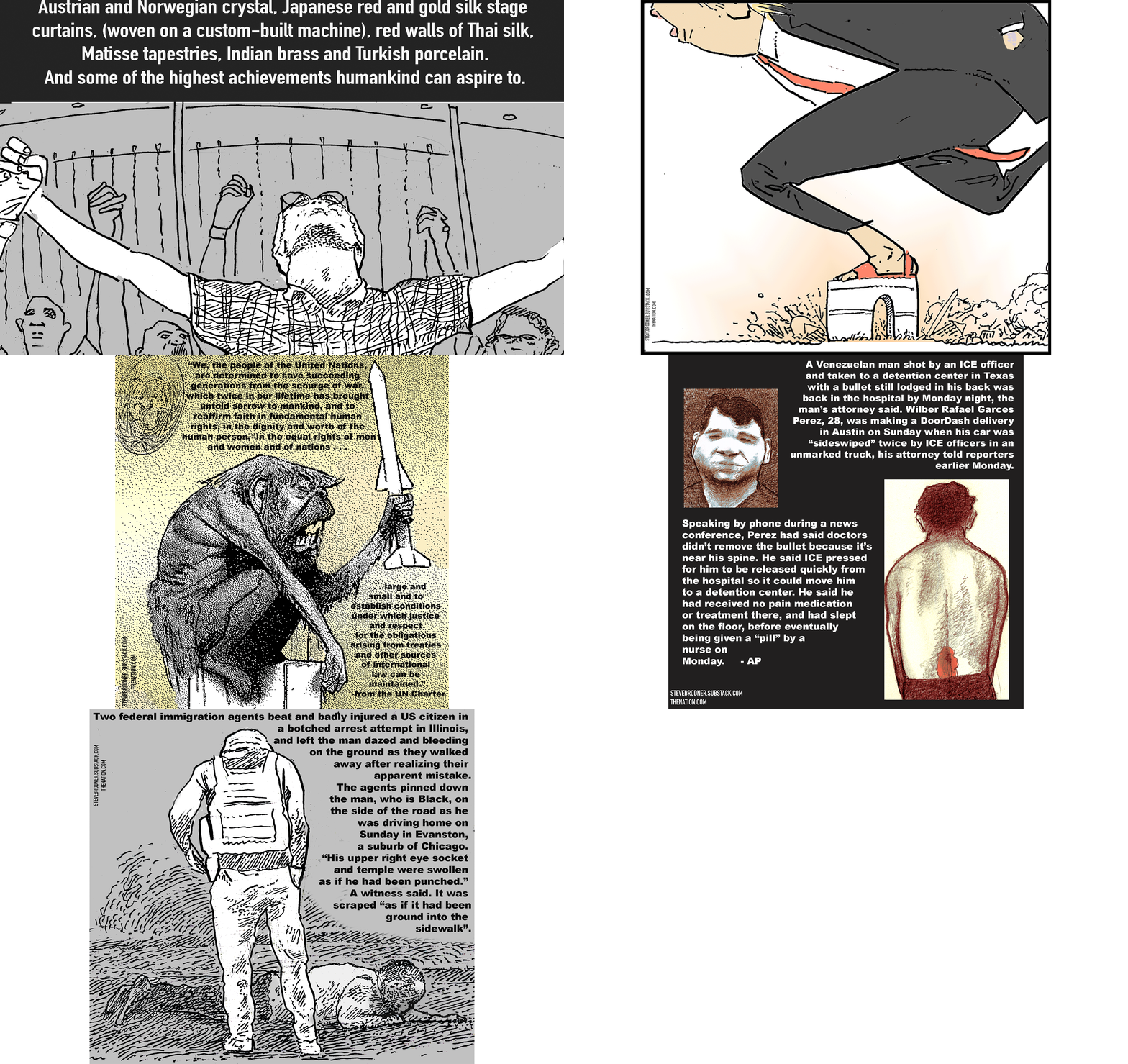
The First Amendment Lives for Another News Cycle—Maybe The First Amendment Lives for Another News Cycle—Maybe
In this week’s Elie v. U.S., our justice correspondent parses Trump’s attacks on CNN, MS NOW, and Politico. Plus: it’s time to impeach the judges!
Susan Collins Is Corrupt. She Still Might Be Reelected. Susan Collins Is Corrupt. She Still Might Be Reelected.
Despite being embroiled in scandal, the Maine senator is benefiting from Democratic Party divisions.

