
Meet ICE’s Secret Canadian Partner
The Canadian security company GardaWorld is manning detention facilities like Alligator Alcatraz. It is far from the only Canadian-based firm in bed with ICE
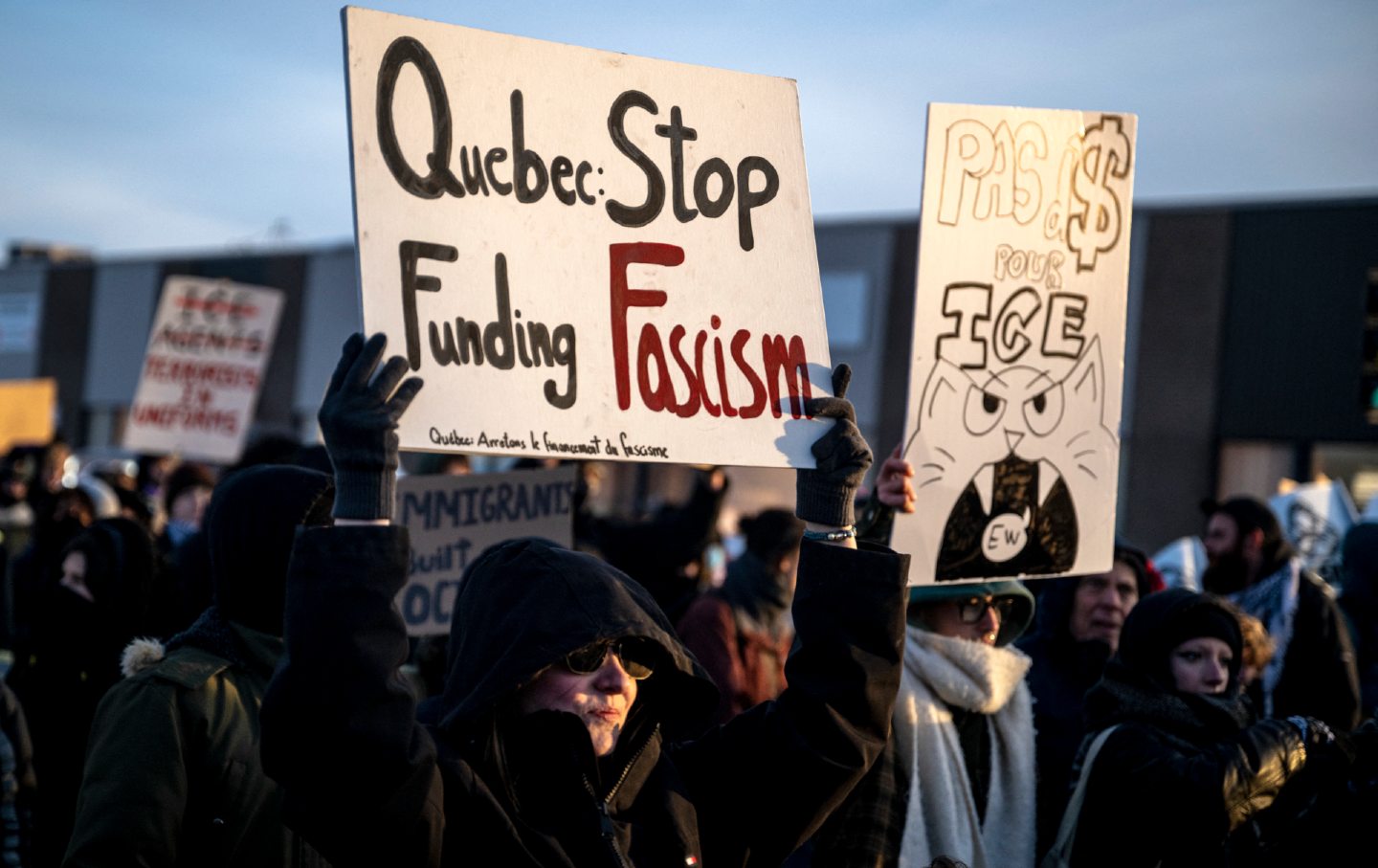
Demonstrators protest against GardaWorld after the security company was awarded over $100 million in ICE contracts.
(Andrej Ivanov / AFP via Getty Images)If you’ve never heard of GardaWorld before, you’ve likely seen them. As the largest private security firm globally, GardaWorld’s armored cars and personnel can be found everywhere from Kabul to the San Fernando Valley. But, the Canadian firm has recently ventured into new territory: the notorious South Florida Detention Facility, Alligator Alcatraz.
Last summer, the US-based subsidiary of the corporation, GardaWorld Federal Services, was found to be one of several Canadian-based companies to have entered into contracts with US Immigration and Customs Enforcement (ICE). GardaWorld’s involvement with ICE surfaced in July, when the Montreal Gazette revealed that the firm had posted job listings for armed guards who would be stationed in Ochopee, Florida. The requirements included holding a Florida gun license, one year of armed experience, and legally owning a registered semiautomatic handgun.
The reported stationing of GardaWorld security and correctional officers at Alligator Alcatraz was only one piece of the firm’s larger involvement in the US’s deportation strategy. A month later, The Globe and Mail confirmed that GardaWorld Federal Services, based in Arlington, Virginia, had signed on to $138 million worth of ICE contracts to aid with an “emergency detention” program, according to federal procurement records. And, in early March, the firm was awarded around $313 million in contracts to operate a detention center in Surprise, Arizona.
Before its foray into detention center-management, GardaWorld—founded and headquartered in Montreal—served as a primary security service for local universities. Today, Canadian students at institutions like Université du Québec à Montréal, Toronto Metropolitan University, and McGill, must contend with a new reality: The officers policing their classrooms are part of the same company that is providing the manpower to staff brutal ICE facilities.
“It’s frustrating because it makes me feel that the US is so economically tied to Canada,” reflected a third-year McGill student from Minneapolis, Minnesota, who wished to remain anonymous for her safety. Reflecting on the happenings in her hometown, she said, “Seeing what my neighbors, family, and friends are doing down there is really beautiful.” But, learning of Canada’s under-reported complicity in the atrocities has made her feel that she is “missing out on the chance to do something collectively about it.”
“There are all of these connections to US political choices, to the machinery of the military-industrial complex, and to the US prison system,” she further told The Nation. “I would have never expected for campus security to be tied to Alligator Alcatraz. That’s just crazy.”
According to McGill professor Barry Eidlin, the realization that campus security is part of a larger political system has become increasingly common among the student body. “It’s a link that has been made possible as a result of the administration’s reactions to Palestine solidarity activism,” he said. “The university has responded to campus protests by militarizing the campus and establishing checkpoints to threaten and intimidate students under the guise of making them feel safer.”
So, when the city organized its first anti-GardaWorld march in mid-February, McGill students jumped at the opportunity. Divest McGill, a student-led climate advocacy campaign, and a primary organizer for campus activism, announced three days before the march that a student contingent would join the protest. The post stated: “we, the students, refuse to stand idly by while McGill, Quebec, and GardaWorld aid and abet ICE terrorism.”
The Nation reached out to McGill for comment on whether the university will sever its ties with the firm given its involvement with ICE. An administrative spokesperson responded, “To ensure the safety and security of approximately 40,000 students, 12,800 employees, 218 buildings, two campus[es], and numerous visitors, McGill University relies on internal employees and an external supplier…McGill requires all its suppliers to respect human rights.”
On February 13, around 30 students convened at McGill’s Roddick Gates to begin their nearly hour-long commute to Place Vertu, a plaza located two kilometers away from GardaWorld’s headquarters. They navigated the metro and bus systems to a remote area of the city, far from McGill’s downtown campus, in below freezing temperatures to join activist organizations and political groups, including Indivisible Quebec, one the primary organizers for Montreal’s “No Tyrants” rallies. Accompanied by a banner which read “Garda Off Our Campus,” McGill students were set on making their voices and demands heard.
At Place Vertu, they were joined by more than 1,000 fellow Montrealers fighting for the same cause: denouncing federal and provincial investments in GardaWorld that have redirected Canadian taxpayer money to indirectly fund US President Trump’s mass deportation campaign. Since Carney became prime minister of Canada last year, his government has awarded over $100 million worth of contracts to GardaWorld.
“Today, we are not only looking south—we are looking home,” an organizer from Indivisible Quebec announced to the crowd. “If Quebec says that it believes in human rights, if Canada says it stands for the rule of law, then our public dollars must reflect those values. We cannot denounce abuse abroad while subsidizing corporations that profit from it.”
Although Canadian students have long mobilized around domestic and international issues, national advocacy at-large has been on the rise since Trump’s reelection in 2024. Following the US president’s bellicose proposal to make Canada the 51st state and his imposition of tariffs on Canadian products, major cities such as Toronto, Ottawa, Vancouver, and Montreal have organized “No Tyrants” and Hands Off!” demonstrations against Trump’s abuses domestically and abroad. These follow a series of “Hands Off!” demonstrations in early 2025 after Trump imposed sweeping tariffs on Canadian products and proposed making Canada the 51st state, inciting a widespread nationalist movement against American threats to their sovereignty. ICE violence in 2026, especially in Minneapolis, sparked further protests.
However, despite being galvanized by ICE atrocities to the south, activists would not characterize their protests as purely an offshoot of American mobilization. “I think it’s a mistake to talk about an anti-ICE movement in Canada,” said Mary, an activist with the migrant justice advocacy group Solidarity Across Borders.
She claims that anti-ICE protests are inseparable from the battle already being waged against Canada’s own immigration enforcement officials, the Canada Border Services Agency (CBSA). Like ICE, CBSA engages in similar practices, primarily at its many detention centers scattered across the country. When the erection of a new migrant detention facility in Quebec was announced in 2019, advocacy organizations like Ni Frontières, Ni Prisons were quick to enter legal retaliation against companies aiding construction.
Eventually, the CBSA Laval Immigration Holding Centre began operations. This facility is one of many reported by Human Rights Watch in 2021 for its mistreatment and abuse towards noncriminal detainees, including forcing them to endure time in maximum security jails, solitary confinement, and extended stay with no determined release date. It is at these facilities that CBSA is most often in action, and Solidarity Across Borders has been vocal in highlighting this. As the only major law enforcement agency without civilian oversight bodies, CBSA has freely exercised its powers of arrest, detention, and search and seizure. Though the CBSA’s mistreatment of detainees is not new, it has been massively overshadowed in the broader discussion of immigration enforcement.
“To us, it does not make sense to understand the United States and Canada as two separate entities. There is an increasingly integrated border system,” Mary continued. Canadian university campuses have been a playing field for bringing visibility to local and national struggles against the CBSA. As the McGill student expressed, “these systems of detention affect so many people, and I think there are a lot of Canadian students who rightly recognize that the way the US is acting is threatening for us all.” Every individual whom The Nation spoke with agreed that the country needs to redirect its attention towards the crisis that is being witnessed domestically.
Popular
“swipe left below to view more authors”Swipe →The recent passing of Bill C-12 on March 26, a Canadian federal law that will limit the ability to seek refugee protection in Canada and enable mass cancellations of immigration documents and applications, is the next immediate fight.
“I think this is where the focus needs to be, not on what’s happening south of the border,” Mary urges. The Canadian public needs to be asking these pressing questions: “Why was C-12 able to pass? Why is Canada claiming that the US is a safe country? Why is the Quebec government and Canadian government investing massively in GardaWorld when clearly it’s supporting these excessive images of violence?”
While GardaWorld has been a target of public scrutiny, it is far from the only Canadian-based company in bed with ICE. IRG Global Emergency Management (a US offshoot of Toronto-headquartered Access Restoration Services Ltd.), Hootsuite, and Thomson Reuters, have collaborated with the agency to help staff detention facilities, provide surveillance services, give access to law enforcement database subscriptions, and even supply ICE agents with weaponry such as armored vehicles.
What we are seeing with ICE has never been just an American issue. The US-Canada border cannot function without Canadian compliance. For as long as both countries have been around, these immigration systems have been intimately intertwined. Canada often celebrates itself for being in staunch defense of human rights and democracy, but this is a far cry from the truth. It appears just now that the world is awakening to the fact that Canada, too, is participating in America’s violent crusade against immigrants.
For McGill students, GardaWorld security presence on campus is a visual reminder of ICE’s omnipresence. While the anti-GardaWorld protest is evidence of student action against ICE and the CBSA, Mary notes that current mobilization is not nearly enough. “The kind of models of solidarity that we saw in Minneapolis are very inspiring,” Mary said. “That is what we need to be building here now.”
Become a Sustaining Donor This September
Between the reemergence of right-wing red-baiting and Donald Trump’s use of the chilling National Security Presidential Memorandum–7 to criminalize left political organizing, we’re seeing McCarthyism reborn before our eyes.
This assault on democracy cannot be ignored or wished away. Resisting it requires bravery in the face of threats and repression, a steadfast commitment to the truth, and the unwavering belief that we can—and will—overcome this darkness.
We must have an independent media that sets the record straight, unearths corruption and abuses of power, and advances a politics of justice and dignity for all if we’re to win this fight.
That’s why I’m writing to you today. This September, The Nation needs to add 100 monthly donors to sustain our progressive journalism. Your contribution makes the next investigative report, the next truth-speaking column, and the next pathbreaking essay all possible.
I hope you’ll support our work with a recurring donation today. If you donate $10 or more a month, we’ll send you a brand new “Hands Off the Free Press!” sticker to recognise your commitment to our cause. Please, donate today.
Onward,
Katrina vanden Heuvel
Editor and Publisher, The Nation
More from The Nation


Clavicular’s Charges Are One Thing. Rape Culture Is Another. Clavicular’s Charges Are One Thing. Rape Culture Is Another.
Braden Peters consistently acts as though the autonomy of women is a maladaptive trait, and dogmatically dismisses any claim to female equality as an outlying aberration.
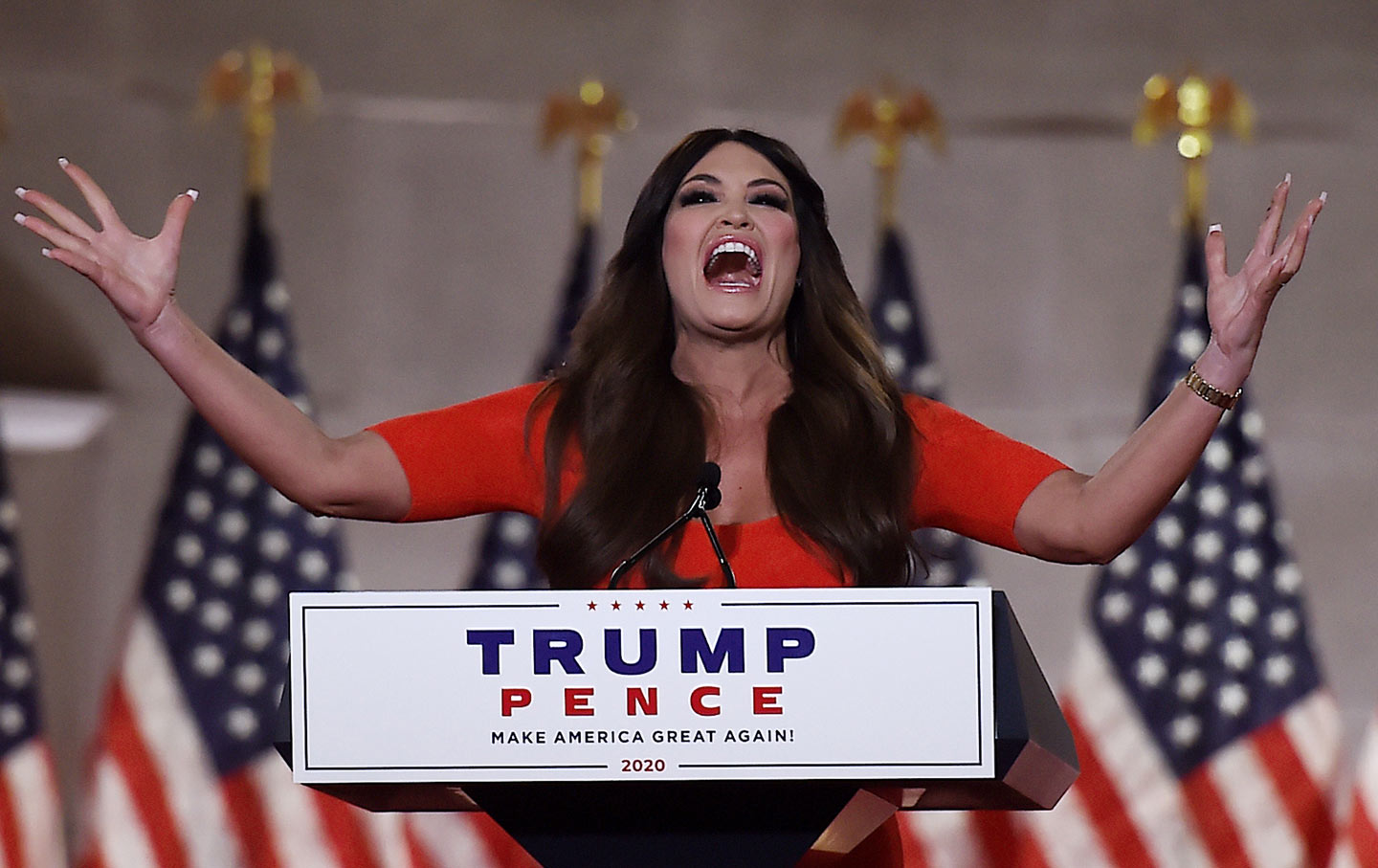
Kimberly Guilfoyle Is a Master of Mafia Diplomacy Kimberly Guilfoyle Is a Master of Mafia Diplomacy
The US Ambassador to Greece is making suspicious deals for her buddies.
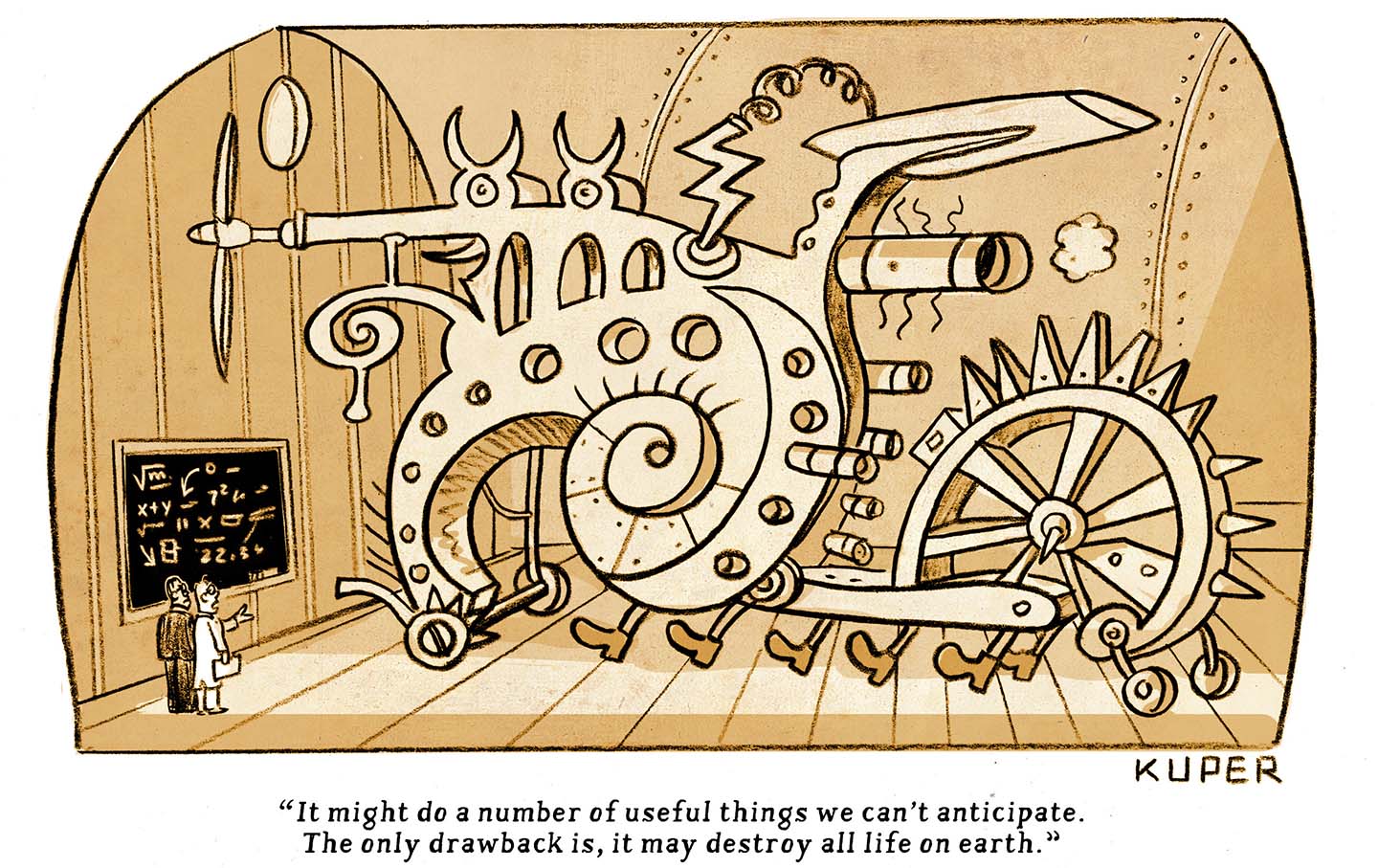
Missing Guardrails for AI Missing Guardrails for AI
Trump ignores the threat of extinction.
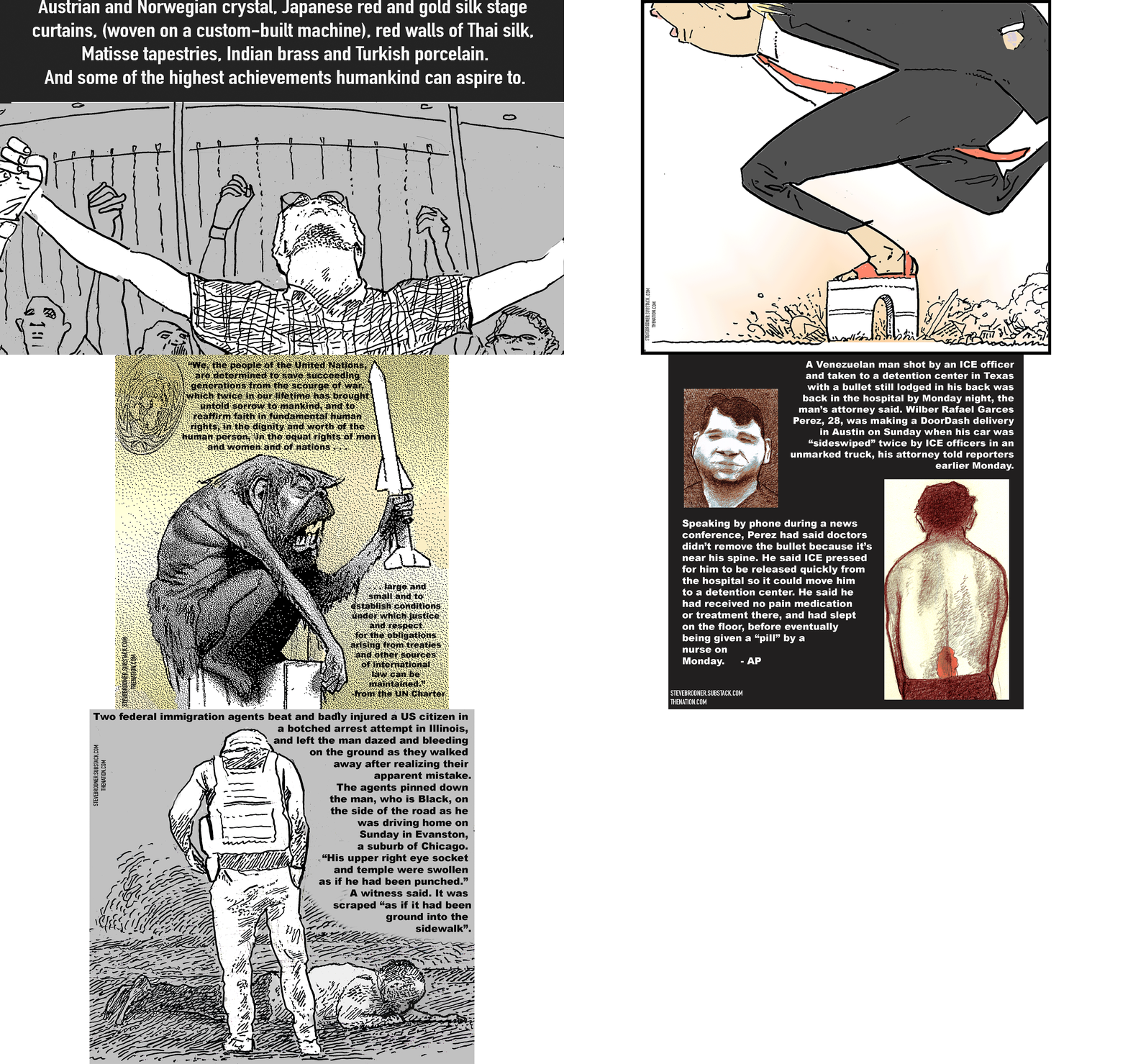
The First Amendment Lives for Another News Cycle—Maybe The First Amendment Lives for Another News Cycle—Maybe
In this week’s Elie v. U.S., our justice correspondent parses Trump’s attacks on CNN, MS NOW, and Politico. Plus: it’s time to impeach the judges!

