
The Mind Is an Enchanting Thing The Mind Is an Enchanting Thing
December 18, 1943 is an enchanted thing like the glaze on a katydid-wing subdivided by sun till the nettings are legion. Like Gieseking playing Scarlatti; like the apteryx-awl as a beak, or the kiwi’s rain-shawl of haired feathers, the mind feeling its way as though blind, walks along with its eyes on the ground. It has memory’s ear that can hear without having to hear. Like the gyroscope’s fall, truly unequivocal because trued by regnant certainty, it is a power of strong enchantment. It is like the dove- neck animated by sun; it is memory’s eye; it’s conscientious inconsistency. It tears off the veil, tears the temptation, the mist the heart wears, from its eyes—if the heart has a face; it takes apart dejection. It’s fire in the dove-neck’s iridescence; in the inconsistencies of Scarlatti. Unconfusion submits its confusion to proof; it’s not a Herod’s oath that cannot change. This article is part of The Nation’s 150th Anniversary Special Issue. Download a free PDF of the issue, with articles by James Baldwin, Barbara Ehrenreich, Toni Morrison, Howard Zinn and many more, here. Marianne Moore (1887–1972) wrote eleven essays and seven poems for The Nation between 1936 and 1952. Moore’s biographer, Linda Leavell, indicates that she stopped contributing out of solidarity with her friend, ousted literary editor Margaret Marshall, but also because she disliked The Nation’s criticism of Eisenhower’s “honest, auspicious, genuinely devoted speeches.”
Mar 23, 2015 / Books & the Arts / Marianne Moore
1965–2015 1965–2015
A forum for debate between radicals and liberals in an age of austerity, surveillance and endless war, The Nation has long had one foot inside the establishment and one outside it....
Mar 23, 2015 / Books & the Arts / D.D. Guttenplan
1915–1965 1915–1965
From World War I to Vietnam, from the red scare to McCarthyism, The Nation stood firm for civil liberties and civil rights, even when that meant being banned—or standing alone.
Mar 23, 2015 / Books & the Arts / D.D. Guttenplan

A Biography of ‘The Nation’: The First Fifty Years A Biography of ‘The Nation’: The First Fifty Years
Founded by abolitionists in 1865, The Nation became a moribund defender of the status quo. But its firm anti-imperialism brought it back to life.
Mar 23, 2015 / Books & the Arts / D.D. Guttenplan
And We Love Life And We Love Life
And we love life if we find a way to it. We dance in between martyrs and raise a minaret for violet or palm trees. We love life if we find a way to it. And we steal from the silkworm a thread to build a sky and fence in this departure. We open the garden gate for the jasmine to step out on the streets as a beautiful day. We love life if we find a way to it. And we plant, where we settle, some fast growing plants, and harvest the dead. We play the flute like the color of the faraway, sketch over the dirt corridor a neigh. We write our names one stone at a time, O lightning brighten the night. We love life if we find a way to it… (translated from the Arabic by Fady Joudah) This article is part of The Nation’s 150th Anniversary Special Issue. Download a free PDF of the issue, with articles by James Baldwin, Barbara Ehrenreich, Toni Morrison, Howard Zinn and many more, here. Born in a Galilee village later destroyed by the Israeli army, Mahmoud Darwish lived for years in exile in Beirut and Paris before returning to Palestine in 1996. The most widely translated modern Arab poet, Darwish died in 2008.
Mar 23, 2015 / Books & the Arts / Mahmoud Darwish
Letters Letters
From Woodrow Wilson, Oswald Garrison Villard, G. Bernard Shaw, Allen Ginsberg, Barry Goldwater, Muhammad Ali, Abbie Hoffman et al.
Mar 23, 2015
Puzzle No. 3358 Puzzle No. 3358
And don’t miss Kosman and Picciotto’s crossword blog, Word Salad.
Mar 23, 2015 / Joshua Kosman and Henri Picciotto
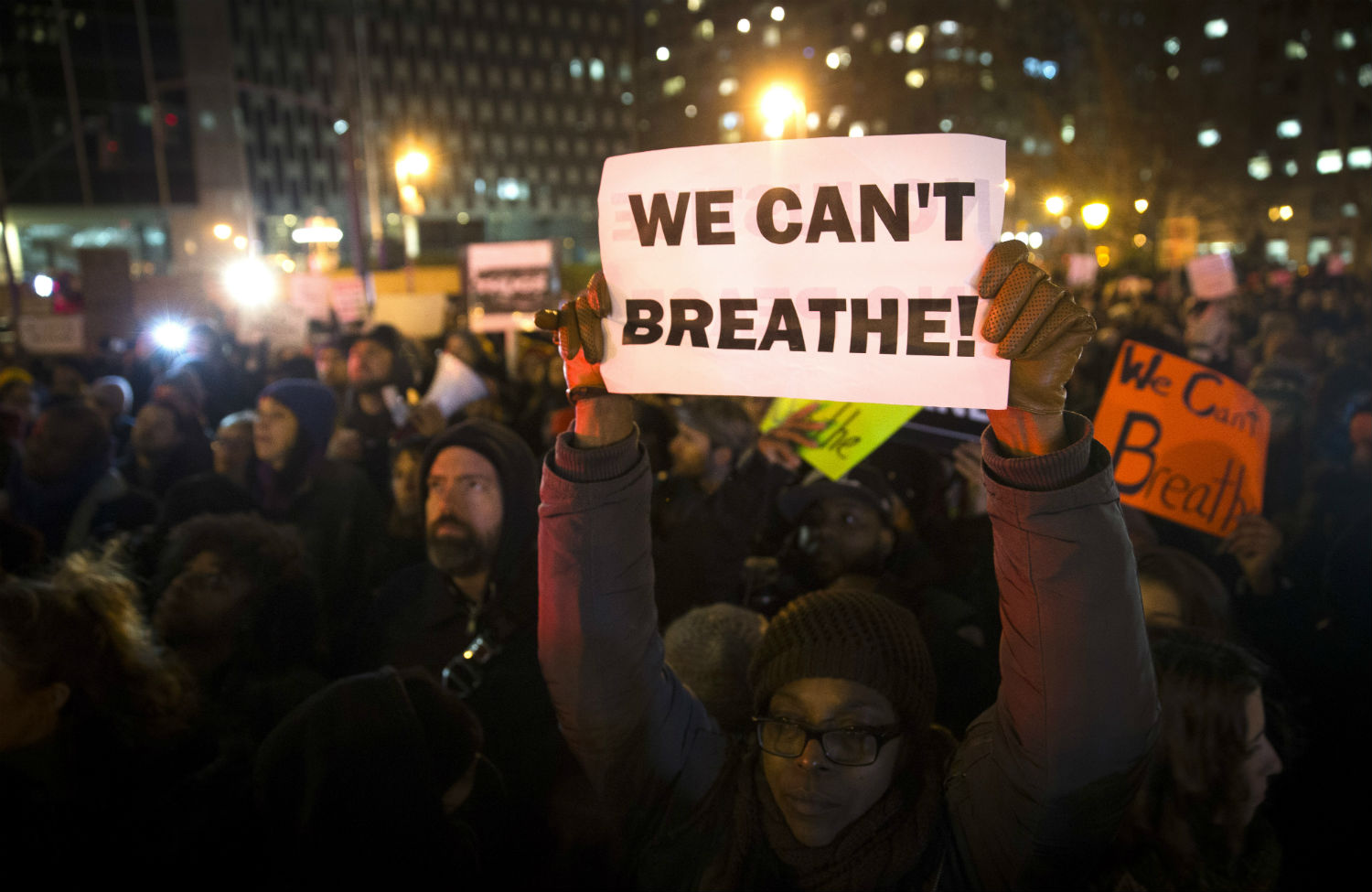
Who’s Accountable for Ferguson’s Crimes? No One, It Seems Who’s Accountable for Ferguson’s Crimes? No One, It Seems
Here’s another reminder that “personal responsibility” is a principle relevant only to the poor and the black.
Mar 23, 2015 / Column / Gary Younge
A Wake-Up Call for US Liberals A Wake-Up Call for US Liberals
The state of conservative intellectual debate demonstrates the power of movement crazies.
Mar 23, 2015 / Column / Eric Alterman
Night Thoughts Night Thoughts
On reverence, rebellion and other alternatives to social suicide.
Mar 23, 2015 / Feature / JoAnn Wypijewski