A Toxic Legacy of Mining In Peru
Centuries of environmental exploitation in the small town have ensnared its inhabitants in a vicious cycle of displacement, irreversible health damage, and social conflict.
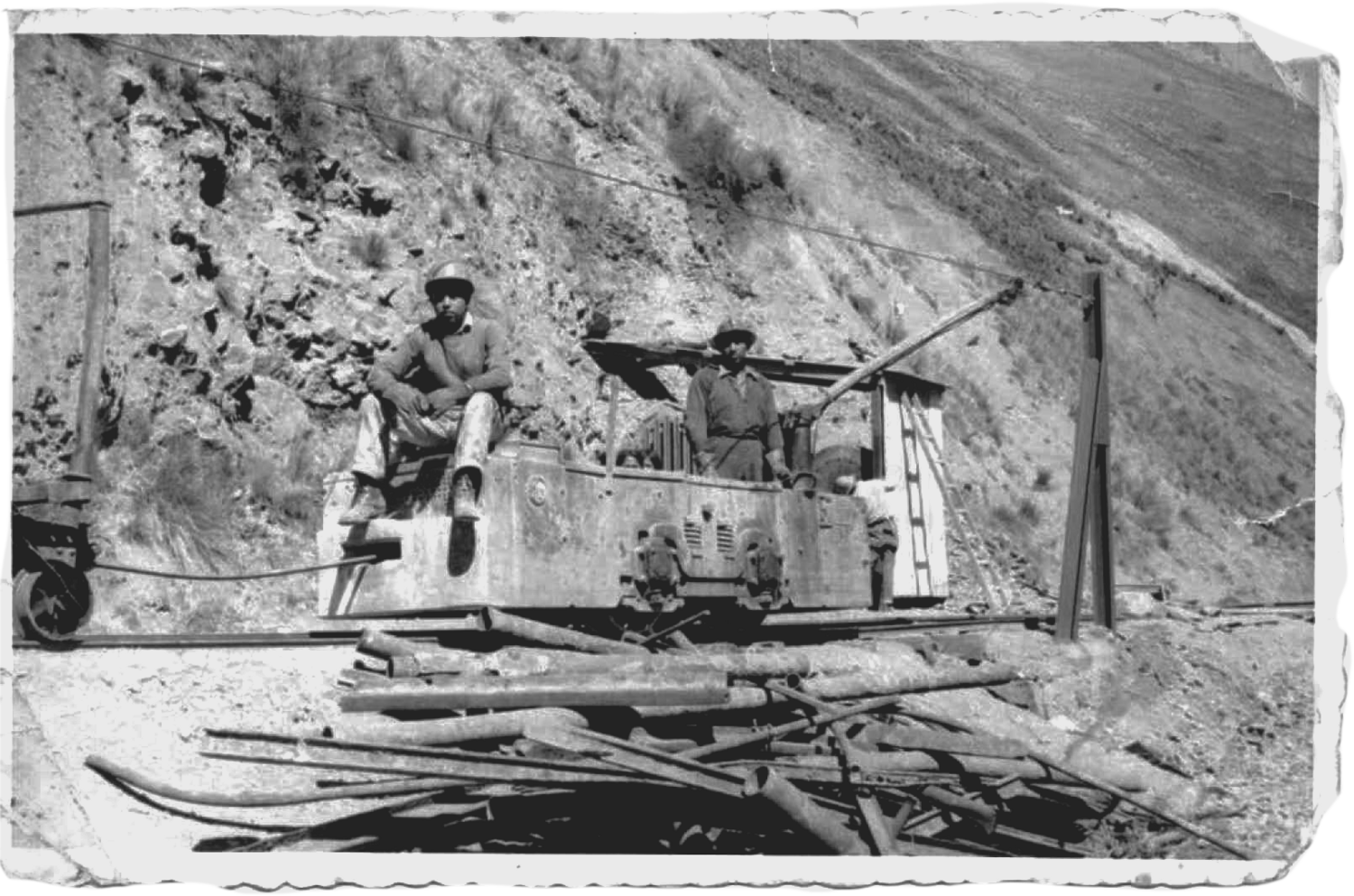
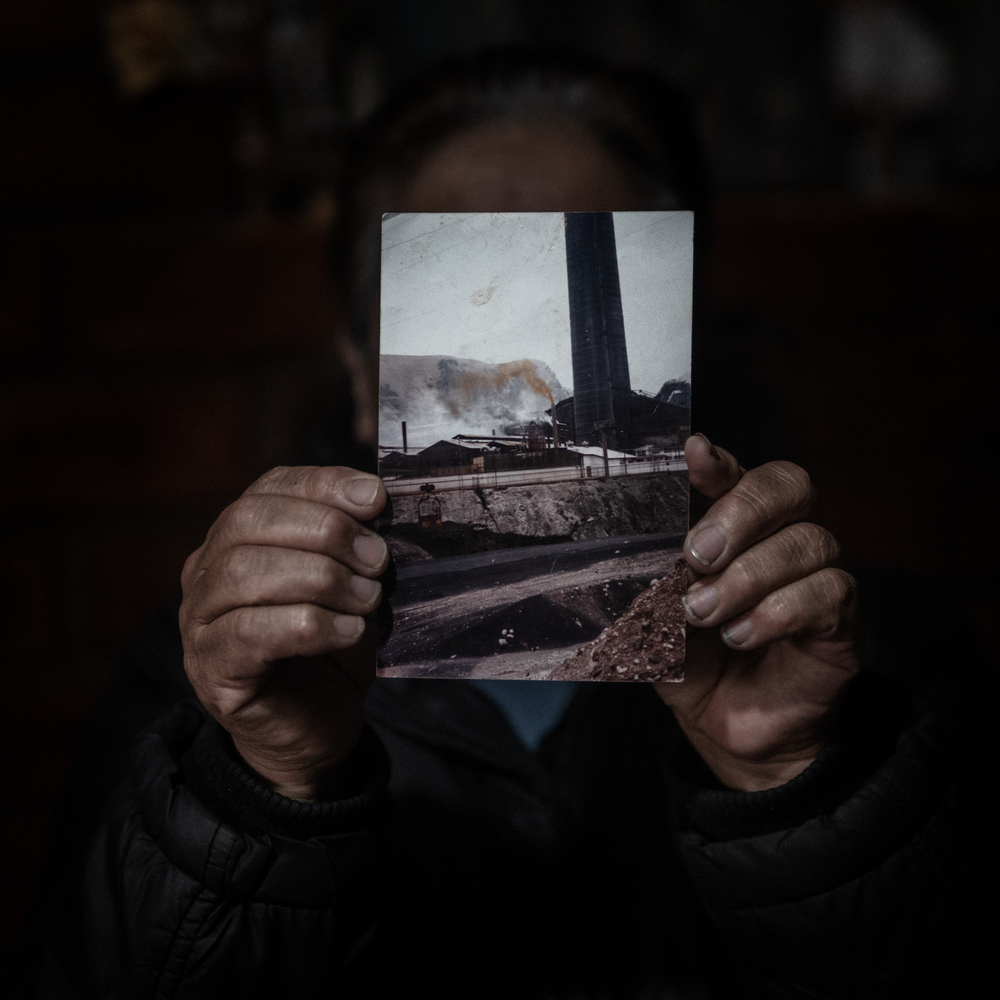
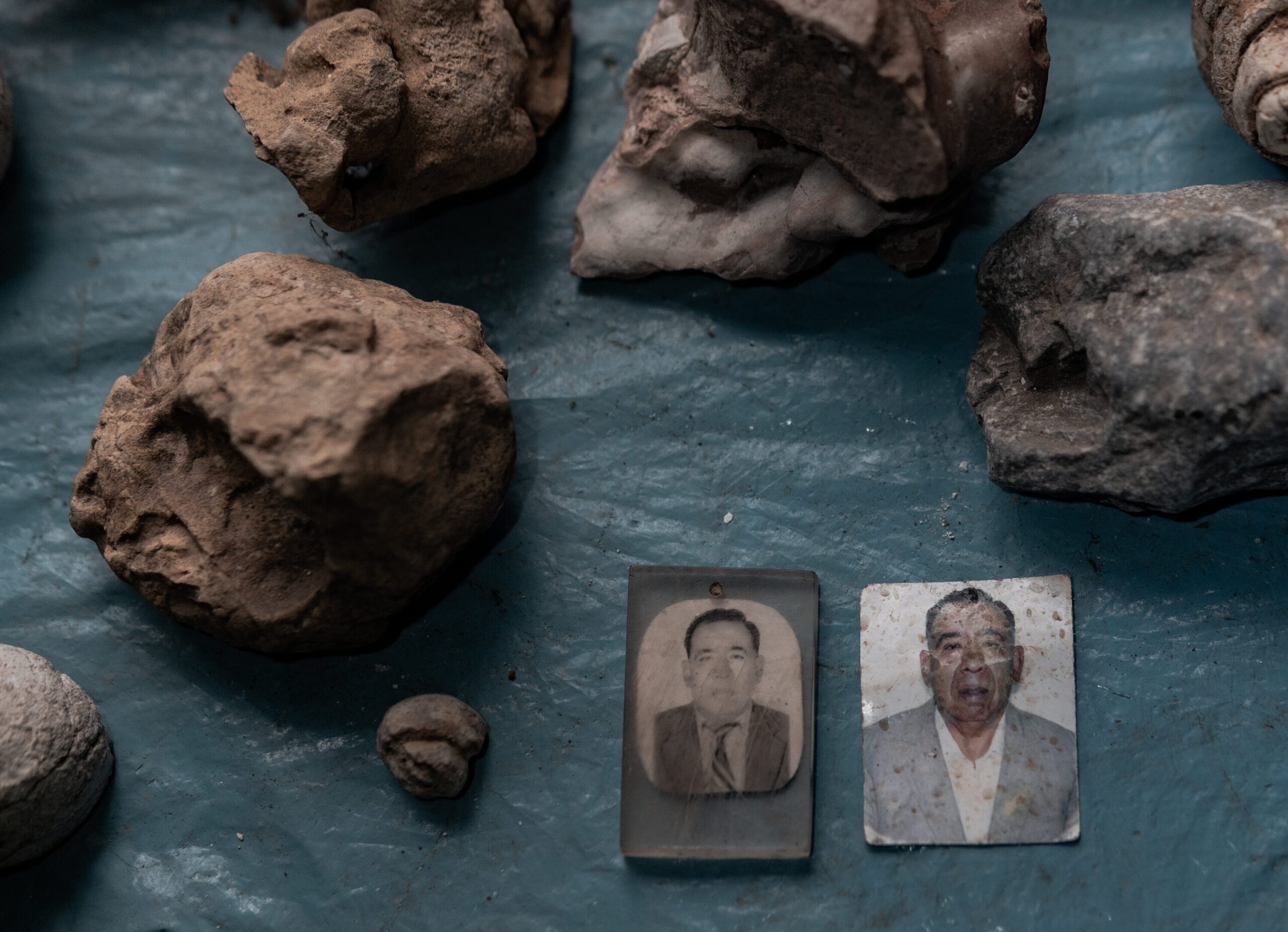
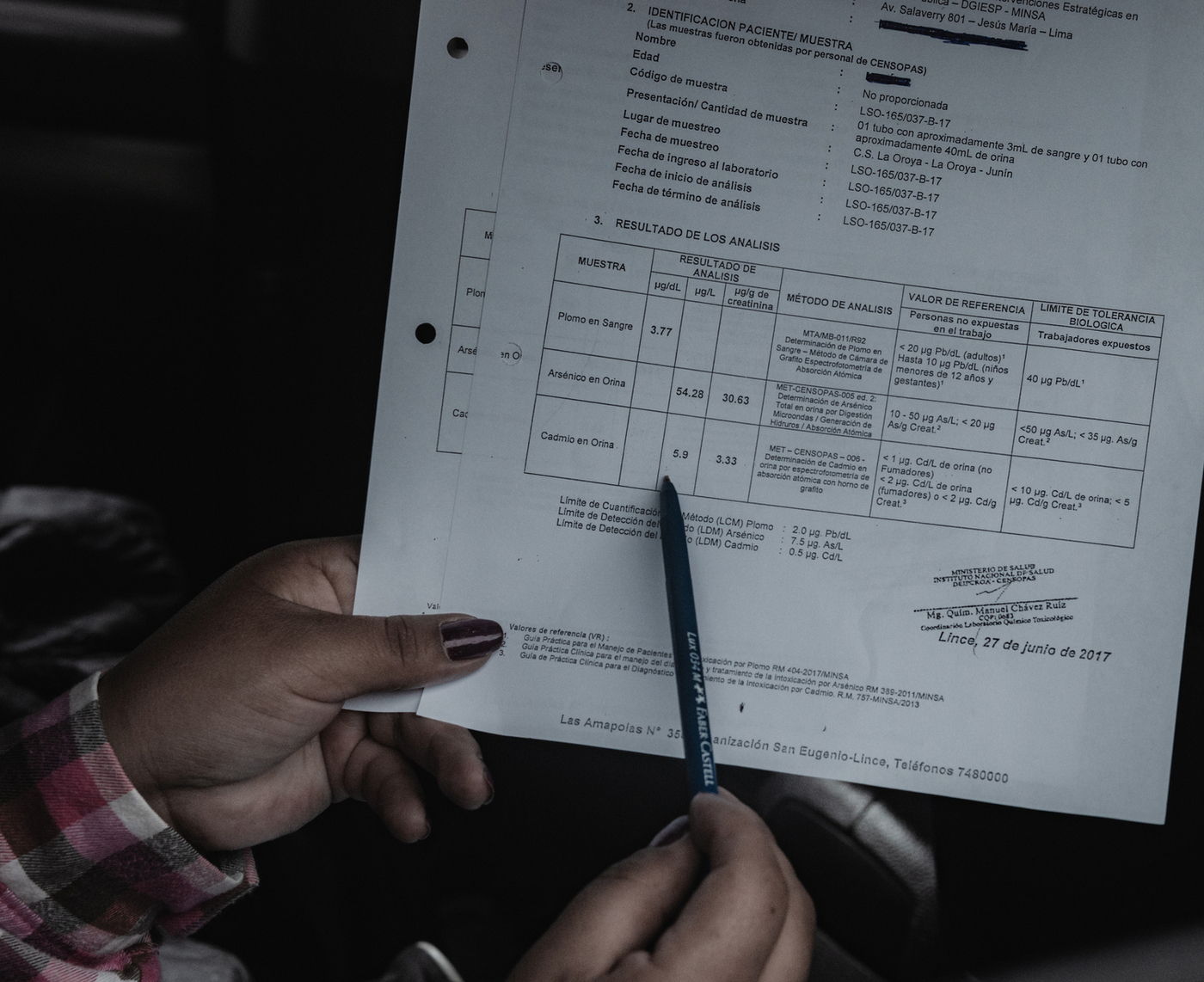
In 1982, at Chulec Hospital in the Peruvian city of La Oroya, my great-grandfather, Demetrio Cárdenas, passed away. The doctor diagnosed that the cysts were a result of his 35 years of work in the lead processing furnaces of the mining complex. Despite this diagnosis, the state mining company Centromin Perú never took responsibility. The case of Demetrio Cárdenas is just one among thousands affected by heavy metals since the opening of the metallurgical complex in La Oroya in 1922.
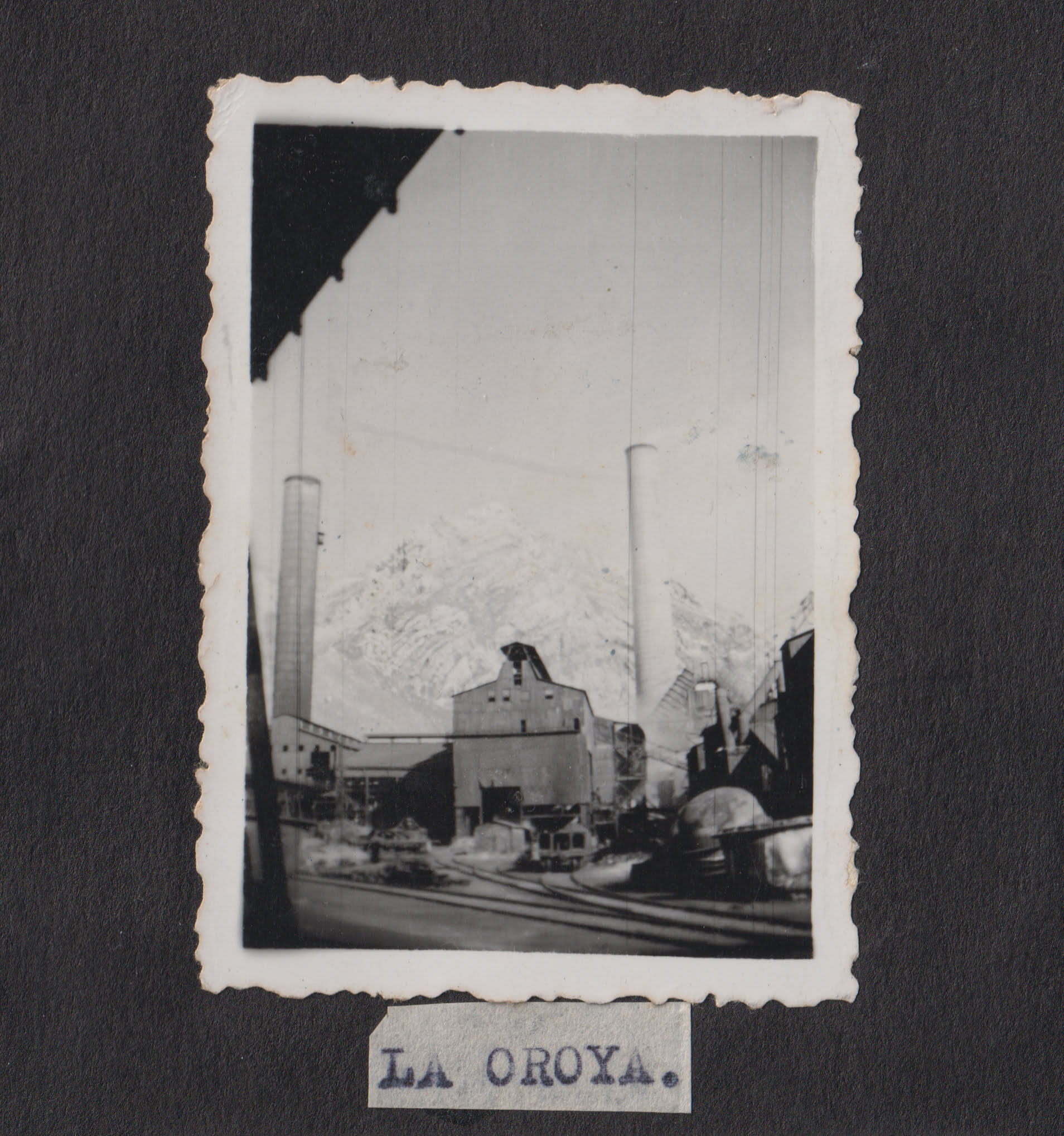
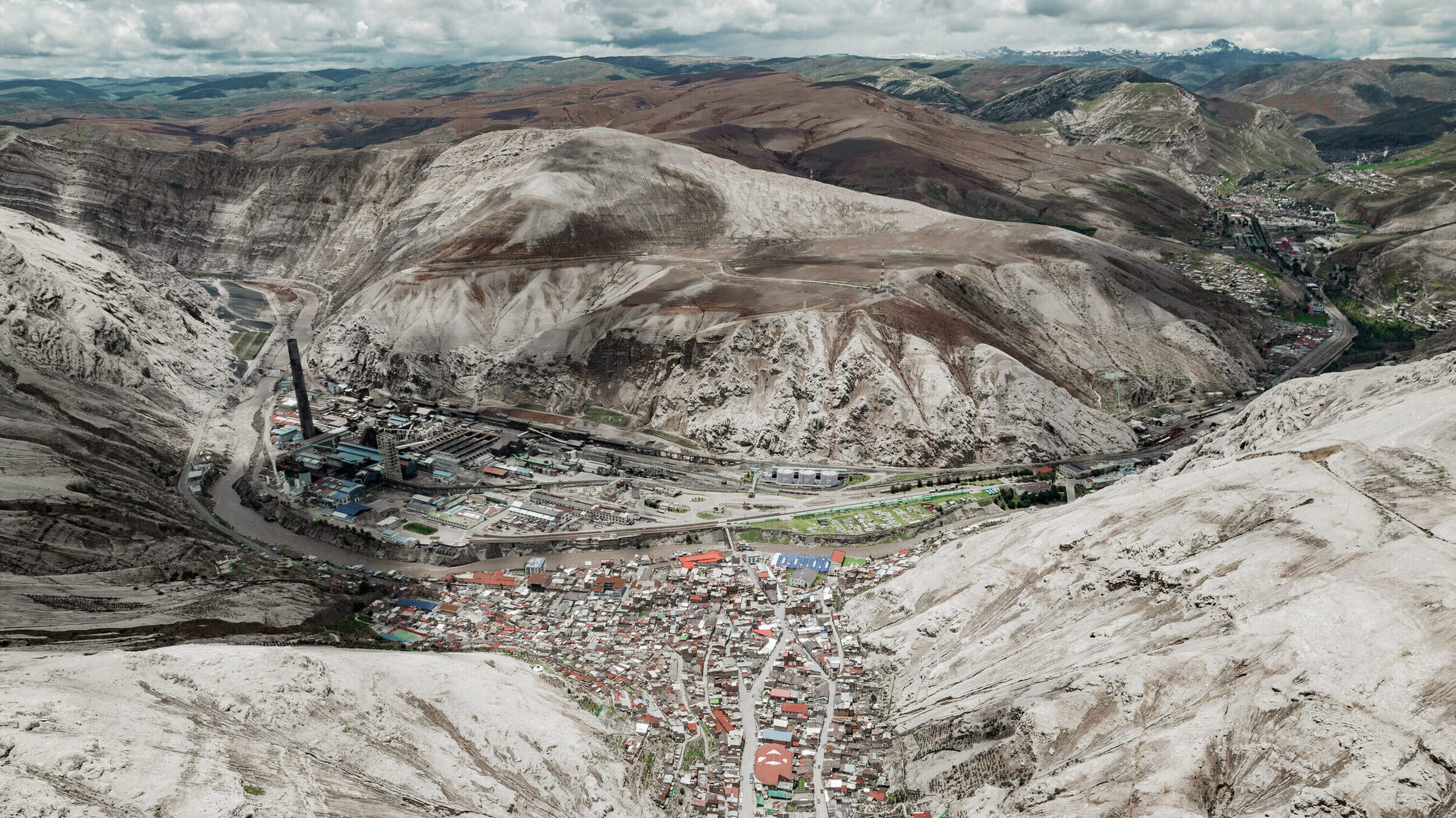
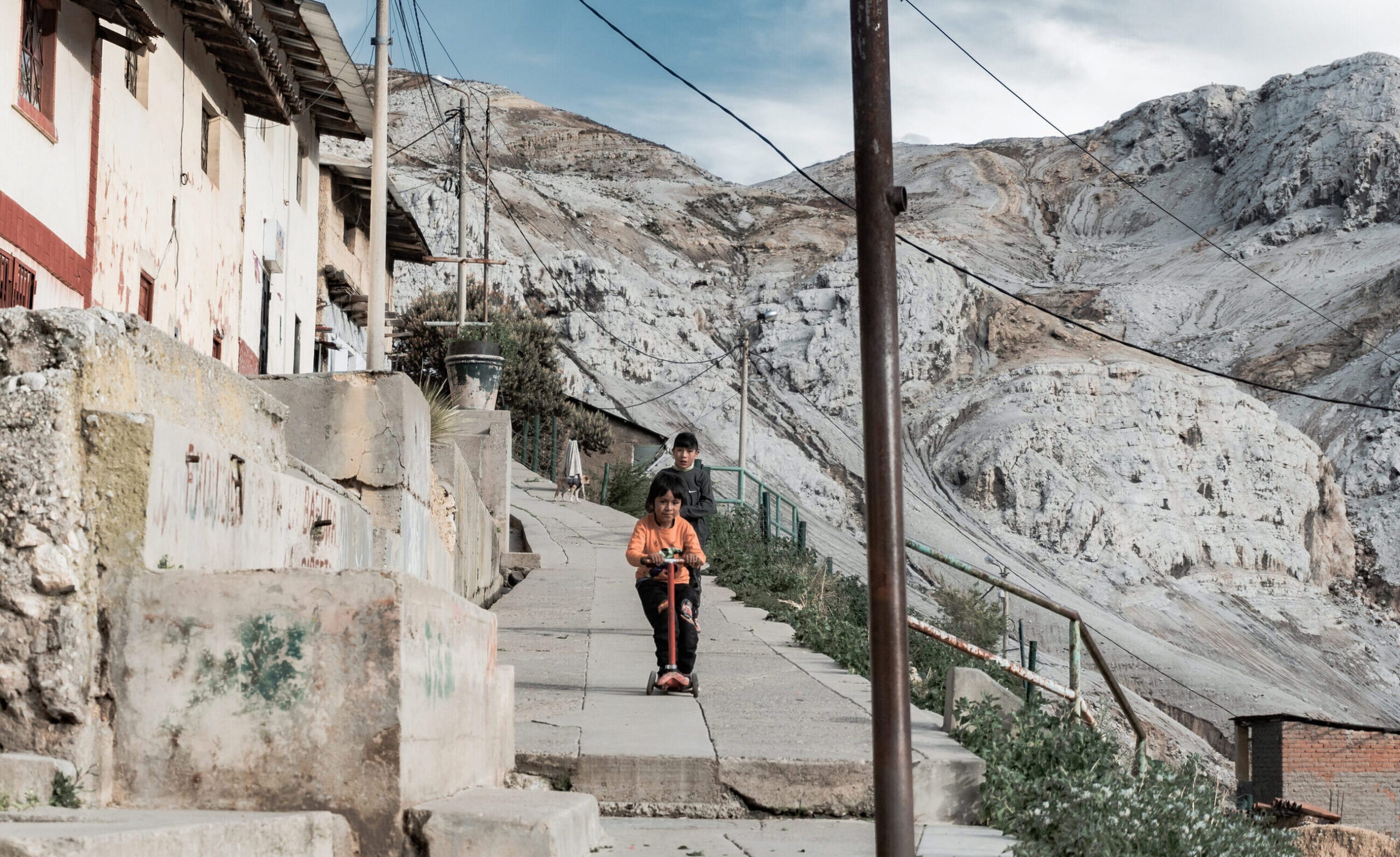
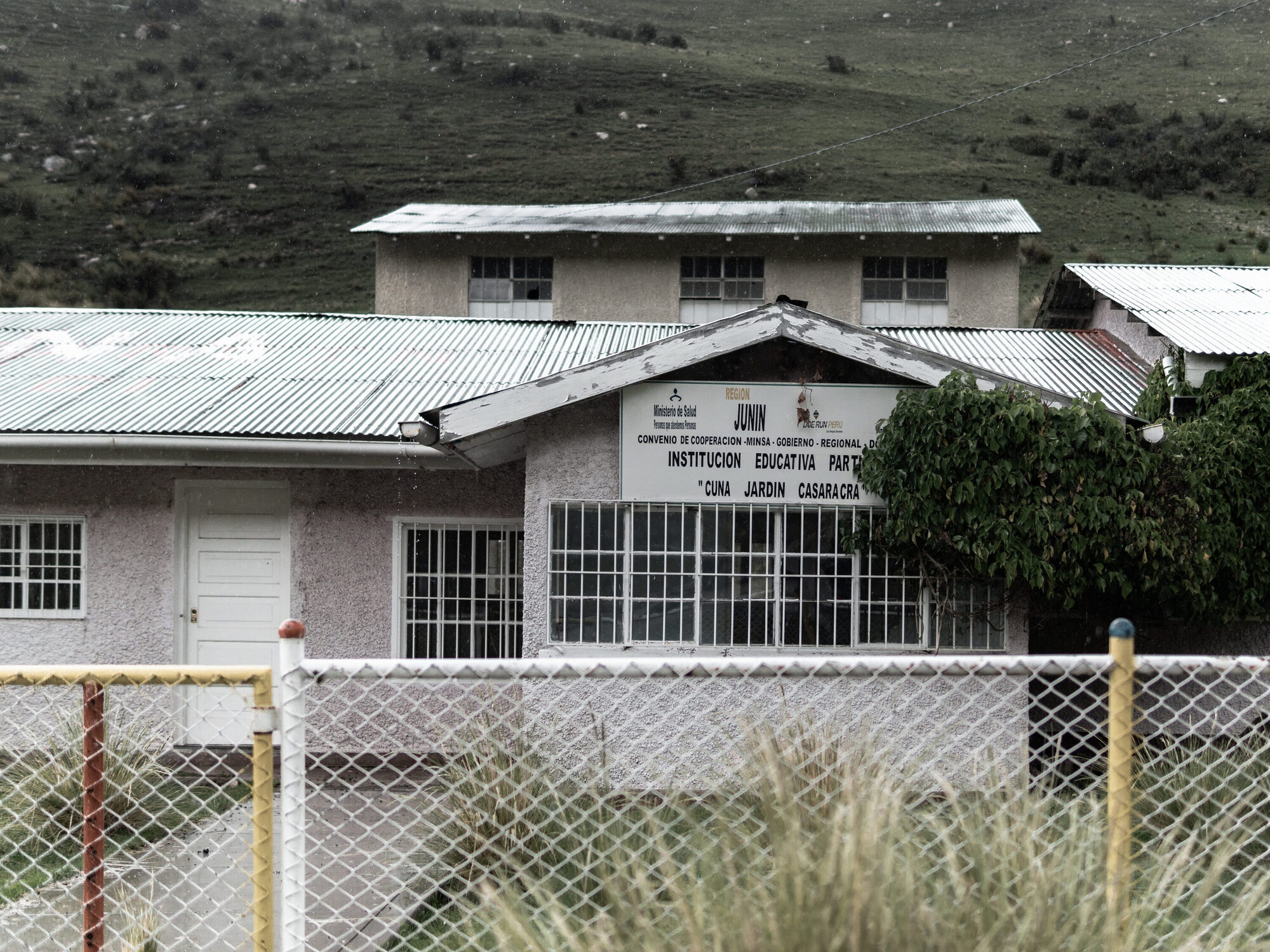
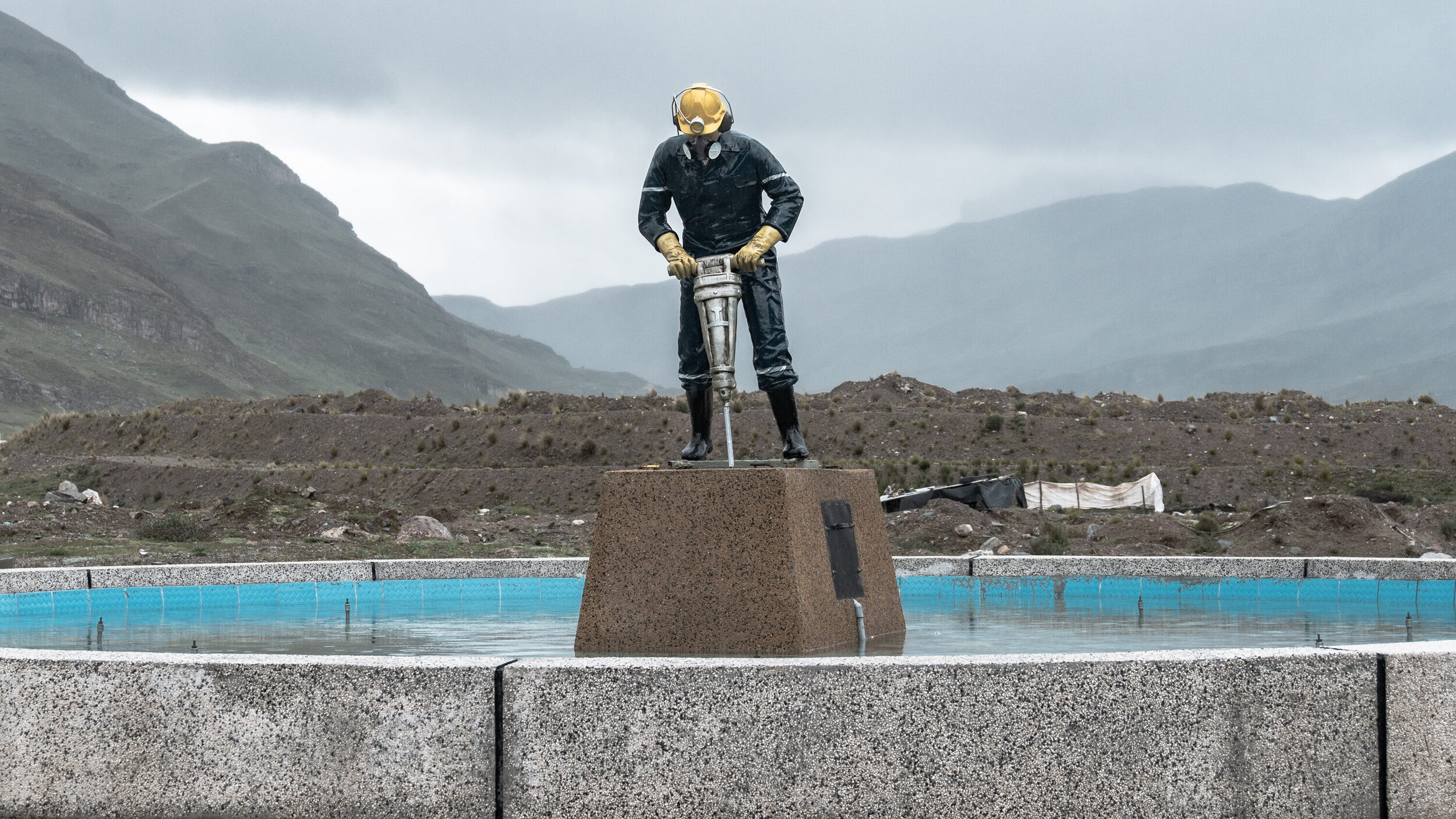
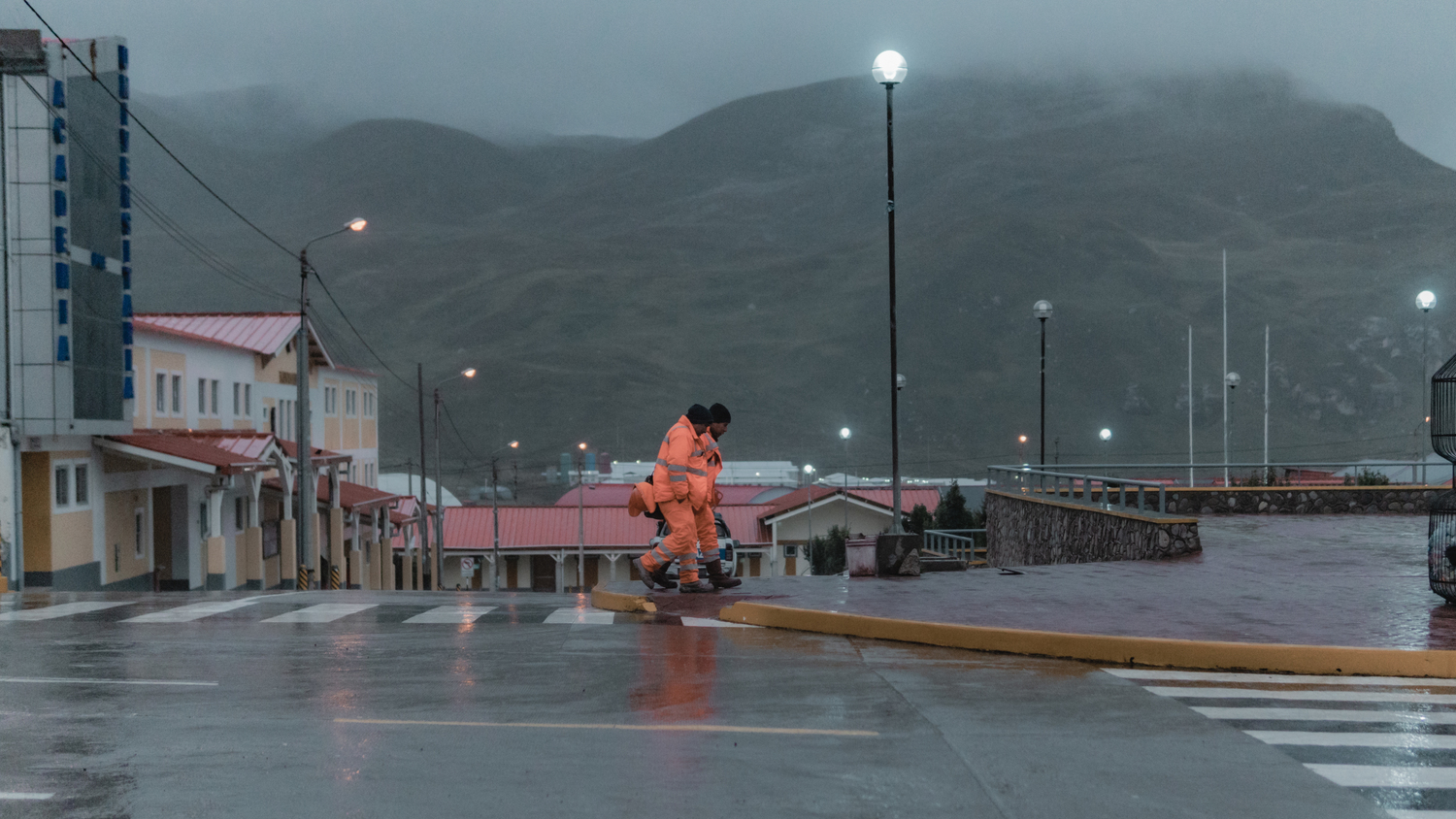
La Oroya is a small town located at 4000 meters above sea level, in the depths of the Peruvian Andes, where my mother was born and where both my grandfather and great-grandfather worked as miners in one of the most polluted cities in the world.
This town is the capital of the Yauli province, with a mining history dating back to 1761. Centuries of mining activity have left a toxic legacy that has ensnared its inhabitants in a vicious cycle of displacement, landscape mutilation, environmental pollution, irreversible health damage, and constant social conflict between those dependent on mining as their sole source of income and those who see it as a deadly threat due to the high levels of heavy metals in the air they have breathed for decades, hindering the development of other economic resources.
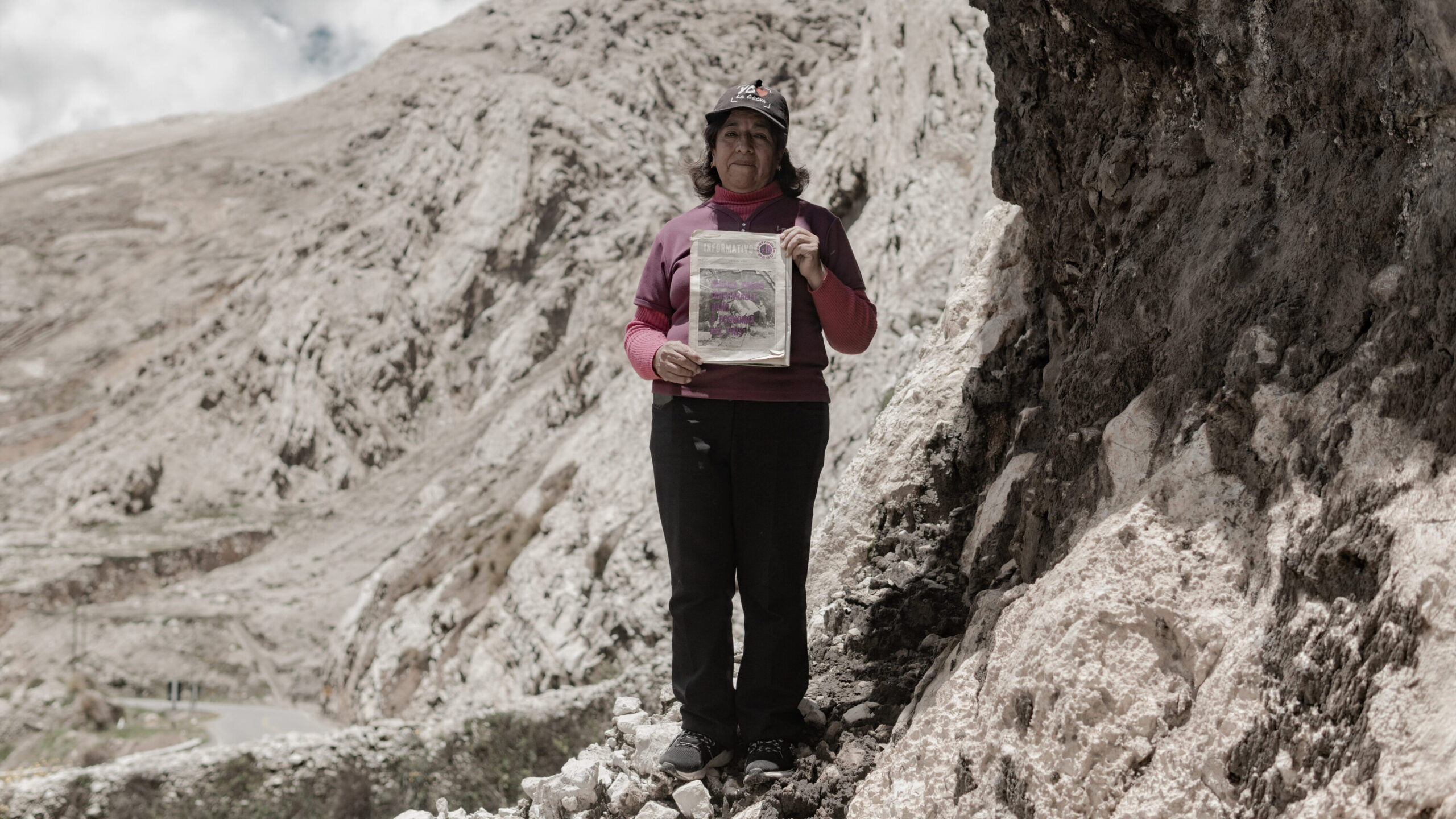
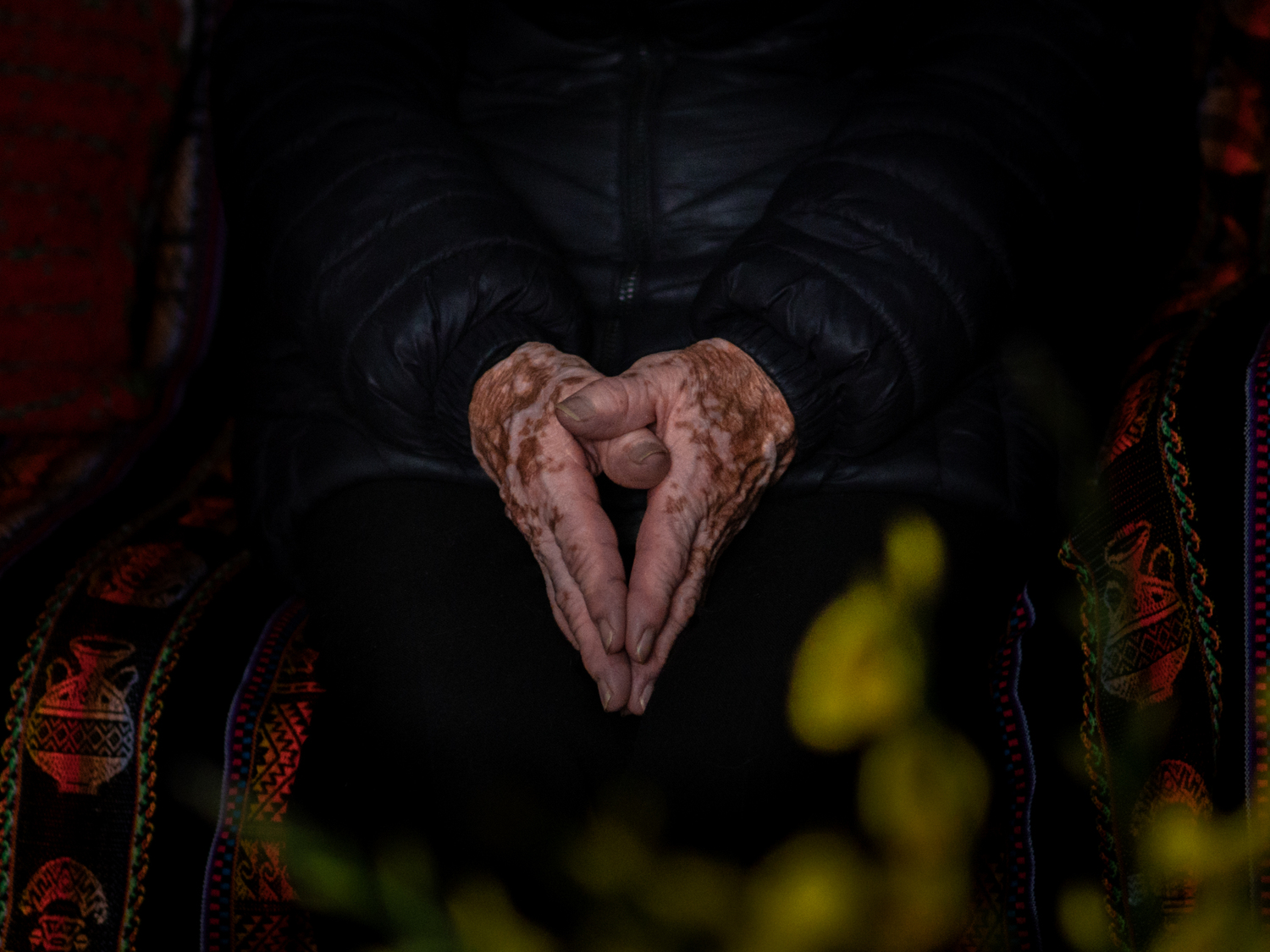
“In La Oroya, we have seen adults and children fade away like a candle, with no hope of life,” says Yolanda Zurita Trujillo, a native of La Oroya and a former worker at the metallurgical complex.
At an early age, she and her father, Epifanio Zurita, a miner, saw their health deteriorate due to toxic gas emissions. Yolanda, along with her mother Victoria Trujillo, has dedicated her life to environmental activism, leading the demand against the mining company Doe Run Peru, owned by the Renco Group. Despite constant threats from those who yearn for the economic boom years that mining brought to La Oroya, Yolanda persists in her struggle.
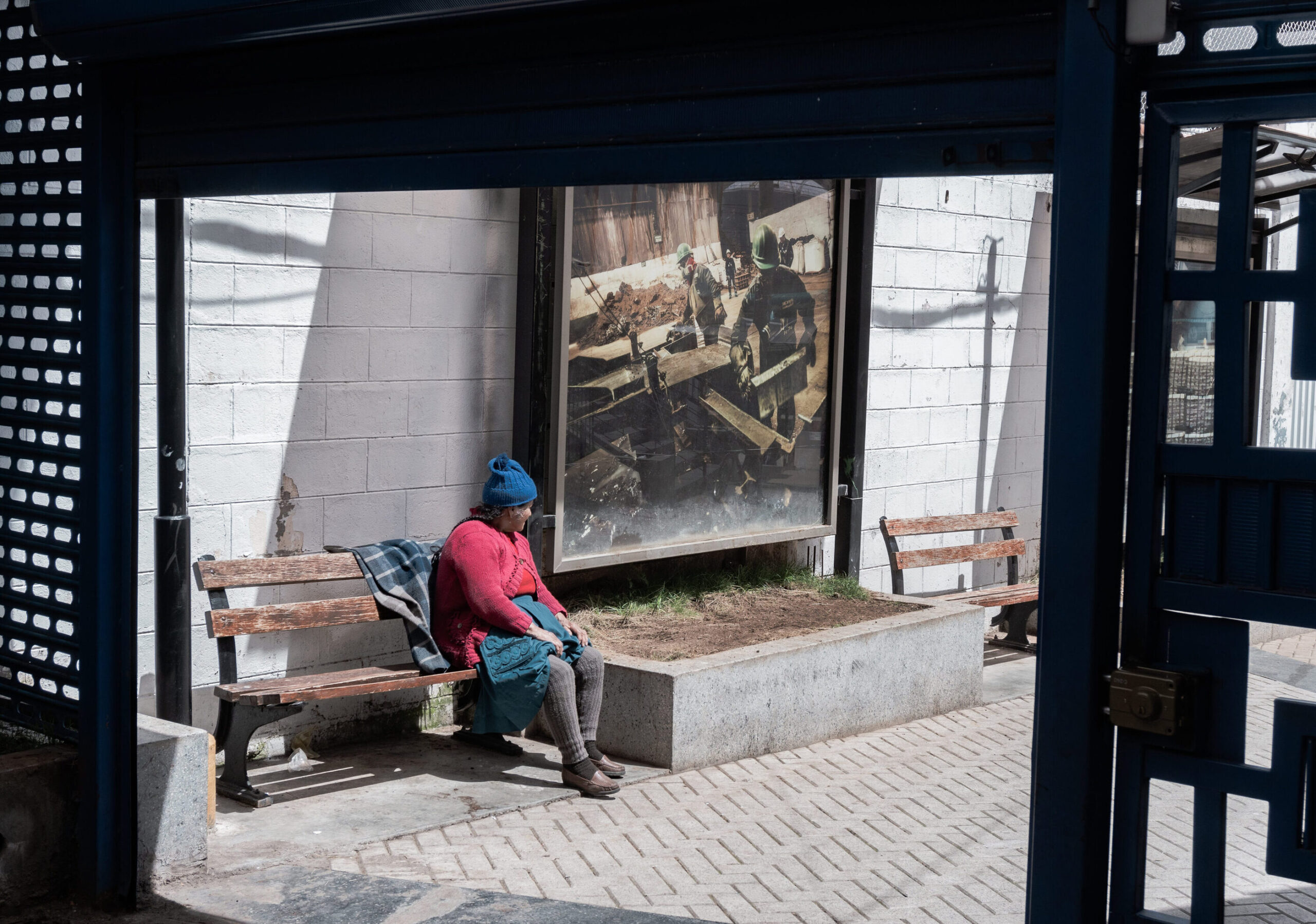

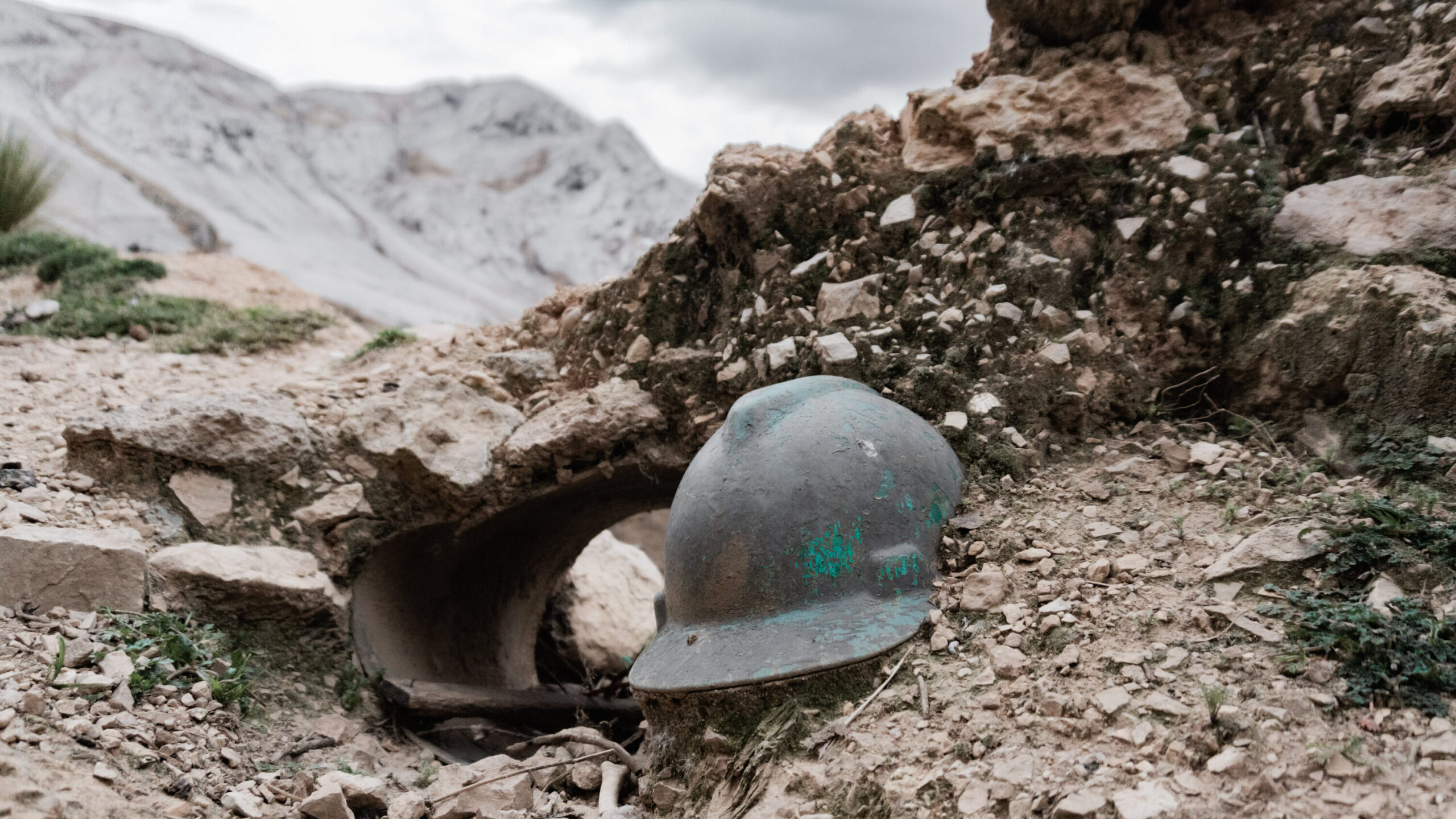
Nowadays, the mining legacy that has deeply marked this land persists a few kilometers from La Oroya, in the desolate ruins of the ancient city of Morococha. Six families resist in solitude the displacement of the slopes of what used to be the Toromocho mountain. In just 14 years, the company Chinalco Peru has erased the mountain, leaving only a deep pit for copper extraction that continues to grow and pollute the air with dust containing metals, a result of the constant daily blasts executed by the mining company.
Here, where a mountain once stood, where there were towns and a vibrant life, everything has been altered by the extractive activities of foreign companies.
Just weeks ago, the Inter-American Court of Human Rights condemned Peru for neglecting to regulate the La Oroya mining complex, ordering the country to compensate for environmental damage and provide free medical care to victims.



Support independent journalism that does not fall in line
Even before February 28, the reasons for Donald Trump’s imploding approval rating were abundantly clear: untrammeled corruption and personal enrichment to the tune of billions of dollars during an affordability crisis, a foreign policy guided only by his own derelict sense of morality, and the deployment of a murderous campaign of occupation, detention, and deportation on American streets.
Now an undeclared, unauthorized, unpopular, and unconstitutional war of aggression against Iran has spread like wildfire through the region and into Europe. A new “forever war”—with an ever-increasing likelihood of American troops on the ground—may very well be upon us.
As we’ve seen over and over, this administration uses lies, misdirection, and attempts to flood the zone to justify its abuses of power at home and abroad. Just as Trump, Marco Rubio, and Pete Hegseth offer erratic and contradictory rationales for the attacks on Iran, the administration is also spreading the lie that the upcoming midterm elections are under threat from noncitizens on voter rolls. When these lies go unchecked, they become the basis for further authoritarian encroachment and war.
In these dark times, independent journalism is uniquely able to uncover the falsehoods that threaten our republic—and civilians around the world—and shine a bright light on the truth.
The Nation’s experienced team of writers, editors, and fact-checkers understands the scale of what we’re up against and the urgency with which we have to act. That’s why we’re publishing critical reporting and analysis of the war on Iran, ICE violence at home, new forms of voter suppression emerging in the courts, and much more.
But this journalism is possible only with your support.
This March, The Nation needs to raise $50,000 to ensure that we have the resources for reporting and analysis that sets the record straight and empowers people of conscience to organize. Will you donate today?