The Silencing Power of Big Oil’s Climate Lies
A new report suggests that the majority of people think new economic rules are required to curb climate change. The issue is that those majorities think they are a minority.
“We’re seen as one of the bad guys,” says an internal document from BP, written in 2020. Climate change was by then attracting significant public concern and protest, and BP officials were asking themselves how to counter the negative perception they faced.
First revealed by the investigative news outlet Drilled, the quote from this document resurfaced in a report released yesterday by the watchdog group Clean Creatives that analyzes how Big Oil’s public messaging around climate change has evolved in recent years. The news media has always been a principal target of the fossil fuel industry’s PR machinations—meaning this analysis is something all journalists reporting about climate change should know about.
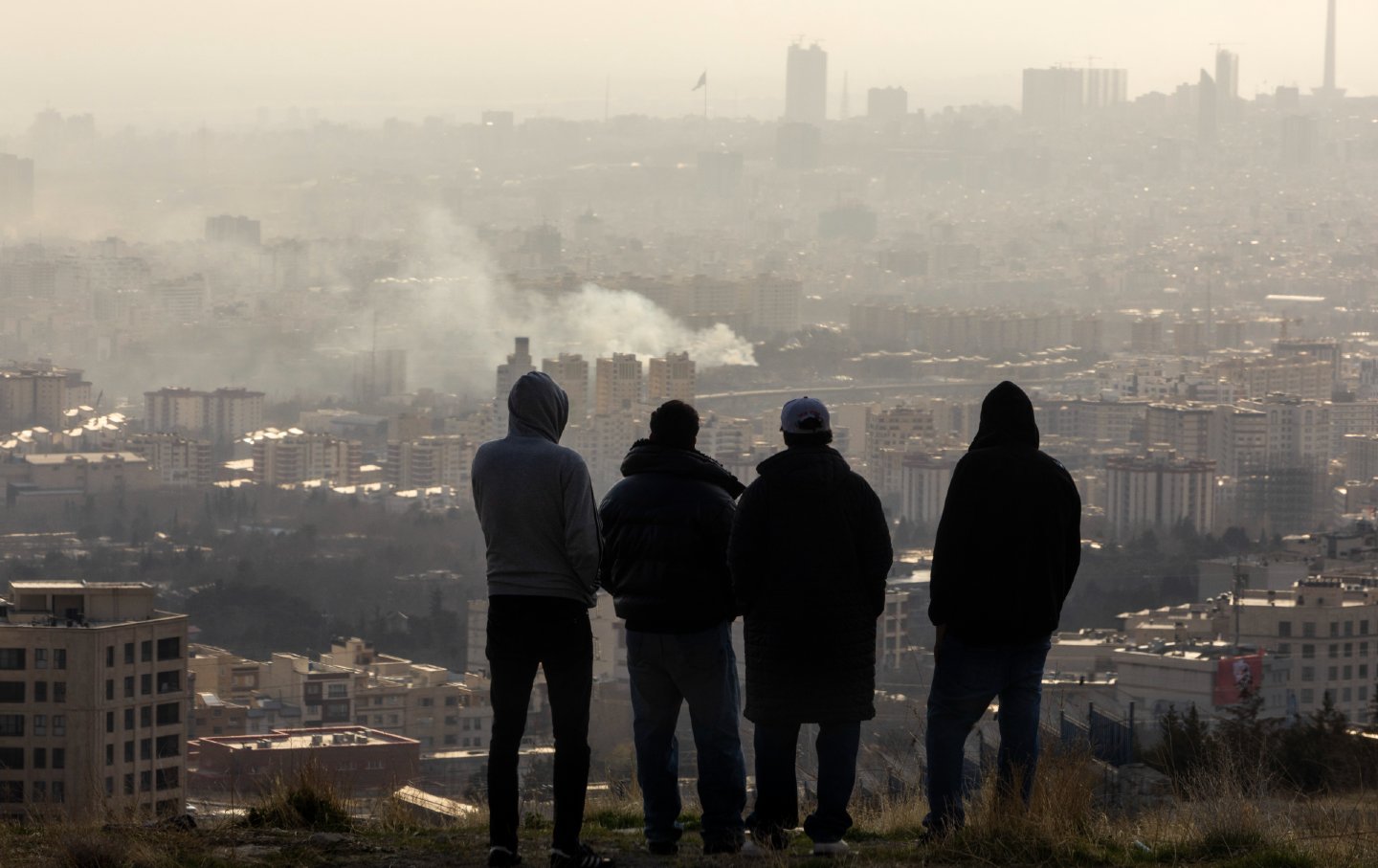
The climate emergency has long posed a vexing PR problem for the fossil fuel industry. Burning oil, gas, and coal is the primary driver of global temperature rise and the heat waves, droughts, storms, and the rising seas that follow. It’s only natural that people threatened by those impacts would resent the companies most responsible for causing them.
Over the years, companies like BP and ExxonMobil have employed various strategies to deflect public anger and the changes in policy it might encourage. For decades, the strategy was simply to lie. By the 1970s, their own scientists were telling senior management that burning fossil fuels would threaten the survival of civilization. But the industry chose to hide the truth anyway, spending millions of dollars on advertising, phony research, and other forms of propaganda to convince the public, government officials, and the press there was no cause for alarm.
Those efforts continue today, though the content of the propaganda shifts in response to evolving circumstances, as the Clean Creatives report illustrates. The group reviewed 1,859 public-facing messages—ads, social media posts, statements to investors and shareholders, and speeches by and interviews with CEOs—produced by BP, ExxonMobil, Shell, and Chevron from 2020 to 2024. They found that the messaging of each of these “Big Four” has shifted in remarkably similar ways over those years. Soon after Russia invaded Ukraine again in 2022, for example, throwing world energy markets into turmoil, the companies’ previous pledges of striving for net zero by 2050 all but vanished from their public statements. Instead, their messaging shifted to asserting that energy security required using more fossil fuels while still pursuing emissions reductions. By 2024, that messaging had morphed to the assertion that, like it or not, humanity simply can’t do without fossil fuels.
One reason Big Oil has worked so assiduously to manage public opinion is simple enough: Most people understandably don’t want to see global warming ruin the planet. As CCNow’s 89% Project has reported, 80 to 89 percent of the world’s people want their governments to take stronger climate action. However, these same people think that they’re the minority, so they mostly stay silent. It’s a perverse tribute to the industry’s propaganda, which has many people convinced that climate change is too divisive to even talk about, much less to tackle.
A report by Climate Majority Project, a nonprofit based in the UK, argues that climate change is not the only issue where most people favor radically different approaches than what the status quo is delivering. The report finds that the majority of people around the world feel threatened by climate chaos, fear societal breakdown, and want less consumerism. But these majorities also mistakenly think that they are a minority, so they tend to say, and do, nothing. For example, a “climate concerned business majority” believes that new economic rules are needed to avoid catastrophe, but they don’t lobby for such rules. The result is a “spiral of silence” that blunts the action that most people want, according to the report.
Journalists can play a key role in either reinforcing or disrupting this spiral of silence. During a CCNow Press Briefing this week, Caroline Lucas, a Green Party leader who served for 14 years in the British Parliament, talked about the “paradox” that “the majority only speaks out when they feel powerful enough to act, but that sense of power only comes from hearing others speak.” But more people are now speaking out, Lucas added, and she urged journalists “to think more about how some of these still-hidden, still-unheard voices can be heard.”
Support independent journalism that does not fall in line
Even before February 28, the reasons for Donald Trump’s imploding approval rating were abundantly clear: untrammeled corruption and personal enrichment to the tune of billions of dollars during an affordability crisis, a foreign policy guided only by his own derelict sense of morality, and the deployment of a murderous campaign of occupation, detention, and deportation on American streets.
Now an undeclared, unauthorized, unpopular, and unconstitutional war of aggression against Iran has spread like wildfire through the region and into Europe. A new “forever war”—with an ever-increasing likelihood of American troops on the ground—may very well be upon us.
As we’ve seen over and over, this administration uses lies, misdirection, and attempts to flood the zone to justify its abuses of power at home and abroad. Just as Trump, Marco Rubio, and Pete Hegseth offer erratic and contradictory rationales for the attacks on Iran, the administration is also spreading the lie that the upcoming midterm elections are under threat from noncitizens on voter rolls. When these lies go unchecked, they become the basis for further authoritarian encroachment and war.
In these dark times, independent journalism is uniquely able to uncover the falsehoods that threaten our republic—and civilians around the world—and shine a bright light on the truth.
The Nation’s experienced team of writers, editors, and fact-checkers understands the scale of what we’re up against and the urgency with which we have to act. That’s why we’re publishing critical reporting and analysis of the war on Iran, ICE violence at home, new forms of voter suppression emerging in the courts, and much more.
But this journalism is possible only with your support.
This March, The Nation needs to raise $50,000 to ensure that we have the resources for reporting and analysis that sets the record straight and empowers people of conscience to organize. Will you donate today?