
Judges Overseeing Landmark Oil Cases Have Financial Stakes in Oil Companies
A dozen federal judges are hearing hugely significant cases against oil companies in Louisiana—while having direct connections to some of those same companies.
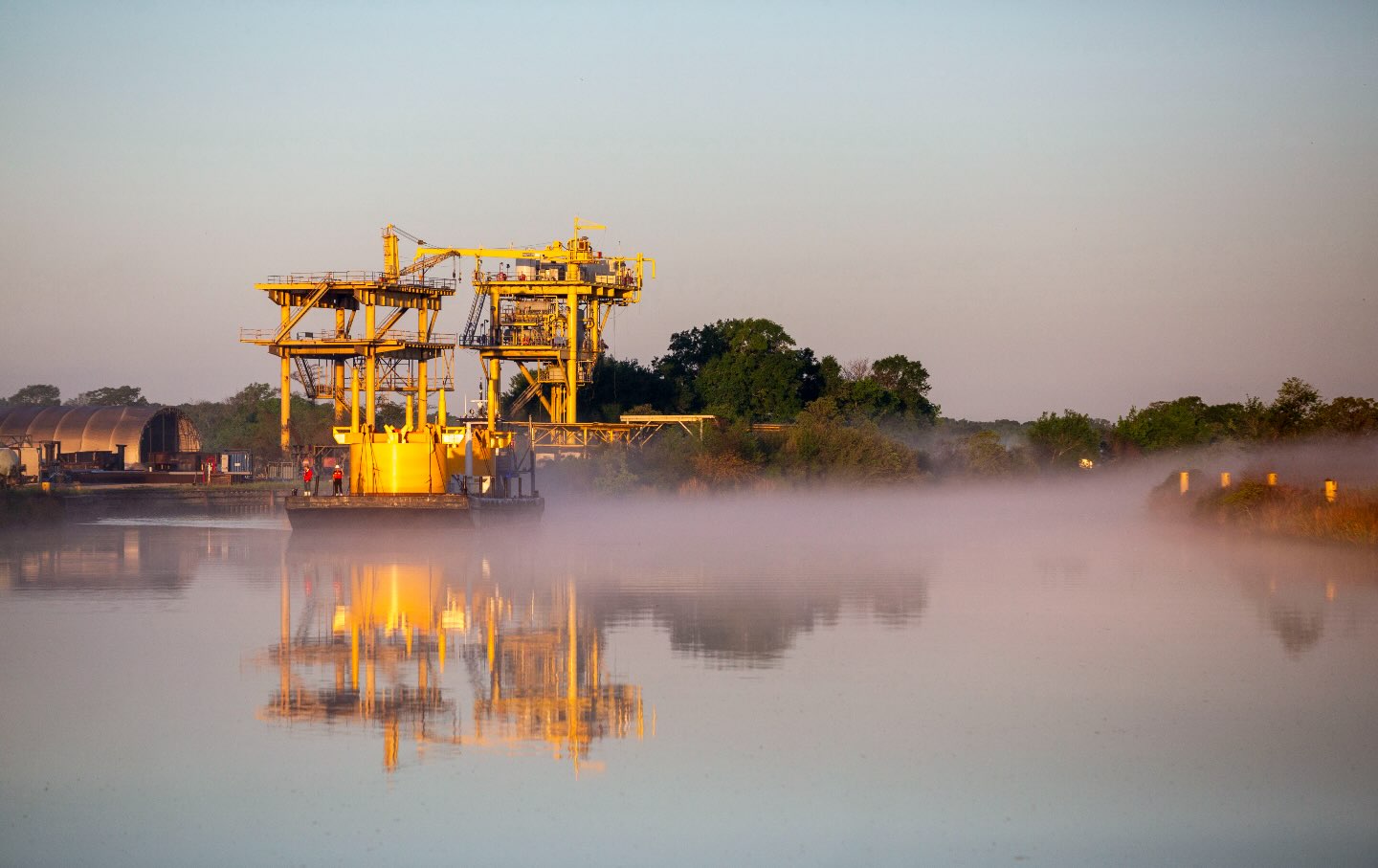
Oil infrastructure in Abbeville, Louisiana, on March 27, 2026.
(Christiana Botic / Verite News and Catchlight Local / Report for America)Adozen federal judges have presided over some of the most consequential environmental lawsuits in Louisiana’s history despite having investments in or business connections to the petrochemical companies being sued, an investigation by Floodlight, WWNO/WRKF, and Type Investigations has found.
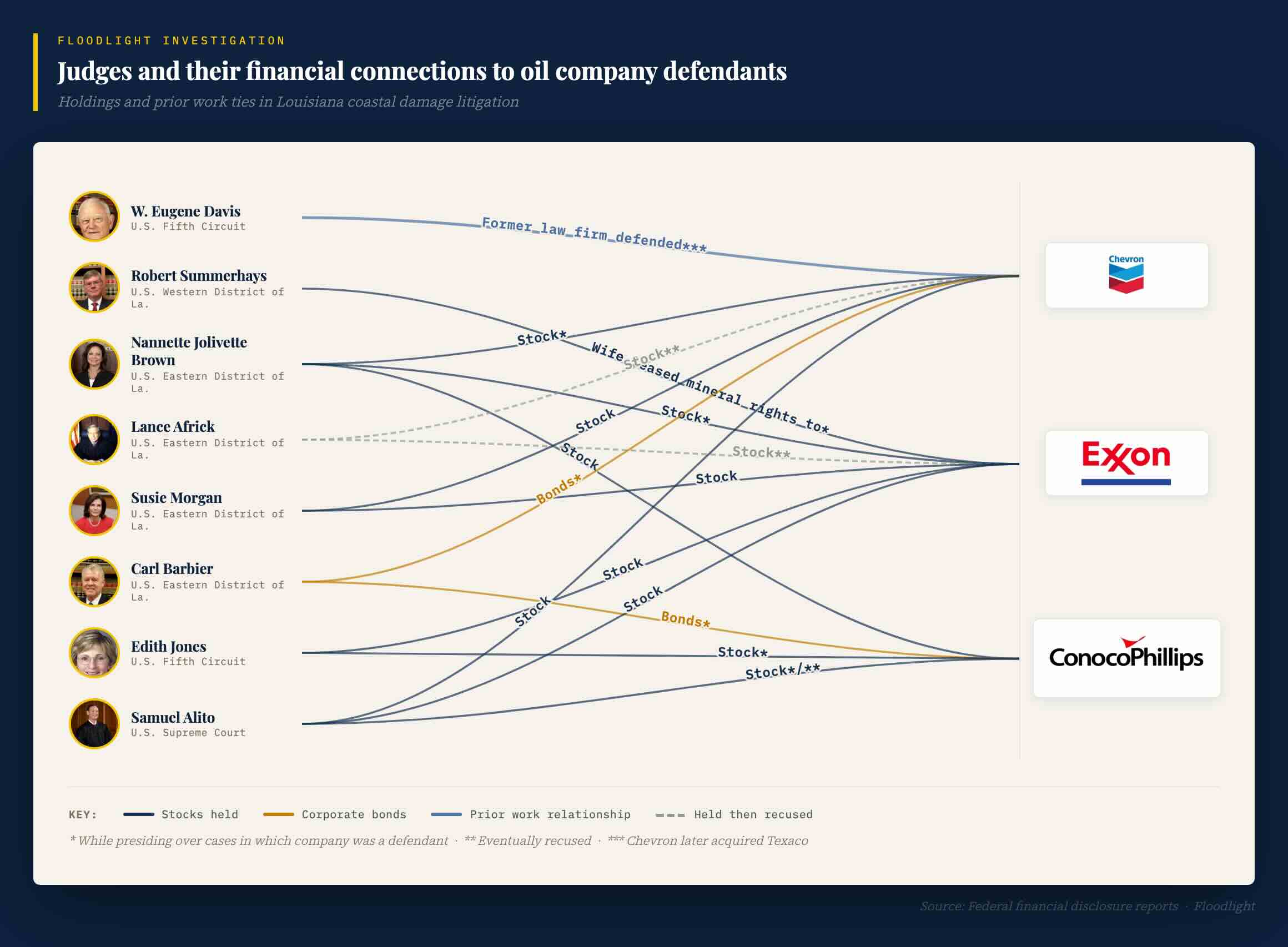
Their ties took various forms: holding stock or corporate bonds while presiding over the cases, having previously worked as attorneys for the oil companies, receiving large sums of money from investments in the companies prior to hearing the cases, leasing mineral rights to defendants, or having a spouse who was a partner at a law firm defending the oil companies.
But even when they appear to have direct conflicts of interest, almost none of those judges broke the ethical rules governing the judiciary.
“To the extent they’re following the rules, they can’t really be faulted,” said Charles Geyh, a professor at Indiana University Maurer School of Law and an expert in judicial disqualification. “But from a systemic standpoint, do you really want judges to be drawn from a pool of people who have a stake in the industry?”
Examples include:
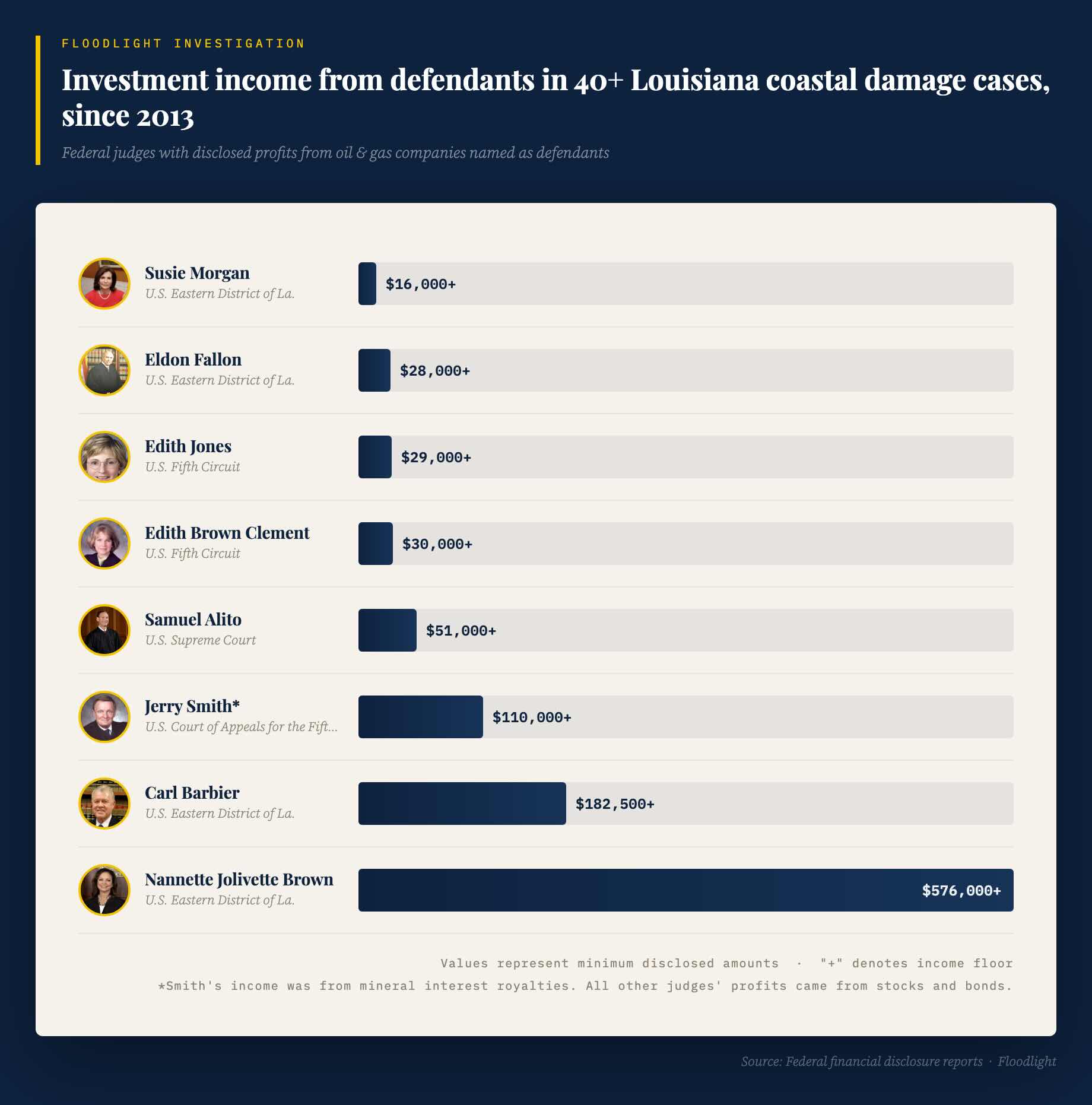
- Judge Carl Barbier of the US Eastern District Court of Louisiana held over $100,000 of corporate bonds in five oil companies while presiding over four different cases in which one or more of those companies was a defendant.
- Judge Nannette Jolivette Brown, of the same court, reported that she or her husband traded tens of thousands of dollars of Exxon and Chevron stock while she presided over a case in which both companies were being sued.
- Judge Jerry Smith of the US Court of Appeals for the Fifth Circuit ruled in favor of oil companies in one of the cases after receiving over $100,000 in mineral royalties since 2013, when the litigation first arrived in federal court.
Judges must be impartial in their rulings and avoid even the appearance of impropriety. Yet, in practice, that standard is poorly enforced. The judiciary itself decides in most cases what constitutes a conflict, and its current guidelines state that judges may even receive payments from defendants while a case is ongoing—so long as the judge’s ruling will not impact the amount they get paid.
In Louisiana, where many judges profit from petrochemical investments, the question of whether the courts can be trusted to fairly judge the oil industry has enormous stakes.
Enormous stakes
For decades, oil companies working in Louisiana dredged canals through wetlands and dumped billions of gallons of waste in unlined pits that leached salts and toxic heavy metals into the surrounding soil and waters. That pollution killed cattle, crawfish, oysters, crops and wetland plants. It has also seeped into aquifers that provide drinking water to local communities and contributed to a land-loss crisis that threatens to wipe southern Louisiana off the map.

Now, through a series of about 40 related lawsuits, the state and several parishes are seeking tens of billions in damages from hundreds of these companies to pay for the cost of cleaning up the mess. The litigation could rank among the most expensive environmental damage cases in US history if the plaintiffs succeed.
Last year, a Louisiana jury’s verdict in one of these lawsuits found Chevron liable for $745 million in damages. The oil companies have asked the US Supreme Court to move the cases from state to federal courts, where judges could decide to vacate the jury’s verdict. (Federal courts already dismissed an early case in the series before it ever reached a jury).
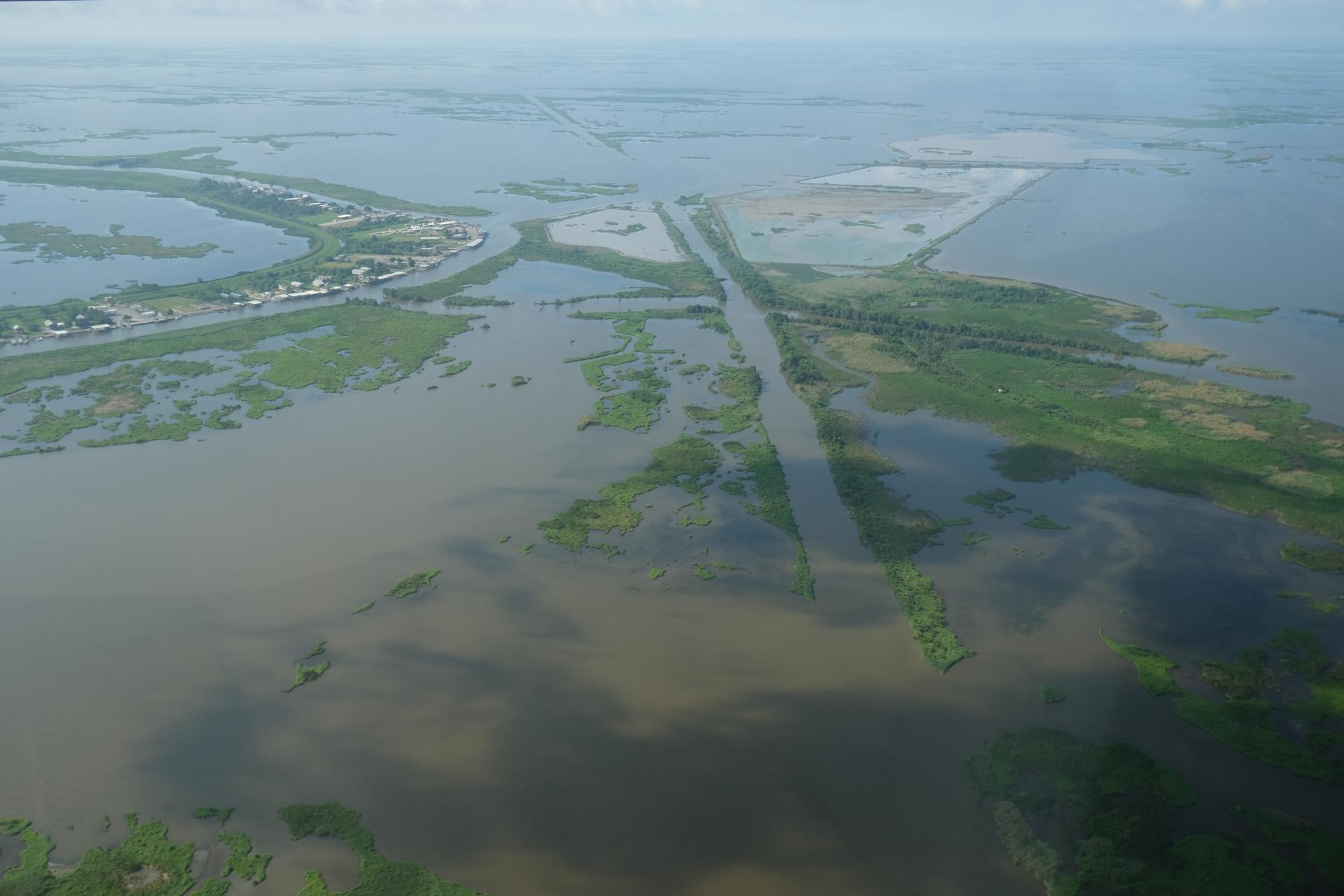
If the oil companies prevail with the Supreme Court, which is expected to release a decision this spring, the cases will likely wind up back on the dockets of the federal judges named in this story.
An investigation by Floodlight, WWNO/WRKF, and Type Investigations found that 12 of the 46 federal judges who have already made rulings in the coastal damage lawsuits had investments in or business connections to petrochemical companies that were defendants in the cases.
Since 2013, nine of these judges have collected nearly $1 million in income from their investments in the defendants, according to an analysis of their financial disclosures. That income was gained during the period while the cases have been litigated in federal courts, though not exclusively while the cases were on each of the judges’ dockets.
It’s difficult to determine if and how financial ties influenced judicial decisions—and many of these judges, like Barbier, actually ruled against the oil companies. But even the appearance of impropriety can undermine trust in the rule of law.
“It’s only natural for the public to be increasingly suspicious about whether those judges are a little too friendly with the industry to be impartial arbiters,” said Geyh.
Even beyond the direct ties to the defendants, judges’ investments in the fossil fuel industry more broadly could raise eyebrows. The outcome of these coastal damage cases could impact the industry at large, with the potential to establish a road map for anyone seeking to hold oil companies accountable for environmental destruction.
Where’s the money coming from?
The stakes of these cases are enormous for the oil companies, as well as for their investors—possibly exceeding a $100 billion in liability, said the author and historian John Barry.
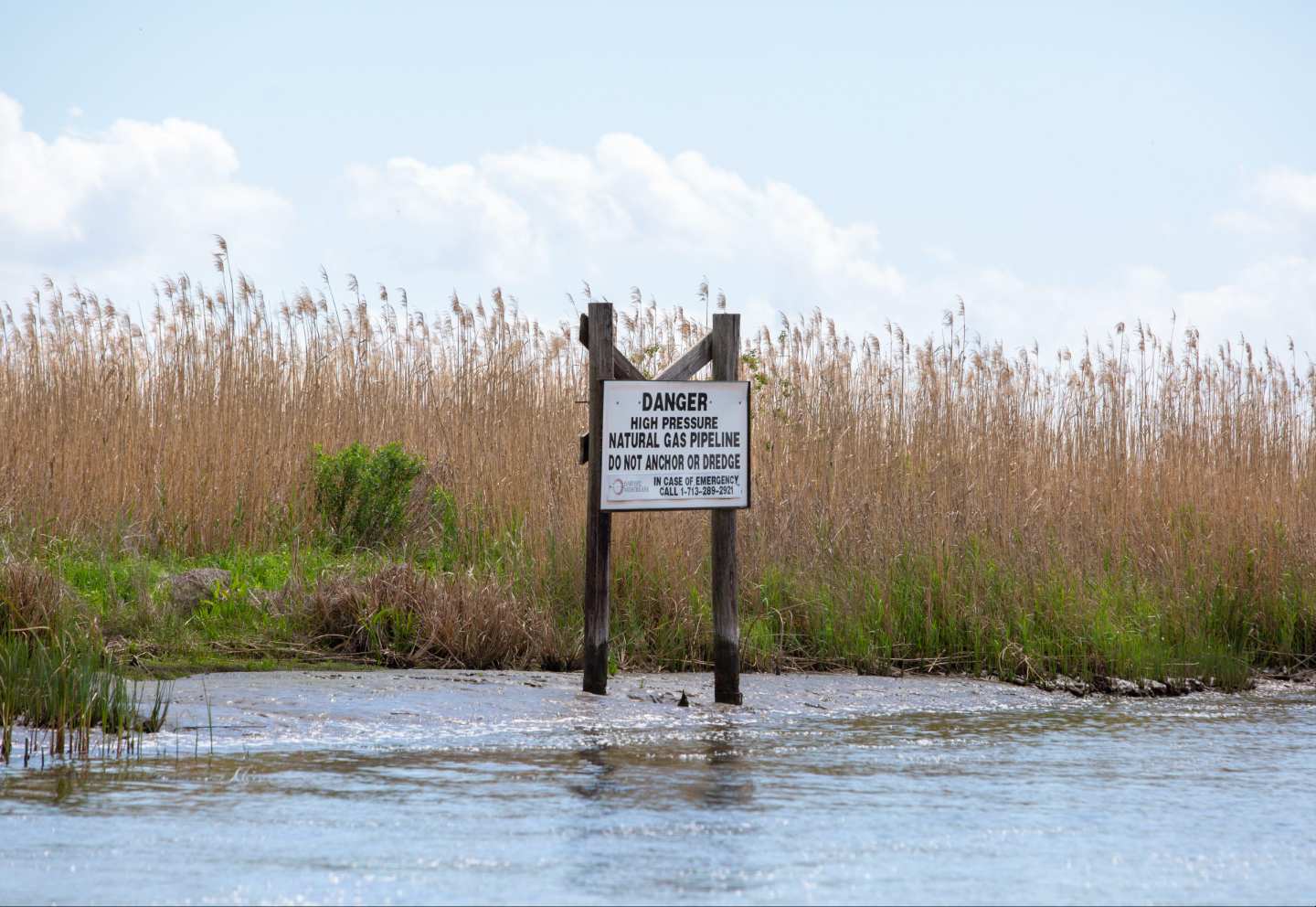
The industry’s damage has accelerated the state’s coastal erosion: Since the 1930s, an area about the size of Delaware has slipped into the sea.
In response, Louisiana spent decades creating its Coastal Master Plan to repair its wetlands and address the land loss. But enacting it will require tens of billions of dollars over the coming decades.
Where that money might come from is an open question, and one that these lawsuits seek to resolve.
“Without money, there’s no master plan,” said Barry. “The stakes are the existence of Louisiana. It’s pretty simple.”
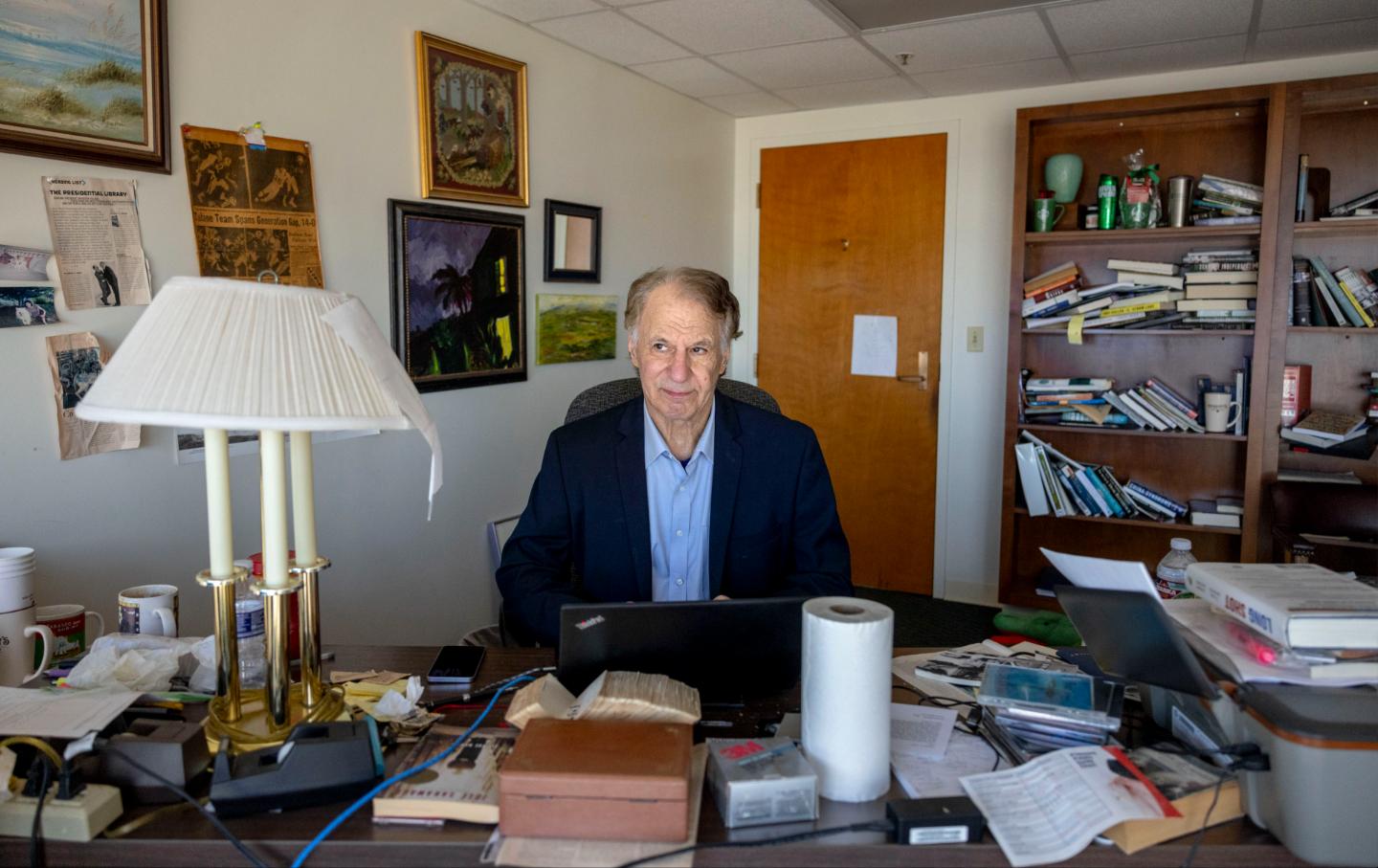
In his former position on the board of a New Orleans flood protection agency, Barry was an architect of a lawsuit that became a model for the dozens of parish lawsuits that followed it. His team argued their case in front of Judge Nannette Jolivette Brown starting in 2013—but she dismissed it, finding that the flood protection agency had no standing against nearly 100 oil companies and keeping the case from ever reaching a jury. She later presided over two additional coastal damage cases.
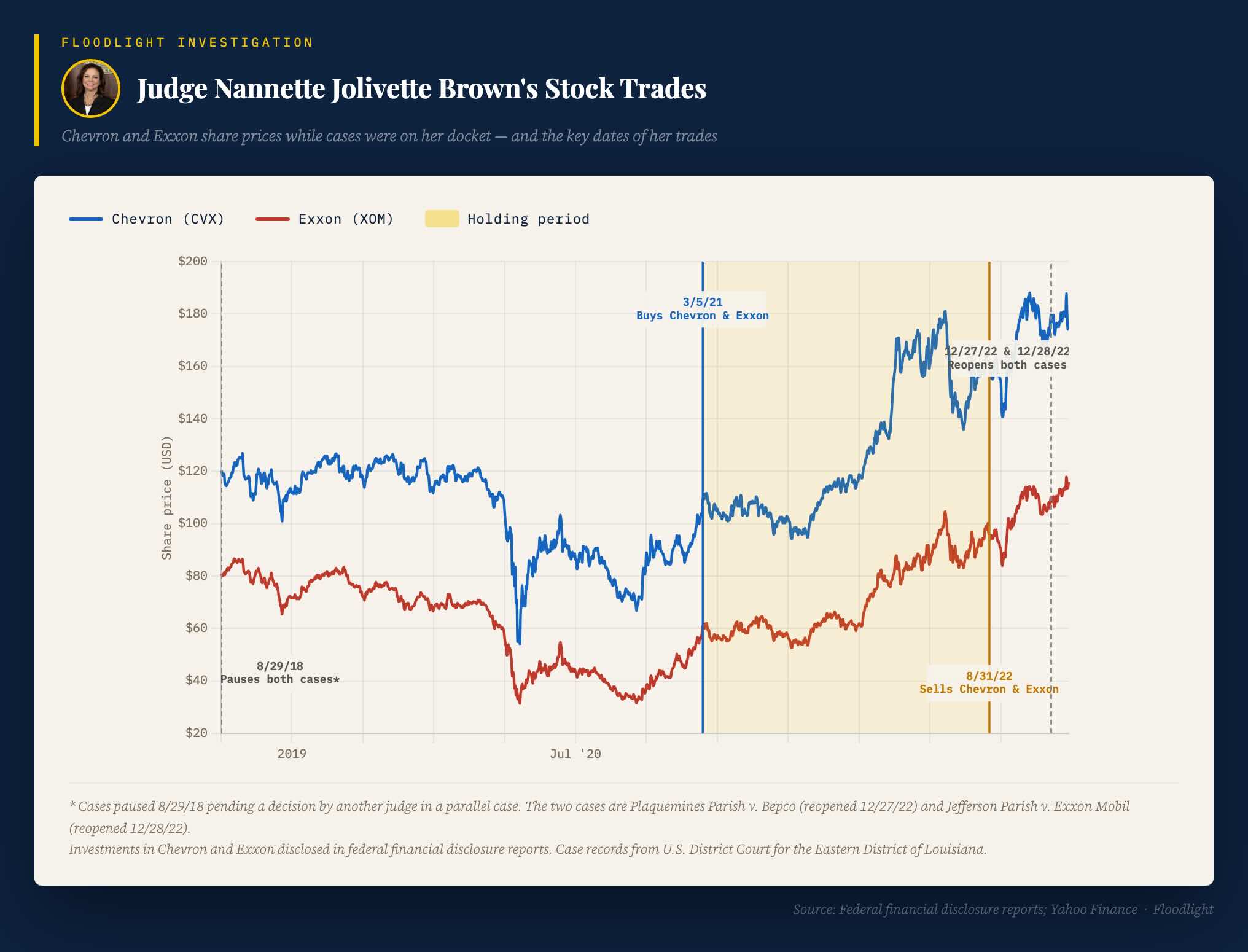
Brown and her husband traded tens of thousands of dollars in Exxon and Chevron stock while those companies were defendants before her. She held the stocks for about 18 months, while the price of both increased significantly. She then sold them before issuing any additional rulings —likely keeping her within disqualification rules.
At the time, Brown’s husband was one of Entergy’s most senior executives, and the couple held millions of dollars of the company’s stock. Entergy was a defendant in one of the coastal damage cases, though not one over which she presided.
“I always take great care to ensure that I comply with all judiciary ethics guidance, rules and rule of law,” Brown wrote in response to our findings.
The statute has limitations
Federal recusal rules set a high bar for when a judge must step aside—and impose no real penalty when they don’t.
Congress requires judges to recuse themselves whenever their impartiality “might reasonably be questioned,” including when they hold any financial interest in a party. But words like “reasonably” and “financial interest” leave wiggle room, and judges themselves decide whether a conflict exists. The only remedy when they get it wrong is an appeal—a thorny process with a high bar for success.
However, experts widely agree that if a judge owns any amount of stock in a company that is a party to the case, they are required to step aside.
One judge appears to have crossed that bright line.
US Fifth Circuit Court Judge Edith Jones held roughly $50,000 of ConocoPhillips stock while voting in 2024 on a case where a ConocoPhillips subsidiary was a defendant.
That ruling likely violated the federal disqualification statute and Code of Judicial Conduct, according to three judicial experts.
Ways to fix this
Louisiana’s federal judges have so many ties to the oil and gas industry that some cases have led to mass recusals. In one coastal damage case, nine judges recused, including at least five who had investments in the defendants.
The judiciary also has a poor record of policing its conflicts. The Wall Street Journal found in 2021 that over 130 federal judges nationwide had failed to recuse themselves despite owning stock in companies involved in cases they oversaw.
Relatively simple judicial reforms, like requiring judges to put their holdings in blind trusts, could eliminate many of the conflicts that cause these situations, according to Geyh.
“You kind of expect that there are certain sacrifices you need to make in order to preserve public perception of your impartiality, your integrity, and your independence,” Geyh said.
Popular
“swipe left below to view more authors”Swipe →In a small step forward in 2022, the courts updated their conflict-screening procedures and lawmakers passed the Courthouse Ethics and Transparency Act, which established stricter disclosure rules and a requirement that judges’ disclosures be made available to the public online.
This investigation relied in part on those documents.
Disappearing communities
As the dispute over who should pay to clean up the coast enters its 13th year of litigation, the communities living with the destruction are losing ground fast.
“Most people don’t have a clue about how extensive the damage can be to landowners,” said lawyer Warren Perrin, who estimates the oil companies have caused hundreds of acres of his family land to disappear into the water.
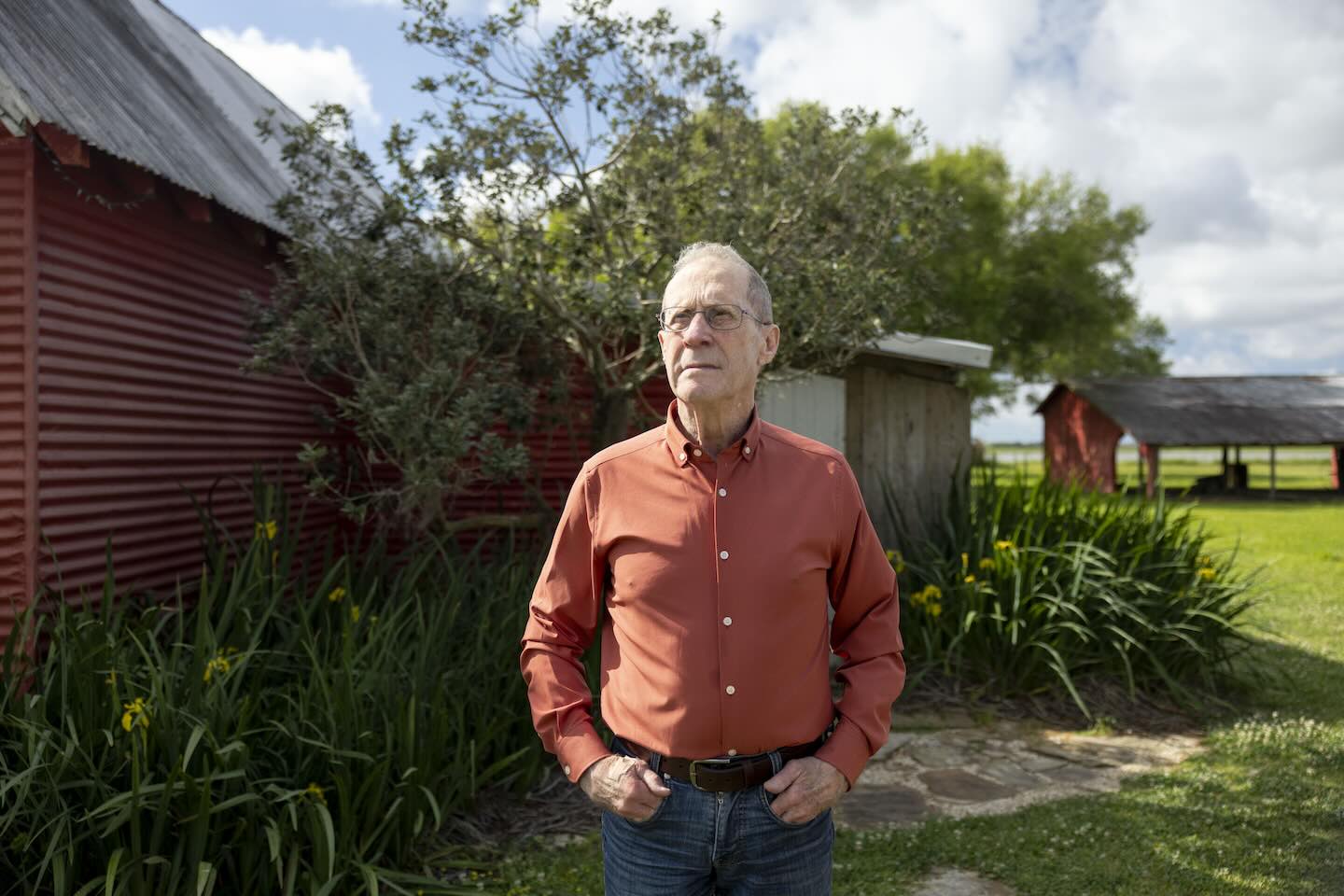
Perrin traces his family roots back to the Acadians, or Cajun people, who settled in Louisiana in the late 1700s. He says the loss of wetlands, increasing flood risk, and pollution caused by oil companies has taken a toll on the close-knit Cajun family and community in Vermillion Parish.
“ As we lose the lands, people move away,” he said. “The intensity of the culture is destabilized as more people move away.”
If the oil companies get their way, it’s not clear where the money to preserve these lands will come from—or how much longer the coastal parishes can hold on.
Despite the odds, Perrin’s family is working to restore the coast in whatever modest ways they can, dumping boulders and rebuilding the coastline to keep their land from becoming open water.
“I’m a chronic, hopeless optimist that it will work out and we’re gonna save our lands,” he said. “It’s a struggle. But I believe in the system of justice, in our laws—usually the right thing happens.”
More from The Nation

A New Economic Superpower Could Spark a Retreat From Fossil Fuels A New Economic Superpower Could Spark a Retreat From Fossil Fuels
A little-noticed ray of hope may be peeking over the horizon. A climate conference in Colombia later this month could begin to draw up the roadmap blocked at COP30.
The AI Boom Is a Climate Bust The AI Boom Is a Climate Bust
It’s not just the massive amounts of water and energy data centers require—AI is also spreading climate misinformation across the Internet.
Water Infrastructure in Texas Is Failing. A Surge of New Funding Can Fix It. Water Infrastructure in Texas Is Failing. A Surge of New Funding Can Fix It.
As the state promotes industrial expansion and costly seawater desalination projects, advocates want to prioritize fixing aging pipes and supporting public health.

Are Plastics Poisoning Us? Are Plastics Poisoning Us?
A Netflix documentary exposes plastic’s health harms but misses its climate connection.
Hawaii’s Storm Damage Is Deeply Rooted in the State’s Plantation Past Hawaii’s Storm Damage Is Deeply Rooted in the State’s Plantation Past
The latest wave of storm devastation closely tracks the regional neglect of infrastructure instituted by the state’s first modern agricultural barons
The Silencing Power of Big Oil’s Climate Lies The Silencing Power of Big Oil’s Climate Lies
A new report suggests that the majority of people think new economic rules are required to curb climate change. The issue is that those majorities think they are a minority.

