
Climate Was Missing From New York’s Progressive Wave
The city’s primary winners campaigned on affordability, yet climate change, a major driver of rising costs and inequality, was conspicuously absent from the conversation.
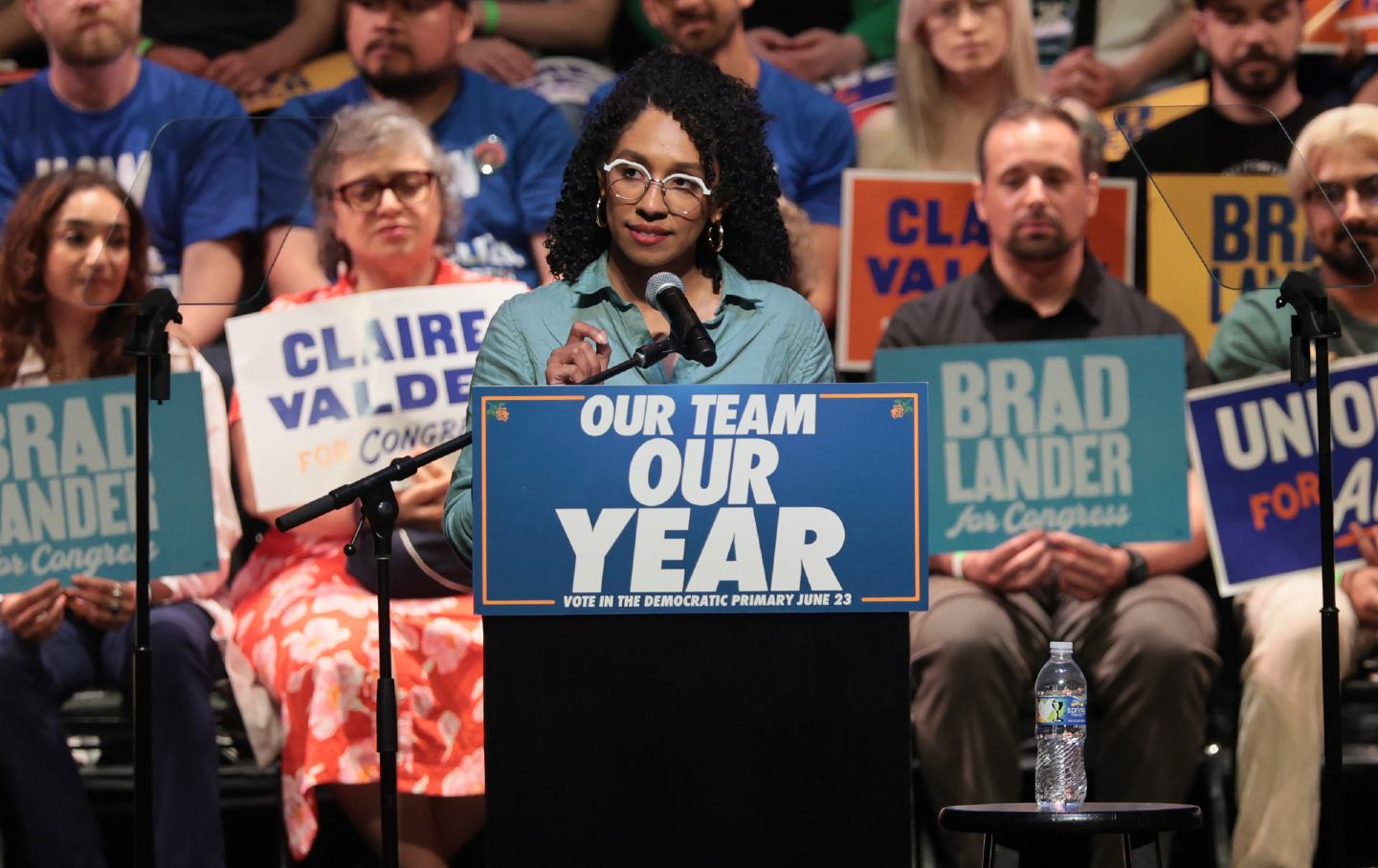
Progressive New York primary winner Darializa Avila Chevalier did not include climate action on her list of priorities.
(Michael M. Santiago / Getty Images)On June 23, a slate of progressive candidates endorsed by Mayor Zohran Mamdani swept New York’s primaries, ousting incumbents and promising to grow the Squad in Congress. The sweep resounded across subway lines and entire states: The country is buzzing, and the establishment is on notice—democratic socialism is no longer the favorite dog whistle of centrist Dems.
But curiously absent from campaigns driven by the aching need for a more affordable New York and nation was a focus on the single greatest affordability crisis and threat to human rights: the climate crisis. Israel-Palestine, ICE, and housing all headlined, yet in a city with a rich history of massive climate mobilizations, climate action and environmental justice were sidelined. Even when candidates had robust climate platforms, climate change didn’t generally feature prominently in candidate forums, rallies, or media coverage.
Recognizing these candidates’ priorities as a real-time response to deep-seated voter frustration, the exclusion of climate from the agenda only years after it played a vital role for Democrats in the 2020 presidential election begs the question: Is climate change no longer a hot topic?
According to a just-released analysis by Inside Climate News, Democrats are indeed withdrawing from tackling the climate crisis. Democratic Members of Congress “have embraced [a] message of ‘climate hushing,’ with mentions of climate change plummeting since 2025.”
The irony is that the impacts of climate change are increasing everywhere. Only two days after the primaries, an event focused on extreme heat was canceled in London amid scorching temperatures that have put Europe under a “red alert” and led to drownings in France as people try to cool down.
Addressing climate change not only complements but is critical to solving the problems progressive candidates most often focus on: inequality and injustice in our housing, food, immigration, and education systems, among countless other public policy issues.
Take housing, for instance. Young people overwhelmingly feel that it’s harder to buy a home today than it was in our parents’ generation. The long-standing dream of American homeownership is not fading fast merely because of skyrocketing rents and a lack of affordable housing stock. Exacerbating both factors is climate change.
Insurance companies know this: Amid increasing billion-dollar climate disasters (data the Trump administration is no longer updating) and extreme weather events, insurance companies are abandoning servicing high-risk areas and hiking premiums. Former Federal Reserve Chairman Jerome Powell has warned that within the next 10–15 years, “there are going to be regions in the country where you can’t get a mortgage.” The same communities that struggle to access quality, affordable insurance and continue to suffer the effects of historically discriminatory housing policies, which intersect with present-day climate vulnerability, are disproportionately affected when the cost of climate catastrophe gets priced into the mix.
Or take affordable groceries. Rising temperatures are driving inflation in food prices worldwide, as is dependence on a volatile, unsustainable fossil fuel economy. Similar intersections arise in the context of education, as extreme heat inhibits students from learning, and immigration, as climate change becomes another factor displacing families and driving them to seek refuge across borders.
Inflation, unhelped by Trump policies of robbing the poor to stuff the rich and the upheaval of energy markets by the US war on Iran, has only heaped more pressure on everyday Americans’ bank accounts. But in the background of every purchase, every commute, every school drop-off—often ignored yet persistently accelerating—lies the climate crisis.
In 2018, members of the Sunrise Movement, along with the then-new representative Alexandria Ocasio-Cortez (NY-14), occupied former House minority leader Nancy Pelosi’s office to urge a Green New Deal. The protest attracted national media attention and helped propel Ocasio-Cortez to stardom—it both reflected and amplified climate action as a defining mobilizing force of the left.
Since then, the stakes of the crisis have only increased. The world has seen eight more of the hottest years on record, and governments have charted paths to blow past Paris Agreement goals. Meanwhile, fossil fuel companies are raking in mind-boggling profits while pursuing projects that will lock in dangerous warming and continuing to lobby against a desperately needed rapid fossil fuel phaseout.
At a moment when the need for climate action is greater than ever, talk about climate solutions should be commensurate. People haven’t stopped caring: A majority of American voters continue to worry about the climate crisis and see companies and government as responsible for confronting its effects. But Democrats are shying away from this responsibility, as the climate-hushing phenomenon shows.
Popular
“swipe left below to view more authors”Swipe →For fossil fuel companies, having Democrats make climate change the sacrificial lamb—especially when, as longtime advocate Senator Sheldon Whitehouse highlights, there is so much reason to doubt that this myopic tactic will help, as opposed to harm, Democrats—is a dream come true.
For decades, only one party has consistently recognized and, in its best moments, taken steps to address the climate crisis. Yet as the crisis mounts, it seems to be disappearing from progressive legislative dockets, debate stages, and teleprompters. Is it not cool to talk about climate change anymore?
Whatever the political calculus behind this retreat, progressives cannot afford to treat climate change as a secondary issue. Our ability to confront this crisis requires the most ardent and vocal champions of affordability and corporate accountability to put it on the agenda. Many voters, especially young people, are counting on Democrats to fight for our futures at every turn—from climate change to healthcare, higher education, and the cost of living crisis.
Affordability means climate action and climate justice. Too often, a just green transition gets confused for a rose, but this fight is about having our bread—not just for tomorrow but for every day after and for generations to come.
Become a Sustaining Donor This September
Between the reemergence of right-wing red-baiting and Donald Trump’s use of the chilling National Security Presidential Memorandum–7 to criminalize left political organizing, we’re seeing McCarthyism reborn before our eyes.
This assault on democracy cannot be ignored or wished away. Resisting it requires bravery in the face of threats and repression, a steadfast commitment to the truth, and the unwavering belief that we can—and will—overcome this darkness.
We must have an independent media that sets the record straight, unearths corruption and abuses of power, and advances a politics of justice and dignity for all if we’re to win this fight.
That’s why I’m writing to you today. This September, The Nation needs to add 100 monthly donors to sustain our progressive journalism. Your contribution makes the next investigative report, the next truth-speaking column, and the next pathbreaking essay all possible.
I hope you’ll support our work with a recurring donation today. If you donate $10 or more a month, we’ll send you a brand new “Hands Off the Free Press!” sticker to recognise your commitment to our cause. Please, donate today.
Onward,
Katrina vanden Heuvel
Editor and Publisher, The Nation
More from The Nation
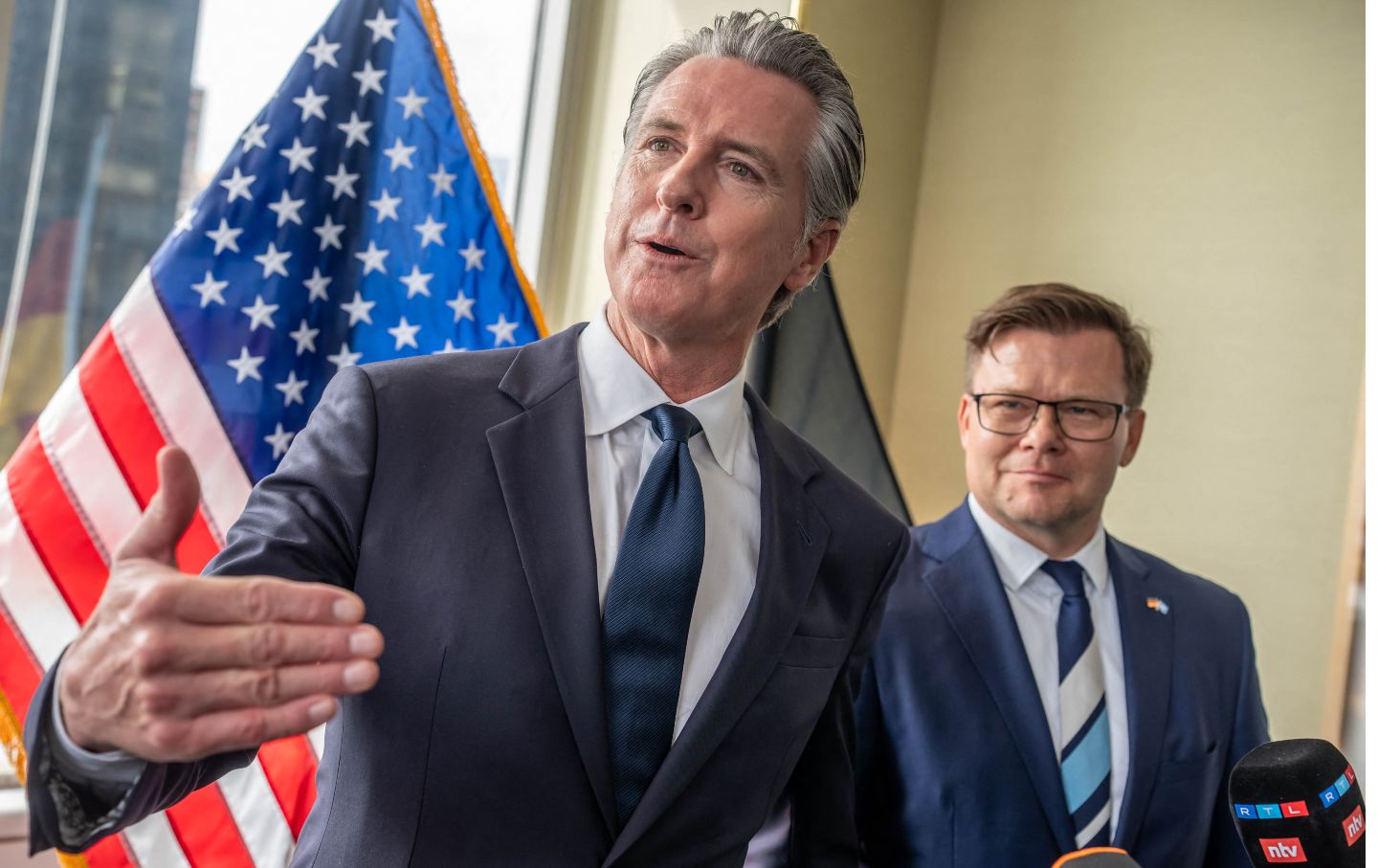
Gavin Newsom Comments on Climate Gavin Newsom Comments on Climate
On the sidelines of the UN General Assembly meeting and New York Climate Week, the California governor called AOC “the real damn deal.”
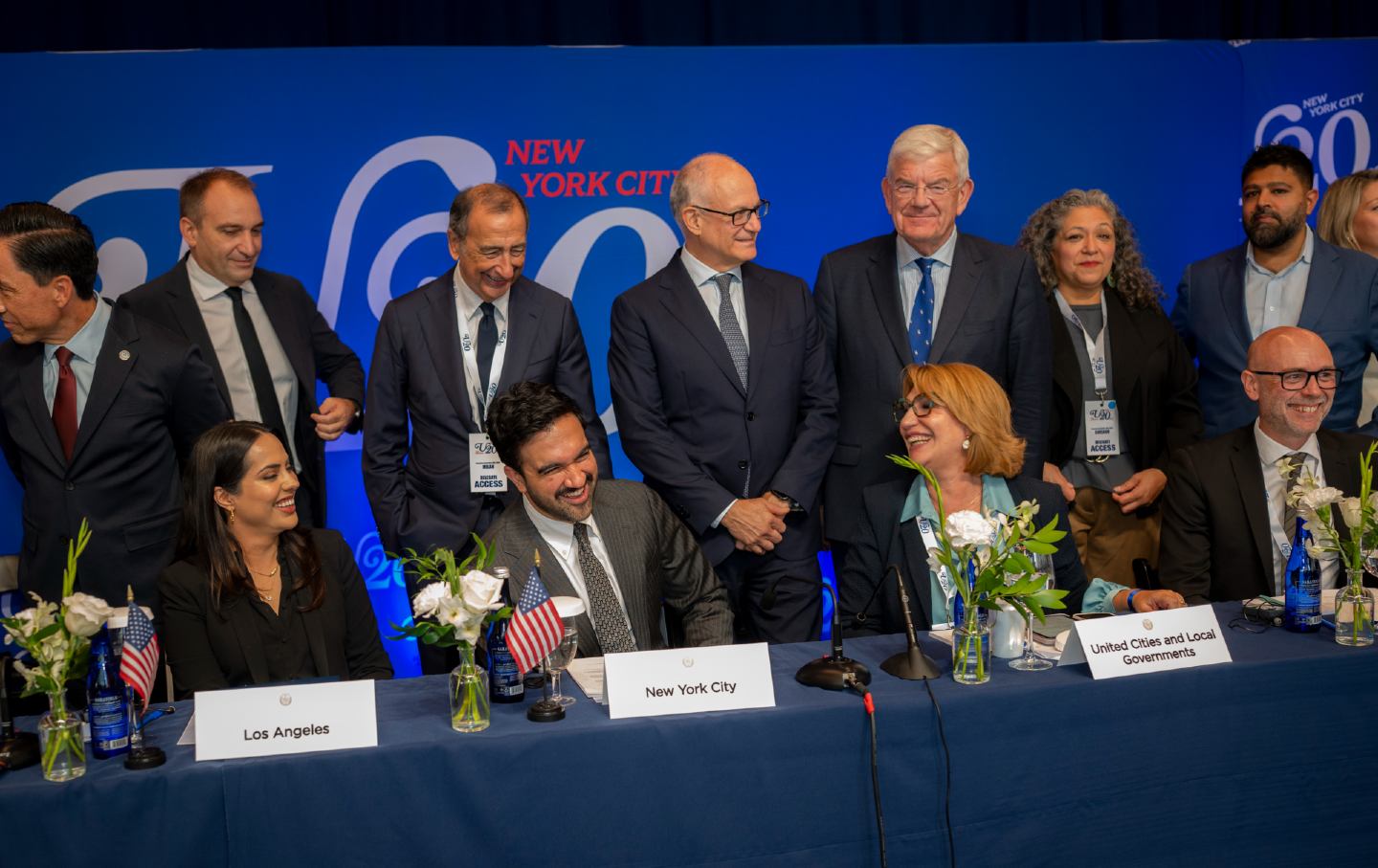
Cities as Climate Labs: Inside the U20 Summit Cities as Climate Labs: Inside the U20 Summit
Mayors at the Urban 20 Summit worked across borders to confront the climate crisis at the local level.
Big Oil’s Origin Story Big Oil’s Origin Story
Amy Westervelt’s new book, Brought to You By, exposes the deep history of today’s “information pollution.”
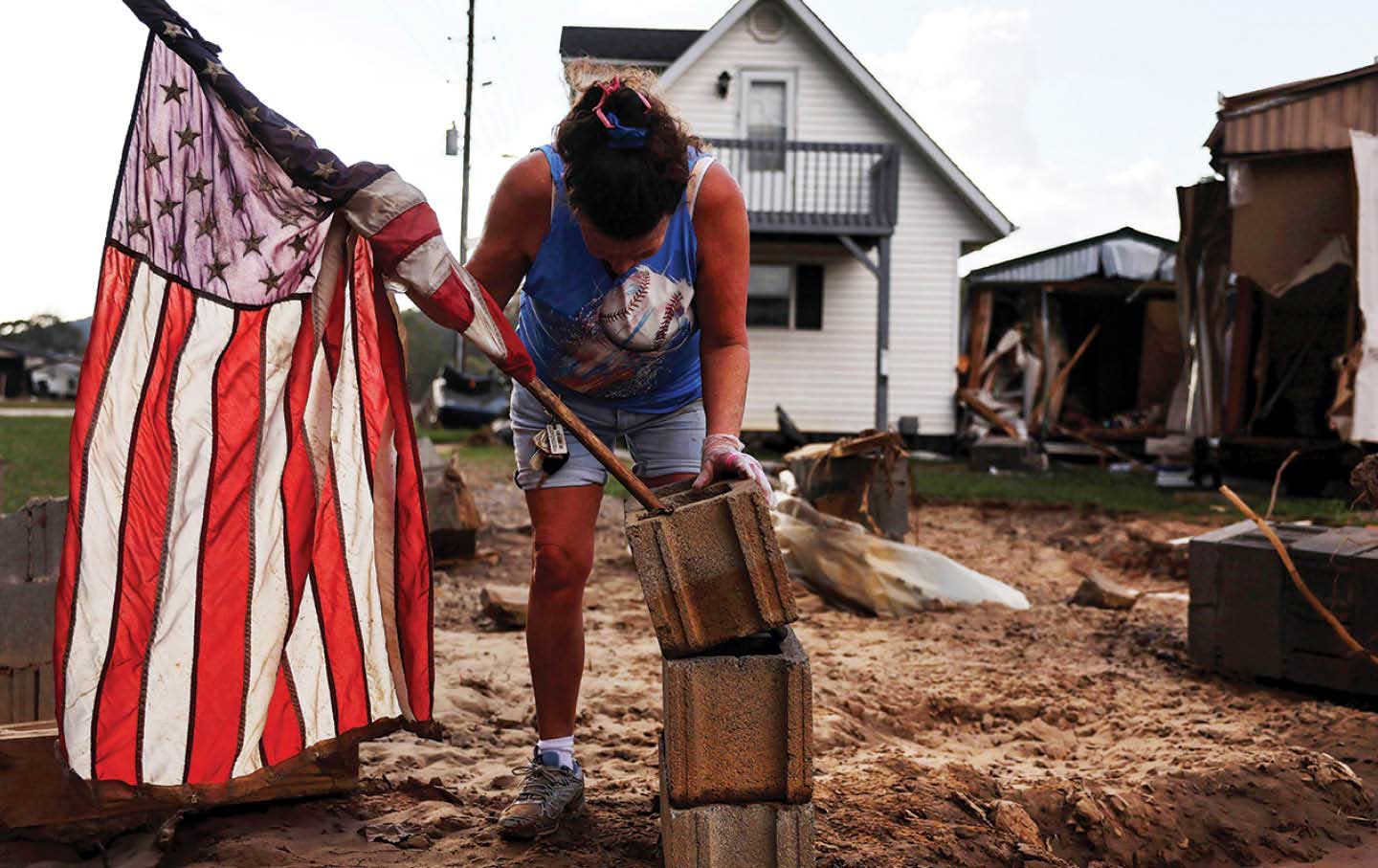
Two Years After Helene, North Carolina’s Unsettled Recovery Two Years After Helene, North Carolina’s Unsettled Recovery
The state has become a testing ground under an eviscerated FEMA and a missing-in-action “recovery czar,” Michael Whatley, with big political ambitions.
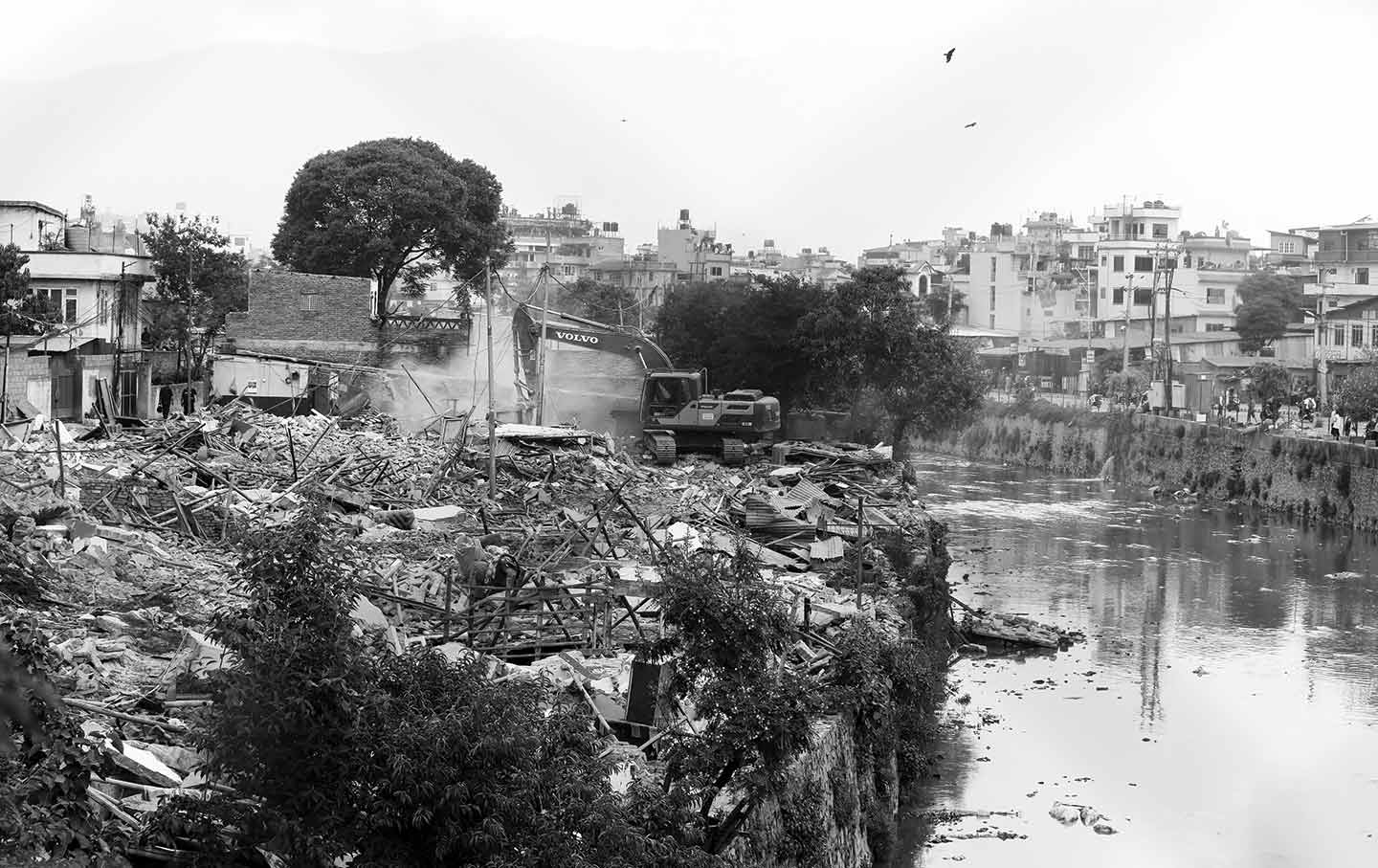
A Reckoning Comes for Nepal A Reckoning Comes for Nepal
A year after its Gen Z uprising, Nepal faces a struggle not only for democracy and human rights but for climate survival.

How a Creative Mind Lives in Nature How a Creative Mind Lives in Nature
Working in the wilderness could not satiate my intellectual impulses. But for the protagonist of Hothouse Bloom, the binary between mental and physical labor is what calls her.

