Did You Know Consumer Debt Has Reached an All-Time High?
And total household debt now exceeds $18 trillion.
In the US Capitol, an unstoppable force is about to meet an immovable object—respectively, Republicans’ insatiable desire for tax cuts and the nation’s trillion-dollar budget deficit. But as conservative legislators contort themselves to square profligate kickbacks for billionaires with their perpetual insistence on “fiscal responsibility,” Americans are increasingly worried about another kind of debt—their own.
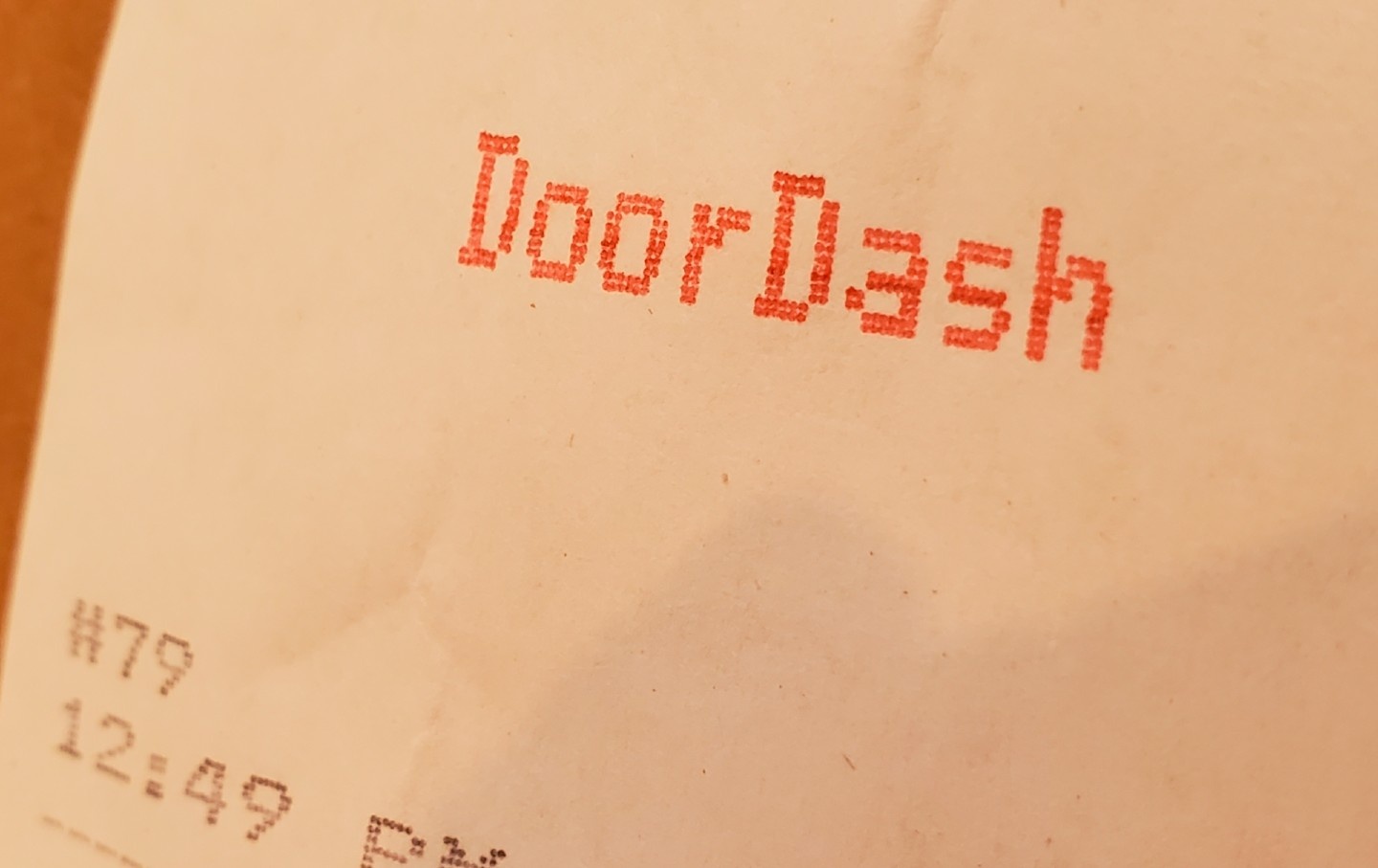
The desperate state of the average American’s finances was made clear last month when DoorDash announced a partnership with Klarna, a “buy now, pay later” company. If you can’t scrape together $25 plus fees for your next meal, you can now pay for it in installments. In theory, these payments can be interest-free. In practice, anyone who needs a multi-month plan to afford lunch is also at risk of missing those deadlines, and racking up late fees that fuel the profits of largely unregulated BNPL companies.
This widely mocked “solution” is more than just the latest step on our march toward techno-dystopia. That someone can now fall into arrears on their Crunchwrap Supreme reflects a broader debt crisis that’s only being exacerbated by predatory practices camouflaged as corporate beneficence. In a time when consumer sentiment has already collapsed to almost record lows, America cannot afford so many Americans being unable to afford.
According to the Federal Reserve, consumer debt has reached an all-time high, with the average family owing over $100,000. Total household debt in America now exceeds $18 trillion. And when that debt is measured as a percentage of national GDP, Americans find themselves in worse fiscal straits than their counterparts in Russia, Pakistan, and the Republic of the Congo. We might like to think that our world-leading consumer spending expresses national prosperity, but it really reflects individual peonage.
Now, this ballooning liability is threatening to burst for those who can least afford it. Subprime borrowers are falling behind on car payments at the highest rate in 30 years, and defaults on Federal Housing Authority loans are nearing pre-pandemic highs. This debt gap stems from a corresponding savings gap. Low-income Americans spend, on average, more than they make every month—crucially, as documentarian Astra Taylor has argued, not because they “live beyond their means but because they are denied the means to live.” And what few dollars they do have are literally un-spendable thanks to the rise of the cashless economy. As a result, credit card delinquencies have spiked to levels not seen since the Great Recession.
Another parallel with the century’s worst economic downtown? Massive deregulation. A retrospective federal report on the financial crisis blamed a lack of oversight by regulators across the Clinton and Bush administrations. In the wake of that crash, which cost nearly 9 million jobs, President Obama established the Consumer Financial Protection Bureau—as proposed by then–law professor Elizabeth Warren—to avoid repeating the same mistakes. In its 14 years of existence, the CFPB has cracked down on exploitative corporate practices, saving consumers $21 billion. That success has naturally made it a prime target of Donald Trump, who is currently trying to cut the agency’s staffing by almost 90 percent.
The chances of federal relief look bleak, but tentative steps are being taken at the state level to address medical debt, a rare source of bipartisan outrage. Healthcare bills are the nation’s leading cause of bankruptcy, a fact that has drawn the ire of even Florida Republicans. There, Ron DeSantis recently signed a law that makes it easier to contest medical costs, while also shortening how long hospitals have to collect on that debt. At the same time, blue cities from Los Angeles to Toledo have used federal Covid aid to buy up medical debt. For example, Cook County, Illinois, spent just $12 million to unlock $1 billion for low-income residents.
But dissolving our nationwide indemnity will require even more expansive solutions. The Poor People’s Campaign has one such ambitious proposal. A movement for economic justice led by the poor, it advocates a “Jubilee Platform” that would cancel housing, utility, and student debt for low-income people. Of course, Mike Johnson isn’t going to bring that idea to the House floor anytime soon. But the campaign regularly holds protests in cities across the country, and public pressure could push Democrats to make debt forgiveness a central issue of next year’s midterms.
The Poor People’s Campaign also calls for another, more philosophical, reform—a national “moral revival” that shifts our conception of debt entirely. How we might begin to do that was laid out by another voice of conscience in this arena, David Graeber. Almost 15 years ago, he published Debt: The First 5,000 Years. One of this subject’s definitive texts, it analyzes how the most stratified societies are also the ones most fixated on economic obligation. Though he died suddenly in 2020, his magnum opus’s fundamental query still haunts us: “What, precisely, does it mean to say that our sense of morality and justice is reduced to the language of a business deal?”
Today, as our dealmaker in chief continues to shatter alliances in the name of a monomaniacal focus on deficits, resistance can begin with individuals simply taking Graeber’s cue. Rather than obsess over who owes us what, we owe it to ourselves to find a new way of relating to each other, one that exchanges transaction for trust.
Become a Sustaining Donor This September
Between the reemergence of right-wing red-baiting and Donald Trump’s use of the chilling National Security Presidential Memorandum–7 to criminalize left political organizing, we’re seeing McCarthyism reborn before our eyes.
This assault on democracy cannot be ignored or wished away. Resisting it requires bravery in the face of threats and repression, a steadfast commitment to the truth, and the unwavering belief that we can—and will—overcome this darkness.
We must have an independent media that sets the record straight, unearths corruption and abuses of power, and advances a politics of justice and dignity for all if we’re to win this fight.
That’s why I’m writing to you today. This September, The Nation needs to add 100 monthly donors to sustain our progressive journalism. Your contribution makes the next investigative report, the next truth-speaking column, and the next pathbreaking essay all possible.
I hope you’ll support our work with a recurring donation today. If you donate $10 or more a month, we’ll send you a brand new “Hands Off the Free Press!” sticker to recognise your commitment to our cause. Please, donate today.
Onward,
Katrina vanden Heuvel
Editor and Publisher, The Nation