Kakakin
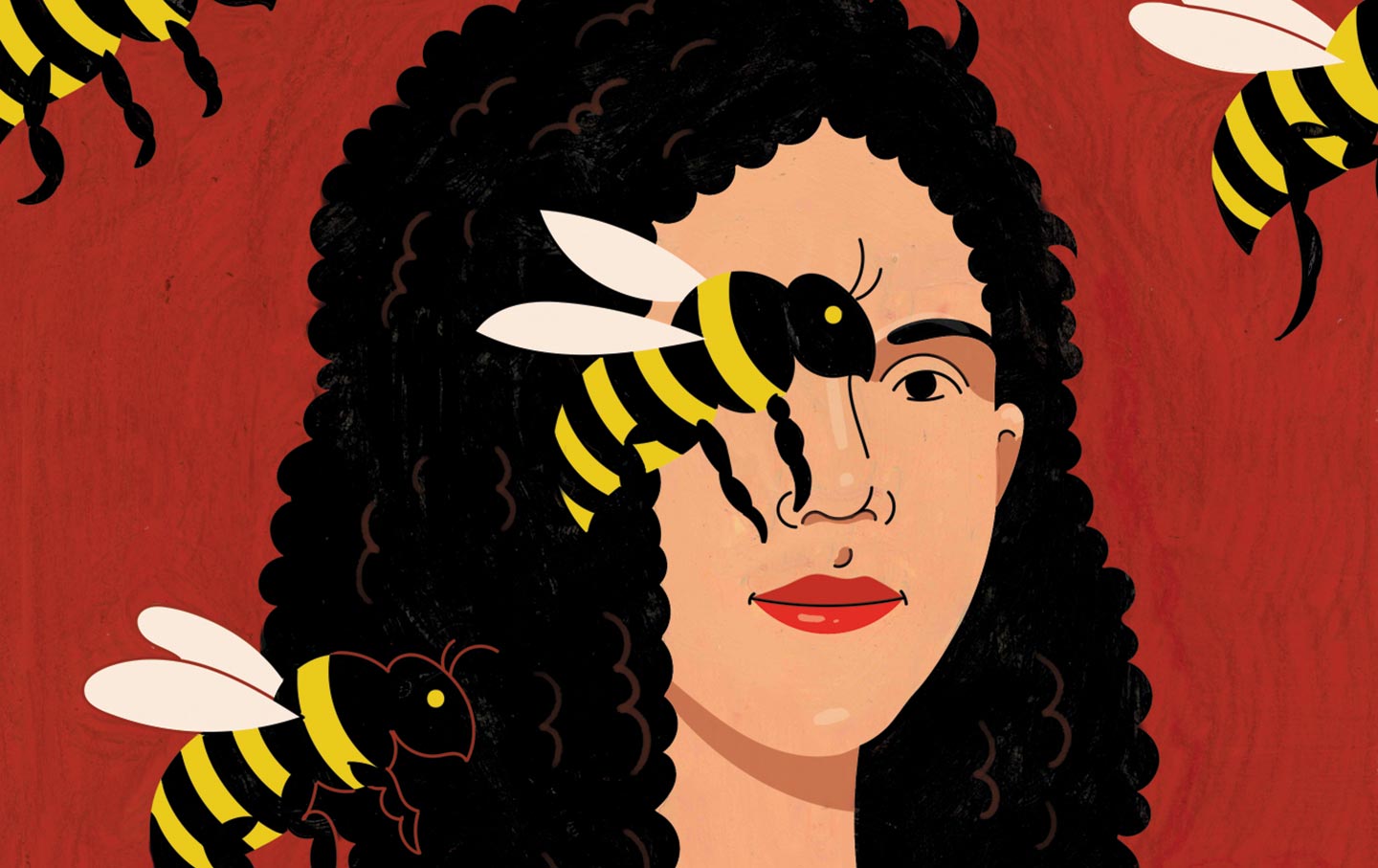
A bee caught in the rain
tries to sting its way through the glass window.
On the other side of the road,
a man erases murals from the brick wall.
Outside a king’s palace, women in matching buba
gathered around bottle gourds, placed inside buckets
of water. I watched the women recite names
written on the throne, I didn’t hear my name.
When my body has the right amount of sugar,
my heart pulsates only to love songs.
I have ruled over cities that are not on maps,
I have ruled over a kingdom of crickets
and woke up to the ticking songs of kettles,
and sometimes to the mimicry of fledglings.
How noble that I can still spin yards of threads
into a gift basket. I fixed my gaze on the giant glass wall
until the barrier thinned out. I sanitized my palms
and raised them in praise of the black stone in Makkah.
In this small town, seventeen death certificates are signed
every day, someone waits for an organ transplant,
it’ll be too late by sunset. I offer a song in exchange for this grief,
I know that with a song, I’ll set my brain fog ablaze.
The wind clocks our aspirations inside its cold hands,
until we are numb like a frozen ball of blood, on the tip of a knife.
Become a Sustaining Donor This September
Between the reemergence of right-wing red-baiting and Donald Trump’s use of the chilling National Security Presidential Memorandum–7 to criminalize left political organizing, we’re seeing McCarthyism reborn before our eyes.
This assault on democracy cannot be ignored or wished away. Resisting it requires bravery in the face of threats and repression, a steadfast commitment to the truth, and the unwavering belief that we can—and will—overcome this darkness.
We must have an independent media that sets the record straight, unearths corruption and abuses of power, and advances a politics of justice and dignity for all if we’re to win this fight.
That’s why I’m writing to you today. This September, The Nation needs to add 100 monthly donors to sustain our progressive journalism. Your contribution makes the next investigative report, the next truth-speaking column, and the next pathbreaking essay all possible.
I hope you’ll support our work with a recurring donation today. If you donate $10 or more a month, we’ll send you a brand new “Hands Off the Free Press!” sticker to recognise your commitment to our cause. Please, donate today.
Onward,
Katrina vanden Heuvel
Editor and Publisher, The Nation