Books & the Arts / February 20, 2024

Jonah

Tomaž Šalamun

how does the sun set?
like snow
what color is the sea?
wide
Jonah are you salty?
I’m salty
Jonah are you a flag?
I’m a flag
all the fireflies are resting

what are the stones like?
green
how do doggies play?
like the poppy
Jonah are you a fish?
I’m a fish
Jonah are you a sea urchin?
I’m a sea urchin
listen to the murmur

Jonah is the roe rushing through the forest
Jonah am I watching the mountain breathe
Jonah are all the houses
have you heard about the rainbow?
what is dew like?
are you asleep?

(Translated from the Slovenian by Brian Henry)
Tomaž Šalamun

More from The Nation

The Cinema of Societal Collapse

The Cinema of Societal Collapse The Cinema of Societal Collapse

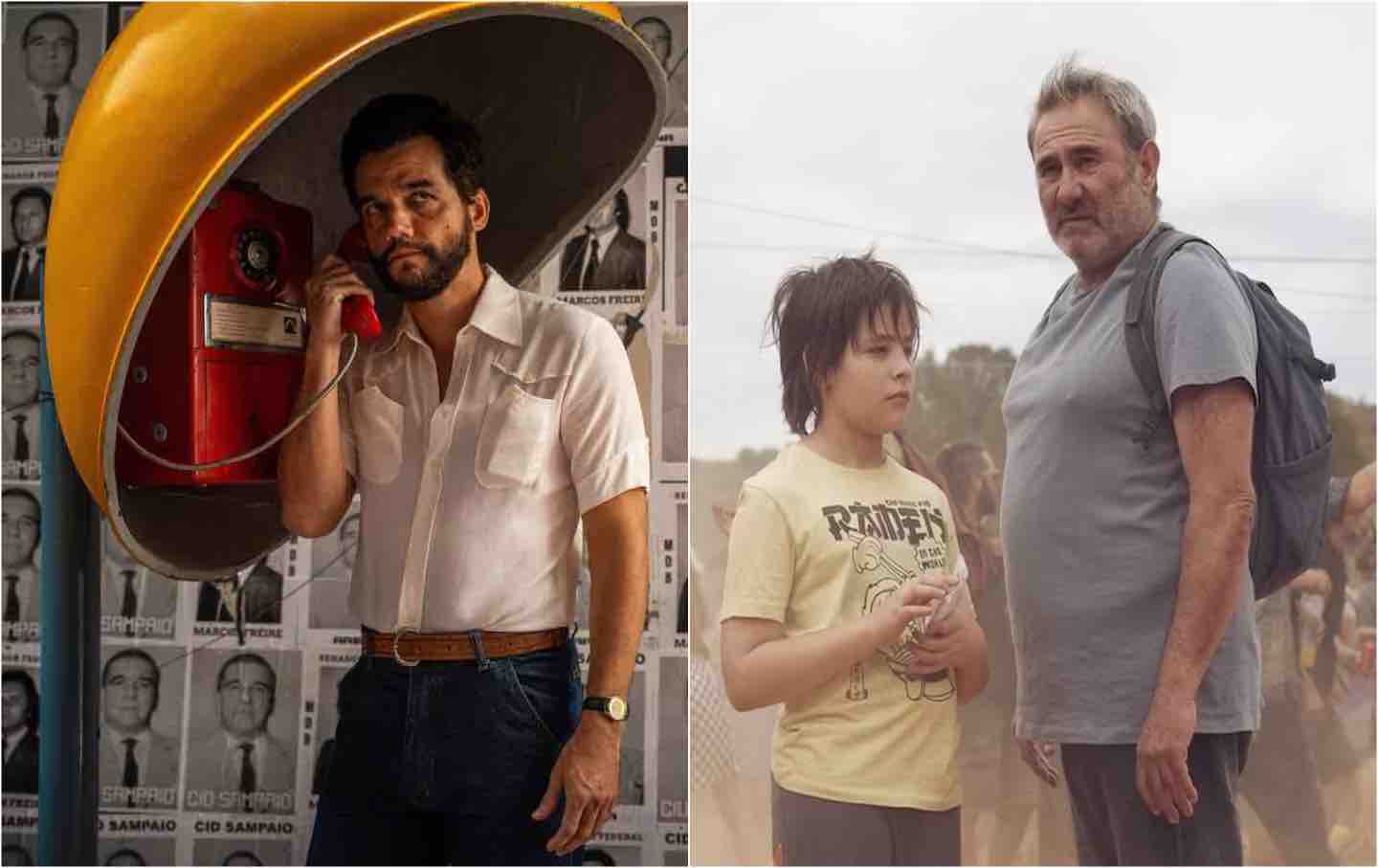
This year’s Oscar-nominated international feature films—especially The Secret Agent and Sirāt—tackle what it means to live and die under tyranny.

Books & the Arts

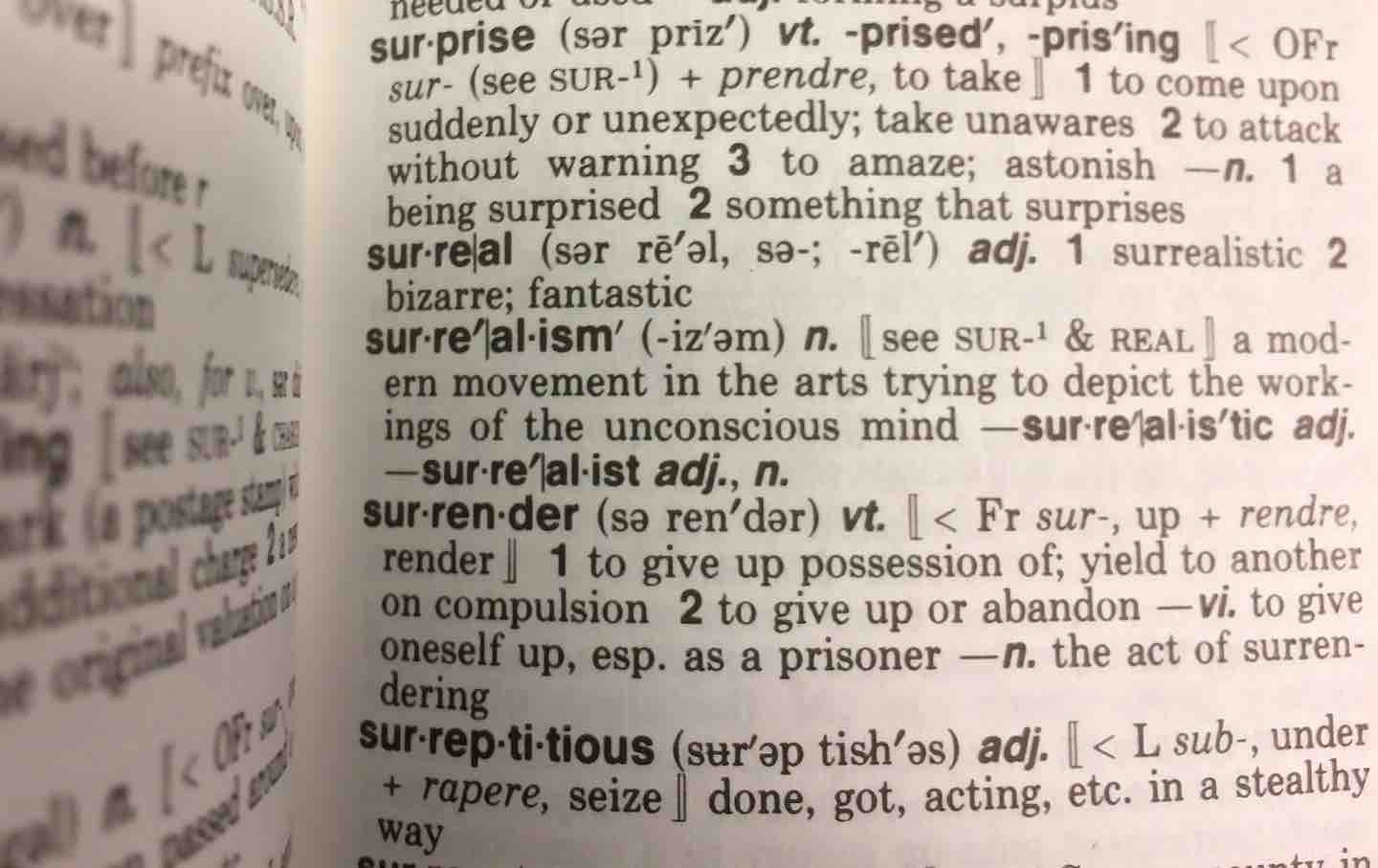
A page taken from the Merriam-Webster's Desktop Dictionary, 2016.

Can the Dictionary Keep Up? Can the Dictionary Keep Up?

In Stefan Fatsis’s capacious, and at times score-settling, personal history of the reference book, he reveals what the dictionary can still tell us about language in modern life

Books & the Arts / Lora Kelley

An internet cafe in Beijing, 2007.

Why We Misunderstand the Chinese Internet Why We Misunderstand the Chinese Internet

Journalist Yi-Ling Liu’s The Wall Dancers traces how the Internet affected daily life in China, showing how similar this corner of the Web is to the one experienced in the West.

Books & the Arts / Rebecca Liu

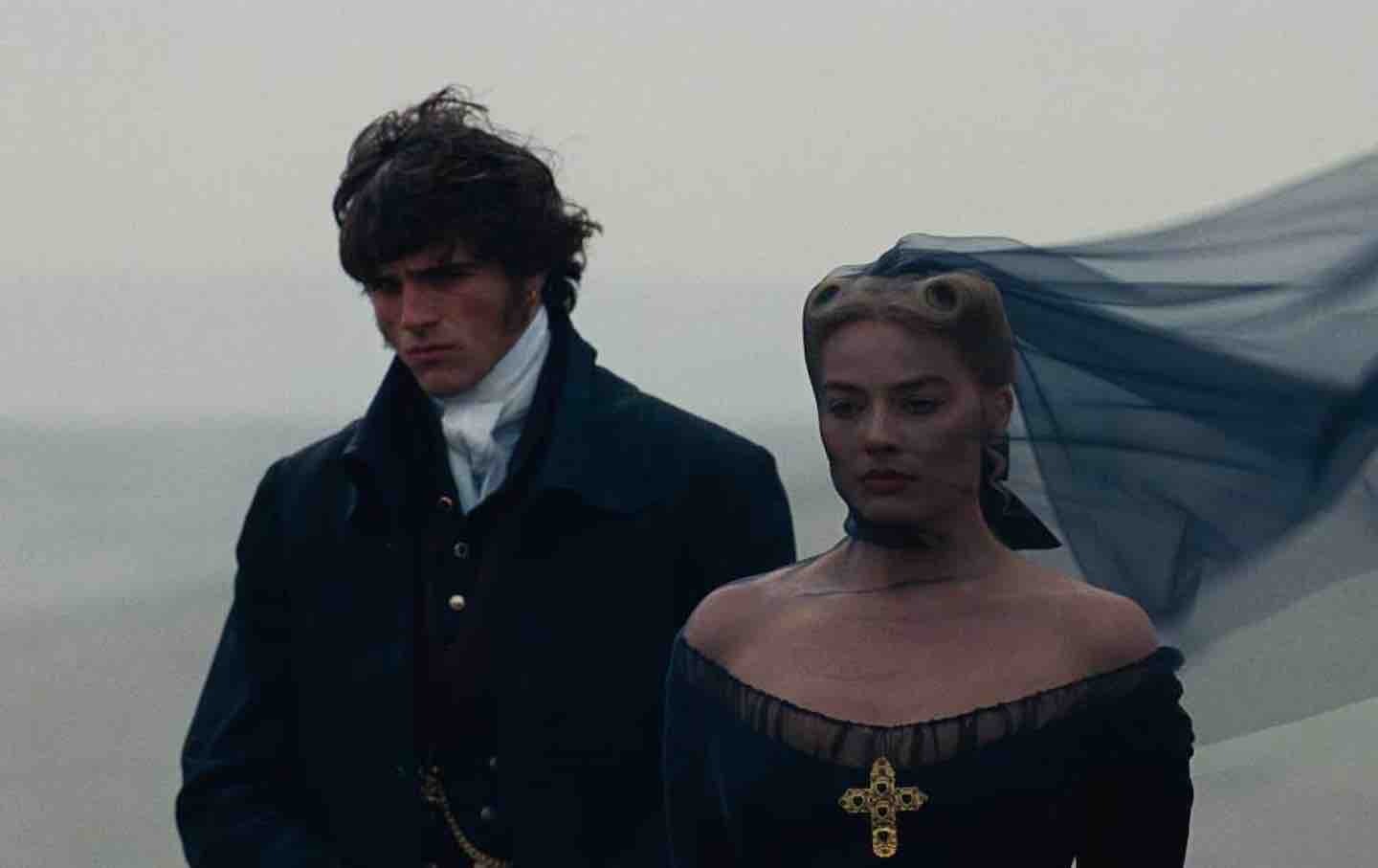
The Bad Vibes of “Wuthering Heights”

The Bad Vibes of “Wuthering Heights” The Bad Vibes of “Wuthering Heights”

Keeping its distance from the novel, Emerald Fennell’s film ends up offering us a mirror of our own times.

Books & the Arts / Sarah Chihaya

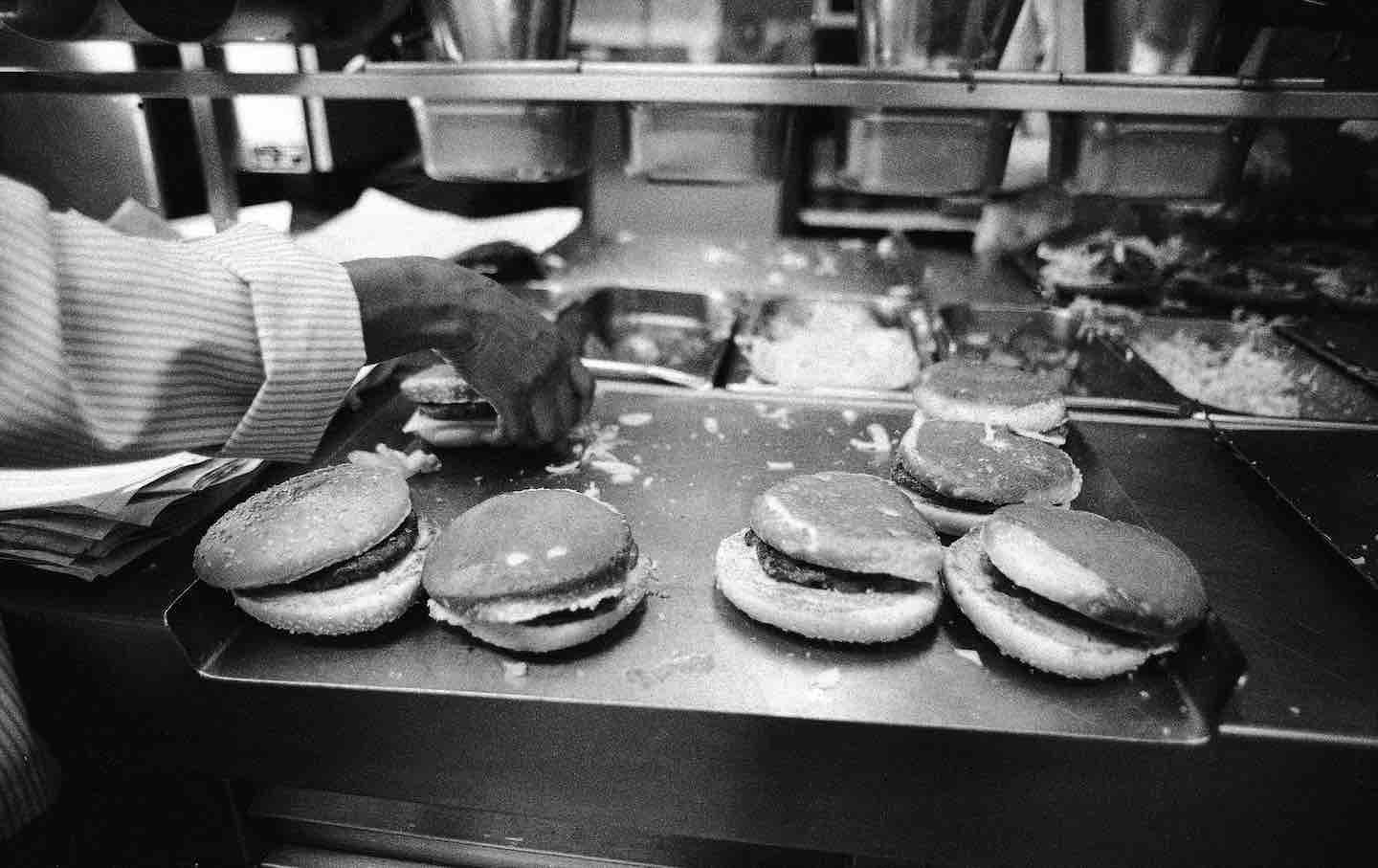
A fast-food restaurant in France, 1982.

Has Contemporary Fiction Ignored the Working Class? Has Contemporary Fiction Ignored the Working Class?

Claire Baglin’s bracing On the Clock gives its readers a close look at work behind the fry station, and in the process asks what experiences are missing from mainstream letters.

Books & the Arts / Rachel Vorona Cote

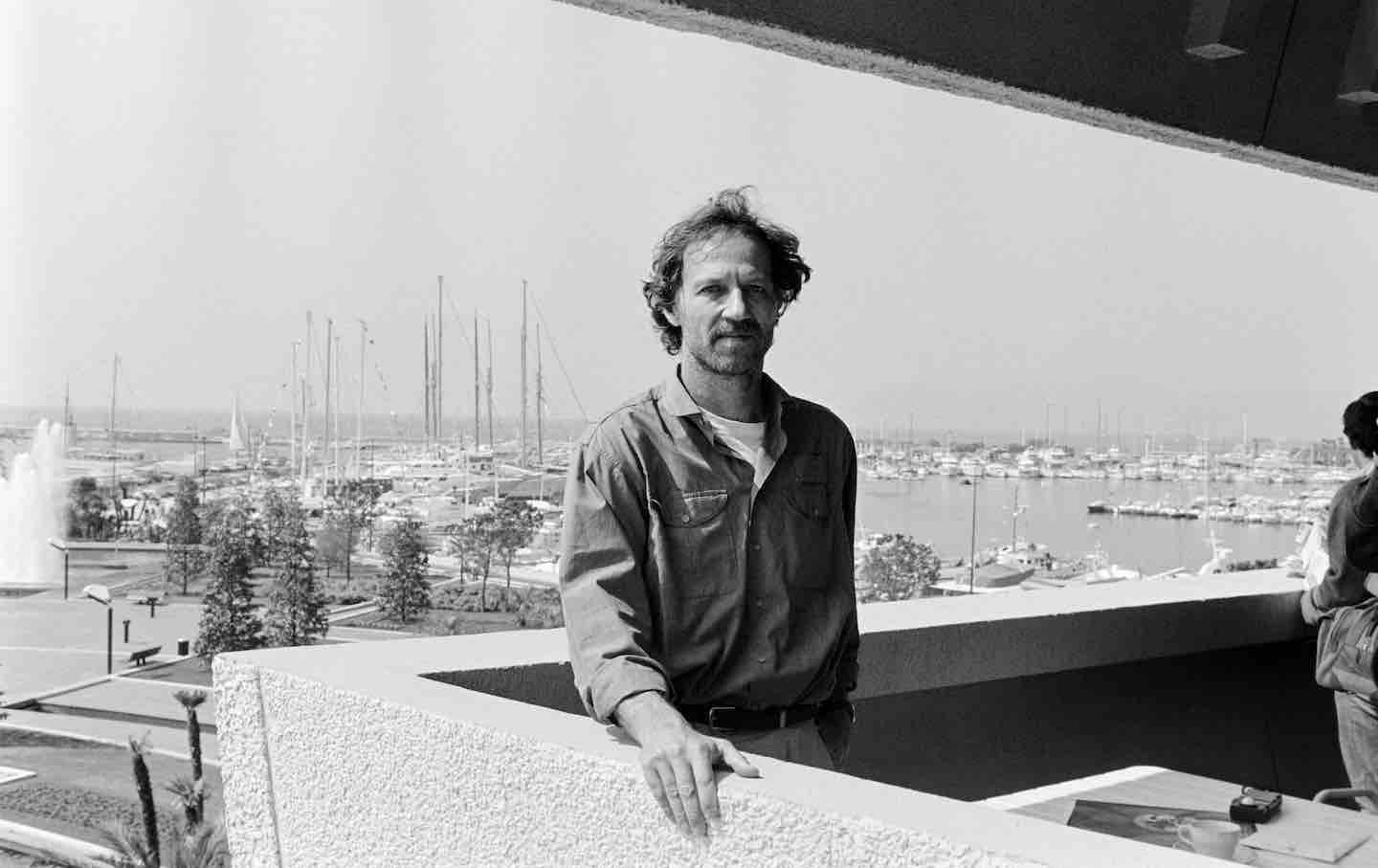
Werner Herzog, 1984.

Werner Herzog Between Fact and Fiction Werner Herzog Between Fact and Fiction

The German auteur’s recent book presents a strange, idiosyncratic vision of the concept of “truth,” one that defines how he sees the world and his art.

Books & the Arts / Lowry Pressly