
Fear of Flying?
The fight for airline passenger rights—and holding the industry to account.
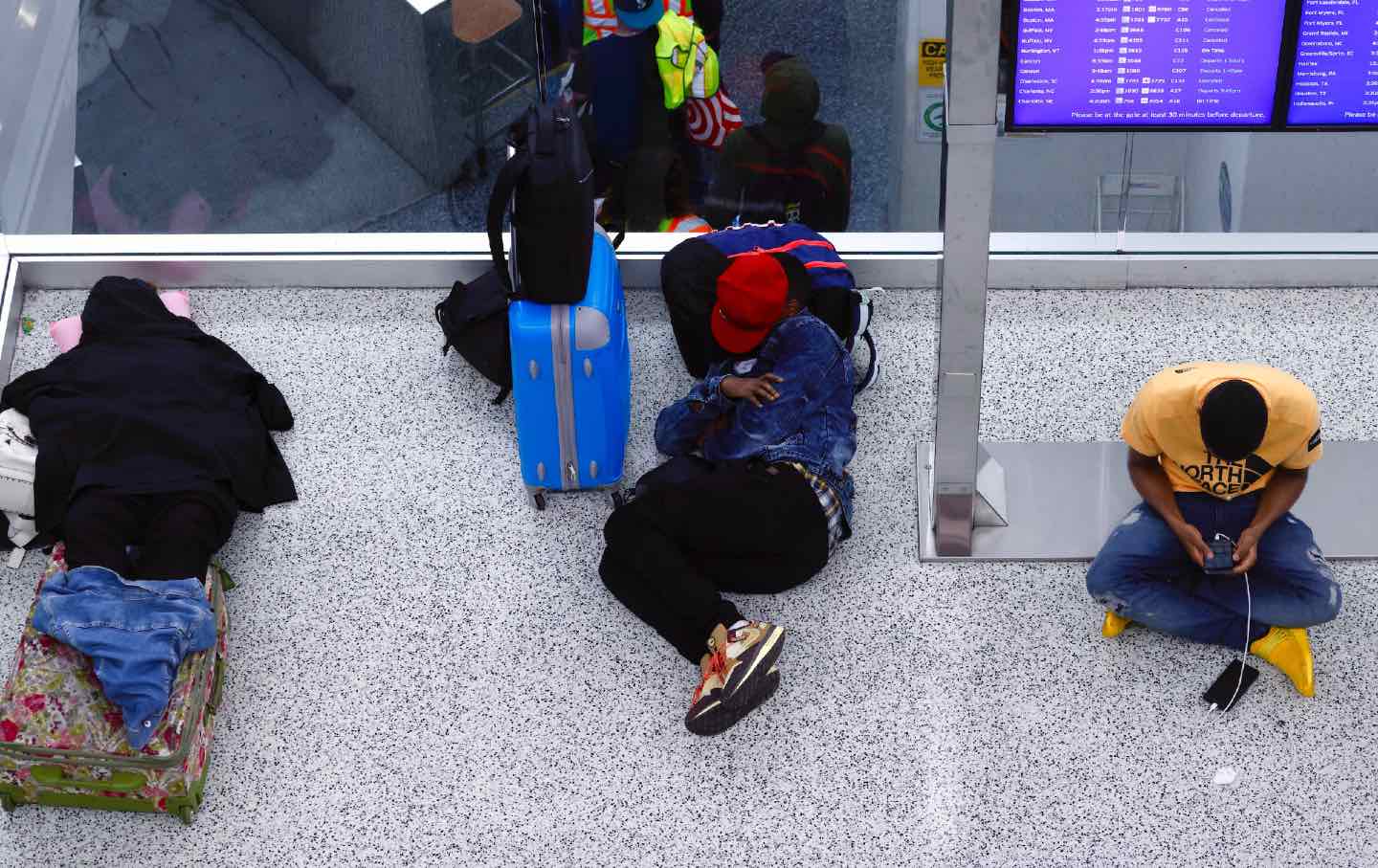
You’re not imagining it: flight delays are up this summer. At one point in late June, one third of all flights nationwide experienced delays—a 25 percent increase compared to the same range of dates last year. Cancellations were high, too: up a staggering 374 percent from 2019.
Delays and cancellations due to weather are bound to happen. But according to a report from the Government Accountability Office, airlines were responsible for 60 percent or more of their own cancellations in late 2021. So while you can’t blame airlines for bad weather—although considering their role in climate change, maybe you can—there is plenty of room to blame reckless management.
That’s where the Biden administration could step in. With the right regulations, it could rein in an increasingly unpopular industry, and meaningfully improve the lives of American travelers and airline industry workers alike.
Flight delays are more than just an inconvenience. During a recent Delta flight from Las Vegas to Atlanta, passengers endured an almost three-hour wait on the tarmac in sweltering 114-degree heat. Passengers fell ill, and some fainted. Luckily, none died.
And even if you dismiss the Delta disaster as an outlier, there are nightmare travel stories every day that are made worse—or completely caused—by airline mismanagement. Katie Demko, a Missouri traveler, missed her own wedding when Southwest canceled her St. Louis to Belize flight just before boarding. While she received a refund for the flight, she lost a whopping $70,000 in resort reservations. The reason for the cancellation? Southwest had understaffed their flight attendants.
Meanwhile, in Denver, Michelle Maciel was stuck at the airport all night—sitting on hold with United customer service after her flight to Portland was delayed several times and eventually canceled. She told CNN: “I can’t believe I’m 53 years old, I paid for a ticket and I slept on the ground. How is this OK with any of us?”
It shouldn’t be. In the European Union, if you suffer through security, arrive at your gate, and are hit with the dreaded news that your flight has been delayed, you will come to learn the wonders of a regulation called EU 261. Depending on the length of the delay, travelers in Europe are entitled to a refund, additional compensation, meal vouchers, a courtesy phone call to check in with loved ones—and, if the delay is overnight, a hotel reservation and a ride to get there and back. If your flight is delayed in the US, you are entitled to nothing.
But that could be changing.
The Biden administration has repeatedly indicated that it intends to improve consumer protection for airline travel. Proposed regulations would require airlines to cover meal and hotel expenses if the delay was in their control, and offer compensation beyond that. In a recent interview, Transportation Secretary Pete Buttigieg had forceful words for the airlines: “We’re going to beat ‘em up when we think that’s important to get passengers a better deal.”
But the administration’s actions thus far have been restrained. According to a Reuters report, the Transportation Department “asked carriers last year whether they would agree to pay at least $100 for delays of at least three hours caused by airlines.” A step forward, but should we need to ask politely to implement basic consumer protections? Is this what “beating ‘em up” looks like?
Over in Congress, bipartisan legislation just passed the House to increase funding for air traffic controllers—welcome news, since controller shortages often force the FAA to cancel or slow down flights. But because this is Kevin McCarthy’s House, the legislation also includes a provision to raise the mandatory pilot retirement age from 65 to 67, which is strongly opposed by unions and pilot groups. It would also repeal an Obama-era rule requiring airlines to display full flight prices in advertising. In the Republican imagination, the biggest problem with air travel is that the experience isn’t more like getting Taylor Swift tickets.
A better solution would be what Senators Ed Markey and Richard Blumenthal introduced earlier this year: the Airline Passengers’ Bill of Rights, which would guarantee compensation not just for delayed flights, but for passengers impacted by overbooked flights. Senator Markey has been at the forefront of the fight for airline reform—proposing provisions that encourage airlines to clearly communicate passenger rights and reroute those affected by delays.
Popular
“swipe left below to view more authors”Swipe →Such an approach would address a root cause of airline dysfunction: deregulation. Legal scholar Ganesh Sitaraman has a new book coming in November titled Why Flying is Miserable that will offer a new history of the policy mistakes that have charted our course to this undesirable destination.
As it happens, this week marks 42 years since President Ronald Reagan fired striking air traffic controllers. Today, President Biden has a chance to make a different kind of mark on the industry. He can help give air traffic controllers, pilots, mechanics, and other hard-working professionals in this field the compensation they deserve. He can improve the dignity of travel for all. And he can make American life a little less turbulent.
Support independent journalism that does not fall in line
Even before February 28, the reasons for Donald Trump’s imploding approval rating were abundantly clear: untrammeled corruption and personal enrichment to the tune of billions of dollars during an affordability crisis, a foreign policy guided only by his own derelict sense of morality, and the deployment of a murderous campaign of occupation, detention, and deportation on American streets.
Now an undeclared, unauthorized, unpopular, and unconstitutional war of aggression against Iran has spread like wildfire through the region and into Europe. A new “forever war”—with an ever-increasing likelihood of American troops on the ground—may very well be upon us.
As we’ve seen over and over, this administration uses lies, misdirection, and attempts to flood the zone to justify its abuses of power at home and abroad. Just as Trump, Marco Rubio, and Pete Hegseth offer erratic and contradictory rationales for the attacks on Iran, the administration is also spreading the lie that the upcoming midterm elections are under threat from noncitizens on voter rolls. When these lies go unchecked, they become the basis for further authoritarian encroachment and war.
In these dark times, independent journalism is uniquely able to uncover the falsehoods that threaten our republic—and civilians around the world—and shine a bright light on the truth.
The Nation’s experienced team of writers, editors, and fact-checkers understands the scale of what we’re up against and the urgency with which we have to act. That’s why we’re publishing critical reporting and analysis of the war on Iran, ICE violence at home, new forms of voter suppression emerging in the courts, and much more.
But this journalism is possible only with your support.
This March, The Nation needs to raise $50,000 to ensure that we have the resources for reporting and analysis that sets the record straight and empowers people of conscience to organize. Will you donate today?
More from The Nation
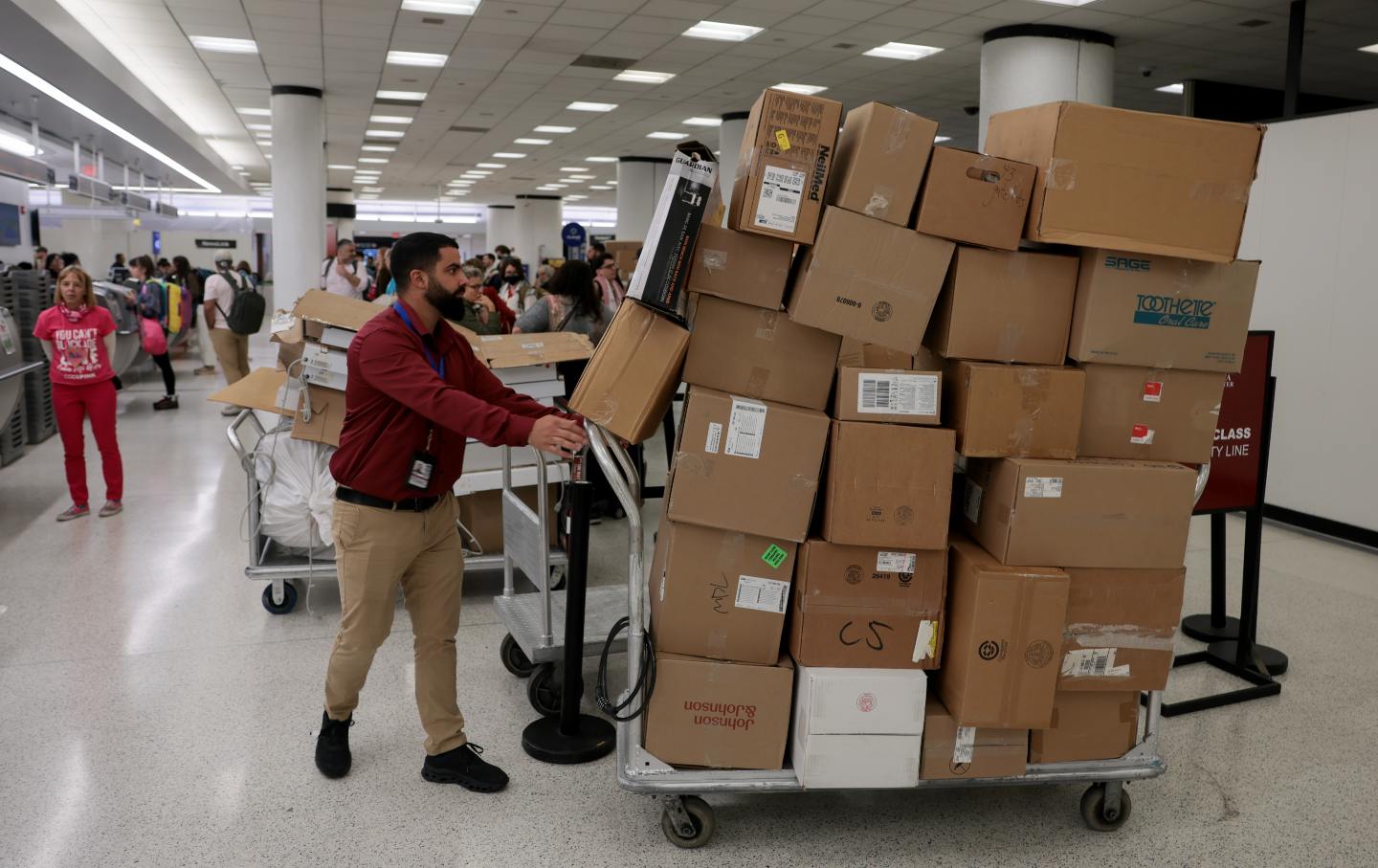
Dispatch From Cuba Dispatch From Cuba
The Nuestra América Convoy delivers humanitarian aid as US sanctions deepen a humanitarian crisis.
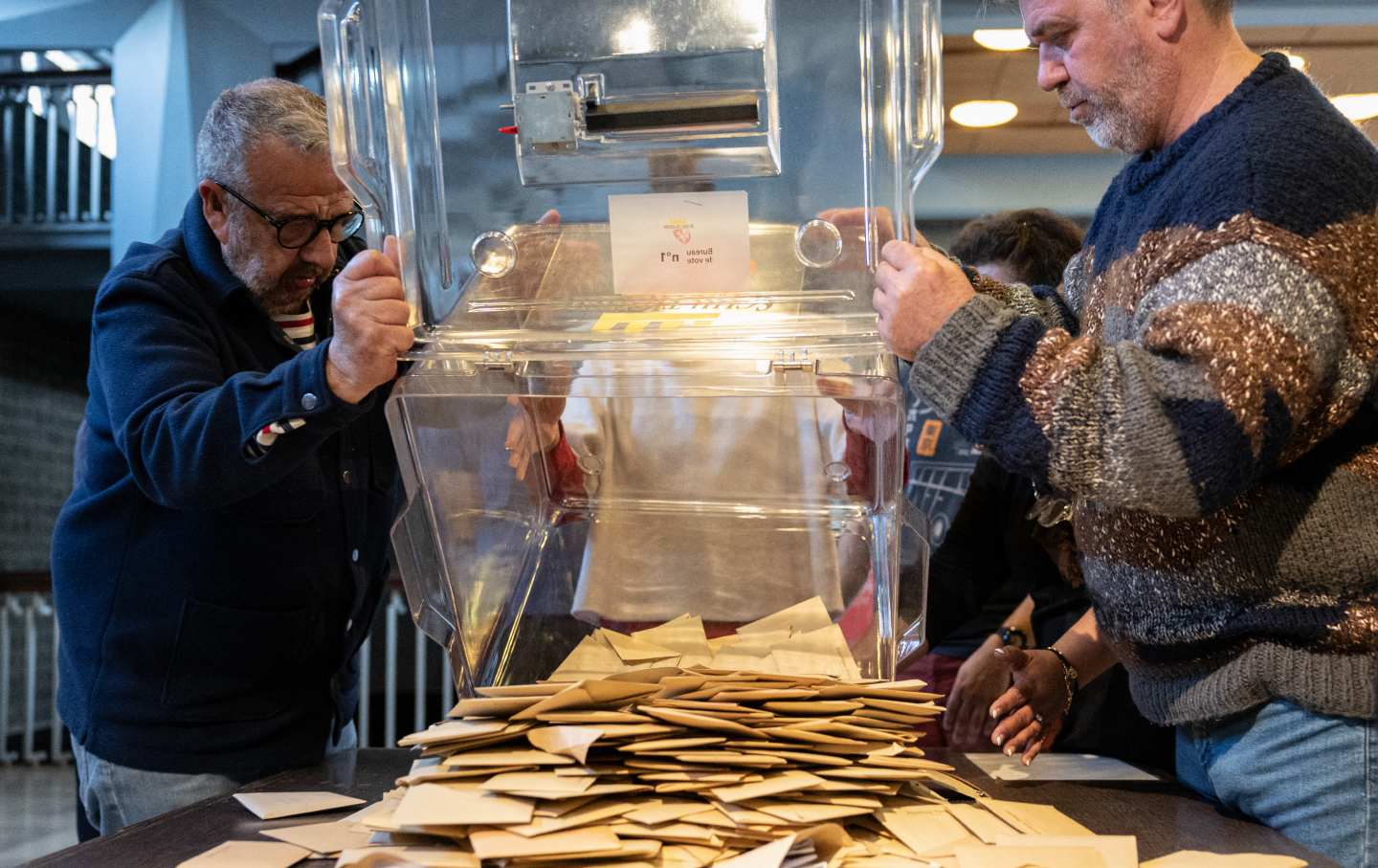
It Could’ve Been Worse—but France’s Local Elections Are a Warning to the Left It Could’ve Been Worse—but France’s Local Elections Are a Warning to the Left
The French left managed to hold on to key cities, but the far right and mainstream right also won key victories—and the intra-left bickering shows no signs of subsiding.
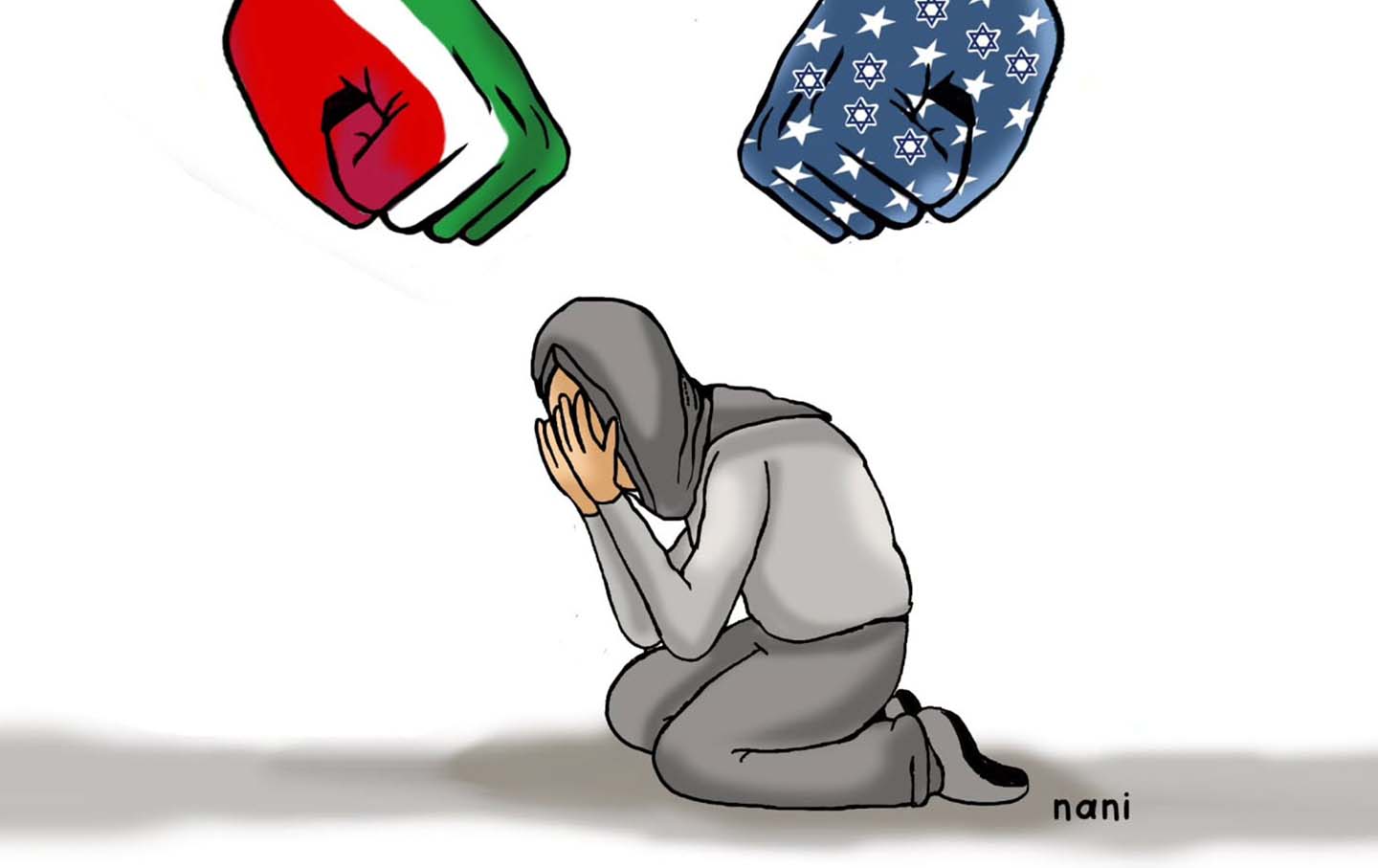
No Safe Ground for Iranian Women No Safe Ground for Iranian Women
Oppression at home, bombs from abroad.
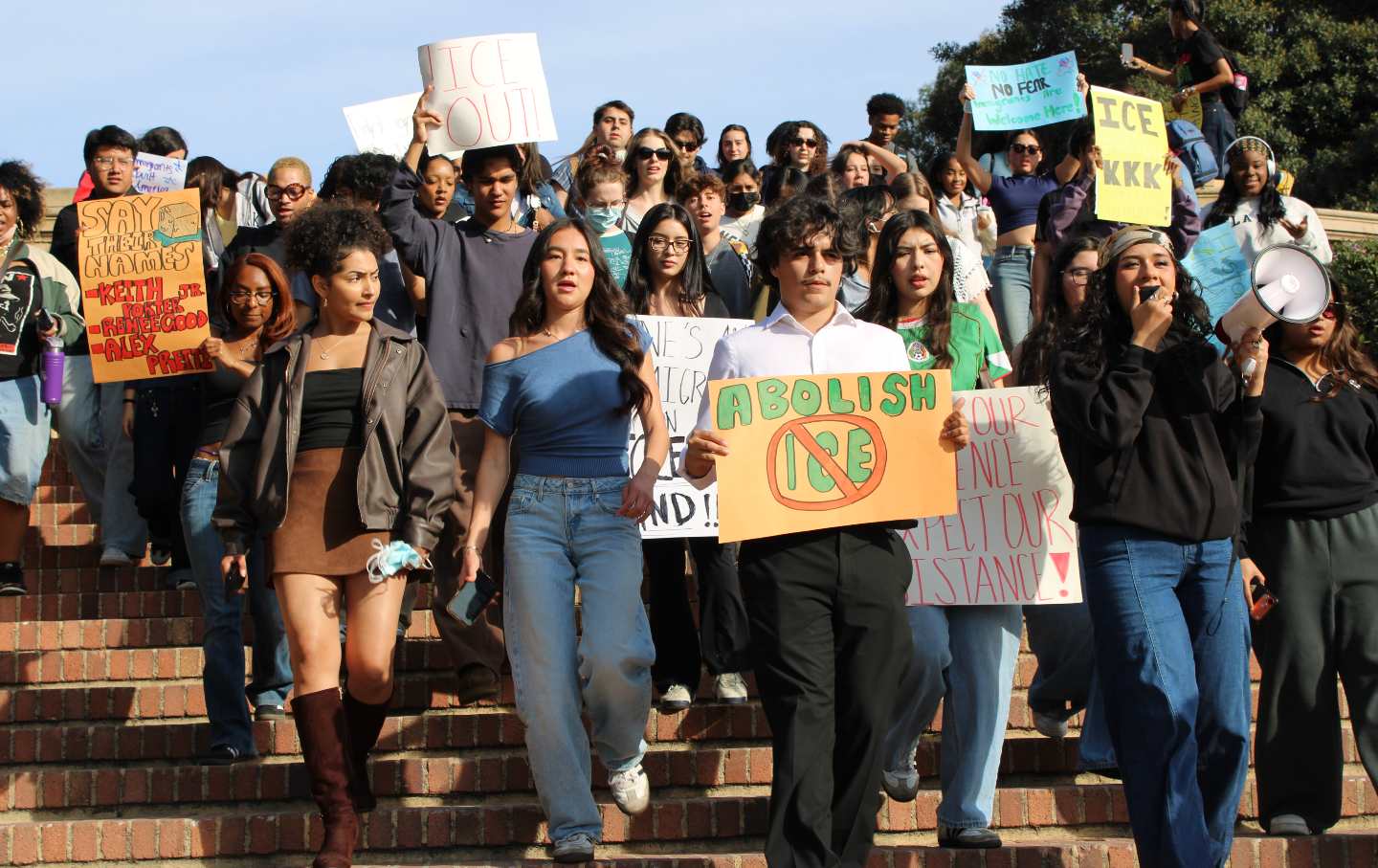
How Can Universities Protect Their Immigrant Students? How Can Universities Protect Their Immigrant Students?
With federal cuts and heightened fear on campus, first-generation students at schools like UCLA are asking their institutions to defend and expand their right to education.
Marc Andreessen’s Dangerously Unexamined Life Marc Andreessen’s Dangerously Unexamined Life
The tech mogul has declared himself an enemy of introspection, and that conveniently erases considerations of conscience from his amoral investment empire.

Have You Paid Your “Intuit Tax”? Have You Paid Your “Intuit Tax”?
Tax prep oligarch Sasan Goodarzi blocks the “public option” for tax filers.

