
Brown Voted Against Divestment From Israel, but Students Will Keep Fighting
The vote, originally expected later this month, came as a shock to the campus community.
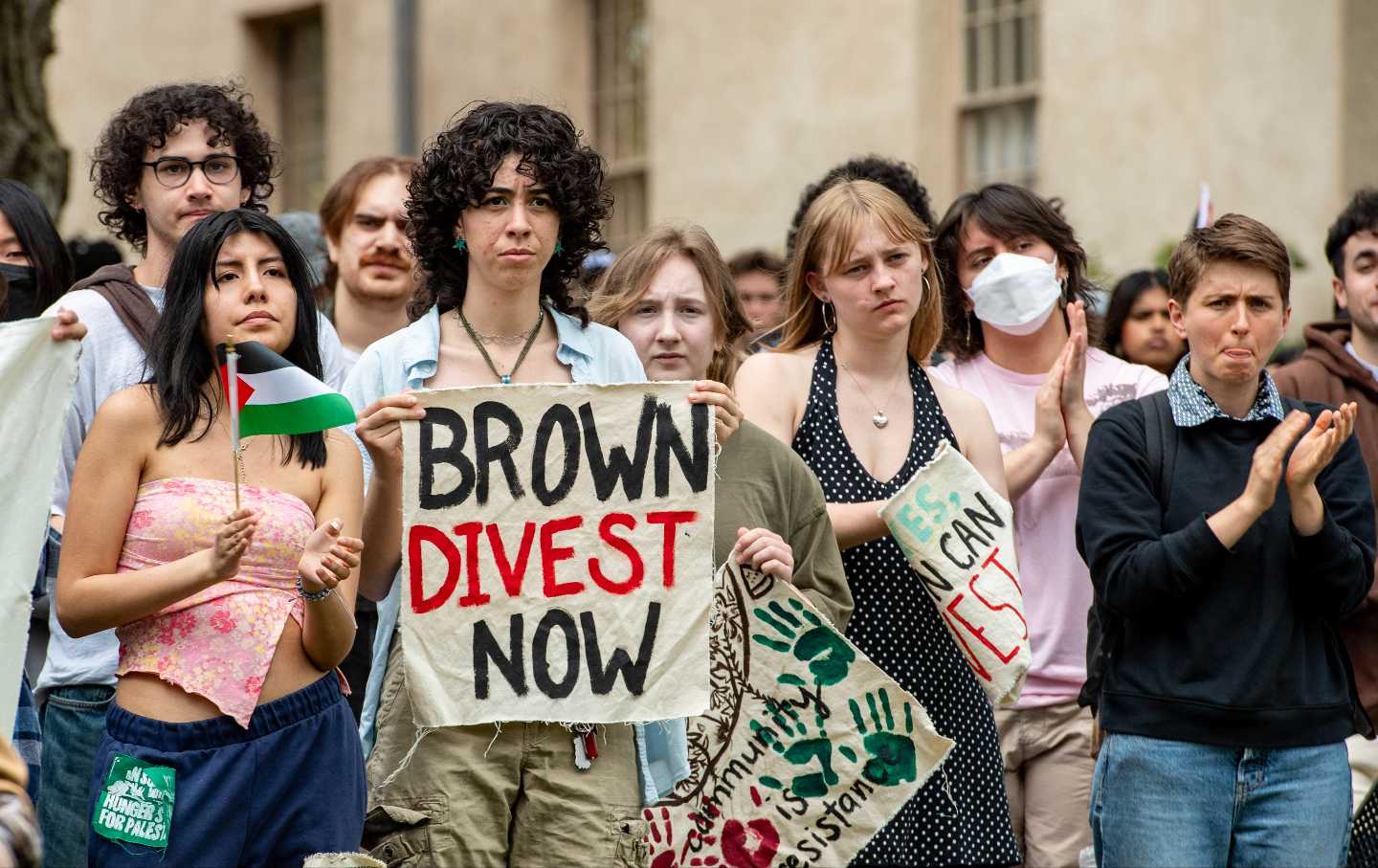
After nearly a decade of student activist groups pushing for Brown University to divest its endowment from companies affiliated with Israel, the university’s governing board voted against the proposal on Tuesday. The timing of the vote came as a shock to the campus community, which expected a vote on divestment later this month.
“The Corporation is stating its clear position opposing divestment, and accordingly, the University will not divest,” Brown President Christina Paxson and Chancellor Brian Moynihan wrote in a letter to students Wednesday.
Pro-divestment student activists expressed outrage at the decision, saying that it was not the end of their campaign and they may seek another vote. “This is a moral stain on Brown University, a clear affront to democratic values of the institution, and an egregious erasure of the insurmountable violence enacted by the Israeli regime in Gaza and now Lebanon,” The Brown Divest Coalition (BDC), a student-run pro-divestment organization, said in a statement. “This decision is a moral and ethical failure of unimaginable magnitude.”
“There’s a lot of angry students on this campus,” Mica Maltzman, a pro-Palestinian student activist, said in an interview with The Nation.
“I think the broad reaction is incredible frustration and anger with the corporation, especially as Israel only promises to continue its genocidal campaign in Gaza,” fellow student activist Arman Deendar said.
“Divestment isn’t over. Just because they voted no now doesn’t mean they will vote no later,” Maltzman said. “This is just one vote and it can be voted on again”—signaling that the group will continue to push for divestment. “We’re not going to let them forget their incredible moral failure,” Deendar added.
Brown Students for Israel, a pro-Israel student activist organization, was pleased with the decision, saying in a statement that “the corporation made its decision based on the facts and appropriate guidelines.”
Throughout the month of September, Brown’s Advisory Committee on University Resources Management (ACURM) heard arguments from students both for and against divestment from 10 companies that pro-Palestinian activists claim facilitate “the Israeli occupation of Palestinian Territory.” Their final recommendation was provided to Paxson and the corporation in late September, though it was kept confidential until Wednesday.
The final recommendation—passed on a vote of 8–2 with one abstention—advised the corporation to vote against the proposal, claiming that the “grave harm in Palestinian territories and Israel as a result of the ongoing conflict…does not meet the definition of ‘social harm’ under the ACURM Charge, which requires a causal link between the investment or expenditure of University resources and the harm in question.” Paxson and Moynihan also said that “Brown’s mission is to discover, communicate and preserve knowledge. It is not to adjudicate or resolve global conflicts.” But by rejecting divestment, Deendar said, the corporation is “inherently making a political statement.”
The committee also questioned the potential impact of divesting, saying that “the endowment has no direct exposure and only incidental indirect exposure” to the conflict. As of December 2023, less than 1 percent of Brown’s $6.6 billion endowment was tied to any of the 10 companies students identified in their proposal. These corporations included weapons manufacturers and telecommunications companies. The university previously divested from companies with ties to tobacco, apartheid South Africa, and the Sudanese government in “its continuing sponsorship of genocidal actions and human rights violations in Darfur.”
After receiving ACRUM’s report over a week ago, the corporation held a “special meeting” Tuesday to vote on the recommendation. The vote was widely expected to occur during the group’s annual October meeting, which usually occurs in the mid-to-late part of the month. Citing the ACURM report, the community interest in a final decision and additional factors, “the corporation held a special meeting” to consider ACRUM’s recommendation, Paxson and Moyinihan wrote.
BDC said the move was “untransparent, undemocratic, and frankly disgraceful.” Deendar called it “a clear affront to the democratic demands for the investment” on campus while Maltzman claimed that the decision was made “to avoid facing the student body and addressing what they know is overwhelming support for divestment on this campus.” The school’s newspaper, The Brown Daily Herald, found that approximately 60 percent of Brown students were in favor of divestment.
Popular
“swipe left below to view more authors”Swipe →Over the past year, the calls for divestment have intensified during two sit-ins that resulted in the arrest of 61 students, an eight-day hunger strike and a weeklong encampment. Though Paxson previously and repeatedly declined to bring a vote on divestment to the full corporation, she agreed to do so as part of an agreement to peacefully end an April encampment, The Nation previously reported.
The push for divestment has been ongoing at Brown since 2014, though the movement recently gained traction on campus as a result of Israel’s military campaign in Gaza that has killed tens of thousands of Palestinians. The vote by the university’s full governing body represents the most significant progress in the divestment movement so far, as student activists remain committed to pushing the cause forward.
“This is the end of just one stage of the divestment campaign,” Maltzman said. “This is not the end of our movement.”
Support independent journalism that does not fall in line
Even before February 28, the reasons for Donald Trump’s imploding approval rating were abundantly clear: untrammeled corruption and personal enrichment to the tune of billions of dollars during an affordability crisis, a foreign policy guided only by his own derelict sense of morality, and the deployment of a murderous campaign of occupation, detention, and deportation on American streets.
Now an undeclared, unauthorized, unpopular, and unconstitutional war of aggression against Iran has spread like wildfire through the region and into Europe. A new “forever war”—with an ever-increasing likelihood of American troops on the ground—may very well be upon us.
As we’ve seen over and over, this administration uses lies, misdirection, and attempts to flood the zone to justify its abuses of power at home and abroad. Just as Trump, Marco Rubio, and Pete Hegseth offer erratic and contradictory rationales for the attacks on Iran, the administration is also spreading the lie that the upcoming midterm elections are under threat from noncitizens on voter rolls. When these lies go unchecked, they become the basis for further authoritarian encroachment and war.
In these dark times, independent journalism is uniquely able to uncover the falsehoods that threaten our republic—and civilians around the world—and shine a bright light on the truth.
The Nation’s experienced team of writers, editors, and fact-checkers understands the scale of what we’re up against and the urgency with which we have to act. That’s why we’re publishing critical reporting and analysis of the war on Iran, ICE violence at home, new forms of voter suppression emerging in the courts, and much more.
But this journalism is possible only with your support.
This March, The Nation needs to raise $50,000 to ensure that we have the resources for reporting and analysis that sets the record straight and empowers people of conscience to organize. Will you donate today?
More from The Nation
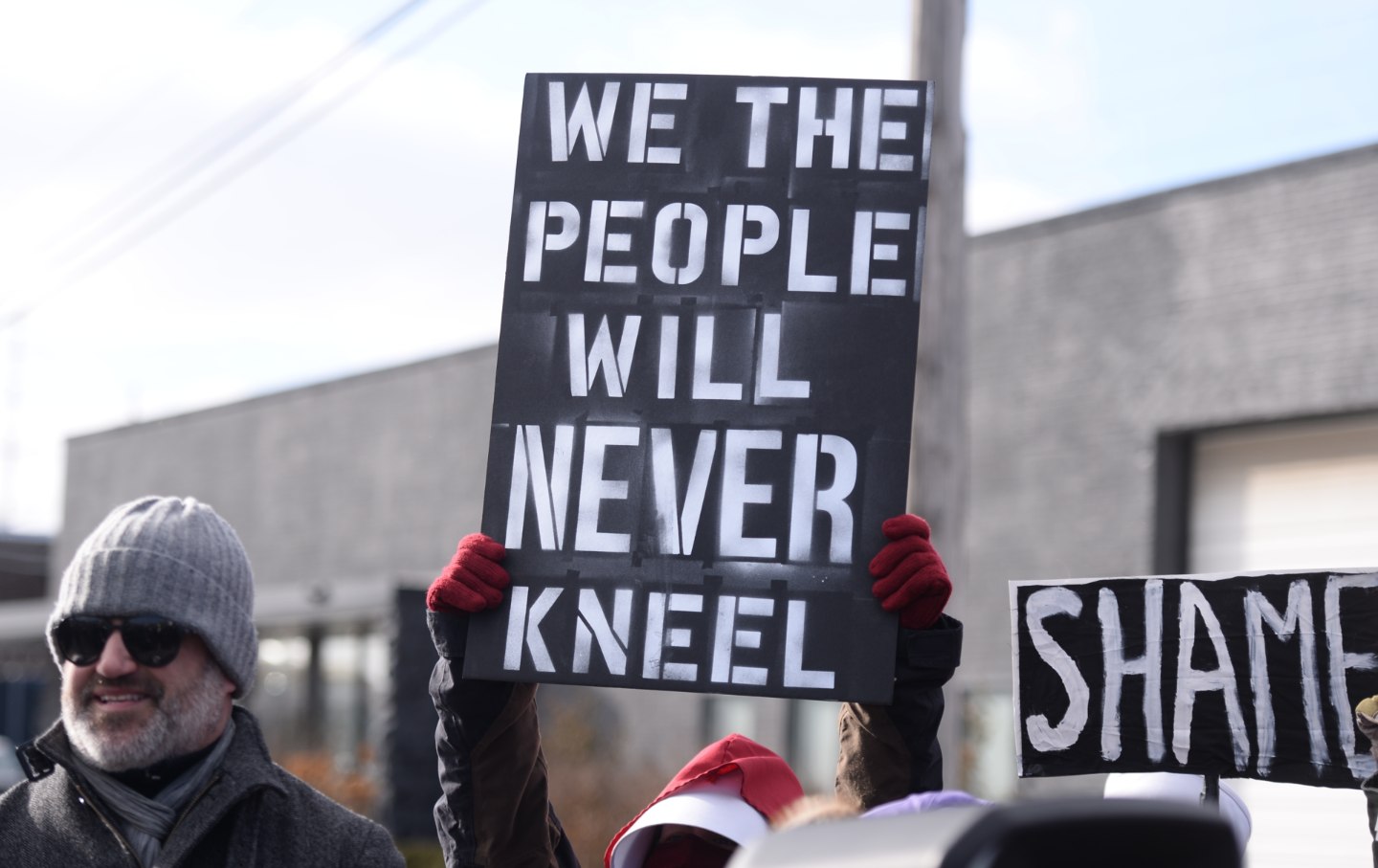
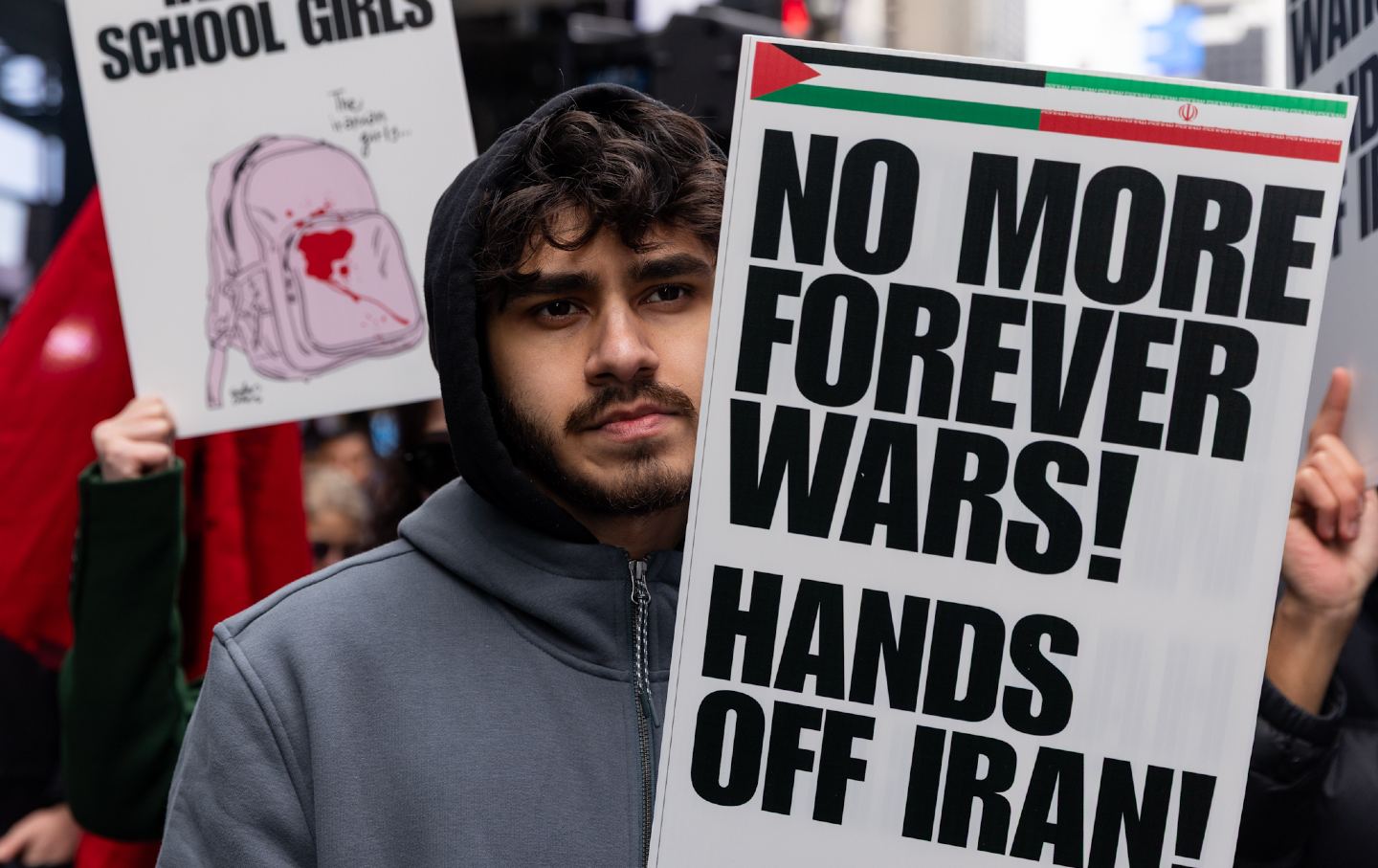
No Kings! No Wars! No Kings! No Wars!
The founders of the United States feared monarchically inclined presidents who could wage wars of whim.
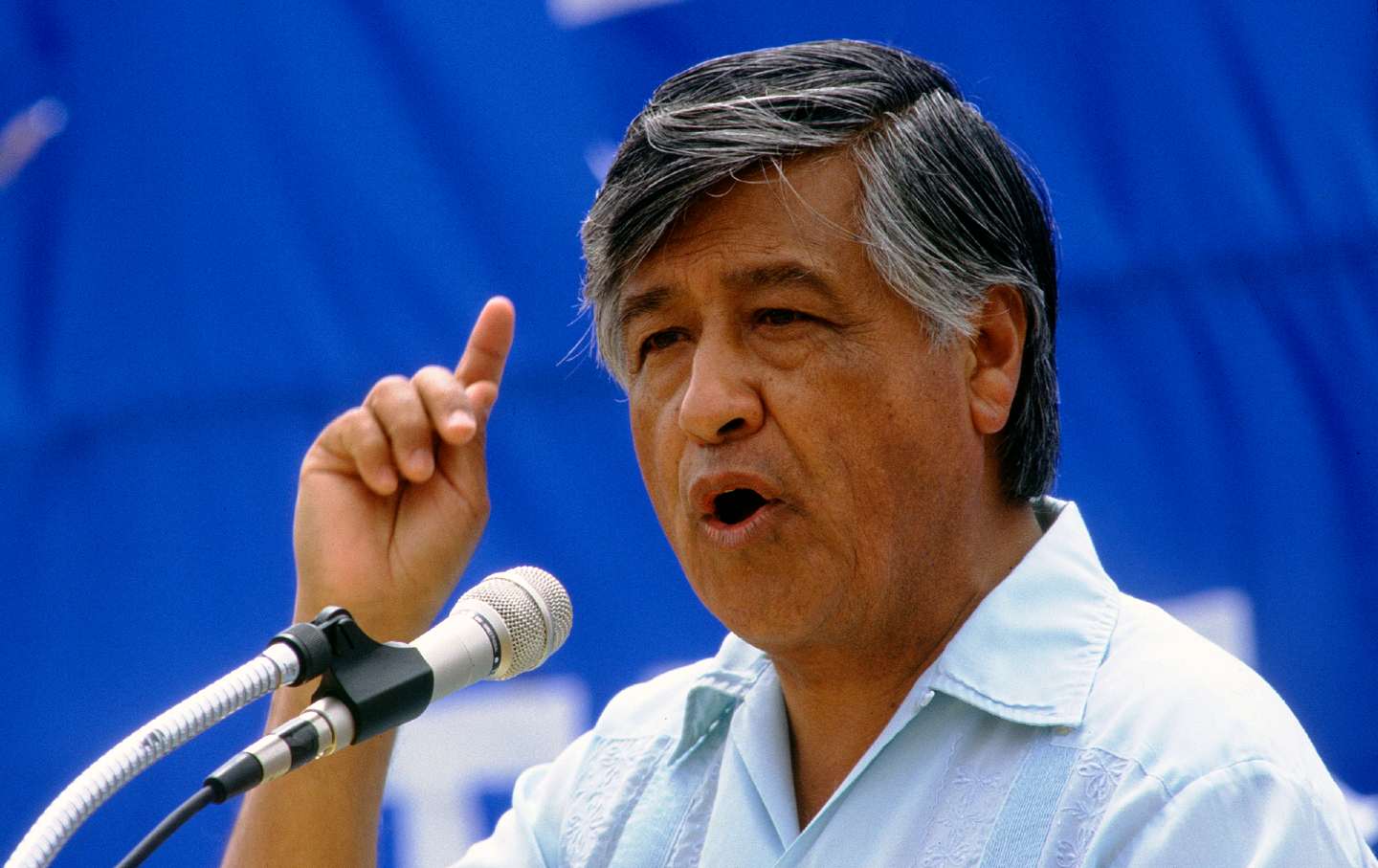
What We Must Learn From the Revelations About Cesar Chavez What We Must Learn From the Revelations About Cesar Chavez
The sexual predations of the late labor leader follow a depressingly familiar pattern in left organizing circles.
Dolores Huerta: “My Silence Ends Here” Dolores Huerta: “My Silence Ends Here”
The labor movement icon speaks out after revealing that she was sexually assaulted by Cesar Chavez.

Trump Wants to Criminalize Dissent. This Texas Case Could Help Him Do It. Trump Wants to Criminalize Dissent. This Texas Case Could Help Him Do It.
The Prairieland Defendants are on trial in a case that could set a chilling precedent for the right to protest in the United States.

A Motto for All Health Workers: Resist, Resist, Resist A Motto for All Health Workers: Resist, Resist, Resist
Doing our work and keeping our heads down isn’t a victory. We need to fight this regime every day, in every way.

