Poems / September 8, 2026

Ars Poetica in Questions

Leah Umansky

Do you know you can invent the dead and that a
poem can be infused into anything? What do you
know about intention? What’s natural, and how
can you be in tune with the planet? Tell me about
public doting? Am I doing it now? I love poetry,
but will it help the world? What is more interesting
than a search for something? I think there’s nothing
better than a good cry—Do you agree? Did you know
that the moon is in Cancer, so you should feel everything?
I think it would be hard to feel everything, but maybe
there are no sad questions—(is THAT a sad question?)
A student told me writing a good poem is putting your
heart into a poem, and caring for it, and is that the
answer to life as we know it, or what? OR WHAT!?
Leah Umansky

Leah Umansky is a writer, educator, and artist in New York City. She is the author of the forthcoming memoir Delicate Machine (Dzanc Books, 2027) and four poetry collections, including the forthcoming collection Ordinary Splendor (Etruscan Press, 2028). Her most recent collection is Of Tyrant (Word Works Books, 2024). Her creative work has been featured on PBS and The Slowdown podcast and in such places as The New York Times, the Academy of American Poets’ Poem-A Day, Poet Lore, and American Poetry Review.

More from The Nation

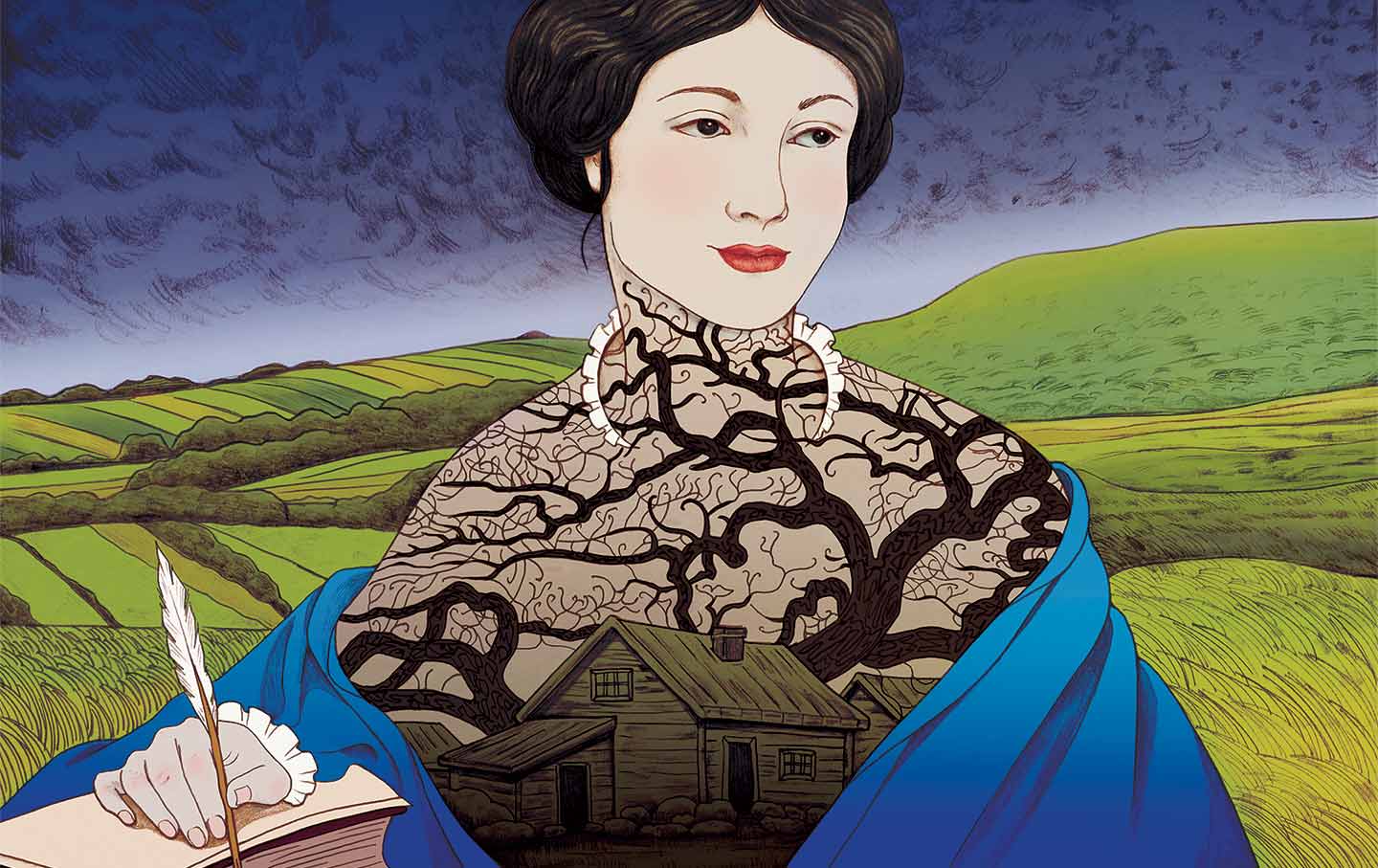
Who Was Emily Brontë?

Who Was Emily Brontë? Who Was Emily Brontë?

A new biography tries to reconstruct her everyday life.

Books & the Arts / Sarah Chihaya

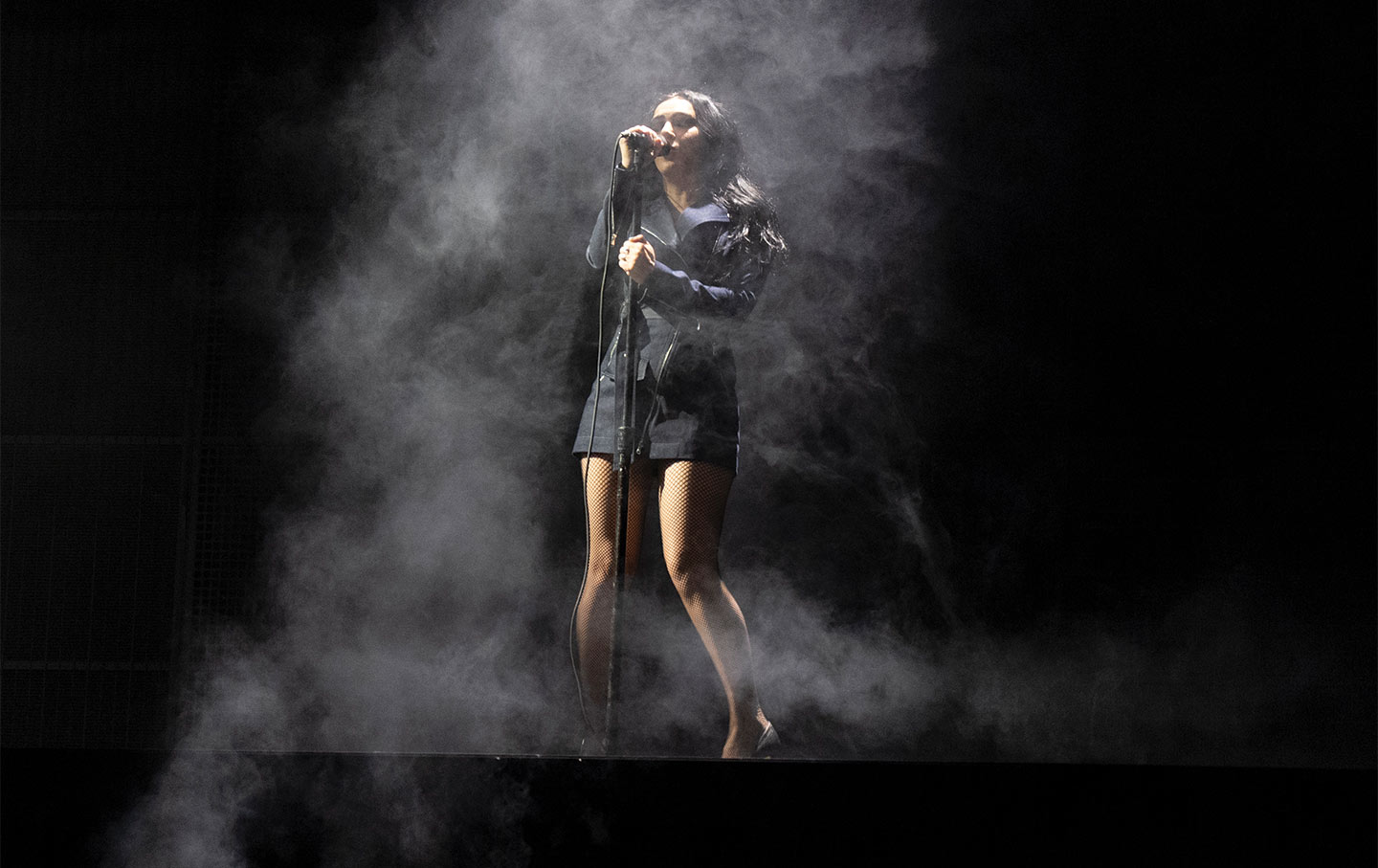
Charli XCX performing in San Francisco.

The Genius of Charli XCX The Genius of Charli XCX

On her new album, Music, Fashion, Film, the musician embraces rock.

Books & the Arts / Bijan Stephen

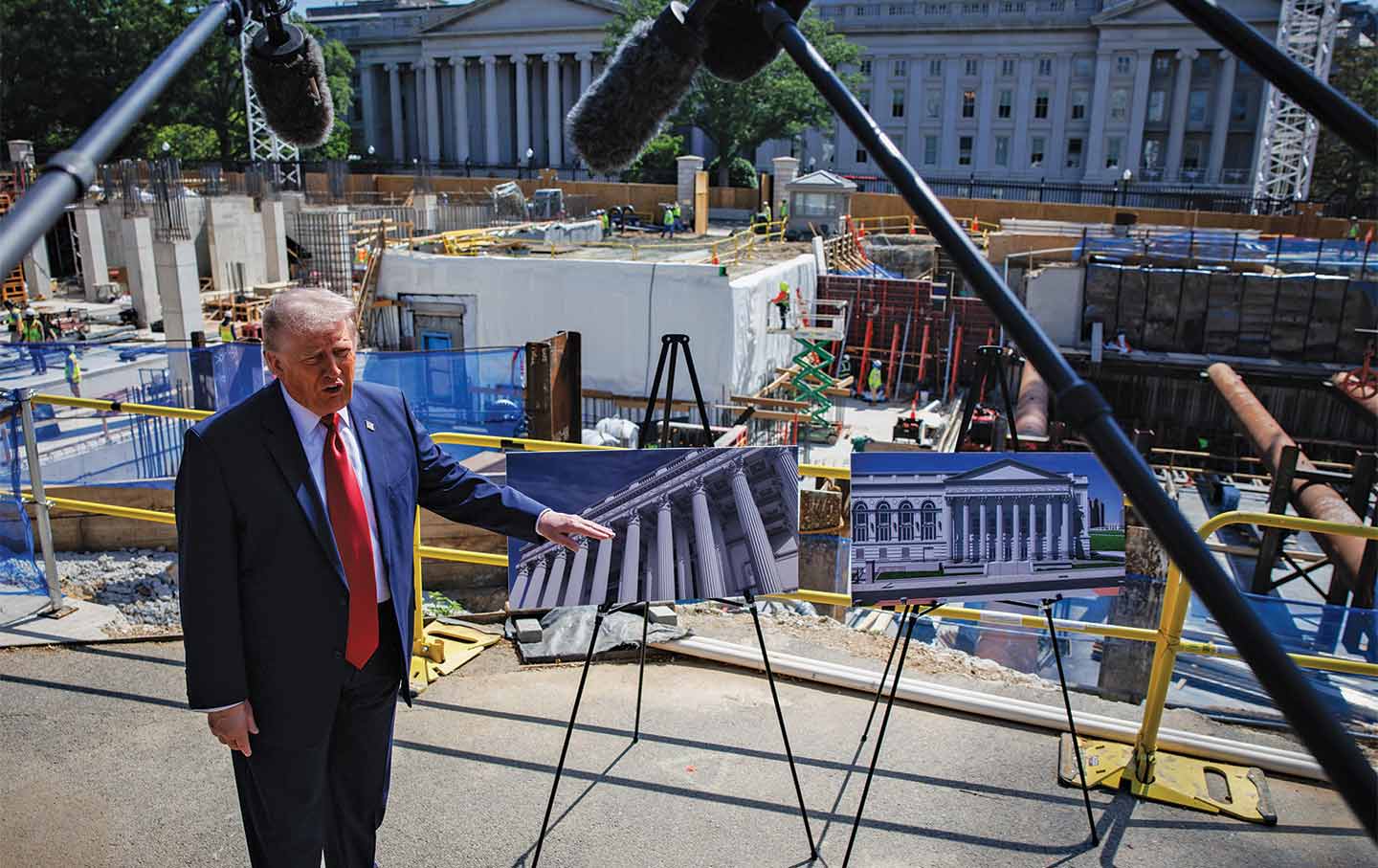
Trump at the White House Ballroom construction site in May 2026.

The Architectural Follies of Trump’s Washington, DC The Architectural Follies of Trump’s Washington, DC

The president plans to remake the capital in his own image, but is all he is doing destroying what’s already there?

Books & the Arts / Karrie Jacobs

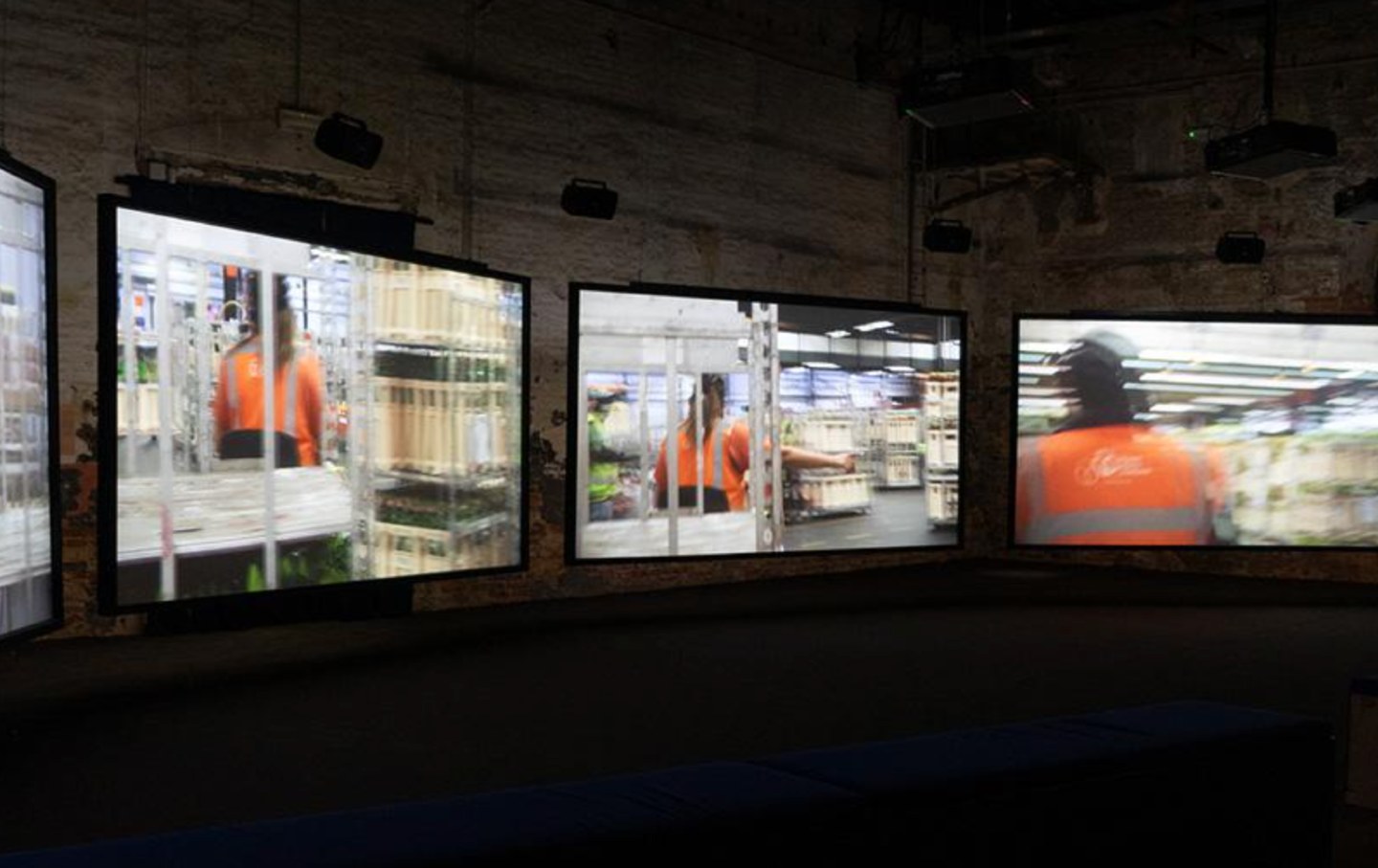
“In Minor Keys,” 61st Venice Biennale, 2026, installation view featuring Éric Baudelaire.

The Carnival of Venice Biennale The Carnival of Venice Biennale

That so much of the art of “In Minor Keys” is muted in effect is ironic, because so much of it is overproduced, aspirationally eye-catching, and so big.

Books & the Arts / Barry Schwabsky