
Democracy Is Not Self-Executing
Michelle Adams’s Hillman Prize remarks.
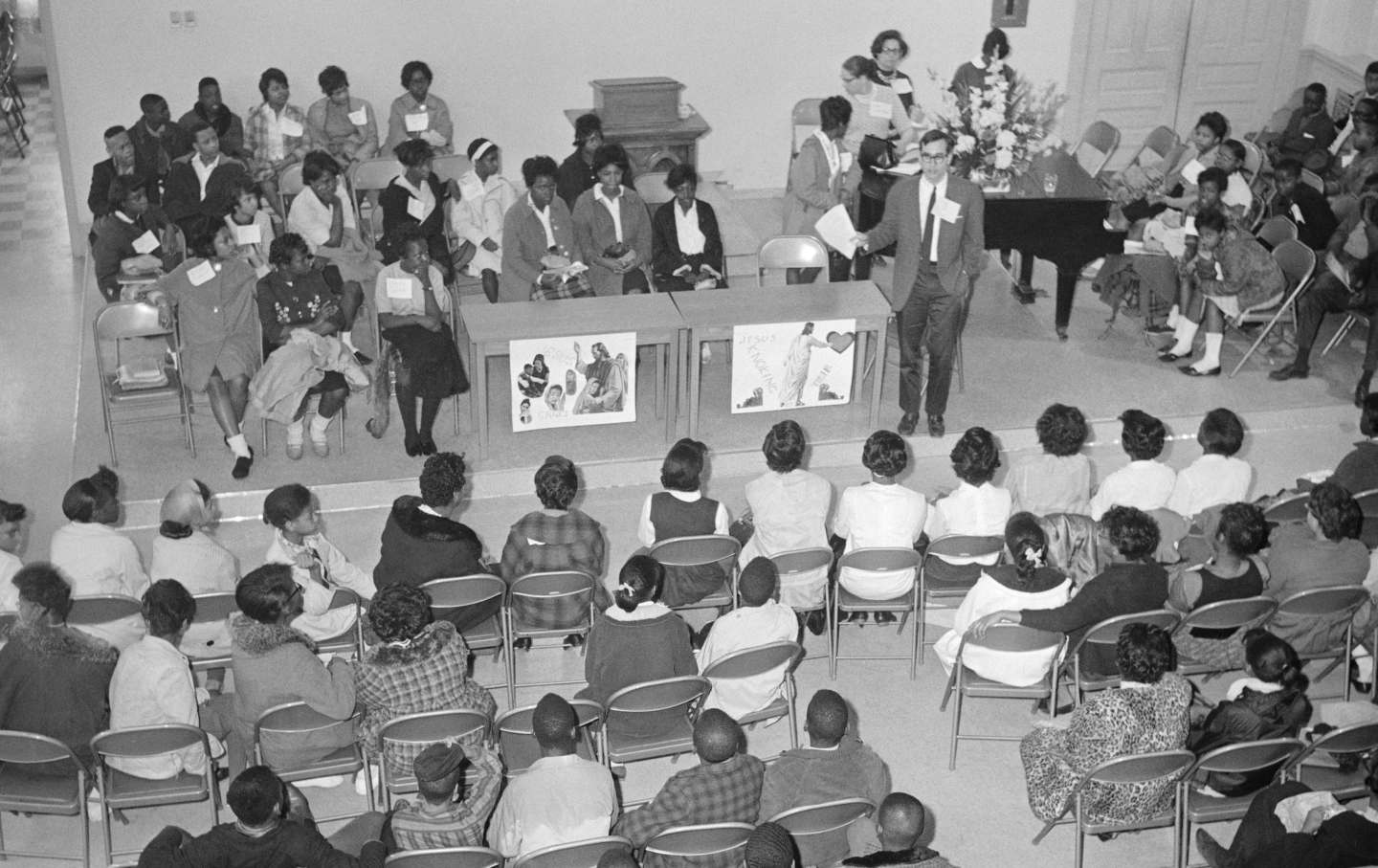
On May 5, the 76th annual Sidney Hillman Awards ceremony was held in New York City. Honoring excellence in journalism in service of the common good, the prize for book journalism was awarded to Michelle Adams for her book The Containment: Detroit, the Supreme Court, and the Battle for Racial Justice in the North. Integration remains under siege today, as we witness the Trump administration and Trump court whitewashing history, attacking diversity programs, and cementing educational inequality; Adams’s book becomes an ever more important chronicle of an enduring legal and historical quest for a more perfect union.
Thank you. I’m deeply honored to receive the Hillman Prize and grateful to the Sidney Hillman Foundation for this recognition.
I want to tell you a story about democracy.
When I was writing The Containment, I went back to Detroit—my hometown—and to the case that became Milliken v. Bradley.
The story begins with a group of Black parents and the Detroit branch of the NAACP.
One of them was Virda Bradley, who simply wanted her children to have access to equal educational opportunity in a system that had deliberately denied it.
They brought a lawsuit challenging segregation in the public schools—insisting that what many people treated as accident or preference was, in fact, the result of government action.
In doing so, they forced a conversation that the city—and the country—had not been willing to have.
They put facts on the table. They made claims on the Constitution. They insisted on being heard.
And they were joined—sometimes quietly, sometimes at real cost—by white suburban residents who were willing to imagine a more integrated metropolitan future.
And then that conversation moved into a federal courtroom—where it reached a judge named Stephen Roth.
Roth did not begin as a hero of civil rights. In fact, he was deeply skeptical of the plaintiffs’ claims—skeptical that segregation in Detroit was anything more than the result of private choices.
But then something happened.
Over the course of a long trial, Roth listened.
He heard evidence about how segregation in the North had been created and maintained—through law, through policy, through state action.
And he changed his mind.
That transformation is the part of the story I keep coming back to.
Black Detroiters started a democratic conversation—and the court, at its best, was capable of hearing it.
Not democracy as voting. Not democracy as slogans.
But democracy as a process of reason-giving—of listening, of confronting facts, of being willing to revise your views in public.
Popular
“swipe left below to view more authors”Swipe →And that kind of democracy is hard.
It asks something of us.
It asks whether we are still willing to listen to people we disagree with. Whether we are still willing to be bound by a shared factual record. Whether we are still willing to take each other seriously as participants in a common project.
The story I tell in this book is, in part, about what happens when those democratic practices break down.
When lines get drawn—between city and suburb, between “us” and “them”—and those lines harden into structures that shape opportunity for generations.
But it is also a story about people who believed that democracy was still worth the effort—
That the long, difficult argument of democracy—messy, contested, incomplete—was still the way forward.
So if there’s one thing I hope people take away, it’s this: Democracy is not self-executing. It depends on whether we are willing to do the work—to listen, to reason, and sometimes, to change our minds.
And if we are, then the long argument of democracy—the one they began—does not end with us. It continues through us.
Thank you.
Become a Sustaining Donor This September
Between the reemergence of right-wing red-baiting and Donald Trump’s use of the chilling National Security Presidential Memorandum–7 to criminalize left political organizing, we’re seeing McCarthyism reborn before our eyes.
This assault on democracy cannot be ignored or wished away. Resisting it requires bravery in the face of threats and repression, a steadfast commitment to the truth, and the unwavering belief that we can—and will—overcome this darkness.
We must have an independent media that sets the record straight, unearths corruption and abuses of power, and advances a politics of justice and dignity for all if we’re to win this fight.
That’s why I’m writing to you today. This September, The Nation needs to add 100 monthly donors to sustain our progressive journalism. Your contribution makes the next investigative report, the next truth-speaking column, and the next pathbreaking essay all possible.
I hope you’ll support our work with a recurring donation today. If you donate $10 or more a month, we’ll send you a brand new “Hands Off the Free Press!” sticker to recognise your commitment to our cause. Please, donate today.
Onward,
Katrina vanden Heuvel
Editor and Publisher, The Nation
More from The Nation

Trump Is Using Your Taxpayer Money to Pay for Illegal Election Propaganda Trump Is Using Your Taxpayer Money to Pay for Illegal Election Propaganda
But as brazen and authoritarian as these ad spots are, they seem likely to backfire.
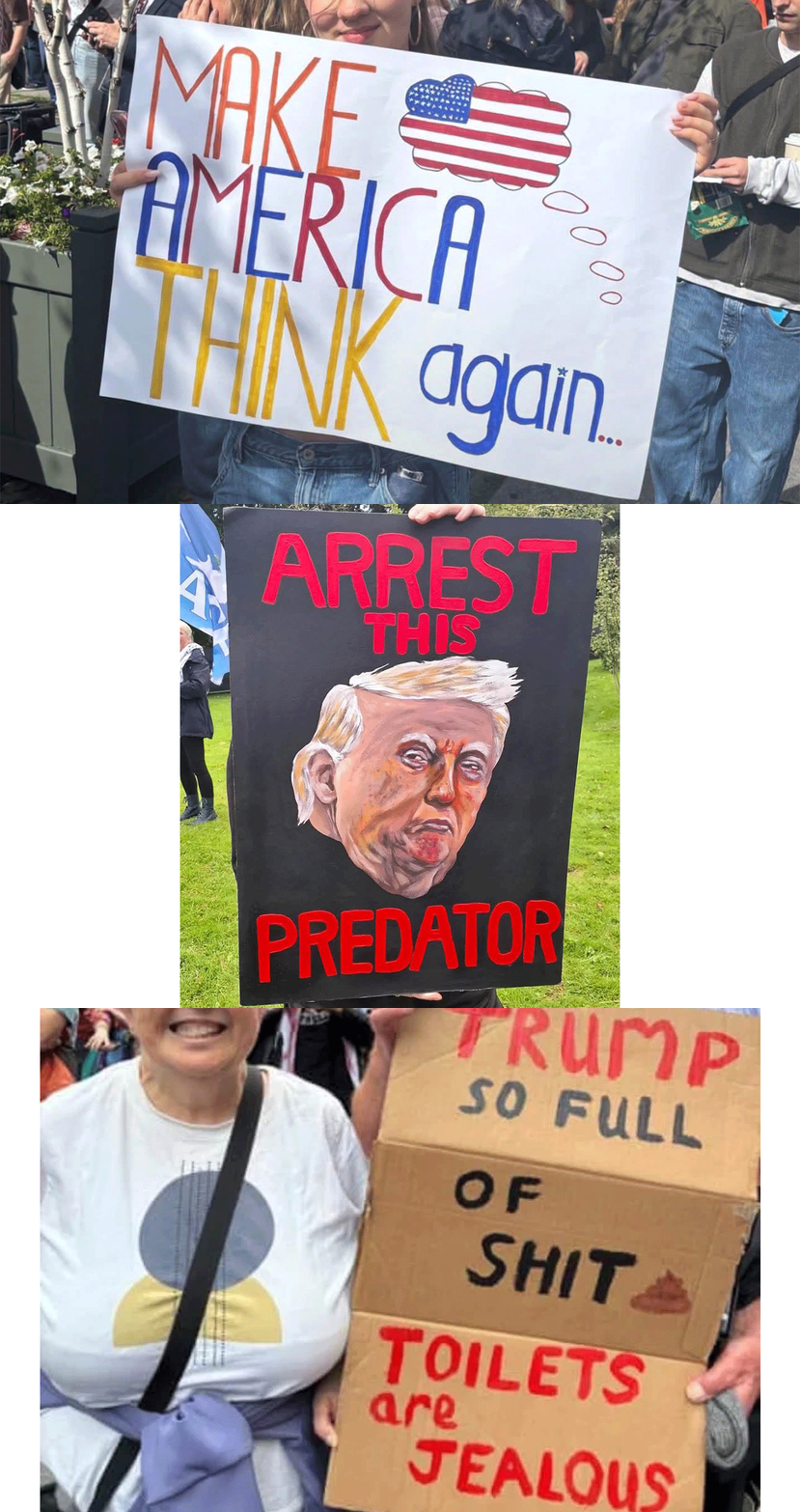


Clavicular’s Charges Are One Thing. Rape Culture Is Another. Clavicular’s Charges Are One Thing. Rape Culture Is Another.
Braden Peters consistently acts as though the autonomy of women is a maladaptive trait, and dogmatically dismisses any claim to female equality as an outlying aberration.
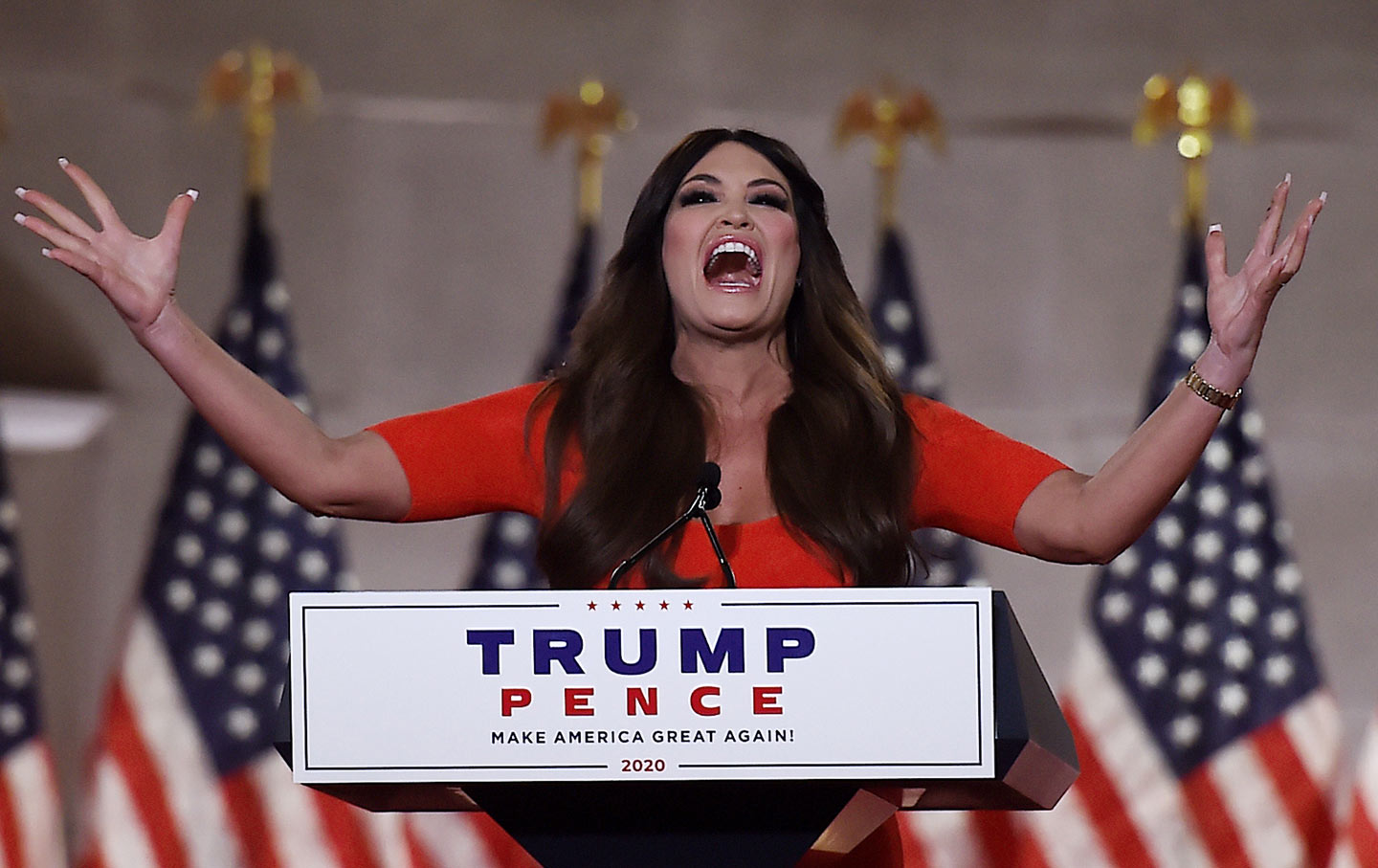
Kimberly Guilfoyle Is a Master of Mafia Diplomacy Kimberly Guilfoyle Is a Master of Mafia Diplomacy
The US Ambassador to Greece is making suspicious deals for her buddies.
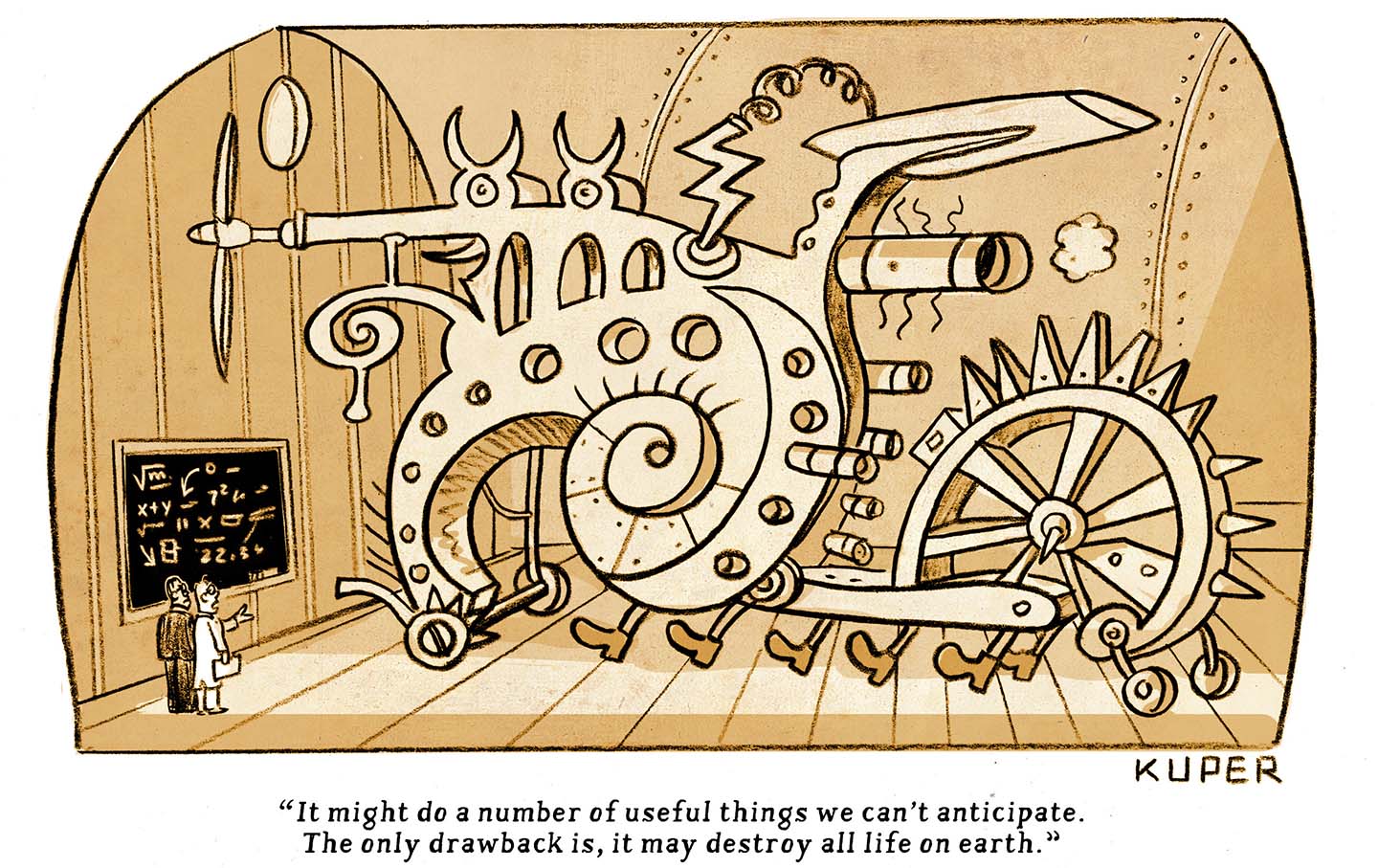
Missing Guardrails for AI Missing Guardrails for AI
Trump ignores the threat of extinction.

