
I Was AIPAC’s Number 1 Target—and I Beat Them. Here’s How to Do It.
During his primary campaign, Daniel Biss called out AIPAC repeatedly, through the press, paid advertising, and in living rooms and public places across the district. It worked.

Evanston Mayor Daniel Biss speaks to supporters after celebrating the Democratic nomination in the Ninth Congressional District race during an election night watch party on March 17, 2026, in Evanston, Illinois.
(Armando L. Sanchez / Chicago Tribune / Tribune News Service via Getty Images)When I started running for Congress, I kept hearing the same advice: Stop the American Israel Public Affairs Committee (AIPAC) from coming after me. If I failed, they’d spend millions of dollars attacking me, and I’d lose.
And, sure enough, I failed. AIPAC did spend more than $5 million supporting my opponent and attacking me. In fact, they spent more money attacking me than any other candidate in Illinois primary. But I won, and our playbook can give progressives the tools to fight back and beat AIPAC’s dark money.
I was AIPAC’s top target for two reasons. First, I refused to back their hard-line agenda. I support peace, self-determination, and justice for all—that’s why I endorsed the Block the Bombs Act and have called for the recognition of Palestinian statehood. These steps are necessary starting points if we are serious about the dignity and human rights of Palestinians.
Second, I’m the grandson of Holocaust survivors. My mother is Israeli. My extended family lives in Israel. AIPAC knew that they couldn’t dismiss me as anti-Israel or antisemitic.
AIPAC’s extreme policy agenda of unconditional military aid to Israel, even as it perpetrates an ongoing horror in Gaza, is indefensible. That’s why instead of trying to win a policy argument, they prefer to silence and marginalize their critics. But because of my own story and identity, they won’t be able to do that to me.
Instead of playing into AIPAC’s worldview, my position acknowledged the complexity and competing narratives surrounding these issues. I spoke plainly about what I believe as a Jewish person and rooted those beliefs in my own family history. I knew Jewish voters aren’t a monolith, and that they were looking for thoughtfulness and nuance from their representative. Voters felt, as I do, that it is utterly incoherent for Democrats—or anyone—to call Israel’s conduct unacceptable but then decline to use the economic and diplomatic tools at our disposal to try to change it.
AIPAC knows that they are toxic, which is why they went to great lengths to hide both their identity and their agenda throughout this race. They created shell organizations, brand new super PACs with benign-sounding names like “Elect Chicago Women.” They exploited loopholes in campaign finance law to avoid disclosing their donors until after the election.
AIPAC raised millions for their candidate, while spending millions more through these shell super PACs, but declined to formally “endorse” anyone—a distinction which meant nothing, except that it allowed them to tell reporters that they hadn’t endorsed a candidate in the race. The point wasn’t to effectively hide what they were doing. The object was to create enough confusion to distract from the underlying reality.
Their ads didn’t mention Israel, Palestine, or anything about foreign affairs at all. They didn’t even try to defend their right-wing positions.
My strategy to beat all this back started with my confidence that if voters understood what AIPAC was doing, they would recoil.
I called AIPAC out clearly and repeatedly, through the press, paid advertising, and in living rooms and public places across the district. I made sure voters knew three things: who was funding my opponent (AIPAC and Trump donors), why they were doing so (to get a representative who would vote for no-strings-attached military aid to Israel), and how hard AIPAC was working to conceal it.
Our campaign did this day after day, relentlessly finding new and different ways to highlight AIPAC’s activities. Each new piece of information—whether it was a statement by my opponent, a development overseas, a campaign finance disclosure, or something else—became an opportunity to hit back against AIPAC and tie them to my opponent. We ran a television ad calling attention to my opponent’s AIPAC support. We didn’t shy away from the issue or dumb it down for our voters. We knew and trusted that they were paying close attention. Once voters recognized what was happening, AIPAC’s candidate saw her favorability collapse. On primary day, she came in a distant third.
Popular
“swipe left below to view more authors”Swipe →This is a playbook for beating AIPAC. First, stand firm in your values. Voters recognize when a candidate is speaking with conviction about a tough issue, even doing so with nuance on an intensely controversial subject. Second, call out AIPAC directly—but don’t just name them. Explain who they are, what they’re doing, and why. Draw bright lines connecting AIPAC and their affiliated entities to their chosen candidates. Do this day after day after day.
And finally: Do not try to negotiate with AIPAC, even if it’s to keep them out of your race. If you have taken a position against unconditional military aid to Benjamin Netanyahu’s government—AIPAC’s litmus test—there is nothing you can do to stop the attacks. And AIPAC will weaponize any conversations you have with them against you, selectively leaking details to friendly media to paint you as a hypocrite, and undercut you with your own base.
All that money is intimidating, but it can be beaten. If the electorate truly understands where it’s coming from, every ad AIPAC buys can do its preferred candidate more harm than good.
I am certain that at this very moment there are candidates across the country being confronted with the same choice I was given last year: Get AIPAC to stand down or lose. We now know there’s a better path: Be yourself, tell voters the truth about what you’re up against, and win.
Become a Sustaining Donor This September
Between the reemergence of right-wing red-baiting and Donald Trump’s use of the chilling National Security Presidential Memorandum–7 to criminalize left political organizing, we’re seeing McCarthyism reborn before our eyes.
This assault on democracy cannot be ignored or wished away. Resisting it requires bravery in the face of threats and repression, a steadfast commitment to the truth, and the unwavering belief that we can—and will—overcome this darkness.
We must have an independent media that sets the record straight, unearths corruption and abuses of power, and advances a politics of justice and dignity for all if we’re to win this fight.
That’s why I’m writing to you today. This September, The Nation needs to add 100 monthly donors to sustain our progressive journalism. Your contribution makes the next investigative report, the next truth-speaking column, and the next pathbreaking essay all possible.
I hope you’ll support our work with a recurring donation today. If you donate $10 or more a month, we’ll send you a brand new “Hands Off the Free Press!” sticker to recognise your commitment to our cause. Please, donate today.
Onward,
Katrina vanden Heuvel
Editor and Publisher, The Nation
More from The Nation
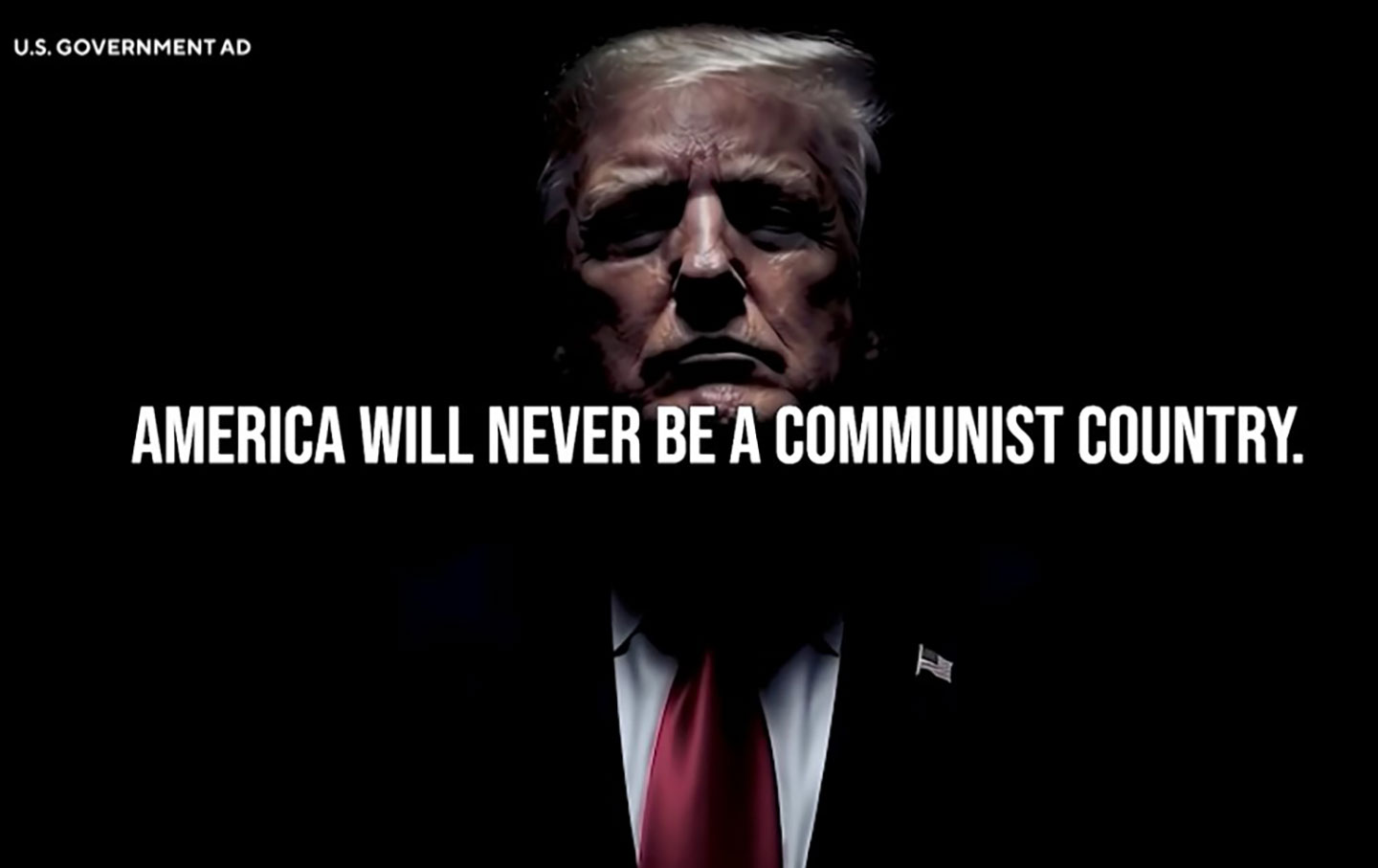
Trump Is Using Your Taxpayer Money to Pay for Illegal Election Propaganda Trump Is Using Your Taxpayer Money to Pay for Illegal Election Propaganda
But as brazen and authoritarian as these ad spots are, they seem likely to backfire.
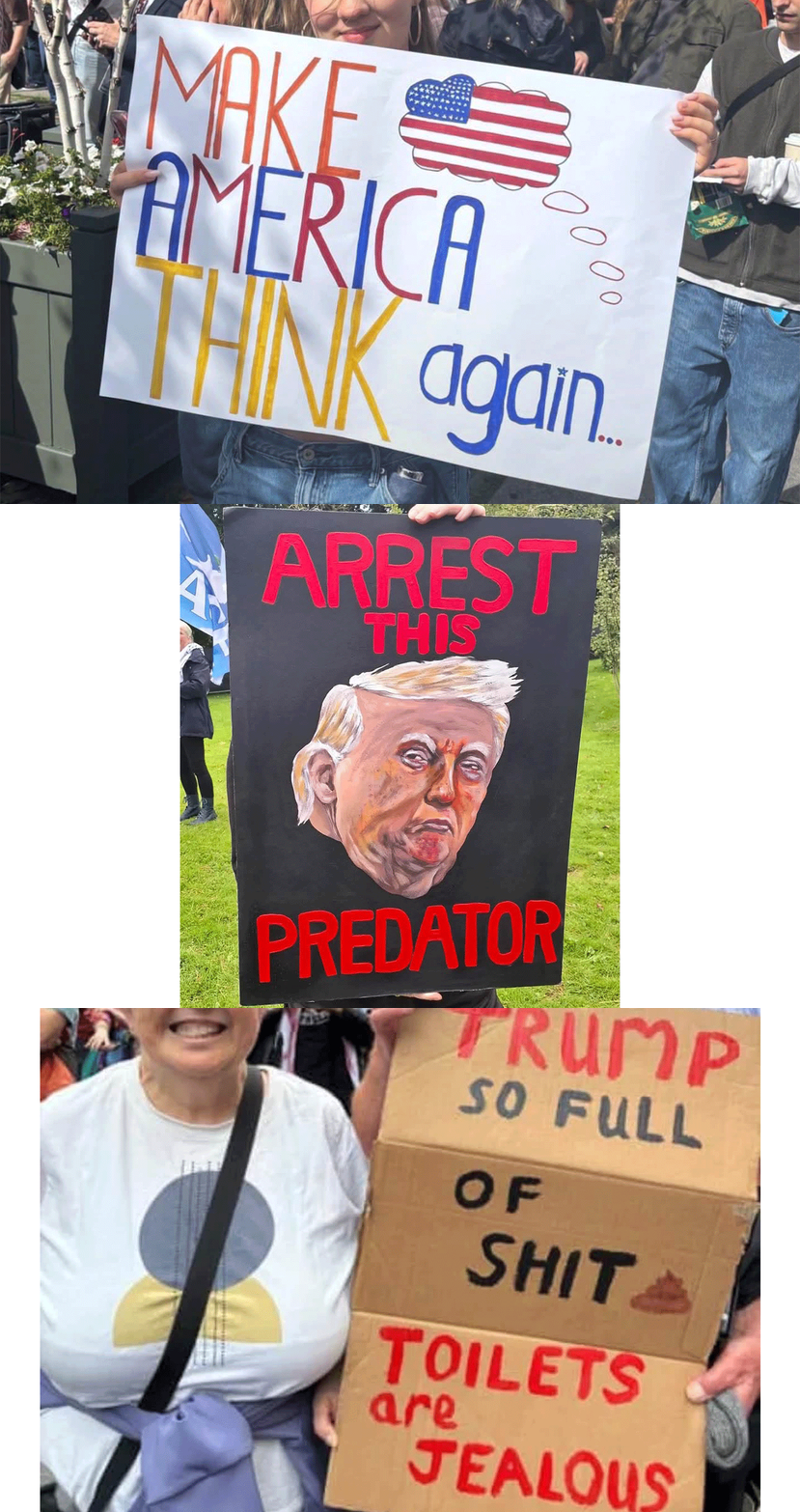


Clavicular’s Charges Are One Thing. Rape Culture Is Another. Clavicular’s Charges Are One Thing. Rape Culture Is Another.
Braden Peters consistently acts as though the autonomy of women is a maladaptive trait, and dogmatically dismisses any claim to female equality as an outlying aberration.
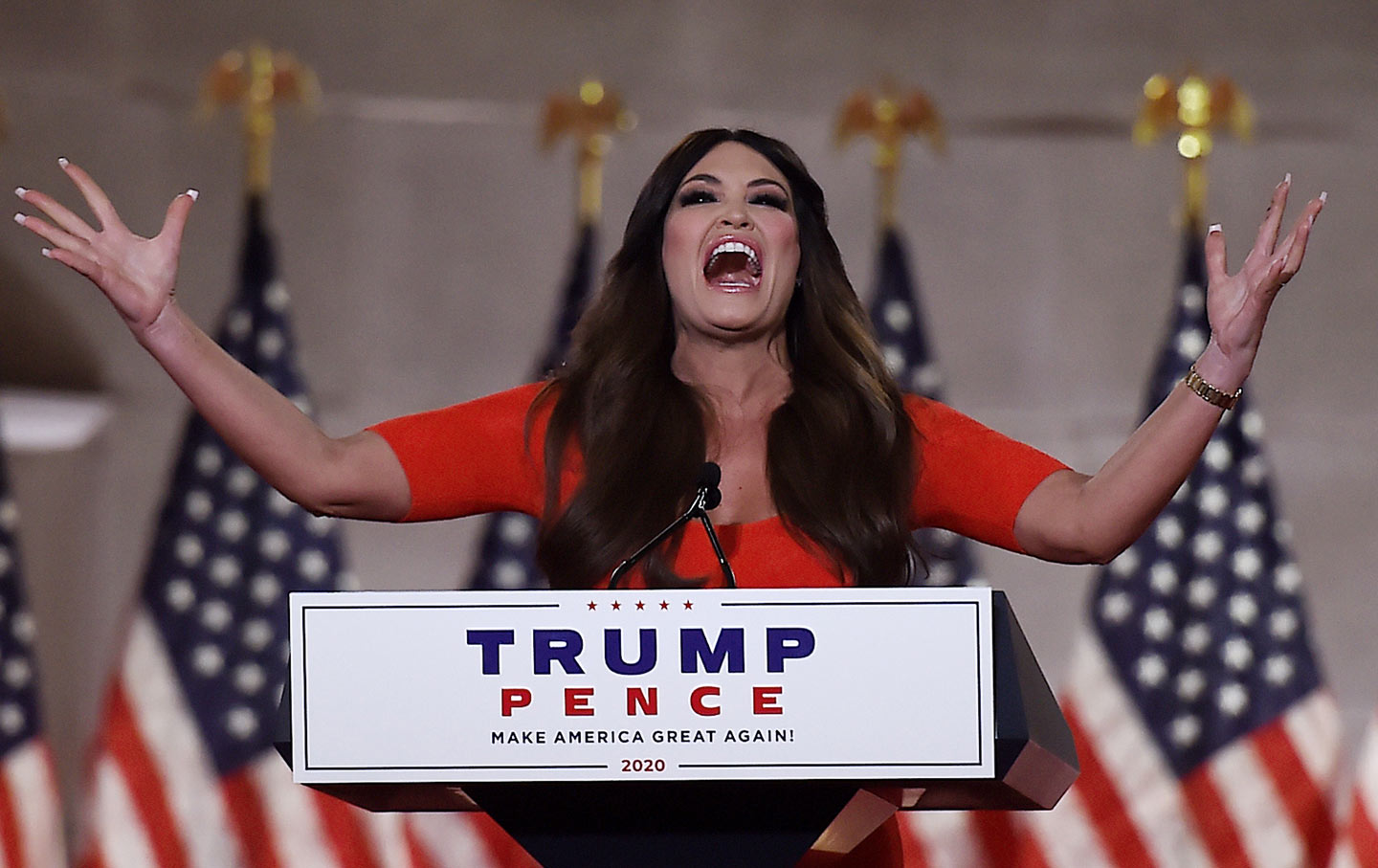
Kimberly Guilfoyle Is a Master of Mafia Diplomacy Kimberly Guilfoyle Is a Master of Mafia Diplomacy
The US Ambassador to Greece is making suspicious deals for her buddies.
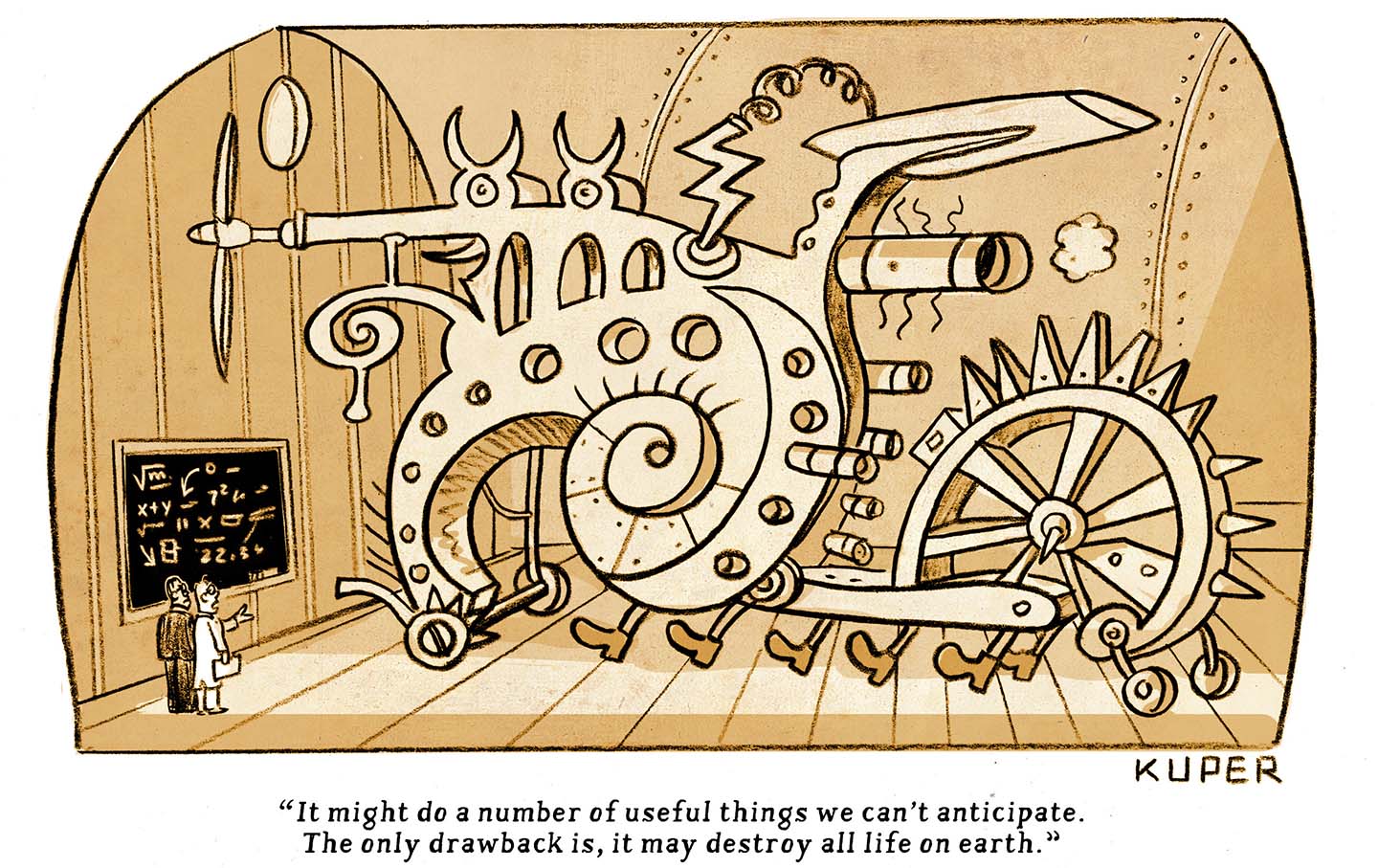
Missing Guardrails for AI Missing Guardrails for AI
Trump ignores the threat of extinction.

