
The Politicians Won’t Stop This War. Only the People Can.
The No Kings movement needs to become a mass anti-war movement.
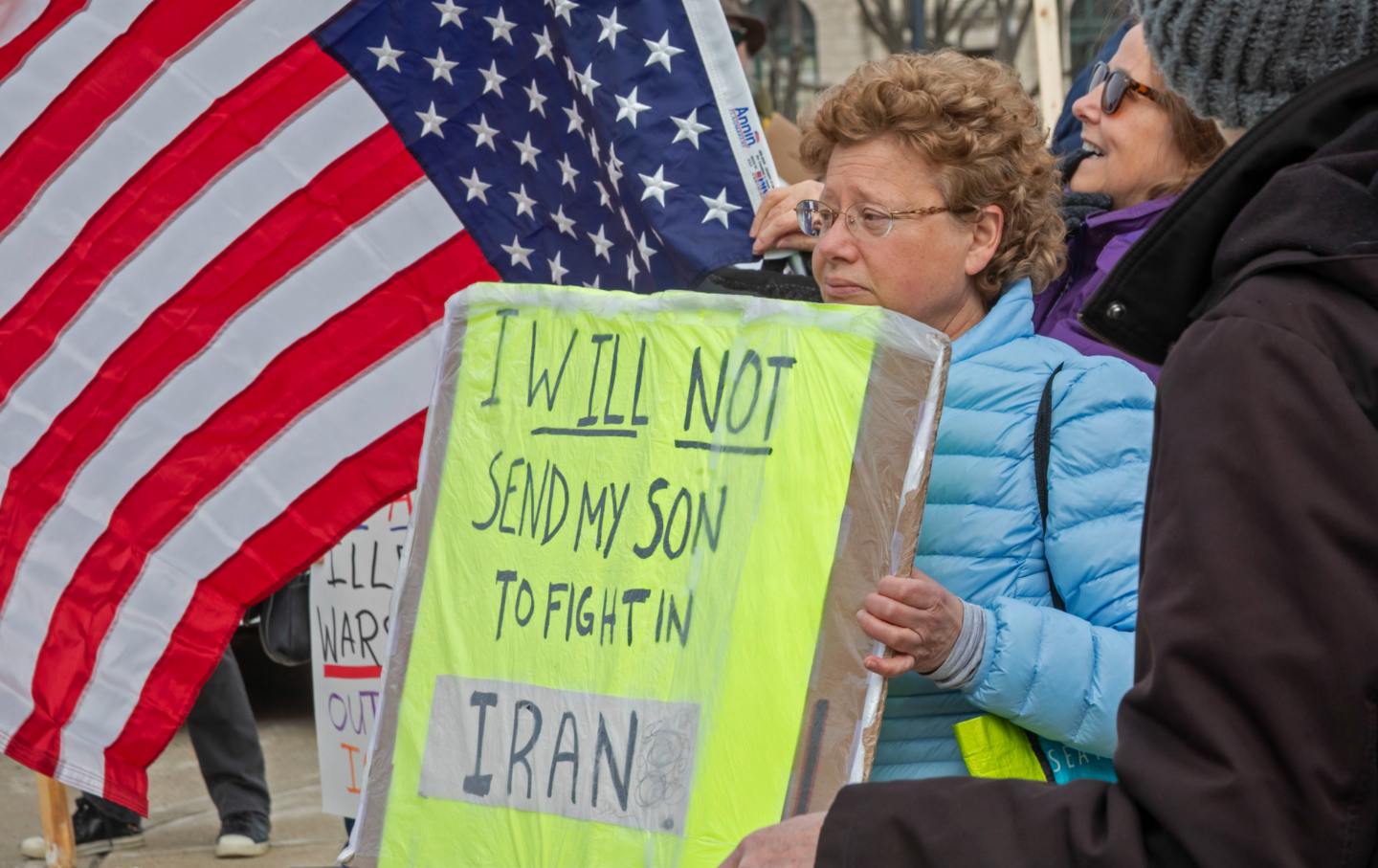
This Saturday, millions of Americans and people all over the world will gather under the slogan “No Kings.” The previous two No Kings rallies, held last June and October, were the largest single-day protests in US history, drawing between 4 and 6 million people to the streets.
The sheer size of the protests has been heartening and has invigorated the ongoing and often successful resistance to Trump’s policy. Still, I’ll confess I’ve always been of two minds about “No Kings” as a slogan. Meant to evoke the American legacy of resistance to tyranny dating back to the Revolution, No Kings has, at best, felt like a blank-slate slogan that could be filled in with specific objections to Trump’s lawlessness, the brutality of the anti-immigrant crackdown, or the sheer corruption of the White House’s relationship with plutocrats such as Elon Musk. But it has risked being a bit too vague and evasive about the situation the world is currently facing. For one, Donald Trump is not a monarch; he is an aspiring autocrat who holds an elected office. And. like many forms of liberal anti-Trump politics, No Kings has seemed excessively focused on Trump’s personality rather than his policies, with no clear effort to mobilize for an alternative political vision.
This weekend’s No Kings rallies will take place under the shadow of Trump’s most dangerous political adventure, the war against Iran that the US and Israel launched at the end of last month. At least one prominent protester, Bruce Springsteen, who will be performing in St. Paul, Minnesota, realizes that No Kings now has to mean No War. In a video announcing upcoming concerts that will take up the anti-Trump message, Springsteen evoked the 1970 anti-militarist anthem “War.”
No message is more urgent right now than opposition to the Iran War.
While Trump has created many disasters, none is likely to be as far-reaching and globally devastating as the current conflict, which has already turned into a regional war. In addition to costing hundreds of lives, the Iran debacle has disrupted the global economy, raising the price not just of oil but of other essential goods such as fertilizer. So far, the most severe effects of the war are being felt in the Middle East and Asia, but there’s every reason to think that the combination of higher inflation, rising interest rates, rising yields on US high-yield bonds, and sagging stock markets could presage a global recession, if not a full economic meltdown.
The Iran War was launched with no clear objectives. (Trump and his top officials have made a string of conflicting claims about the reasons for the conflict, from regime change to leverage in negotiations to support for Israel to weakening Iran’s military.) Nor is there any clear exit strategy. As Ilan Goldenberg observed in Foreign Affairs, Trump has gotten himself into a mess for which there is no good or easy exit. Iran, having been burned twice now in US negotiations that turned to attacks, is clearly eager to inflict punishment and also win diplomatic concessions that ensure a lasting détente. It’s unclear whether Trump has either the desire to make such concessions (in fact US war aims remain maximalist). Further, major US allies in the war —not just Israel but also the United Arab Emirates and Saudi Arabia—are in no mood for peace and want to continue pummelling Iran.
Given this impasse, the danger is that the US will continue escalating, leading to a ground invasion. On Thursday, CNN reported:
While the military campaign has heavily focused on bombing the country so far, Pentagon officials preparing for a next phase of war have drawn up scenarios for deploying troops to seize various targets within Iran, according to more than half a dozen people familiar with the discussions.
Yet not only would those scenarios risk heavy casualties, there’s also little guarantee they would successfully end the conflict.
Also on Thursday, The Wall Street Journal reported that “the Pentagon is looking at sending up to 10,000 additional ground troops to the Middle East to give President Trump more military options even as he weighs peace talks with Tehran.” There is reason to regard these reports with a little skepticism. The actual movement of troops into the region has been slow. Trump could simply be trying to scare the Iranians into negotiations. But this sort of shadow-boxing is itself dangerous since it encourages escalation.
Bad as it is, the war could spiral even more out of control. Further, although the war is intensely unpopular with most Americans, there is as yet little political pushback to Trump’s dangerous belligerence. Congressional Democrats, under the leadership of Representative Hakeem Jeffries and Senator Chuck Schumer, have been slow-walking opposition. The next vote on the war won’t be held till at least mid-April.
One Republican senator, speaking anonymously, told Semafor that the war was a “fucking clusterfuck.” The senator added, “There was a lot of superficial thinking that went into this operation. It’s like so much that happens right now. A very risk-seeking executive decides to make some risky moves that could turn out well.”
This is a damning indictment. But even more damning of the entire political system is the fact that the senator spoke off the record. Opposition to Trump’s clusterfuck is all too muted in Washington. It’s likely that most elected officials know Trump has opened up the gates of hell. But they are still afraid to speak up.
The only answer to this political failure is mass mobilization. No Kings proves that millions are ready to march against Trump. The task now is to convince them to march not just against the king but the king’s mad war.
Become a Sustaining Donor This September
Between the reemergence of right-wing red-baiting and Donald Trump’s use of the chilling National Security Presidential Memorandum–7 to criminalize left political organizing, we’re seeing McCarthyism reborn before our eyes.
This assault on democracy cannot be ignored or wished away. Resisting it requires bravery in the face of threats and repression, a steadfast commitment to the truth, and the unwavering belief that we can—and will—overcome this darkness.
We must have an independent media that sets the record straight, unearths corruption and abuses of power, and advances a politics of justice and dignity for all if we’re to win this fight.
That’s why I’m writing to you today. This September, The Nation needs to add 100 monthly donors to sustain our progressive journalism. Your contribution makes the next investigative report, the next truth-speaking column, and the next pathbreaking essay all possible.
I hope you’ll support our work with a recurring donation today. If you donate $10 or more a month, we’ll send you a brand new “Hands Off the Free Press!” sticker to recognise your commitment to our cause. Please, donate today.
Onward,
Katrina vanden Heuvel
Editor and Publisher, The Nation
More from The Nation
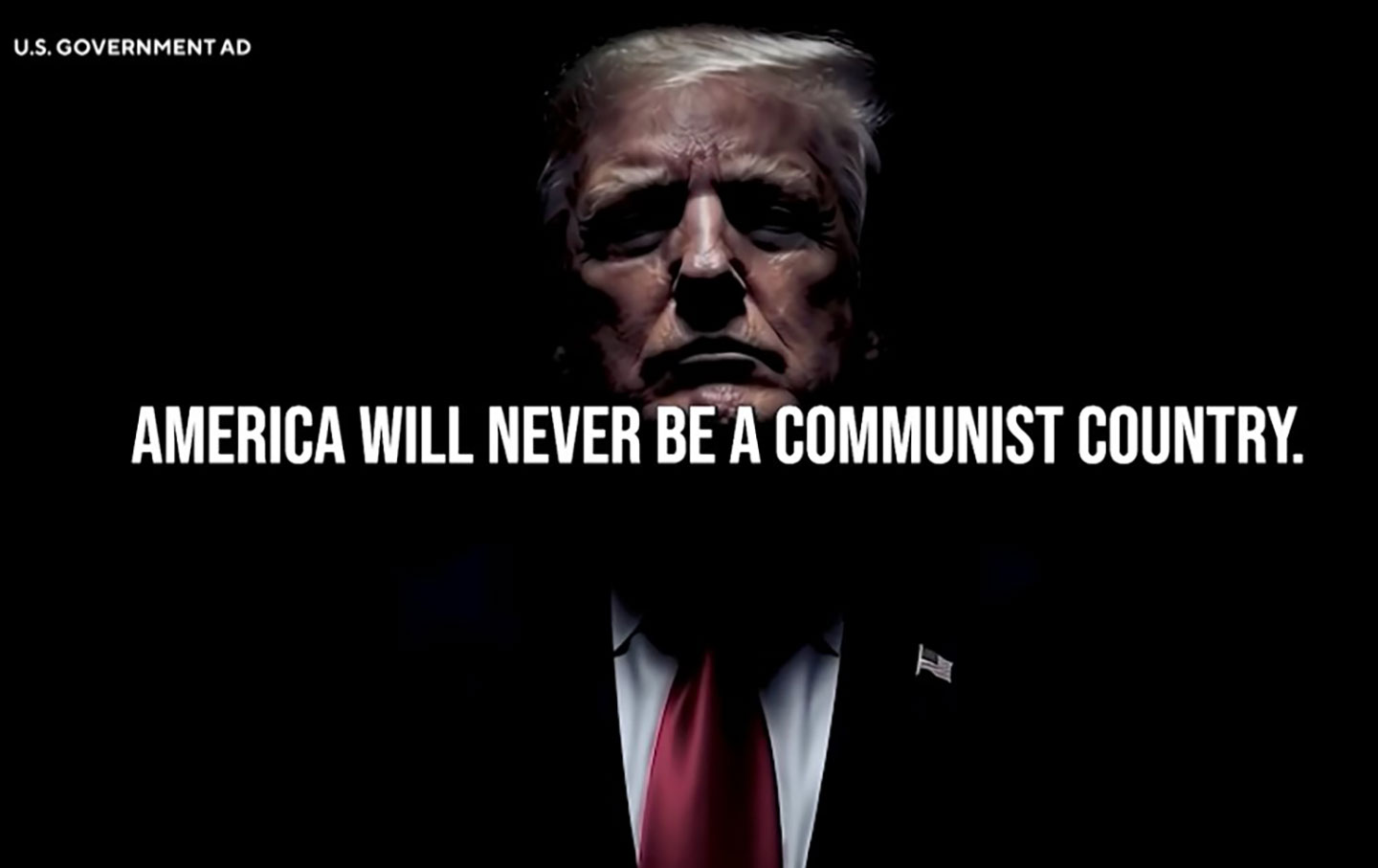
Trump Is Using Your Taxpayer Money to Pay for Illegal Election Propaganda Trump Is Using Your Taxpayer Money to Pay for Illegal Election Propaganda
But as brazen and authoritarian as these ad spots are, they seem likely to backfire.

Clavicular’s Charges Are One Thing. Rape Culture Is Another. Clavicular’s Charges Are One Thing. Rape Culture Is Another.
Braden Peters consistently acts as though the autonomy of women is a maladaptive trait, and dogmatically dismisses any claim to female equality as an outlying aberration.
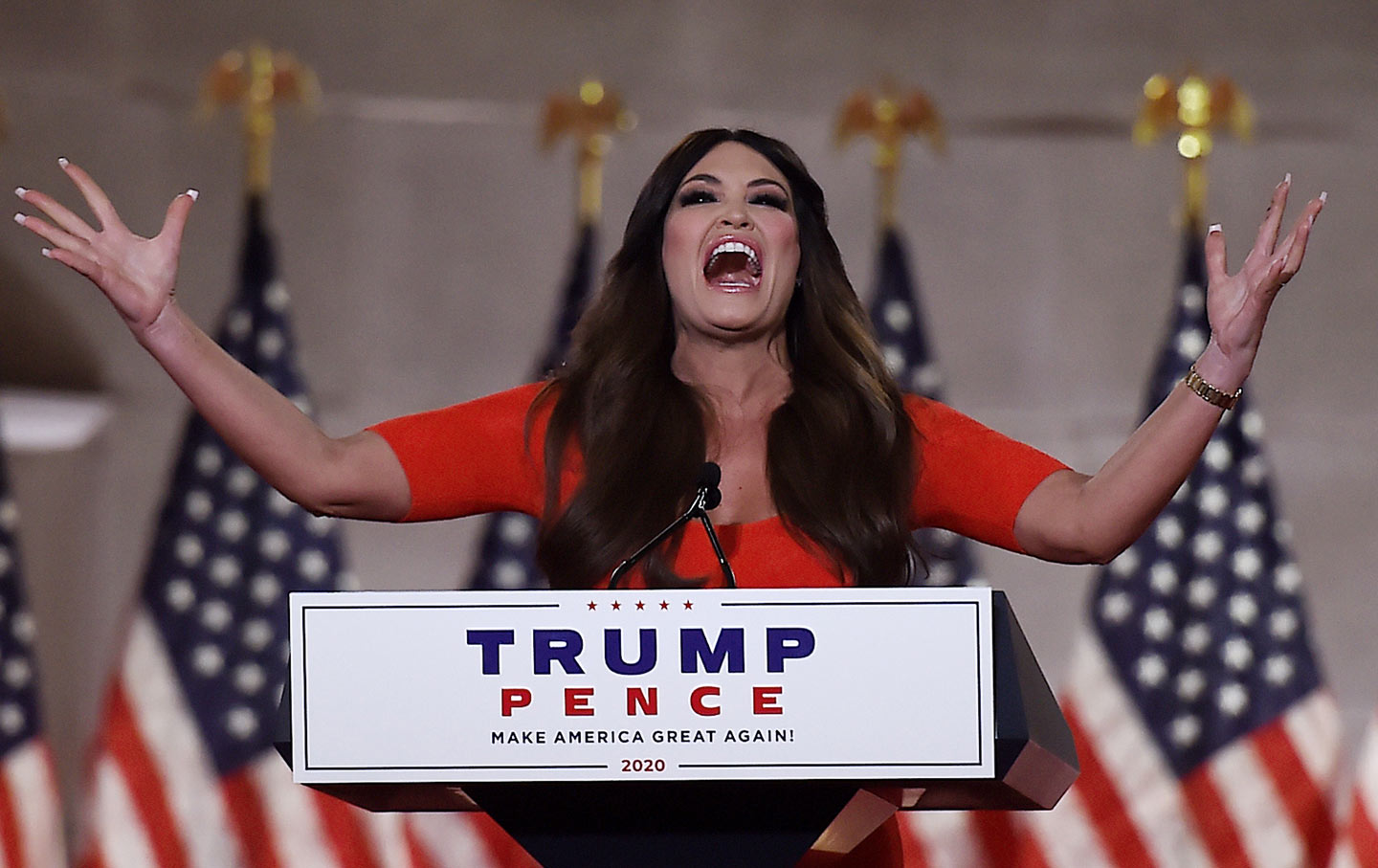
Kimberly Guilfoyle Is a Master of Mafia Diplomacy Kimberly Guilfoyle Is a Master of Mafia Diplomacy
The US Ambassador to Greece is making suspicious deals for her buddies.
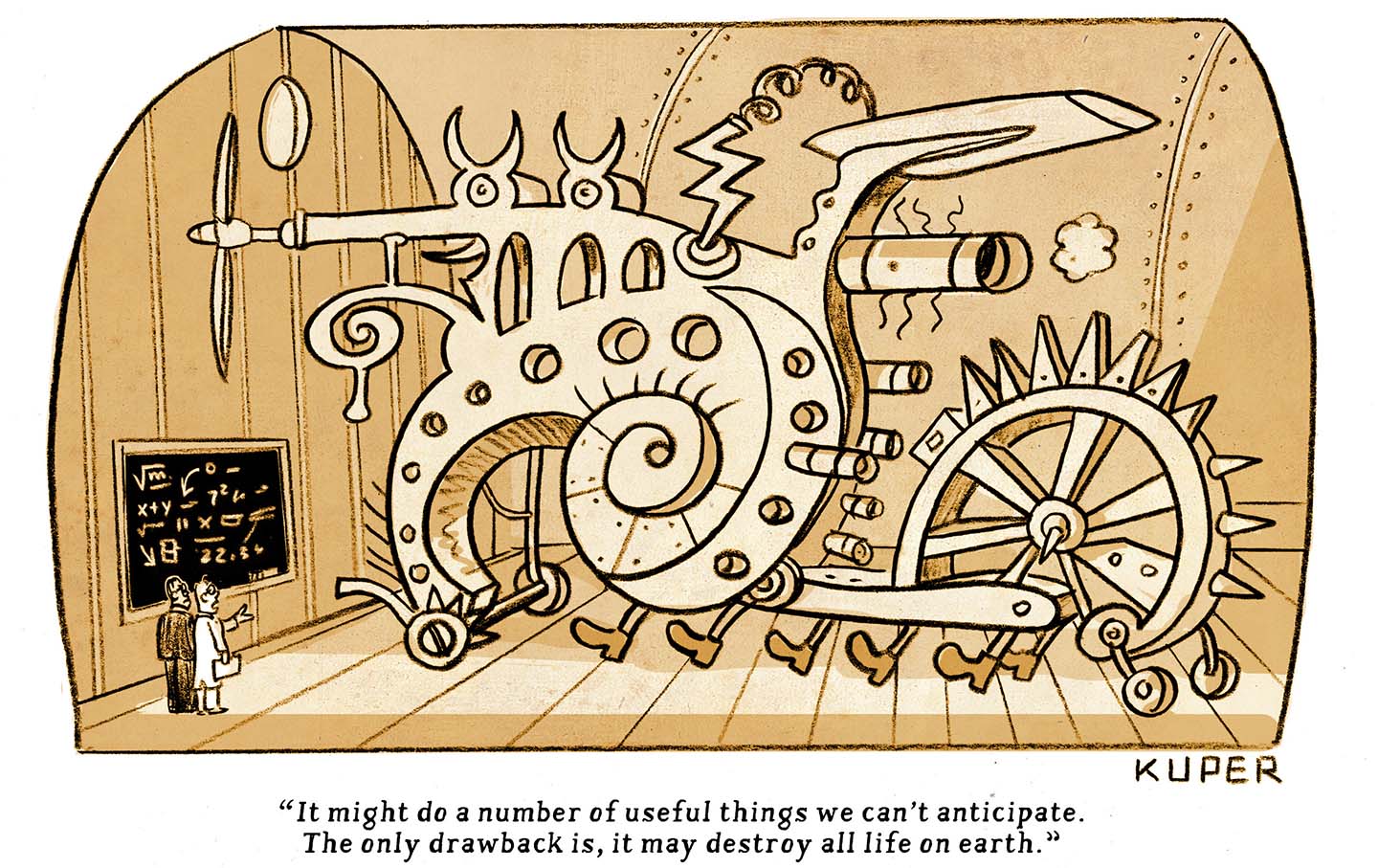
Missing Guardrails for AI Missing Guardrails for AI
Trump ignores the threat of extinction.

