
What We Must Learn From the Revelations About Cesar Chavez
The sexual predations of the late labor leader follow a depressingly familiar pattern in left organizing circles.
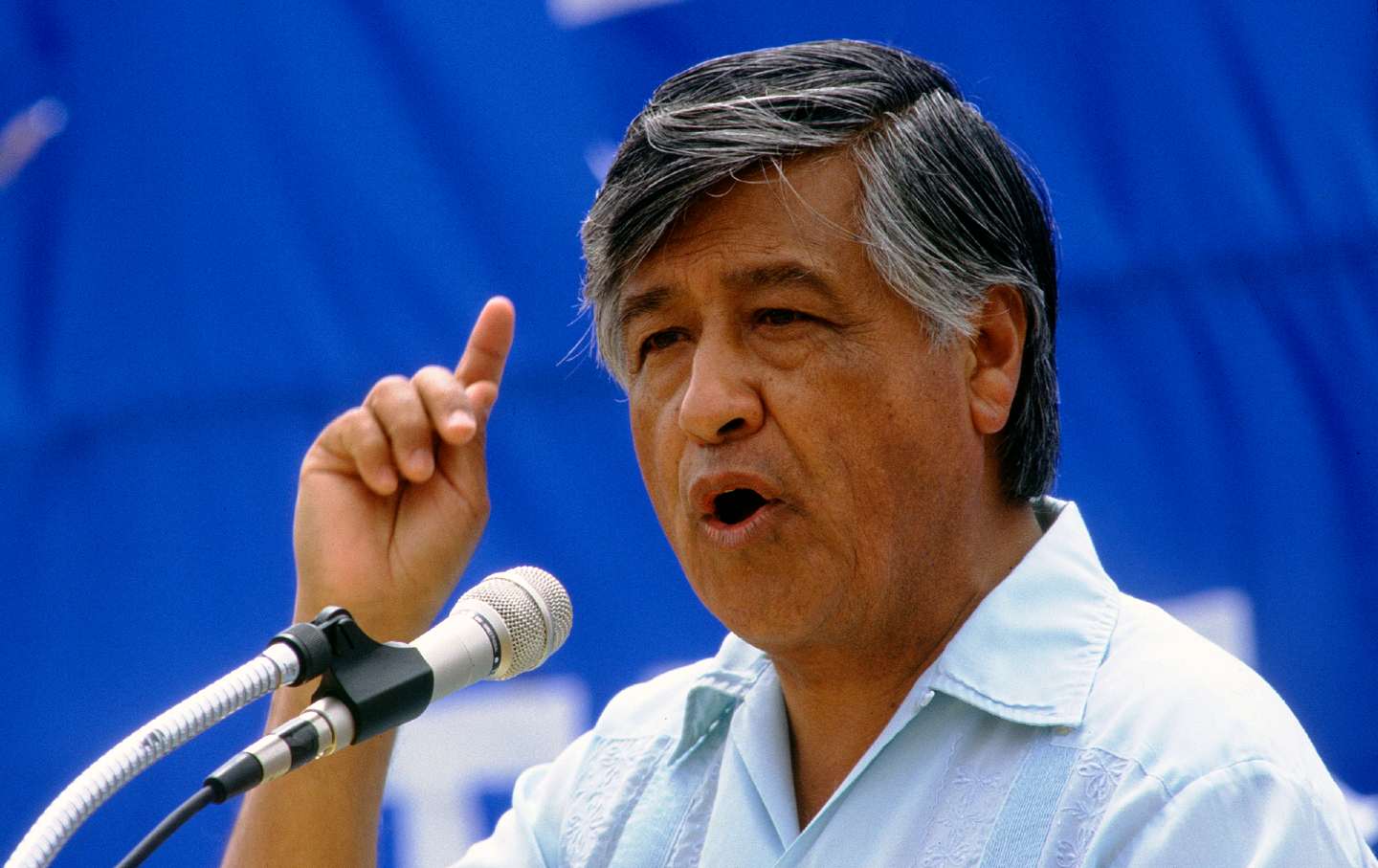
Cesar Chavez speaks at a 1988 rally in McFarland, California.
(Bob Riha, Jr./Getty Images)On March 18, The New York Times published the results of its five-year investigation into the sexual misconduct of famed labor leader and civil rights giant Cesar Chavez. The Times’ account is extremely thorough and carefully done, detailing multiple instances in which Chavez abused women and girls for years while he was leader of the United Farm Workers (UFW). Two of those encounters (one very violent), were recounted by Dolores Huerta, cofounder of the United Farm Workers and lifelong civil rights activist. Huerta, now 95, released a statement after the investigation’s release confirming these allegations.
As I wrote yesterday in my own newsletter, the report makes a few things very clear—chiefly that the survivors of Chavez’s abuse, some as young as 12, “stayed silent for decades because they were worried what these revelations would do to the movement, worried that no one would believe them, and were afraid of the potential repercussions of going public with this information.”
A culture of silence, of shoving these harms and abuses down into oneself in the purported service of a “greater good” has been extremely pervasive in American progressive movements. This same conspiracy of silence extends outward into greater society; many women I know who have experienced sexual assault and abuse have found themselves silenced in order to preserve the reputations of their abusers. That’s not a progressive, intersectional culture that I want to inherit.
It shouldn’t have taken 60 years for these women to be heard. It shouldn’t have taken decades for these women to feel as though their experiences could be validated. We certainly shouldn’t have waited until 30 years past Chavez’s death to learn of their abuse and their trauma—a point at which real justice and accountability are rapidly diminishing prospects. These women have watched as the country has venerated a man they knew to be their abuser and elevated him to the highest annals of our civil rights history. They should never have carried such a terrible burden for so much of their lives.
I can’t think of a single woman in my life who hasn’t been assaulted, manipulated, or groomed by men they’ve trusted. Just this last week, I have read through conversations of women detailing their own assaults, sharing deeply painful memories in an effort to get readers to understand how this culture of violence and manipulation invades every space we walk into. I, myself, have been assaulted by people I thought I could trust on numerous occasions since I turned 18. Just as was the case for Dolores Huerta, two of the assaults I suffered resulted in pregnancies. My most recent assault was in 2022. This happens with startling regularity.
Within organizing spaces, this cyclical culture of abuse, domination, and silence has persisted for decades. These revelations about Chavez and the extraordinary pressure our UFW sisters felt to stay silent in order to preserve his reputation and that of the labor movement writ large underline how deeply left institutions and social practices are in thrall to the drive to suppress reports of abuse and discredit would-be accusers.
These disclosures of harm and the concerted effort to keep that harm quiet aren’t some relic of the past, either. In 2017, in the wake of the #MeToo movement, labor journalist Alex Press wrote for In These Times about the insidious and widespread sexual assault problem in progressive and union spaces. “On the Left, we aspire to hold ourselves to higher standards than most communities when it comes to sexual violence, and rightly so,” Press wrote. “I am not alone in having experienced the immense pressure brought to bear on anyone speaking out about sexual violence in an organizing space. At worst, you become subject to reminders of the damage you can do to the movement by accusing a prominent man (it’s not always a man, but it usually is) of sexual violence.”
Keeping such abuses quiet has done more damage for movements than good, however. In recent years, I have witnessed entire activist organizations implode because leaders are discovered to have assaulted girlfriends, colleagues, and wives. Almost like clockwork, another charismatic leader who marshaled together a group of organizers is exposed as a Class-A asshole who abused his position and harmed people. Some leaders leave the movement entirely, while others find ways to wait and reemerge. Ensuring that any of them face lasting consequences for their actions usually means confronting a hard-fought and hard-won battle, one that solitary accusers are understandably loath to take on without broader support. The result in all too many cases has been a status quo of silence and concealment that splinters movements and the migration of hardworking, radical women into exile and diaspora.
Rather than facing the daily humiliations of interacting with those who refuse to see your humanity, many decide to leave a space entirely. What about us as people? As living, breathing humans with a mind and a sense of place? Under violent patriarchy, we are relegated to second-fiddle standing, if we’re acknowledged at all. Asserting your autonomy ruffles more than a few feathers, and outward intelligence and independence suddenly seems threatening. In Huerta’s case, this led to assault, to public humiliation, to censure. “I have never identified myself as a victim,” Huerta said in her statement, “but I now understand that I am a survivor — of violence, of sexual abuse, of domineering men who saw me, and other women, as property, or things to control.” It’s a testament to her strength as a woman, and as a leader of one of the most consequential movements in American history, that she pressed onward with her work. She never should have been subjected to such abuse in the first place.
Feminist author Rebecca Solnit wrote of Chavez on Bluesky:
When you think you’re a liberator of your people and you’re also sexually abusing women and girls from among those people you’re demonstrating that you have trouble recognizing them as people. (And that is way too common.).… People are commenting about how this is about “powerful” men, but in a society that listens to men over women and girls, that treats the former as competent and credible, the latter as not, every man is empowered to abuse, and it happens at all levels and in all sectors of society.
We have seen a marked improvement in the treatment of women post #MeToo, but it’s clear that much work still needs to be done. “Things are both far more equal than they were and far from equal,” Solnit wrote in a recent essay for The Guardian. Our movement, centered on progressive ideals of equality, justice, fairness—in the workplace, in the home, in organizing spaces and out in public—must confront the centuries-long culture of violence and domination and strive to root out the last remnants of it from our lives. If we want to thrive and succeed as a progressive movement, then we need to deal with this problem frankly. We can’t crow about the Epstein files and rank abuse happening in the TradWife, MAGA, or other right-wing movements if we refuse to acknowledge the abuse happening among our own ranks and do something about it.
As I noted in my newsletter, “Cesar Chavez is dead. The question now becomes: absent a leader to hold accountable, how can the movement grapple with these painful revelations, make space for healing for the victims, and move forward together? As the victims themselves said, ‘The movement—that’s the hero.’”
The reaction to the news of Chavez’s abuse has been swift, with cities, states, universities, and labor unions seeking to distance themselves from the once-beloved labor leader. At Fresno State University, where students organize in support of farm workers in student clubs and a large portion of the student body is made up of farm workers or children of farm workers, President Saúl Jiménez-Sandoval moved to lay a black sheet over a statue of Chavez displayed prominently on the campus. The Department of Labor took down Chavez’s portrait from its building in Washington, DC, and draped an American flag over his name on the wall.
Cesar Chavez Day celebrations have been canceled in multiple states and cities, and others are looking to rename these celebrations Farmworkers Day. (My home state of California has just announced this change.) Labor leaders, unions, city officials, and activists have taken to social media demanding an immediate and lasting response to the news. One common proposal is to remove Chavez’s name from street signs, schools, and public parks and replace it with Dolores Huerta’s. In her first interview since the investigation was published, Huerta suggested that street names should be named for the martyrs of the Farm Workers movement instead. “Every street should be named after them,” she told reporters at LatinoUSA.
Popular
“swipe left below to view more authors”Swipe →The immediate calls for solidarity with the victims and the rapid push to take down Chavez’s name from spaces have been a heartening reaction. I have seen what the UFW can do up close in the course of my reporting and documentary work. The work it has done to shore up defenses against the worst of the ICE raids, to protect the rights of undocumented and visa-holding workers, and to improve working conditions out in the fields of California and beyond is nothing short of a miracle, brought forth by the tireless work of its member-organizers. As many have noted, Chavez was just a man, and one man does not make a movement.
As we move forward and begin to deal honestly with the fallout from this investigation, we must remain focused on the worst excesses of patriarchal violence in our movement and seek a way forward that brings intersectional feminist ideals to the fore, in everything that we do. There’s an opportunity to move forward honestly in the wake of this devastating report—so long as we’re brave enough to commit to it.
Become a Sustaining Donor This September
Between the reemergence of right-wing red-baiting and Donald Trump’s use of the chilling National Security Presidential Memorandum–7 to criminalize left political organizing, we’re seeing McCarthyism reborn before our eyes.
This assault on democracy cannot be ignored or wished away. Resisting it requires bravery in the face of threats and repression, a steadfast commitment to the truth, and the unwavering belief that we can—and will—overcome this darkness.
We must have an independent media that sets the record straight, unearths corruption and abuses of power, and advances a politics of justice and dignity for all if we’re to win this fight.
That’s why I’m writing to you today. This September, The Nation needs to add 100 monthly donors to sustain our progressive journalism. Your contribution makes the next investigative report, the next truth-speaking column, and the next pathbreaking essay all possible.
I hope you’ll support our work with a recurring donation today. If you donate $10 or more a month, we’ll send you a brand new “Hands Off the Free Press!” sticker to recognise your commitment to our cause. Please, donate today.
Onward,
Katrina vanden Heuvel
Editor and Publisher, The Nation
More from The Nation
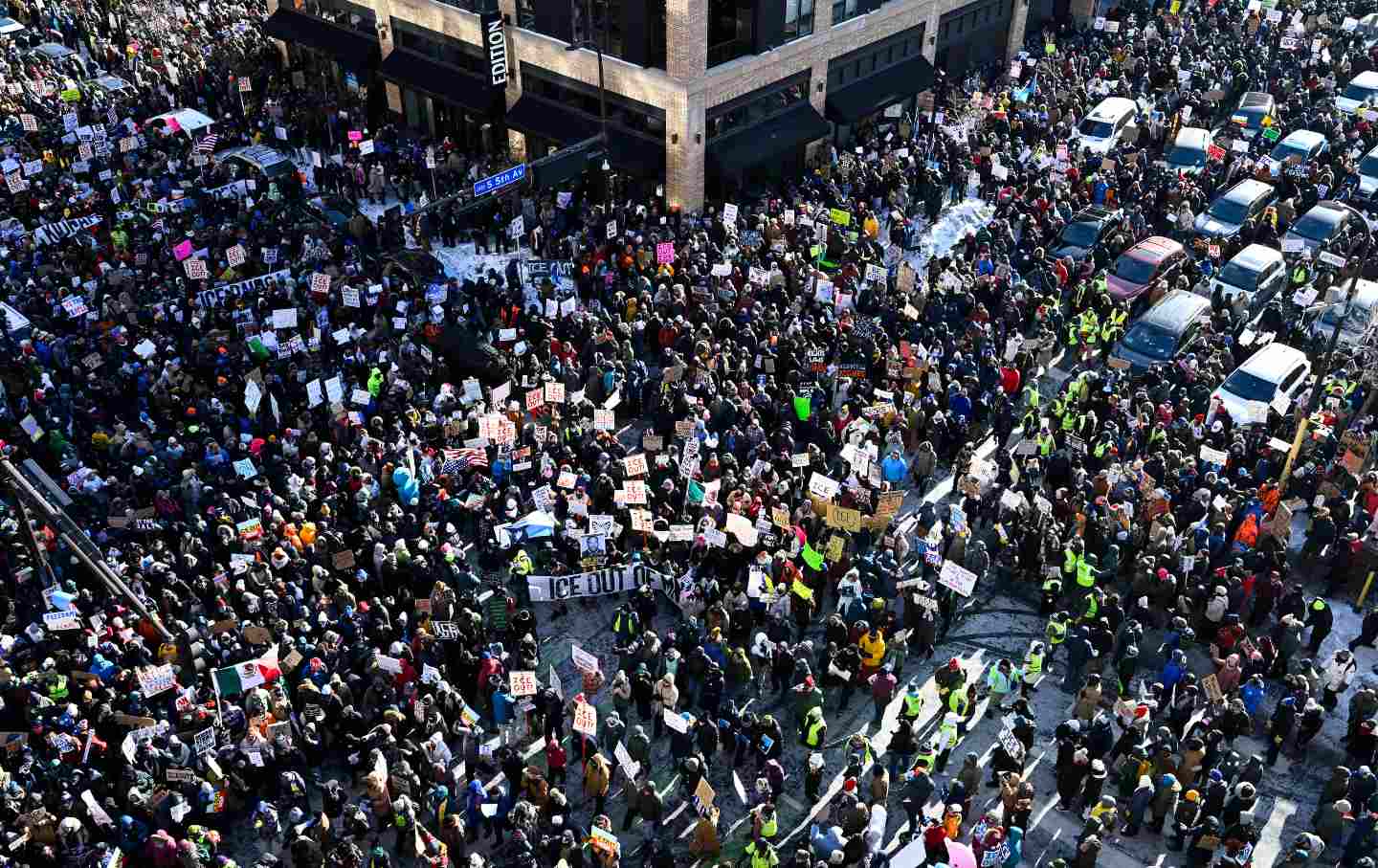
The Impossible Will Take a Little While: The Power of Persistence The Impossible Will Take a Little While: The Power of Persistence
In troubled times, history offers a lesson: Seemingly impossible change can begin with ordinary people who refuse to give up.
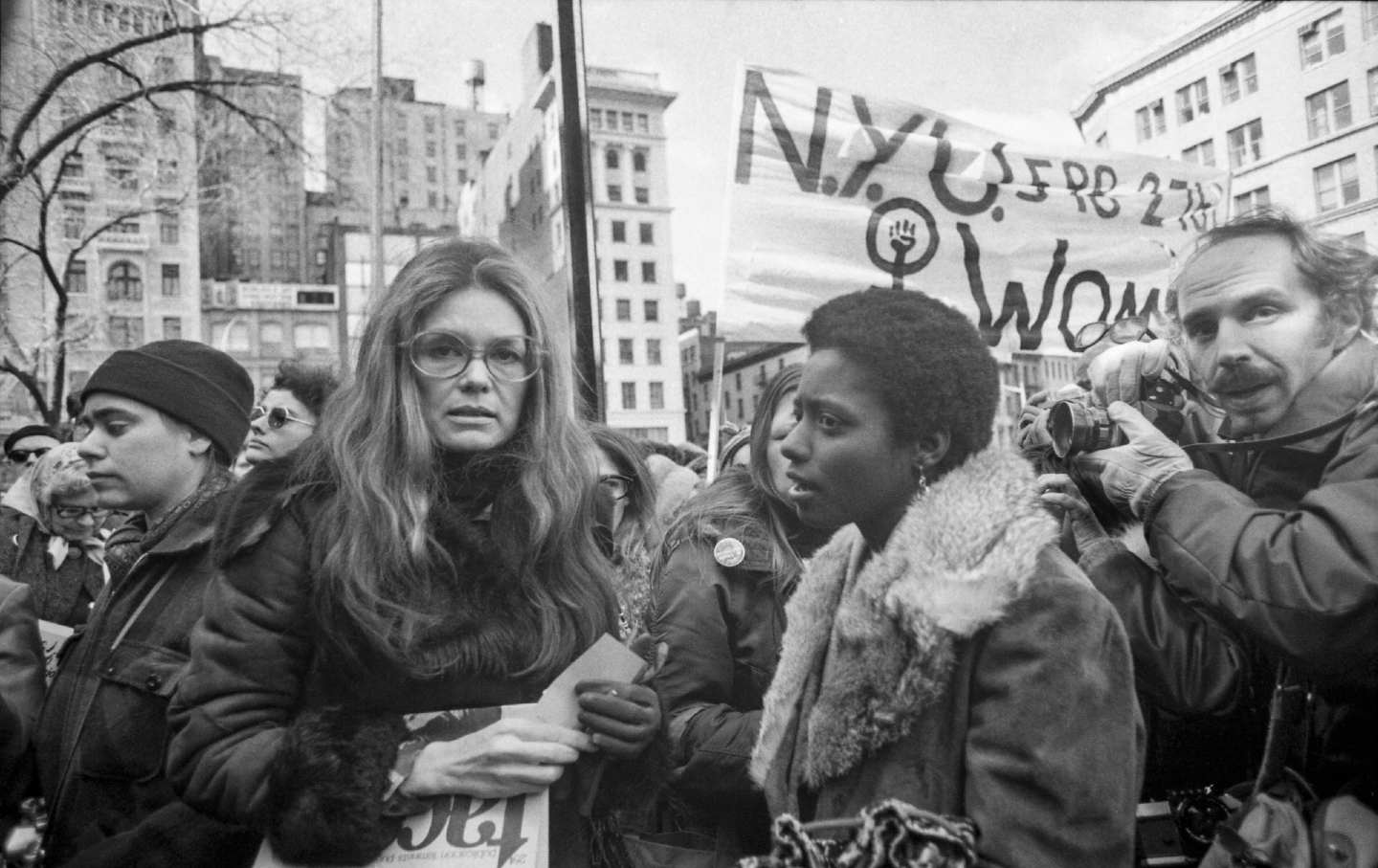
Gloria Steinem’s Many-Splendored Feminist Life Gloria Steinem’s Many-Splendored Feminist Life
The feminist icon lived the struggle for gender equality and always found time to lend support and solidarity to other women leaders, even in her final days.
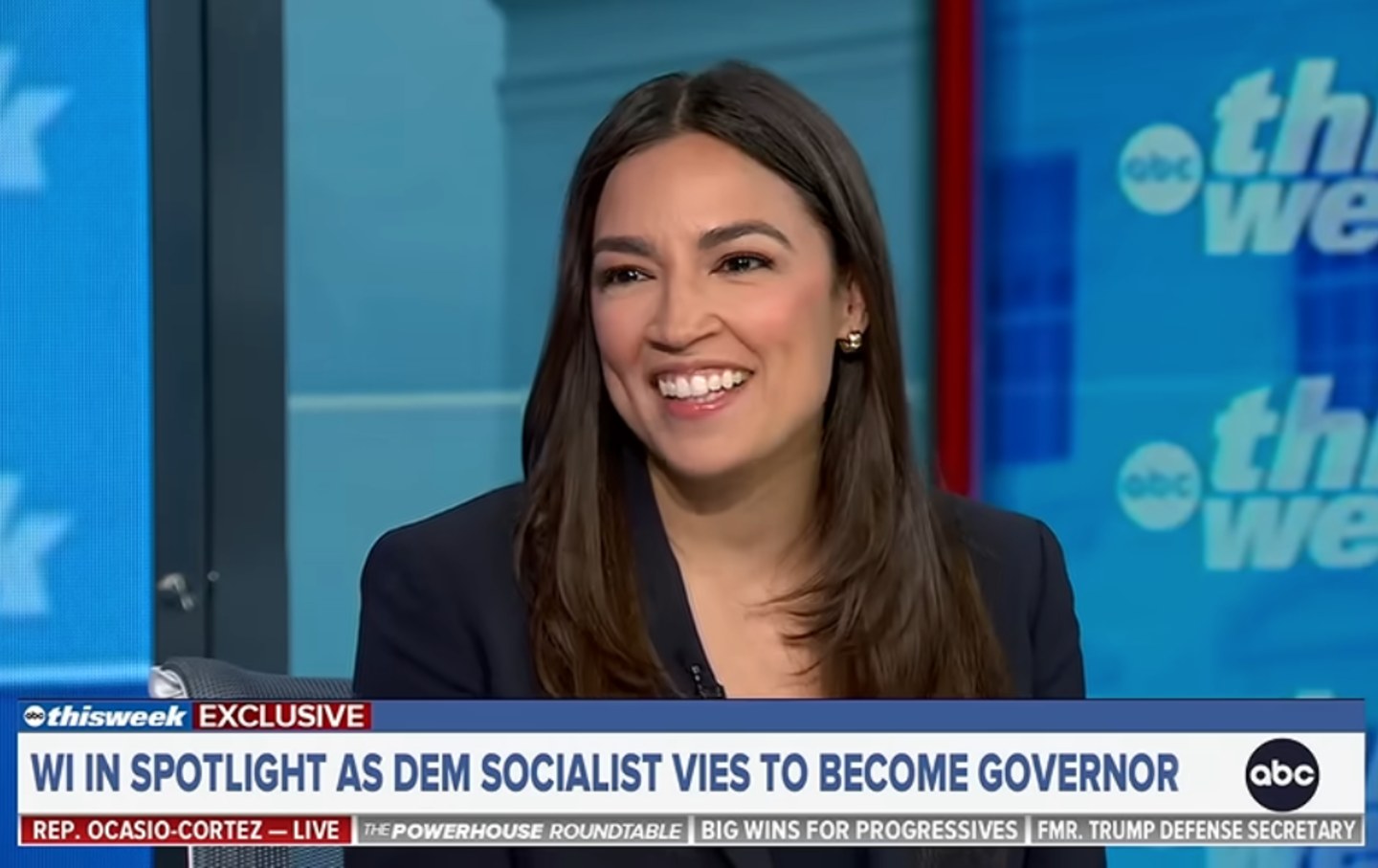
No, Woke 1 Was Not Crazy No, Woke 1 Was Not Crazy
AOC and others are laughing off 2020 as a wild, isolated moment. None of that is true.
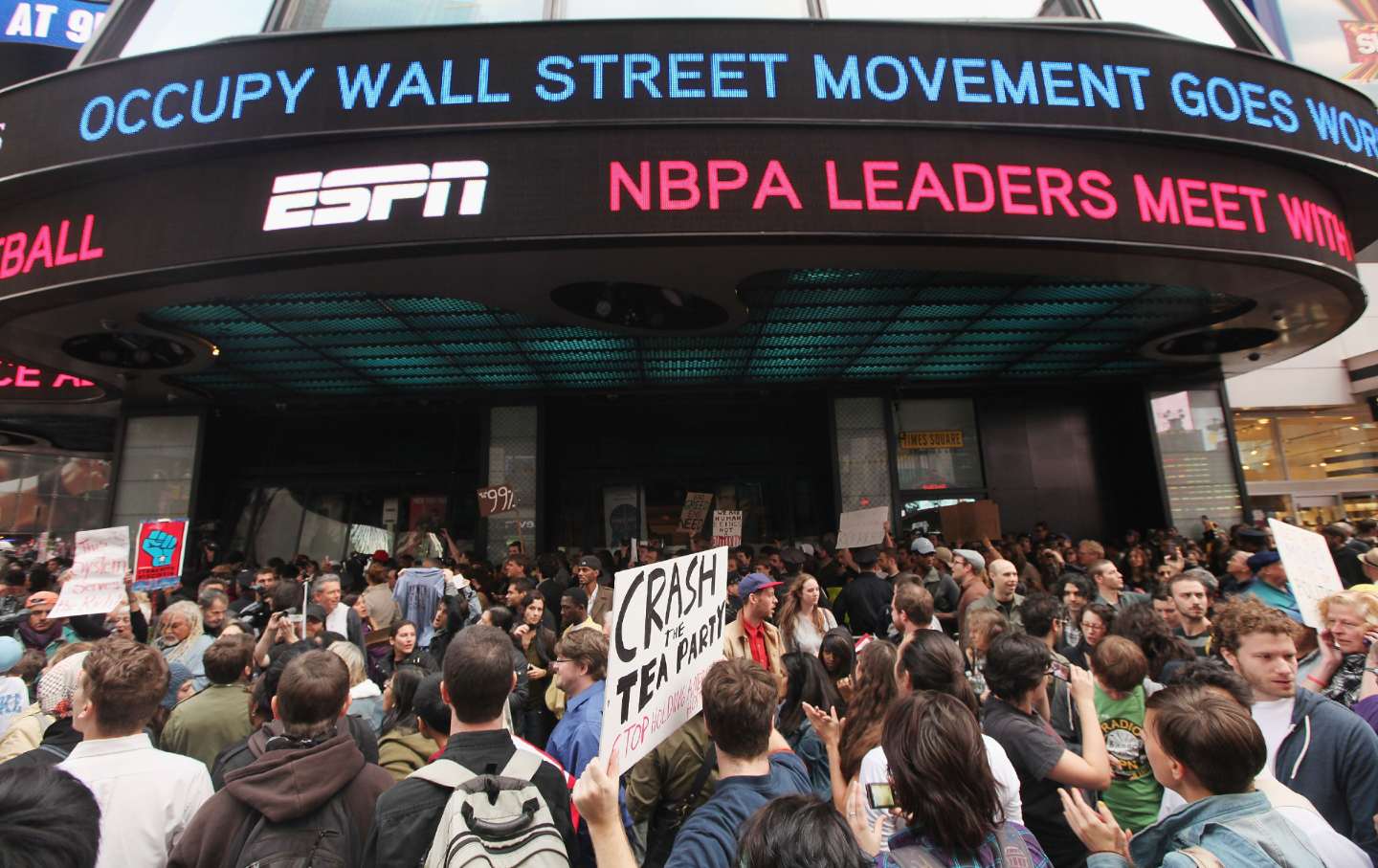
How Occupy Wall Street Still Explains Politics Today How Occupy Wall Street Still Explains Politics Today
It sowed the seeds for a new era of social movements—but its politics of powerlessness should act as a cautionary tale.
Abdul El-Sayed’s Win Is a Landmark. But the Fight Is Far From Over. Abdul El-Sayed’s Win Is a Landmark. But the Fight Is Far From Over.
Even though the Palestine movement is on the march, we can’t afford any complacency.
Mamdani’s Team Redefined Political Video. Now They’re Betting on Short Films. Mamdani’s Team Redefined Political Video. Now They’re Betting on Short Films.
Premiering exclusively in The Nation, a new short film produced by City Hall and narrated by Morgan Spector highlights the efforts of the biggest tenant-led union in New York City...

