Why Meatpacking Workers, Some Facing Deportation, Voted to Strike
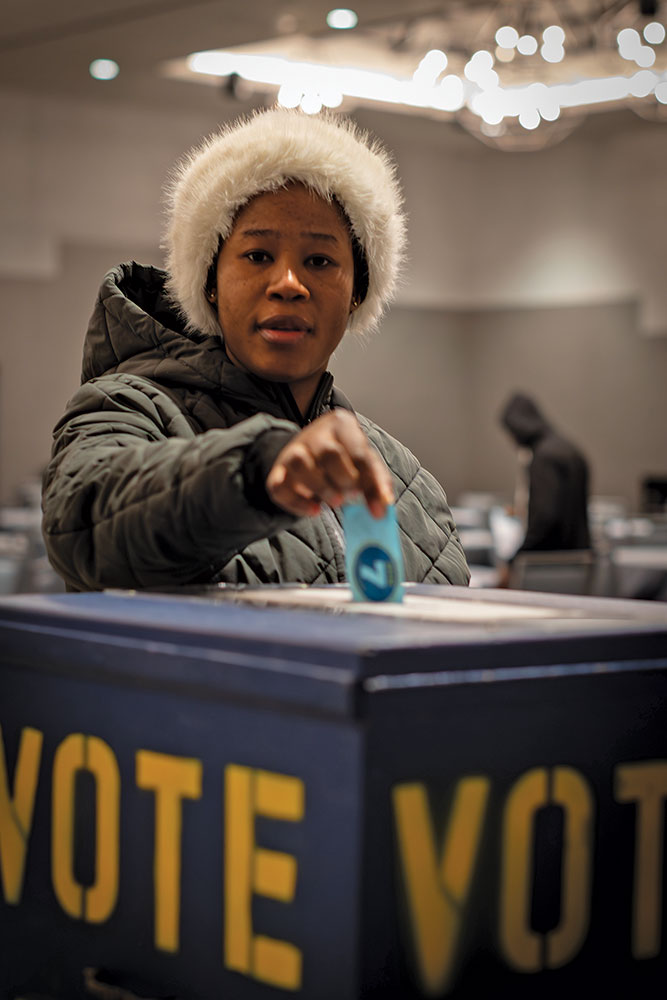
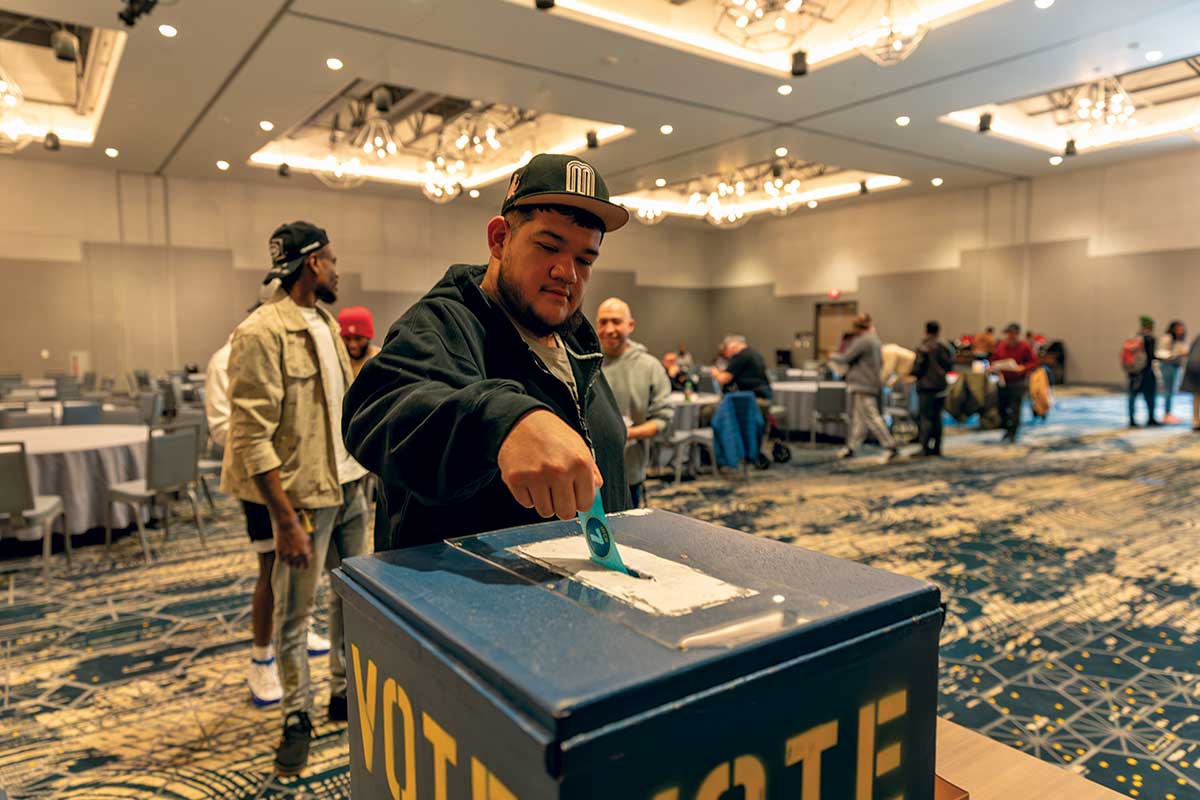
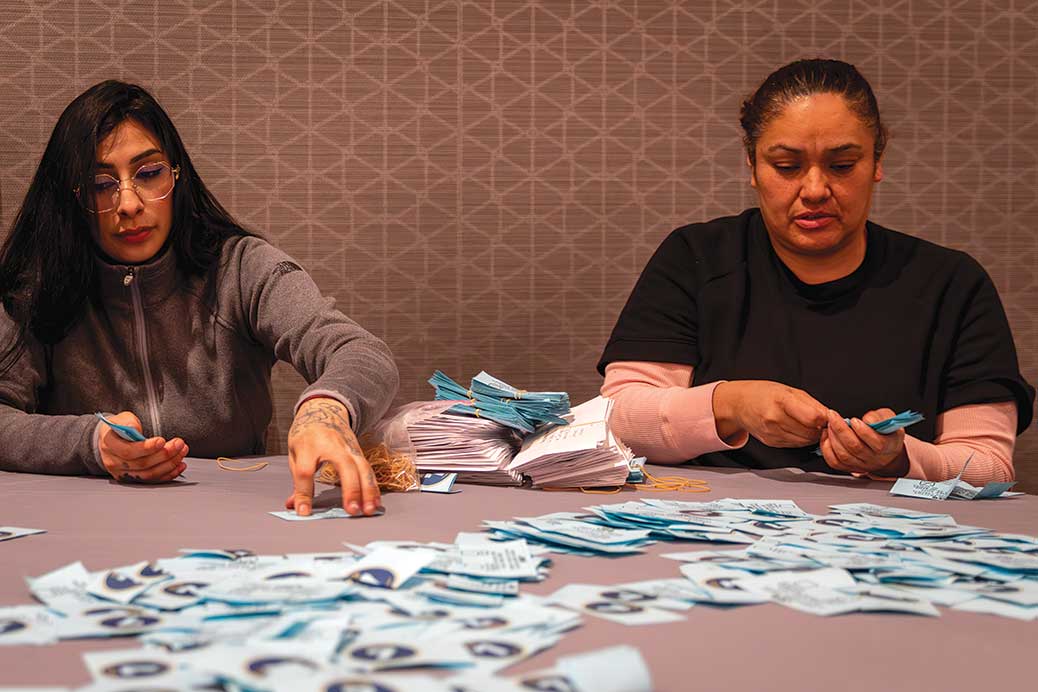
The workers at the JBS plant in Greeley, Colorado, voted overwhelmingly for a strike last month.
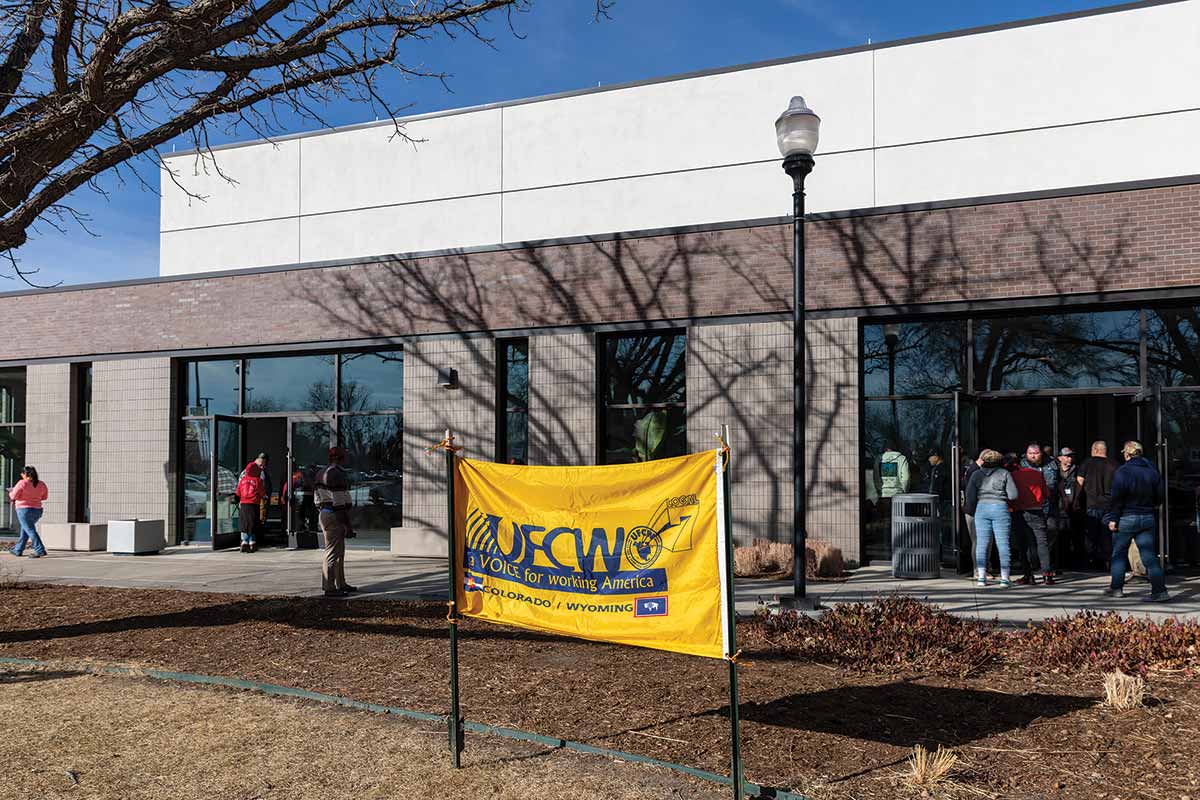
In early February, more than 1,000 Haitian migrants employed at the unionized JBS meatpacking plant in Greeley, Colorado, faced imminent deportation, as the Trump administration fought in federal court to revoke their temporary protected status. Many of the Haitians say they were brought to JBS as part of a human-trafficking scheme concocted by a supervisor in the company’s HR department. (A JBS spokesperson told me there was no evidence tying the company to the union’s claims.)
Among them is Carlos Saint Aubin, who fled from the gangs in Port-au-Prince to Brazil, where he began a harrowing journey on foot—across the Darien Gap between Panama and Colombia, north to the US border. He came to Colorado after seeing TikTok videos promising jobs and housing. Instead, he ended up among the hundreds of Haitians packed more than six to a room at a roadside motel after working long hours. Now Saint Aubin is one of the lead plaintiffs in a class-action lawsuit alleging that the Haitians on the evening shift there were forced to work as much as 50 percent faster than those on the daytime crew.
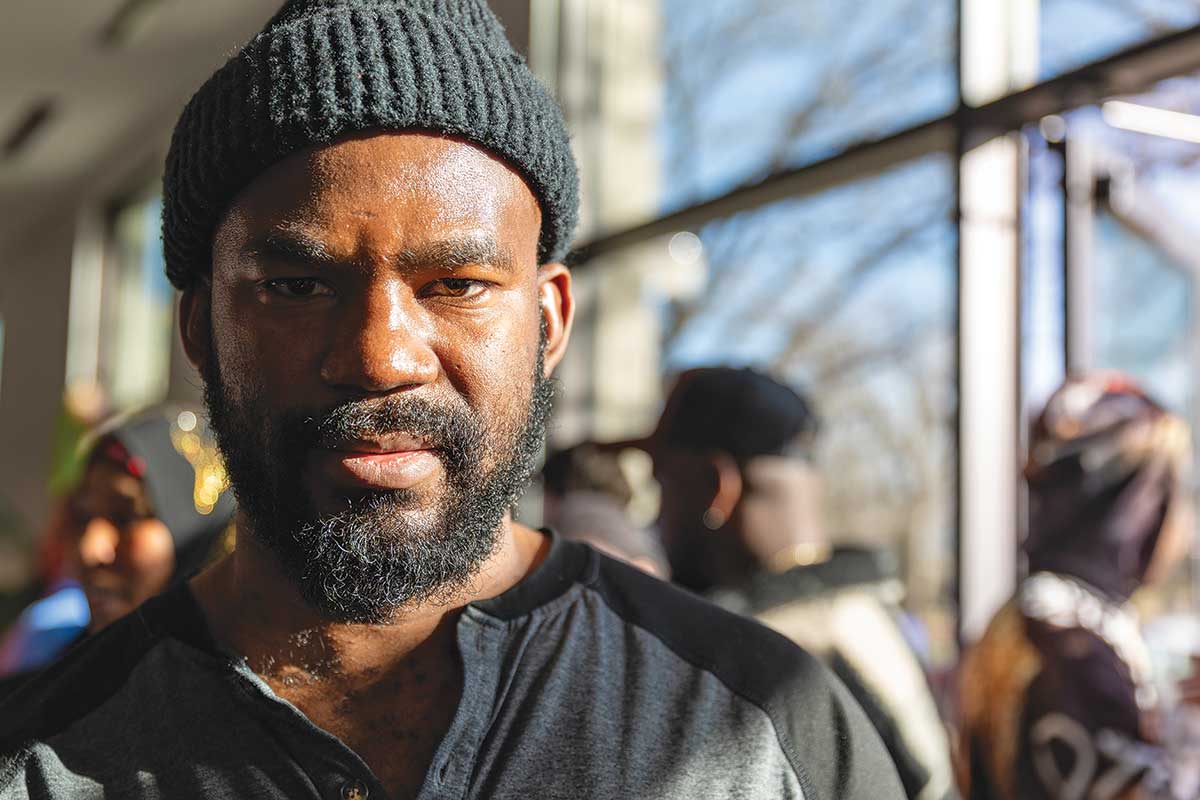
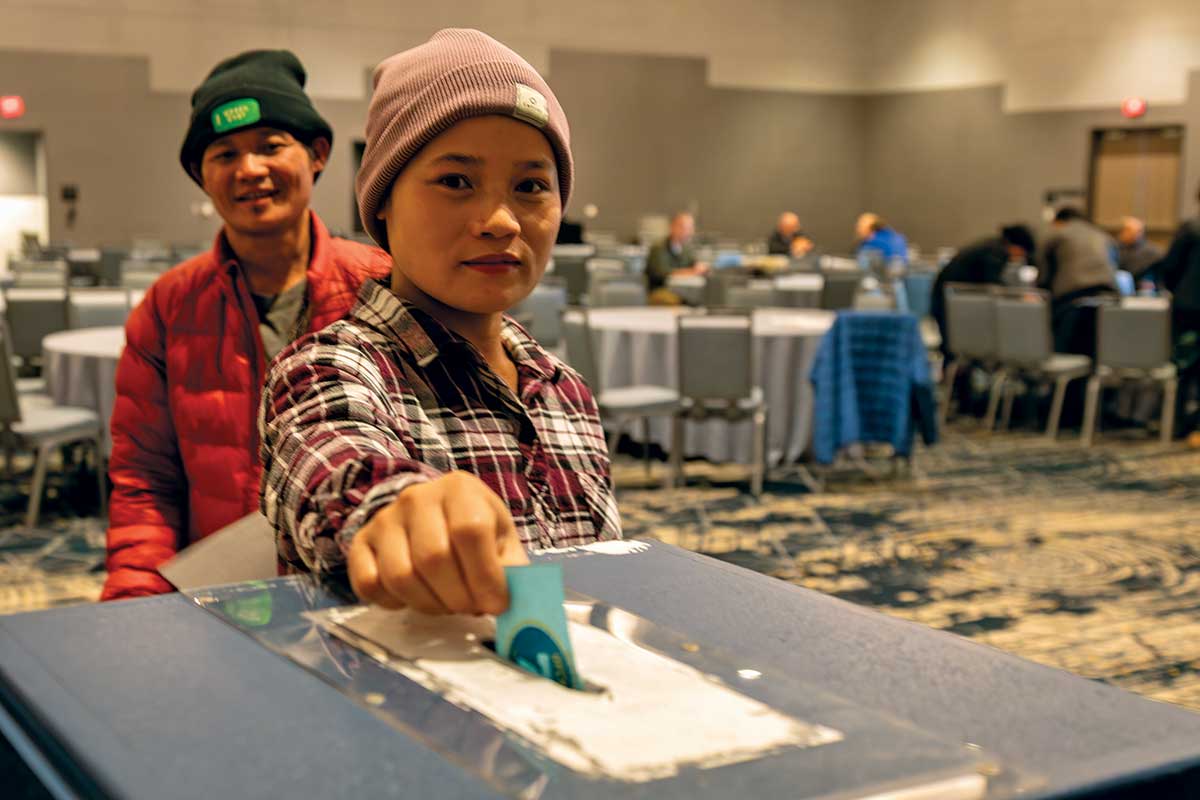
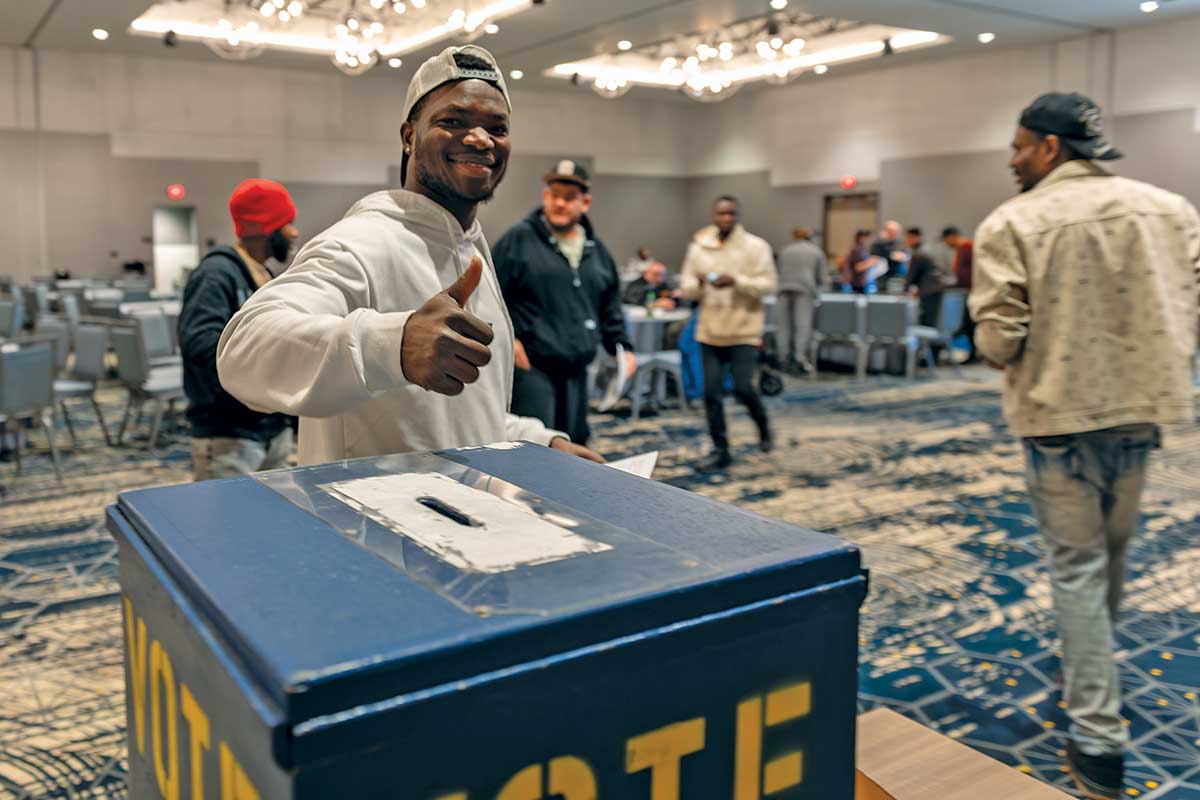
On February 4, less than 48 hours after a federal judge blocked their deportation, 99 percent of the United Food and Commercial Workers Union members at the facility voted to strike in what could become the first sanctioned walkout at a major meatpacking plant in decades. —Ted Genoways
Become a Sustaining Donor This September
Between the reemergence of right-wing red-baiting and Donald Trump’s use of the chilling National Security Presidential Memorandum–7 to criminalize left political organizing, we’re seeing McCarthyism reborn before our eyes.
This assault on democracy cannot be ignored or wished away. Resisting it requires bravery in the face of threats and repression, a steadfast commitment to the truth, and the unwavering belief that we can—and will—overcome this darkness.
We must have an independent media that sets the record straight, unearths corruption and abuses of power, and advances a politics of justice and dignity for all if we’re to win this fight.
That’s why I’m writing to you today. This September, The Nation needs to add 100 monthly donors to sustain our progressive journalism. Your contribution makes the next investigative report, the next truth-speaking column, and the next pathbreaking essay all possible.
I hope you’ll support our work with a recurring donation today. If you donate $10 or more a month, we’ll send you a brand new “Hands Off the Free Press!” sticker to recognise your commitment to our cause. Please, donate today.
Onward,
Katrina vanden Heuvel
Editor and Publisher, The Nation