
Memo to the Mayor: How You Can Accelerate the Development of Affordable Housing
Don’t just freeze the rent of rent-stabilized units. Don’t allow their demolition at all.
Dear Mayor Mamdani,
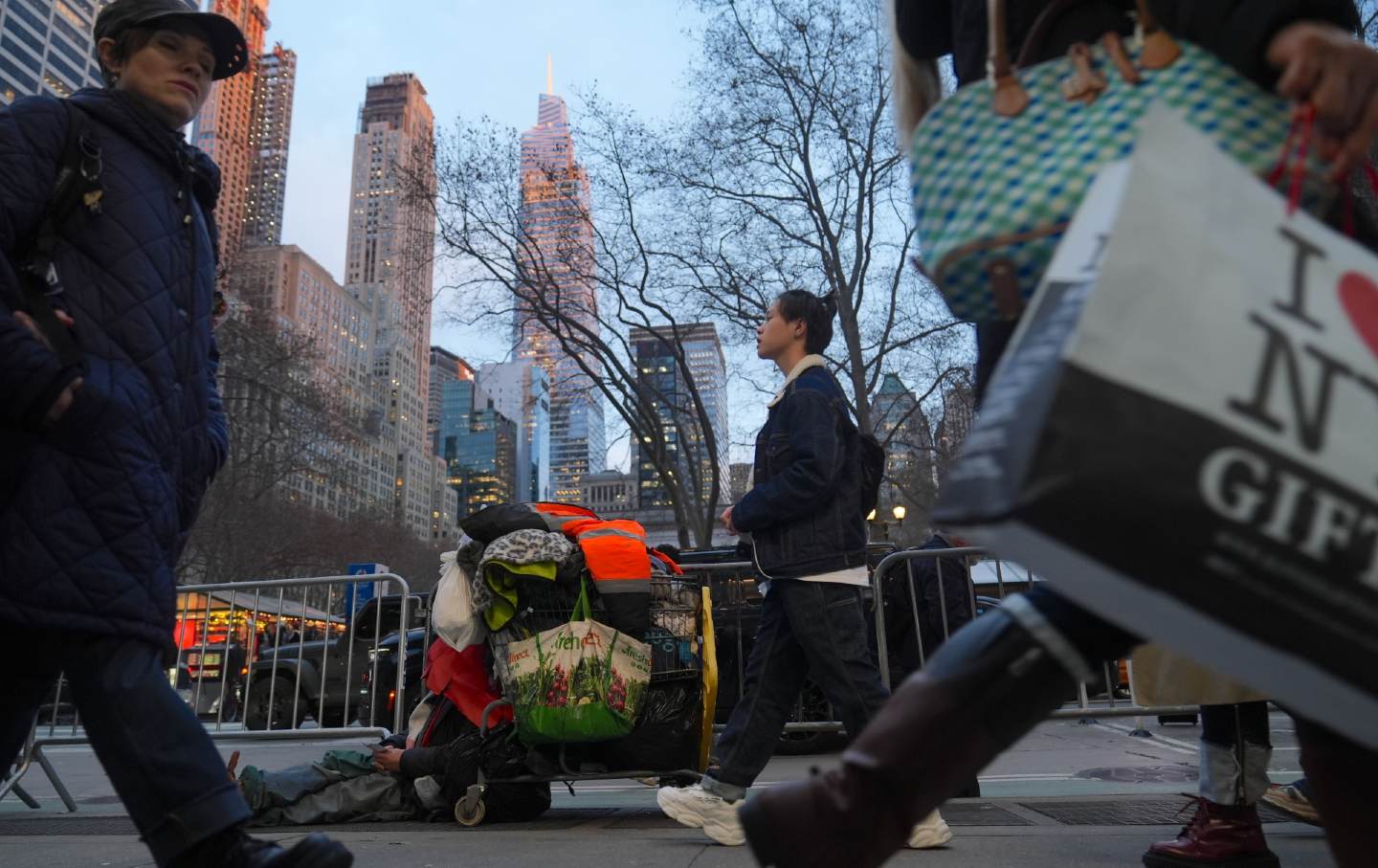
Congratulations on your win. Many New Yorkers are counting on you to accelerate the development of affordable housing. But what about saving from demolition the existing rent-stabilized units that are being torn down to make way for luxury housing? This is a little-recognized trend. You now have the opportunity to stop this serious and continuous loss.
The citywide Campaign for a Livable City,(I am a member) has been trying to call attention to this. The campaign includes affordable housing advocates, community organizers, parks defenders, historic preservationists. City Council members Gale Brewer (Upper West Side), Christopher Marte (Lower East Side) and Sandy Nurse (Brooklyn) also recognize this and are planning to confront it. Plans are in the works to submit a bill to the City Council to require developers to replace on site the same number of affordable housing units that they tear down. But this could take time to get through the council.
Instead, mayor-elect, you could have an immediate impact. Don’t just freeze the rent of rent-stabilized units; don’t allow their demolition at all. Require new apartment towers to contain the same number of affordable units on site that get torn down to make room for them. Require the rent to be comparable. That would, at least, stop the loss of existing affordable units while you do everything possible to build new affordable housing.
This hidden loss is happening all over the city, but it is not recognized. It already happened along Fourth Avenue in Brooklyn over the last decade. No one really noticed because no one was tracking the loss. Only one group, the FRIENDS of the Upper East Side Historic Districts in Upper Manhattan’s Yorkville, has been tracking this trend since 2007 and trying to publicize the most egregious losses. Historically, Yorkville was once the first home in this city for scores of immigrants. Now it is home to a great ethnic variety of working families and young career builders. For many of them, these onetime tenements, most often rent-stabilized, are their last chance to afford to stay in New York City. They are being driven out.
Yorkville happens to be where the most egregious examples exist. That Upper East Side neighborhood happens to have such a high concentration of these former tenements because of its history as a refuge for immigrants…
For example:
§ On Third Avenue and East 75th Street, 43 affordable units and four commercial units on the ground floor are being replaced by 38 high-end apartments in a new luxury building of unknown height, with no commercial units on the ground floor.
§ At 1045 Madison Avenue, 14 luxury units replaced four row houses with 13 affordable units and nine commercial tenants. The commercial spaces lost were occupied by small local businesses.
§ At 355 East 86th Street, an intact, pristine row of four-story upgraded redbrick tenements with street-level stores was demolished for a 23-story luxury high-rise with unknown number of luxury apartments, none affordable.
§ On the Upper West Side, 15 West 96th Street, a 321-foot tower with 21 expensive condos replaced three five-story townhouses with 30 rental units.
The occupants of these lost apartments are just the kind the city is losing to the suburbs or New Jersey. They have no choice.
Yorkville is just the poster child for this phenomenon. A 2020 study of affordable housing loss by George M. Janes & Associates of just Manhattan rent-stabilized units from 2007 to 2020 shows a net loss of 14,438 stabilized units on the Upper East Side and 11,127 stabilized units on the Upper West Side, the two highest among the community board study areas. But every Manhattan neighborhood showed a loss, with a total of 37,466 units net loss overall. No study has yet been made of the other boroughs. The recent Midtown South rezoning opens additional floodgates for this trend. The area is filled with distinguished old apartment buildings filled with stabilized units on locations now zoned for new luxury towers.
There is another economically and socially tragic loss in this trend. Small local businesses, some run by families for generations, are also falling under the wrecking ball. What replaces them, if anything, is always a national chain, not the local businesses that neighborhood residents depend on and that directly benefit the city’s economy, not the national one.
Developers argue that rent-stabilized buildings are not financially sustainable. But they come with all sorts of tax benefits and always seem to find a buyer. You know how many rent increases they have been awarded in recent years. It’s never enough, they say.
How does building multi-millionaire luxury apartments anywhere in the city address NYC’s affordable housing crisis? It doesn’t. Trickle down has never worked.
Popular
“swipe left below to view more authors”Swipe →On top of all this, publicly funded defense lawyers, desperately needed by dispossessed tenants, are highly underfunded by the city. The budget for them has been drastically cut under the current administration.
Become a Sustaining Donor This September
Between the reemergence of right-wing red-baiting and Donald Trump’s use of the chilling National Security Presidential Memorandum–7 to criminalize left political organizing, we’re seeing McCarthyism reborn before our eyes.
This assault on democracy cannot be ignored or wished away. Resisting it requires bravery in the face of threats and repression, a steadfast commitment to the truth, and the unwavering belief that we can—and will—overcome this darkness.
We must have an independent media that sets the record straight, unearths corruption and abuses of power, and advances a politics of justice and dignity for all if we’re to win this fight.
That’s why I’m writing to you today. This September, The Nation needs to add 100 monthly donors to sustain our progressive journalism. Your contribution makes the next investigative report, the next truth-speaking column, and the next pathbreaking essay all possible.
I hope you’ll support our work with a recurring donation today. If you donate $10 or more a month, we’ll send you a brand new “Hands Off the Free Press!” sticker to recognise your commitment to our cause. Please, donate today.
Onward,
Katrina vanden Heuvel
Editor and Publisher, The Nation
More from The Nation

CEOs Are Losing Control of AI CEOs Are Losing Control of AI
With no slowdown from Trump’s administration.

Gina Hinojosa: “We Flip Texas, and It’s Over” Gina Hinojosa: “We Flip Texas, and It’s Over”
Talking to Texas gubernatorial candidate Gina Hinojosa about what redistricting could mean and how a new generation of Democrats is speaking more directly to voters.
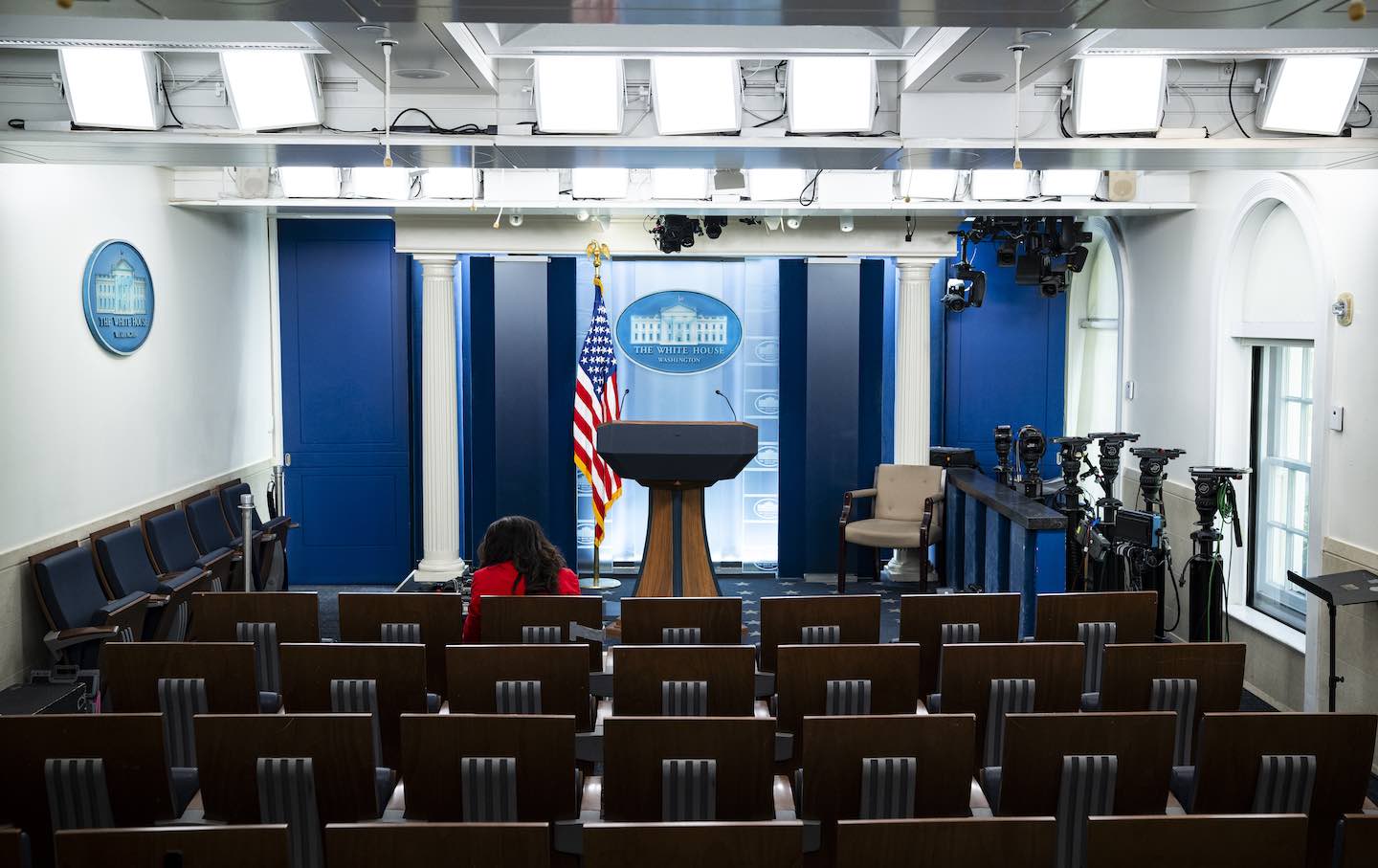
Trump Wants to Keep Journalists Out of the White House. He Should Get His Wish. Trump Wants to Keep Journalists Out of the White House. He Should Get His Wish.
The president has banned MS NOW, CNN, and Politico from attending press briefings. The rest of the media should respond with a boycott.

The GOP’s Incredible Shrinking Senate Map The GOP’s Incredible Shrinking Senate Map
Trump has so badly damaged the Republican Party’s brand that strategists are contemplating bitter fights—and losses—in races they’d been banking on as sure things.
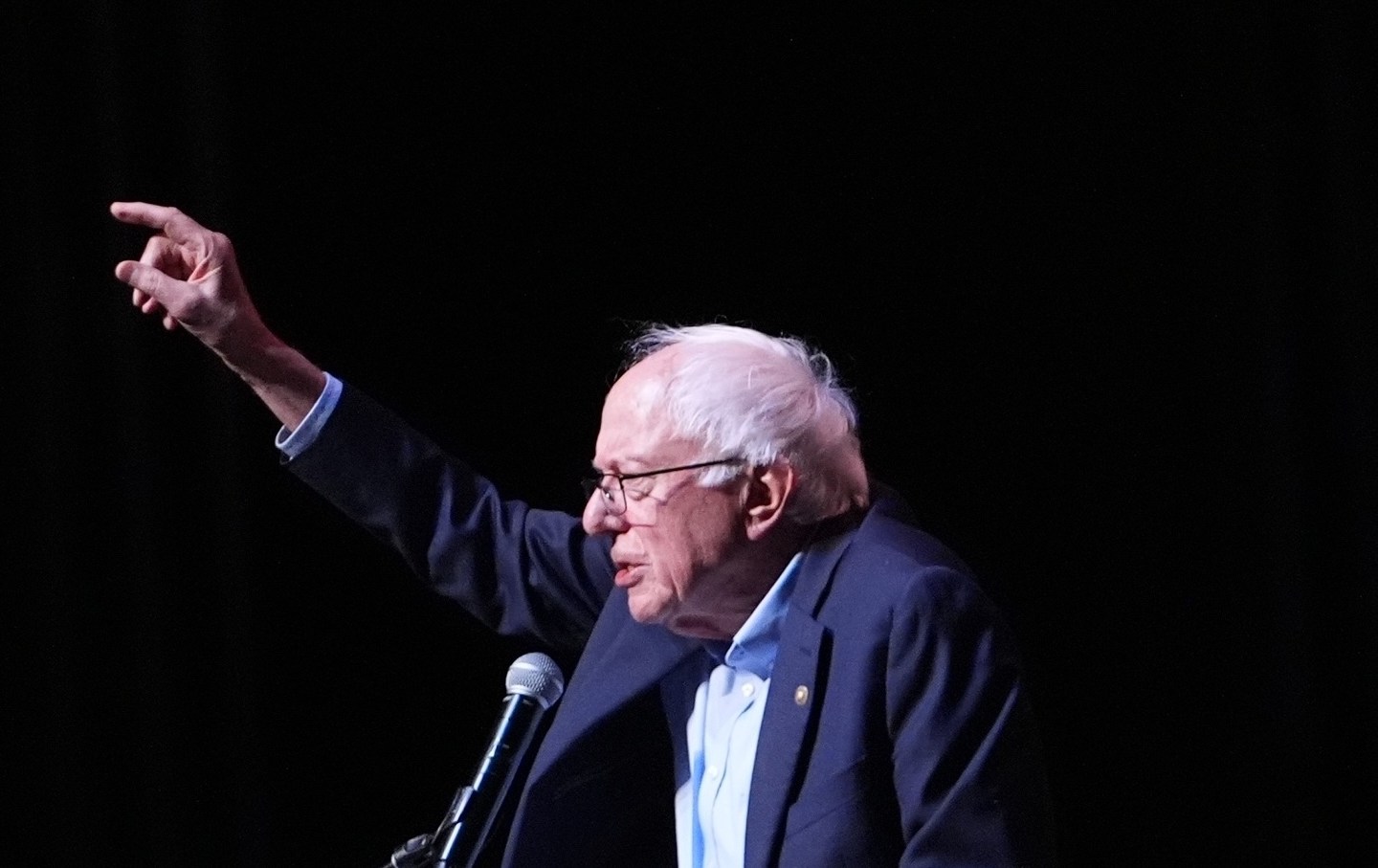
Bernie Sanders: “People Are Sick and Tired of the Status Quo. People Want Change” Bernie Sanders: “People Are Sick and Tired of the Status Quo. People Want Change”
Exclusive: Read the text of a major foreign-policy address delivered by the independent senator at Riverside Church.

Even Republicans Are Figuring Out That Pete Hegseth Is a Disaster Even Republicans Are Figuring Out That Pete Hegseth Is a Disaster
Hegseth was always a horrible choice for defense secretary. At long last, some in the GOP are admitting it.

