
Trump Could Soon Strip Student Loan Forgiveness From Millions of Borrowers
Changes to the Public Service Loan Forgiveness Program could deem organizations and governments “ineligible employers” if they don’t align themselves with the president’s agenda.
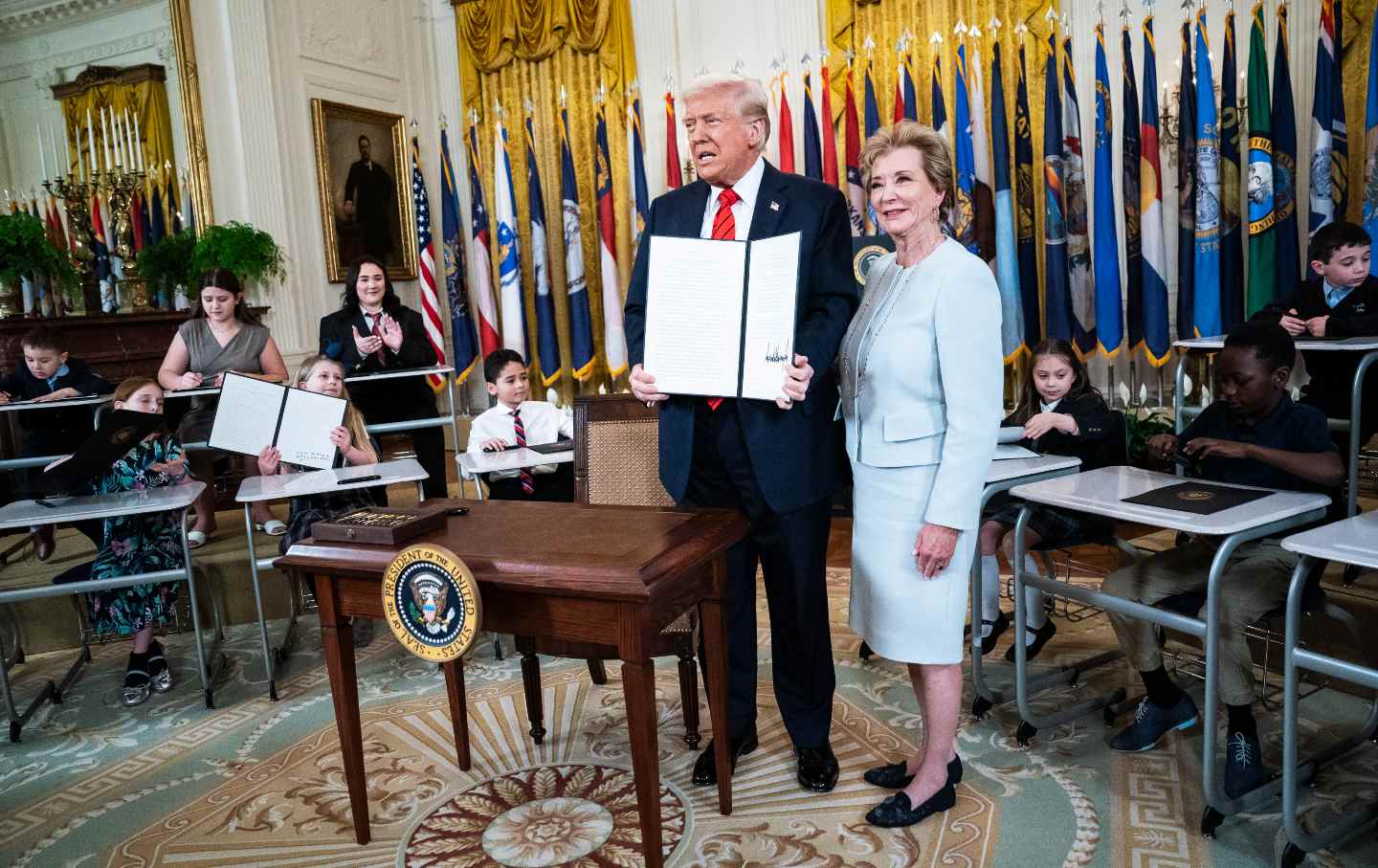
President Trump poses with Secretary of Education Linda McMahon after signing an executive order aimed at closing the Education Department.
(Jabin Botsford / Getty)The Public Service Loan Forgiveness Program was created 20 years ago with bipartisan support, originally designed to forgive any remaining balance on the student loans of borrowers who have made 120 on-time monthly payments while being employed in the public sector. This program offered substantial relief for employees of nonprofit organizations, alongside all forms of government including city, local, state, tribal, and federal government.
But access to the program may soon be stripped away from millions of Americans.
In March, the Trump Administration began its attempt to dismantle the Department of Education when they fired nearly half its staff, which has led to significant delays in Income-Driven Repayment applications. The latest target in the administration’s attempt to gut the department is the Public Service Loan Forgiveness Program.
On August 18, the department published its preliminary rule stating its proposed changes to the Public Service Loan Forgiveness Program, a result of the most recent Negotiated Rulemaking—or Neg Reg—session. Neg Reg is a consensus-based process that the federal government undertakes to modify regulations governing a federal department or office.
These new changes aim to deem organizations and governments as “ineligible employers” if they are not aligned with the Trump administration’s agenda. Countless employers would be labeled ineligible PSLF employers with no appeals process, leaving millions of borrowers to bear an avoidable financial burden.
According to the published preliminary rule, “in cases where an employer is deemed to have engaged in activities that breach federal or state law or established public policy, affected borrowers would no longer receive credit toward loan forgiveness for months worked after the effective date of ineligibility.”
Any organization or government that provides gender-affirming care or offers legal support to immigrants who do not have legal status, for example, could be ineligible employers under PSLF, and their employees will stop accruing those credits. This political tantrum threatens to penalize organizations—as well as state and local governments—that serve and protect these marginalized groups.
These dangerous regulatory changes will lead to politically targeted punishments, with entire state and city governments made ineligible for PSLF. California, for example, is a sanctuary state and protects all residents including immigrants and LGBTQIA+ community members. The new cost of being a sanctuary state would make California an “ineligible employer” and would impact all state workers—from legislative staff to the State Parks Department.
To further put this into perspective, organizations must have an Employer Identification Number through the Internal Revenue Service in order to hire employees and for tax purposes, and the rule would make certain EINs ineligible employers for PSLF. For example, if you work for a hospital that provides gender-affirming care, the EIN would be marked as ineligible for PSLF for all employees—regardless of whether you work as a healthcare professional, administrative assistant, part of a cleaning crew, etc. Many organizations have one EIN for multiple organizations housed under them, and if one organization is conducting activities that would deem them ineligible, the other organizations would be too.
Cities like New York, Chicago, Los Angeles, and Denver have already faced lawsuits for their sanctuary city status from the Justice Department, and this Neg Reg process is part of a series of political attacks on these Democratic-run cities, along with education access as a whole.
Such as the Coalition for Humane Immigrant Rights and Union Del Barrio (both supporters of immigrant rights and based in Los Angeles) have been under fire by the Trump administration for leading successful “Know Your Rights” campaigns during the Immigration and Customs Enforcement raids this year, and will most likely be deemed ineligible employers for PSLF.
Without PSLF, borrowers will be pushed into the private sector in order to pay off their student loans, leading to a looming shortage of professionals in the public sector. Those with high-cost degrees such as lawyers or healthcare professionals will now have to explore alternative ways to manage their student loan debt. With anti-intellectualism on the rise alongside disinformation and propaganda, this regulation could dissuade future students from attending college, as many aspire to attain a degree with the promise of PSLF.
Popular
“swipe left below to view more authors”Swipe →But there is still time to prevent this from happening. The Department of Education is currently accepting public comments until Wednesday, September 17, 2025, at 11:59 pm ET. By submitting a unique public comment, it’s possible to prevent this vital program from being stripped away for millions of public service workers, and protect it for generations to come. Submitting a public comment is simple, and the committee that oversees these rules must read every comment submitted. And if you have student loans and need additional help, you can also join the Student Debt Crisis Center for a student loan workshop covering federal programs, repayment options, as well as the latest updates to repayment plans.
These politically motivated PSLF changes are not beneficial to anyone. Many public service professionals already receive low pay, and removing access to PSLF leaves them facing more financial uncertainty. Without PSLF, there will be nurses, counselors, doctors, legal professionals, teachers, friends, neighbors, and family members who will no longer have their student loan debt forgiven after dedicating their careers to helping those in need. We should not gamble with their livelihoods.
Become a Sustaining Donor This September
Between the reemergence of right-wing red-baiting and Donald Trump’s use of the chilling National Security Presidential Memorandum–7 to criminalize left political organizing, we’re seeing McCarthyism reborn before our eyes.
This assault on democracy cannot be ignored or wished away. Resisting it requires bravery in the face of threats and repression, a steadfast commitment to the truth, and the unwavering belief that we can—and will—overcome this darkness.
We must have an independent media that sets the record straight, unearths corruption and abuses of power, and advances a politics of justice and dignity for all if we’re to win this fight.
That’s why I’m writing to you today. This September, The Nation needs to add 100 monthly donors to sustain our progressive journalism. Your contribution makes the next investigative report, the next truth-speaking column, and the next pathbreaking essay all possible.
I hope you’ll support our work with a recurring donation today. If you donate $10 or more a month, we’ll send you a brand new “Hands Off the Free Press!” sticker to recognise your commitment to our cause. Please, donate today.
Onward,
Katrina vanden Heuvel
Editor and Publisher, The Nation
More from The Nation
Zohran Mamdani Hosts the World Zohran Mamdani Hosts the World
In a meeting with mayors from around the globe, Mamdani argued that the left must fix everyday problems—or the right will find someone to scapegoat for them.

Is There Any Good News Left? Is There Any Good News Left?
Despite what our algorithms suggest, there’s still news worth celebrating.
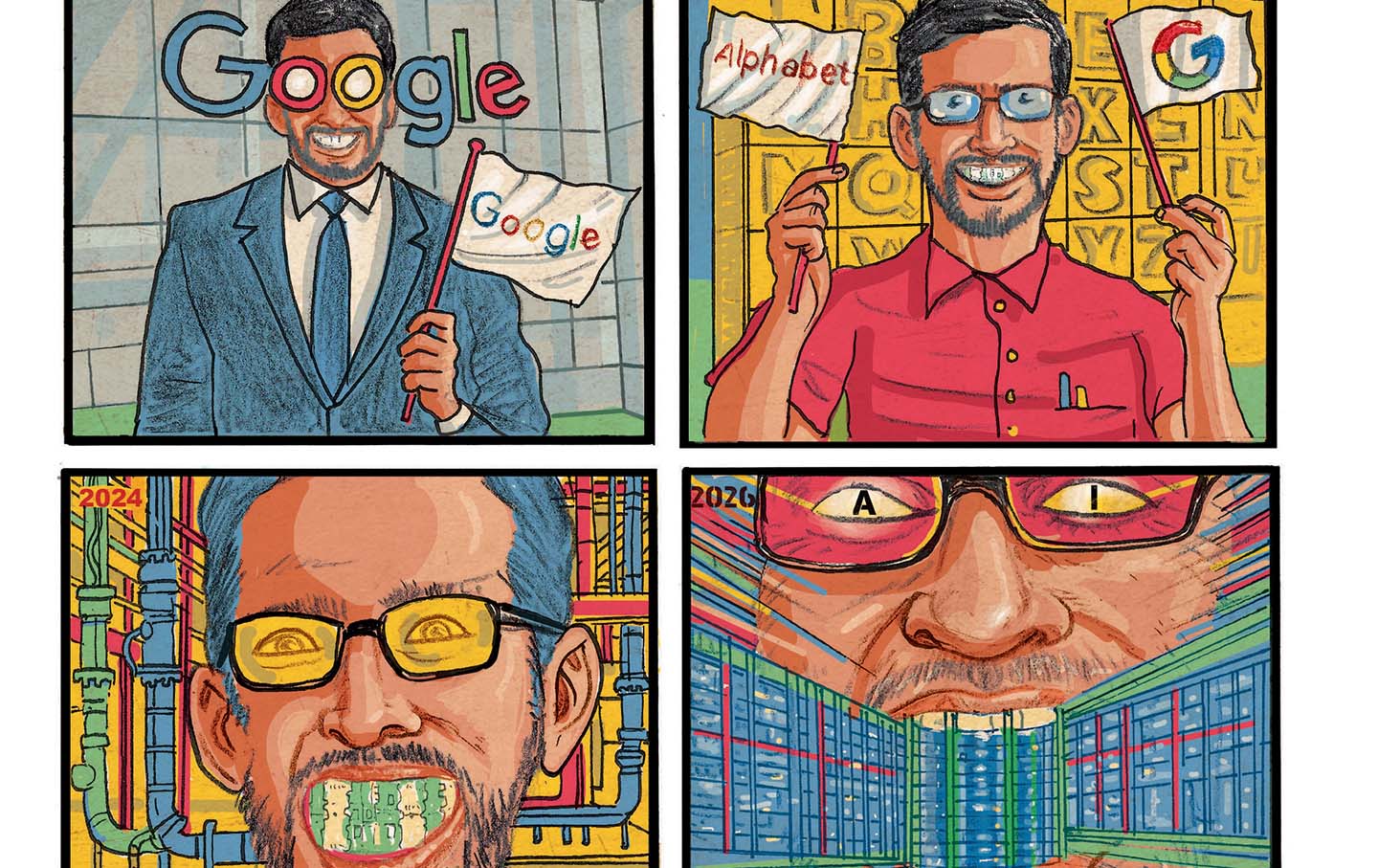
CEOs Are Losing Control of AI CEOs Are Losing Control of AI
With no slowdown from Trump’s administration.
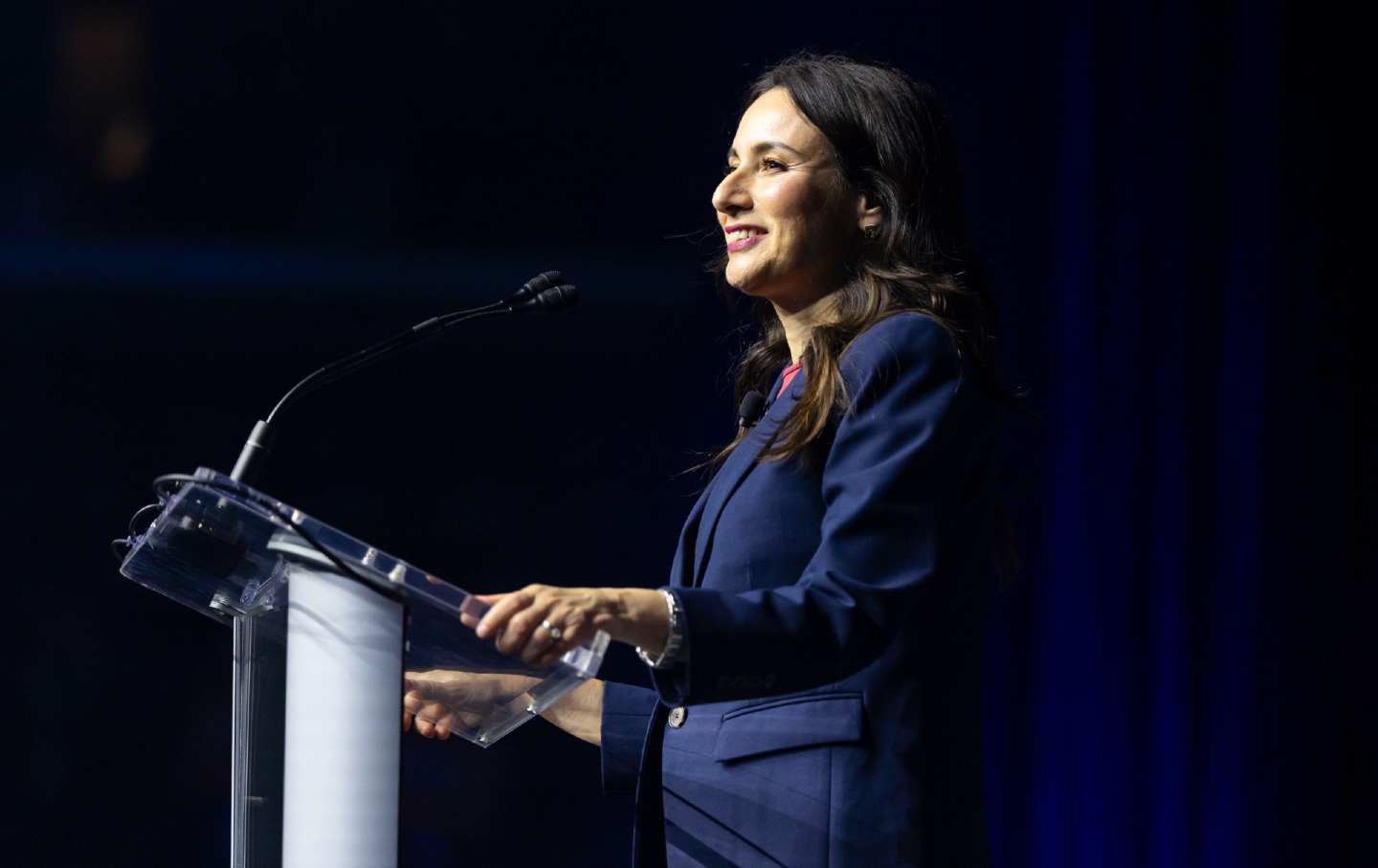
Gina Hinojosa: “We Flip Texas, and It’s Over” Gina Hinojosa: “We Flip Texas, and It’s Over”
Talking to Texas gubernatorial candidate Gina Hinojosa about what redistricting could mean and how a new generation of Democrats is speaking more directly to voters.
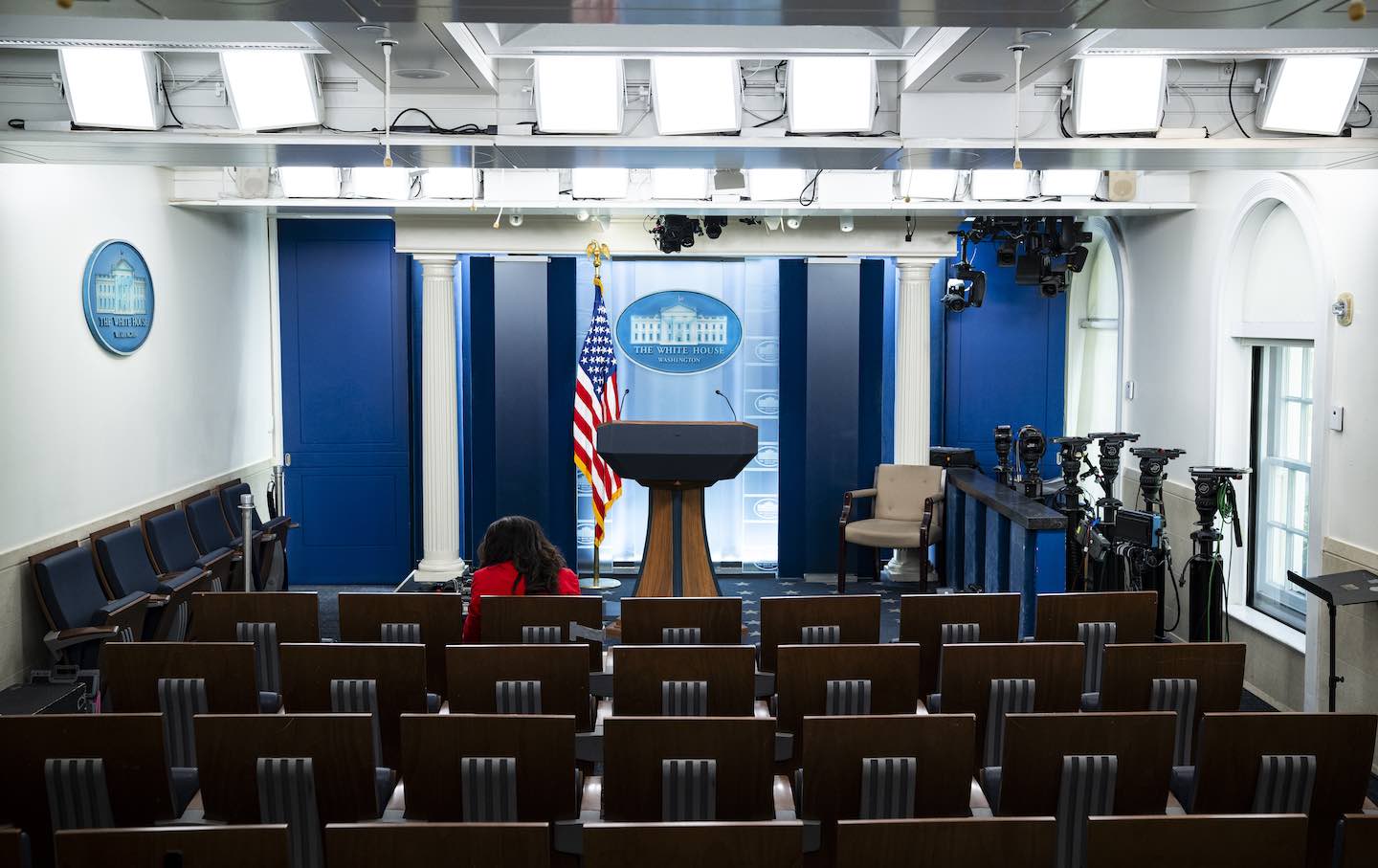
Trump Wants to Keep Journalists Out of the White House. He Should Get His Wish. Trump Wants to Keep Journalists Out of the White House. He Should Get His Wish.
The president has banned MS NOW, CNN, and Politico from attending press briefings. The rest of the media should respond with a boycott.

