
Is Kamala Harris’s Media Strategy Working?
Last night’s interview with MSNBC showed that Harris doesn’t have to choose a hostile anchor for an interview in which the public hears tough questions and fleshed-out answers.
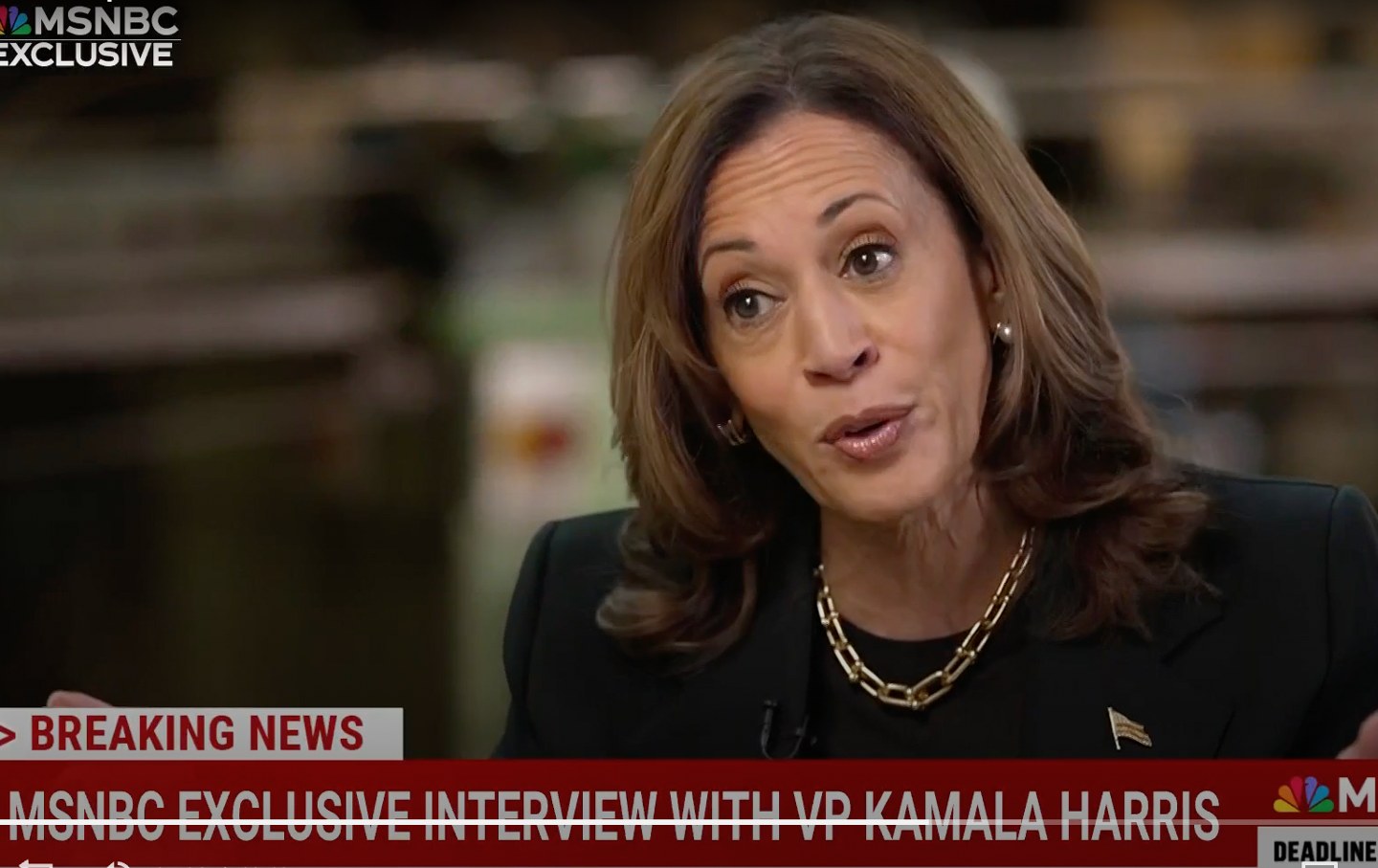
Vice President Kamala Harris interviewed by Stephanie Ruhle on MSNBC on September 25.
(MSNBC)
To cynics, Vice President Kamala Harris rewarded MSNBC anchor Stephanie Ruhle with a 25-minute interview—her first solo since winning the presidential nomination—after Ruhle feistily sparred with conservative New York Times columnist Bret Stephens over his unreadable, trolling column, “What Harris Must Do to Win Over Skeptics (Like Me).” An alleged Never Trumper, Stephens nonetheless insisted that the vice president hasn’t proven her mettle. The column peppered her with foreign policy theoreticals from the Houthis to Ukraine, and called the answers she’d given in prior interviews “canned phrases” and “lighter than air.”
And while Harris cites her genuine middle-class roots, her single mother’s financial struggles, and a college job at McDonalds, as she touts her multifaceted “economic opportunity agenda,” Stephens falls back on hackneyed stereotypes: “Does Harris have anything to offer disaffected voters, or does she merely embody the elitist perspective that they despise?” If Stephens can’t answer that, he’s as ignorant as so-called “disaffected voters.”
So Ruhle called him out. “Kamala Harris is not running for perfect,” she responded on HBO’s Real Time with Bill Maher. “We have two choices. And so there are some things you might not know her answer to, and in 2024, unlike 2016, for a lot of the American people, we know exactly what Trump will do, who he is, and the kind of threat he is to democracy.”
She went on: “When you move to Nirvana, give me your real estate broker’s number, and I’ll be your next-door neighbor. We don’t live there.”
Critics interpreted Ruhle’s comments as denying Stephens’s assertion that Harris must sit for more mainstream media interviews, but I didn’t hear it that way. I heard the frustration of somebody who (like me!) feels that Harris’s political views are well-established, her platform easily accessible, her foreign policy chops genuine (if still unsatisfying on the question of Israel/Palestine). People like Stephens are clamoring for a “gotcha” interview that will prove their priors: that Harris is a lightweight, the triumph of so called “identity politics.” (They also resent that Harris is giving time to podcasts and small-market journalists, and that she seems impervious to the former glory of The New York Times.)
Anyway, Ruhle proved she was all for Harris doing more mainstream interviews when she sat down in Pittsburgh with her Tuesday night, after the vice president had more fully fleshed out her “economic opportunity agenda” with a widely praised speech that afternoon. The anchor made clear early on that it wasn’t going to be a softball interview, pressing Harris on why so many Americans still prefer Trump to handle the economy. When Harris parried with “Trump left us with the worst economy since the Great Depression,” Ruhle interjected to blame the pandemic, though Trump’s handling of the crisis worsened its economic effects. For a while I was afraid MSNBC’s economics wonk was bending over backward to prove her critics wrong, but after a few minutes she settled in and let Harris talk.
“Not everyone gets handed stuff on a silver platter. My vision for the economy—I call it an opportunity economy—is about making sure that all Americans, wherever they start, wherever they are, have the ability to actually achieve those dreams and those ambitions,” Harris said. Ruhle asked Harris if it was really true that she’d worked in McDonalds, which led to the two women singing the old Big Mac jingle, which was hokey but cute. Harris spoke passionately about the importance of that work—but also the unfairness of the fact that she was doing it as a college student, while her coworkers were trying to support families on a minimal wage.
When Ruhle suggested that Harris’s ambitious economic plans—a $6,000 tax credit for new parents, $25,000 in assistance for first-time homebuyers, a $50,000 tax credit to start a new business—couldn’t be paid for without corporate tax hikes, which might not fly if Democrats can’t hold the Senate, Harris got almost indignant.
“Well, but we’re going to have to raise corporate taxes. And we’re going to have to raise—we’re going to have to make sure that the biggest corporations and billionaires pay their fair share…. I am not mad at anyone for achieving success, but everyone should pay their fair share. And it is not right that the teachers and the firefighters that I meet every day across our country are paying a higher tax [rate] than the richest people in our country.”
“Bill Gates just said it this week,” Ruhle acknowledged. “If he was in charge of taxes, he would have paid more.”
Harris was similarly assertive when Ruhle asked about her promise to combat “price gouging without implementing price controls.”
“So, just to be very frank,” she replied. “I am never going to apologize for going after companies and corporations that take advantage of the desperation of the American people.” Here she talked about her work as California attorney general, taking on companies that profiteered off crises like “extreme weather events.” She did not get into the weeds of exactly how she did that or what she would do on that front now.
Ruhle closed by asking Harris about Donald Trump’s recent deranged comment that he would be the “protector” of women. “Donald Trump is also the person who said women should be punished for exercising a decision that they rightly should be able to make about their own body and their future…. And now in, state after state, you see laws being passed that do punish women…. I don’t think the women of America need him to say he’s going to protect them. The women of America need him to trust them.”
The night proved to me that Harris doesn’t have to choose an openly hostile anchor or reporter for an interview in order for the public to wind up hearing some tough questions and some fleshed-out answers. On the same day as the MSNBC interview, Harris appeared on the NBA basketball podcast All The Smoke, hosted by former Golden State Warriors stars (Harris has long been a Warriors fan). Her conversation with three reporters from the National Association of Black Journalists was substantive and at times tense (especially over Gaza). The Democrat-aligned polling firm Blueprint found that six of 10 viewers who saw clips of Harris’s CNN and local interviews liked them and felt they’d gotten to know her better. Harris should tune out the Bret Stephenses of the world, and keep on with her media strategy.
Popular
“swipe left below to view more authors”Swipe →But for a different and entirely different take on the interview, here’s Reid Epstein in, yes, The New York Times.
More from The Nation
The White Man Can Always Take What You Have The White Man Can Always Take What You Have
In this week's Elie v. US, our justice correspondent breaks down the real message of the attacks on Ilhan Omar. Plus: the anti-trans case that will come for us all.

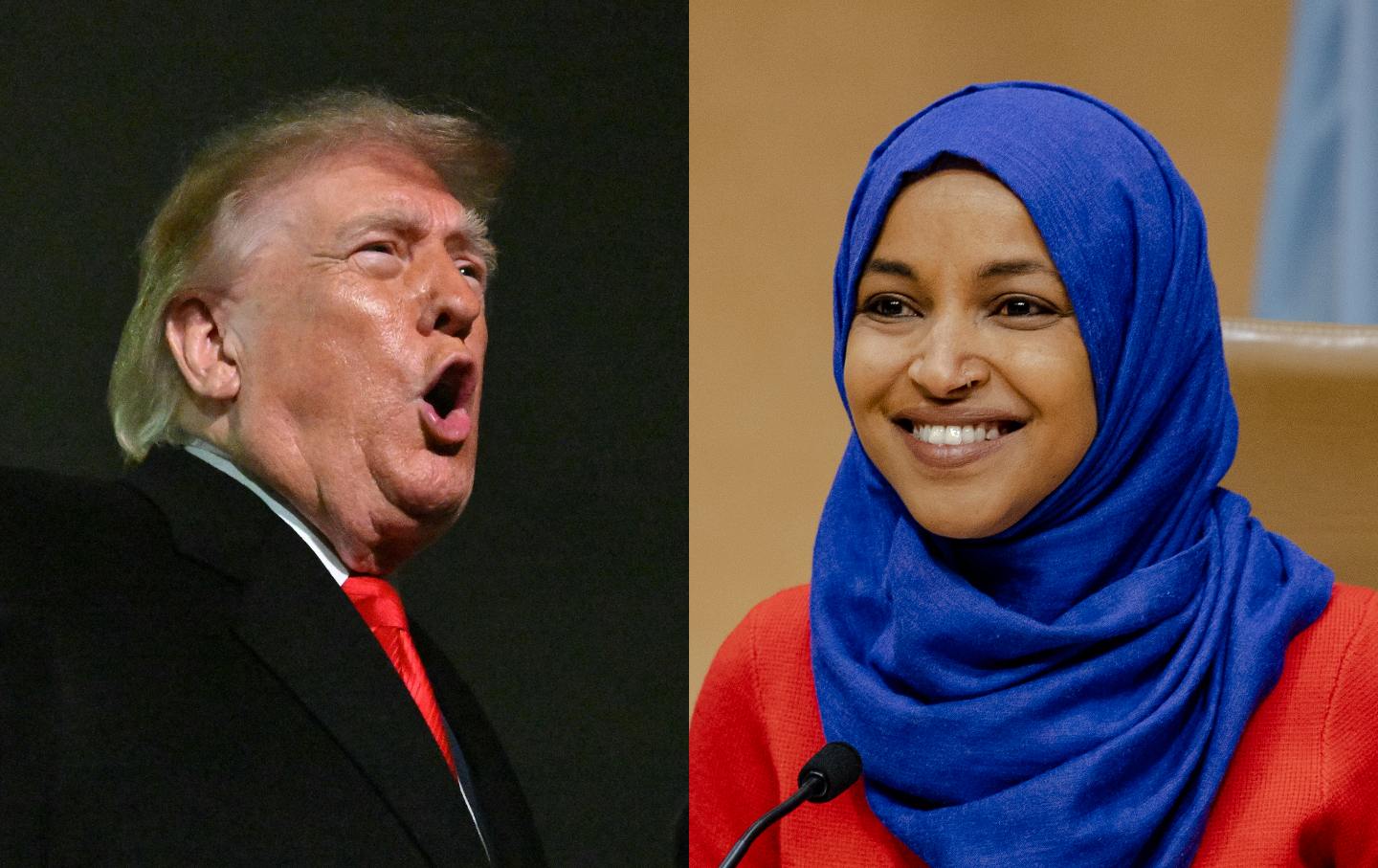
Where Is the Outrage Over Trump’s Racist Targeting of Ilhan Omar? Where Is the Outrage Over Trump’s Racist Targeting of Ilhan Omar?
The establishment press and some Democrats are strangely mute over the president’s flagrant abuse of the legal system.
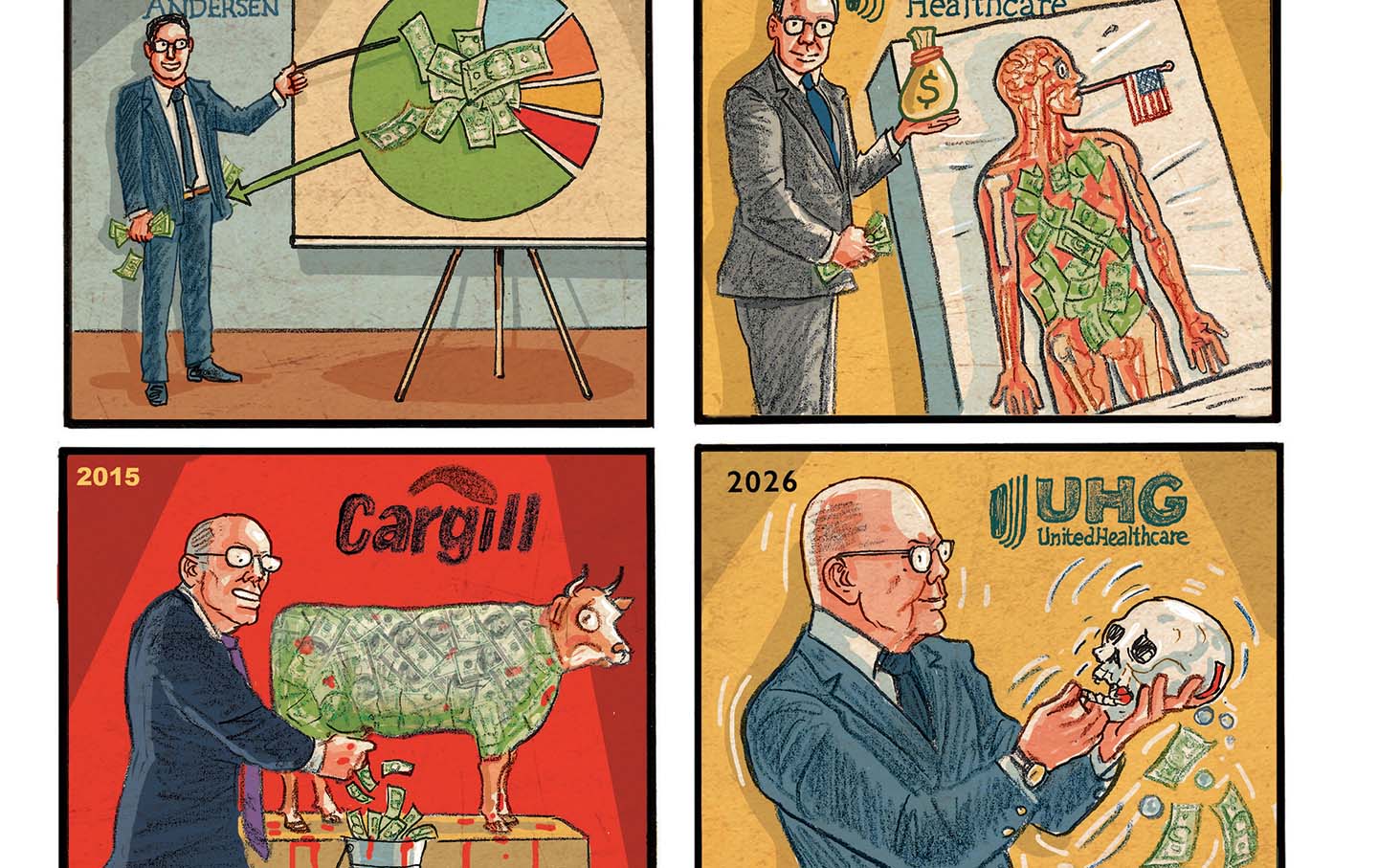
America’s UN-Healthcare Treatment America’s UN-Healthcare Treatment
The UnitedHealth group CEO’s savings plan.
Gina Hinojosa Is Showing Democrats How to Run Against Republican Grifters Gina Hinojosa Is Showing Democrats How to Run Against Republican Grifters
The Democratic gubernatorial candidate has closed the gap in Texas by focusing relentlessly on Greg Abbott’s corruption.

