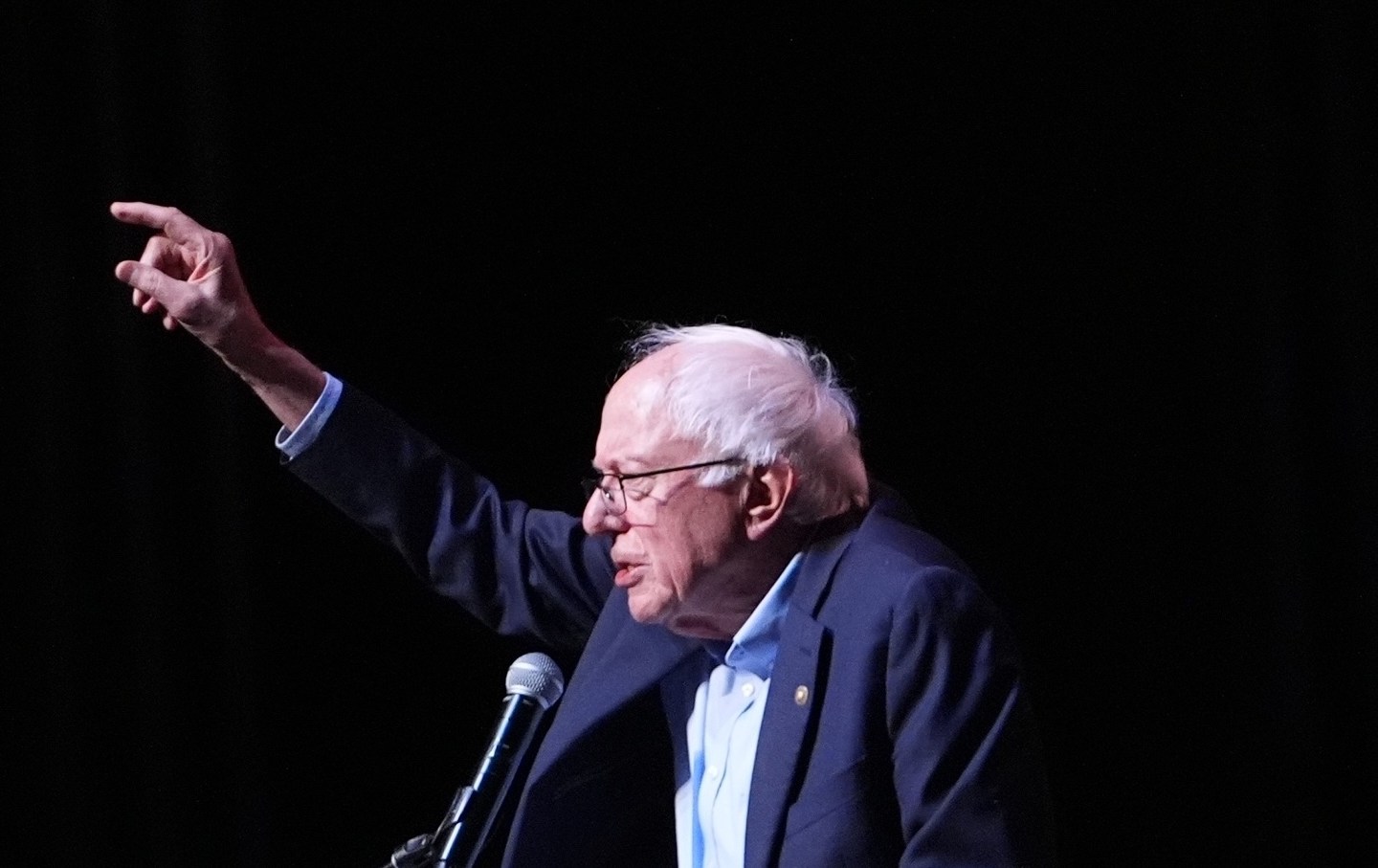
A Former Student Recalls Tim Walz’s Kindness
“I was a C student, better in some classes, worse in others, and he didn’t leave out lesser-performing students.”
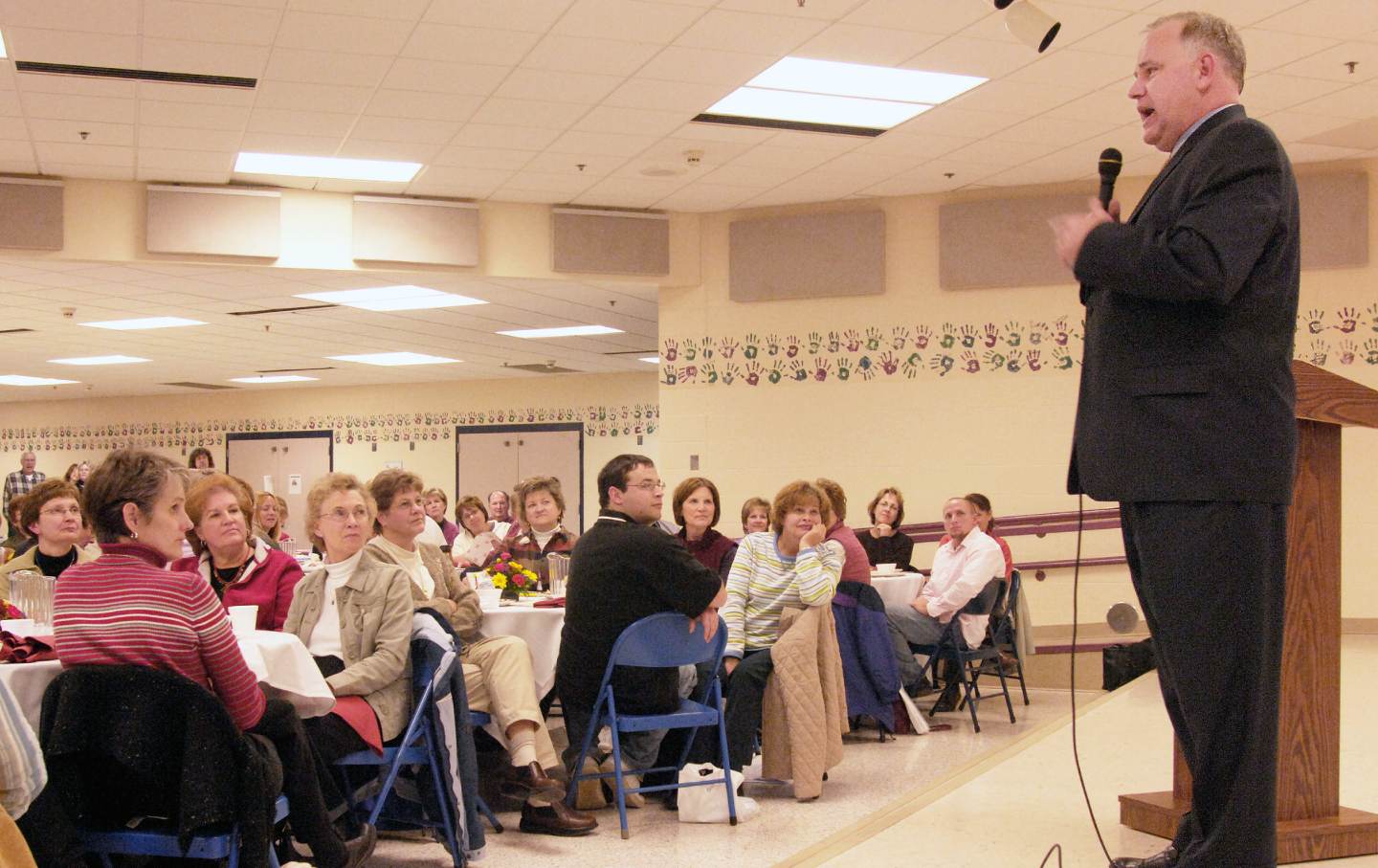
In 2006, Tim Walz, a former high school teacher, spoke to a Minnesota teachers’ group when campaigning for Congress.
(Craig Lassig / Bloomberg via Getty Images)
Political professionals’ phones were buzzing and jangling all Tuesday morning with the news that Minnesota Governor Tim Walz would be Vice President Kamala Harris’s pick for her running mate. But the phones of countless Mankato West High School alums were doing the same thing. Walz taught there for nine years, while also coaching football and bringing order to the lunch room, and he left behind ardent admirers, who say his warmth, his humor, and his commitment to reach out to average students and even struggling students made him stand out in that rural Minnesota setting.
“He’s the kind of guy who, if Norman Rockwell was still painting, he’d be his portrait of an average Midwesterner,” says Noah Hobbs, a housing activist and high school baseball coach who was a student of Walz’s as a sophomore in 2004.
Maybe above average. The version of Walz depicted by Hobbs and other students shows someone who went above and beyond for young people. “I was a C student, better in some classes, worse in others, and he didn’t leave out lesser-performing students.”
I found Hobbs when he posted on X:
(He first got my attention with his Bruce Springsteen 2012 “Wrecking Ball” tour T-shirt.)
Hobbs told me Walz’s global geography class was at first a challenge for him, but he recalled the way Walz helped students earn extra credit by coming to class one day a week prepared to talk about news stories of the day. “I’d never read the paper beyond sports and comics, but I knew I had to dig deep. I had to come with six or seven stories, because you couldn’t repeat one a classmate used. And you’d have to be able to go beyond the headline and discuss it. That really helped expand my world. Here is this guy, who’s traveled everywhere”—Walz was in the National Guard for 25 years—“giving a path to success to kids in this rural, farming community.”
Walz ran for Congress, and won, that year, but the student and the teacher stayed in touch. When the congressman came back to Mankato West to address Hobbs’s AP government class, the “habitually tardy” student got a warning from his teacher that he’d fail the full day if he were late. Running from a dentist appointment, he thought he’d make it, but he was locked out. But Walz saw him from the front of the room. “‘Some things never change,’” his former teacher said, opening the door. “I saved you a seat.” Hobbs told me they still speak twice a year.
Walz has a strong record on education policy as governor. He has increased school funding, made college free to students whose families earn less than $80,000 annually, expanded pre-kindergarten programs by thousands of slots, and provided universal free school meals to students.
Hobbs, now 35, has repaid Walz’s faith in him with an eight-year career as a strategy and policy director for One Roof Community Housing, an affordable housing developer and service provider in Duluth. He served three terms on the Duluth City Council, and coaches baseball at Denfield High School. “He made clear that you could have the opportunity to be in politics even if you didn’t come from that,” he said. “He was a role model, for sure.”
Become a Sustaining Donor This September
Between the reemergence of right-wing red-baiting and Donald Trump’s use of the chilling National Security Presidential Memorandum–7 to criminalize left political organizing, we’re seeing McCarthyism reborn before our eyes.
This assault on democracy cannot be ignored or wished away. Resisting it requires bravery in the face of threats and repression, a steadfast commitment to the truth, and the unwavering belief that we can—and will—overcome this darkness.
We must have an independent media that sets the record straight, unearths corruption and abuses of power, and advances a politics of justice and dignity for all if we’re to win this fight.
That’s why I’m writing to you today. This September, The Nation needs to add 100 monthly donors to sustain our progressive journalism. Your contribution makes the next investigative report, the next truth-speaking column, and the next pathbreaking essay all possible.
I hope you’ll support our work with a recurring donation today. If you donate $10 or more a month, we’ll send you a brand new “Hands Off the Free Press!” sticker to recognise your commitment to our cause. Please, donate today.
Onward,
Katrina vanden Heuvel
Editor and Publisher, The Nation