Aren’t the Children of Gaza Worth Saving?
If our answer is yes, then we have to stop sending Israel the weapons that kill them.
Madurai, Tamil Nadu, India. Dr. Revathi Balan of India’s Tirunelveli Medical College Hospital received word last week that an ambulance was delivering an 11-year-old boy for emergency treatment. According to The Hindu (an Indian English-language daily), the boy, Sterlin Grace Danison, had accidentally stabbed himself with scissors that pierced his right ventricle. His parents had taken their bleeding son to a local clinic, whose medics could not stop the blood from flowing and put him in the ambulance.
“Even before the ambulance entered the hospital,” the newspaper reported, “Dr. Revathi had a team of doctors, nurses and the operation theatre ready.” Within 10 minutes of his arrival, the youngster received the urgent attention of a cardiothoracic surgeon, the head of cardiology, an anesthetist, and two surgical nurses. The medical staff spent five hours stabilizing Danison’s heartbeat and repairing the ventricle. Their efforts saved his life.
No one turns his back on a child whose life is threatened. The doctors in India acted like doctors and emergency workers anywhere else in the world. When a child falls into a mineshaft or a well, friends, neighbors, doctors, firefighters and journalists turn up. The American media held the country breathless for 58 hours in 1987 while rescuers struggled to rescue “Baby Jessica” McClure from a well in Midland, Tex. Time magazine, recalling the event on its 30th anniversary, wrote:
The evening news featured pictures of harried men peering into a silent hole. Below the surface, rescuers used a high-pressure water drill to cut through the last barrier of rock. Then, at nearly 8 p.m. Central Time, all three networks switched to Midland.
A paramedic carried the slightly injured infant to the surface, bringing relief to a nation that sent money and presents to her parents as if to share in the family’s joy. This is how it should be. Who turns away from a child in danger? Not the doctors in India, not the rescue workers in Texas.
Why then the silence on the children killed, maimed, buried alive and orphaned in Gaza since the 8th of October last year?
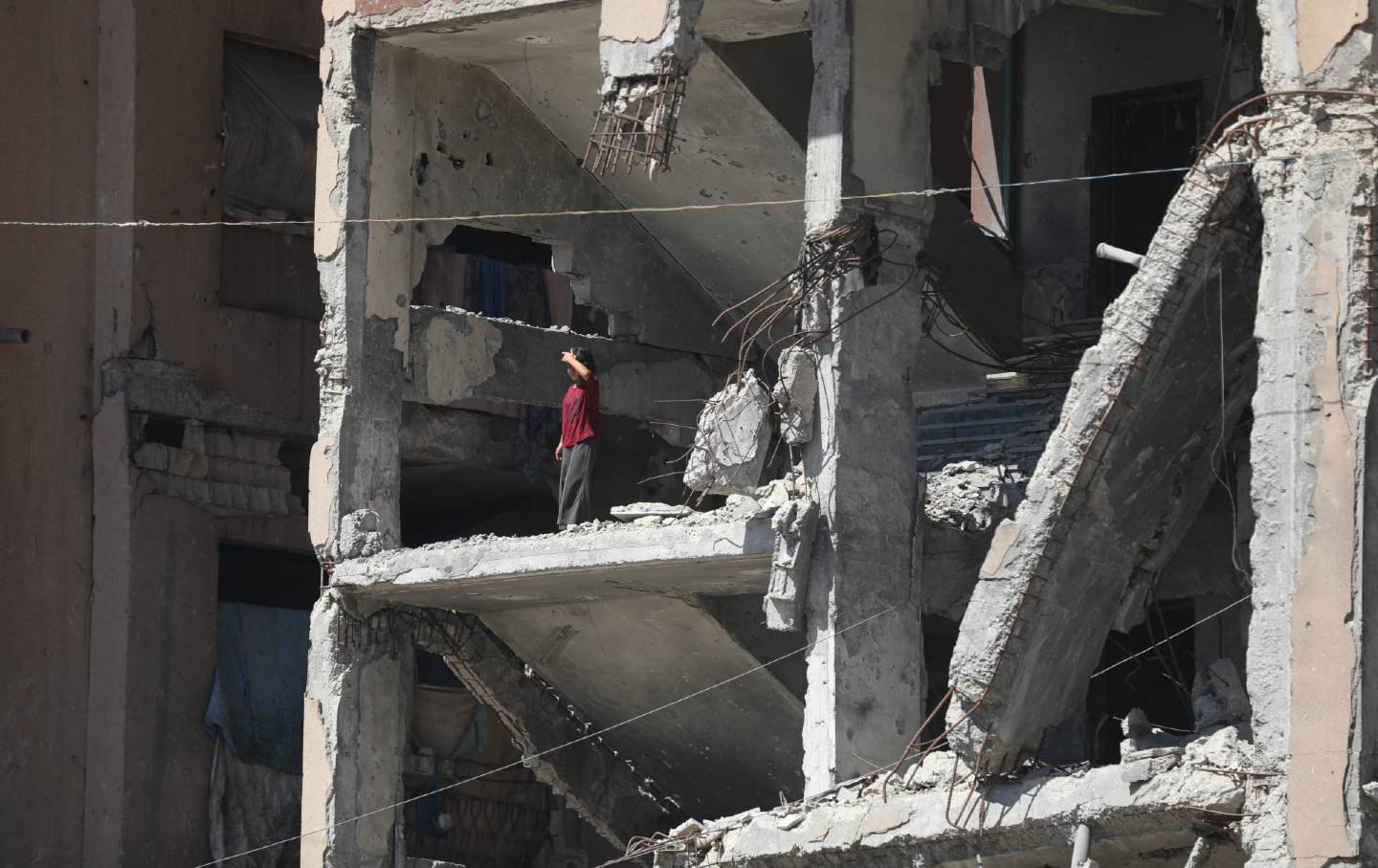
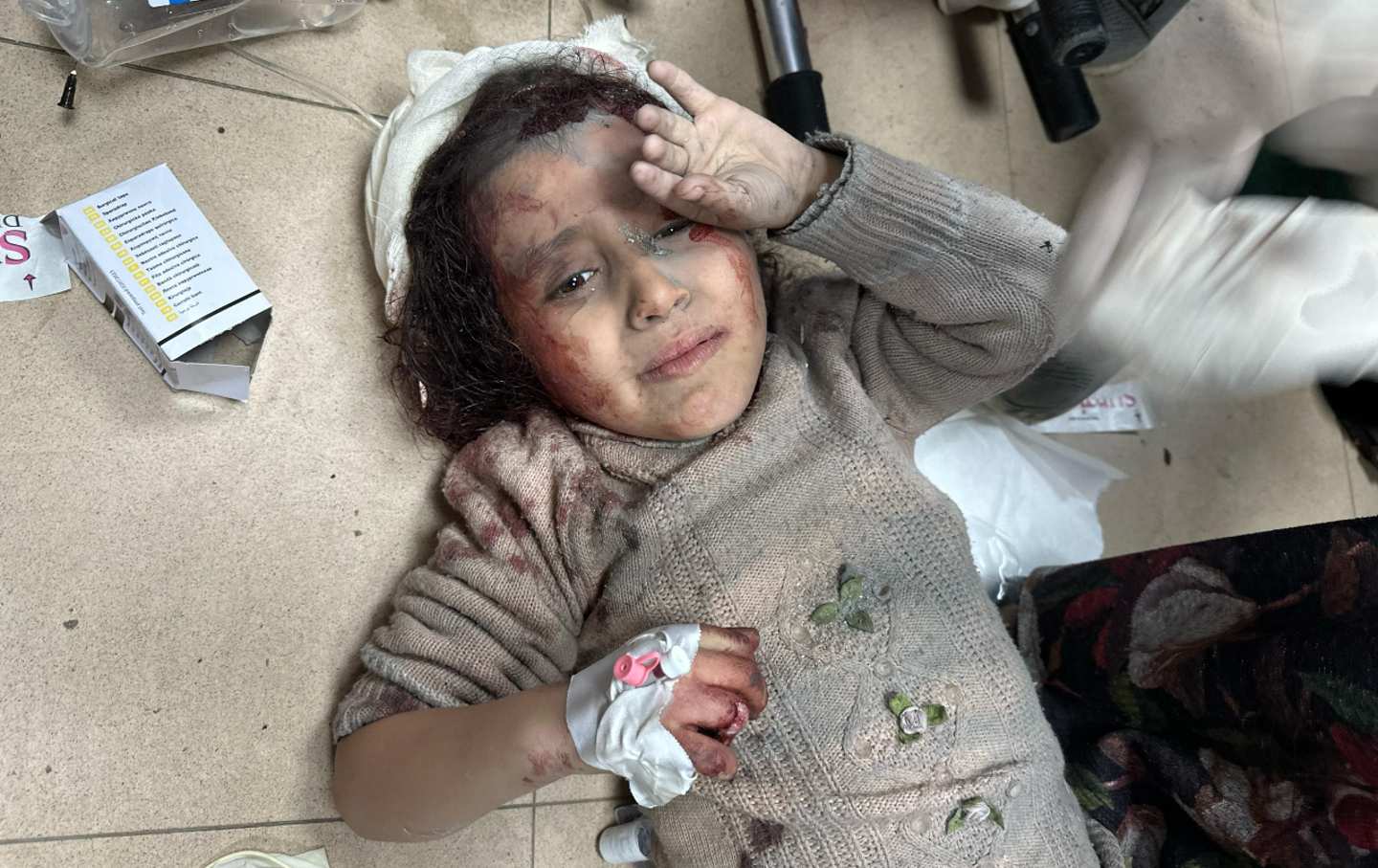
Nearly 12,000 children have died in the Israeli military campaign against Gaza, and the number rises daily. United Nations Children’s Fund (UNICEF) spokesperson James Elder says, “The Gaza Strip is the most dangerous place in the world to be a child.” UNICEF’s statistics show that at least one Gazan child is killed every 15 minutes. More than 10 lose one or both legs every day. Many bleed to death while hospitals go without means to treat them. Thousands more lie uncounted in the rubble of their demolished houses. These are children, just like Sterlin Danison and Jessica McClure. Where are their rescuers? And what rescue is needed other than simply to stop the destruction?
Those who urge prolonging the Israeli army’s campaign in Gaza condone the killing of children. People who would no doubt risk their lives to save a child from drowning look away when bombs fall on children in Gaza and close their ears when an Israeli soldier boasts, as one did on video, that he had killed two Palestinian children the day before and added, “Yesterday was a good day.”
No Americans need risk their lives to save children in Gaza. No one has to dig in the battered ruins of houses and schools. No one has to share the hunger, malnutrition and danger of Gaza. It is much easier and safer than that to prevent the deaths of more children: All we have to do is stop sending the weapons that kill them.
Become a Sustaining Donor This September
Between the reemergence of right-wing red-baiting and Donald Trump’s use of the chilling National Security Presidential Memorandum–7 to criminalize left political organizing, we’re seeing McCarthyism reborn before our eyes.
This assault on democracy cannot be ignored or wished away. Resisting it requires bravery in the face of threats and repression, a steadfast commitment to the truth, and the unwavering belief that we can—and will—overcome this darkness.
We must have an independent media that sets the record straight, unearths corruption and abuses of power, and advances a politics of justice and dignity for all if we’re to win this fight.
That’s why I’m writing to you today. This September, The Nation needs to add 100 monthly donors to sustain our progressive journalism. Your contribution makes the next investigative report, the next truth-speaking column, and the next pathbreaking essay all possible.
I hope you’ll support our work with a recurring donation today. If you donate $10 or more a month, we’ll send you a brand new “Hands Off the Free Press!” sticker to recognise your commitment to our cause. Please, donate today.
Onward,
Katrina vanden Heuvel
Editor and Publisher, The Nation