New York City’s Climate Change Whiplash
NYC had the wettest day on record since 1948 just months after smoke from the Canadian wildfires blanketed the sky. The lesson is clear: The US must take meaningful climate action now.
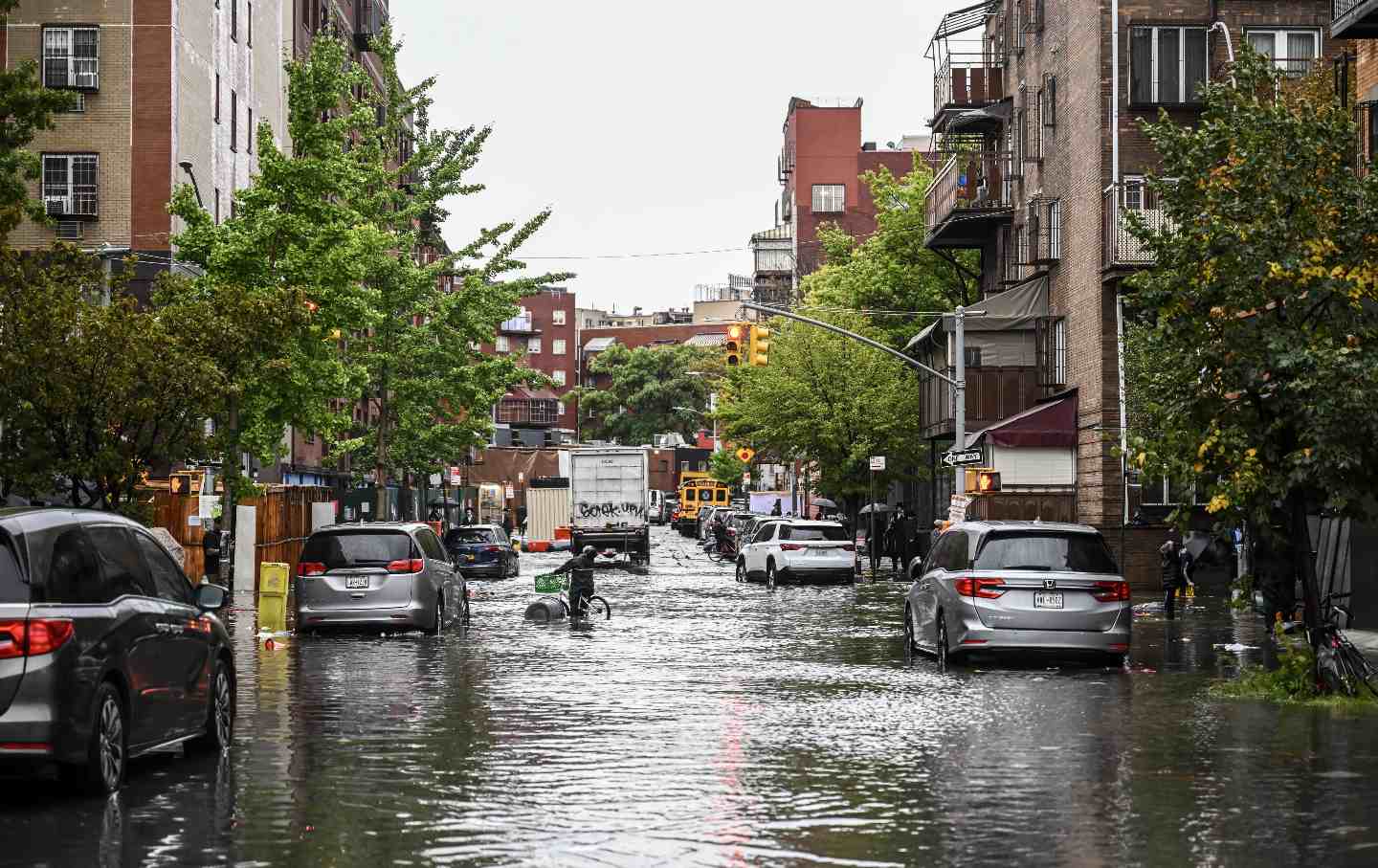
A flooded street in Williamsburg, New York City, on September 29, 2023.
(Fatih Aktas / Getty)Last Friday, eight inches of rain drenched the New York/New Jersey/Connecticut tristate area, leading New York Governor Kathy Hochul to declare a state of emergency in her state. The torrential downpour inundated streets, basements, and subway stations, and even forced a school evacuation, marking the wettest day on record for New York City since at least 1948. Occurring just months after smoke from the Canadian wildfires blanketed skylines across the US Northeast, this disaster represented another harrowing reminder of how the climate crisis is creating a “new normal” for all Americans.
As the world remains on track to careen past a 1.5 degree (Celsius) warming limit within the coming decade, the lesson is clear: The United States must take meaningful climate action, both to enable as much adaptation to this new normal as is possible and to mitigate the far deadlier consequences that continued reliance on fossil fuels will lock into place.
Republicans’ recent standoff brought the federal government to the brink of a standstill, which would have triggered devastating effects for critical climate change-related initiatives. Bloomberg Green reported that shutting down the government, even very temporarily, would have impacted long-term federal disaster assistance—delaying nearly 2,000 long-term disaster recovery projects, including over 200 such projects in New York, according to the White House.
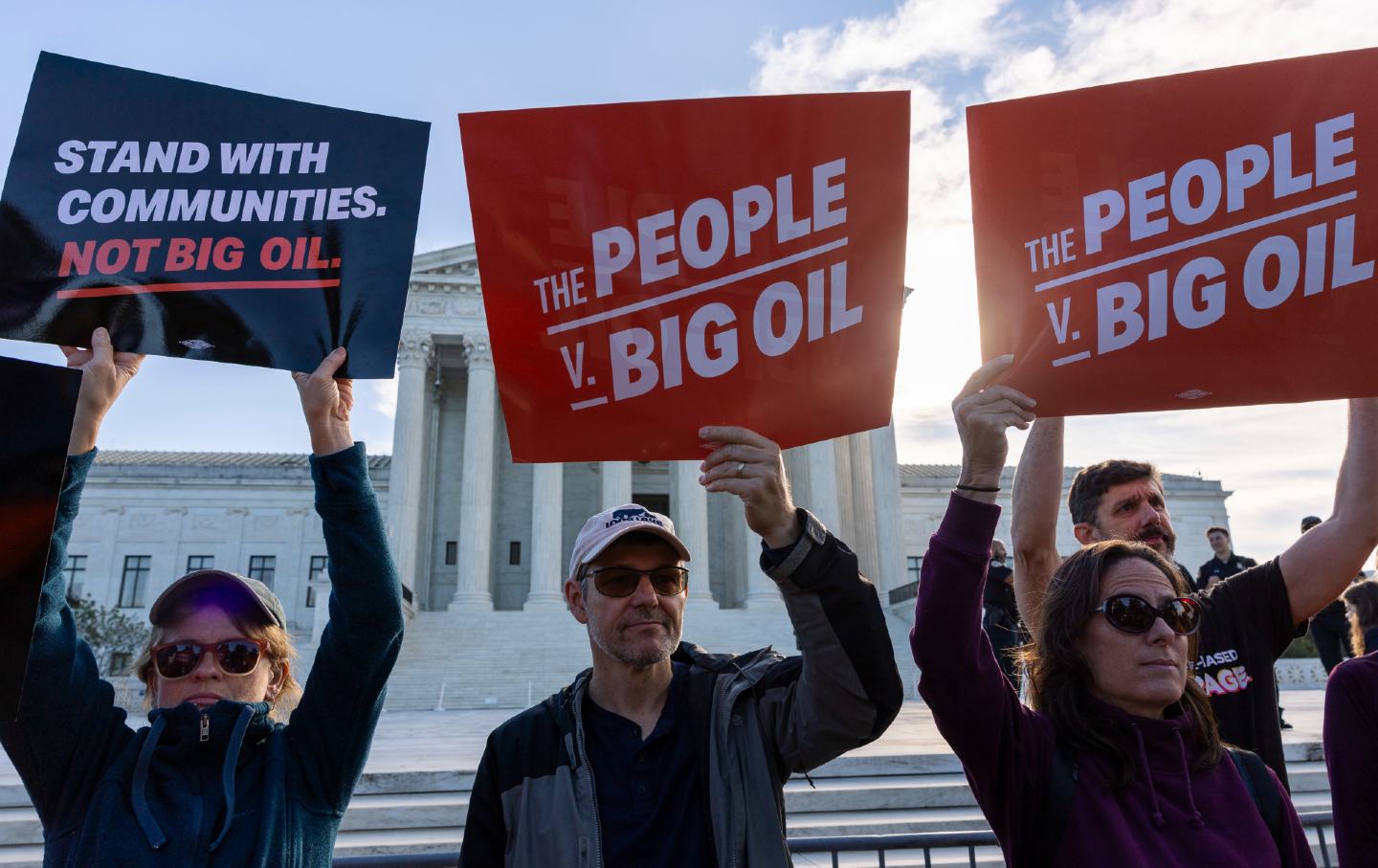
In the end, Congress narrowly avoided a shutdown, providing a lifeline for existing climate programs. Still, Americans need a far more robust commitment to climate action from our elected officials. And indeed, a growing number of Americans are demanding the bold political leadership required to match a fast-changing climate. The tristate area’s record rainfall came less than two weeks after 75,000 people flooded the streets of New York City to demand an end to the fossil fuel economy. Just ahead of the UN’s Climate Ambition summit, demonstrators called for President Biden to stop approving new oil and gas projects and use his executive powers to accelerate a just transition to a renewable energy economy. Meanwhile, polling by the Pew Research Center makes clear that a majority of Americans support greater federal investment in renewable energy development.
Despite many Americans’ increasingly clarion call, significant barriers to dramatic US climate action remain entrenched. The Republican Party is a climate denial and delay machine, with GOP primary debates and former president Donald Trump’s recent tirade against electric vehicles showcasing its intention to treat climate change as a culture-war issue rather than an existential threat that disproportionately harms working-class and marginalized communities.
And while the Inflation Reduction Act represented a major achievement, its razor-thin passage was neither a climate action panacea nor a bipartisan political breakthrough. The Guardian found that “the dozen biggest oil companies are on track to spend $103 million a day for the rest of the decade exploiting new fields of oil and gas that cannot be burned if global heating is to be limited to well under 2C.” That spending comes while oil majors continue to peddle falsehoods about their commitments to achieving net-zero emissions and as they tout their deeply questionable carbon offsets.
None of those barriers, however, abrogates the responsibility of the US government to act. If anything, they only make clearer the need for the White House to level up on climate and for Democrats to leverage all powers at their disposal in service of climate action.
Such action means seeing through and ramping up investments in climate disaster management assistance. It also means ensuring that such assistance is geared at increasing community climate resilience so Americans can withstand future storms, rather than simply rebuilding the same old climate-vulnerable fossil fuel-dependent infrastructure and reinforcing existing inequalities.
It also means making polluting companies pay, including by establishing climate liability; recognizing climate change as a civil, constitutional, and human rights issue, as US courts have started to do thanks to the persistence of youth plaintiffs in Held v. Montana; and supporting, rather than bucking, calls for climate reparations in order to advance global climate justice. While the United States is far from immune to climate catastrophe, it must acknowledge and respond to the reality that poor, developing, and low-lying countries are being hit first and worst: one village in China saw a year’s worth of rain fall in just three days in 2021 and last year’s historic floods in Bangladesh affected 33 million people.
This November, at the international climate change conference COP 28—hosted by the major oil producer the United Arab Emirates—the United States will have yet another opportunity to prove its commitment to global climate leadership. In the process, President Biden will have a chance to prove to voters—including the many young people who helped secure his 2020 victory based in no small part on the climate promises he made—that he can be the climate president ahead of the 2024 election.
In the meantime, Americans will be watching to see whether and how the White House and Congress act on the less visible but absolutely critical opportunities to secure a stable climate and a livable planet for generations to come.