
Notes on Kampf Notes on Kampf
Is the well-being of the cultural middle class the key to American creativity?
Apr 29, 2015 / Books & the Arts / Eugenia Williamson
Sacred Hate Sacred Hate
O my hate, so majestic saintly, pure, and angelic bless my excess with a fat caress make me bow and make me proud. Humped by humble squires proud to be living sans Desire sans Goodness, sans Faith sans sun’s caressing grace. O my hate, grandiloquent shield agitate my soul to infinite zeal beyond other harms concealed. Hate wins, hate resounds!, armor ’gainst a vile amour that defrauds all— seven deadly Sins of my ardor! After CRUZ E SOUSA (Afro-Brazilian, c. 1898)
Apr 28, 2015 / Books & the Arts / Charles Bernstein
Shelf Life Shelf Life
All solutions are temporary in today’s digital market, and no successful revenue model is immune from disruption.
Apr 28, 2015 / Books & the Arts / Akiva Gottlieb
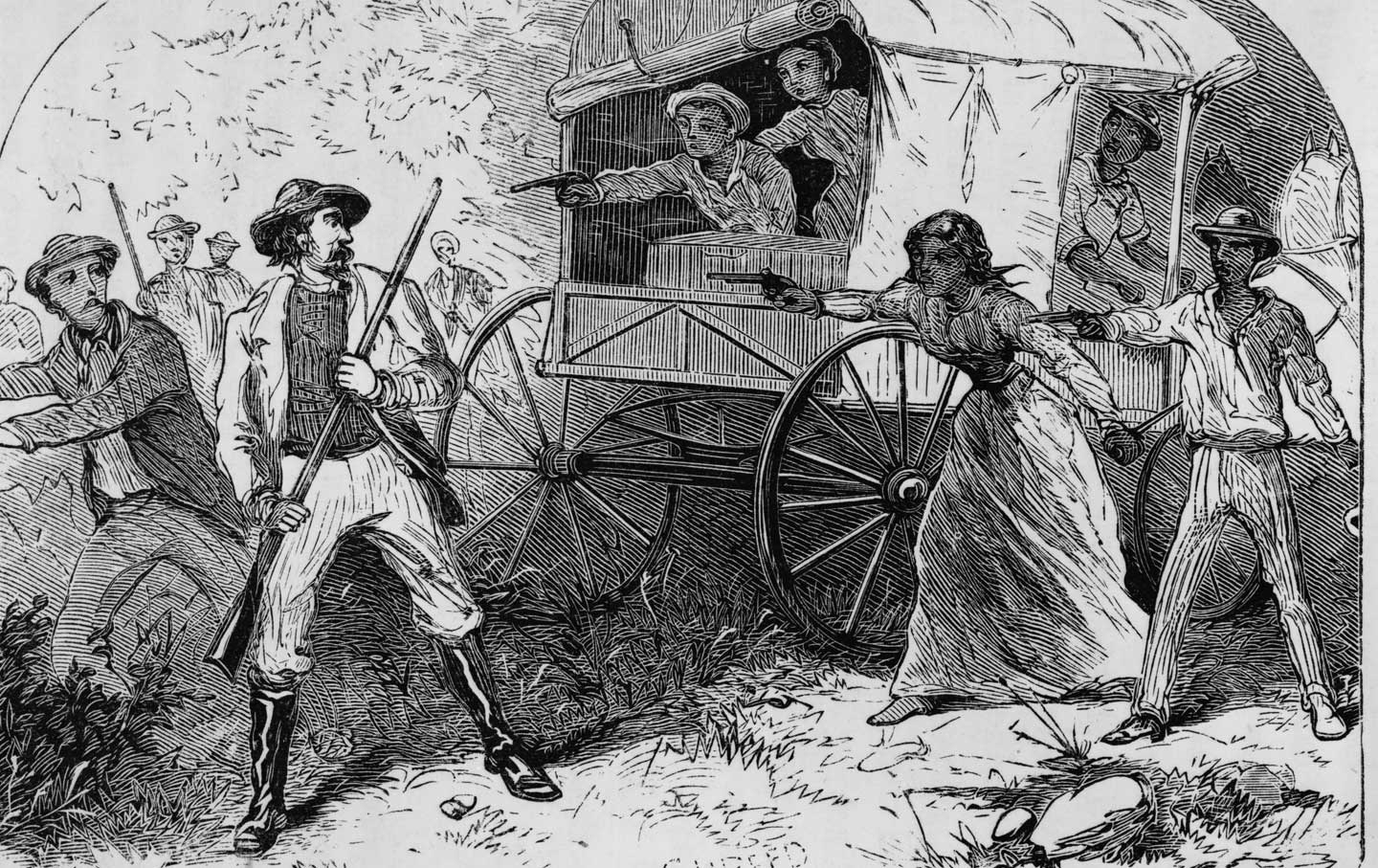
In Our Orbit: Vigilance In Our Orbit: Vigilance
In Eric Foner’s Gateway to Freedom, the Underground Railroad is a network of dignity and defiance.
Apr 22, 2015 / Books & the Arts / Richard Kreitner
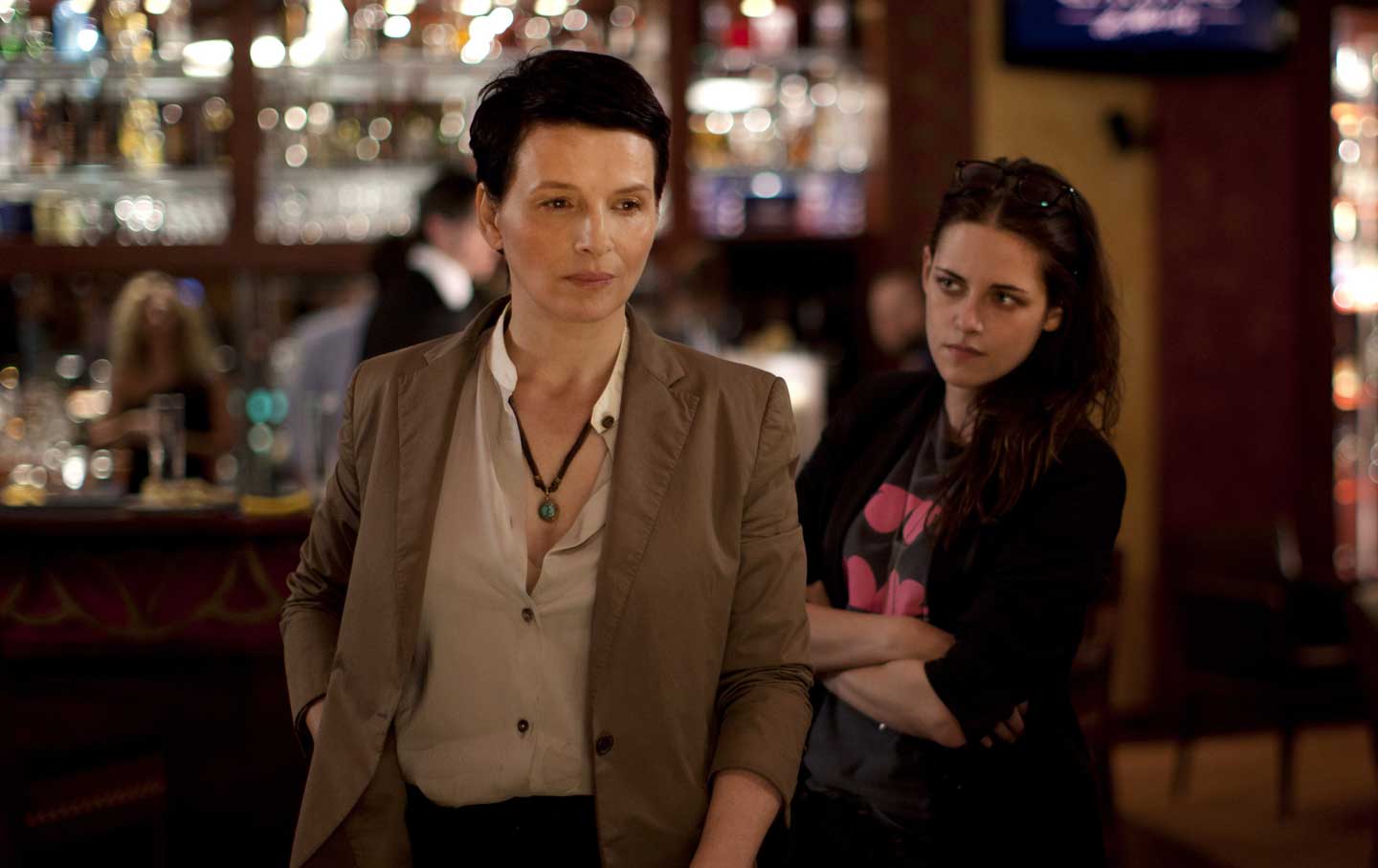
Rivalries Rivalries
Clouds of Sils Maria is prolonged debate about the passage of time and the ceaseless rivalry of generations.
Apr 22, 2015 / Books & the Arts / Stuart Klawans
Out of Habit Out of Habit
The soldier the patrol forgot in the garden, the patrol the border guards forgot at the checkpoint, the checkpoint the occupation forgot at the doorstep, the occupation the politician forgot in our lives, the politician who was a soldier of the occupation. The Merkava the army forgot at the school, the army the war forgot in the city, the war the general forgot in the room, the general whom peace forgot in our sleep, the peace that was driving the Merkava. They still open fire at our heads, without orders, just like that, out of habit. (translated from the Arabic by Fady Joudah)
Apr 22, 2015 / Books & the Arts / Ghassan Zaqtan
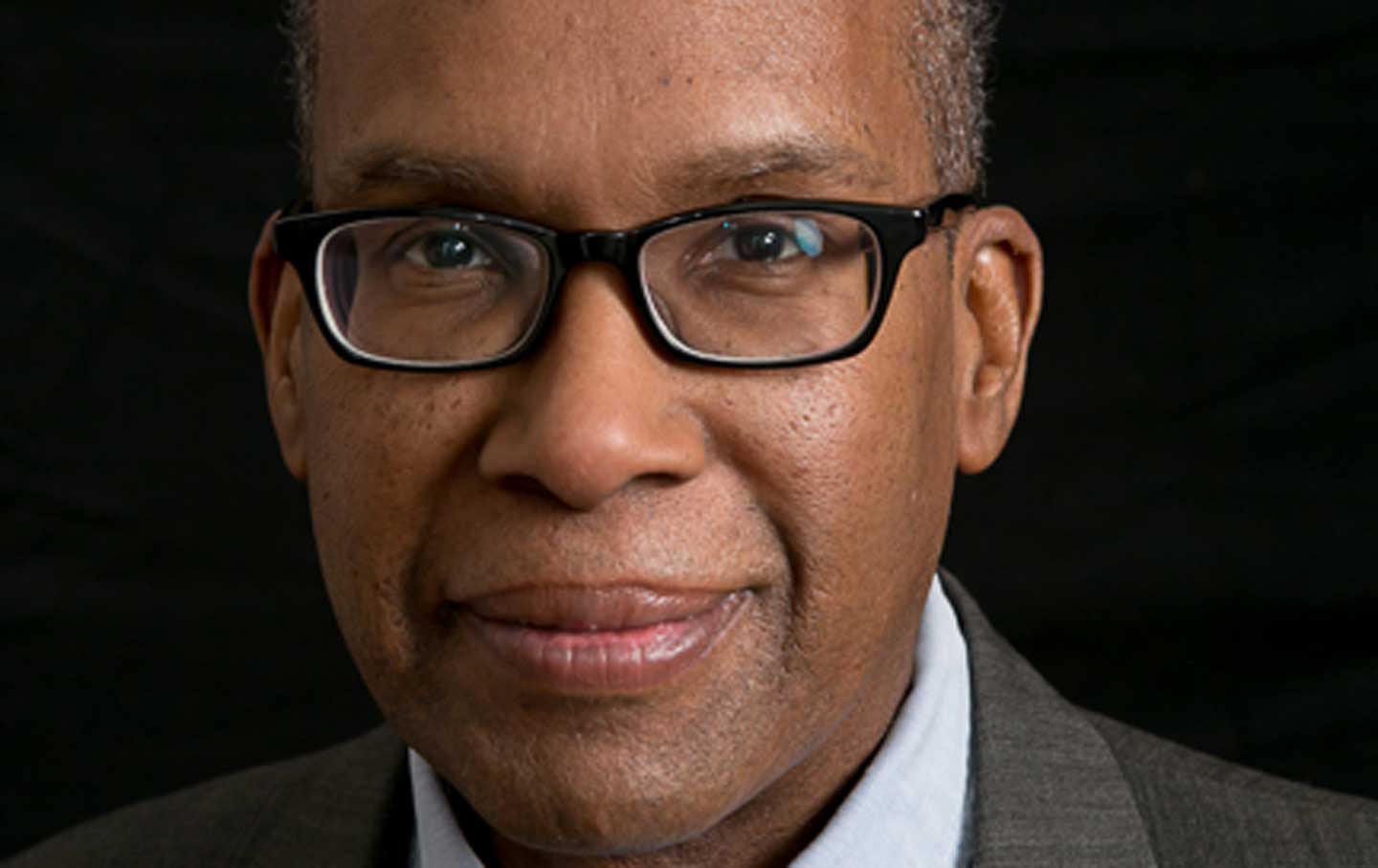
Shelf Life Shelf Life
“There is no such thing as not voting” is the faith that Darryl Pinckney grew up in.
Apr 22, 2015 / Books & the Arts / Ari Berman
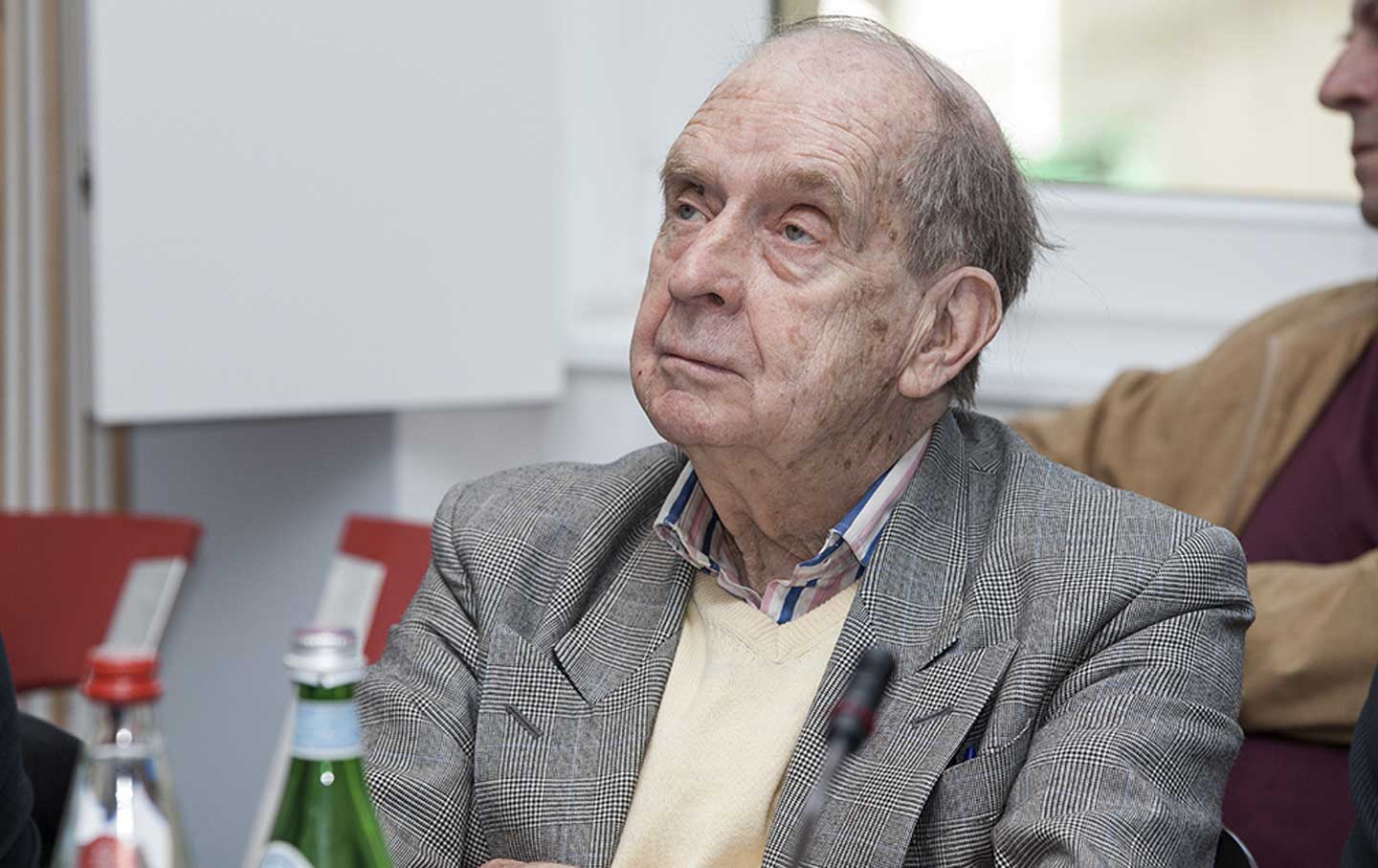
Liberalism as a Fighting Faith Liberalism as a Fighting Faith
Larry Sidentop re-imagines the origins of liberalism.
Apr 14, 2015 / Books & the Arts / James Miller
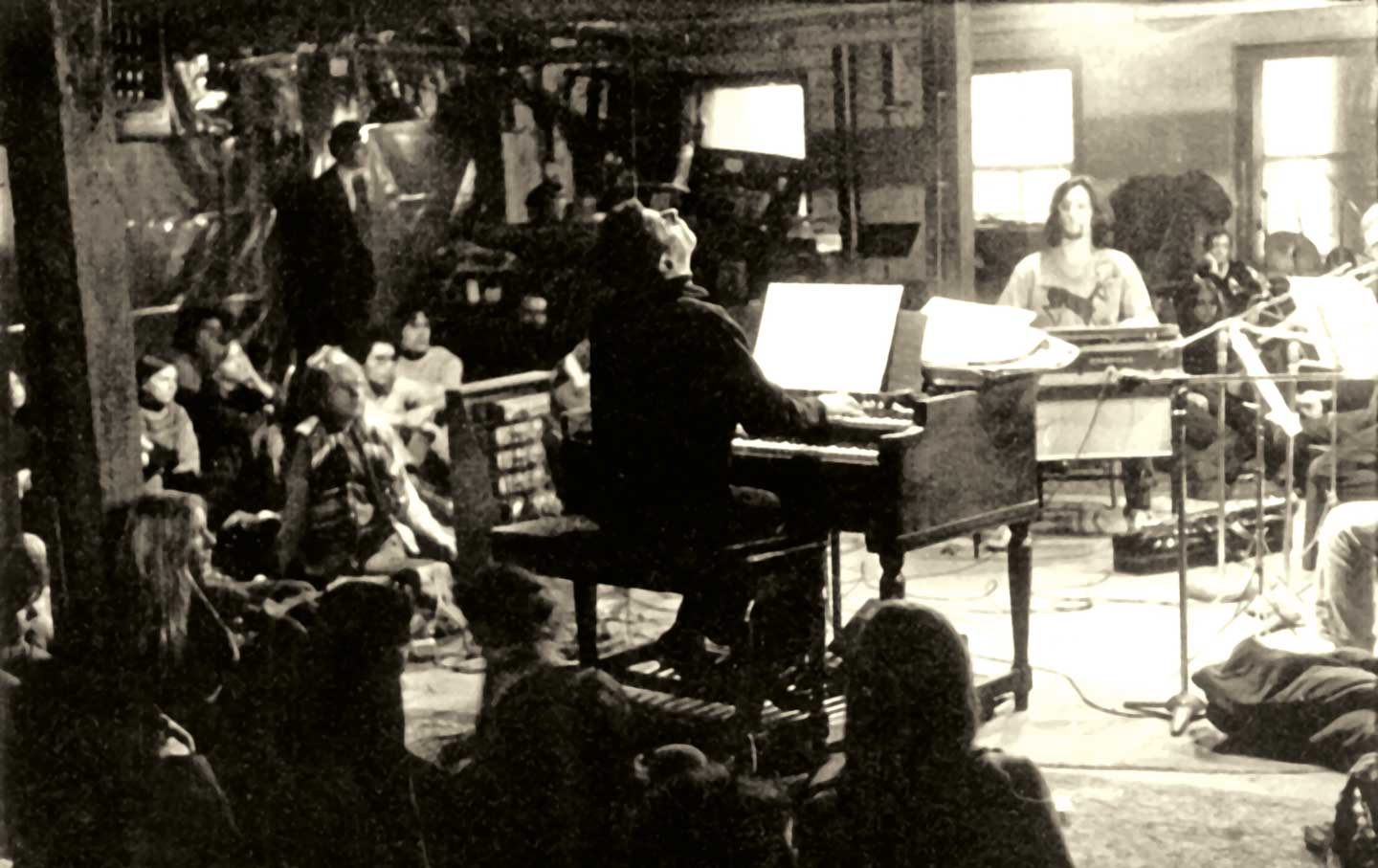
Words for Music Perhaps Words for Music Perhaps
Warm and unaffected, Philip Glass’s memoir is nothing like his music.
Apr 14, 2015 / Books & the Arts / David Hajdu
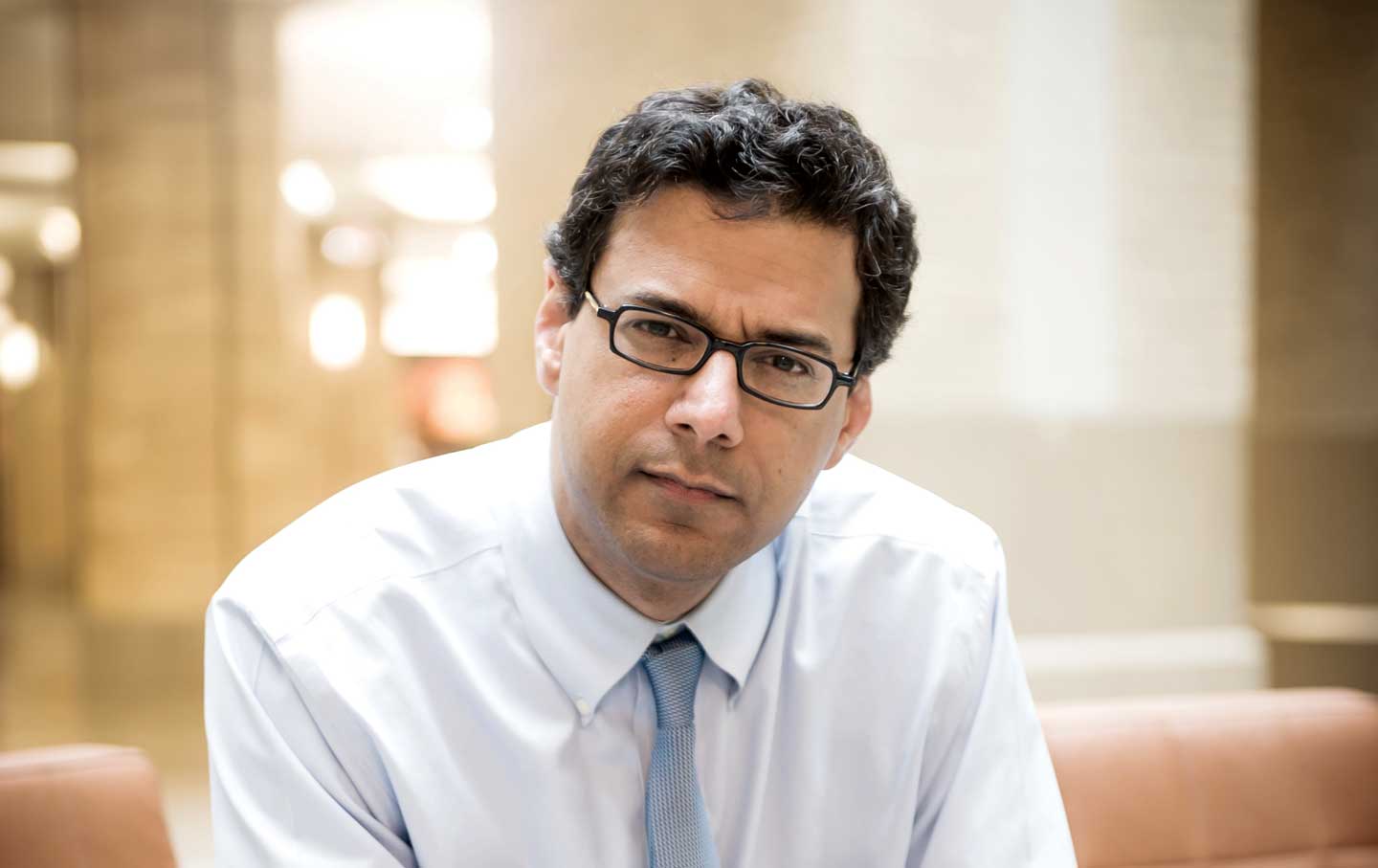
How to Die How to Die
Atul Gawande argues that physicians should focus care on the good life—including its very end.
Apr 14, 2015 / Books & the Arts / Sophia Rosenfeld