

Can a ‘Yelp’ for Immigrant Guestworkers Help Them Avoid Abusive Bosses? Can a ‘Yelp’ for Immigrant Guestworkers Help Them Avoid Abusive Bosses?
In the fight against labor exploitation, a new tool allows workers to be their own watchdogs.
Oct 27, 2014 / Michelle Chen

Do You Realize How Dangerous It Is to Drive a Taxi? Do You Realize How Dangerous It Is to Drive a Taxi?
Taxi and livery drivers suffer homicide rates twenty to thirty times higher than other occupations.
Oct 24, 2014 / Michelle Chen
A Real Sharing Economy A Real Sharing Economy
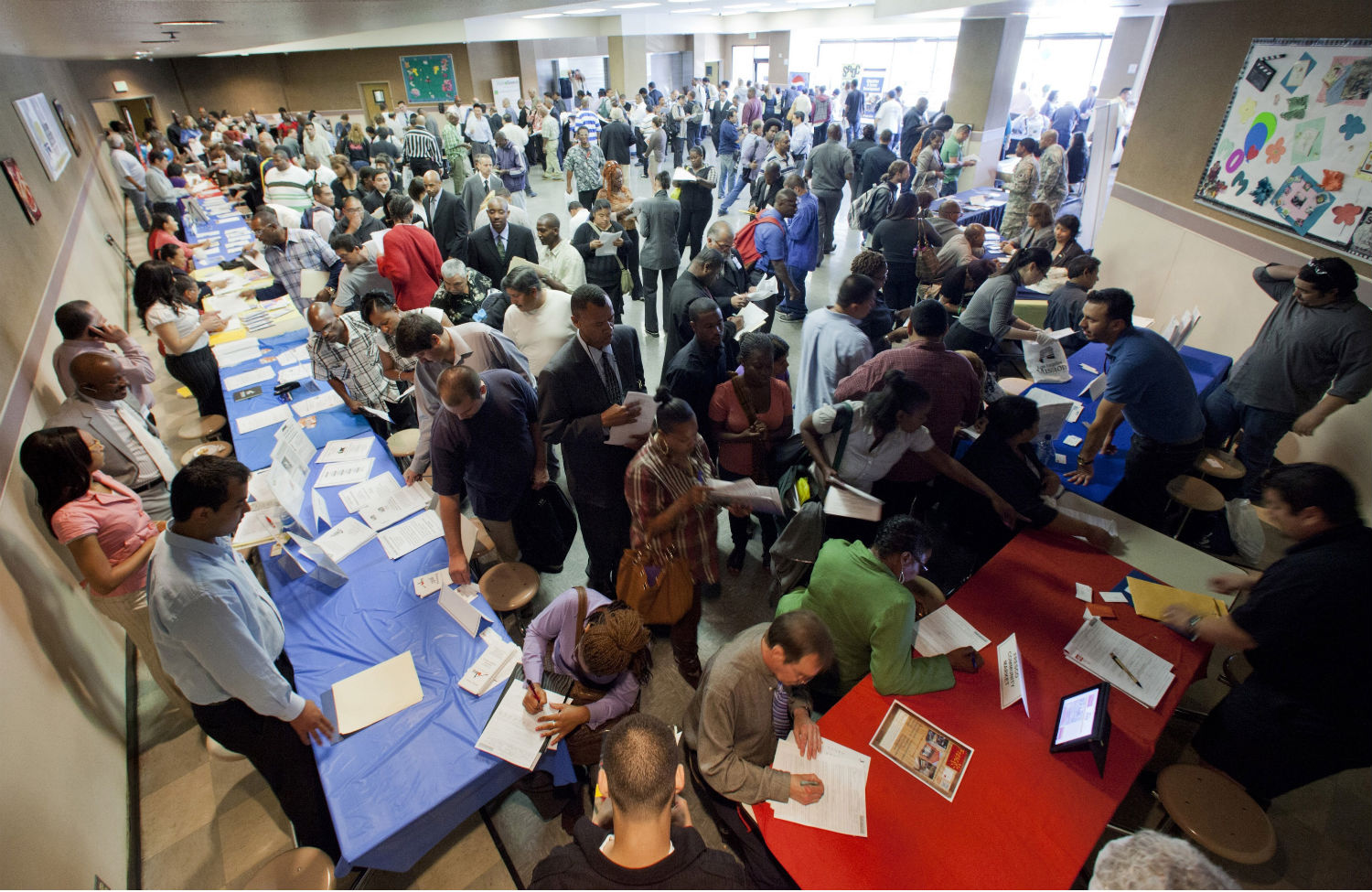
One of the overlooked problems driving our country’s jobs crisis isn’t unemployment—it’s just not having enough work. The shadow figure that lurks behind the unemployment rate is underemployment: people who want—and need—full-time work but are only able to find part-time hours, or who have gotten “discouraged” from job-seeking. Including those people, the broad measure of underemployment hovers around 12 percent. These days, people struggle full-time to juggle multiple part-time jobs, even as they suffer from the loss of healthcare and other social protections. They are overworked and underemployed. But it’s not that the underemployed simply want to work more; they also want to earn more. One way to square the lack of work with the need for income is work-sharing, which allows companies to distribute hours so that people work less, while ensuring that there’s still enough work to go around to prevent layoffs. For example, as explained in a new study by the National Employment Law Project, if a factory wants to cut its workforce by the equivalent of five employees, “Under work-sharing, the employer could instead reduce the hours of 25 employees by 20 percent, and those workers would receive a pro-rated [unemployment insurance] payment for their one day per week of unemployment, while maintaining any existing health and retirement benefits.” Cutting back hours typically harms workers, but what makes work-share less painful is that the government subsidizes the balance. About half of the fifty states have implemented some form of work-sharing, but now state lawmakers are approaching a year-end federal deadline to apply for funds. A bill to renew the legislation, the Layoff Prevention Act, is pending. Please support our journalism. Get a digital subscription for just $9.50! The central premise of work-sharing is that the state has a responsibility to support the restructuring of labor to protect workers. This is not a new idea: work-sharing is more widespread in European countries, particularly Belgium, Germany and Italy—and California introduced a statewide work-sharing program in the late 1970s. In the wake of the Great Recession, Washington passed legislation allowing states to use federally approved work-share programs to cope with epidemic levels of long-term joblessness. Politicians try to spin the economic crisis by talking about the need for “shared sacrifice”—code for coddling big business at the expense of workers. Now that Washington is offering a small way to redistribute workers’ time without sacrificing all their income, states have a chance to really put their money where their mouth is. Read Next: Peter Van Buren on the new minimum-wage economy
Oct 22, 2014 / Michelle Chen

Work-Sharing: A Socialist Alternative to Layoffs? Work-Sharing: A Socialist Alternative to Layoffs?
Both unemployment and underemployment could be alleviated through a little-known federal subsidy program.
Oct 20, 2014 / Michelle Chen
Workers Bring $15 Hourly Wage Challenge to Walmart Workers Bring $15 Hourly Wage Challenge to Walmart
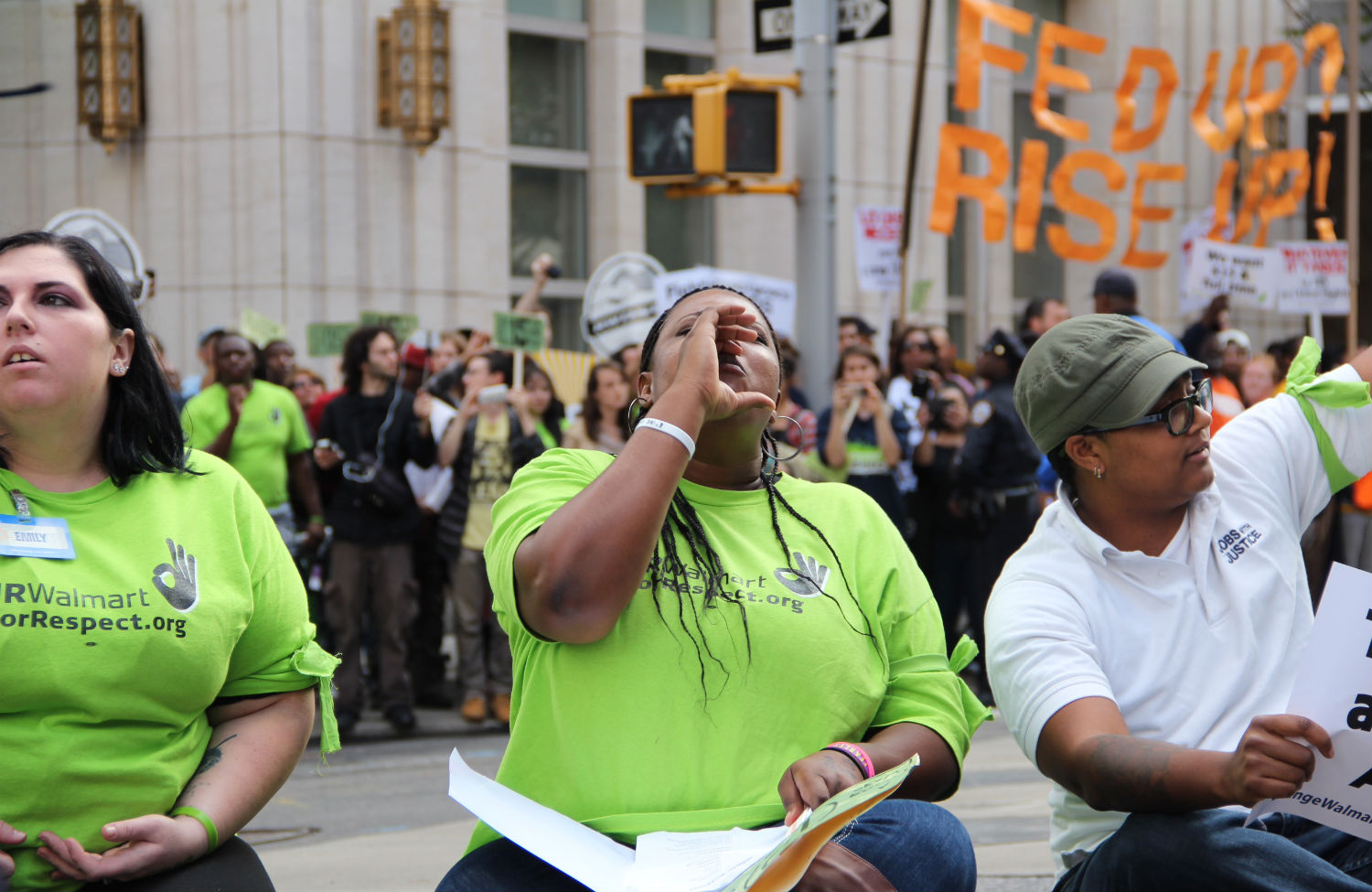
In protests around the country on Thursday, Walmart workers presented a simple demand: full-time work at $15 an hour.
Oct 17, 2014 / Michelle Chen
Scott Walker’s Minimum Wage Argument Is Even Dumber Than You Think Scott Walker’s Minimum Wage Argument Is Even Dumber Than You Think
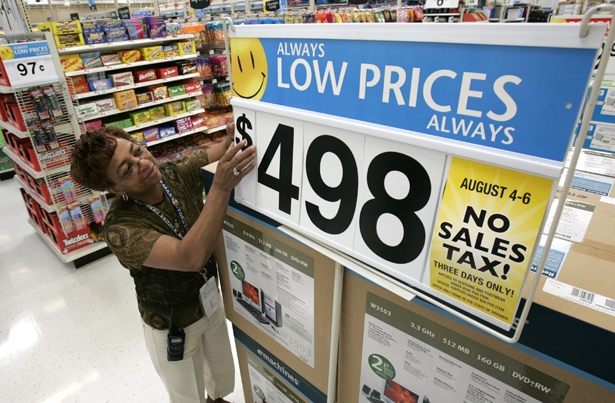
Why opposing a wage increase while simultaneously bashing government assistance isn’t just callous—it’s also dumb policy.
Oct 16, 2014 / Zoë Carpenter

Even Red-State Voters Want to Raise the Minimum Wage Even Red-State Voters Want to Raise the Minimum Wage
Eighty percent of Americans want to hike wages, but powerful Republicans keep saying no.
Oct 15, 2014 / John Nichols
When the Workday Never Really Ends When the Workday Never Really Ends
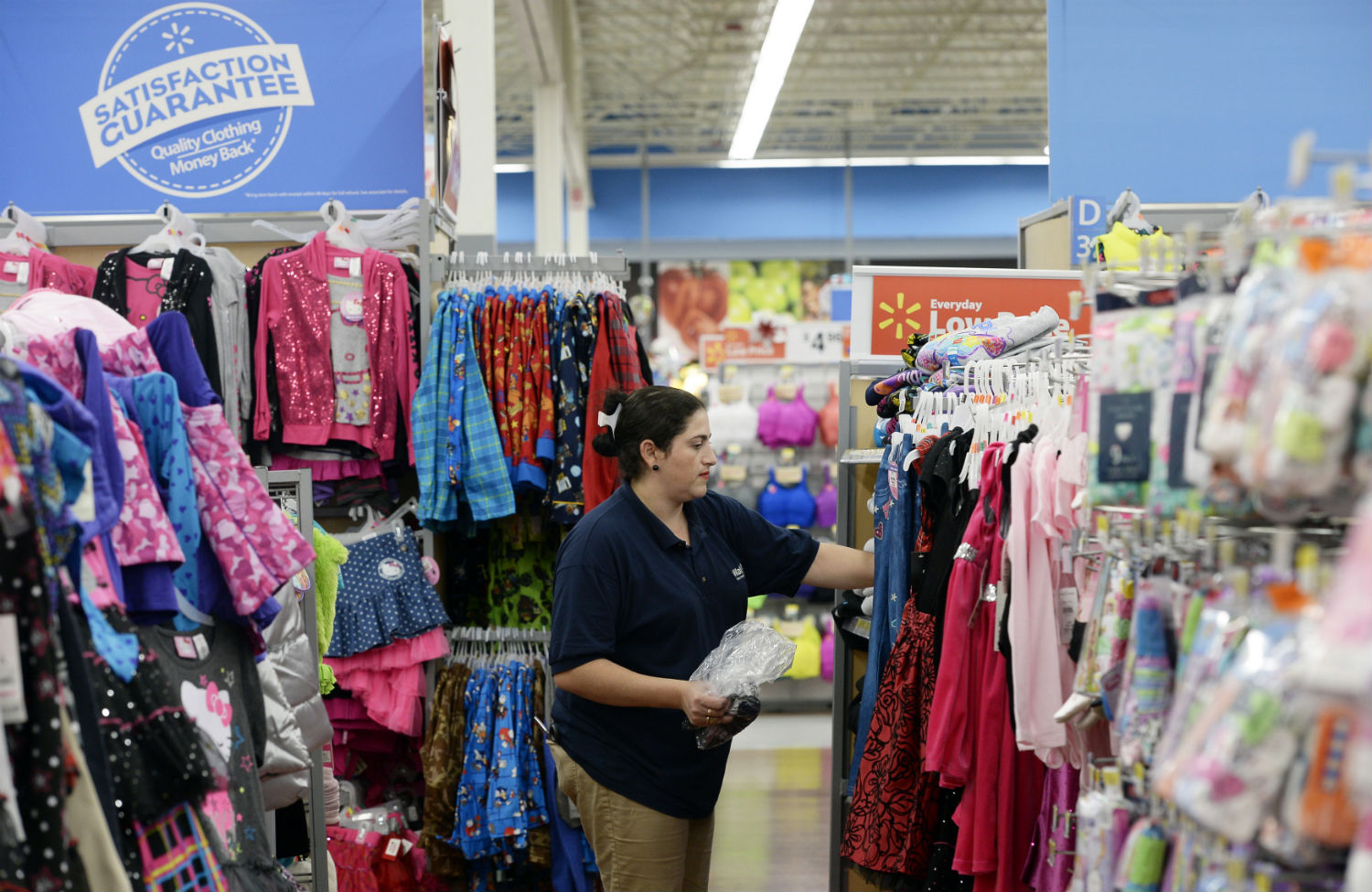
Flexible scheduling is creating an on-call nightmare for working people.
Oct 15, 2014 / Michelle Chen

How a Small Town in North Dakota Became One of America’s ‘Truly Elite’ Oil Fields How a Small Town in North Dakota Became One of America’s ‘Truly Elite’ Oil Fields
Thanks in part to Williston, North Dakota, the United States surpassed Saudi Arabia in total oil and gas production, making the nation the number one consumer and producer of fossi...
Oct 13, 2014 / Laura Gottesdiener

How Can You Tell If US Hospitals Are Prepared for Ebola? Ask a Nurse. How Can You Tell If US Hospitals Are Prepared for Ebola? Ask a Nurse.
This is not a time to panic. It is a time to get things right.
Oct 13, 2014 / John Nichols