
It’s 1963 Again It’s 1963 Again
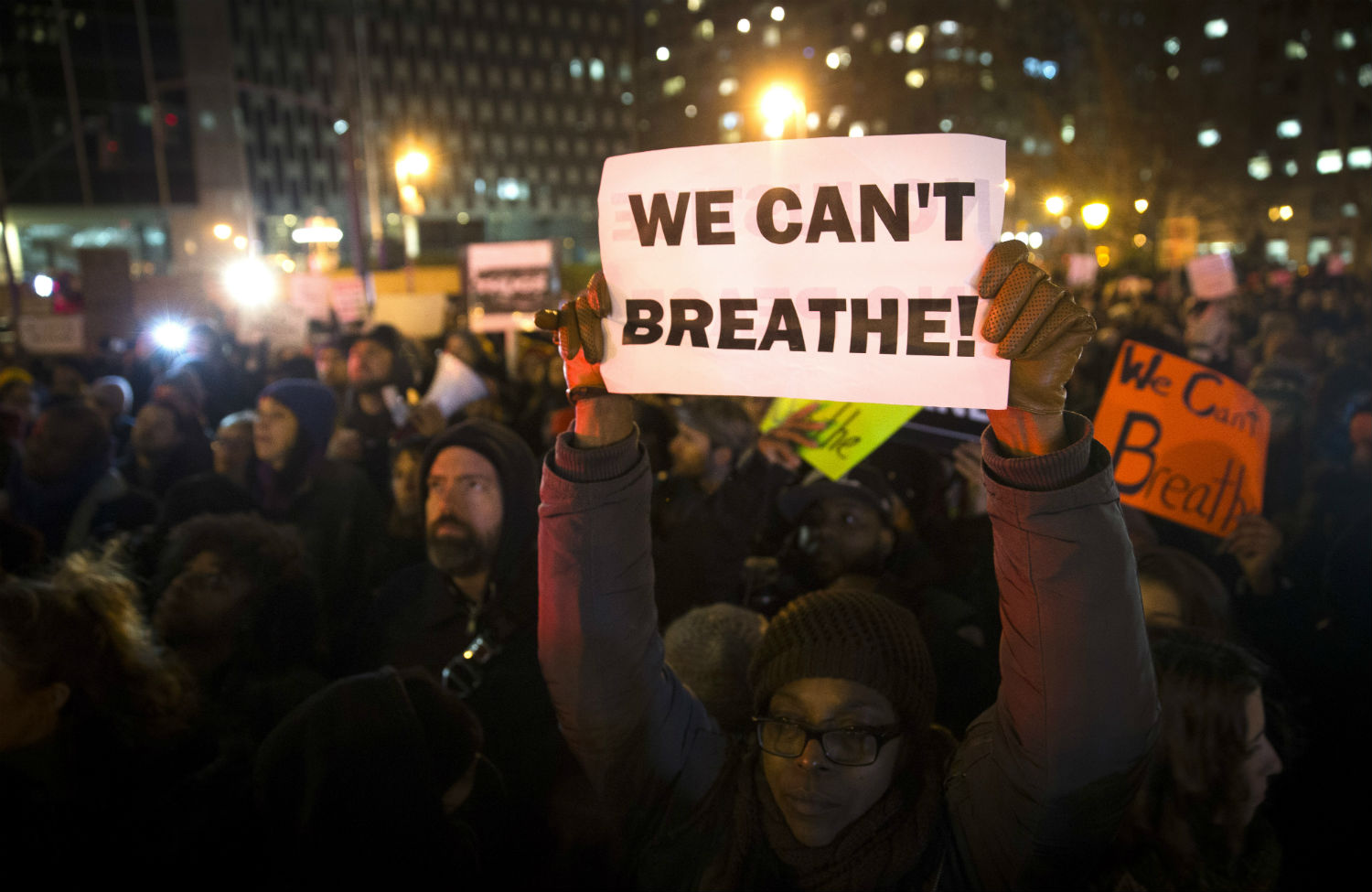
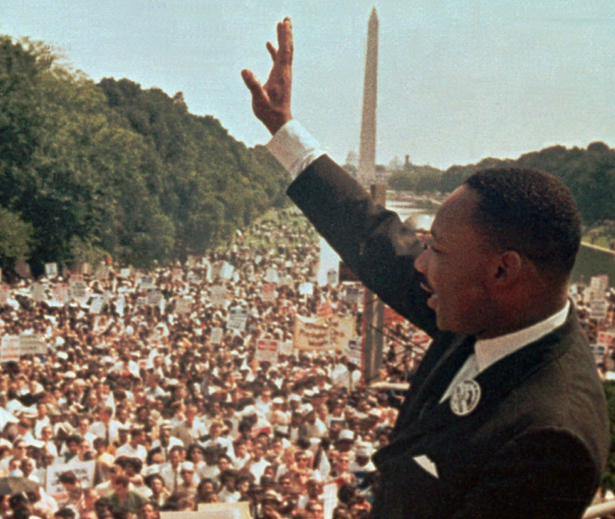
Last August, some observers drew comparisons between the fatal shooting of Michael Brown by Officer Darren Wilson in Ferguson, Missouri, and the 1955 murder of Emmett Till. The announcement on December 3 that a Staten Island grand jury had chosen not to indict the policeman who choked Eric Garner to death might indicate that we are closer to 1963—when a series of devastating setbacks and the subsequent widespread outrage transformed the civil rights struggle. There was a perfect storm this past month: the continuing fallout from a grand jury’s decision not to indict Wilson in Ferguson; the identical outcome in the Garner case; a Cleveland newspaper’s efforts to discredit and sling mud at the parents of Tamir Rice, a 12-year-old boy also killed by police. This moment has the potential to catapult change, just as a series of events did eight years after Till’s death. The 1963 murder of four black girls at Birmingham’s 16th Street Baptist Church hit Americans square in the chest, reminding them of the Jim Crow system of justice in which black people had no rights that whites were bound to respect. The little girls were killed in September of that year in a place already dubbed “Bombingham” for the level of violent racist backlash against the city’s small progressive steps. Martin Luther King Jr. had been jailed there in the spring. Medgar Evers had been assassinated that summer in Mississippi. We find ourselves at a similar moment fifty years later—with “Again?” on our lips and a familiar feeling of horror at the video of Officer Daniel Pantaleo choking Garner to death, the unsparing force he uses against a man gasping over and over again, “I can’t breathe.” With the killings of Brown, Garner, Rice, unarmed New Yorker Akai Gurley and others, we are all reminded that black life is still devalued, and that police officers are too often treated as if they were above the rule of law. It is all coming so quickly: these announcements that a trial isn’t even necessary to determine a police officer’s guilt or innocence; these exonerations through other means. As a result, people are taking to the streets in Ferguson, New York City, Los Angeles, Atlanta, Boston, Cleveland and beyond. Please support our journalism. Get a digital subscription for just $9.50! To turn that outrage into progress, we should start to think big. A. Philip Randolph, Bayard Rustin, Ella Baker and other brilliant strategists of yesteryear knew that a successful struggle requires goals, not just reaction. Right now, activists from organizations like Millennial Activists United, the Ohio Students Association, Dream Defenders and Make the Road New York are demanding that the federal government prosecute police officers who kill or abuse people; that independent prosecutors be appointed at the local level and charged with prosecuting officers; and that the Justice Department deny funding to police departments that use excessive force or racial profiling. Several activists met with President Obama on December 1 to push these goals. This is beginning to look like playing offense. It’s worth noting that the public outcry in response to the rapid-fire events of 1963 is credited with making passage of the 1964 Civil Rights Act inevitable. The March on Washington for Jobs and Freedom had taken place not even a month before the Birmingham church bombing, showing the world that a critical mass of people were mobilized in the service of fundamental change. If the history of this country’s most revered period of revolutionary change is any guide—and if a policy program is developed to channel all this growing energy—then we’re just getting started.Dani McClain Read Next: Gary Younge on “black-on-black” crime
Dec 10, 2014 / Dani McClain
The Civil Rights Movement Came Out of a Moment Like This One The Civil Rights Movement Came Out of a Moment Like This One
If civil rights movement history is any guide, the protests against police brutality are just getting started.
Dec 4, 2014 / Dani McClain
The File This Time The File This Time
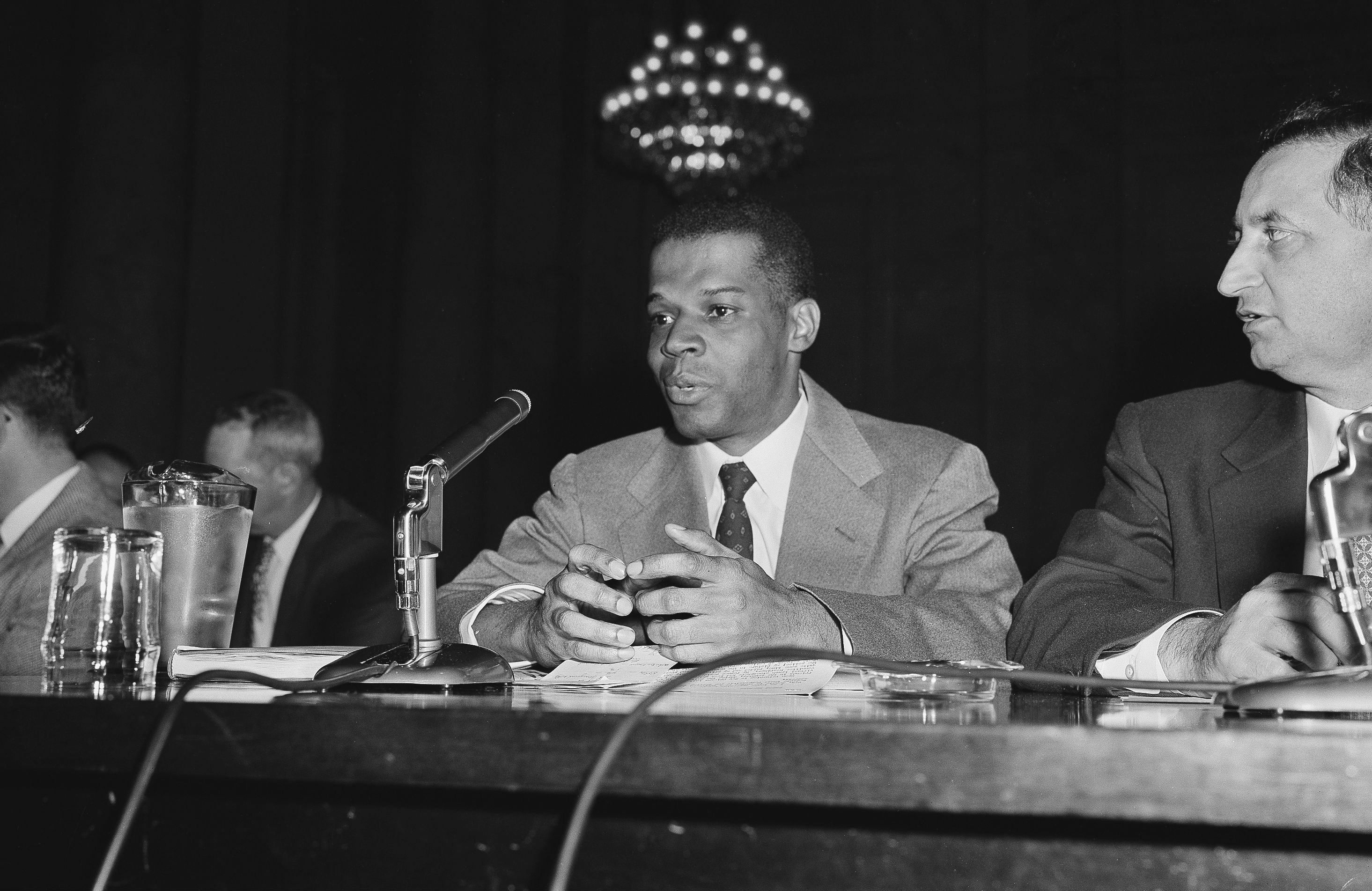
An excerpt from Victor Navasky's The O'Dell File reveals the story of the civil rights movement's 'unsung hero' who has been wrongly written out of the pages of...
Aug 24, 2014 / Books & the Arts / Victor Navasky
Summer of Hate Summer of Hate
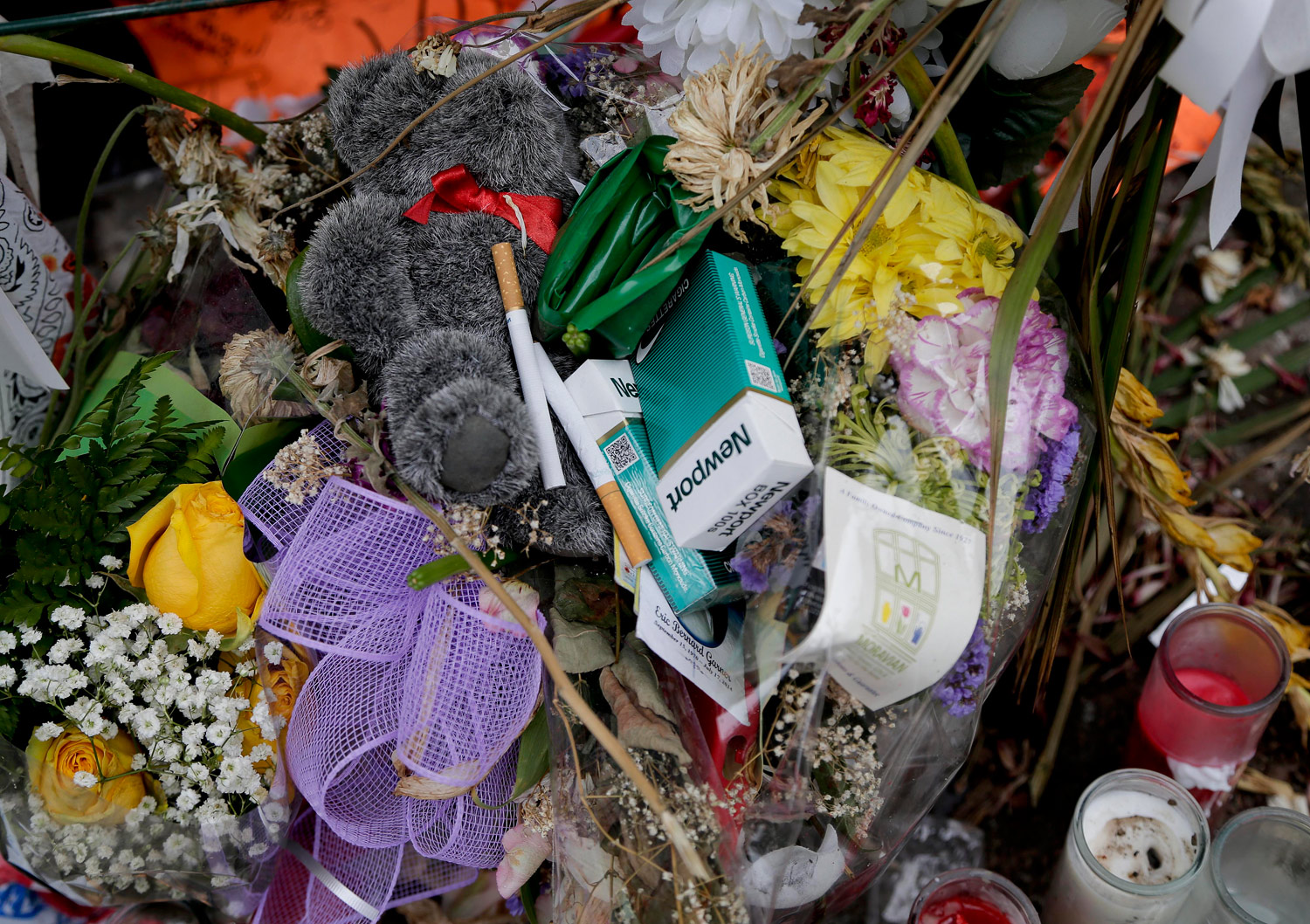
Eric Garner’s death marks a darkening mood fifty years after Freedom Summer.
Aug 13, 2014 / Books & the Arts / Patricia J. Williams
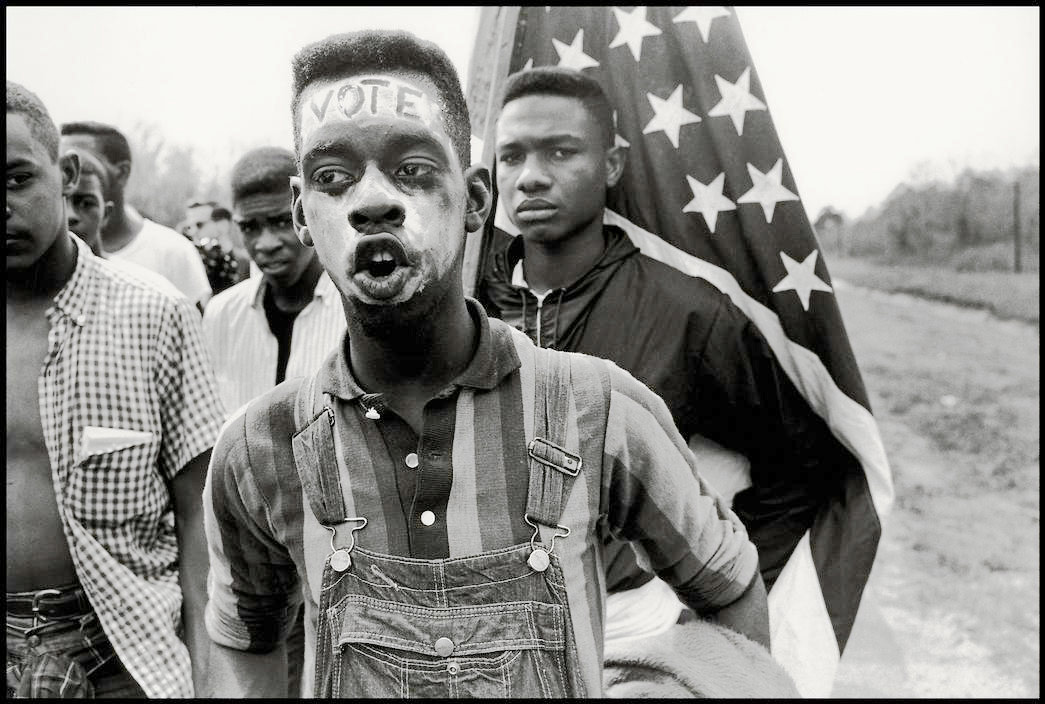
Jim Crow II Jim Crow II
A history of the fight for voting rights and the movement to restrict them once again.
Oct 22, 2013 / Books & the Arts / Ari Berman
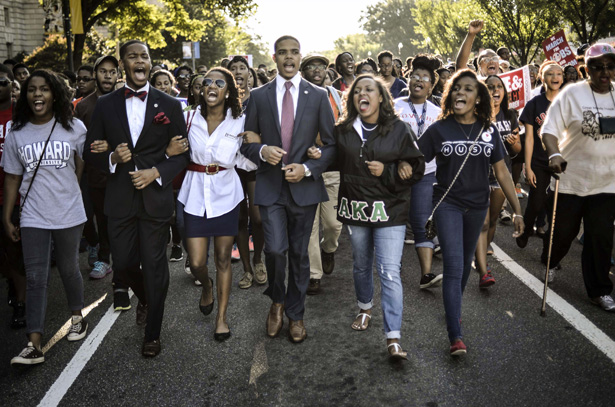
On the 50th Anniversary of the March on Washington, a New Civil Rights Movement Emerges On the 50th Anniversary of the March on Washington, a New Civil Rights Movement Emerges
“We’re seeing a new upsurge in the civil rights movement,” activists say.
Aug 24, 2013 / Ari Berman
The March on Washington in Historical Context The March on Washington in Historical Context
We remember it as the apogee of democratic idealism. At the time, it was feared as a harbinger of violent chaos.
Aug 23, 2013 / Rick Perlstein
The Misremembering of ‘I Have a Dream’ The Misremembering of ‘I Have a Dream’
Fifty years after the March on Washington, Dr. King’s most famous speech, like his own political legacy, is widely misunderstood.
Aug 14, 2013 / Books & the Arts / Gary Younge
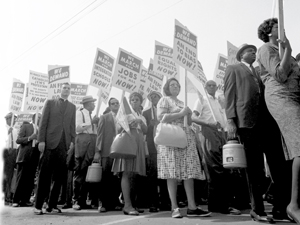
Time to March on Washington—Again Time to March on Washington—Again
Fifty years after King’s historic march, the struggle for racial justice faces unprecedented challenges.
Aug 14, 2013 / Ari Berman
This Week in ‘Nation’ History: James Baldwin’s Four Decades of Prophecy, Confession, Emotion and Style This Week in ‘Nation’ History: James Baldwin’s Four Decades of Prophecy, Confession, Emotion and Style
Baldwin published his first piece in The Nation, and for many years thereafter continued to attack a system he thought as close to anarchy as to martial law.
Aug 10, 2013 / Books & the Arts / Katrina vanden Heuvel