Even Red-State Voters Want to Raise the Minimum Wage Even Red-State Voters Want to Raise the Minimum Wage
Eighty percent of Americans want to hike wages, but powerful Republicans keep saying no.
Oct 15, 2014 / John Nichols
A Q&A With Charles Blow on Race, Poverty, Sexual Predators and the CIA A Q&A With Charles Blow on Race, Poverty, Sexual Predators and the CIA
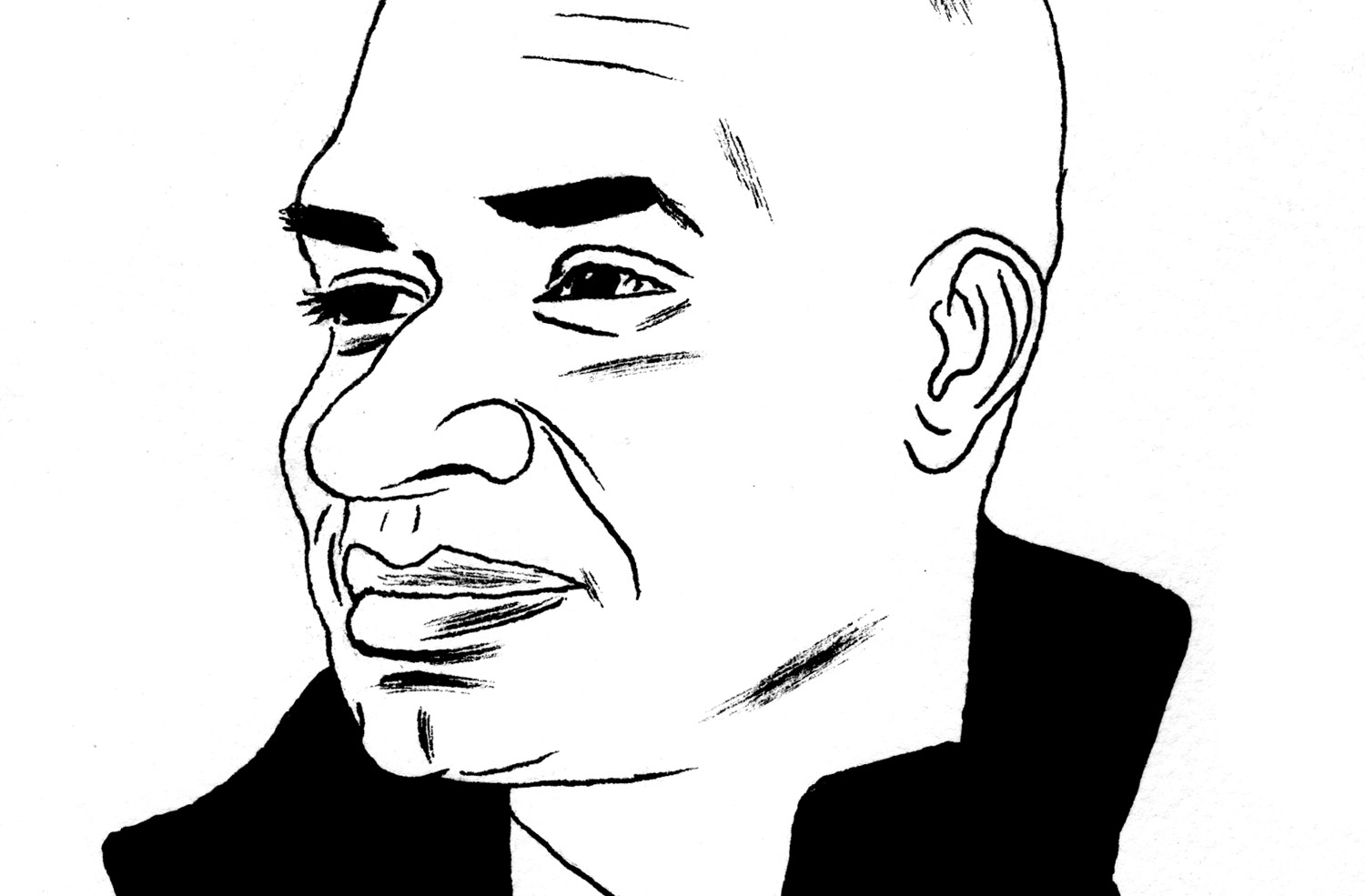
The New York Times columnist discusses his new book, Fire Shut Up in My Bones.
Oct 15, 2014 / Books & the Arts / Jon Wiener
How Art Can Change Minds How Art Can Change Minds
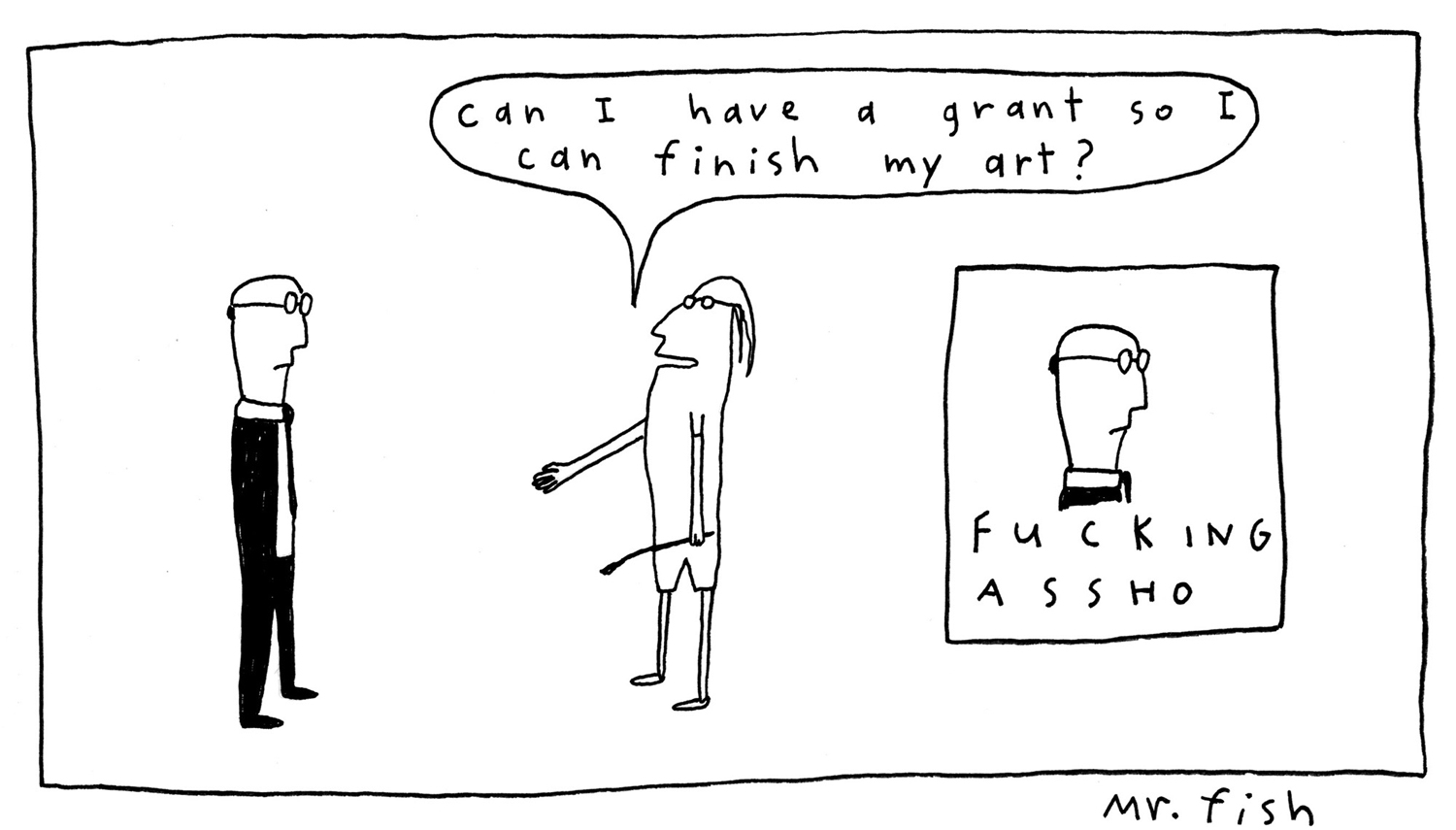
Political cartoons can move only if they surprise.
Oct 15, 2014 / Mr. Fish
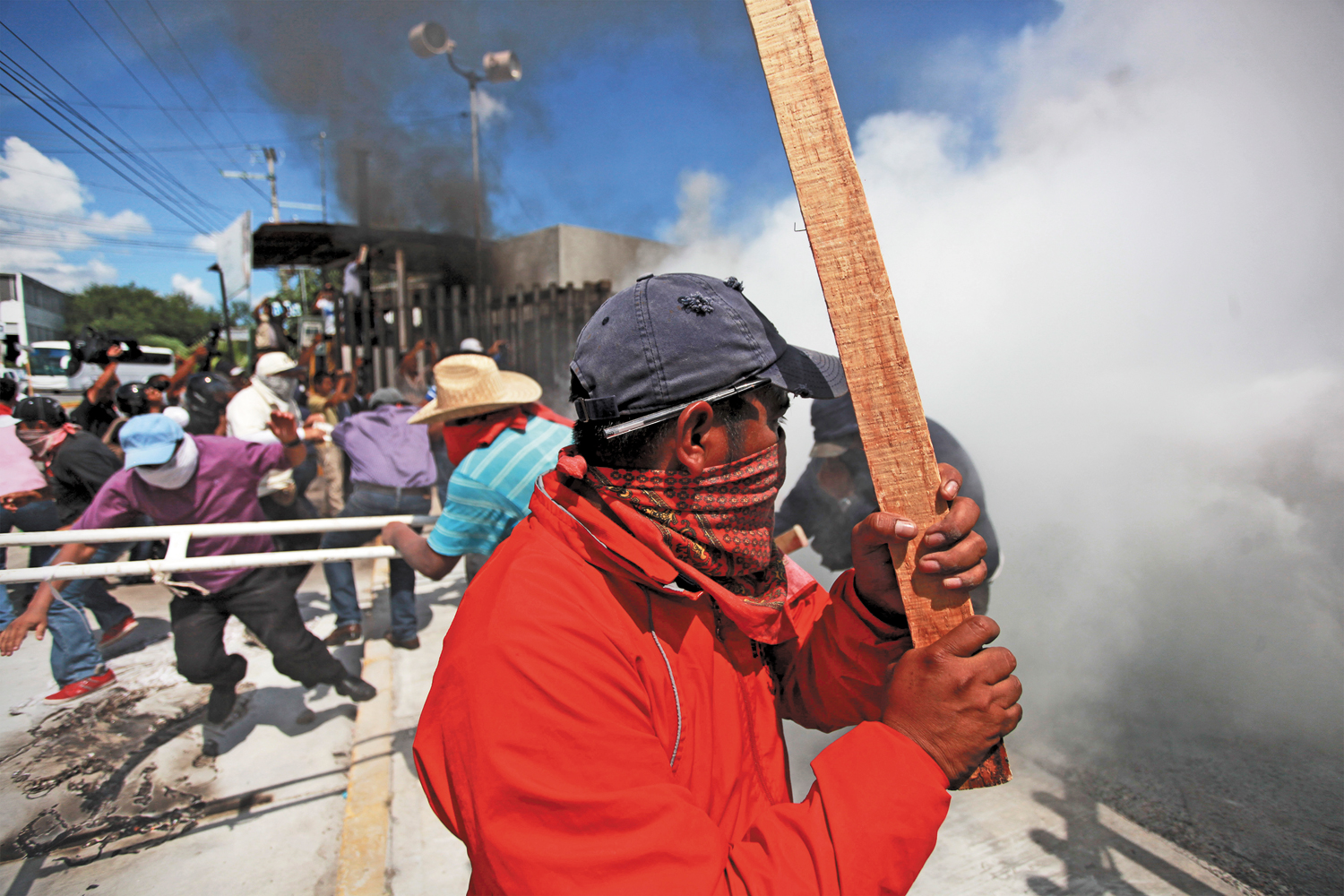
Snapshot: Riot for the Return of the Disappeared Snapshot: Riot for the Return of the Disappeared
Hundreds of students and teachers clashed with riot police in Chilpancingo, Mexico, after forty-three student activists went missing following a confrontation with local police in September. The discovery of ten mass graves in the area have spread fears about the students’ fate at the hands of police linked to the drug cartels.
Oct 14, 2014 / Felix Marquez

The Malalas You Don’t See The Malalas You Don’t See
The Pakistani teenager shot by the Taliban has rightly captured the world’s attention. But what about the invisible child victims of US drones?
Oct 10, 2014 / Sarah Waheed
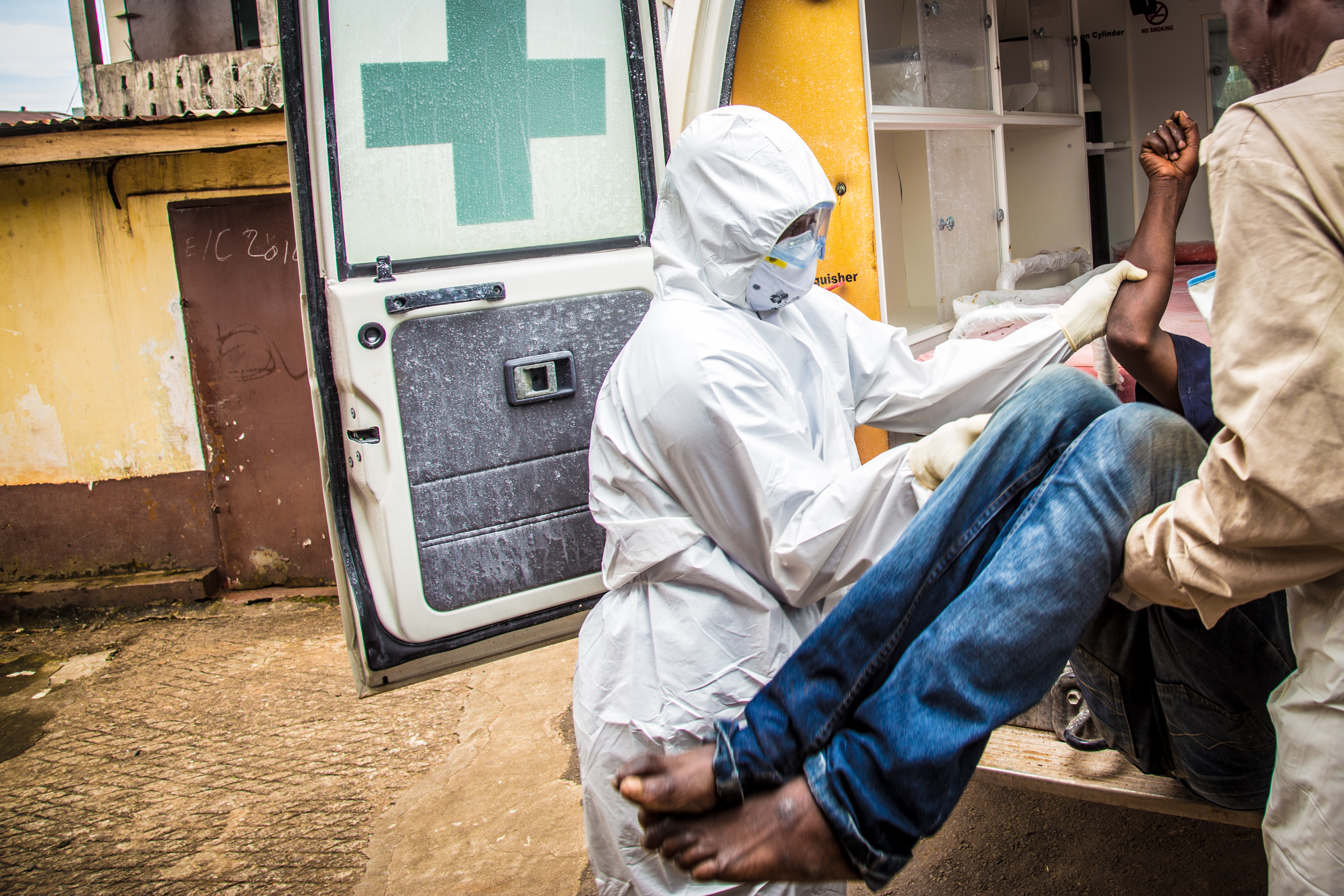
How the World Let the Ebola Epidemic Spiral Out of Control How the World Let the Ebola Epidemic Spiral Out of Control
A swift international response could have contained the outbreak.
Oct 8, 2014 / The Editors
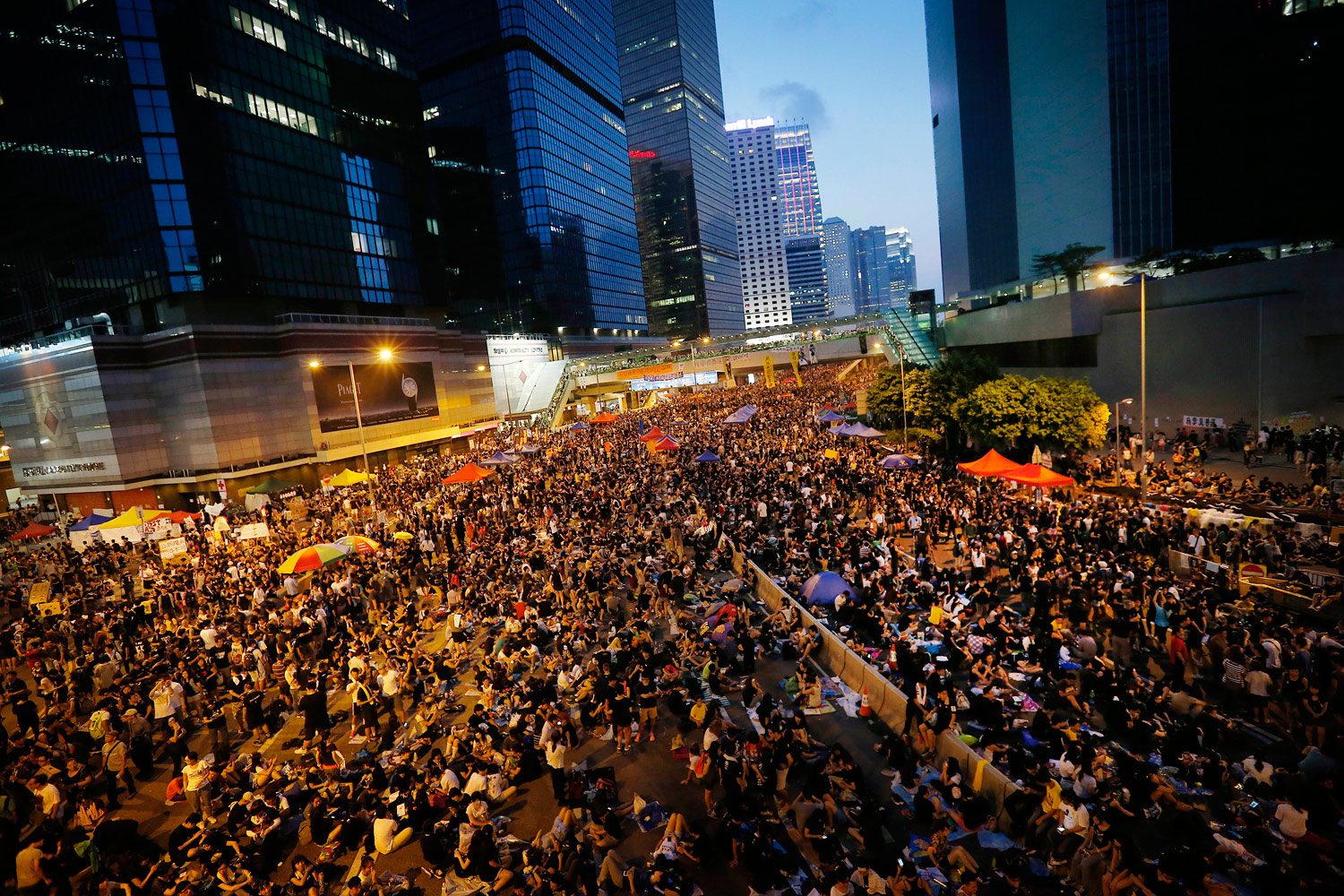
Fighting Hong Kong’s Inequality Crisis Fighting Hong Kong’s Inequality Crisis
Though the territory’s street protests have largely died down, the pro-democracy movement proved it was in for the long haul.
Oct 8, 2014 / Michelle Chen
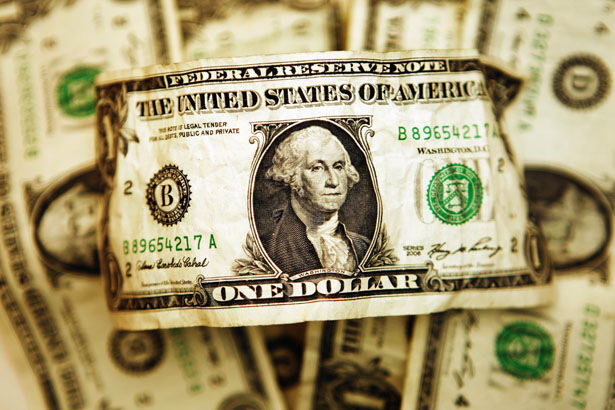
The Score: Does the Minimum Wage Kill Jobs? The Score: Does the Minimum Wage Kill Jobs?
Throw a rock into the punditsphere and you’ll hit someone arguing that minimum-wage increases kill jobs. We shouldn’t boost the wage, these people argue, because companies will hire fewer of the lowest-paid workers—the very workers who are supposed to be helped. Meanwhile, social movements like Fight for 15 demand a higher minimum wage in order to raise the living standards of these workers. To a degree, the relationship between the minimum wage and employment is still debated among economists. When thirty-eight of them were polled last year, they were split as to whether a $9 hourly wage would cost jobs, with about a quarter unable to say one way or another. The debate pits the Congressional Budget Office, which found that a $10.10 wage would reduce employment by 0.3 percent, against economists like David Cooper, who found that a higher minimum wage would support the creation of 85,000 new jobs. So which is it: Does raising the minimum wage boost living standards for workers, or does it kill jobs for those who need them most? Taking stock of all the conflicting research on the topic suggests the former: employment is unlikely to suffer from a higher wage. In 2009, Hristos Doucouliagos and T.D. Stanley published a paper that reviewed sixty-four studies and found that when the studies’ findings were averaged out, the impact of raising the minimum wage on employment was close to zero. Also, the most statistically precise studies were the likeliest to find no impact. Increasing the wage by 10 percent could reduce employment by a mere 0.1 percent. Critics suggest that employers of low-income workers will replace them with machines if their labor becomes more costly. But in the real world, businesses are run by human beings who make a range of choices. Bosses often respond to higher labor costs not by cutting workers, but by requiring workers to be more efficient. They may reduce bonuses for higher-paid employees. They could pass the cost on to customers through higher prices, although a review of academic papers found that a 10 percent wage increase raised prices by no more than 0.4 percent. Most important, employers are likely to find that a higher wage reduces costly job turnover among trained workers. Higher wages also put more money into workers’ pockets—to the tune of some $30 billion—which would then be spent at these businesses. Real-world evidence is reassuring. In 2010, three economists looked at 1,381 counties over sixteen years, finding that minimum-wage hikes had no effect on employment. Other economists looked at every state-level minimum-wage increase over twenty-five years at times when unemployment was already high and found no evidence of an effect on job creation. Yet another group looked at the effect of state-level increases on teenagers—canaries in the coal mine of low-skilled employment—and found zero impact on their jobs. Even this year, the thirteen states that raised their minimum wages on January 1 have experienced higher employment growth than those that didn’t. Washington, the state that has boasted the highest minimum wage for fifteen years, had a job-growth rate 0.3 percentage points above the national rate. It’s impossible to draw a clear line of causation from a higher minimum wage to job growth, but the hikes clearly did not torpedo local economies. Across the board, there’s little reason to think that a higher wage would decimate job growth and good reason to think it could give the economy—and workers—a boost. Bryce Covert Myth: The minimum wage is a living wage. Reality: One full-time minimum-wage job used to be able to keep a family of three above the poverty line. Now it can’t keep a single parent above the poverty line. Myth: Mostly teenagers in short-term jobs make the minimum wage. Reality: Nearly 90 percent of the workers who would be affected by a minimum-wage hike are older than 20, and 28 percent of them are parents. Myth: Minimum-wage jobs like fast food are just entry points to better-paid careers. Reality: In the minimum-wage fast-food industry, there are far fewer managerial positions to move into than in other industries, and few franchise ownership opportunities. half-full: Ten states have passed minimum-wage increases this year, five above $10 an hour. half-empty: Congressional Republicans have blocked a federal minimum-wage increase three times over the past three years despite supporting one under President George W. Bush.
Oct 8, 2014 / Mike Konczal and Bryce Covert

Policing Pain Policing Pain
It’s been estimated that half of the people shot and killed by police officers in the United States have some type of mental-health problem. James Boyd was killed in Albuquerque, New Mexico, after a five-hour negotiation with police, who were trying to get the homeless man to leave his illegal campsite. Boyd had only two small camping knives, but he was shot in the back after the officers set off a stun grenade. When they aren’t killing people with mental-health issues, the police are arresting them, a harrowing and harmful experience in its own right. “Jails are the number one mental-health facilities across the country,” San Antonio Police Officer Joe Smarro explains in a new video series about overcriminalization, which launches at TheNation.com on October 9. Produced by Brave New Films in partnership with the ACLU, the series explores alternatives to the criminalization of social problems like mental illness, homelessness and addiction. Please support our journalism. Get a digital subscription for just $9.50! There’s a long history in America of imprisoning vulnerable populations. The criminalizing of homelessness harks back to the days after Reconstruction, when outdated vagrancy laws were suddenly applied to the newly freed black population. The “black codes” targeted formerly enslaved people, who were arrested for violations such as lacking proof of employment. They were then sent to prisons that had sprung up on former plantations, effectively re-enslaving them. This legacy carries on through stop-and-frisk policies and discriminatory immigration enforcement measures. Such policies criminalize everyday behavior, are enforced in a racist fashion, and designate police officers as the first and only solution to society’s problems. That’s why this series is not just about describing the problem, but about how you can take action. These videos focus on innovative and cost-effective solutions that actually improve people’s lives, making us less dependent on prisons and policing to address problems that are far too complex to be beaten into submission. Read Next: Steven Hsieh on the mentally ill veteran who “baked to death” at Rikers
Oct 8, 2014 / Mychal Denzel Smith
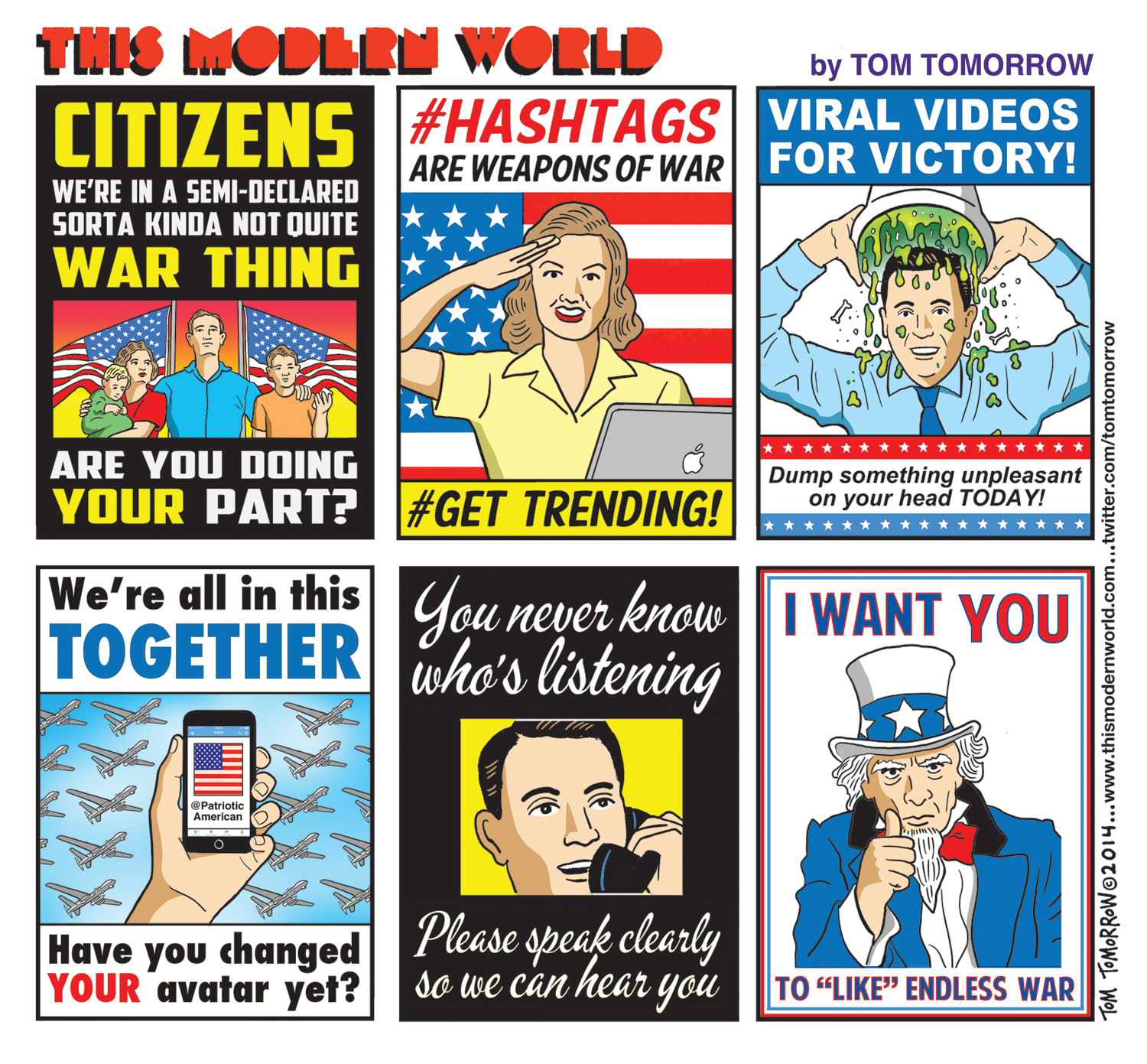
Comix Nation Comix Nation
Oct 7, 2014 / Tom Tomorrow