

Inside Out Inside Out
With its new building, the Whitney Museum is now the best place to see modern and contemporary art in New York City.
May 6, 2015 / Books & the Arts / Barry Schwabsky
Damage Damage
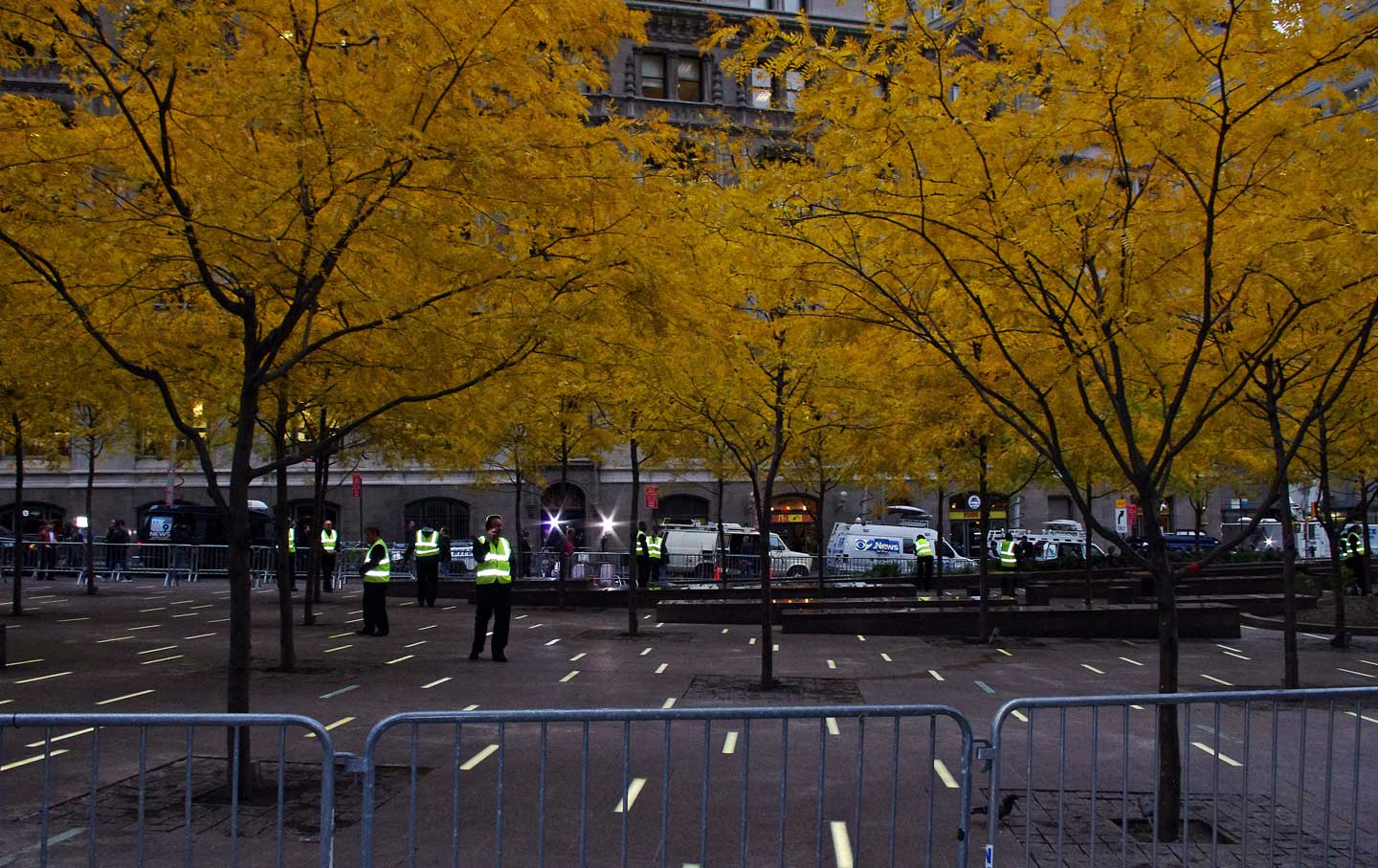
In our new Gilded Age, the worst are not only full of passionate conviction. They are also damnably clever.
May 6, 2015 / Books & the Arts / George Scialabba
Crash-and-a-Half Crash-and-a-Half
Mourn the poem or porn locked inside or fried, the white scrambled pre-word, impulses so electric they’re post-, just the paths, the pulse. The embarrassment of backup forgotten, Alzheimer put on like a coat you paid a lot for, months owed to a machine. Here— take this, my life in numbered bundles. Don’t forget. Such blackness arrives always sudden and sad but peaceful, not even an accident this time. And you, half-brained, mea culpa the air where the data hadn’t risen to cloud height, so suitable for burial, disremembered, dismembered.
May 6, 2015 / Books & the Arts / Terese Svoboda

Critical Agents Critical Agents
How J. Edgar Hoover’s paranoid view of literature led him to target African-American writers.
May 6, 2015 / Books & the Arts / Peter C. Baker
Demon Demon
“Good news,” said the doctor, “it’s a demon.” I asked for its name: was it No One? Was it Superego? He said it wasn’t those but he couldn’t guess the name. “Who knows,” he said, “It mightn’t even be a demon. It’s what we call a ‘diagnosis by elimination.’” Explaining he couldn’t operate, the doctor said let’s go ahead and medicate the hell out of it, make it sleepy. I named him “Demon” after his identity. I put him to sleep twice a day, one short one long; three times a week he did sport; he grew to six foot two; I said he was good; I went to the door of his room and left food.
May 6, 2015 / Books & the Arts / Kathryn Maris
Financial Pop Financial Pop
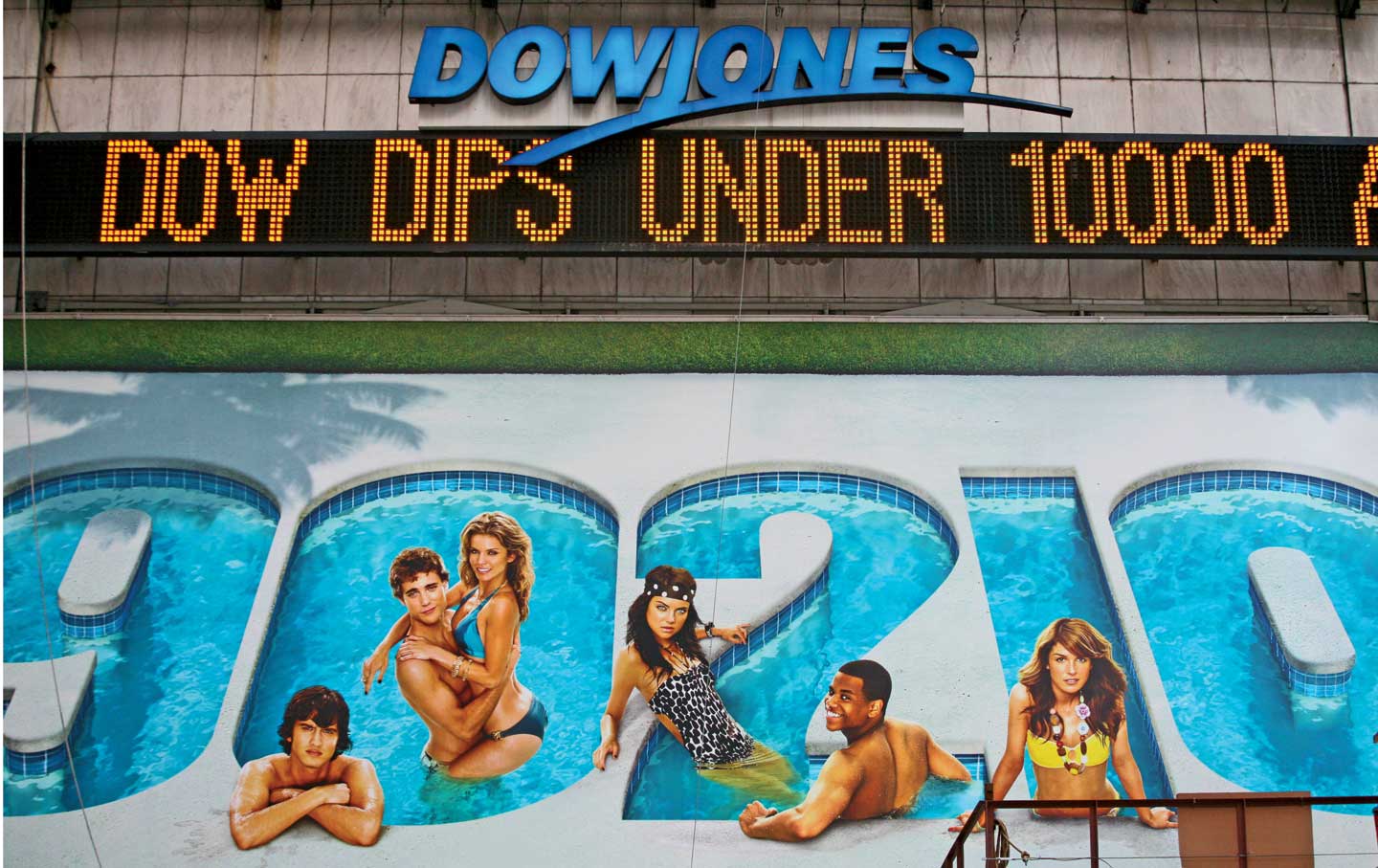
Money is sitting around in its sweatpants listlessly spooning peanut butter out of a jar.
May 6, 2015 / Books & the Arts / Joshua Clover
Power and Piety Power and Piety
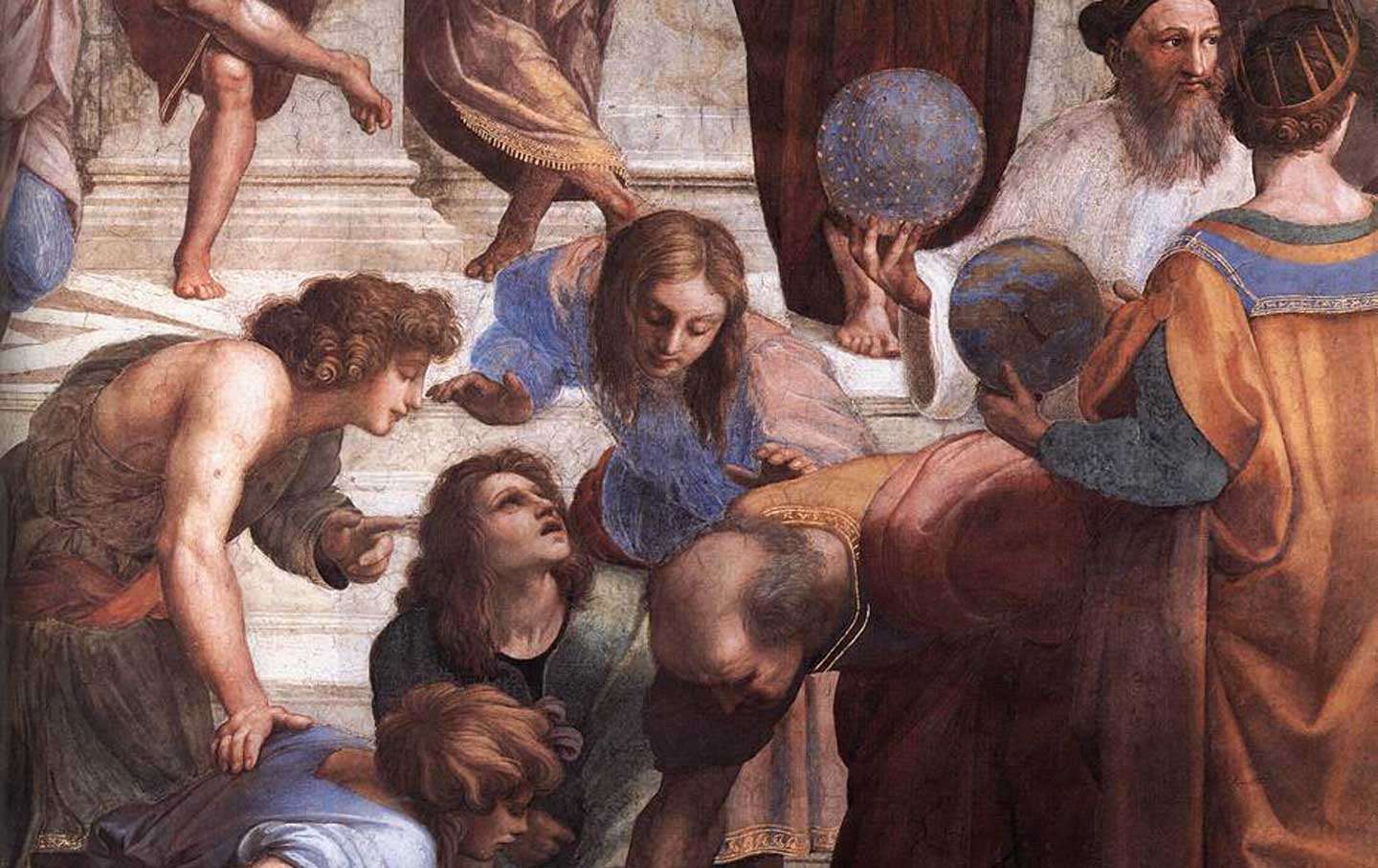
Is the promotion of violence inherent to any religion?
Apr 29, 2015 / Books & the Arts / David Nirenberg
His Own Çukurova His Own Çukurova
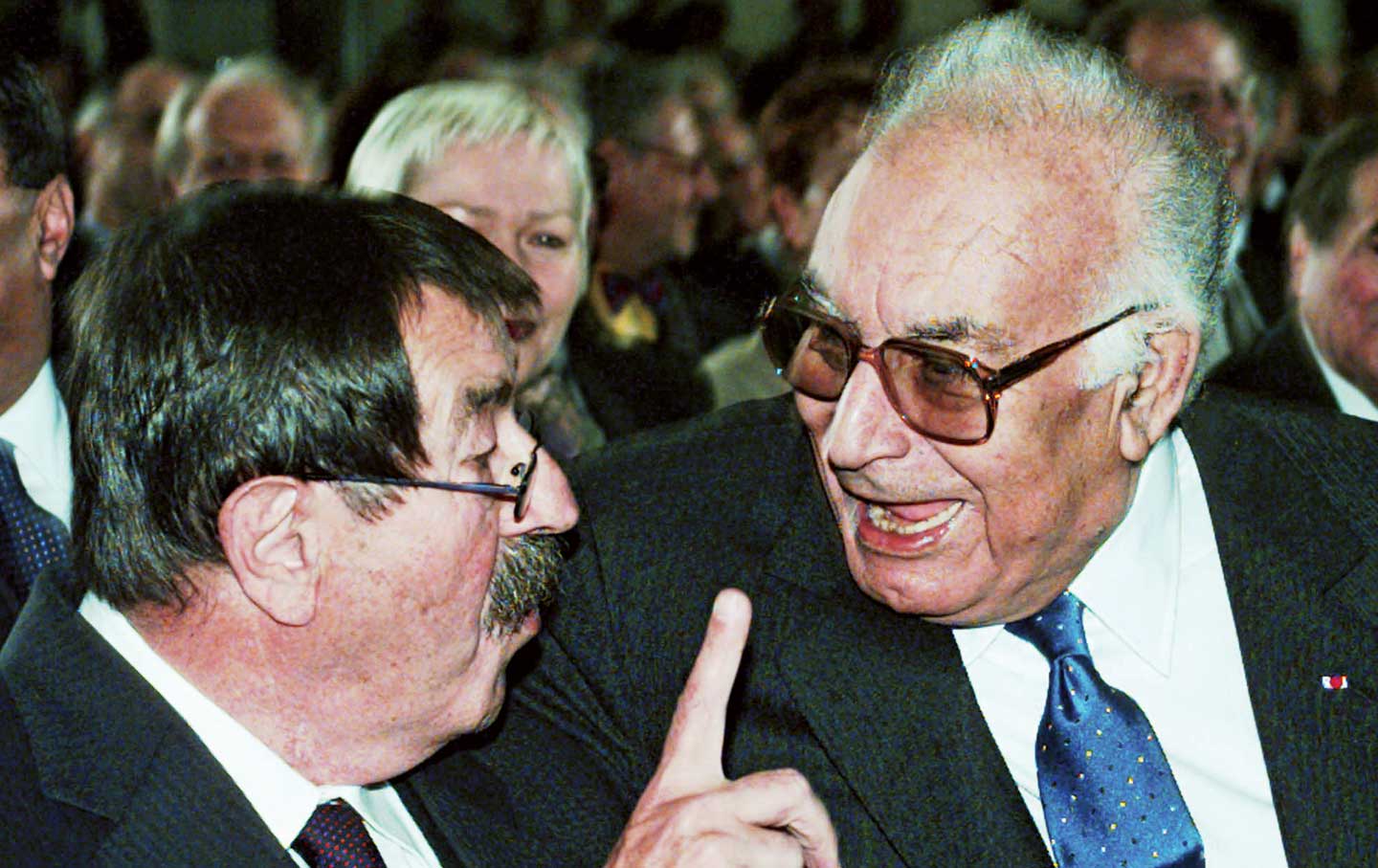
Orhan Pamuk might be Turkey’s most-talked-about author, but Yaşar Kemal remains its most loved.
Apr 29, 2015 / Books & the Arts / Piotr Zalewski

Notes on Kampf Notes on Kampf
Is the well-being of the cultural middle class the key to American creativity?
Apr 29, 2015 / Books & the Arts / Eugenia Williamson
Sacred Hate Sacred Hate
O my hate, so majestic saintly, pure, and angelic bless my excess with a fat caress make me bow and make me proud. Humped by humble squires proud to be living sans Desire sans Goodness, sans Faith sans sun’s caressing grace. O my hate, grandiloquent shield agitate my soul to infinite zeal beyond other harms concealed. Hate wins, hate resounds!, armor ’gainst a vile amour that defrauds all— seven deadly Sins of my ardor! After CRUZ E SOUSA (Afro-Brazilian, c. 1898)
Apr 28, 2015 / Books & the Arts / Charles Bernstein