
Working-Class Voters Are Not Centrists
A new report shows there is absolutely a winning constituency for economic and social progress. But Democrats aren’t pursuing it.
Nobody seems to feel good about the Democratic Party these days.
With its approval rating at historic lows, panic over the New York mayoral race, and elected officials uncertain about how to move forward, few are optimistic about the direction the Democrats are headed.
There is certainly reason for concern. Catalist, a leading electoral research firm, recently released its breakdown of the 2024 election, and the results do not bode well. The Democrats have made no progress reversing their steady loss of working-class support. Worse yet, this trend is finally catching up with non-white and young voters, who shifted substantially toward Donald Trump in November.
A new report from the Center for Working-Class Politics (CWCP) and Jacobin magazine sheds light on these trends and how they might be reversed. The survey examines over 60 years of polling data in order to comprehensively document the evolving opinions of working-class voters on a variety of political questions. With these findings, we can better understand what workers want and how that conflicts with the party’s more well-off constituencies.
The report finds that, while that schism can’t be ignored, there is absolutely a winning constituency for economic and social progress—but Democrats aren’t pursuing it.
What We Found
While working-class voters are not a monolith, the CWCP survey highlights a range of important commonalities across this group.
Above all, working-class voters are economically progressive. Seventy-five percent favor an increase in the minimum wage, 88 percent are for the government’s reducing prescription drug prices, and 65 percent agree that corporate boards of directors should be required to include workers. Interestingly, 63 percent of these voters also favor import limits to protect jobs in the US. This suggests that, if the GOP can only execute tariffs with careless disregard, then the Democrats may stand to gain from deploying them thoughtfully, perhaps to enforce common labor and environmental standards.
On cultural questions, working-class voters are onboard with the cornerstones of the progressive agenda, though not every item. Roughly 80 percent oppose outlawing abortion, support laws protecting LGBTQ people from discrimination, and wish to strengthen controls on gun purchases. That said, only about half consider themselves “pro-choice” or support an assault weapons ban. Finally, only around 10 percent of working-class voters wish to see the state or federal government spend less on law enforcement.
What about immigration? Though other work has shown that working-class voters (and indeed Americans overall) tend to trust Republicans more on this issue, the full story is more complicated. Roughly 70 percent are against family separations, and don’t believe immigrants will take American jobs. And 61 percent support a path to citizenship for undocumented immigrants, a rate that would surely be higher if not for backlash against Biden-era border policy. (Indeed, the backlash may now be going the other way.) The Democratic Party can find the audience for an empathetic immigration policy, but it will have to be willing to fight a serious messaging battle for it.
Of course, not all of these positions are shared by non-working-class voters, who now make up a sizable share of the Democratic electorate. The latter are more liberal on abortion and immigration, for example. On the other hand, working-class voters have significantly more egalitarian views on issues like industrial policy, Social Security, and Medicare. Given the sizable differences of opinion between the two groups, there may be a real trade-off for Democrats between winning working-class and non-working-class voters.
Yet the report also suggests that such trade-offs are not the whole story. This is because a significant portion of the working class generally agrees with Democratic voters on the issues, but votes for Republicans. Specifically, of working-class voters who voted for Trump in 2020, a whopping 20 percent support a higher minimum wage, increased social welfare spending, increased public school spending, and a tax on millionaires. Of that group, roughly half hold moderate-to-liberal views on cultural issues.
Popular
“swipe left below to view more authors”Swipe →Ten percent of Trump’s working-class voters may not seem like a huge constituency, but in a world where presidential elections are won by one or two percentage points, it is enough to tip the scales several times over. If Democrats can articulate credible support for that kind of platform, these findings suggest that a winning coalition will come together.
Where We Go From Here
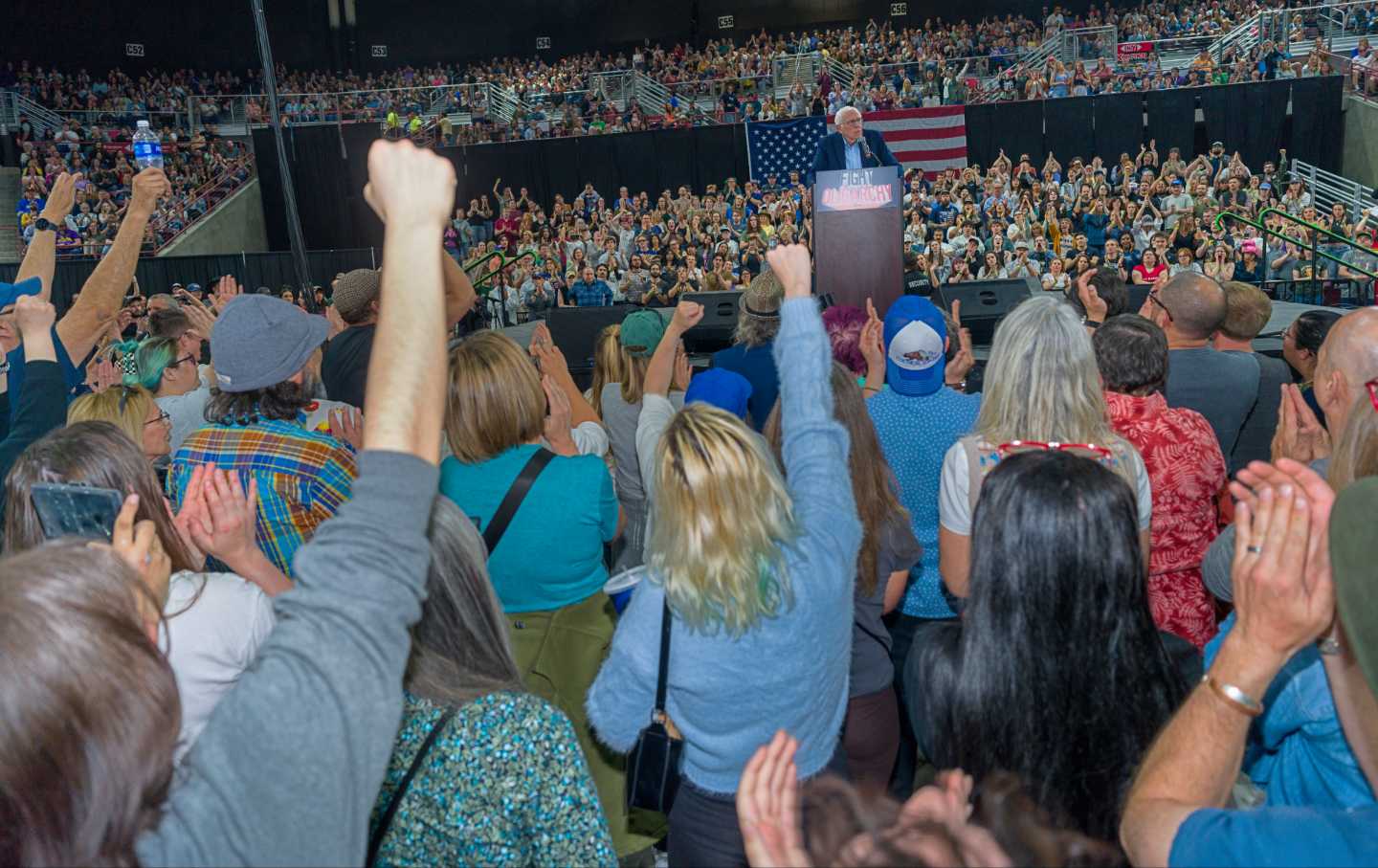
Getting working-class voters excited about the Democratic Party once again is a tall order. But recent successes like Zohran Mamdani’s campaign, which attracted record youth turnout, and Bernie Sanders’s Fighting Oligarchy tour, which attracted massive crowds in Trump country, speak to a deep, untapped wellspring of energy. One crucial element these initiatives share is that they meet working Americans where they are, “ahead of public opinion but within arm’s reach,” as one Democratic politician put it.
Generating wider enthusiasm for a national Democratic campaign will take serious message discipline. But what this report shows is that the constituency for a progressive party is out there and waiting to be courted. The alternative is to court further destruction by Republican government.
More from The Nation

Trump’s Reason For War in Iran? Trump’s Reason For War in Iran?
Obliterating the Epstein files at any cost.
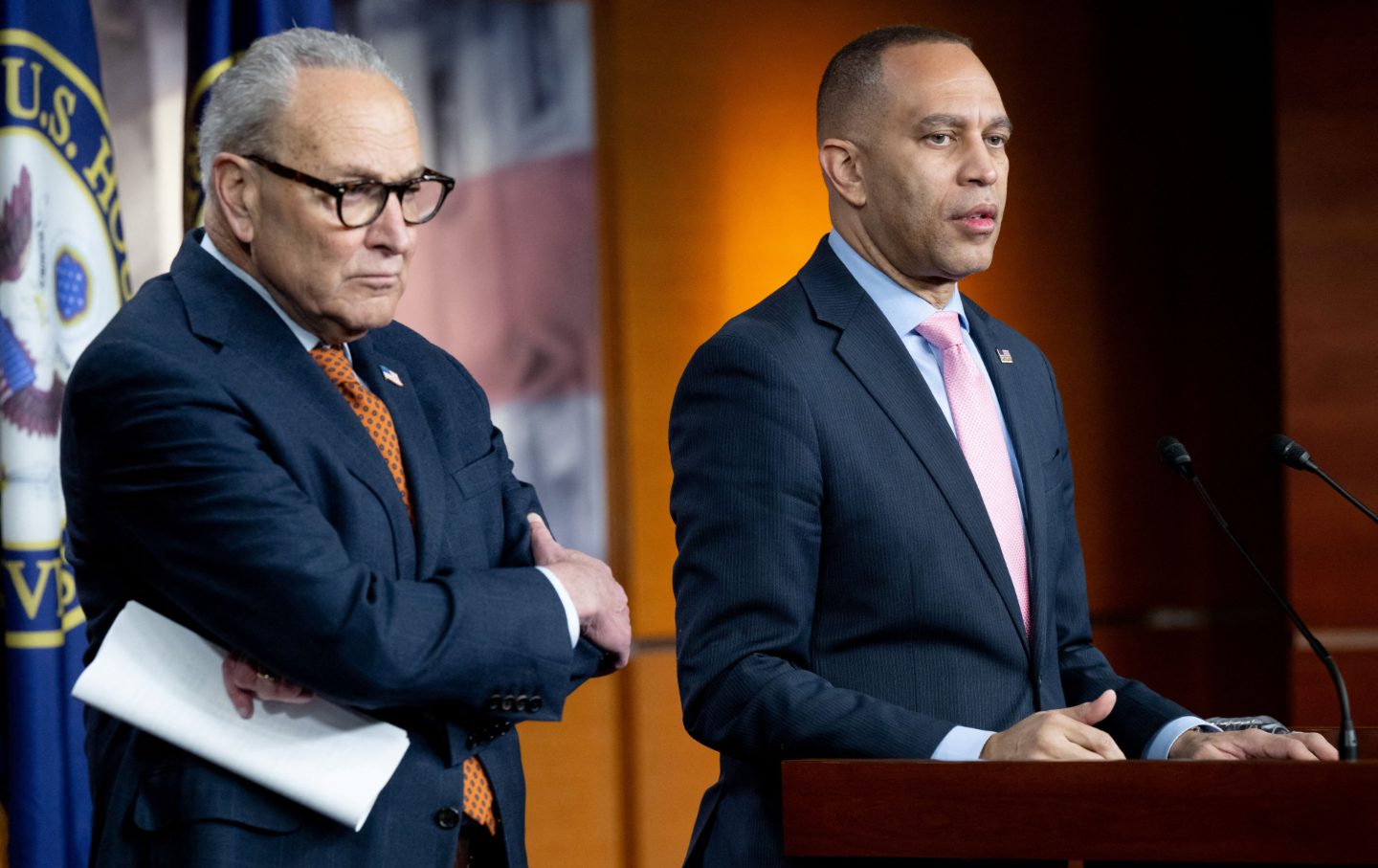
Why Can’t Top Democrats Just Say “No War With Iran”? Why Can’t Top Democrats Just Say “No War With Iran”?
The response to what could be the biggest geopolitical disaster of the 21st century is foot-dragging, silence, and sleepy, feigned opposition long after the deed is done.
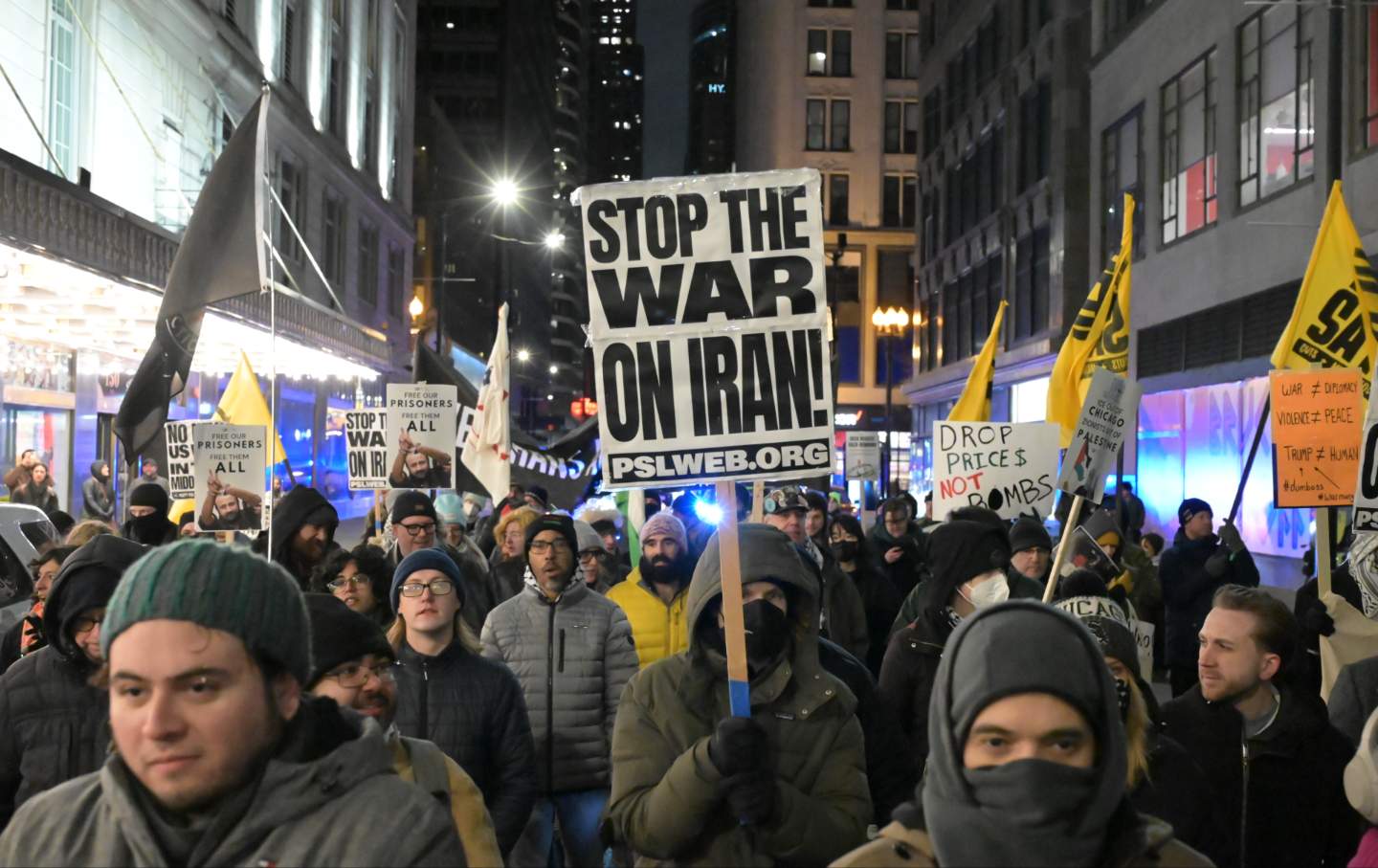
This Is an Unnecessary, Unauthorized, and Unconstitutional War This Is an Unnecessary, Unauthorized, and Unconstitutional War
Congress has a duty to take up War Powers resolutions and assert its primacy over matters of war and peace.

Will There Be Justice for Survivors? Will There Be Justice for Survivors?
The Epstein files have renewed scrutiny of alleged misconduct by powerful figures, including Donald Trump and Prince Andrew, raising ongoing questions about accountability and just...
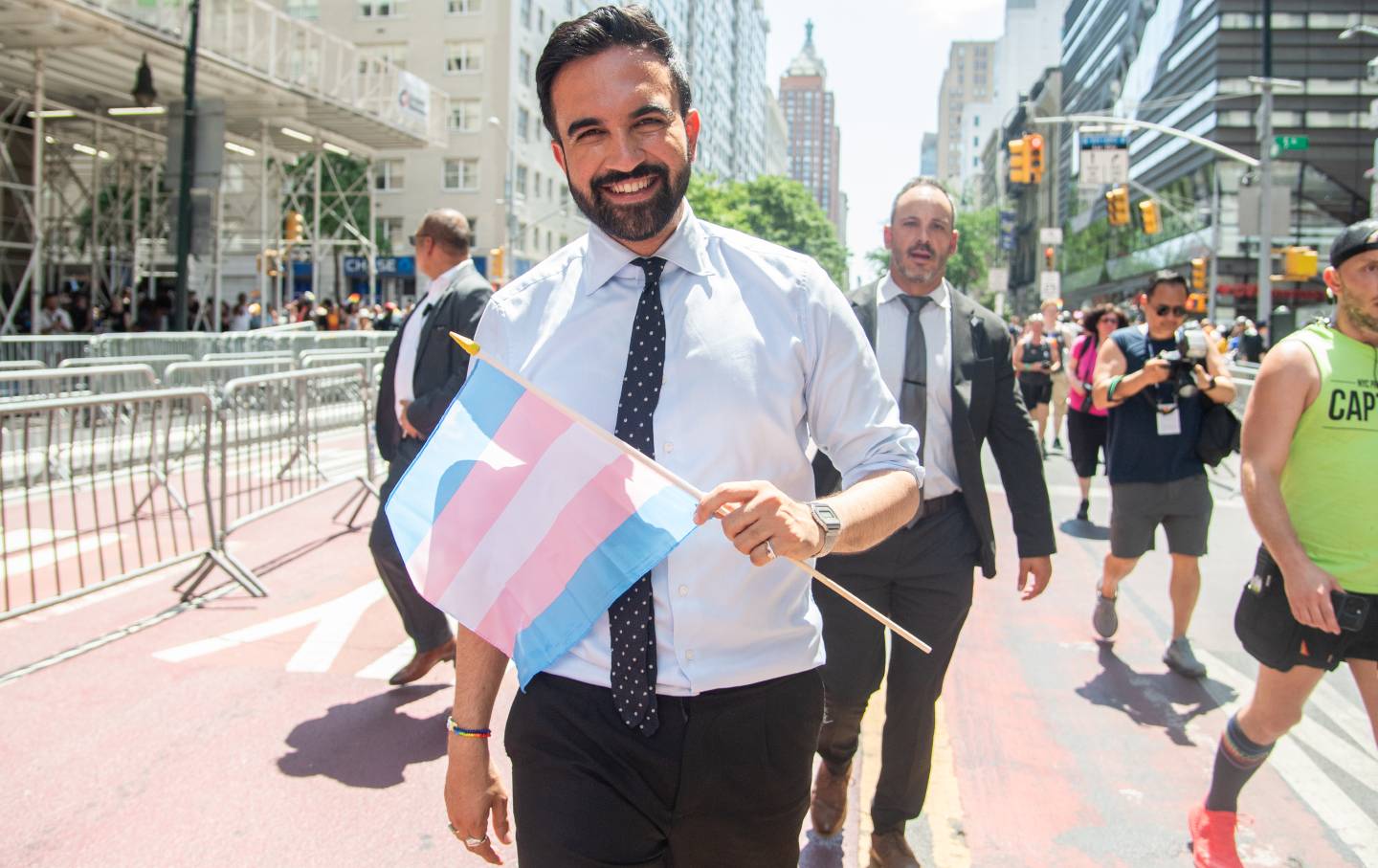
New York City Hospitals Fold to Trump. Will Zohran Mamdani Defend Trans Care? New York City Hospitals Fold to Trump. Will Zohran Mamdani Defend Trans Care?
As a candidate, Zohran Mamdani made promises to New York City’s trans community. With two hospital systems ending trans youth care, he’s now facing his first test.

This Minnesota Winter Is the New Prague Spring This Minnesota Winter Is the New Prague Spring
I’ve studied Czechoslovakia in 1968. I live in Minneapolis. The similarities between the historic invasion and the current ICE “surge” are scary.

