Trump’s Pardon of Ross Ulbricht Is a Sign of the Corruption to Come
The president granted the unconditional release of the online drug impresario as a favor to libertarians and cryptocurrency partisans.
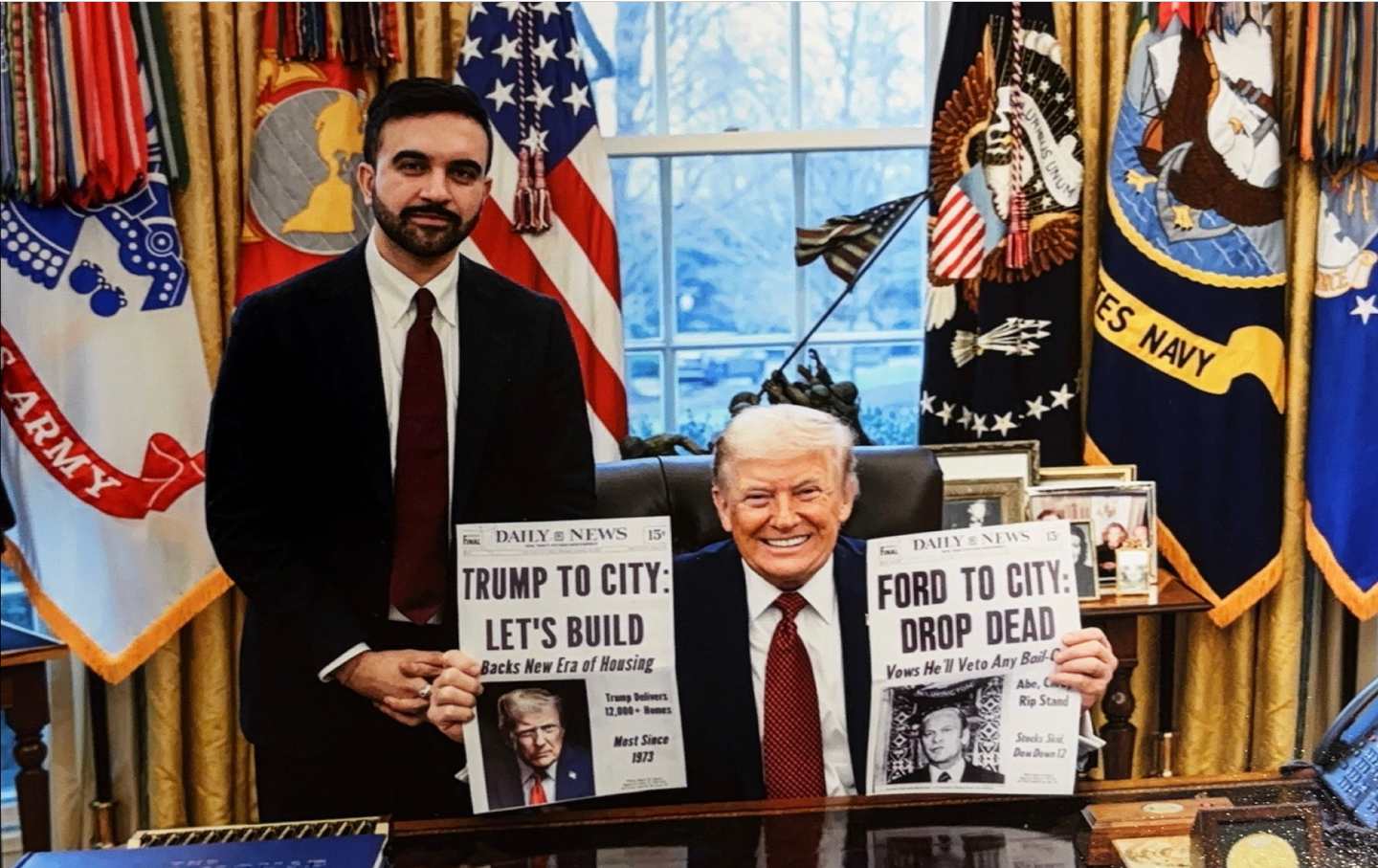
President Donald Trump’s obscene and unconscionable blanket pardon of the 1,600 rioters who sought to overturn the 2020 election has properly sparked widespread outrage, even from the editorial page of The Wall Street Journal. Trump had long stated his intention to settle that score, referring to these coup partisans as “hostages” and “political prisoners” from the 2024 campaign stump, and, in many ways, their cause is a holdover from the first Trump administration and its imaginary crusades against election interference and deep-state perfidy. Now that Trump is back in office thanks to a favorable election outcome (albeit one with a vanishingly narrow vote margin well shy of a majority mandate), the shape his second administration will take is better foreshadowed by his other marquee pardon: the unconditional release of convicted cybercriminal racketeer Ross Ulbricht.
Ulbricht, the proprietor of the dark-web bazaar Silk Road, which trafficked in drugs, hacking contracts, and other contraband, was convicted in 2013 on seven federal drug and conspiracy charges, netting two life sentences and an additional 40 years. The sentence was severe because during his trial it came to light that Ulbricht had allegedly contracted out half a dozen murders on people who were either blackmailing him or poised to assist in criminal investigations of him and the site, though none of the killings appear to have been carried out. (The one set of charges pertaining to the contracts was later dismissed with prejudice in a Maryland court, after the Baltimore-based DEA agent who’d elicited the first contract-killing agreement was convicted on corruption charges.)
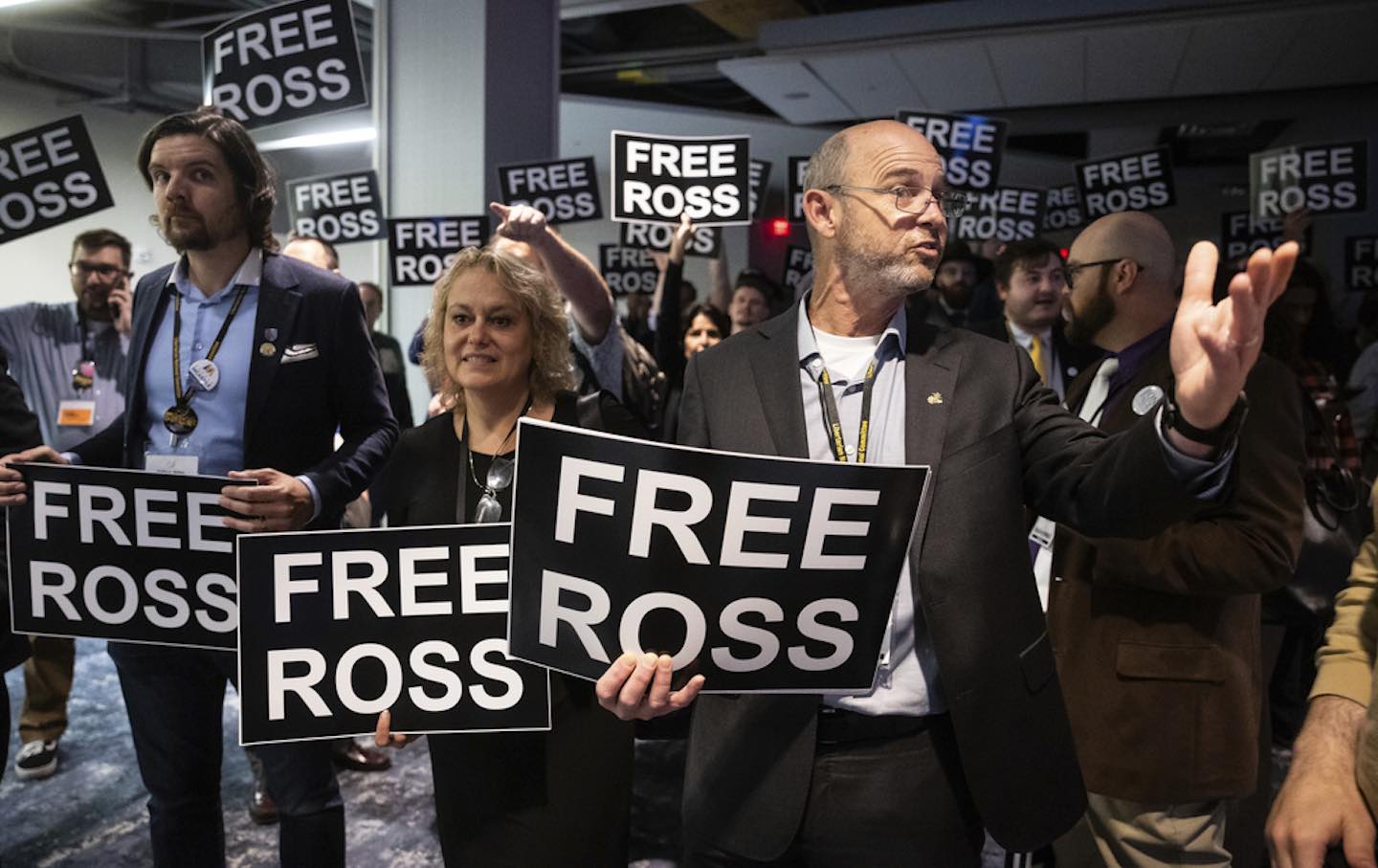
Trump also trumpeted his intention for this pardon on the campaign trail, originally pledging to commute Ulbricht’s sentence during his appearance before the Libertarian Party convention last May. A dedicated libertarian true believer, Ulbricht conducted much of his site’s business in the then-novel libertarian banner currency of Bitcoin, so as to elude traditional government tracking of his transactions. Trump, after having once denounced cryptocurrency as a “scam,” is now an enthusiastic flack of all things crypto, including his own slapdash pre-inauguration memecoin. So, with his finely tuned hustler’s instinct, Trump upgraded his May pledge to the libertarians from a commutation to a full pardon, and wiped Ulbricht’s criminal record clean.
And Trump being Trump, he also took pains to make it all about him. “The scum that worked to convict him were some of the same lunatics who were involved in the modern day weaponization of government against me,” Trump wrote in his Truth Social post announcing the pardon. This clumsy effort to conscript Ulbricht into the ranks of the phony MAGA militia was about as well thought-out as the $TRUMP memecoin, but, like that sketchy offering, it’s another branding exercise, positioning Trump as an all-accommodating finance bro—the defining mission of his second term.
In playing up the image of Ulbricht as a comrade in victimization, Trump was also borrowing the chief refrain of the libertarian crusade to secure Ulbricht’s release: With a suspect DEA agent in the picture, all the charges against Ulbricht become fruit of the same poisoned tree. Of course, this broad-swinging claim does nothing to explain the other five contract hits Ulbricht sought to administer; the reasoning here appears to be that if an imposter puts you up to your first contract murder, all the other ones you become involved in are on the house.
Here there is one important point of contact with Trump’s J6 pardons: One influential MAGA conspiracy theory holds that the entire failed coup was engineered originally by the FBI, so as to discredit the patriotic motives of MAGA election deniers. This is no fringe meme on the right—indeed, you can expect to hear a lot more about it in the days ahead, during the confirmation hearings of Trump’s pick to head the FBI, Kash Patel, who is an ardent promoter of this delusive narrative.
Yet, just as January 6 is “perhaps the most well-documented crime in American history,” in the words of Maryland Democratic Representative Jamin Raskin, Ulbricht’s offenses are extensively chronicled, thanks to the seizure of all his Silk Road communications on his hard drive. In one chat exchange with the DEA agent about that first murder-for-hire, Ulbricht offered this bloodless, self-pitying appraisal: “i’m pissed i had to kill him. but what’s done is done.” In a later exchange with a Silk Road client who described himself as a Hell’s Angel, Ulbricht chatted about eliminating another site user who was apparently blackmailing him: “In my eyes, FriendlyChemist is a liability, and I wouldn’t mind having him executed,” he wrote, before supplying the aspiring hitman with the user’s real name, location, and marital status. Even though the Hell’s Angel appears to have been a catfisher who didn’t carry out the hit, the ruse won Ulbricht over—and the reported results pleased him. “Your problem has been taken care of.… Rest easy though, because he won’t be blackmailing anyone again. Ever,” the catfisher said. Ulbricht’s response was again terse but pointed: “Excellent work.” Informed that the victim had housemates who probably should also be thrust out of the picture, Ulbricht briskly agreed, all while the two engaged in more mundane online discourse. As Wired writer Joshua Bearman notes in his epic account of Silk Road’s rise and fall, they “spent some time troubleshooting the Hells Angels’ new chat app and privacy plug-in (‘Please upload some screenshots of the settings’) while also planning and pricing (‘no bulk discounts’) the next set of executions.” (Ulbricht’s defense team at his trial took the position that he did not author any of these chats, since access to the chat servers wasn’t internally secure at Silk Road, and the DEA interloper had further compromised their security; yet it’s difficult to picture any other Silk Road functionary, let alone a bent DEA agent, doing tech recovery work from screenshots.)
It’s generally the case, of course, that federal drug prosecutions often involve gross miscarriages of justice, and the whole War on Drugs is an abject and ruinous failure. Still, amid all the flagrant, and blindingly racialized, prosecutorial abuses in the drug wars, it speaks volumes that Trump’s only acknowledgment of such excesses is on behalf of a white cyber-preneur who blithely plotted murders of irksome online adversaries and their roommates while working out the bugs in a chat app. It’s an especially telling irony given that Trump has also repeatedly advocated the death penalty for convicted drug dealers—and it’s doubtful anyone within the United States has trafficked in drugs on the scale that Ulbricht has. But that’s just business as usual in the Trump 2.0 White House; the president reportedly said “Fuck it, release them all,” as he approved the mass pardon of January 6 offenders. The same basic logic applied in escalating Ulbricht’s commutation into a sweeping pardon—and in both instances, Trump is following the credo he laid down himself on January 6, as his aides urged to send the armed crowd at his election-denying rotunda speech through metal detectors: “They’re not here to hurt me.” The unspoken corollary, of course, is that Donald Trump never cares about anyone else getting hurt.
Support independent journalism that does not fall in line
Even before February 28, the reasons for Donald Trump’s imploding approval rating were abundantly clear: untrammeled corruption and personal enrichment to the tune of billions of dollars during an affordability crisis, a foreign policy guided only by his own derelict sense of morality, and the deployment of a murderous campaign of occupation, detention, and deportation on American streets.
Now an undeclared, unauthorized, unpopular, and unconstitutional war of aggression against Iran has spread like wildfire through the region and into Europe. A new “forever war”—with an ever-increasing likelihood of American troops on the ground—may very well be upon us.
As we’ve seen over and over, this administration uses lies, misdirection, and attempts to flood the zone to justify its abuses of power at home and abroad. Just as Trump, Marco Rubio, and Pete Hegseth offer erratic and contradictory rationales for the attacks on Iran, the administration is also spreading the lie that the upcoming midterm elections are under threat from noncitizens on voter rolls. When these lies go unchecked, they become the basis for further authoritarian encroachment and war.
In these dark times, independent journalism is uniquely able to uncover the falsehoods that threaten our republic—and civilians around the world—and shine a bright light on the truth.
The Nation’s experienced team of writers, editors, and fact-checkers understands the scale of what we’re up against and the urgency with which we have to act. That’s why we’re publishing critical reporting and analysis of the war on Iran, ICE violence at home, new forms of voter suppression emerging in the courts, and much more.
But this journalism is possible only with your support.
This March, The Nation needs to raise $50,000 to ensure that we have the resources for reporting and analysis that sets the record straight and empowers people of conscience to organize. Will you donate today?