
Here’s What a 21st-Century Rural New Deal Looks Like
A strategy for building a rural-urban working-class coalition.
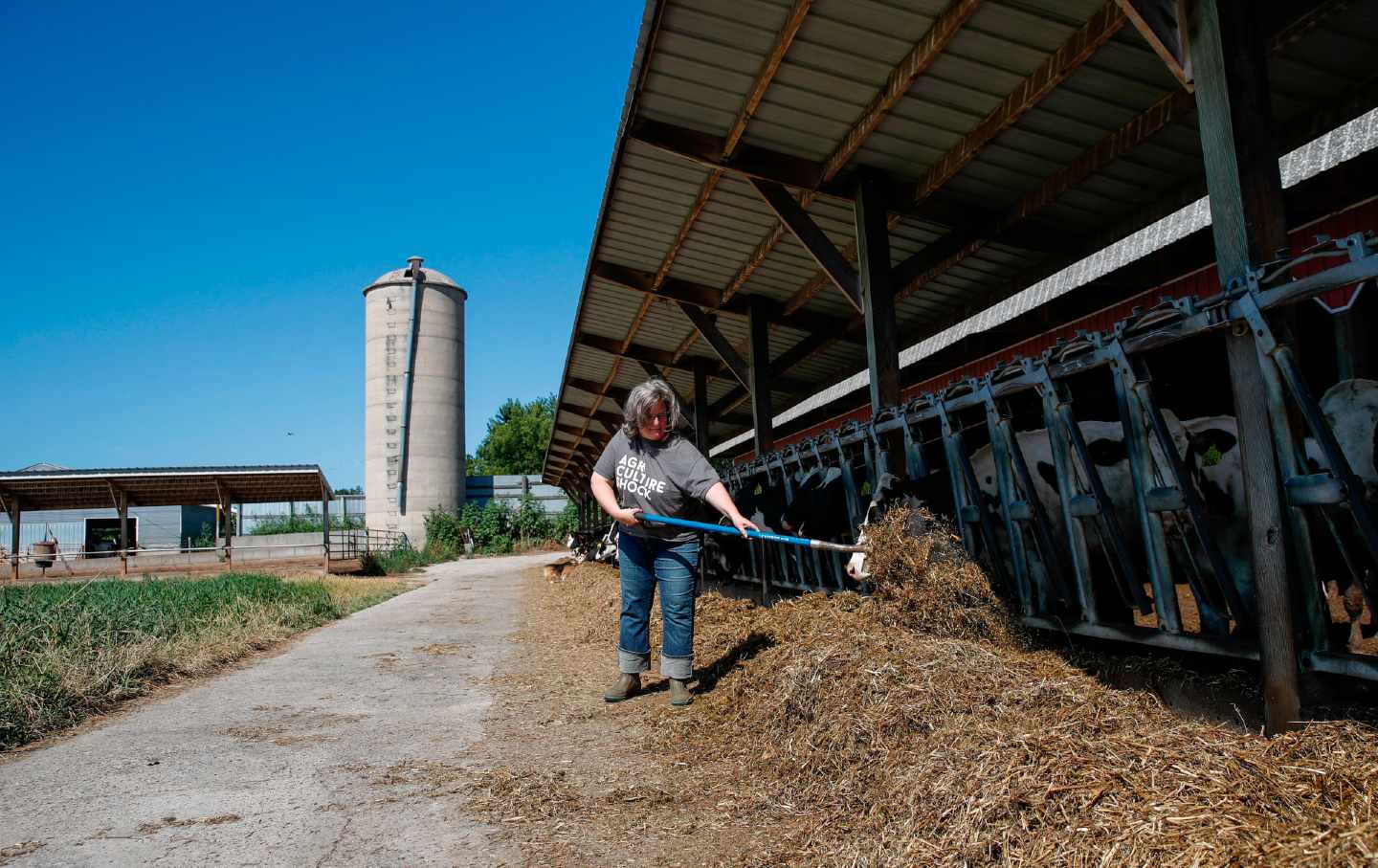
Imagine networks of family-owned farms, powered by solar panels, plowed by workers earning a livable wage, all organized around iconic small-town courthouse squares. Imagine students at the local school taking vocational courses to pursue a trade—future carpenters, mechanics, and electricians getting free training that they can supplement with online research via universally available high-speed broadband.
This is what life could look like after a Rural New Deal.
The proposal has been put forward by an organization called the Rural Urban Bridge Initiative, or RUBI. Founded by progressives raised on hay farms and in coalfields, RUBI goes beyond the typical obvious prescriptions to “engage” rural voters. Instead, they offer a strategy for building a rural-urban working-class coalition that’s equal parts sensible and ambitious.
Their efforts come at a fork in the poorly maintained road for the Democratic Party. As RUBI’s founders pointed out in a midterm postmortem forThe Nation, Democrats have been hemorrhaging support among rural voters, two-thirds of whom hold them in “low esteem.” And an NBC News poll from last September showed that barely a quarter of rural voters approve of the Biden administration. Those are startling numbers in an election year when the president needs electoral votes from Maine, New Hampshire, and Nevada, and crucial Senate seats are being defended in Montana and Ohio.
But by heeding RUBI’s advice and championing bold solutions to the challenges faced by rural and urban workers alike, Democrats could inaugurate a progressive renaissance in places that have been misconstrued as irretrievably lost—and bolster enthusiasm among core voters.
The comprehensive strategy advocated by RUBI asks Democrats to “think, talk, and act different”—and the organization offers a clear vision for how that can get done via their Rural New Deal. It consists of 10 pillars of fearless but practical policy proposals, ranging from universal broadband access to support for small local banks to affordable housing and universal healthcare initiatives.
RUBI also counsels progressives to engage rural Americans by learning to “talk like a neighbor.” Instead of relying on a single staffer in Brooklyn for rural outreach—as the Hillary Clinton campaign literally did in 2016—they call for sincere consideration of rural livelihoods and understanding the causes of their alienation. If Democrats did this, RUBI’s leaders believe, they might realize that rural and urban workers face many of the same problems—from inflation to stagnant wages to union busting—and might be compelled by many of the same solutions.
Already, progressives have used this empathy-plus-action approach to begin bridging the divide. In the Midwest, Jane Kleeb is making crucial inroads as the chair of the Nebraska Democratic Party. Her brand of heartland populism has sought to build common cause on issues like stopping the Keystone XL pipeline. Instead of advancing an environmental argument alone, she has framed the pipeline as a threat to the land rights of rural voters. The result? The number of elected Cornhusker Democrats has nearly doubled since 2016.
Meanwhile, in the most rural state in the nation, one young progressive has managed to do what national Democrats haven’t—pass a Green New Deal. Chloe Maxmin grew up on a venison farm in Maine, and, at the age of 26, won election to the state’s House of Representatives. As I wrote in 2022, she became the first Democrat to represent her rural district, all the while running as an unabashed progressive in the mold of Bernie Sanders.
How did Maxmin manage to defy what had been conventionally understood as a fundamental law of politics? She talked to voters, and then she delivered for them. In 2020, she made 90,000 voter contacts, the most of any Senate campaign in the state, and over twice as many as her closest opponent. Once Maxmin arrived in Augusta, she fulfilled one of her keystone campaign promises by helping pass a version of the Green New Deal. The secret sauce isn’t so secret: Treat voters with dignity and work hard to solve their problems. Maxmin stepped back from elected office in 2022, but she’s still employing the same philosophy to mobilize rural change through her organization, Dirtroad Organizing.
Ahead of (sorry, but what might really be this time) the most consequential election of our lifetimes, Democrats have an opportunity to follow RUBI’s lead, and move from talking about rural voters to knocking on their doors and improving their lives.
Not so long ago, Barack Obama won Iowa by almost 10 points. Today, that may seem unimaginable. But as Chloe Maxmin, Jane Kleeb, and RUBI show, it isn’t. With the right mix of pragmatic strategy and visionary solutions, the right leaders could inspire rural Americans to do more than just occasionally support progressivism. They could become its champions.
More from The Nation

We Don’t Need an Autopsy to Tell Us the Democrats Failed on Gaza We Don’t Need an Autopsy to Tell Us the Democrats Failed on Gaza
The DNC is allegedly hiding a report showing that Kamala Harris's Gaza policy helped cost her the 2024 election. But that report won't tell us anything we don't already know.

Texas's Senate Primary Has Already Made History—and It's Not Over Yet Texas's Senate Primary Has Already Made History—and It's Not Over Yet
Democratic nominee James Talarico is getting national media attention, but the real story is sky-high voter turnout, even amid GOP bids to suppress balloting
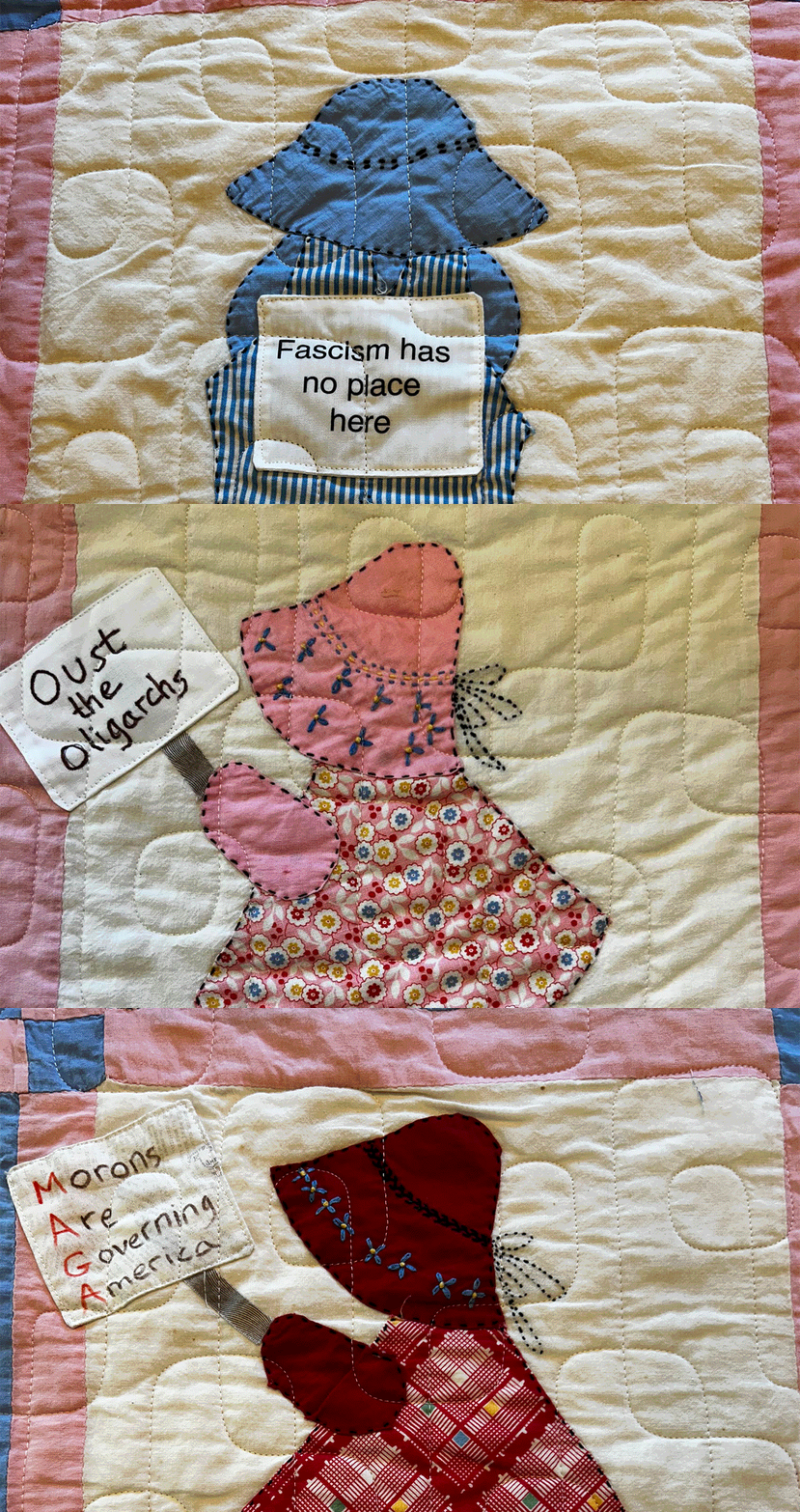
Quilted Messages Quilted Messages
Sunbonnets carrying not-so-sunny truths.
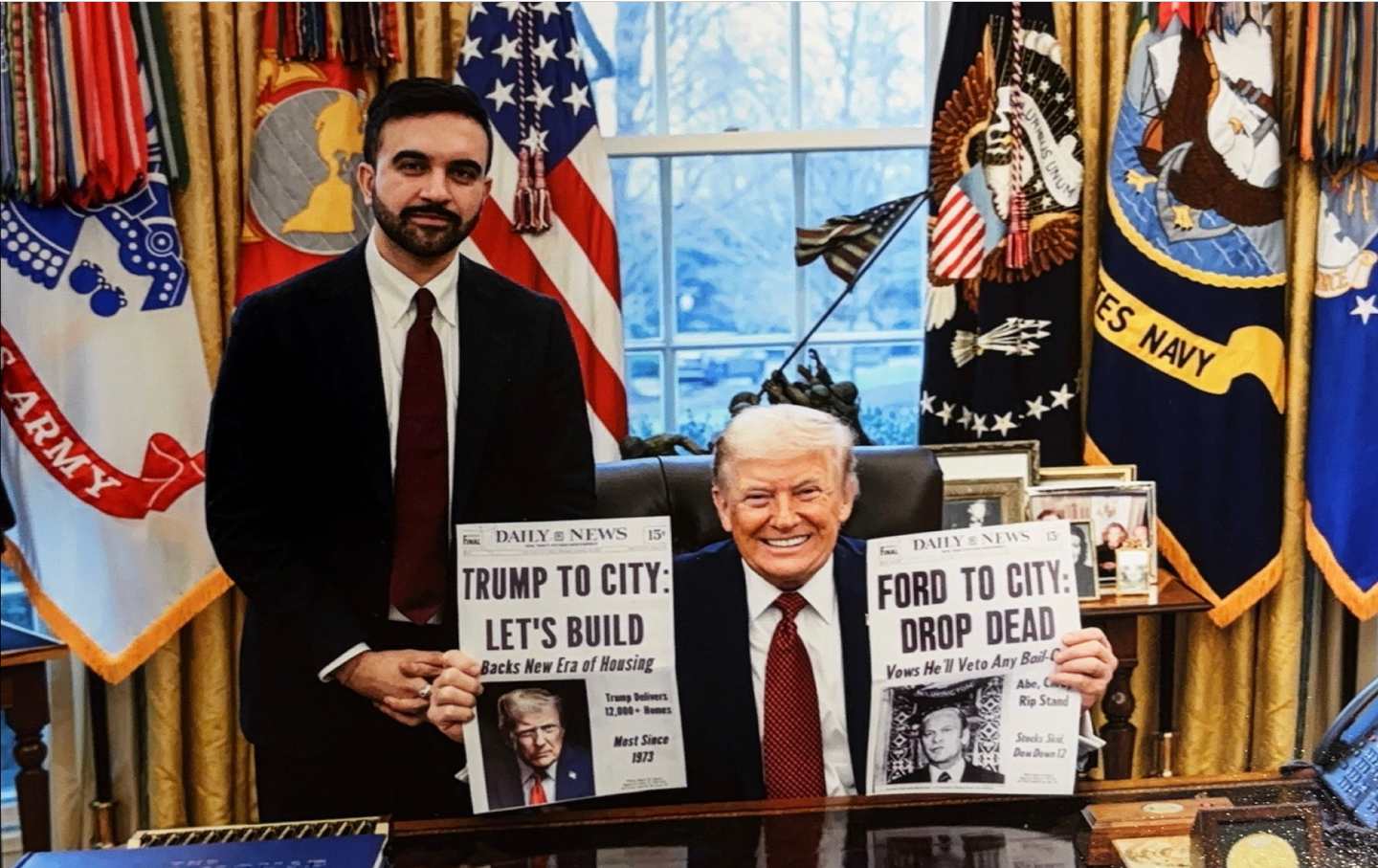
How the Theatrics of Mamdani’s Trump Meeting Backfired How the Theatrics of Mamdani’s Trump Meeting Backfired
By pandering to the president’s vanity, the New York mayor reinforced Trump’s image as a strongman commanding deference—an especially bad look on the eve of Trump’s war with Iran
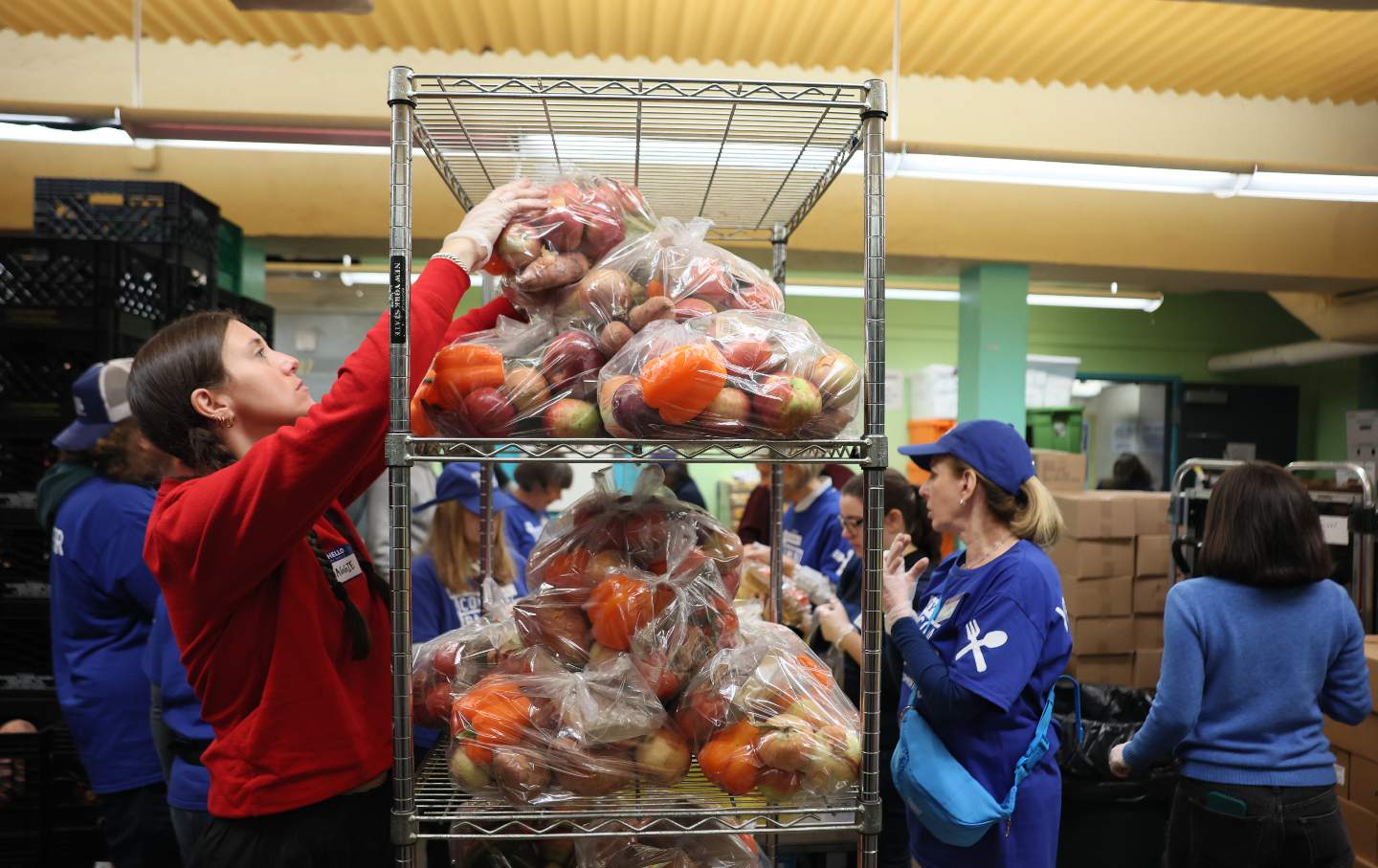
Students in New York Are Going Hungry. How Can Mamdani Help? Students in New York Are Going Hungry. How Can Mamdani Help?
With plans for city-owned grocery stores and a focus on affordability, the new mayoral administration offers fresh hopes of successfully confronting the food crisis among students...
We Are the Fire That Melts the ICE We Are the Fire That Melts the ICE
Oaxaca, Mexico, street art.

