
A Huge Democratic Victory in Omaha Offers a Lesson for the Party
The Nebraska city swung by 43 points to elect John Ewing Jr. Democrats should study the model he embraced.
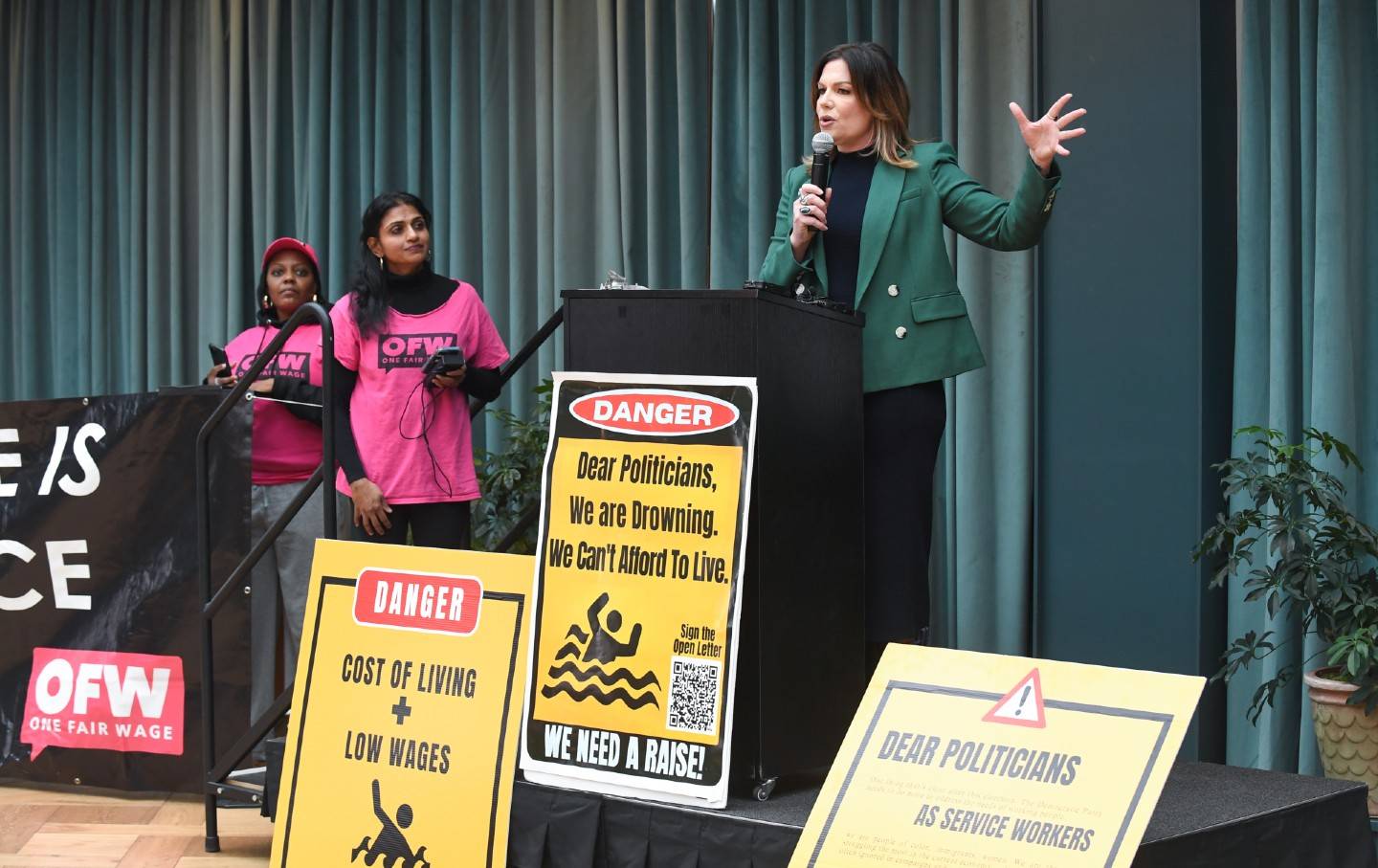
For the last several months, the Trump administration’s reckless use of executive power, trade policy, gutting federal agencies and defying court orders has gone largely unchecked. National Democrats have limited means of opposition—so the best hope for accountability will be electoral accountability.
This may help explain why last Tuesday’s election results in America’s 41st biggest city generated such outsized excitement from progressives. John Ewing Jr., a longtime county treasurer, was elected the first Black mayor of Omaha, defeating the incumbent Jean Stothert, who was seeking a fourth term after holding that office since 2013. More than that, Ewing won big, by nearly 13 points, marking a huge shift after Stothert won her last race by 30.
Ewing ran a substantive, highly localized campaign that built upon decades of credibility he earned as a public servant—supplemented by the long-standing work of the Nebraska Democratic Party to build coalitions in a traditionally deep-red state. In swinging this race by 43 points, they have both inspired hope that the political winds may be shifting, and provided a model for Democrats to succeed in 2026 and beyond.
The results in Omaha are meaningful not for the scale of the city but for how it may reflect the country as a whole. Omaha’s congressional seat—Nebraska’s second—is a true swing district, one of only three in the country that voted for Kamala Harris in 2024 while also electing a Republican to Congress. It’s a diverse, medium-size, Midwestern city—and if that isn’t enough to convey its heartland status, it’s nearly in the geographic center of the contiguous United States.
For all of these reasons, it’s instructive for Democrats to understand the strategy of the chair of the Nebraska Democratic Party, who now serves as president of the Association of State Democratic Committees (ASDC) and a DNC vice-chair: Jane Kleeb. In a moment when so much media attention has been focused on internal procedural drama surrounding certain other vice-chairs, Kleeb and the Nebraska Democratic Party have continued their long-standing focus on the day-to-day work.
In the waning days of the Omaha mayoral election, Stothert attempted to negatively polarize voters against Ewing by nationalizing the race—and, in particular, hammering the GOP’s favorite wedge issue target of late: trans people. As my colleague John Nichols wrote about last week for The Nation, this did not work. Instead, Ewing refused to take the bait and kept his focus on tangible municipal issues—such as housing, street paving and even a struggling streetcar project. In a simple graphic released three days before the election, the Nebraska Democratic Party proudly declared: “Jean is focused on potties. John is focused on fixing potholes.”
As thousands of Democrats across the country seek election up and down the ballot in 2026, they too could decline to debate on Republican terms and instead run campaigns relentlessly focused on improving their constituents’ lives.
Successful as this campaign was, it also builds upon statewide efforts from the Nebraska Democratic Party to compete in unfavorable territory. Kleeb has long advocated for Democrats to perform direct outreach to rural voters—and it’s not the same thing as pandering. Instead, it means recognizing real problems that, say, farmers are experiencing and offering practical solutions.
In her words: “In rural and small towns we may not use the word ‘climate change’ in the first five sentences, but everything we’re doing is talking about protecting the land and water.”
And progressives in Nebraska know a thing or two about the value of avoiding toxic political labels. When the navy veteran, mechanic and union leader Dan Osborn ran a populist, independent campaign for Senate last year, the Nebraska Democratic Party stepped aside and chose not to run a candidate. While Osborn and the state party had their differences—and he ultimately lost—this unorthodox strategy showed serious upside. Osborn came closer to defeating the incumbent Republican than any other challenger in the 2024 cycle; now he’s looking at a 2026 run in much more favorable circumstances.
With lessons to learn from the success in Nebraska, it is encouraging that Kleeb now holds a prominent leadership position in the national Democratic Party—the same role that Ken Martin held before he became chair. As head of the ASDC, Kleeb is well positioned to work with all 50 state chairs to get them the resources they need—and it will be all 50, as she and the DNC recently announced that the national organization will be contributing more to state parties as part of a reemerging 50-state strategy.
But even if Kleeb’s ascendance only meant that the Democratic Party got better at competing in Nebraska, it could prove decisive. Given that the House is currently held by Republicans by a handful of seats (give or take whatever disgraced resignations happen between now and next November), the race in Nebraska’s second district could very well be the tipping point for control of the lower chamber. Representative Don Bacon, who held on to his seat by less than two points in the last cycle, may well retire before he has a chance to lose.
Whether the race for Congress in 2026 comes down to Omaha itself or someplace like it, Democratic victories will depend on a nationwide effort to invest as deeply in local concerns as Kleeb and Ewing have. That strategy can be summed up with a mantra that Kleeb has repeated time and time again—what you may call Jane’s refrain: “When we organize everywhere, we can win anywhere!”
More from The Nation

What Are Democrats Prepared to Do if Trump Rigs the Election? What Are Democrats Prepared to Do if Trump Rigs the Election?
In this week’s Elie v. U.S, our justice correspondent challenges Democrats' lack of a plan if Trump steals the midterms. Plus: the most racist, and honest, AI add ever.
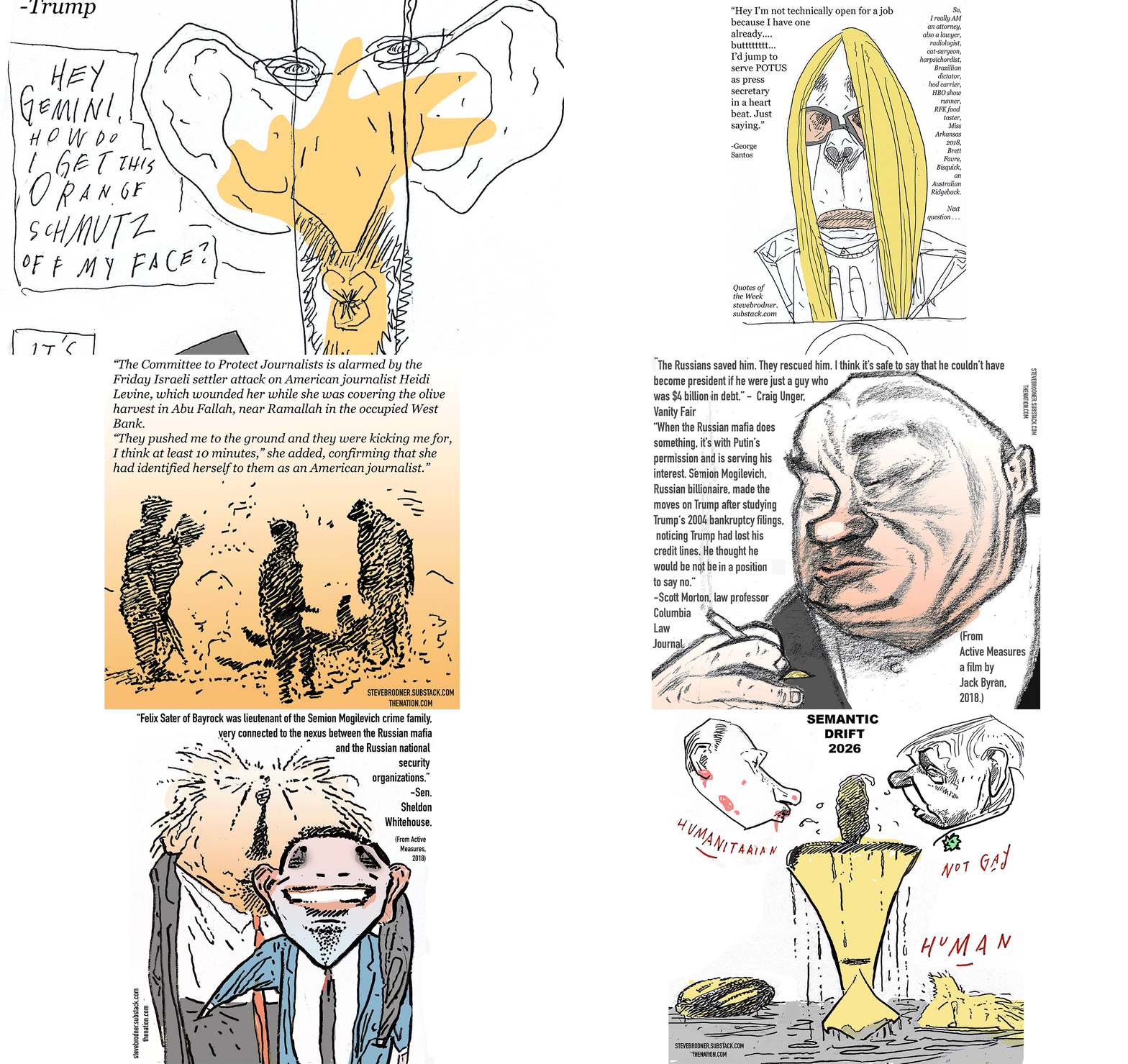
Ramaswamy’s Guide to a Better Vocabulary Ramaswamy’s Guide to a Better Vocabulary
Quotes of the Week.
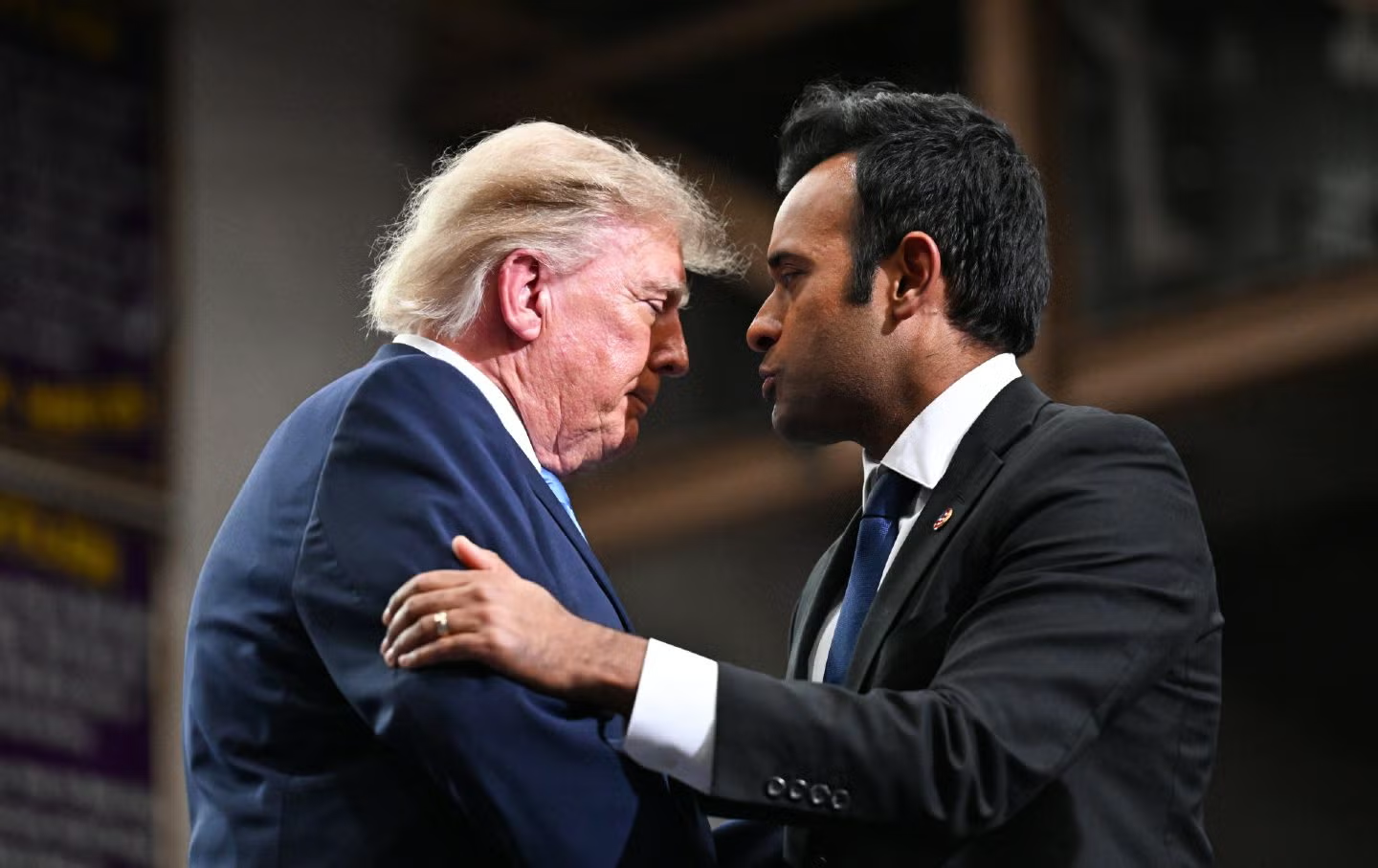
Why Trump Is Embracing Vivek Ramaswamy’s Vile Ad Why Trump Is Embracing Vivek Ramaswamy’s Vile Ad
The president is leaning into the politics of toxic parenting.

The Shadow Knows The Shadow Knows
High-tech weapons, low-tech intelligence.
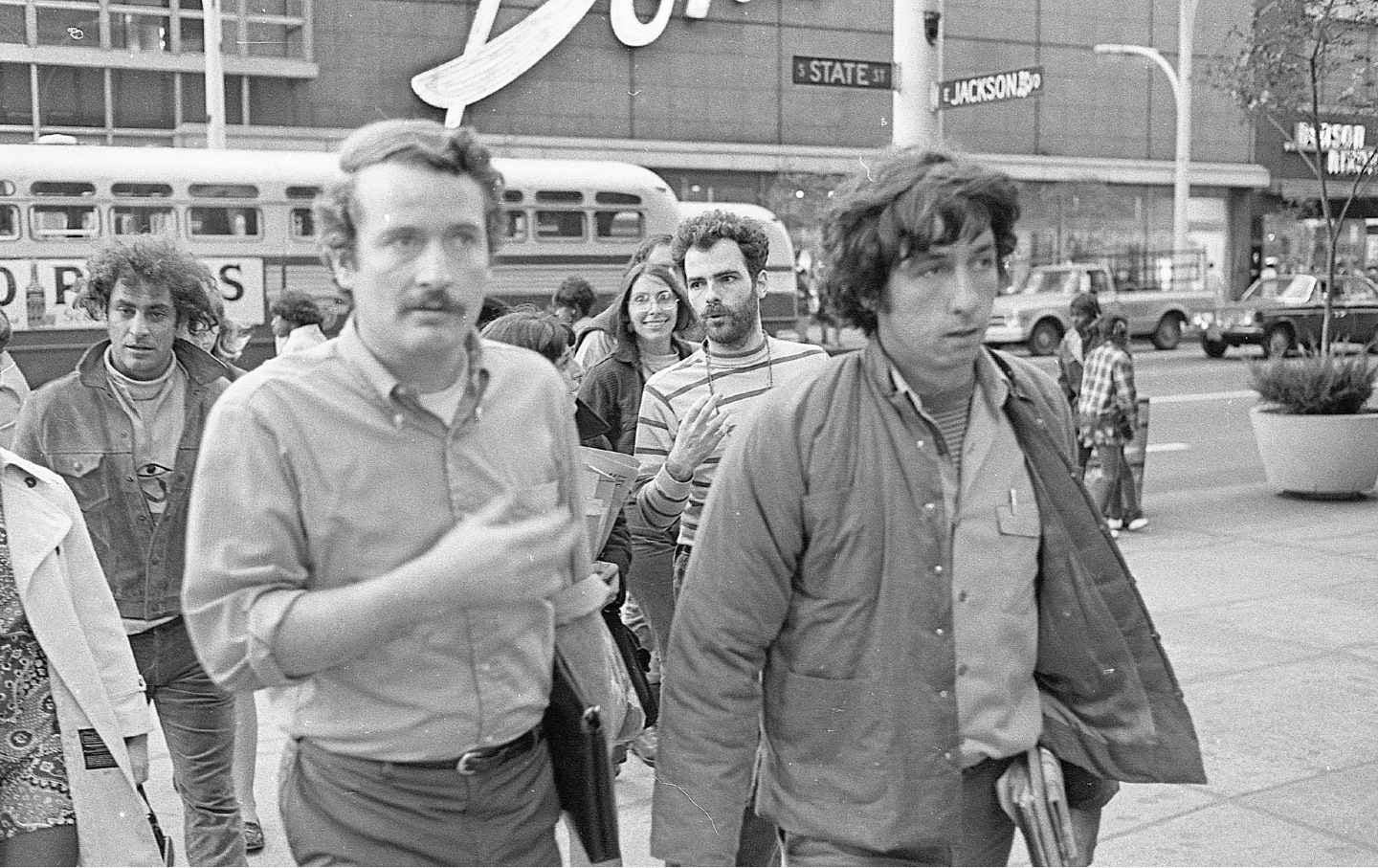
Tom Hayden’s Legacy and the New American Left Tom Hayden’s Legacy and the New American Left
It’s been 10 years since he passed away.
The Decades-Long Battle Within the Democratic Party Establishment Between the Heirs of Dean Acheson and Franklin Roosevelt The Decades-Long Battle Within the Democratic Party Establishment Between the Heirs of Dean Acheson and Franklin Roosevelt
The calamitous history of America’s wars of choice.

