
5 Books: Reading Race and Economics 5 Books: Reading Race and Economics
Joelle Gamble is director of the Roosevelt Institute Campus Network. “I became an economics nerd campaigning against tuition increases at the University of California,” she says. “I became engrossed in the intricacies of state tax policy—everything spiraled from there.” Here, she recommends five books elucidating race’s intersection with economics, accompanying “An Economic Program for #BlackLivesMatter.” WHERE WE STAND Class Matters by bell hooks Buy this book This essay collection draws on hook’s personal experiences instead of relying on purely theoretical arguments about poverty. She is especially critical of economically secure liberals and radicals who, she argues, choose to downplay the importance of class privilege in comparison with race and gender—a criticism that she illustrates with examples from her own years studying and teaching at elite institutions. Rather than putting class at the top of a hierarchy of oppression, however, hooks demonstrates the interlocking nature of race, gender and class in straightforward prose. ECONOMICS The User’s Guide by Ha-Joon Chang Buy this book Chang’s accessible guide to contemporary economic thought, complete with hand charts, transforms economics into a flexible tool for understanding the world around us. He acknowledges that the version often taught in school—narrow neoclassicism—is not the only way of thinking about economics. Once economic thought gets out into the real world, Chang demonstrates, the intersections with race become clearer. There is also a good deal of humor throughout the book, refreshing in a subject known for being dismal. THE NEW JIM CROW Mass Incarceration in the Age of Colorblindness by Michelle Alexander Buy this book This excellent book lays out the brutal efficiency with which the American legal system has constructed and upheld a cycle of incarceration and social isolation targeting people of color. The New Jim Crow does a particularly excellent job of describing the economic barriers that convicted felons face for years, and the stigmas attached to a criminalized population. Through detailed explanations of pivotal court cases and policy battles, this book argues that the criminal-justice system renders many Americans second-class citizens. THE DIVIDE American Injustice in the Age of the Wealth Gap by Matt Taibbi Buy this book Taibbi’s sharp reporting reveals which Americans are labeled “criminal” and subjected to the social and economic exclusion that comes with the term—disproportionately poor people of color, in contrast to wealthy, white-collar wrongdoers. He assesses how our under-resourced processing systems, prosecutors’ use of petty (often erroneous) charges, and perverse incentives for law enforcement ensure the perpetual harassment of impoverished communities by the police. Taibbi paints a compelling picture of how the economy and the criminal-justice system are linked and, at times, codependent. THE PRICE OF INEQUALITY How Today’s Divided Society Endangers Our Future by Joseph E. Stiglitz Buy this book Today’s inequality is the result of moneyed interests using public policy as a tool to guard their wealth, argues the economist Joseph Stiglitz. He demonstrates that income inequality results from political activity rather than an “invisible hand,” thereby pointing toward aggressive policy solutions for lifting up those at the bottom. Because people at the top of the economic ladder are disproportionately white, Stiglitz’s arguments about economic justice illuminate the nexus of race and economics and must play a part in any conversation about achieving racial justice.
Jan 7, 2015 / Joelle Gamble
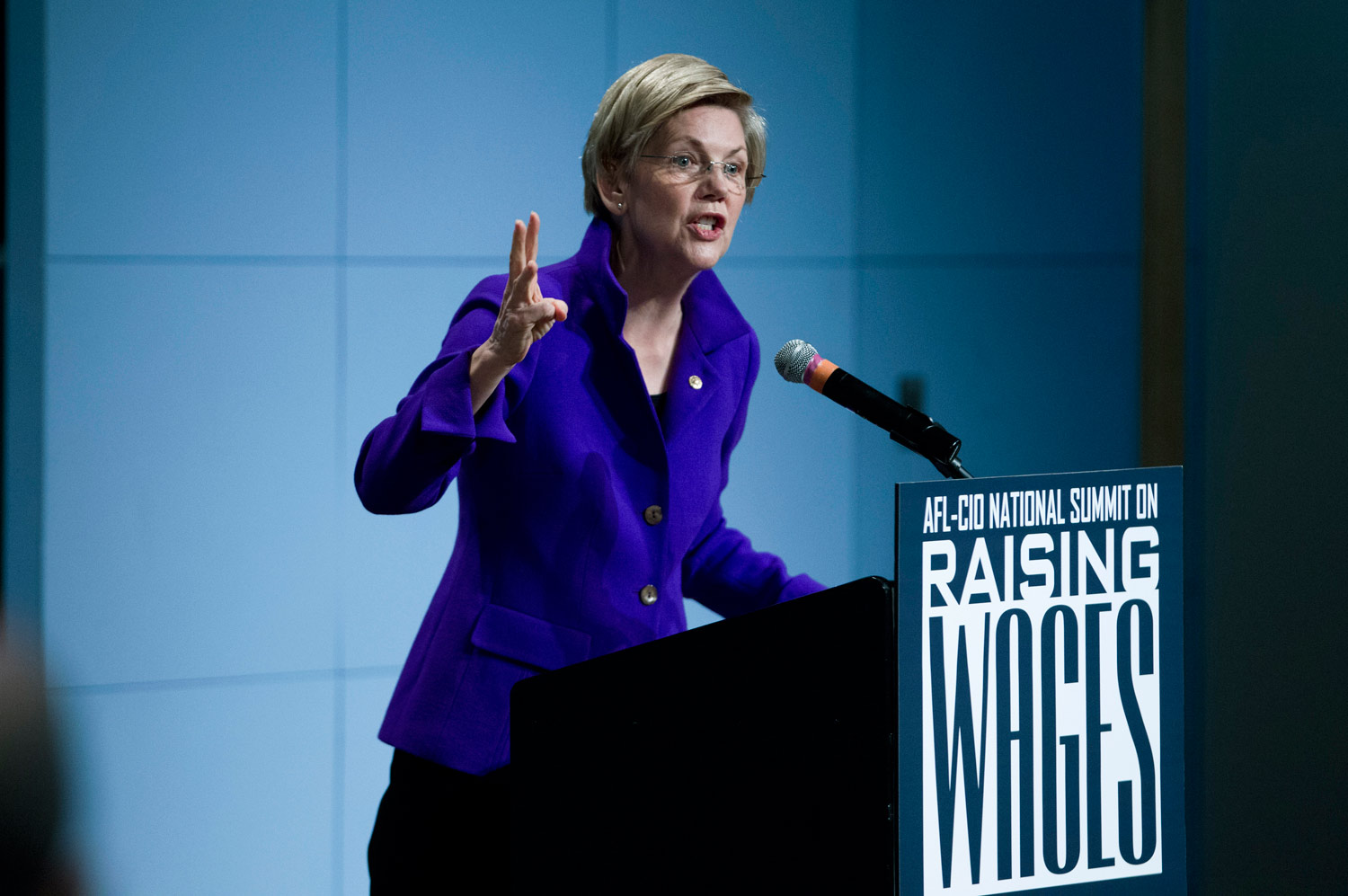
Elizabeth Warren Just Gave a Really Important—and Revealing—Speech Elizabeth Warren Just Gave a Really Important—and Revealing—Speech
Warren’s focus on the structural problems with the American economy staked out a clear line dividing the moderate and progressive wings of the Democratic party.
Jan 7, 2015 / George Zornick

Breaking Taboos, BDS Gains Ground Among Academics Breaking Taboos, BDS Gains Ground Among Academics
The Boycott, Divestment and Sanctions movement has a long way to go, but recent endorsements show it’s getting somewhere.
Jan 7, 2015 / David Palumbo-Liu
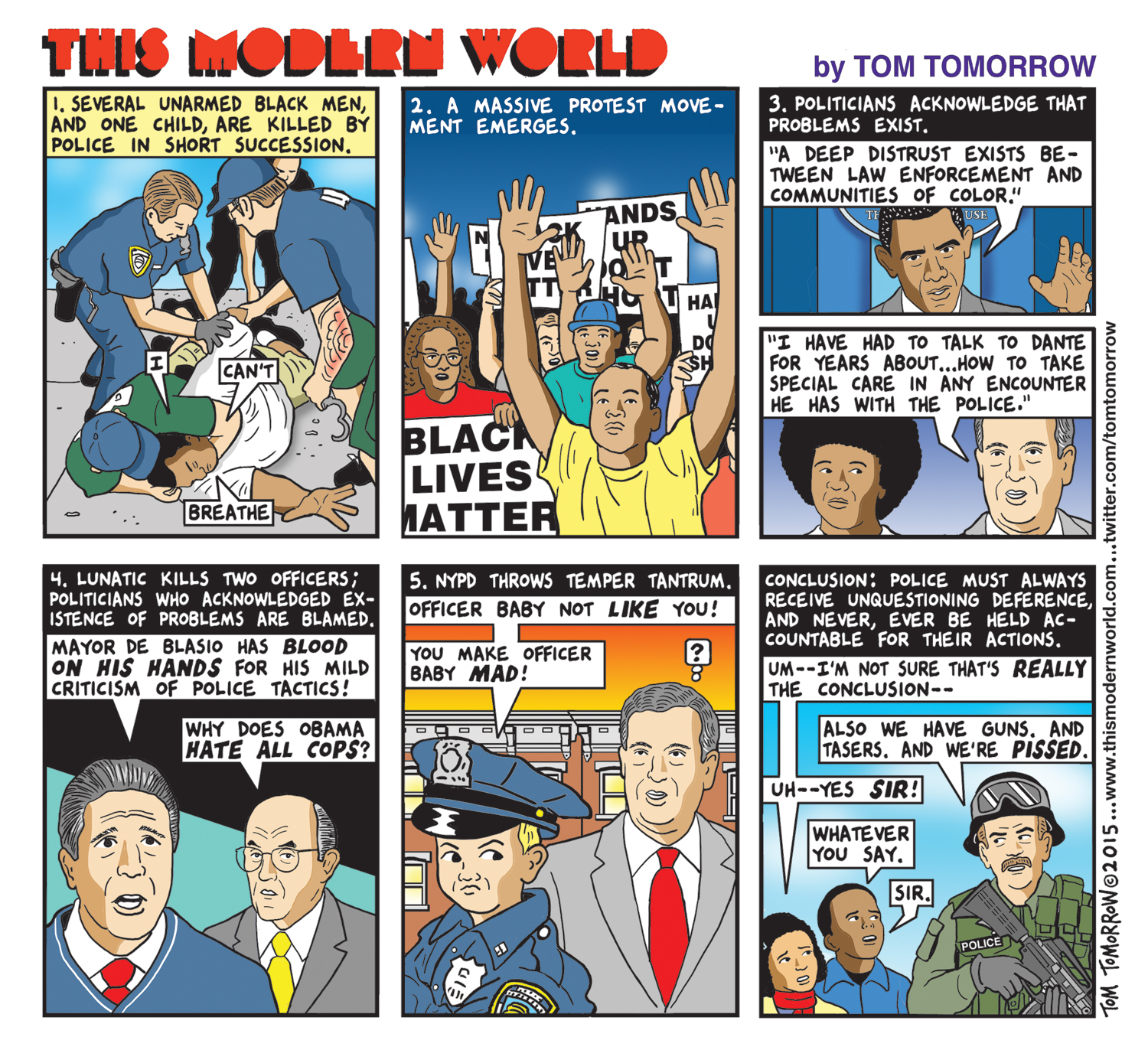
Comix Nation Comix Nation
Jan 7, 2015 / Tom Tomorrow

Snapshot: Looking Backward Snapshot: Looking Backward
A Shinto priest at the Meiji shrine in Tokyo bids farewell to 2014. The shrine was visited by Hillary Clinton in 2009 on her first trip abroad representing President Obama as his secretary of state. It is surrounded by 175 acres of evergreen forest.
Jan 7, 2015 / Thomas Peter
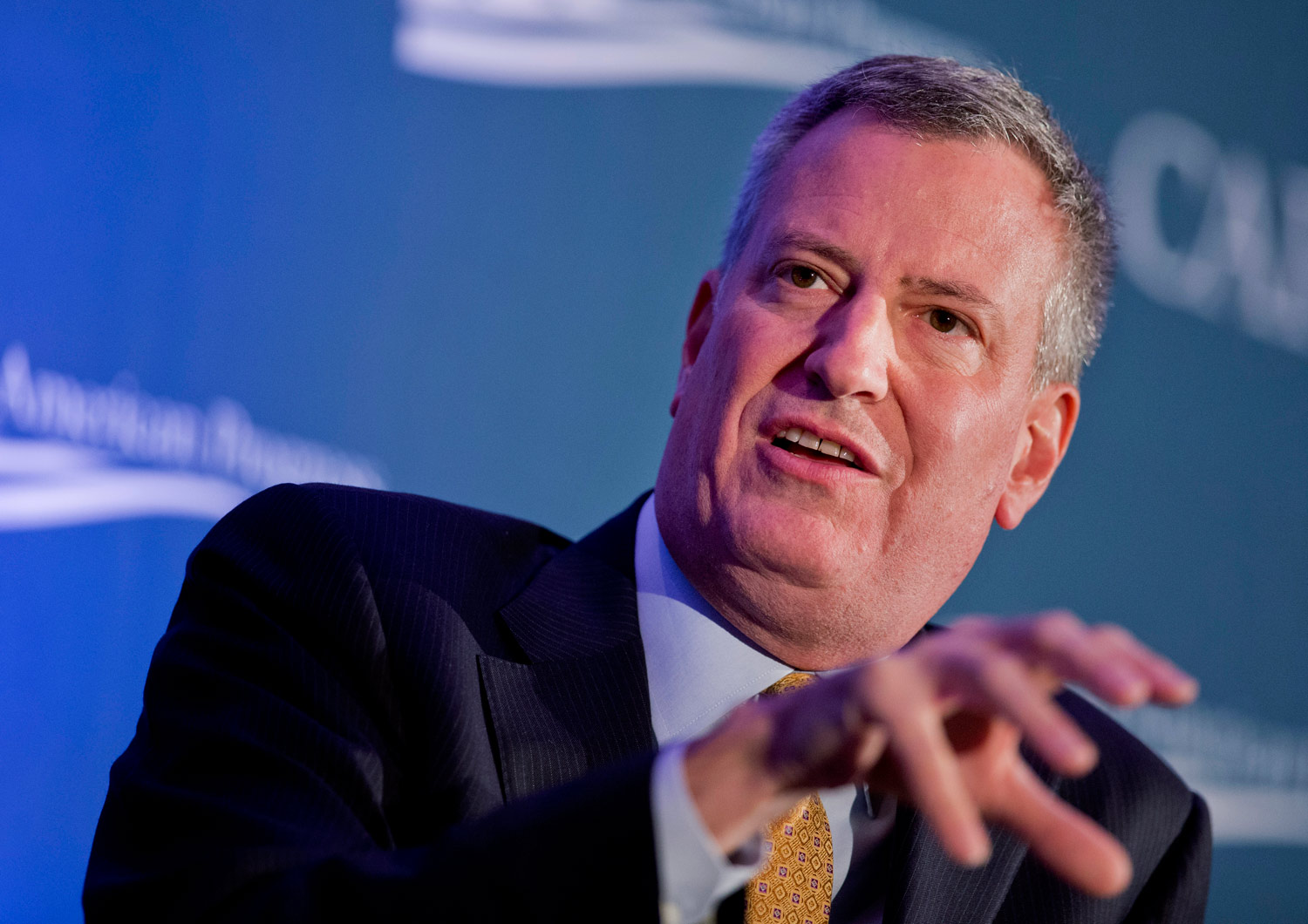
Bill de Blasio Is Just Getting Started Bill de Blasio Is Just Getting Started
The former activist and New York public advocate discusses his first year as mayor.
Jan 7, 2015 / Feature / Eric Alterman
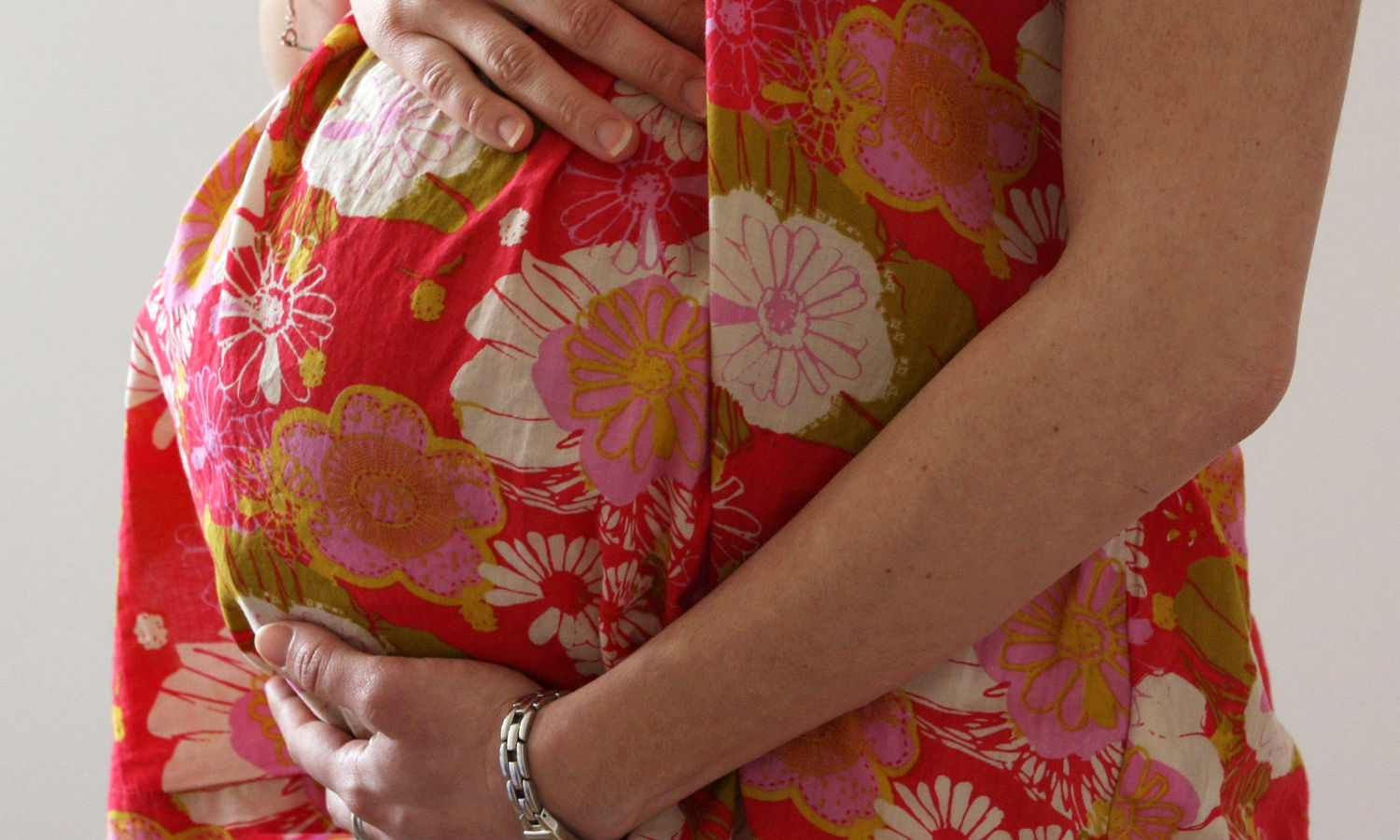
America’s Workplaces Are Hostile to Families America’s Workplaces Are Hostile to Families
To fix social problems, we need to stop looking to marriage, and start creating more equitable public policy.
Jan 7, 2015 / Michelle Chen
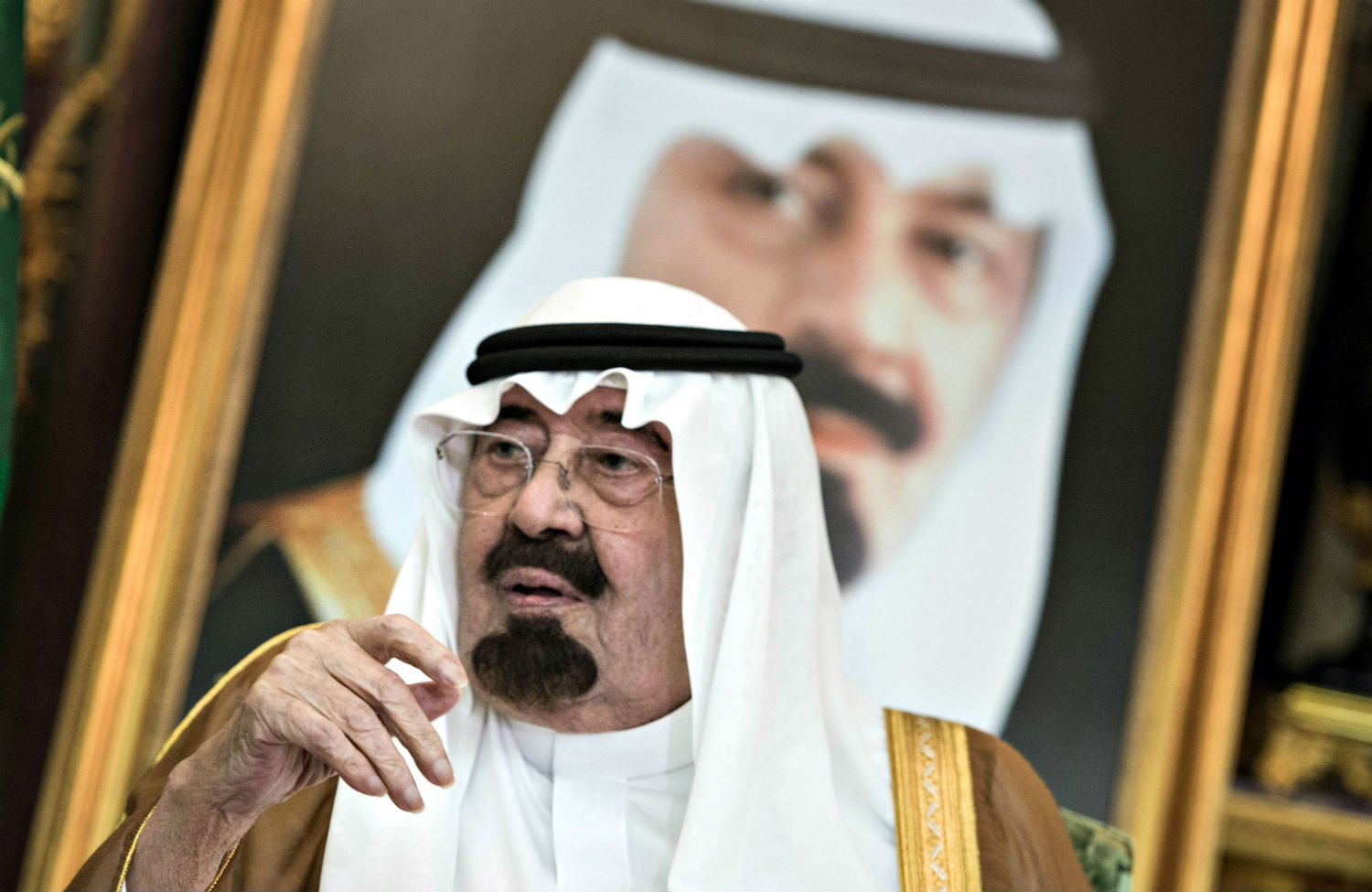
How Unstable Is the Saudi Petro-Kingdom? How Unstable Is the Saudi Petro-Kingdom?
From plummeting petroleum prices to political unrest, it has been decades since the fortunes of the kingdom were so much in doubt.
Jan 7, 2015 / Juan Cole
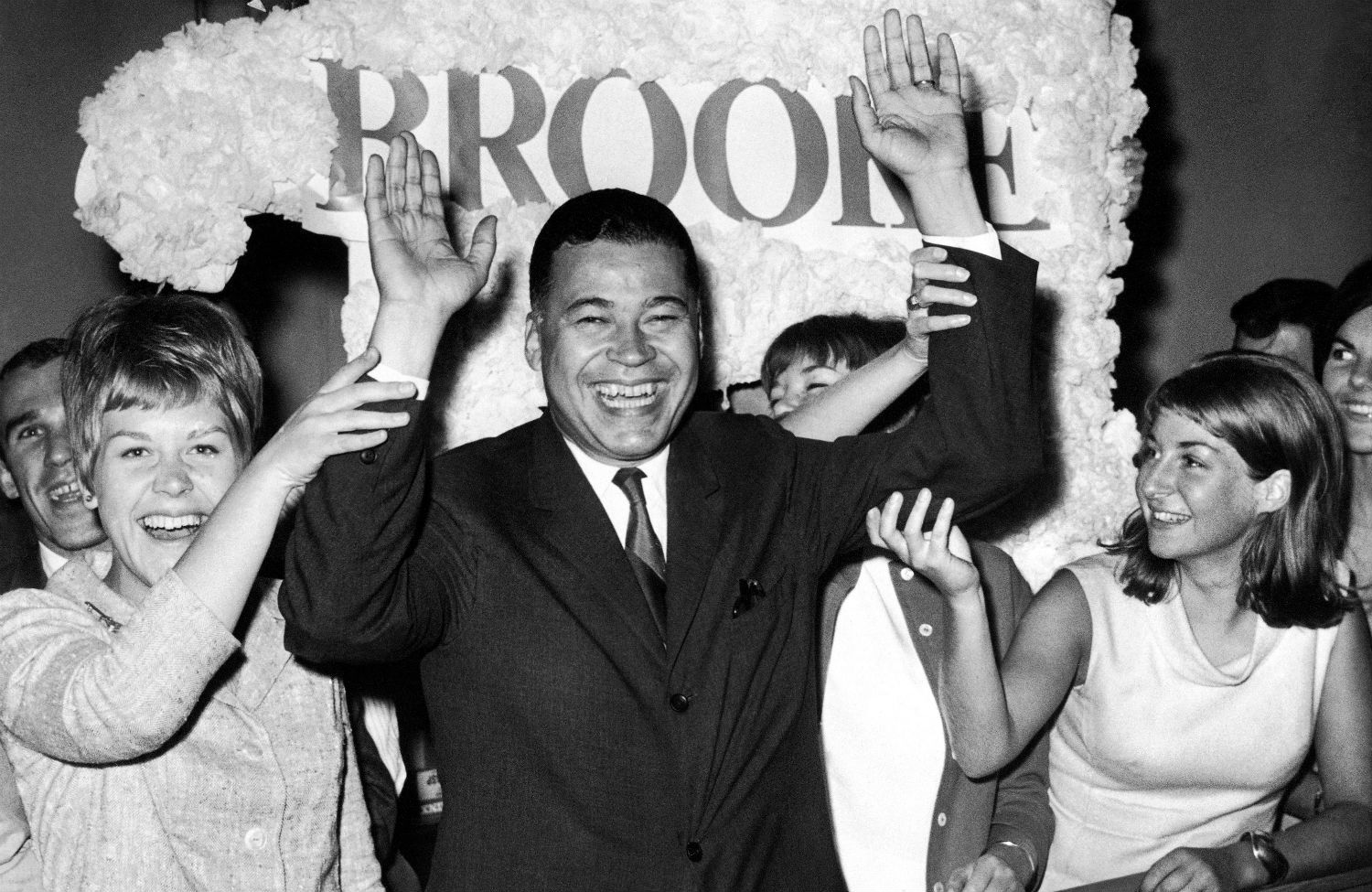
Edward Brooke and the Republican Party That Might Have Been Edward Brooke and the Republican Party That Might Have Been
The late senator, who was once considered a vice presidential prospect, tried to prevent the GOP’s lurch to the right.
Jan 7, 2015 / John Nichols
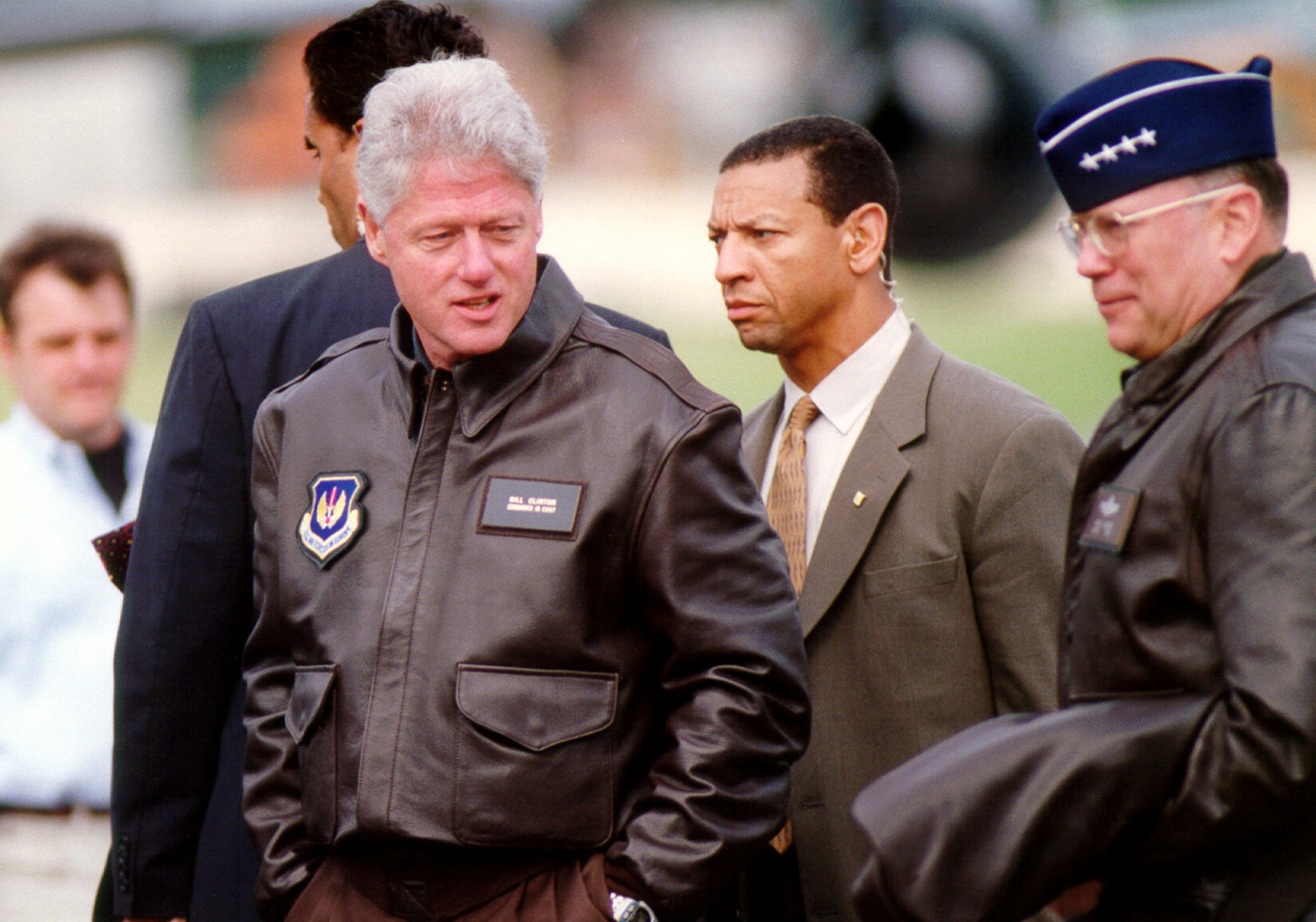
January 7, 1999: The Impeachment Trial of Bill Clinton Begins January 7, 1999: The Impeachment Trial of Bill Clinton Begins
In The Nation Jonathan Schell laid to rest any comparisons between Clinton’s crimes, such as they were, and those of Richard Nixon.
Jan 7, 2015 / Richard Kreitner and The Almanac