
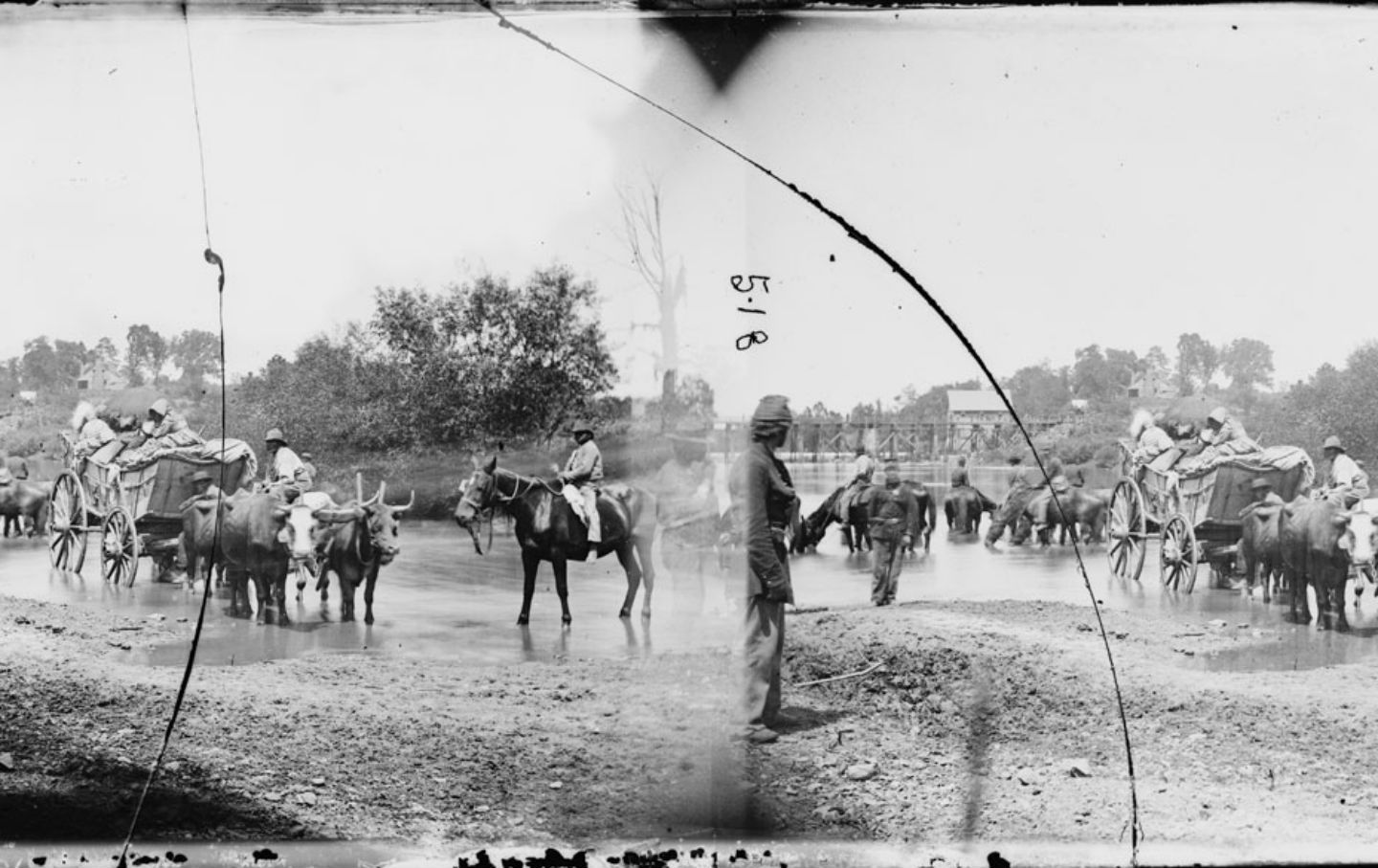
Capitalism and Slavery Capitalism and Slavery
Each generation seems condemned to have to prove the obvious anew: slavery created the modern world, and the modern world’s divisions are the product of slavery.
May 1, 2015 / Greg Grandin

A Flute in Palestine: Making Art in an Apartheid State A Flute in Palestine: Making Art in an Apartheid State
In this increasingly confined land, art is a vital escape—if you can get the instruments past the checkpoint.
Apr 30, 2015 / Sandy Tolan

‘Now Political Prisoners Are Dead Black Kids’: Playwright Lemon Andersen Connects the Dots Between Attica and Police Violence ‘Now Political Prisoners Are Dead Black Kids’: Playwright Lemon Andersen Connects the Dots Between Attica and Police Violence
Andersen first heard about the Attica uprising during a stint on Rikers Island. His new play brings the rebellion to life at the Public Theater.
Apr 29, 2015 / Steve Colman
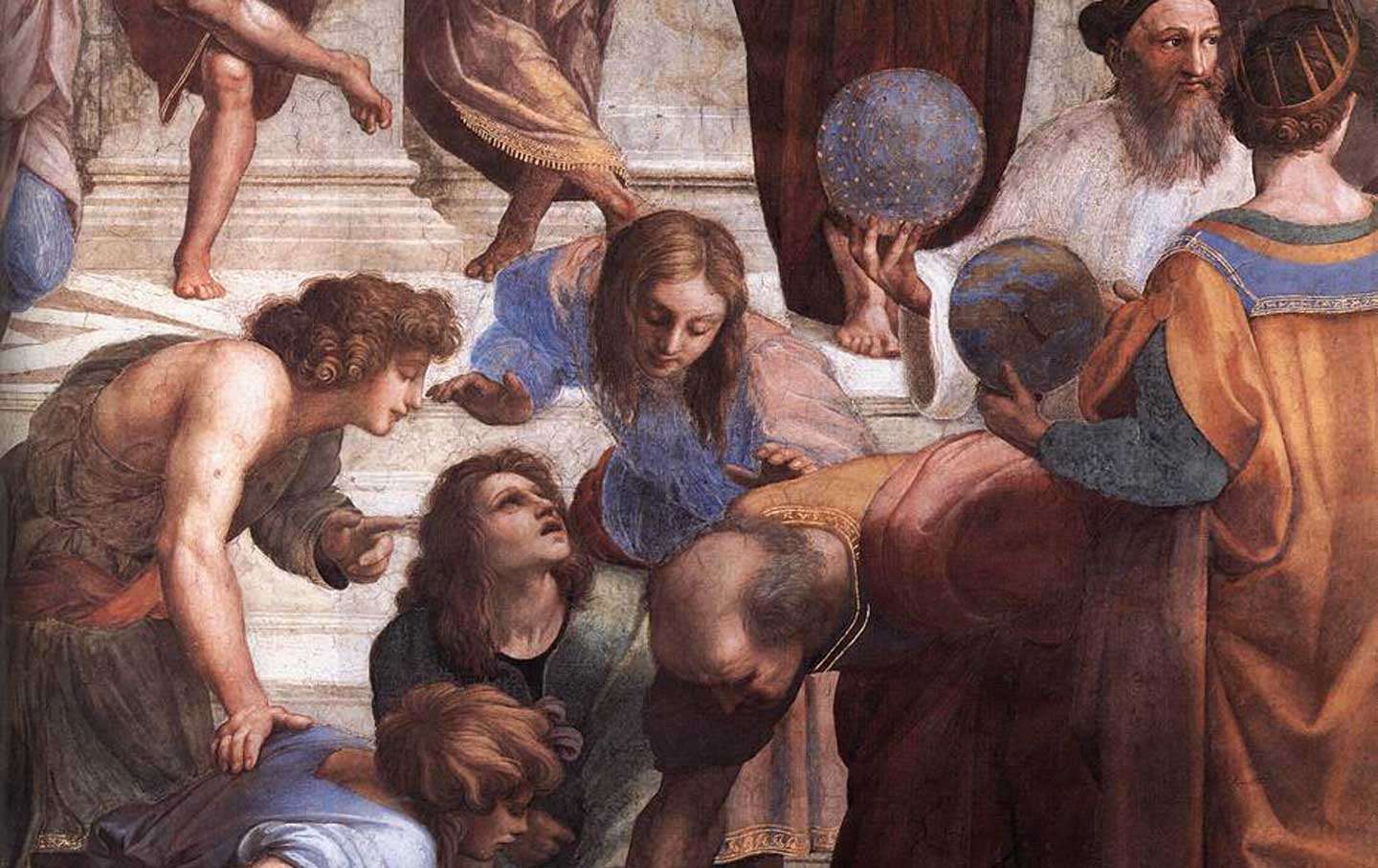
Power and Piety Power and Piety
Is the promotion of violence inherent to any religion?
Apr 29, 2015 / Books & the Arts / David Nirenberg

His Own Çukurova His Own Çukurova
Orhan Pamuk might be Turkey’s most-talked-about author, but Yaşar Kemal remains its most loved.
Apr 29, 2015 / Books & the Arts / Piotr Zalewski

Notes on Kampf Notes on Kampf
Is the well-being of the cultural middle class the key to American creativity?
Apr 29, 2015 / Books & the Arts / Eugenia Williamson
Sacred Hate Sacred Hate
O my hate, so majestic saintly, pure, and angelic bless my excess with a fat caress make me bow and make me proud. Humped by humble squires proud to be living sans Desire sans Goodness, sans Faith sans sun’s caressing grace. O my hate, grandiloquent shield agitate my soul to infinite zeal beyond other harms concealed. Hate wins, hate resounds!, armor ’gainst a vile amour that defrauds all— seven deadly Sins of my ardor! After CRUZ E SOUSA (Afro-Brazilian, c. 1898)
Apr 28, 2015 / Books & the Arts / Charles Bernstein

Shelf Life Shelf Life
All solutions are temporary in today’s digital market, and no successful revenue model is immune from disruption.
Apr 28, 2015 / Books & the Arts / Akiva Gottlieb
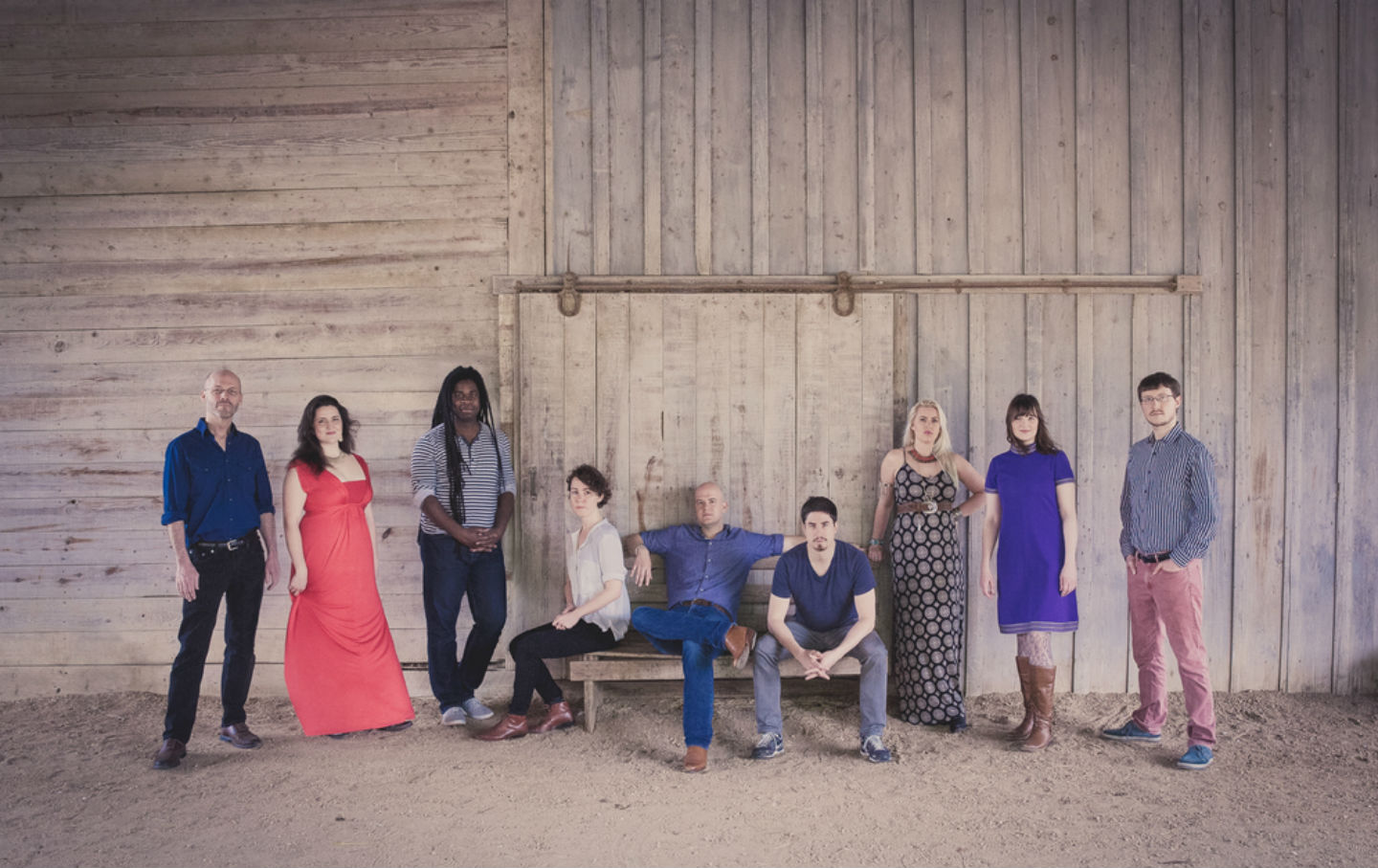
A More Perfect Pitch A More Perfect Pitch
Roomful of Teeth’s new album, Render, is music for the 21st century.
Apr 28, 2015 / David Hajdu
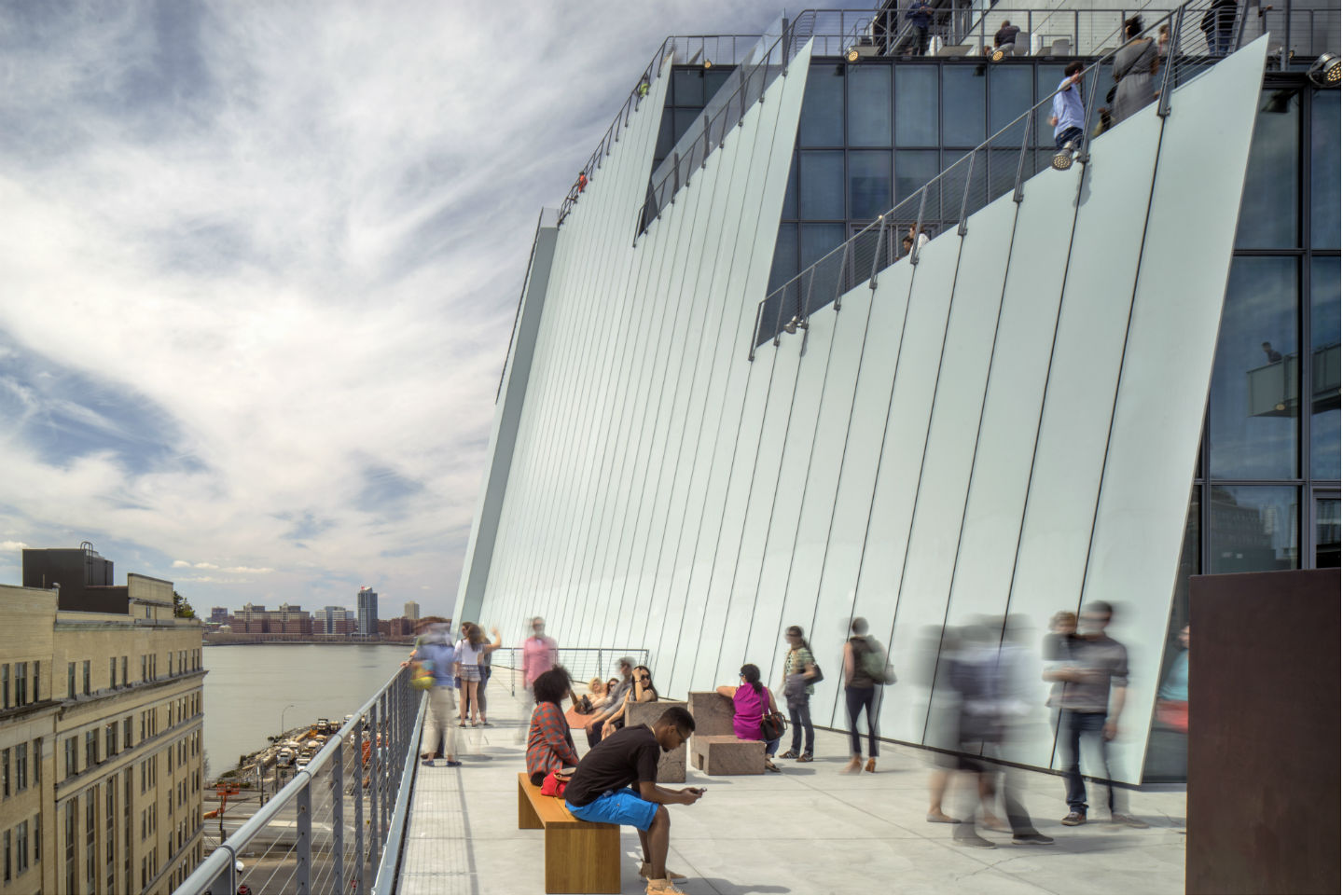
The Whitney Museum and the ‘Pompous Doors’ of American Art The Whitney Museum and the ‘Pompous Doors’ of American Art
The Nation's critic in 1931 said the museum would abet the snobbery that believes "American painting is a second-rate affair."
Apr 27, 2015 / Richard Kreitner and Back Issues