
What Happened to Patrick Masengo Kalasa?
The longtime advocate for Katangese rights recently disappeared in the Democratic Republic of Congo. His friends fear for his life.
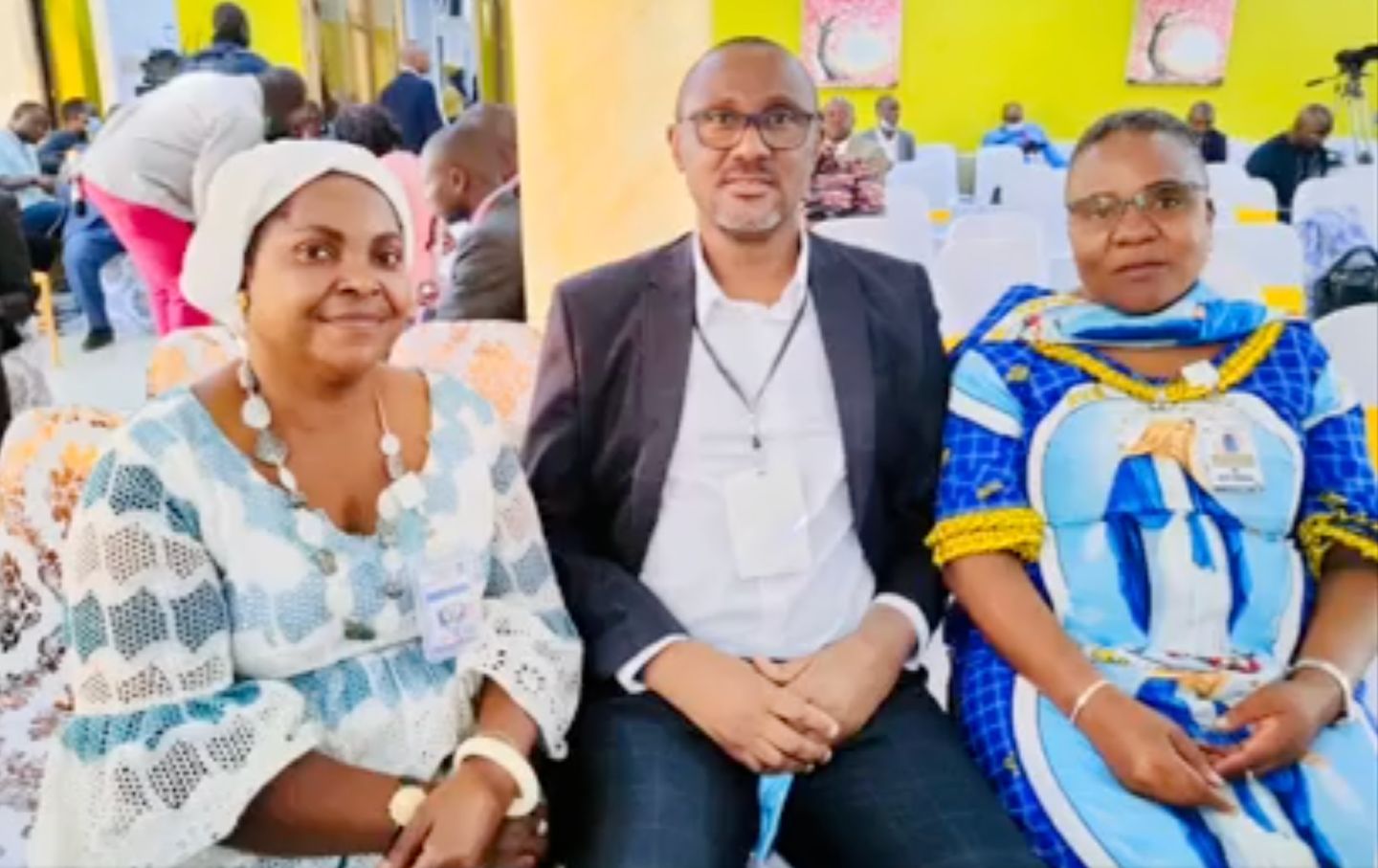
On Friday, September 20, Patrick Masengo Kalasa stepped out to buy some water. He told family that he had been called to a meeting later that day, but not whom he was supposed to be meeting. He never returned.
It wasn’t like Masengo to ignore calls for so long; and he had been supposed to call some associates to fix a meeting later that week. People in Lubumbashi, a city in the south of the Democratic Republic of the Congo began to frantically search for him. When people tried to call him, his phone just rang and rang.
They feared that he had been arrested, or worse, killed.
After a day or so, information began to trickle out about Masengo’s likely whereabouts: It seemed he had been detained by the Agence Nationale de Renseignements, or ANR, Congo’s intelligence service, although it denied having him. I was also detained by the ANR two years ago while reporting for The Nation on connections between militias and mining, and at first it denied that it had me. Enforced disappearance is considered a crime against humanity by the United Nations.
Masengo is the president of the Alliance de Forces Populaires de Katanga, or AFPK, a group that struggles for the rights of the people of Katanga, a mineral-rich region in the south of Congo. Masengo often argued publicly that the Katangese people did not benefit from the wealth under their soil, as the country’s law required, and that mining revenue was stolen by corrupt politicians and civil servants in the country’s capital, Kinshasa.
The ANR is known for going after enemies of the current government. Last year, the UN’s human rights commissioner said he was particularly concerned by the “reported harassment and arbitrary arrest of journalists and human rights defenders” by the agency. Congo is awash in reports of torture, including sexual torture, perpetrated by the ANR.
A lawyer visited the ANR’s headquarters on Avenue Kapenda in Lubumbashi, but he was told that Masengo was not on the registered list of detainees. He has reportedly been able to contact relatives from an unknown location to request that his devices be surrendered. His colleagues worry for his health. “The worst we fear is torture, or even death,” said Vincent Banza Buanga, who lives outside Katanga and works on the AFPK’s political and strategic commission. “If he is guilty, let’s have a proper trial.”
The context for Masengo’s detention is troubling. At a meeting in Brussels in May, the president of Congo, Félix Antoine Tshisekedi Tshilombo, said he would appoint a commission to create a “worthy Constitution” for the country. The opposition, as well as Masengo’s group, immediately criticized the move, and there are worries that Tshisekedi will try to extend his mandate. The elections last year, in which Tshisekedi claimed to have won 73 percent of the vote, were marred by fraud. Congo’s previous president, Joseph Kabila Kabange, extended his mandate, sparking widespread protests in the country.
Katanga, in the country’s south, is a geopolitically important zone. Some 70 percent of the world’s cobalt—a mineral crucial for manufacturing lithium-ion batteries and some electric vehicles—as well as copper, which is used in electric wiring, comes from the region. Big Tech companies like Apple and Tesla get their raw materials from such mines. Forty percent of the revenue from Katanga’s mining is supposed to remain in the region, but the reality is that little ever comes back.
Masengo argued that Katanga remained poor while the money was misappropriated in Kinshasa. He had worked as a consultant in the capital for large mining companies and he’d seen how the money was siphoned into private bank accounts. He created the AFPK because he thought that Katanga was better off going it alone.
Some separatism in Katanga is armed and violent. (The region briefly existed as a separate state between 1960 and 1963, prompting a bloody civil war.) Civil society activists there told me that Masengo was targeted because of “divisive rhetoric” and that the security services there might associate him with more violent separatists. But in interviews, Masengo has always disavowed violence; he also is not strictly a separatist. He has often talked of federalism as one way to see that the south’s mineral wealth is better distributed. He recently was involved in the publishing of a charter of Katangese rights that critiqued the “mistreatment and systematic pillage” of the region and its people by Kinshasa. Some AFPK members thought the publication and distribution of this charter had led to his detention. Masengo’s disappearance has not been widely reported; I was told by various figures that journalists and civil society organizations in Congo have kept silent about Masengo because they fear repercussions against them from the security services.
Banza of the APFK told me that Masengo had always disavowed violence. “Our most important struggle is economic,” he said. “The thing is, Katanga is always considered the milking cow that politicians and their families in Kinshasa can steal from.” Banza continued, “Patrick always says that we will work towards our goal in a legal way, in a legitimate way.” He told me that the group, which he estimated numbers in the hundreds, had recently tried to register as an official organization several times but was rebuffed by the government. “Now he is a prisoner of conscience, a prisoner of expression.”
Editor’s Note: Readers can write to the Permanent Mission of the Democratic Republic of the Congo to demand Patrick Masengo Kalasa’s release at: [email protected].
More from The Nation

The Real Reason Americans Love Guns The Real Reason Americans Love Guns
With a weak social safety net, a gun offers a false sense of personal power and security.

We Don’t Need an Autopsy to Tell Us the Democrats Failed on Gaza We Don’t Need an Autopsy to Tell Us the Democrats Failed on Gaza
The DNC is allegedly hiding a report showing that Kamala Harris’s Gaza policy helped cost her the 2024 election. But that report won’t tell us anything we don’t already know.

Texas’s Senate Primary Has Already Made History—and It’s Not Over Yet Texas’s Senate Primary Has Already Made History—and It’s Not Over Yet
Democratic nominee James Talarico is getting national media attention, but the real story is sky-high voter turnout, even amid GOP bids to suppress balloting
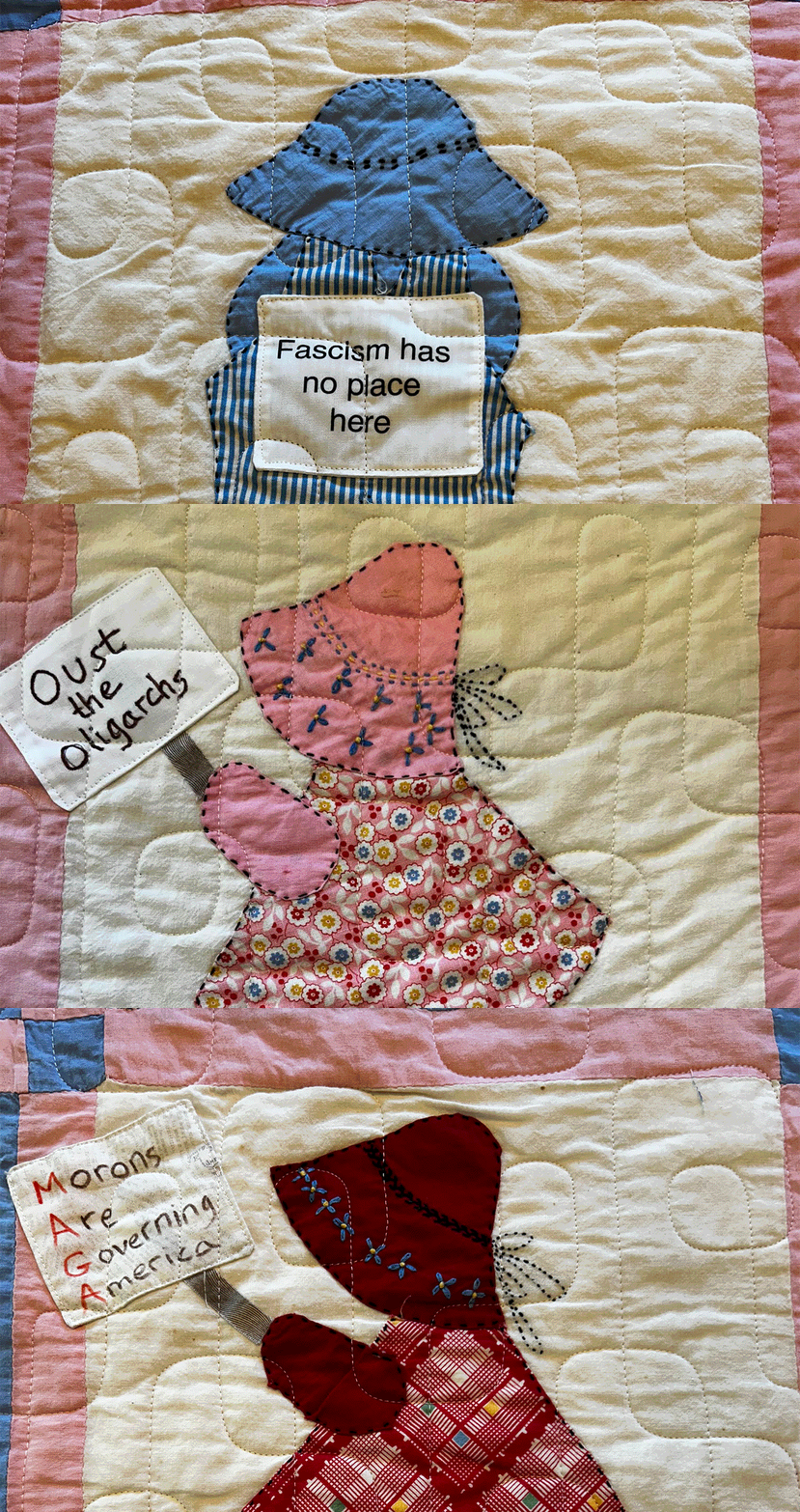
Quilted Messages Quilted Messages
Sunbonnets carrying not-so-sunny truths.
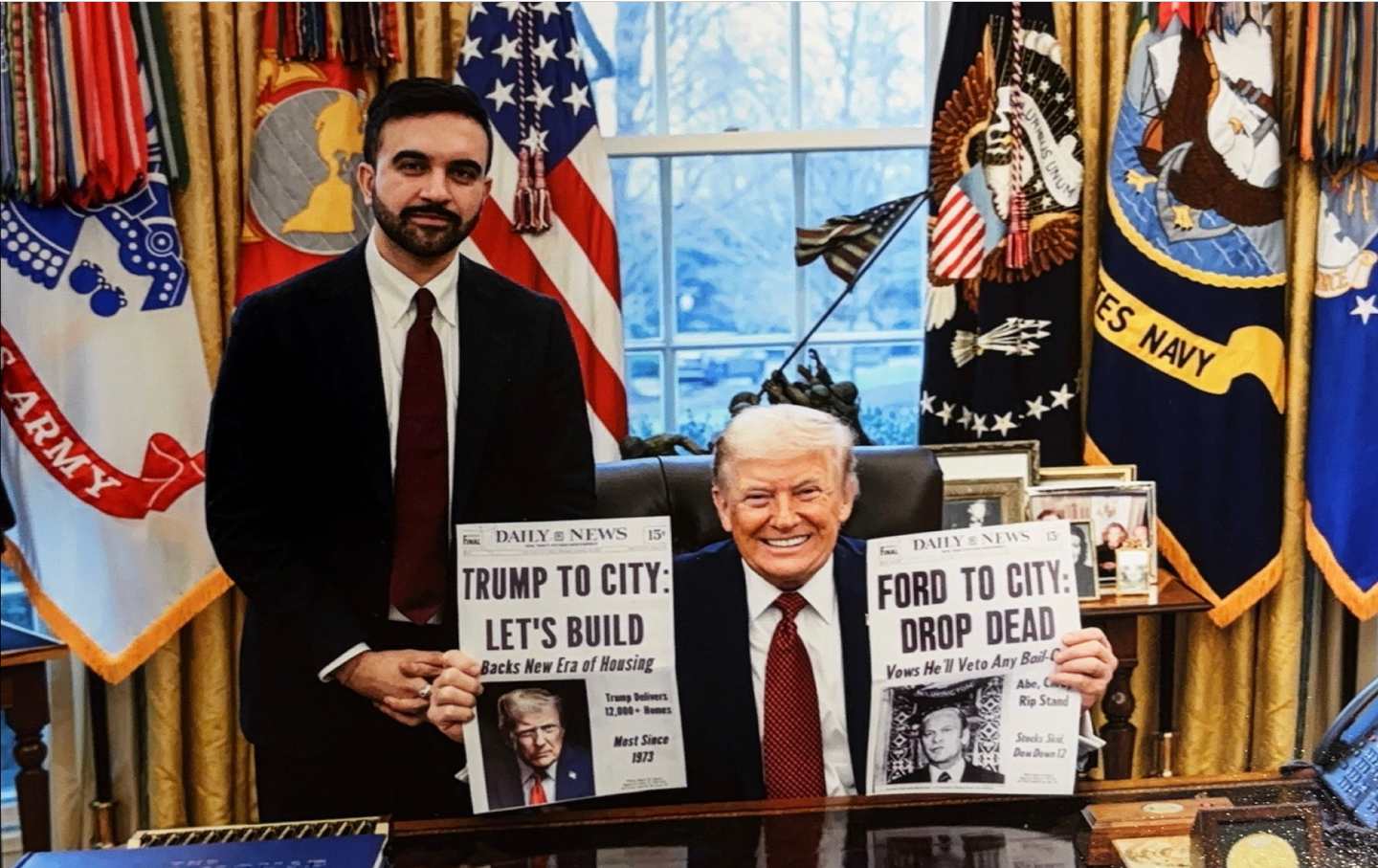
How the Theatrics of Mamdani’s Trump Meeting Backfired How the Theatrics of Mamdani’s Trump Meeting Backfired
By pandering to the president’s vanity, the New York mayor reinforced Trump’s image as a strongman commanding deference—an especially bad look on the eve of Trump’s war with Iran
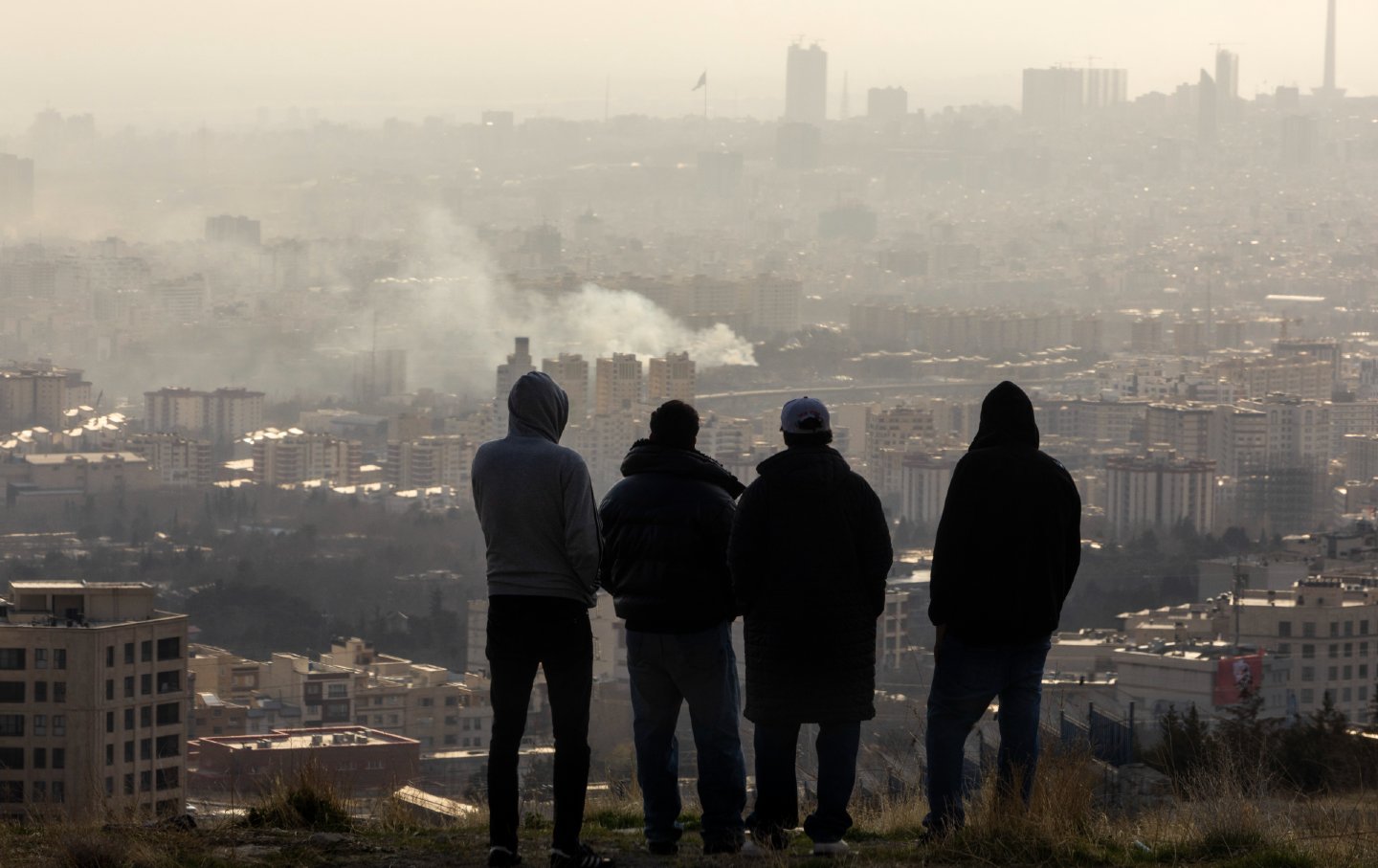
The Iran War Is Also a Climate War The Iran War Is Also a Climate War
Climate change is not a peripheral part of what we’re seeing in Iran—it’s structurally embedded in modern warfare.

