
Climate Change Has Upended Kenya’s Agricultural Economy
As the region faces unprecedented flooding, farmers are struggling to make ends meet.
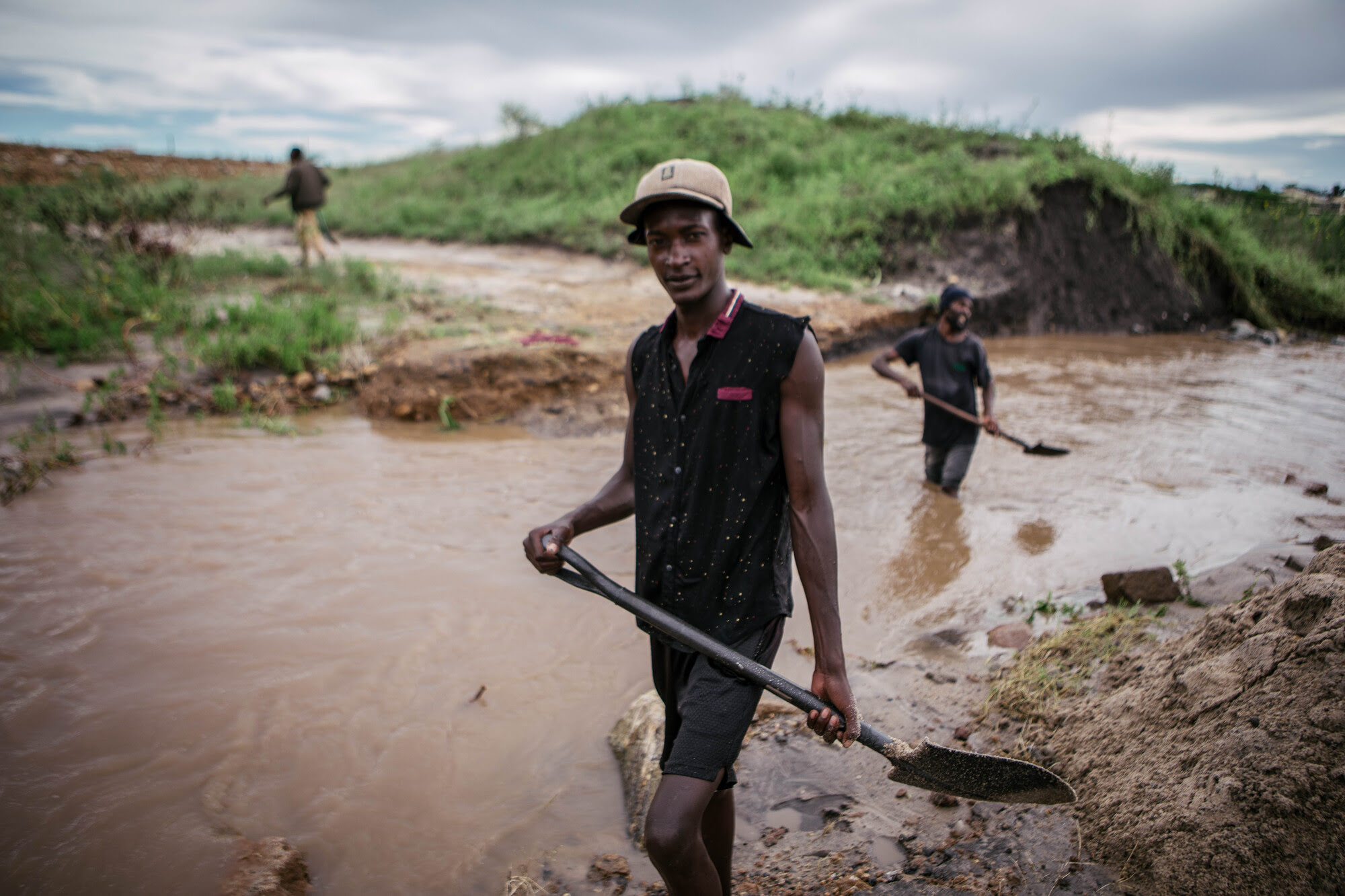
Every year, it’s typical in East Africa for the autumn to come with a short rainy season from October to December. But the rain in this region has gotten progressively worse, with last season’s downpour displacing more than half a million people and killing at least 174 people. This year, the UN says that 210 people have died in Kenya because of the catastrophic flooding.
Researchers found that the heavy and tumultuous rainfall in 2023 was about two times what it would have been without human-caused climate change. While a natural climate cycle known as the Indian Ocean Dipole has also contributed to the uptick in rainfall, scientists from the World Weather Attribution say the extreme flooding is the result of man-made environmental neglect.

On top of killing hundreds and displacing thousands, the extreme weather in Eastern Africa has also been particularly cataclysmic for those who rely on agricultural work to make ends meet.
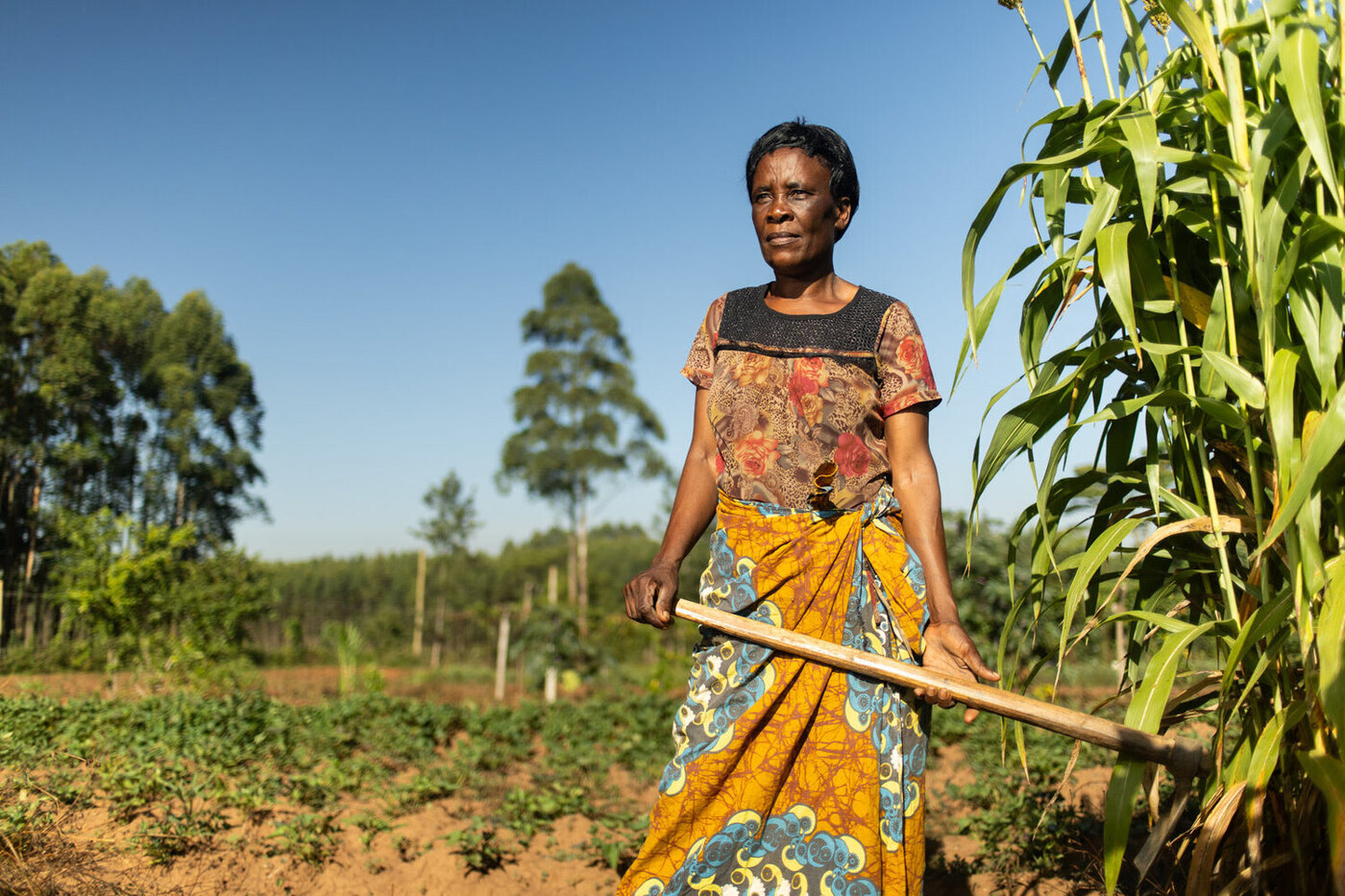
“Since October last year ‘til now, there’s [been] no farming work,” says Elkana Wanyama. Along with nine of their children, Elkana and his wife Rose live hand to mouth, depending mostly on casual labor.
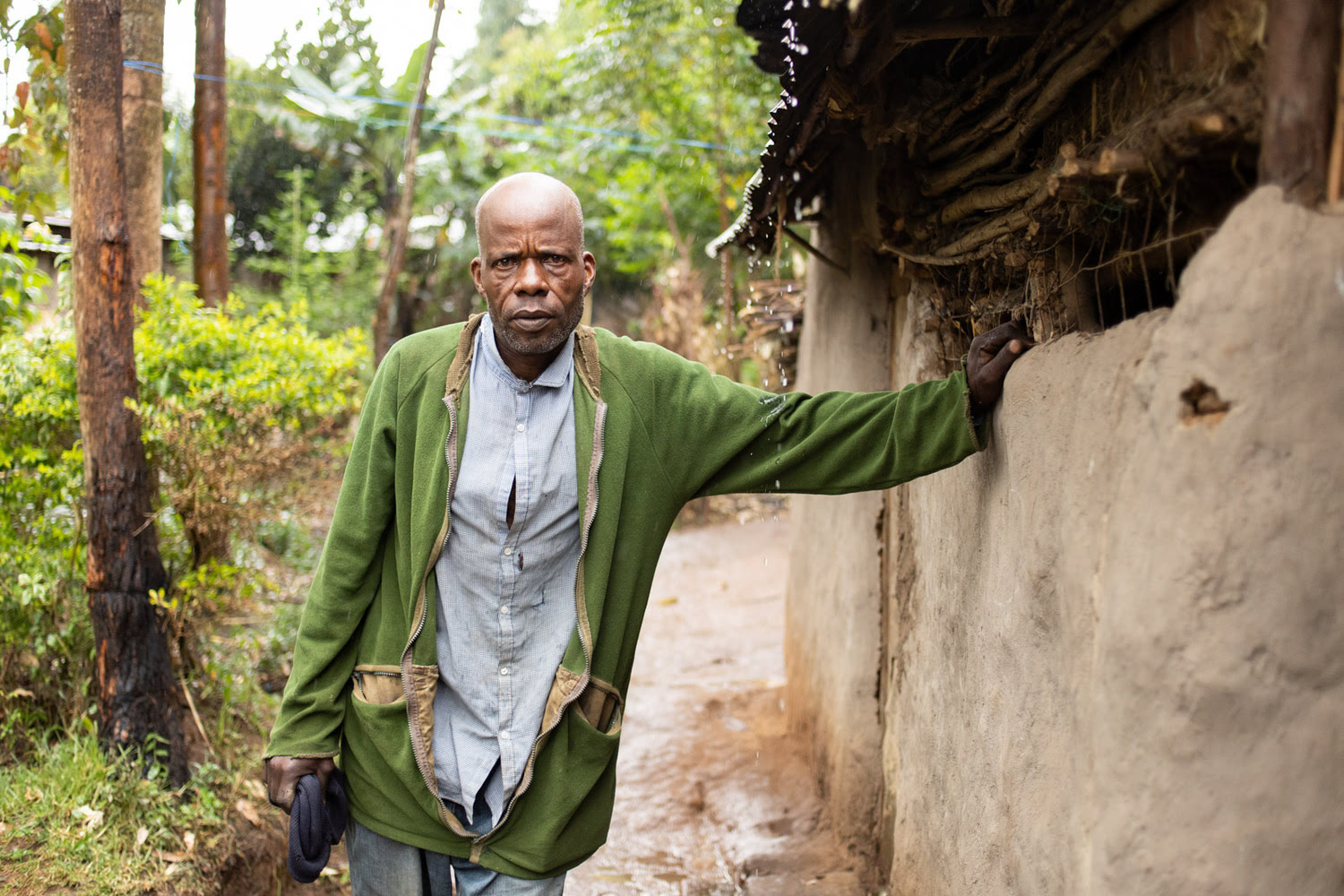
In Kenya, agriculture employs more than 75 percent of the workforce, but in Kitale, the “breadbasket of Kenya,” an even greater percentage of people rely on casual employment from the agricultural sector.
Because of flooding on their small plot of land, Elkana and Rose can no longer plant corn, a staple crop that could feed their family. They’ve started planting eucalyptus to help drain the excess water. Previously, when too much rain would come, even their home would flood.
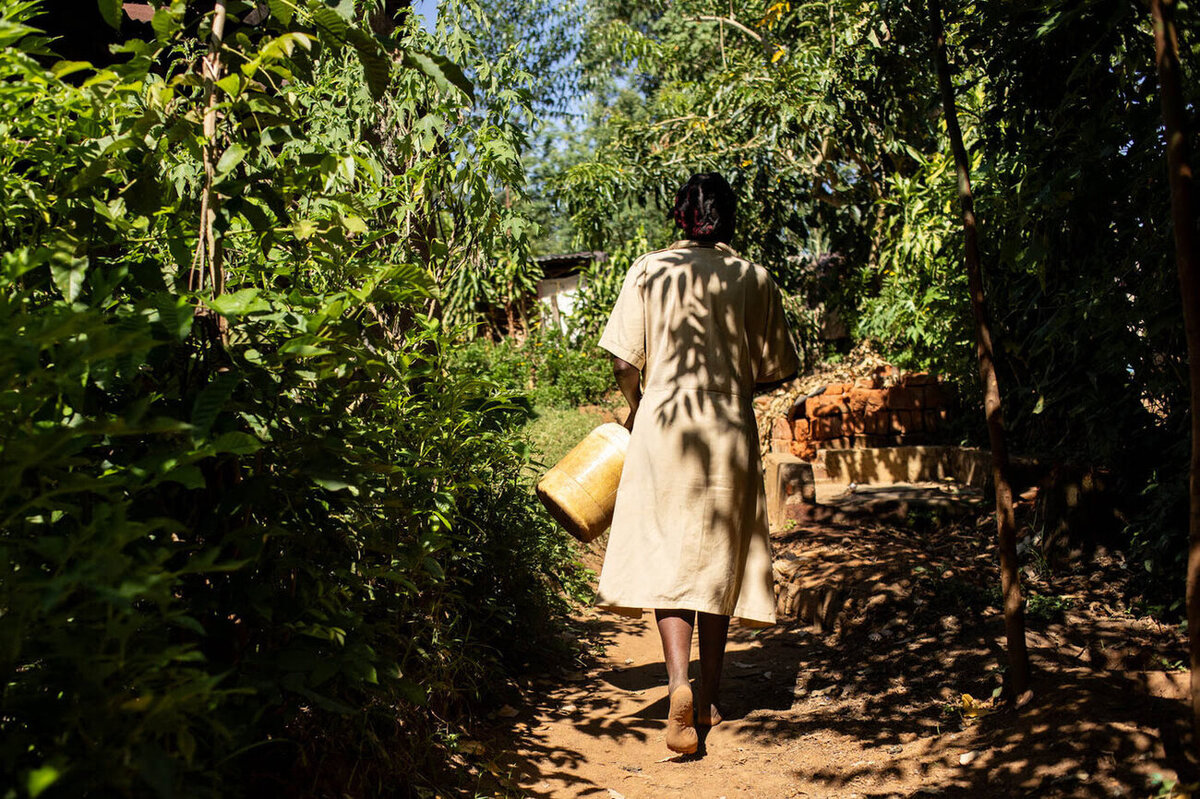
It used to be that December through February was the dry season. Rain would come in March, and farmers would plant corn accordingly. But these days, rain cycles are more and more unpredictable. Because of this, large-scale farmers have lower yields and are cutting employees, driving more people into poverty.
In Kenya, the majority of people in extreme poverty live in rural areas. The number of those living on less than $2.15 USD a day in rural regions is about 10.6 million, while 1.7 million people in extreme poverty live in urban areas.
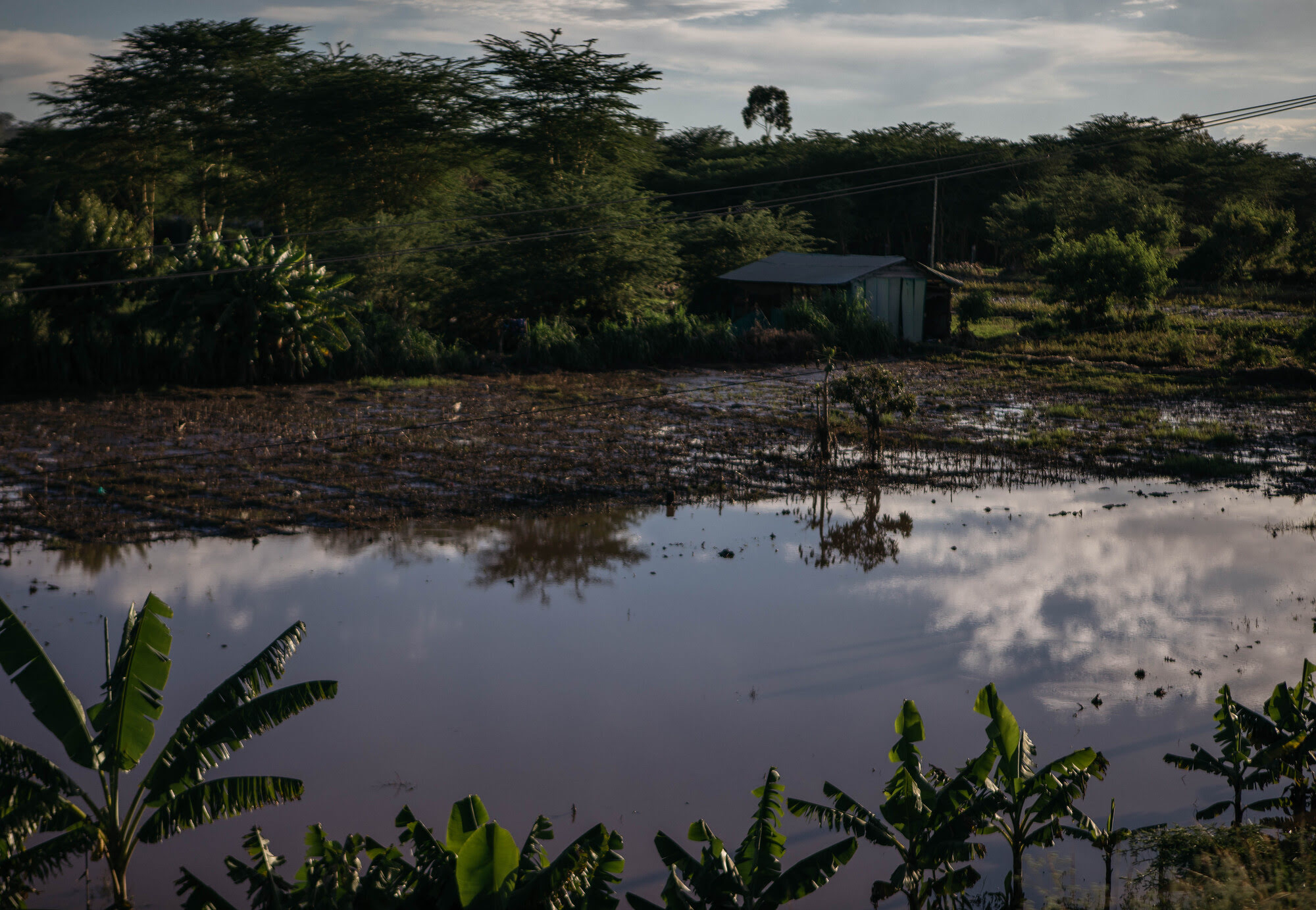
When floods do come, many families’ latrines overflow and sickness can spread through the neighborhood to those who don’t have money to go to the hospital. Locals share that cases of malaria are also increasing because mosquitos thrive in wet climates and those who cannot afford a mosquito net, a necessity in rural Kenya, are placed at further risk.
Pastor Stephen Churu says, “That’s when you find children dying. And that’s common for now and is really happening. Now [people] are asking, ‘Why don’t they find another means of disposing whatever they’re disposing that will not cause global warming?’ That is their great prayer that something can be done about it.”
With less crops being produced in Kitale, the cost of living and the price of food in all of Kenya has increased. Even neighboring countries depend on Kenya’s agricultural yield, making the lack of food an international crisis.


More from The Nation

The AI Boom Is a Climate Bust The AI Boom Is a Climate Bust
It’s not just the massive amounts of water and energy data centers require—AI is also spreading climate misinformation across the Internet.

Hasan Piker Threatens the Establishment. That’s Why They Want to Destroy Him. Hasan Piker Threatens the Establishment. That’s Why They Want to Destroy Him.
Critics are leveling baseless charges of antisemitism and bigotry at the mega-streamer. But they’re really scared of the challenge he poses to their power.

Trump Is in His Own Universe—but He’s Still Wrecking Ours Trump Is in His Own Universe—but He’s Still Wrecking Ours
Give the man a second opportunity to address the nation, and it’s entirely possible he could throw the whole world into a Great Depression.

How Gaza Broke Big Tech’s Campus Pipeline How Gaza Broke Big Tech’s Campus Pipeline
Big Tech’s complicity in Israel’s genocide in Gaza has pushed STEM students to organize for a more ethical tech industry.
The Cost of the Iran War The Cost of the Iran War
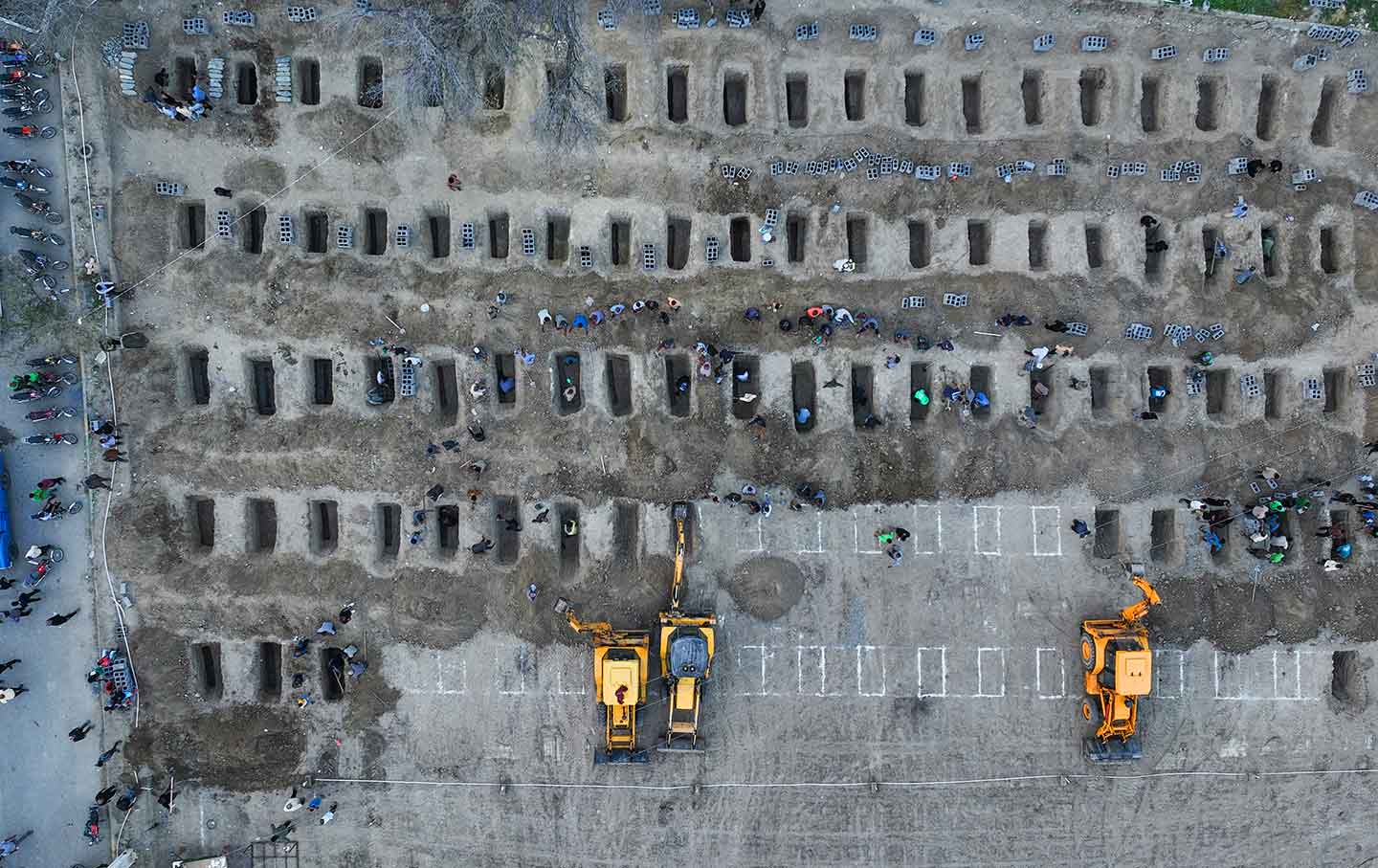
“It takes money to kill bad guys,” Defense Secretary Pete Hegseth said as he sought $200 billion in funding for the Iran war in March. But the cost far exceeds money.
The Iran War Is Built on Bush-Era Lies The Iran War Is Built on Bush-Era Lies
All this we heard in 2003, and all this we are hearing again now.

