
Are Plastics Poisoning Us?
A Netflix documentary exposes plastic’s health harms but misses its climate connection.
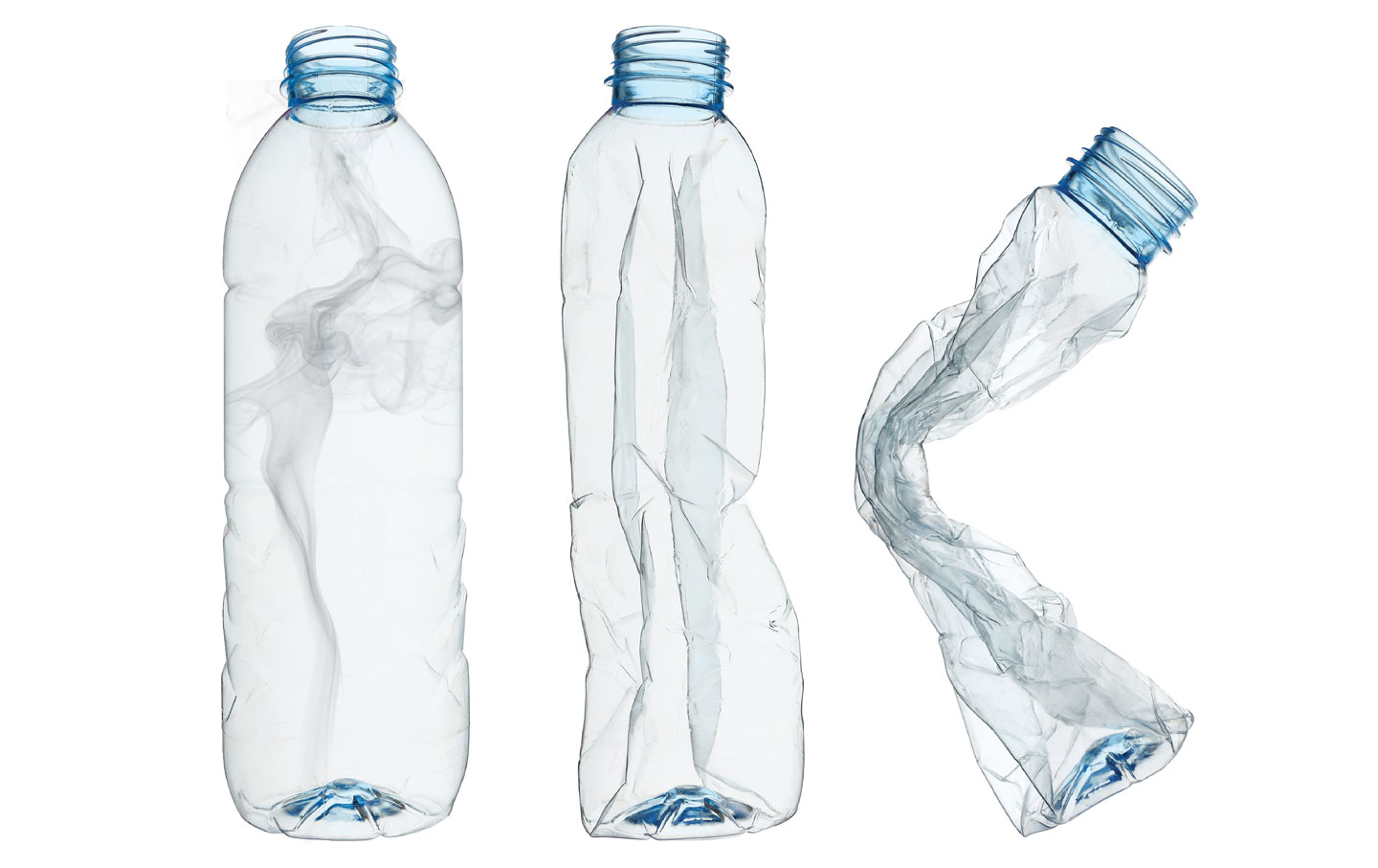
“Plastics are everywhere in modern life,” Covering Climate Now wrote in a “Climate Beat” column in February 2024. “And since plastics are forever, the world’s seas are now littered with massive gyres of plastic waste—billions of tons of used food containers, water bottles, fishing gear, and other items that fragment into microplastics, ‘wreaking havoc on marine ecosystems,’ NOAA warns, and increasingly on human health.”
Now a new documentary from Netflix dramatizes those health effects, especially for people trying to get pregnant. The Plastic Detox follows six US couples as they struggle with low sperm counts and other barriers to conceiving a child. Advising them is Dr. Shanna Swan, an epidemiologist at the Icahn School of Medicine in New York, whose research documents how endocrine-disrupting chemicals were giving baby boys “somewhat smaller penises” and, later in life, lower sperm counts. Her work has been featured on 60 Minutes and elsewhere.
Swan helps the couples limit their exposure to plastics by having them buy non-synthetic clothes—textiles, she says, are the largest source of microplastics in the environment—ditching cleaning and personal care products sold in plastic containers, and the like. Such detoxing improves sperm counts and other pregnancy-related variables, and some of the couples do become parents, though Swan is careful to acknowledge that this was “not a quote unquote scientific study,” since it lacked a control group and robust sample size.
With the world now producing twice as much plastic as it did in the 1990s, The Plastic Detox also highlights a related problem: the industry’s long-standing lie that recycling is a viable solution to the problem of plastic waste. Just as scientists at Exxon were privately telling management by the 1970s that continuing to burn fossil fuels could end civilization as we know it, plastic companies’ own scientists have for decades been telling them that recycling is not a real solution. In the words of an internal document described in The Plastics Detox and cited by the California Department of Justice in its ongoing lawsuit against ExxonMobil, “recyclability at scale is not financially viable.”
Oddly, what The Plastic Detox does not do is make the climate connection to plastics. The closest the documentary comes is to point out that almost all plastics in use today are made from petroleum. Indeed, the plastics industry and the fossil fuel industry are in many respects the same enterprise, and both sides of that enterprise want to keep production levels climbing. As the February 2024 “Climate Beat” column noted, “the oil industry sees plastics as a lifeline in the face of growing global efforts to transition away from fossil fuel in the name of climate survival. BP, for example, projects that plastics will account for 95 percent of demand for new oil over the next few decades. ‘Oil executives like to talk about how plastic can help “future-proof” the industry as the world moves away from its product for energy,’ journalist Amy Westervelt told Covering Climate Now.”
The ubiquity of plastics in our modern lives amounts to conducting a mass experiment on today’s children and their children without their consent, Philip Landrigan, a pediatrician and epidemiologist, says in The Plastic Detox. Landrigan is referring to the threat that endocrine-disrupting chemicals pose to humans’ ability to reproduce. But his point also applies to the ubiquity of fossil fuels, which still account for 80 percent of humanity’s total energy consumption. Solid journalism can help the public and policymakers understand that plastics and fossil fuels are two sides of the same coin, a coin that science is increasingly telling us should be left behind.
Become a Sustaining Donor This September
Between the reemergence of right-wing red-baiting and Donald Trump’s use of the chilling National Security Presidential Memorandum–7 to criminalize left political organizing, we’re seeing McCarthyism reborn before our eyes.
This assault on democracy cannot be ignored or wished away. Resisting it requires bravery in the face of threats and repression, a steadfast commitment to the truth, and the unwavering belief that we can—and will—overcome this darkness.
We must have an independent media that sets the record straight, unearths corruption and abuses of power, and advances a politics of justice and dignity for all if we’re to win this fight.
That’s why I’m writing to you today. This September, The Nation needs to add 100 monthly donors to sustain our progressive journalism. Your contribution makes the next investigative report, the next truth-speaking column, and the next pathbreaking essay all possible.
I hope you’ll support our work with a recurring donation today. If you donate $10 or more a month, we’ll send you a brand new “Hands Off the Free Press!” sticker to recognise your commitment to our cause. Please, donate today.
Onward,
Katrina vanden Heuvel
Editor and Publisher, The Nation

