
Baristas Are the Brand
The future of Starbucks depends on its workers.
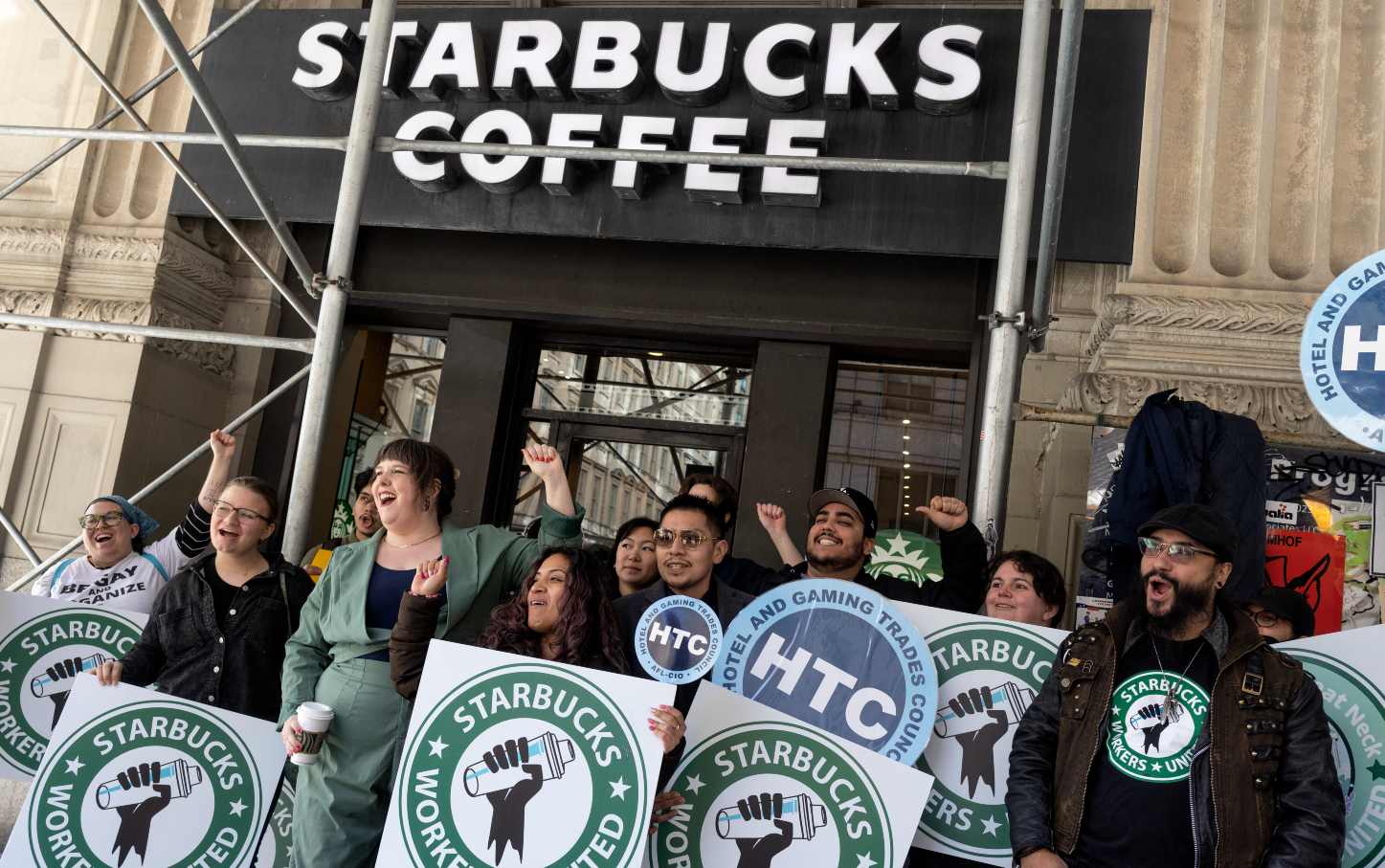
When unionized Starbucks baristas walked off the job this past November, they were asserting a fundamental truth about Starbucks itself: Workers are not incidental to the coffee chain’s experience. They are the experience.
From the speed and care with which a drink is made, to the warmth of a familiar greeting in a neighborhood store, the brand value of Starbucks is built on workers’ skill and labor. Customers do not return for a logo alone. They return for the experience—the experience delivered by working people.
Yet, in the United States, the baristas who make the coffee giant what it is are too often treated as costs to be minimized rather than assets in which to invest.
The baristas represented by Workers United who are currently on an unfair-labor-practice strike have been clear about what they are fighting for. Chronic understaffing leaves workers scrambling to meet demand, undermining both job quality and customer service. The average barista does not make a livable wage: The starting wage in 33 states is $15.25 an hour. It is just $16 an hour in another 10 states. Schedules fluctuate with little notice, making it difficult for workers to plan their lives or consistently meet the 20-hour threshold required to access the benefits their employer proudly advertises.
Compounding this instability is the Starbucks 150 percent availability rule, which requires baristas to be available 150 percent of the hours they are actually scheduled to work. With fluctuating schedules, this backdoor method of controlling workers’ time effectively puts them on call just to make ends meet.
And when workers organize to address these issues collectively, they face not good-faith bargaining but aggressive resistance, accompanied by a mountain of labor law violations.
Precarious scheduling, low wages, and understaffing do obvious harm to workers. They also erode the very quality, care, and consistency that Starbucks customers have come to expect in the first place. A company cannot credibly promise community, comfort, and connection while its workforce lives with instability and insecurity.
Starbucks CEO Brian Niccol has touted the company’s push for a “turnaround.” But any serious turnaround must begin with recognizing baristas’ fundamental human right to organize and collectively bargain over the conditions that shape their work. Baristas sit at the center of the customer experience. No strategy will succeed if Niccol continues to treat a union contract as an obstacle rather than as a foundation for brand strength, quality, and stability. The baristas are the business model.
Starbucks has the distinction and resources to lead rather than obstruct. It markets itself as a leading employer that offers opportunity and cares about its workers. But values are not measured by slogans or benefit brochures. They are proven through a union contract that guarantees access to benefits, fair wages, stable hours, and protection from retaliation for organizing.
A union contract would strengthen Starbucks, not weaken it. It would stabilize staffing and reduce turnover, allowing baristas to build both careers and lives. A constructive relationship with Workers United could also improve operations. Baristas understand daily operations better than anyone, and when workers have a voice, the customer experience improves.
The baristas on strike are not asking Starbucks to become something it is not. The Starbucks brand and distinction have always rested on the customer experience—and it is the baristas who make that experience possible.
Starbucks can and should do better. It should live up to its claim of being the “best job in retail.” It should invest in its workers, support their human right to collectively bargain, and choose a future with its union baristas rather than one built on precarity.
If Starbucks truly believes that people matter, it should start by honoring the people who make the coffee.
Become a Sustaining Donor This September
Between the reemergence of right-wing red-baiting and Donald Trump’s use of the chilling National Security Presidential Memorandum–7 to criminalize left political organizing, we’re seeing McCarthyism reborn before our eyes.
This assault on democracy cannot be ignored or wished away. Resisting it requires bravery in the face of threats and repression, a steadfast commitment to the truth, and the unwavering belief that we can—and will—overcome this darkness.
We must have an independent media that sets the record straight, unearths corruption and abuses of power, and advances a politics of justice and dignity for all if we’re to win this fight.
That’s why I’m writing to you today. This September, The Nation needs to add 100 monthly donors to sustain our progressive journalism. Your contribution makes the next investigative report, the next truth-speaking column, and the next pathbreaking essay all possible.
I hope you’ll support our work with a recurring donation today. If you donate $10 or more a month, we’ll send you a brand new “Hands Off the Free Press!” sticker to recognise your commitment to our cause. Please, donate today.
Onward,
Katrina vanden Heuvel
Editor and Publisher, The Nation
More from The Nation
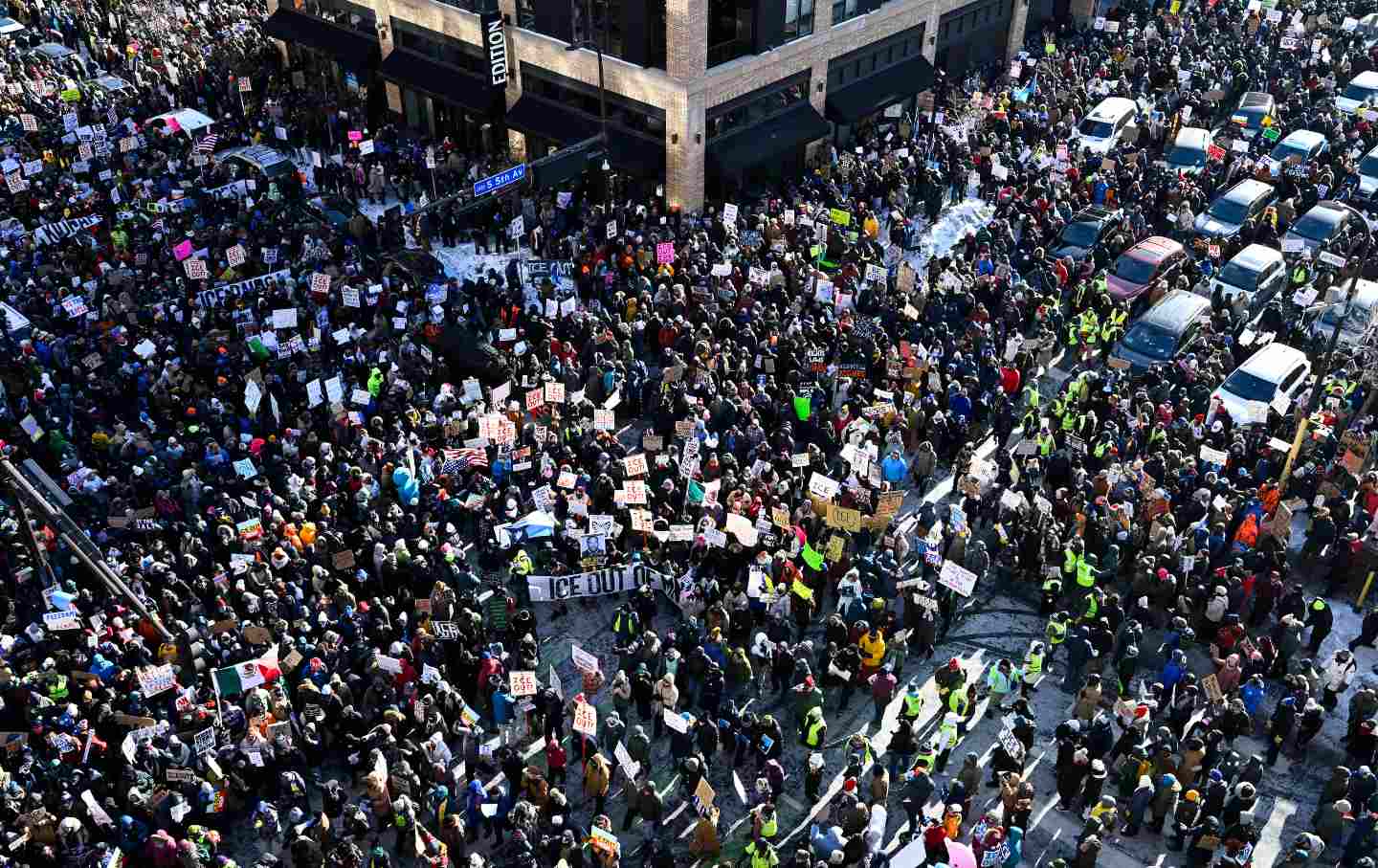
The Impossible Will Take a Little While: The Power of Persistence The Impossible Will Take a Little While: The Power of Persistence
In troubled times, history offers a lesson: Seemingly impossible change can begin with ordinary people who refuse to give up.
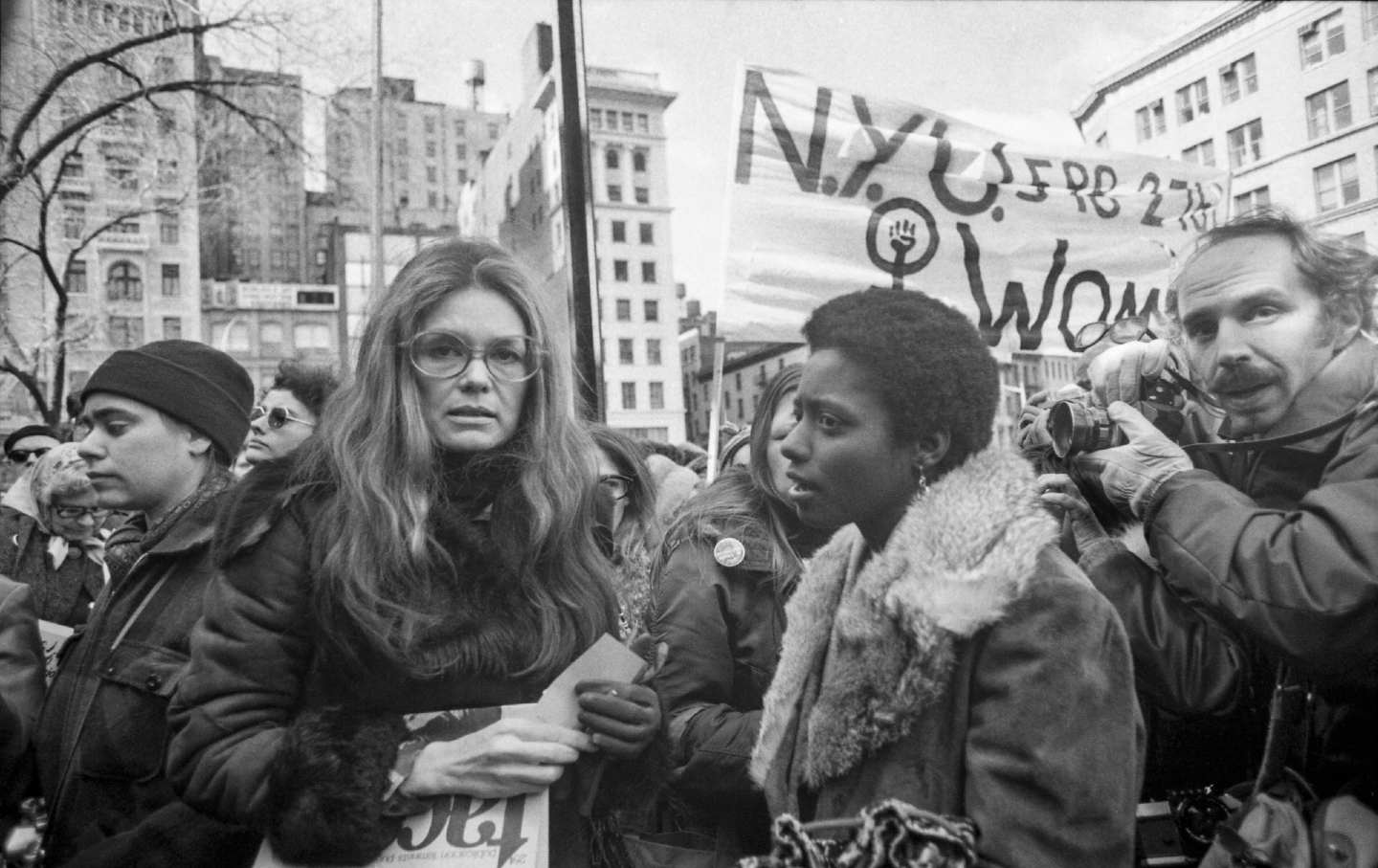
Gloria Steinem’s Many-Splendored Feminist Life Gloria Steinem’s Many-Splendored Feminist Life
The feminist icon lived the struggle for gender equality and always found time to lend support and solidarity to other women leaders, even in her final days.
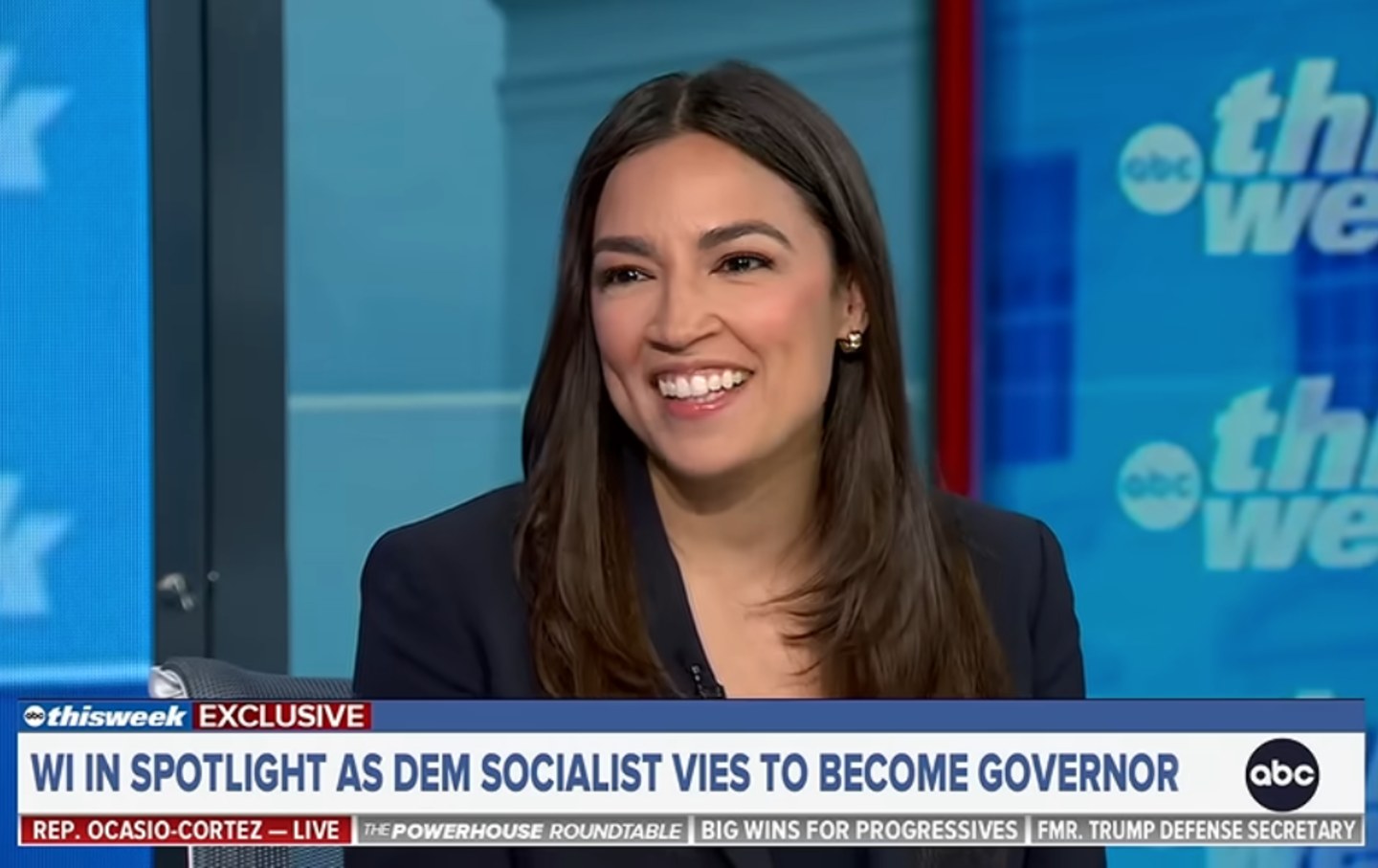
No, Woke 1 Was Not Crazy No, Woke 1 Was Not Crazy
AOC and others are laughing off 2020 as a wild, isolated moment. None of that is true.
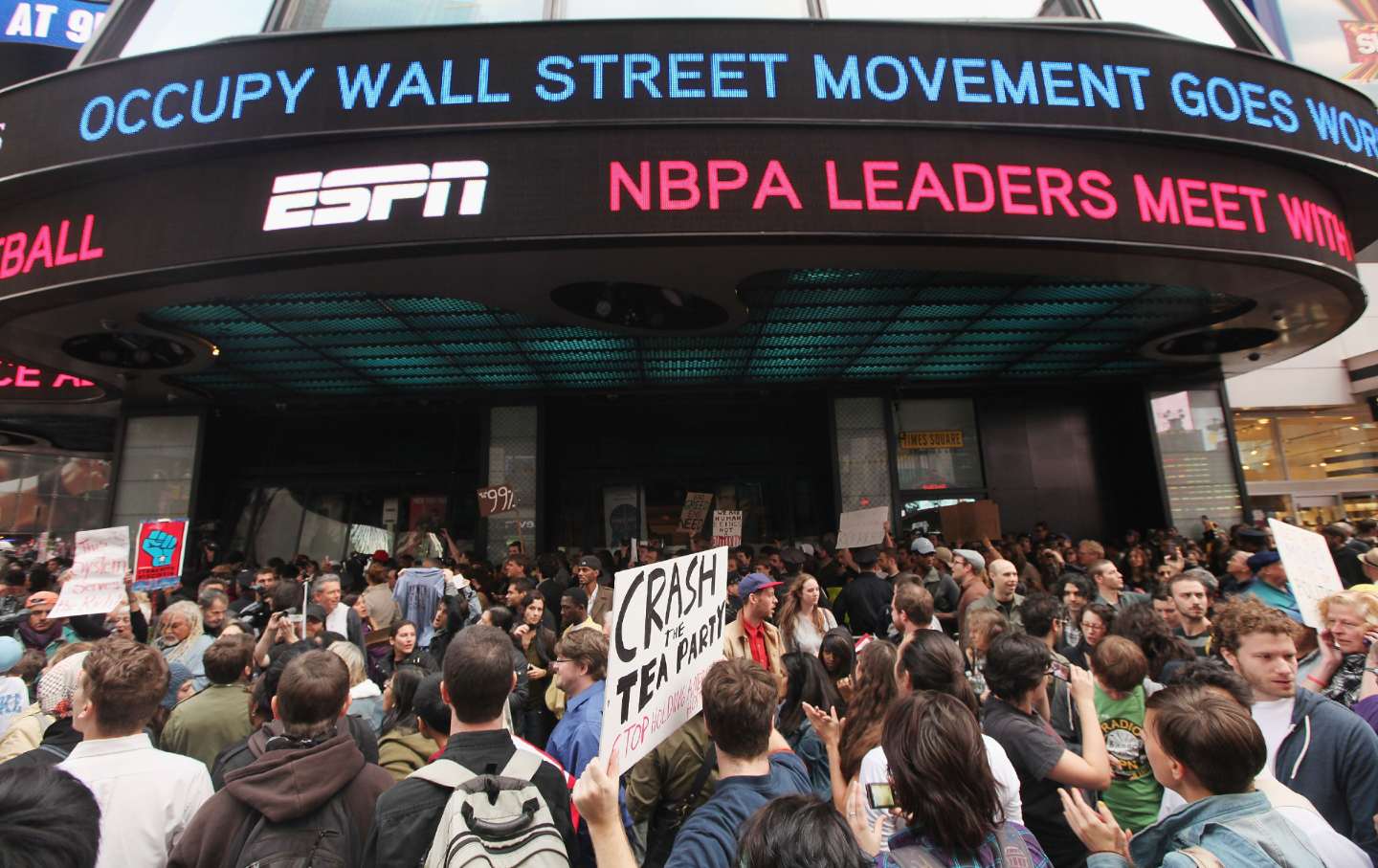
How Occupy Wall Street Still Explains Politics Today How Occupy Wall Street Still Explains Politics Today
It sowed the seeds for a new era of social movements—but its politics of powerlessness should act as a cautionary tale.
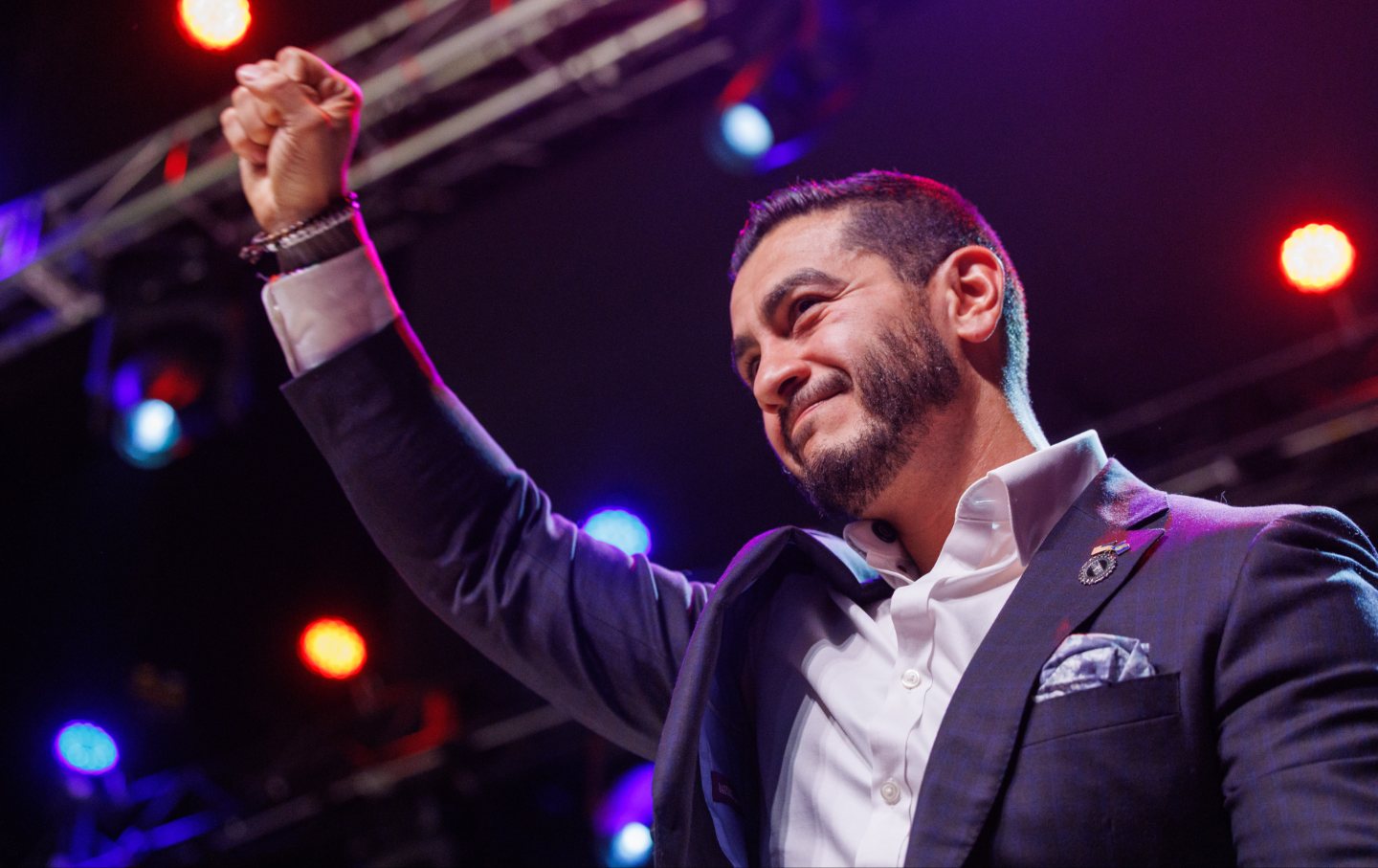
Abdul El-Sayed’s Win Is a Landmark. But the Fight Is Far From Over. Abdul El-Sayed’s Win Is a Landmark. But the Fight Is Far From Over.
Even though the Palestine movement is on the march, we can’t afford any complacency.
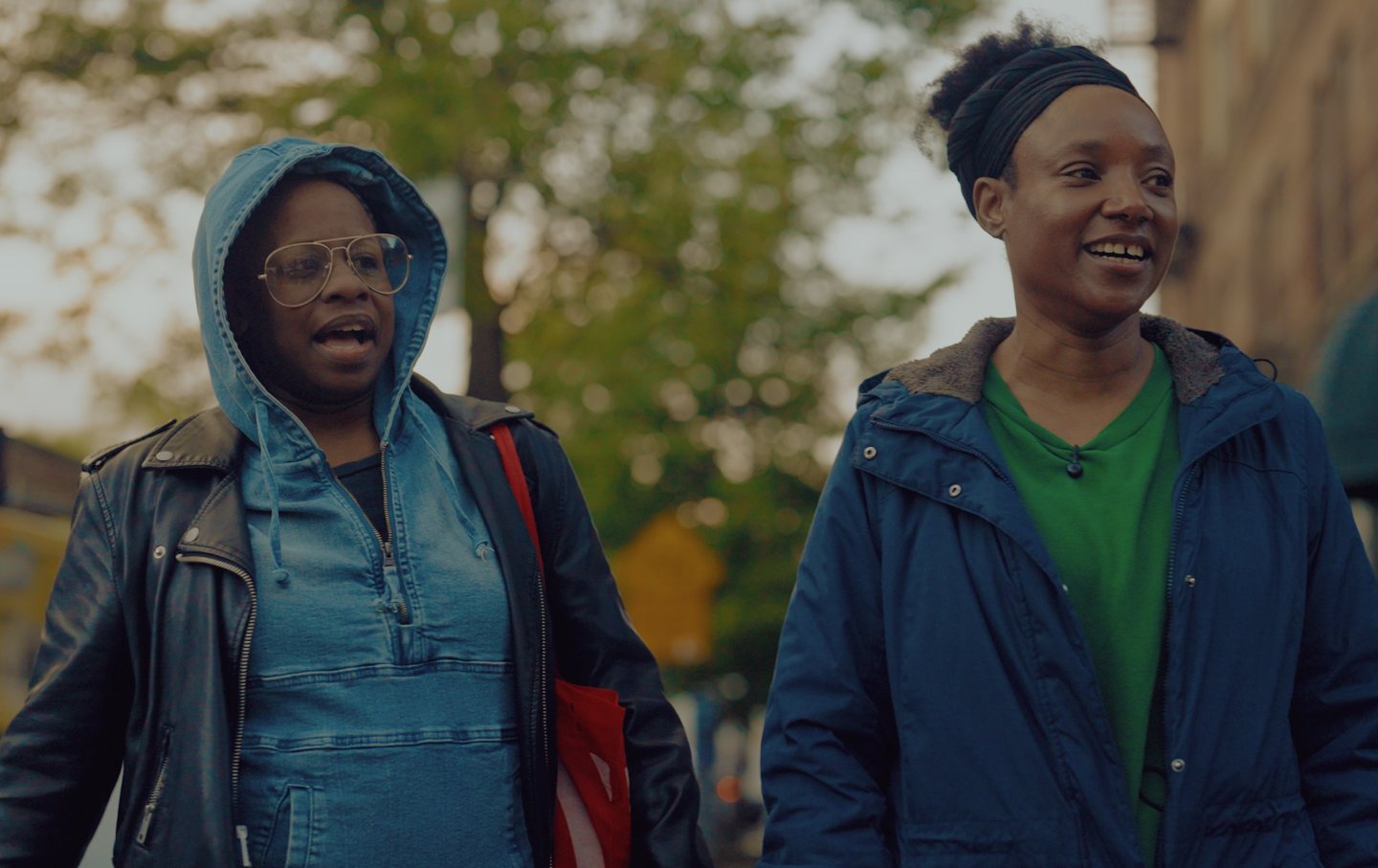
Mamdani’s Team Redefined Political Video. Now They’re Betting on Short Films. Mamdani’s Team Redefined Political Video. Now They’re Betting on Short Films.
Premiering exclusively in The Nation, a new short film produced by City Hall and narrated by Morgan Spector highlights the efforts of the biggest tenant-led union in New York City...

