
Trump Is Lying About Antifa to Justify His Authoritarian Crackdown
Too easily dismissed as hyperbole, the Antifa myth is being used as a weapon to destroy domestic opposition.
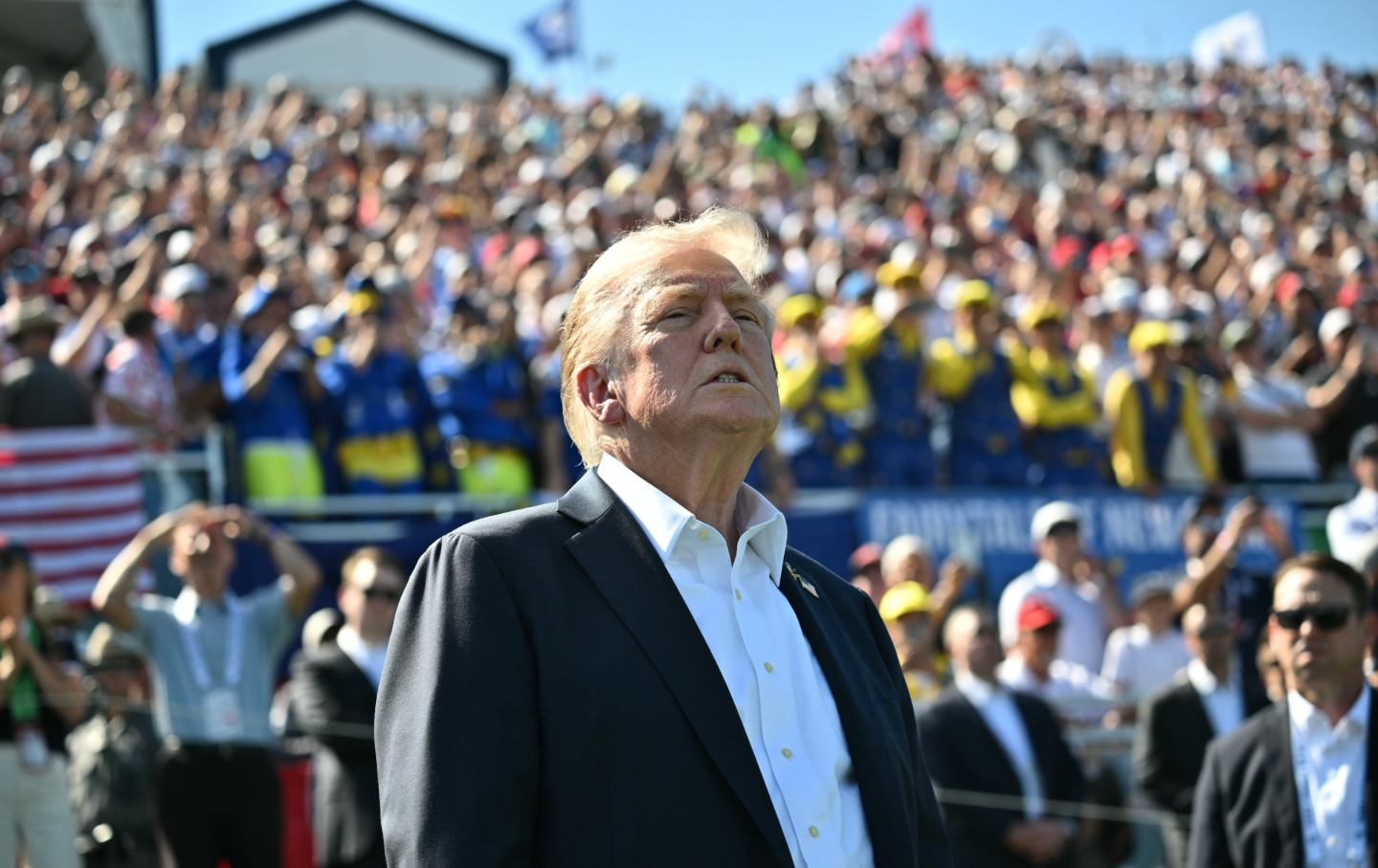
Donald Trump attends the 2025 Ryder Cup at Black Course at Bethpage State Park Golf Course on September 26, 2025, in Farmingdale, New York.
(Mandel Ngan / Pool / Getty Images)Donald Trump’s authoritarianism has become increasingly brazen since the assassination of Charlie Kirk. But mainstream journalists have failed to describe the full extent of Trump’s newly energized radicalism, choosing to focus on whether his ravings are factual or legal rather than examining the larger ideological goals he is pursuing.
Last Monday, for instance, Trump signed an executive order declaring that “Antifa” is a “domestic terrorist organization.” On Thursday, he signed a national security directive that, in the words of top aide Stephen Miller, would create an “all-of-government effort to dismantle left wing terrorism.” When asked who was funding such “left wing terrorism,” Trump named two top funders of the Democratic Party and allied mainstream liberal causes, George Soros and Reid Hoffman. The targeting of these two has produced tangible benefits for Trump; on Friday, The New York Times reported that, although the Soros family remains committed to political engagement, Hoffman “has largely vanished from political giving in 2025 and is much less publicly voluble about his disagreements with Mr. Trump.”
On Saturday, Trump posted that he was authorizing so-called “Secretary of War” Pete Hegseth to “provide all necessary Troops to protect War ravaged Portland, and any of our ICE Facilities under siege from attack by Antifa, and other domestic terrorists.” Trump authorized the use of “Full Force, if necessary” for the deployment. Portland thus joins the ranks of American cities that Trump has either sent or plans to send troops to, a list that includes Washington, Los Angeles, Chicago, and Memphis.
The Portland deployment, along with the smearing of Democratic Party donors as terrorist supporters, shows that Trump is using the specter of Antifa as an ideological rationalization for his crackdown on domestic political opponents.
Yet much of the initial reporting on Trump’s executive order swerved this obvious truth, focusing instead on narrower, more technical questions about the feasibility of an anti-antifa crusade. The New York Times reported that “there are major factual and legal challenges to any government effort to formally designate antifa a terrorist group in any substantive way.”
This is very obviously true. One problem is that antifa is not really an organization but, as the Times accurately notes, “a label for a political subculture or protest style. The phenomenon does not have a leader, an initiation process, membership rolls, a headquarters, a bank account or a centralized structure.” And even if Antifa were an actual institution, there are no legal provisions for designating a domestic group as a terrorist organization. Legally, the “terrorist” designation applies only to foreign groups.
But while these factual and legal observations are a good starting point for criticizing Trump’s actions, they hardly capture the true nature of his project.
Antifa, as used by Trump and his cronies, is a myth. Fact-checking a myth is never a fully adequate response, since it doesn’t address the emotional appeal the myth serves. Mark Bray, a historian at the Rutgers University and author of Antifa: the Antifascist Handbook (2017), noted in an interview that the individuals who identify as antifa have not been “out in the street so much in recent years anyway” and are certainly not being funded by billionaires like Soros. Rather, Trump uses Antifa as a “boogeyman catchall category” for all sorts of tendencies the right opposes. Black Lives Matter, trans rights, and immigrant rights have all been lumped in with antifa and terrorism.
The Soros fiction has overtones of the Nazi myth of Judeo-Bolshevism. The Nazis concocted the fantasy that wealthy Jews were subverting German society by financing revolution: an ideological chimera that allowed the Nazis to pose as opponents of both unpopular plutocrats and scary plebeians. The myth of Soros-funded Antifa might serve a similar function for Trumpism: uniting the populist and law-and-order factions of the right.
The Antifa myth is elastic enough to encompass the broad sweep of opposition to Trump, liberals as well as radicals.
Writing on his Substack, journalist Ken Klippenstein reports that the national security directive signed by Trump has far-reaching implications. Modeled after the War on Terror approach to groups such as Al Qaeda, the directive authorizes law enforcement to preemptively disrupt groups that might be a threat. The “indicia” or indicators of violence in the report are alarmingly broad. As Klippenstein notes, they include:
• anti-Americanism,
• anti-capitalism,
• anti-Christianity,
• support for the overthrow of the United States Government,
• extremism on migration,
• extremism on race,
• extremism on gender,
• hostility towards those who hold traditional American views on family,
• hostility towards those who hold traditional American views on religion, and
• hostility towards those who hold traditional American views on morality.
The Trump administration seems intent on using these new directives to attack the free speech rights of its critics. On Wednesday, Stephen Miller tweeted, “This language incites violence and terrorism,” in response to California Governor Gavin Newsom’s criticism of ICE and the Trump administration as “authoritarian.”
Popular
“swipe left below to view more authors”Swipe →Greg Sargent, a writer for The New Republic, asked former Trump adviser Steve Bannon “if he thinks Miller’s tweet means federal law enforcement should and will now criminally investigate groups who describe ICE as ‘authoritarian.’”
Bannon responded, “Yes. Stephen Miller is correct—more importantly he’s in charge.”
The Antifa myth is a wedge that will be used to destroy free speech. It’s not enough to simply point out that it’s a myth. Rather, Democrats need to rally Americans with the argument that the threat to Antifa will one day be used against anyone who speaks out against Trump.
Become a Sustaining Donor This September
Between the reemergence of right-wing red-baiting and Donald Trump’s use of the chilling National Security Presidential Memorandum–7 to criminalize left political organizing, we’re seeing McCarthyism reborn before our eyes.
This assault on democracy cannot be ignored or wished away. Resisting it requires bravery in the face of threats and repression, a steadfast commitment to the truth, and the unwavering belief that we can—and will—overcome this darkness.
We must have an independent media that sets the record straight, unearths corruption and abuses of power, and advances a politics of justice and dignity for all if we’re to win this fight.
That’s why I’m writing to you today. This September, The Nation needs to add 100 monthly donors to sustain our progressive journalism. Your contribution makes the next investigative report, the next truth-speaking column, and the next pathbreaking essay all possible.
I hope you’ll support our work with a recurring donation today. If you donate $10 or more a month, we’ll send you a brand new “Hands Off the Free Press!” sticker to recognise your commitment to our cause. Please, donate today.
Onward,
Katrina vanden Heuvel
Editor and Publisher, The Nation
More from The Nation
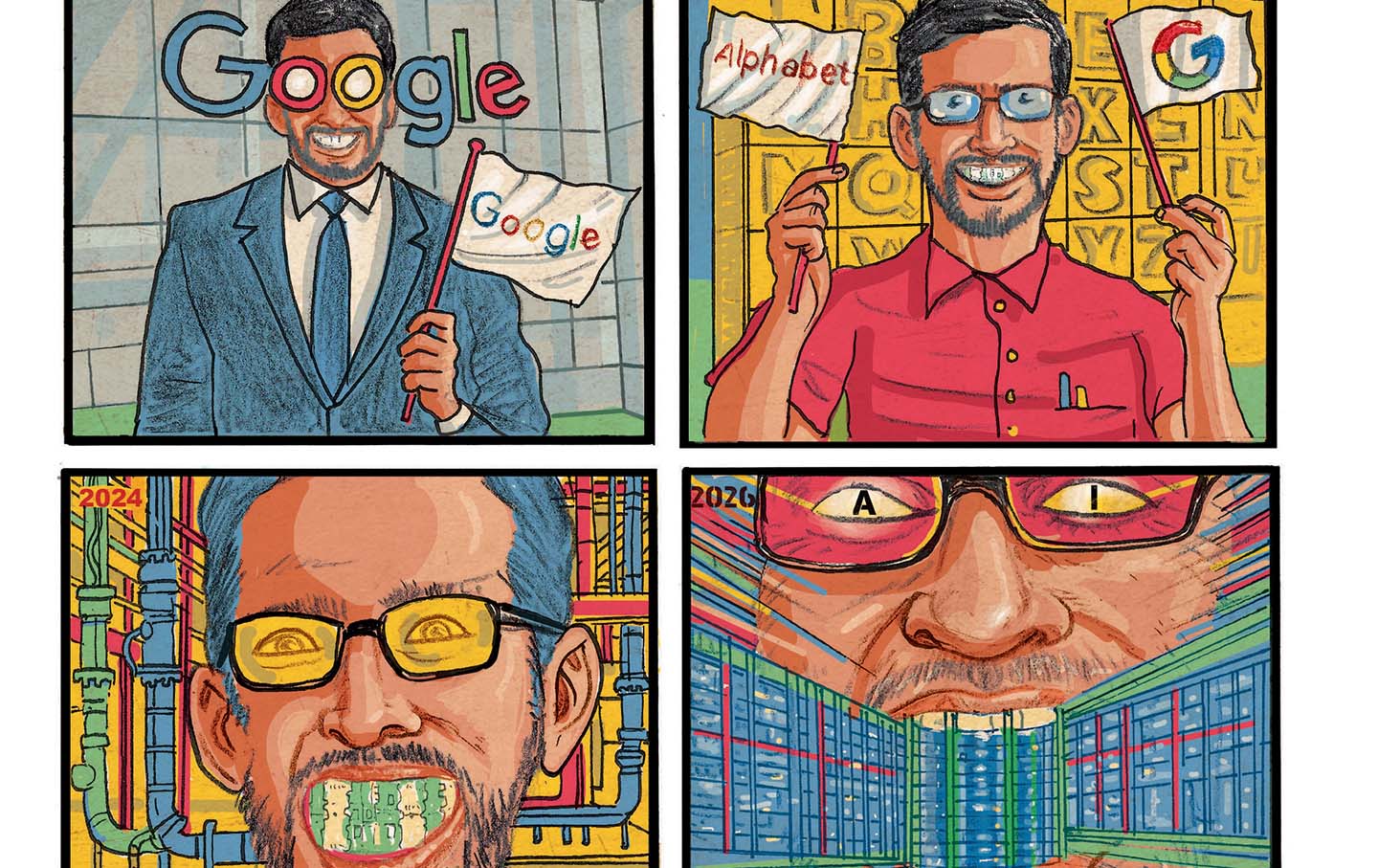
CEOs Are Losing Control of AI CEOs Are Losing Control of AI
With no slowdown from Trump’s administration.
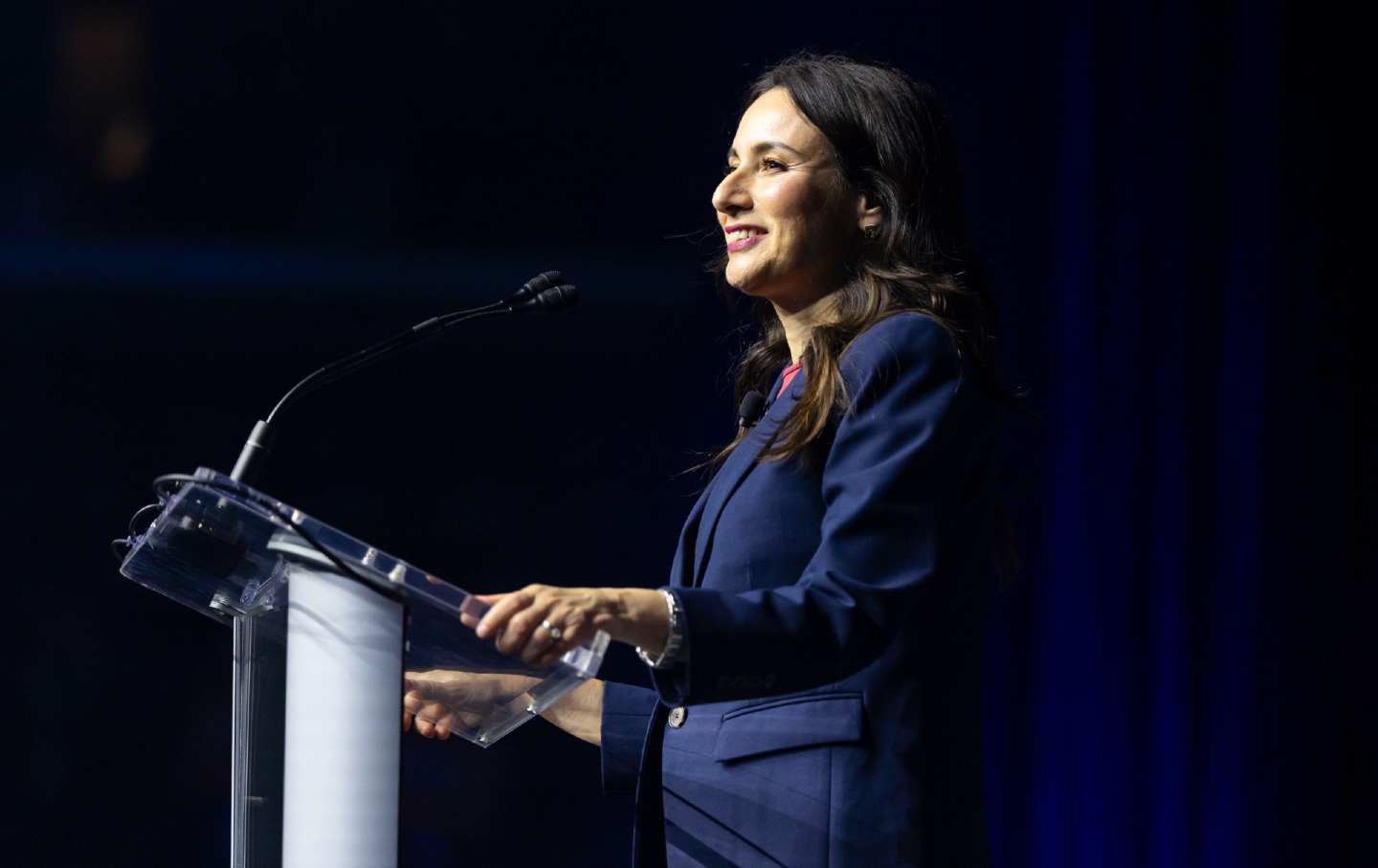
Gina Hinojosa: “We Flip Texas, and It’s Over” Gina Hinojosa: “We Flip Texas, and It’s Over”
Talking to Texas gubernatorial candidate Gina Hinojosa about what redistricting could mean and how a new generation of Democrats is speaking more directly to voters.
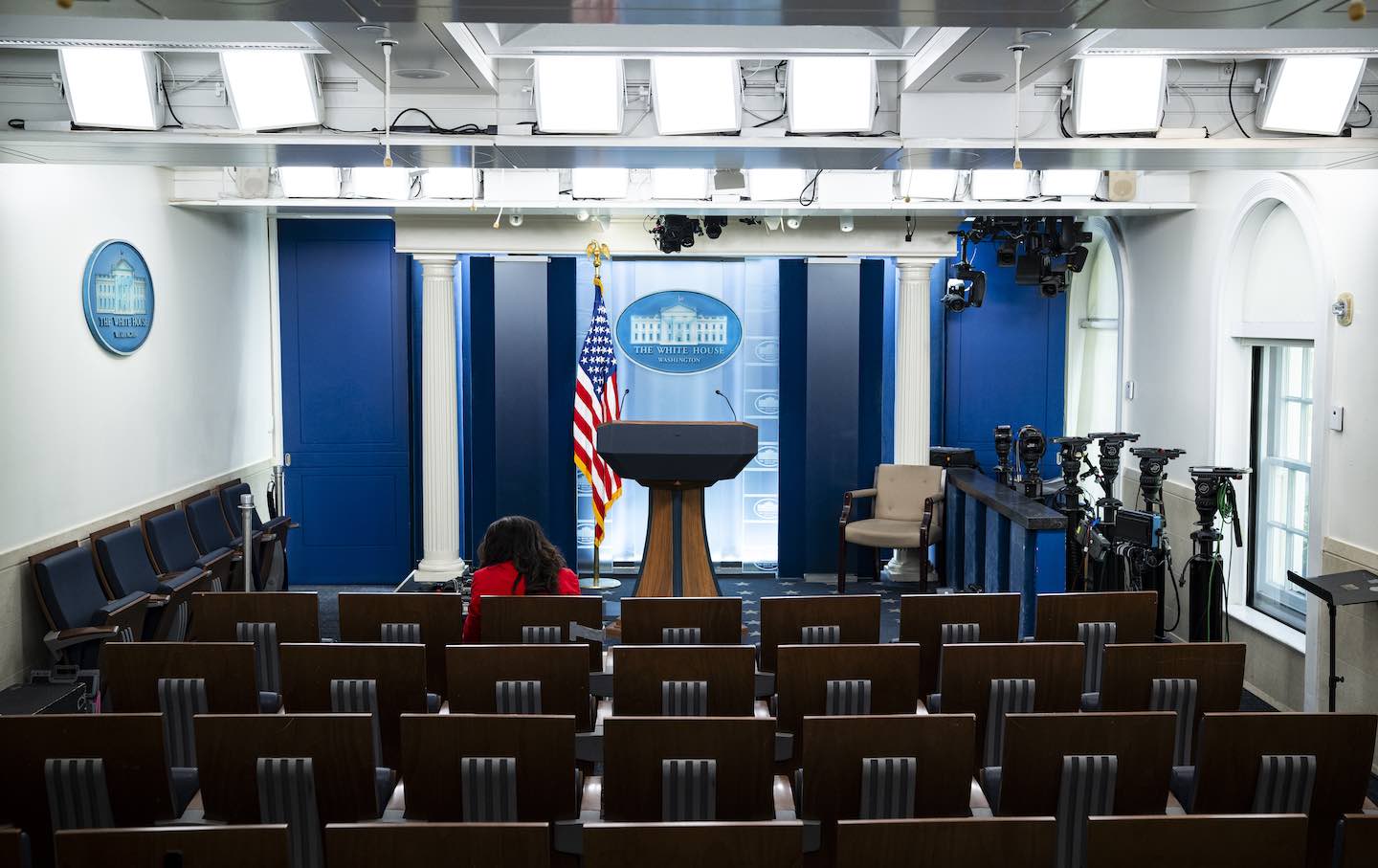
Trump Wants to Keep Journalists Out of the White House. He Should Get His Wish. Trump Wants to Keep Journalists Out of the White House. He Should Get His Wish.
The president has banned MS NOW, CNN, and Politico from attending press briefings. The rest of the media should respond with a boycott.
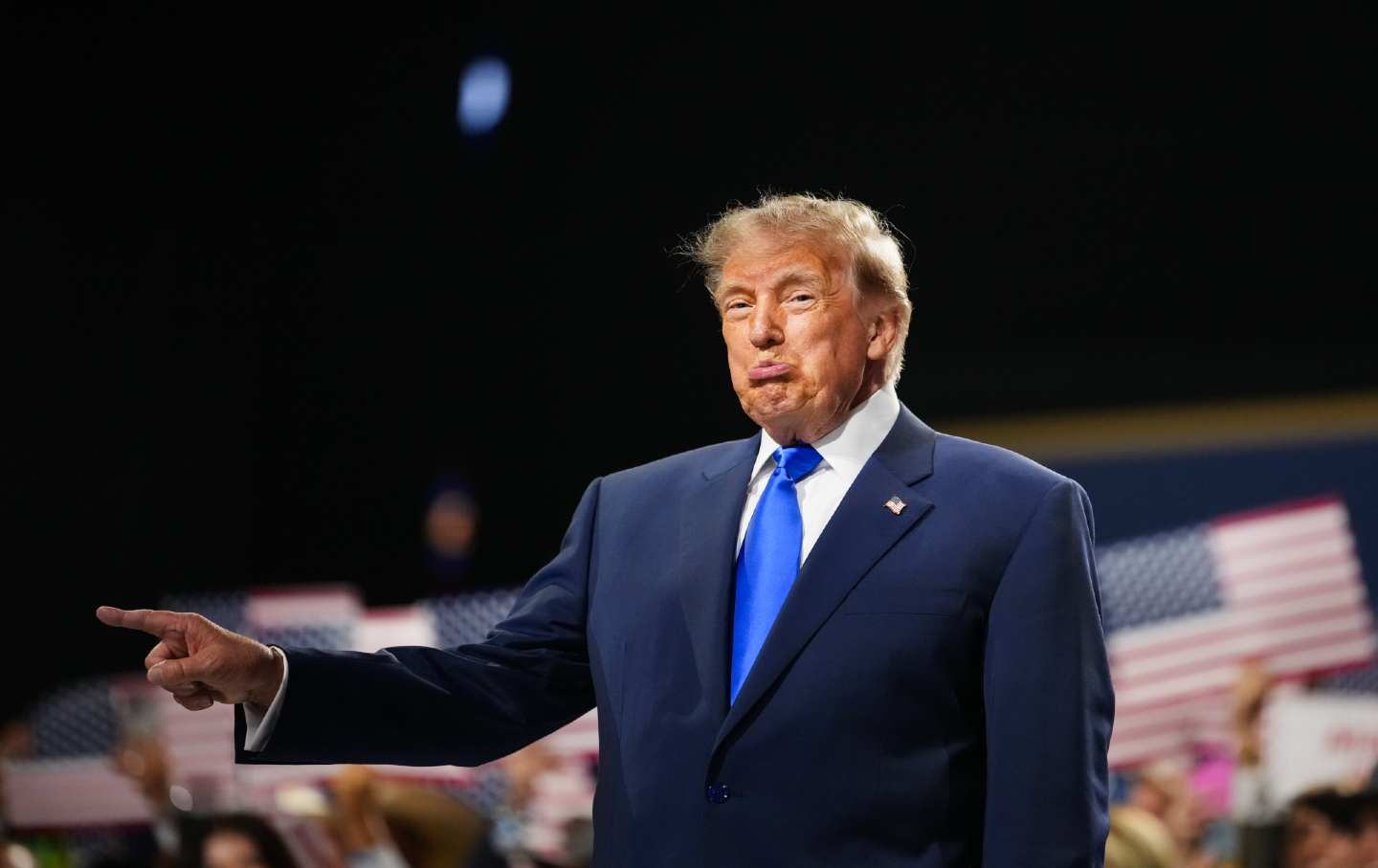
The GOP’s Incredible Shrinking Senate Map The GOP’s Incredible Shrinking Senate Map
Trump has so badly damaged the Republican Party’s brand that strategists are contemplating bitter fights—and losses—in races they’d been banking on as sure things.
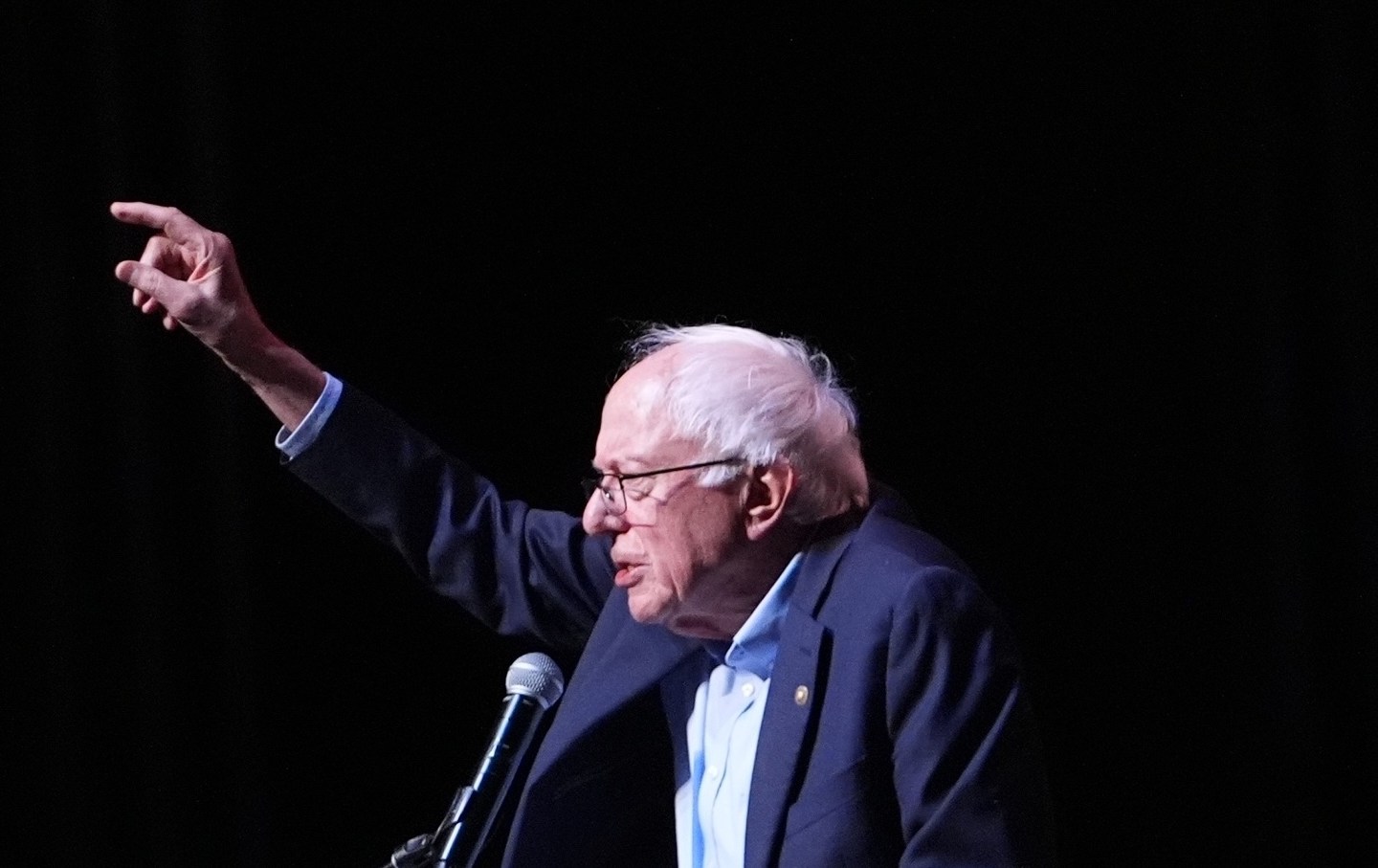
Bernie Sanders: “People Are Sick and Tired of the Status Quo. People Want Change.” Bernie Sanders: “People Are Sick and Tired of the Status Quo. People Want Change.”
Exclusive: Read the text of a major foreign-policy address delivered by the independent senator at Riverside Church.
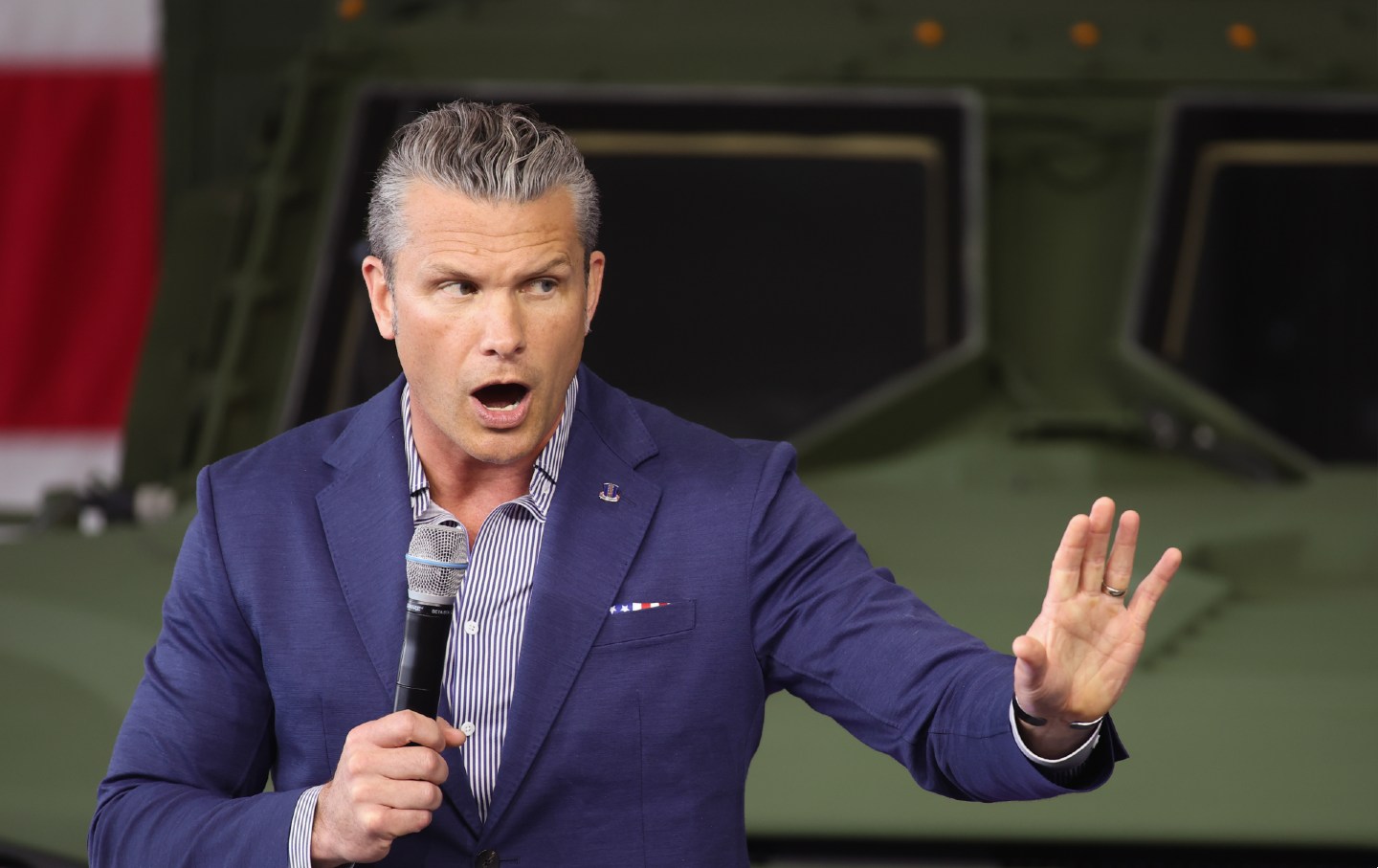
Even Republicans Are Figuring Out That Pete Hegseth Is a Disaster Even Republicans Are Figuring Out That Pete Hegseth Is a Disaster
Hegseth was always a horrible choice for defense secretary. At long last, some in the GOP are admitting it.

