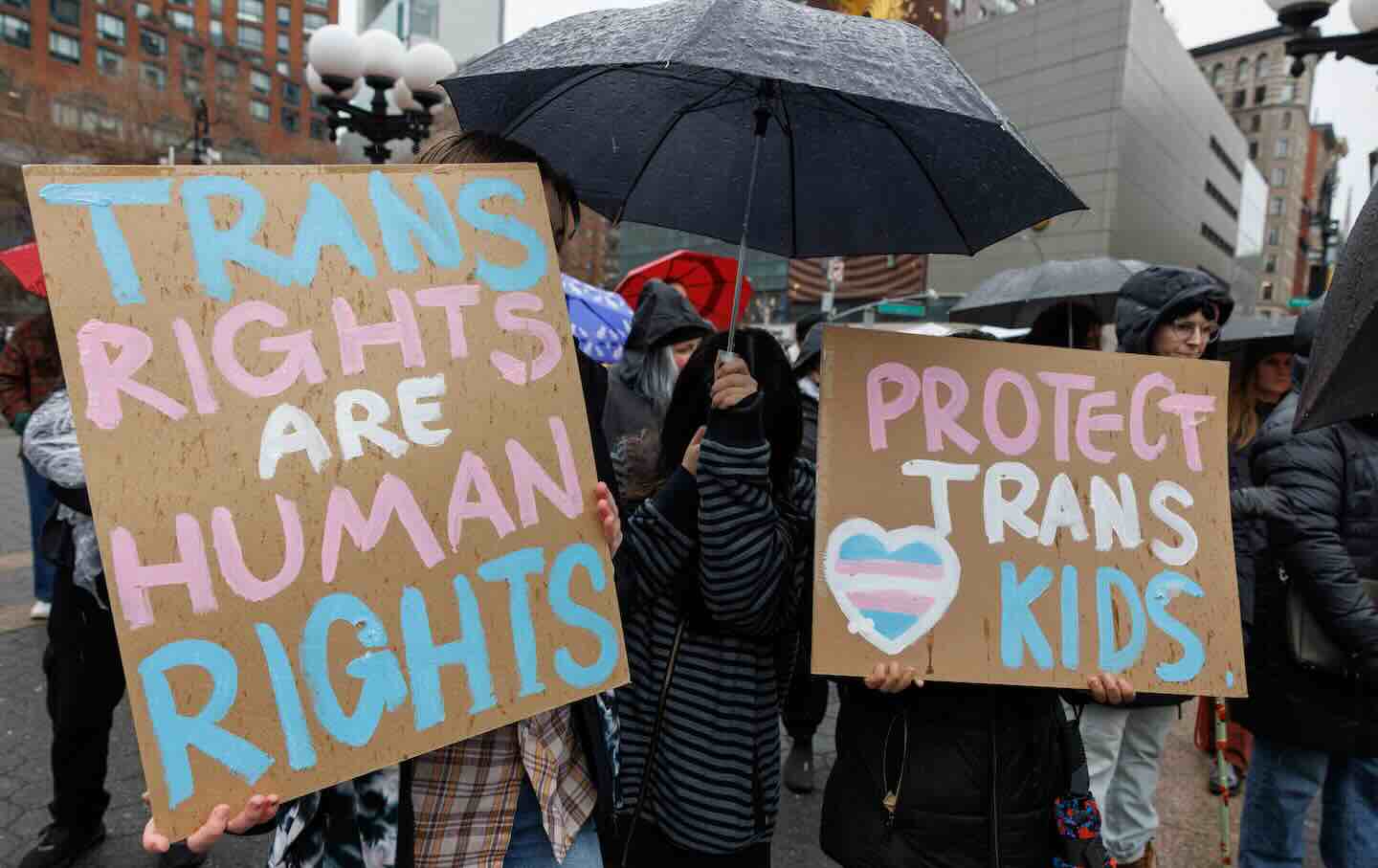
The “Teenage Dream” in an Era of Isolation
Curfew restrictions and the policing of public spaces prevent teens from “getting into trouble.” But to some, it feels like it’s preventing them from getting anywhere at all.
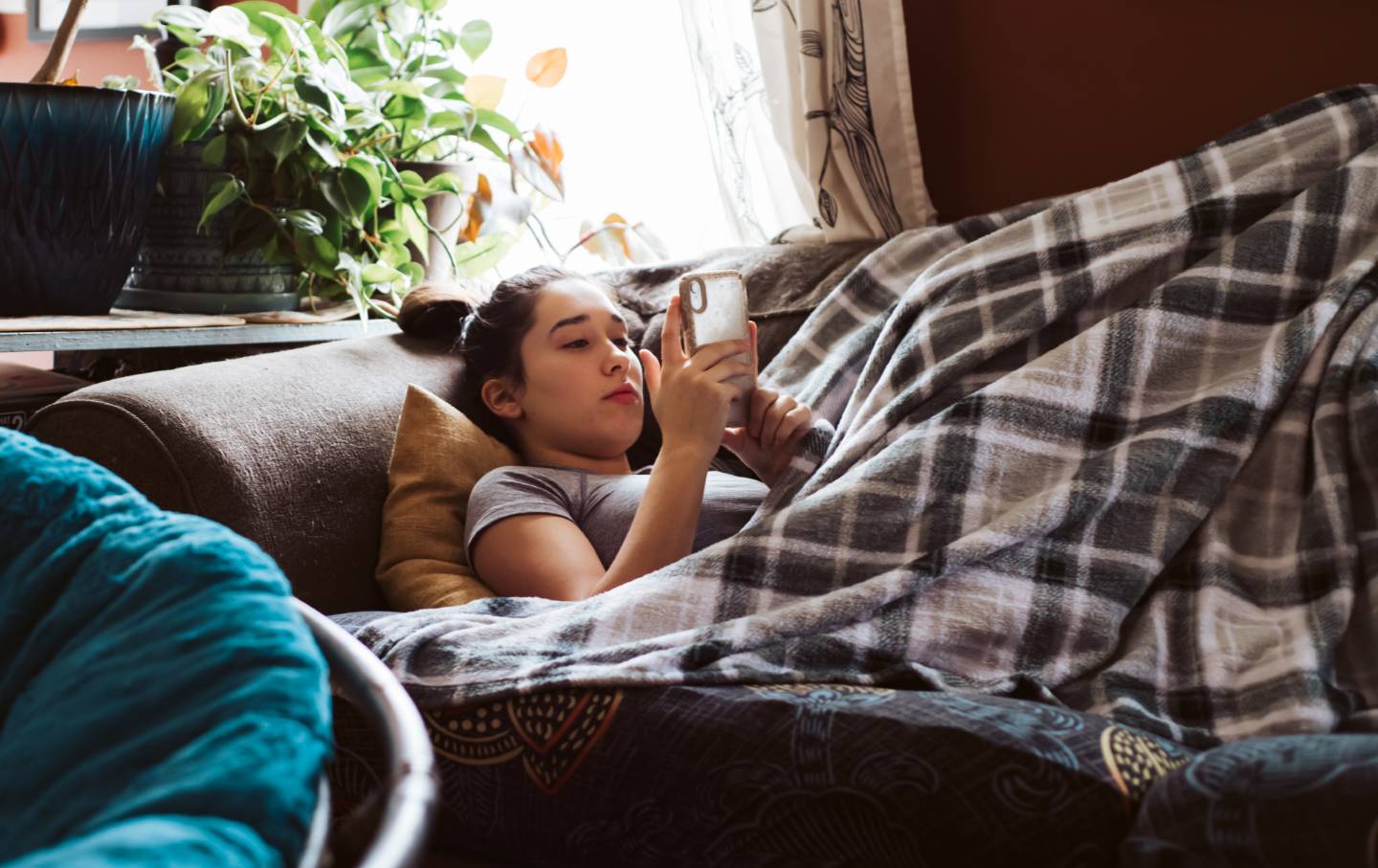
What is the teenage dream? Something sold to us by movies and TV shows, pop stars and bands, and even our own parents. We’re told to expect robust social lives and plenty of freedom during our teenage years. But images of after-school bonfires and strolls around bustling malls couldn’t be further from the reality of teen life today.
It’s certainly how I feel as an 18-year-old from Texas—as do many of my peers. “Where are we going to go?” asks Bethania, a 17-year-old from Washington, DC, describing the “constant struggle” to find a place to hang out.
According to The Conversation, 51 percent of 12th graders in the 1980s and ’90s were hanging out with friends daily. A 2023 poll showed that only 14 percent of Americans now do the same. The answer, for most, is that “there’s nothing to do,” as Maddalynn, a 17-year-old from South Carolina told me. “We’re so tired and we don’t have the energy to do anything.”
It’s a strange time to be a teen in America. We’re the loneliest generation yet. Older generations blame our lack of social lives on “phone addictions” or the effects of the pandemic. While it’s true that these factors are changing what it means to be a young person today, our behavior is also a response to other aspects of our social and political climates. As we wonder what happened to the “teenage dream,” one of the largest culprits for our lost connectivity is the death of public spaces; finding safe, and accessible public areas is a rarity, and being able to go to them regularly is nearly impossible when they are closely monitored and often restricted by local laws and city police.
In New Jersey, for example, some teens are now subject to local 11 pm curfews. After a number of pop-up parties at the Jersey Shore boardwalk last year, that curfew is three hours earlier on beaches during the summer. The New Jersey Police Department says these restrictions are in place to prevent teens from “getting into trouble,” but to some, it feels like it’s preventing them from getting anywhere at all. “Compared to my parents, I feel like they had more freedom when it comes to how late they can be out,” said Leona, a 17-year-old from New Jersey.
“Curfew laws in public spaces, especially in downtown cities, make hanging out with a group of my friends way more difficult,” said Bethania. And the removal and policing of public spaces disproportionately affects people of color. “A couple of my friends and I decided to go to the mall after school and we happened to be in uniform. We were in line to get food and we were approached by security to leave the mall immediately because it was during school hours, even though we had early release,” she said. “I’m tired of being labeled as loud just because I’m Black and having fun with my friends outside.”
Even within the few inclusive and accessible areas, there’s another fear in public spaces. This year alone, there have been around 37 mass shootings nationwide. In 2019, over 20 people were killed at my hometown mall in El Paso. I remember shopping there with my friends just a week before. Five years later, I still worry that it will happen again. “We’re kind of paranoid and looking around at our surroundings,” said Esenia. “There is that fear in the back of everybody’s mind that this [gun violence] could happen,” Matthew adds.
Researchers are working on how to make our communities more teen-friendly, but this begins with making public spaces accessible to all members of the public. Kristina Park, a researcher at Biodesign Lab, worked on “Engaging Teenagers in Public Space,” a project about designing teen-friendly public spaces presented at the Washington State Landscape Architects Association in 2020. Park speaks about what needs to be done to create spaces and environments for everyone, especially teens who are often left out of these conversations. “We’ve just stopped including the teenage age group in our public spaces,” she said. “We’ve never intentionally designed to include them. Now we have decades of urban design that has omitted spaces that welcome change and support their interests and activities.”
Park also found a discrepancy between recognizing that teens were struggling with increased suicide rates and the societal reponse to it that has exacerbated the Gen Z’s mental health issues. “I hear these public comments about actively discouraging teens from having spaces designed for them, and then seeing continual news articles about increased suicide rates of young people.”
Park, who has a teenage daughter, also says that apart from creating these places, parents can play a major role. She says this can be very simple: anything from saying yes to a hangout opportunity to less finger-wagging about schoolwork could make a difference. This can also mean letting teens be loud in outdoor spaces and not condemning socialization. “We need to add a little more empathy to our past selves,” she said. “This is a national health crisis.”