
Students at Brown Just Secured a Vote on Divestment. What Happens Next?
On April 30, protesters disbanded their encampment when the university pledged to vote on divestment from companies affiliated with Israel. This shows a different way of doing things.
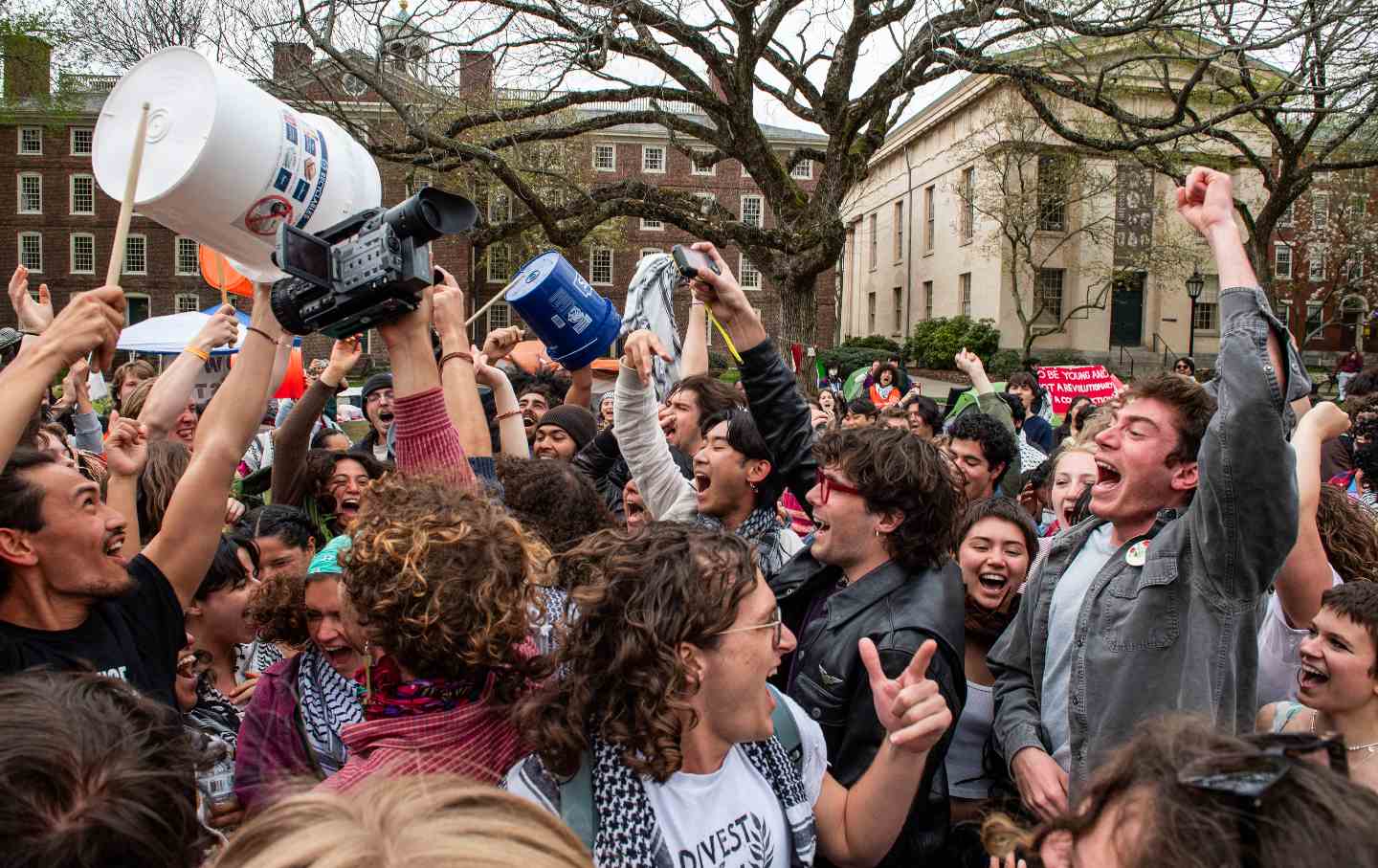
Pro-Palestinian students celebrate reaching a deal with the administration at Brown University, bringing an end to their encampment.
(Joseph Prezioso / Getty)On the same day that Columbia University called in the NYPD to arrest dozens of pro-Palestine protesters, the encampment at Brown University ended peacefully. Students successfully negotiated a deal with the administration: If the governing body agreed to vote on a proposal to divest the school’s $6.6 billion endowment from companies affiliated with Israel, protesters would leave.
The 152-hour Gaza Solidarity Encampment organized by the Brown Divest Coalition (BDC) began on April 24 with 120 students. Since Israel’s assault on Gaza began, students at Brown have also organized two sit-ins and a hunger strike, resulting in the arrest of 61 people, with dozens still facing trespassing charges because of their involvement.
Throughout these demonstrations, students’ demands have remained grounded in divestment, but Brown University’s President Christina Paxson refused to bring their proposal to the university’s highest governing body.
Instead, Paxson referred them to the institution’s Advisory Committee on University Resource Management (ACURM), the group tasked with managing Brown’s endowment. Its predecessor, the Advisory Committee on Corporate Responsibility in Investment Policies (ACCRIP), commissioned a report in 2020 that recommended “divestment from companies that facilitate the Israeli occupation of Palestinian territory.”
In a community letter from March 2021, Paxson wrote that “the recommendation to divest still does not meet the standard as stated in the committee’s charge.” She consistently rejected “calls to use our endowment as a tool for political advocacy,” saying it would be “antithetical to freedom of expression and the advancement of knowledge.” Brown maintains that it is not directly invested in weapons manufacturers and only works with investment managers “whose values are aligned with the Brown community,” according to Brown’s Chief Investment Officer Jane Dietze, yet the university claims to be unable to disclose the contents of the managers’ portfolios due to contractual confidentiality agreements.
After the recent protests, however, Paxson was willing to consider updated divestment recommendations from ACURM if the students submitted a proposal to the committee. They refused to do so, citing the urgency of the situation in Gaza. In an interview with The Brown Daily Herald, Paxson also promised to request expedited committee consideration should the students submit a report.
On Monday, Paxson offered students the opportunity to present a divestment proposal to the corporation in May, but said that it wouldn’t be voted on nor be on the agenda. In response, student representatives continued to call on administrators to officially bring their proposal to the full corporation, which has final say over the management of the endowment. And on Tuesday, administrators agreed to do just that.
“Today we’re seeing the results of negotiations that didn’t seem possible even a week ago,” said Rafi Ash, a sophomore at Brown and participant in the encampment. “Not only did we force the administrators to come to the table, but we also forced them into accepting a really historic vote,” he said. The agreement to disband the encampment was signed by four student representatives from BDC along with Brown’s Vice President for Student Life Eric Estes and Vice President for Planning and Policy Russell Carey.
The result of the negotiations have “energized a lot of people,” said Ash, and several members of Brown’s corporation have already expressed support for divestment to student organizers during private conversations. “We now have five months to get those votes on the corporation.”
Arman Deendar, another encampment participant, said that they would continue reaching out to corporation members to garner support while also hosting educational events to teach students “about what divestment is and what it means on this campus.”
According to a March poll from The Brown Daily Herald, over two-thirds of students already support divestment. “We need to show the administration that any opposition is outnumbered and that we really have such a democratic demand and that this is a mass movement that holds the University accountable,” said Deendar.
As part of the administration’s agreement, students will present a preliminary divestment proposal in May to a subset of the corporation, including the chancellor and the chair of the investment committee. Their proposal—which is an expansion on the 2020 ACCRIP report—will also be submitted to ACURM, who will provide guidance to Paxson prior to the October vote.
In a community-wide letter, Paxson wrote that she hopes “the meeting between the students and Corporation members will allow for a full and frank exchange of views.” BDC called the decision a “victory” and “campaign milestone” in a press release, but added that “the fight for divestment is by no means complete,” as the corporation must still approve any divestment proposal before it is carried out by Brown’s investment office.
“What we showed is that even when you reach the negotiating table, the pressure has to stay on,” Ash said. “The only way which we leave with satisfactory victories is to keep that pressure on and show the university that they do not hold all the cards and that they must be held to account by their student body.”
Popular
“swipe left below to view more authors”Swipe →“As the violence in Gaza only escalates, that push for divestment, the fight for this movement will only grow,” Deendar said. “If our encampment shows anything, it’s that this is effective in getting people in positions of power to listen to student demands.”
Become a Sustaining Donor This September
Between the reemergence of right-wing red-baiting and Donald Trump’s use of the chilling National Security Presidential Memorandum–7 to criminalize left political organizing, we’re seeing McCarthyism reborn before our eyes.
This assault on democracy cannot be ignored or wished away. Resisting it requires bravery in the face of threats and repression, a steadfast commitment to the truth, and the unwavering belief that we can—and will—overcome this darkness.
We must have an independent media that sets the record straight, unearths corruption and abuses of power, and advances a politics of justice and dignity for all if we’re to win this fight.
That’s why I’m writing to you today. This September, The Nation needs to add 100 monthly donors to sustain our progressive journalism. Your contribution makes the next investigative report, the next truth-speaking column, and the next pathbreaking essay all possible.
I hope you’ll support our work with a recurring donation today. If you donate $10 or more a month, we’ll send you a brand new “Hands Off the Free Press!” sticker to recognise your commitment to our cause. Please, donate today.
Onward,
Katrina vanden Heuvel
Editor and Publisher, The Nation
More from The Nation
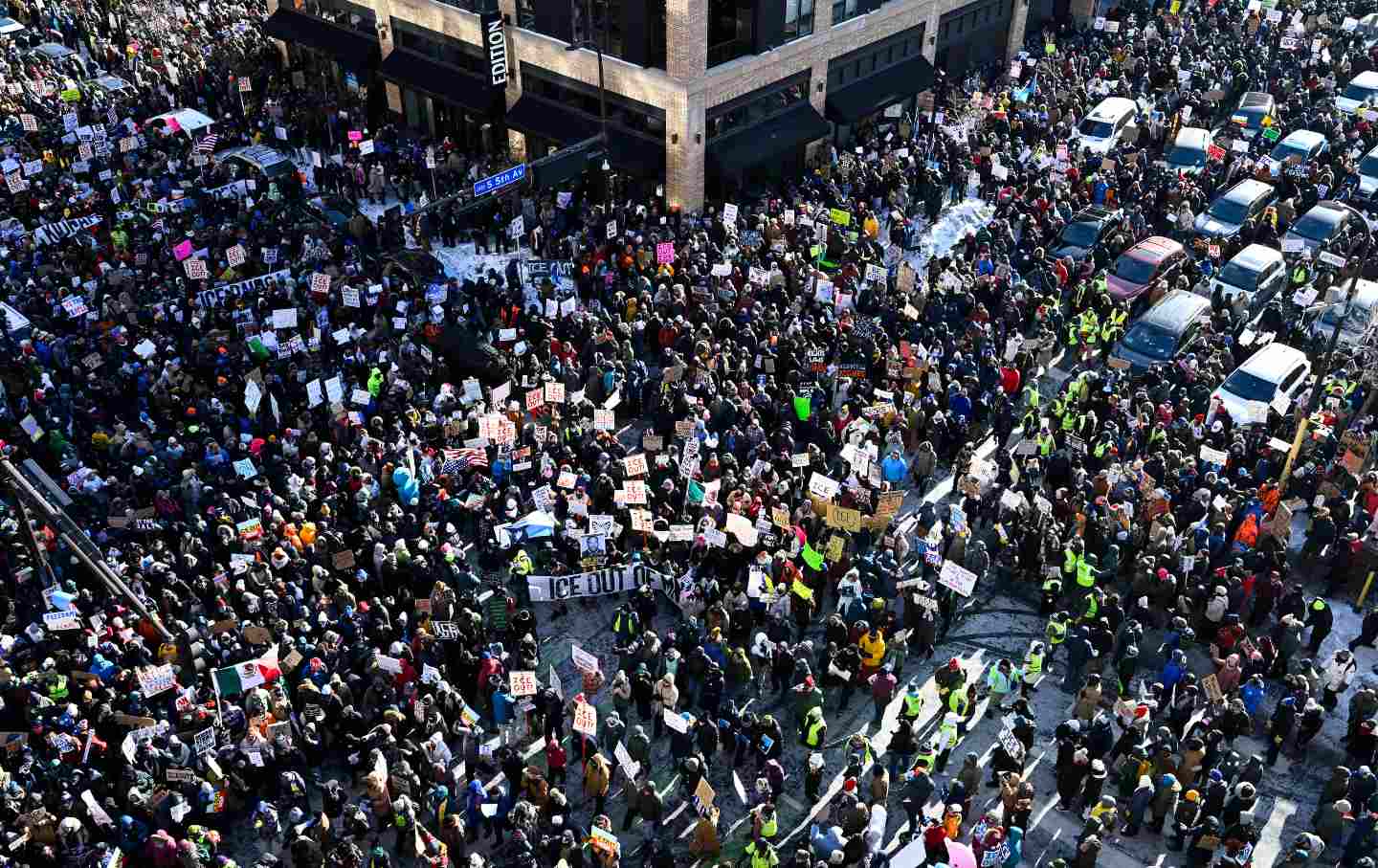
The Impossible Will Take a Little While: The Power of Persistence The Impossible Will Take a Little While: The Power of Persistence
In troubled times, history offers a lesson: Seemingly impossible change can begin with ordinary people who refuse to give up.
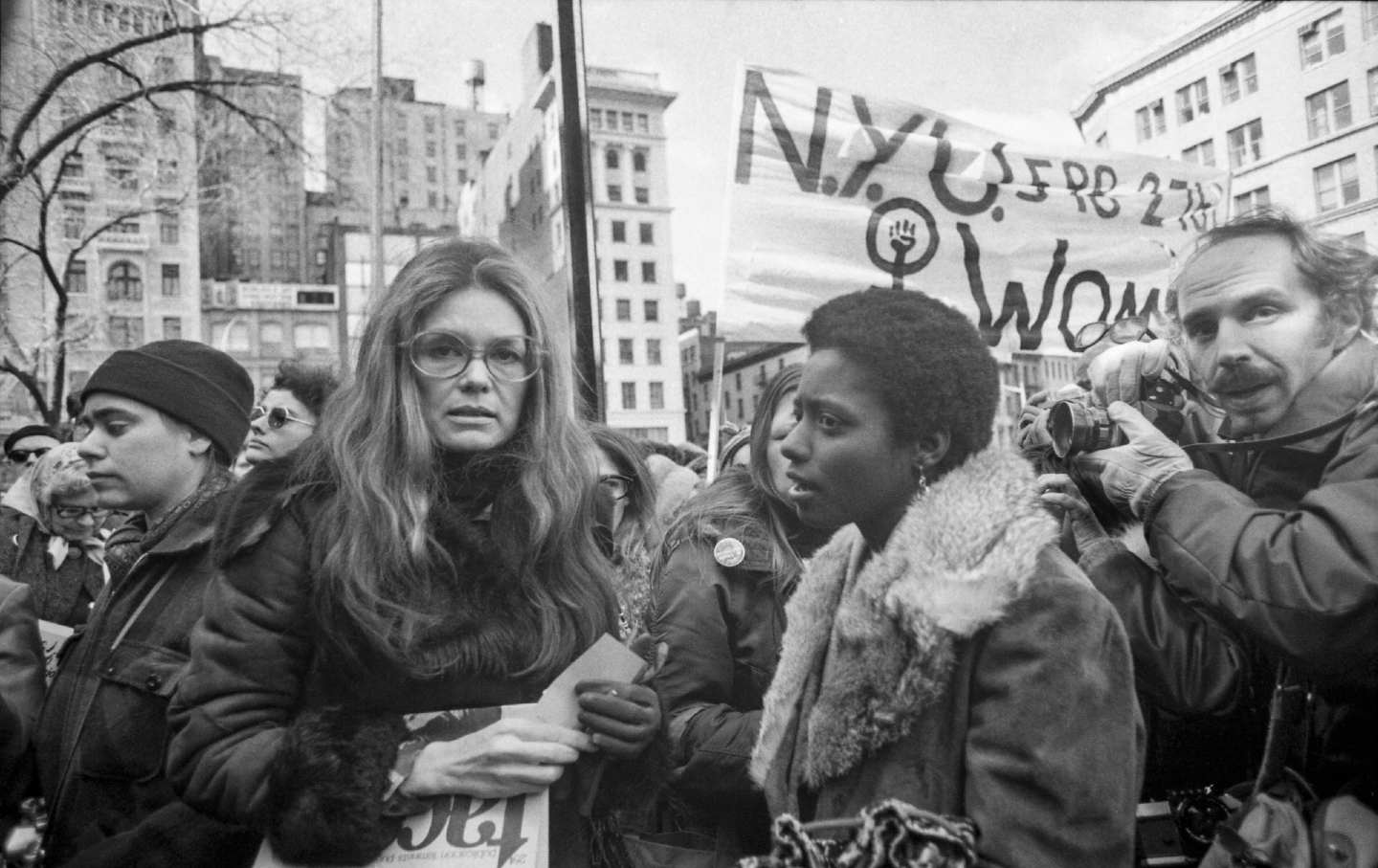
Gloria Steinem’s Many-Splendored Feminist Life Gloria Steinem’s Many-Splendored Feminist Life
The feminist icon lived the struggle for gender equality and always found time to lend support and solidarity to other women leaders, even in her final days.
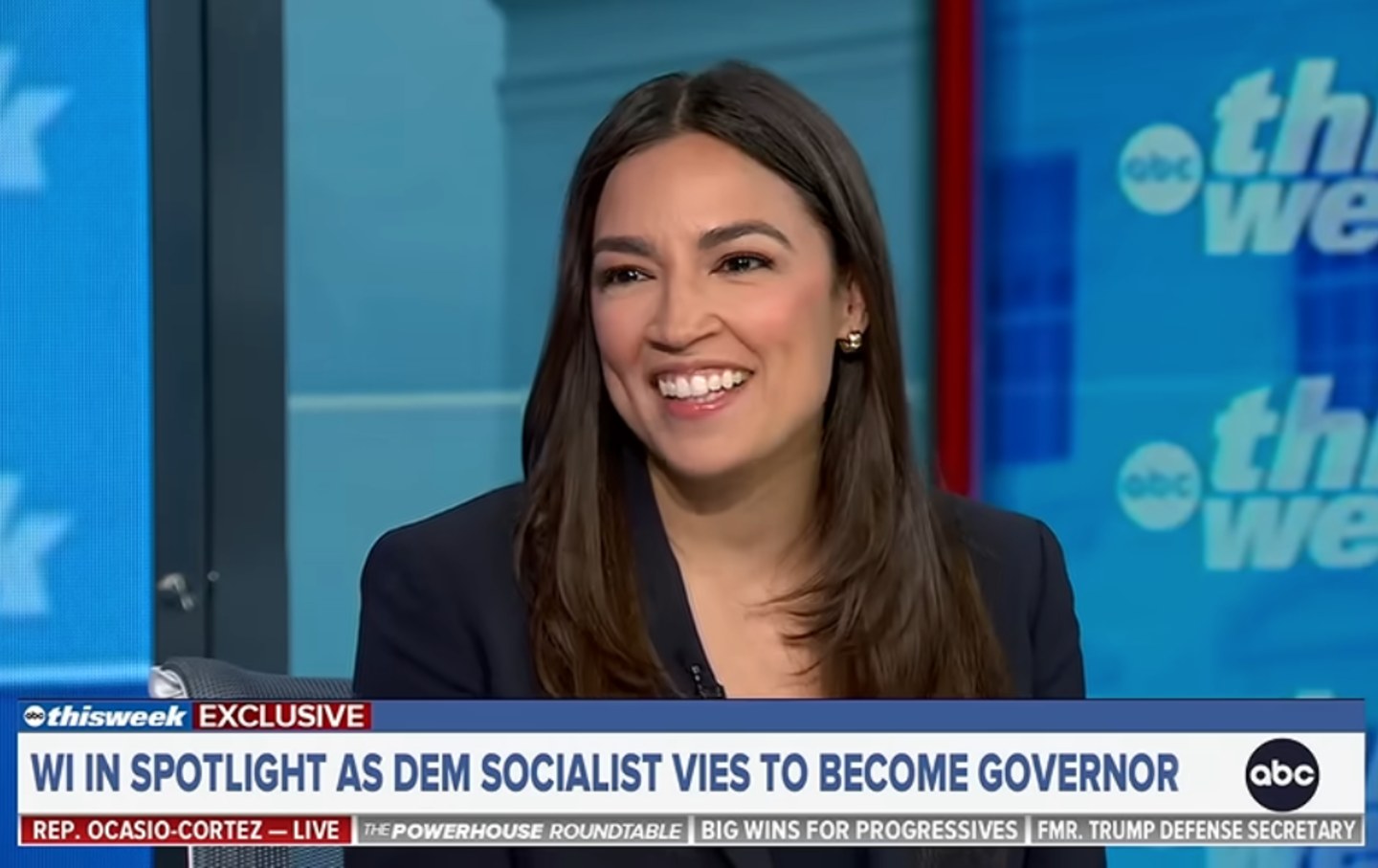
No, Woke 1 Was Not Crazy No, Woke 1 Was Not Crazy
AOC and others are laughing off 2020 as a wild, isolated moment. None of that is true.
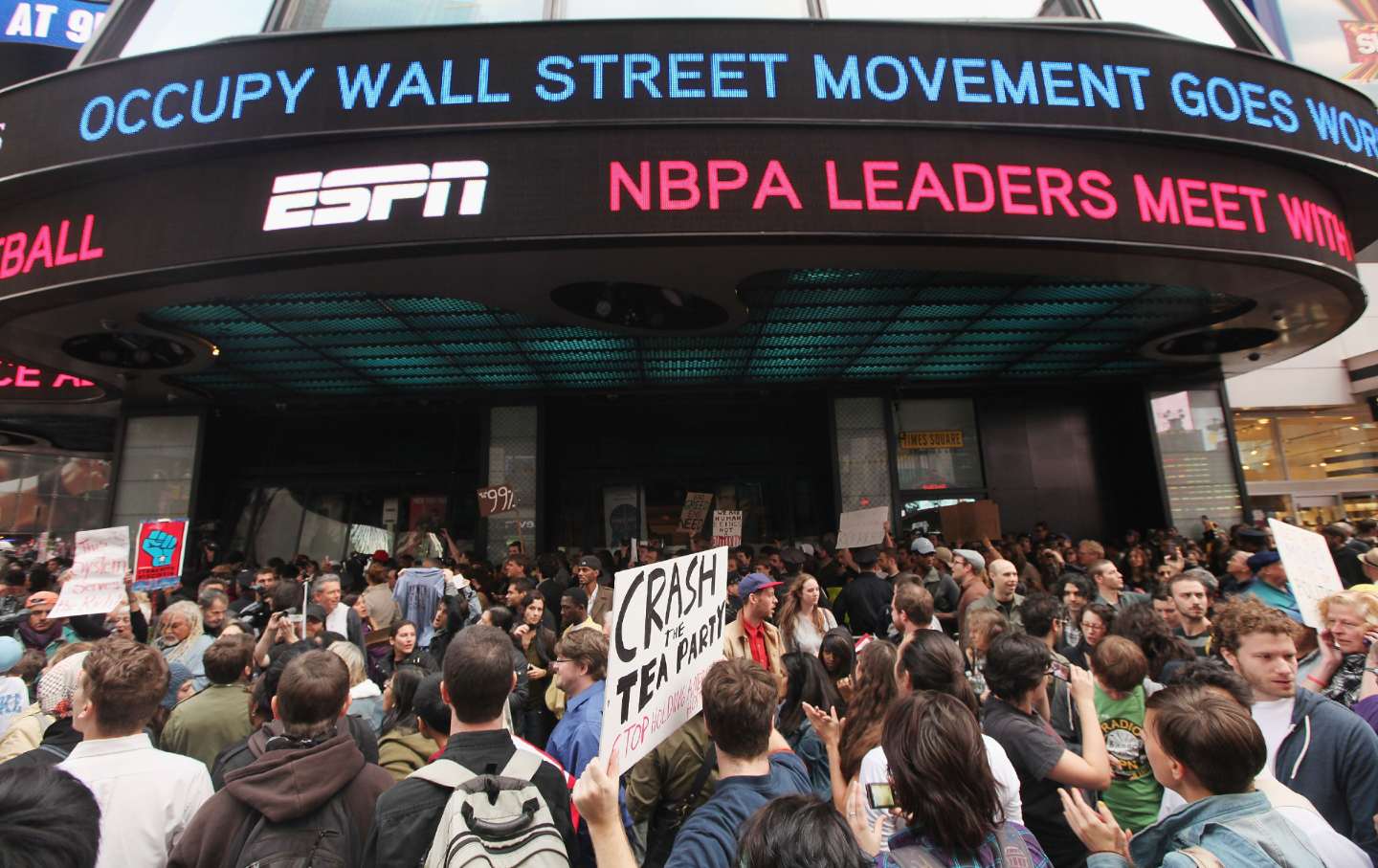
How Occupy Wall Street Still Explains Politics Today How Occupy Wall Street Still Explains Politics Today
It sowed the seeds for a new era of social movements—but its politics of powerlessness should act as a cautionary tale.
Abdul El-Sayed’s Win Is a Landmark. But the Fight Is Far From Over. Abdul El-Sayed’s Win Is a Landmark. But the Fight Is Far From Over.
Even though the Palestine movement is on the march, we can’t afford any complacency.

Mamdani’s Team Redefined Political Video. Now They’re Betting on Short Films. Mamdani’s Team Redefined Political Video. Now They’re Betting on Short Films.
Premiering exclusively in The Nation, a new short film produced by City Hall and narrated by Morgan Spector highlights the efforts of the biggest tenant-led union in New York City...

