
Climate Change Has Upended Kenya’s Agricultural Economy
As the region faces unprecedented flooding, farmers are struggling to make ends meet.
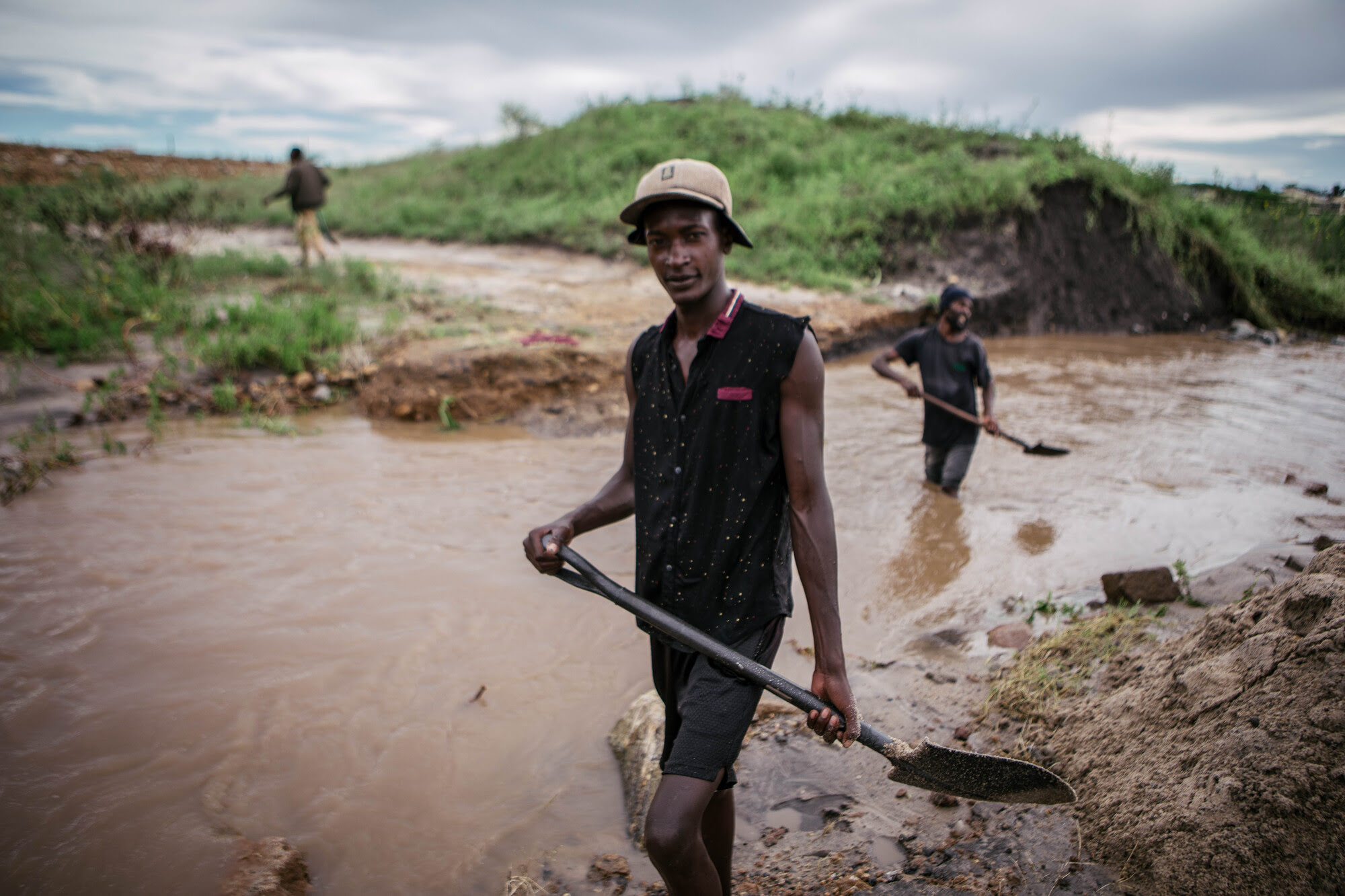
Every year, it’s typical in East Africa for the autumn to come with a short rainy season from October to December. But the rain in this region has gotten progressively worse, with last season’s downpour displacing more than half a million people and killing at least 174 people. This year, the UN says that 210 people have died in Kenya because of the catastrophic flooding.
Researchers found that the heavy and tumultuous rainfall in 2023 was about two times what it would have been without human-caused climate change. While a natural climate cycle known as the Indian Ocean Dipole has also contributed to the uptick in rainfall, scientists from the World Weather Attribution say the extreme flooding is the result of man-made environmental neglect.

On top of killing hundreds and displacing thousands, the extreme weather in Eastern Africa has also been particularly cataclysmic for those who rely on agricultural work to make ends meet.
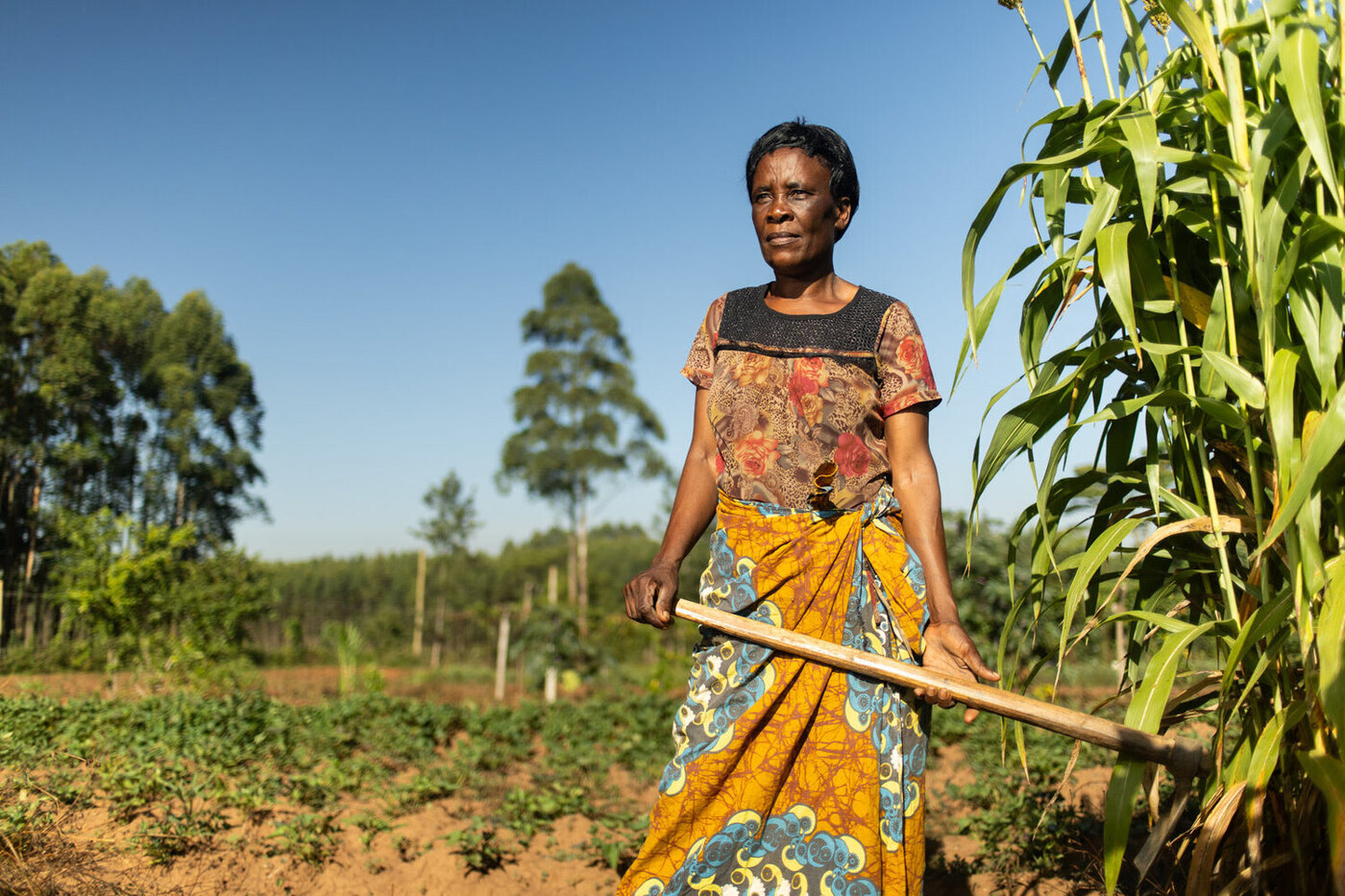
“Since October last year ‘til now, there’s [been] no farming work,” says Elkana Wanyama. Along with nine of their children, Elkana and his wife Rose live hand to mouth, depending mostly on casual labor.
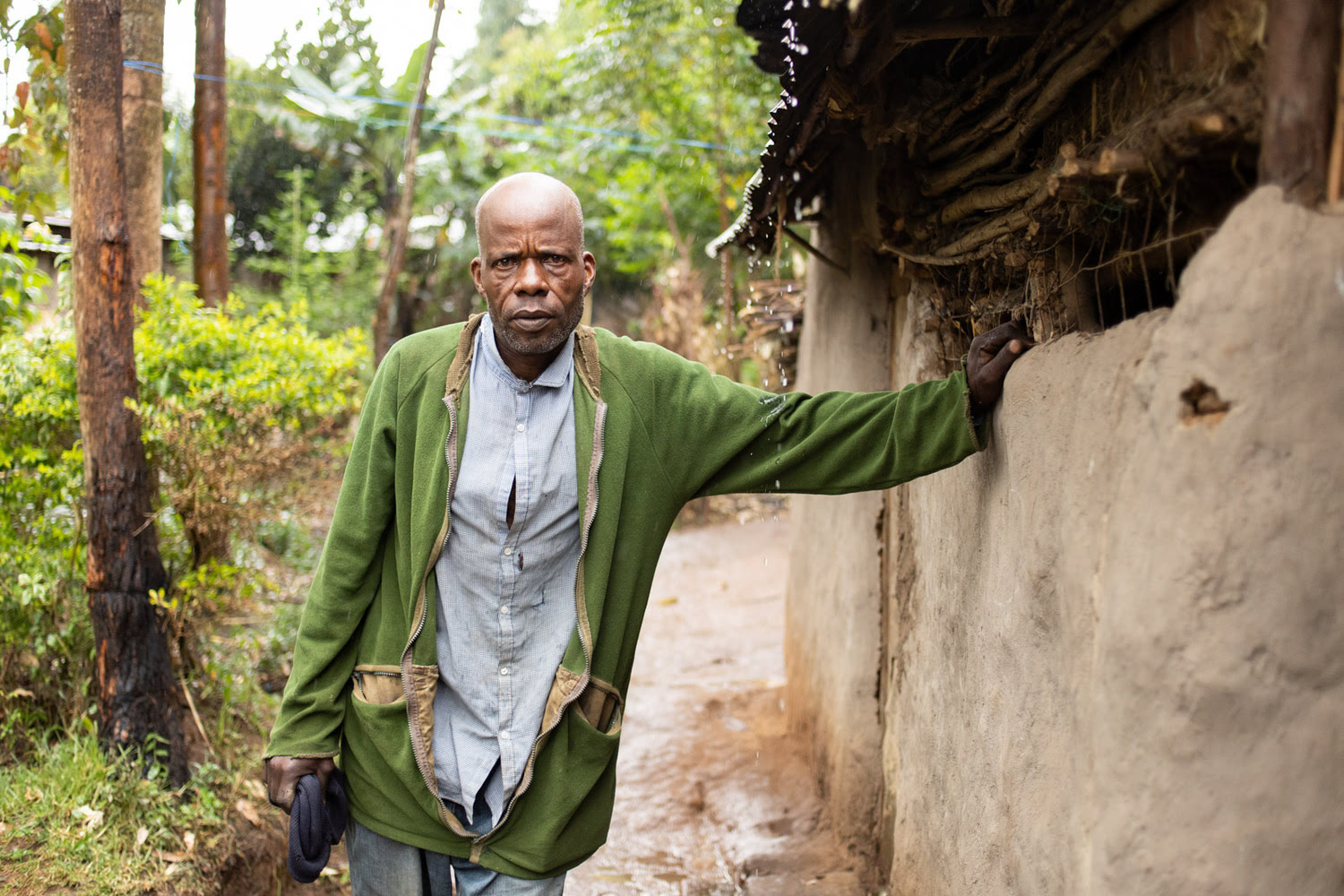
In Kenya, agriculture employs more than 75 percent of the workforce, but in Kitale, the “breadbasket of Kenya,” an even greater percentage of people rely on casual employment from the agricultural sector.
Because of flooding on their small plot of land, Elkana and Rose can no longer plant corn, a staple crop that could feed their family. They’ve started planting eucalyptus to help drain the excess water. Previously, when too much rain would come, even their home would flood.
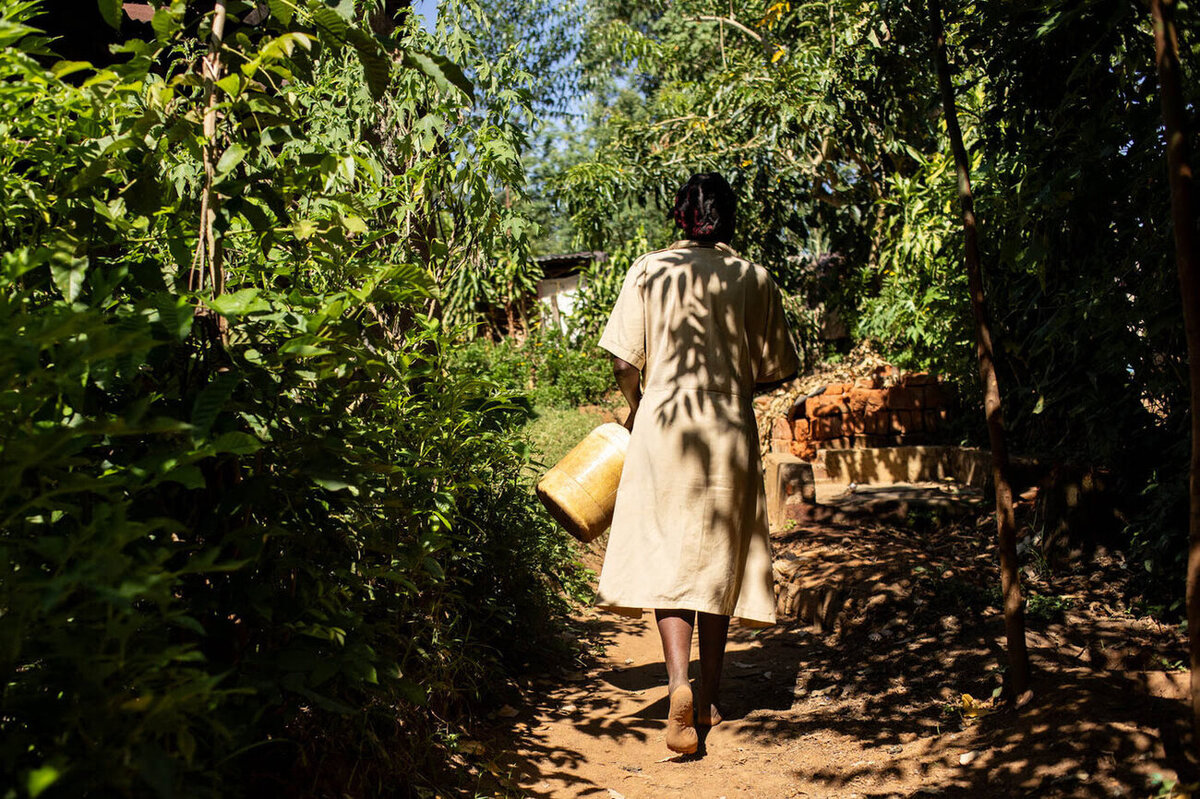
It used to be that December through February was the dry season. Rain would come in March, and farmers would plant corn accordingly. But these days, rain cycles are more and more unpredictable. Because of this, large-scale farmers have lower yields and are cutting employees, driving more people into poverty.
In Kenya, the majority of people in extreme poverty live in rural areas. The number of those living on less than $2.15 USD a day in rural regions is about 10.6 million, while 1.7 million people in extreme poverty live in urban areas.
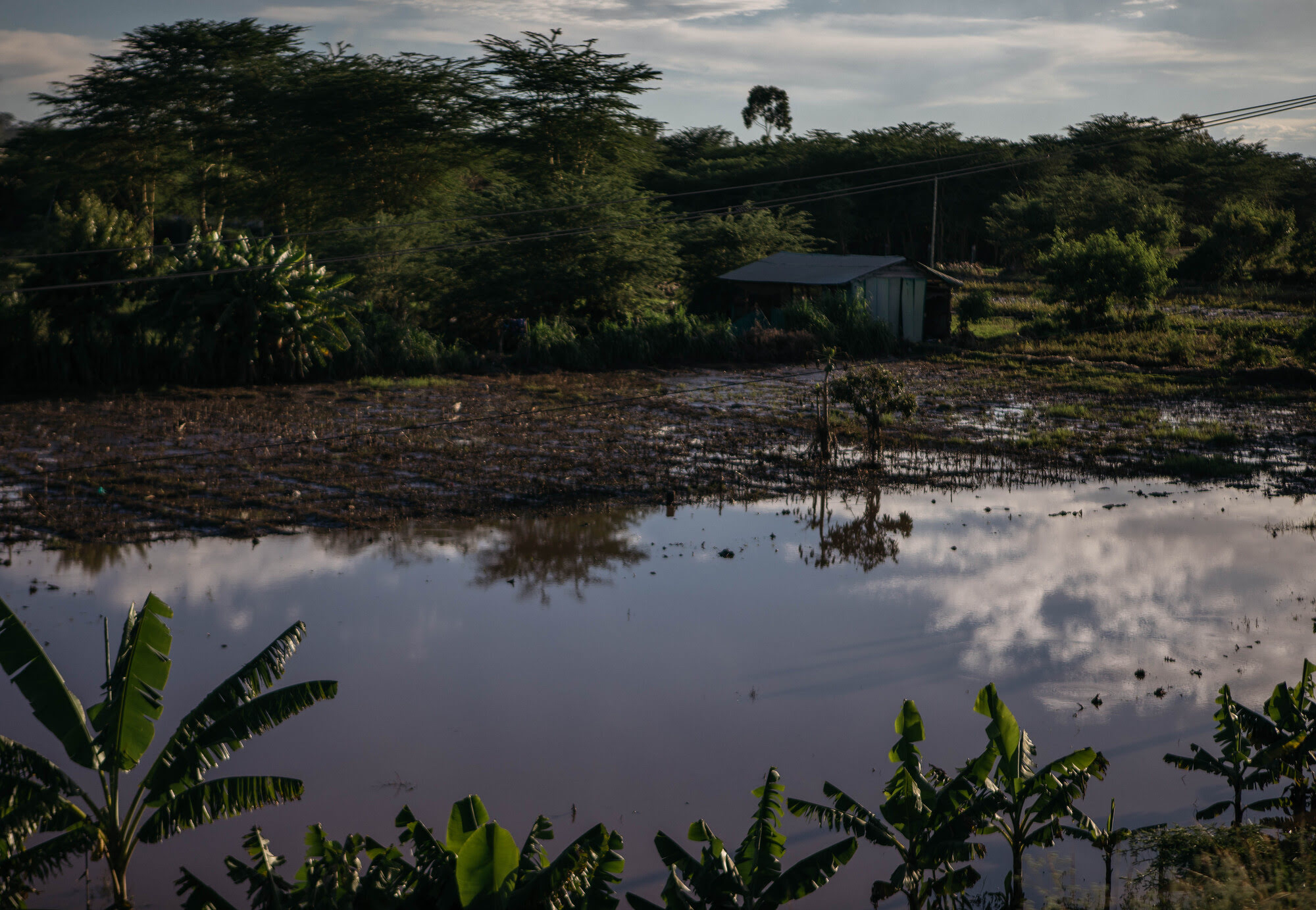
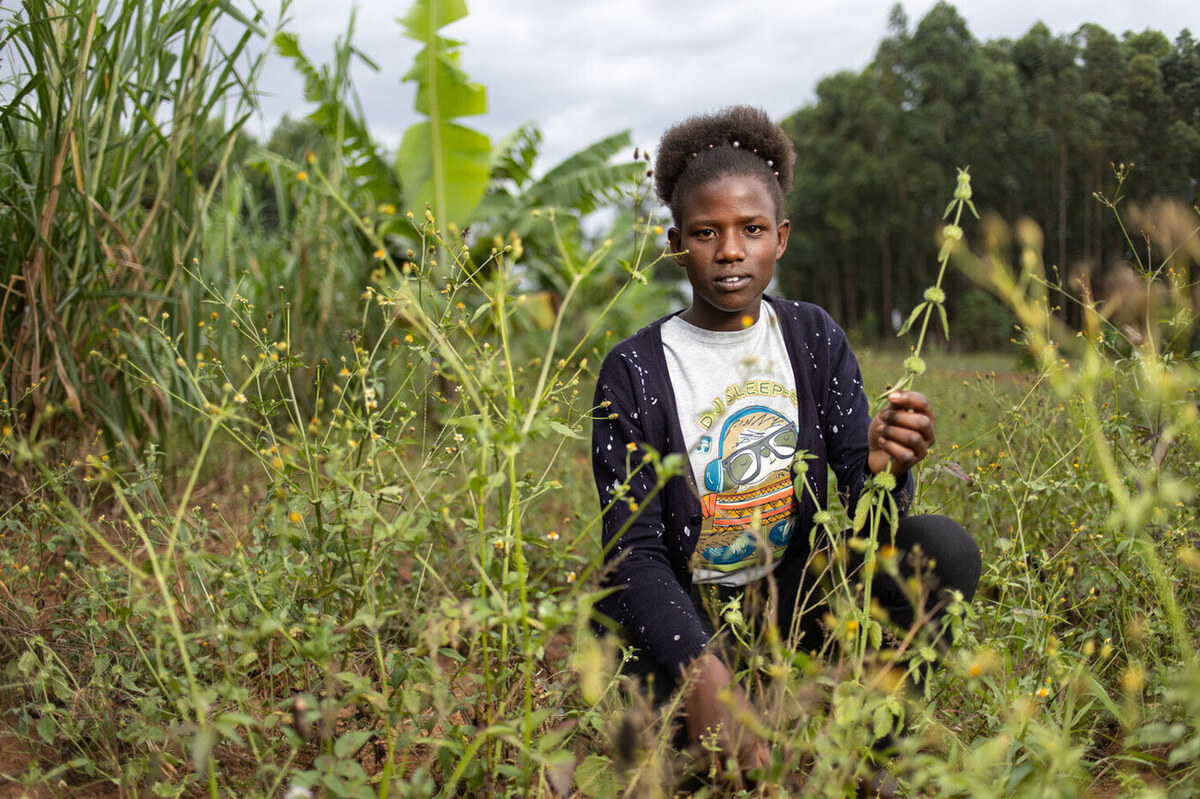
When floods do come, many families’ latrines overflow and sickness can spread through the neighborhood to those who don’t have money to go to the hospital. Locals share that cases of malaria are also increasing because mosquitos thrive in wet climates and those who cannot afford a mosquito net, a necessity in rural Kenya, are placed at further risk.
Pastor Stephen Churu says, “That’s when you find children dying. And that’s common for now and is really happening. Now [people] are asking, ‘Why don’t they find another means of disposing whatever they’re disposing that will not cause global warming?’ That is their great prayer that something can be done about it.”
With less crops being produced in Kitale, the cost of living and the price of food in all of Kenya has increased. Even neighboring countries depend on Kenya’s agricultural yield, making the lack of food an international crisis.


More from The Nation

This November, Vote Like Alito Is on the Ballot This November, Vote Like Alito Is on the Ballot
In this week’s Elie v. U.S., our justice correspondent gives Democrats another reason to vote in November. Plus: How Sarah Huckabee Sanders’s Medicaid unmasked the racists.


Does America First Really Mean Israel First? Does America First Really Mean Israel First?
Mike Huckabee’s aide shows how an extremist agenda dominates Trump’s Middle East policy.
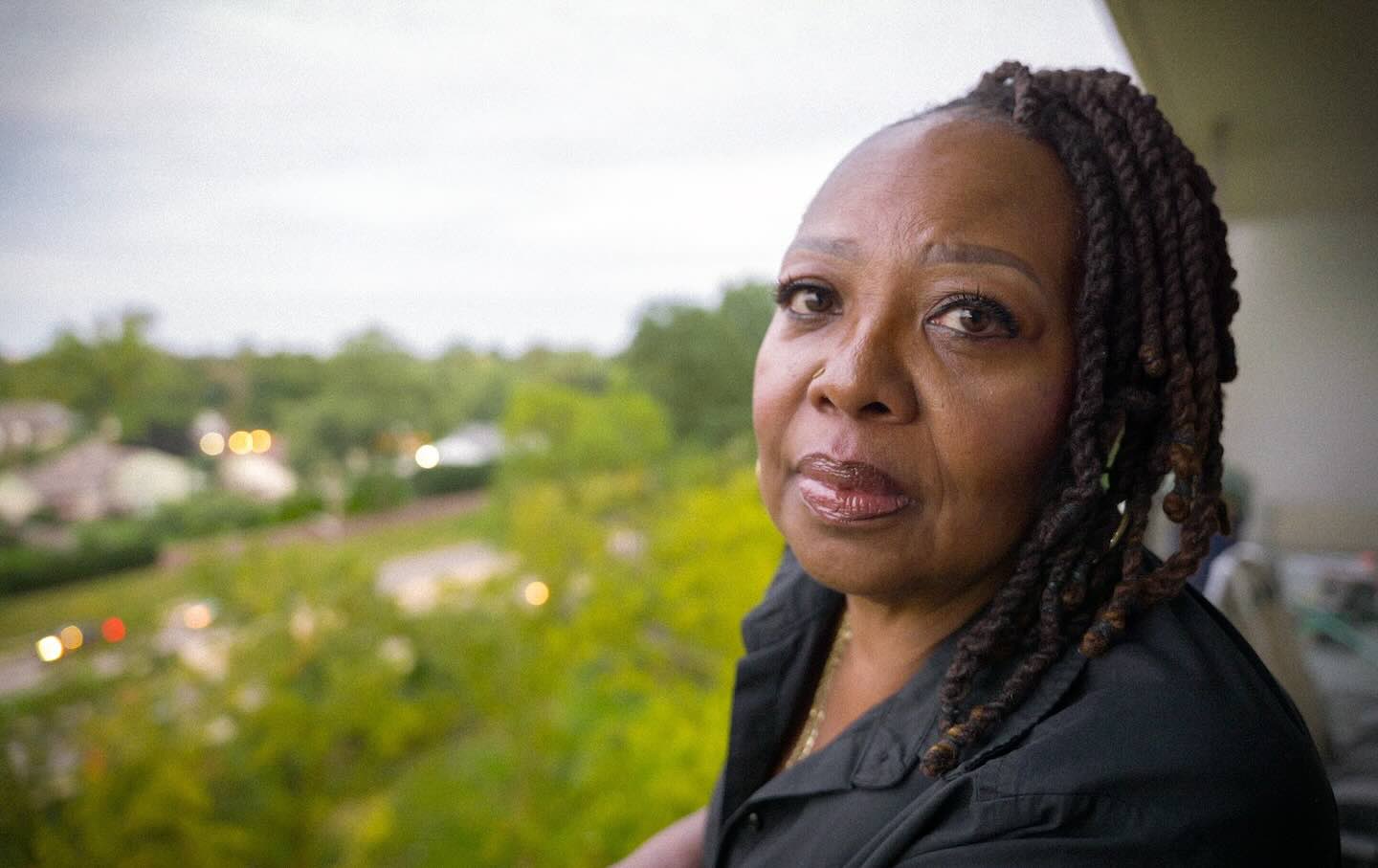
“I Had to Get My Mind Right”: The Challenges to Loving Relationships After Being Laid Off by DOGE “I Had to Get My Mind Right”: The Challenges to Loving Relationships After Being Laid Off by DOGE
After the federal firings, Black women felt betrayed and disillusioned. One longtime federal worker learned from experience the importance of community.

The Violent, Militaristic Ideology that Undergirds Fraternities The Violent, Militaristic Ideology that Undergirds Fraternities
The first major hazing scandal in American history occurred at West Point in 1900. There are eerie parallels to what happened at Cornell’s Chi Phi.

