Centuries of environmental exploitation in the small town have ensnared its inhabitants in a vicious cycle of displacement, irreversible health damage, and social conflict.
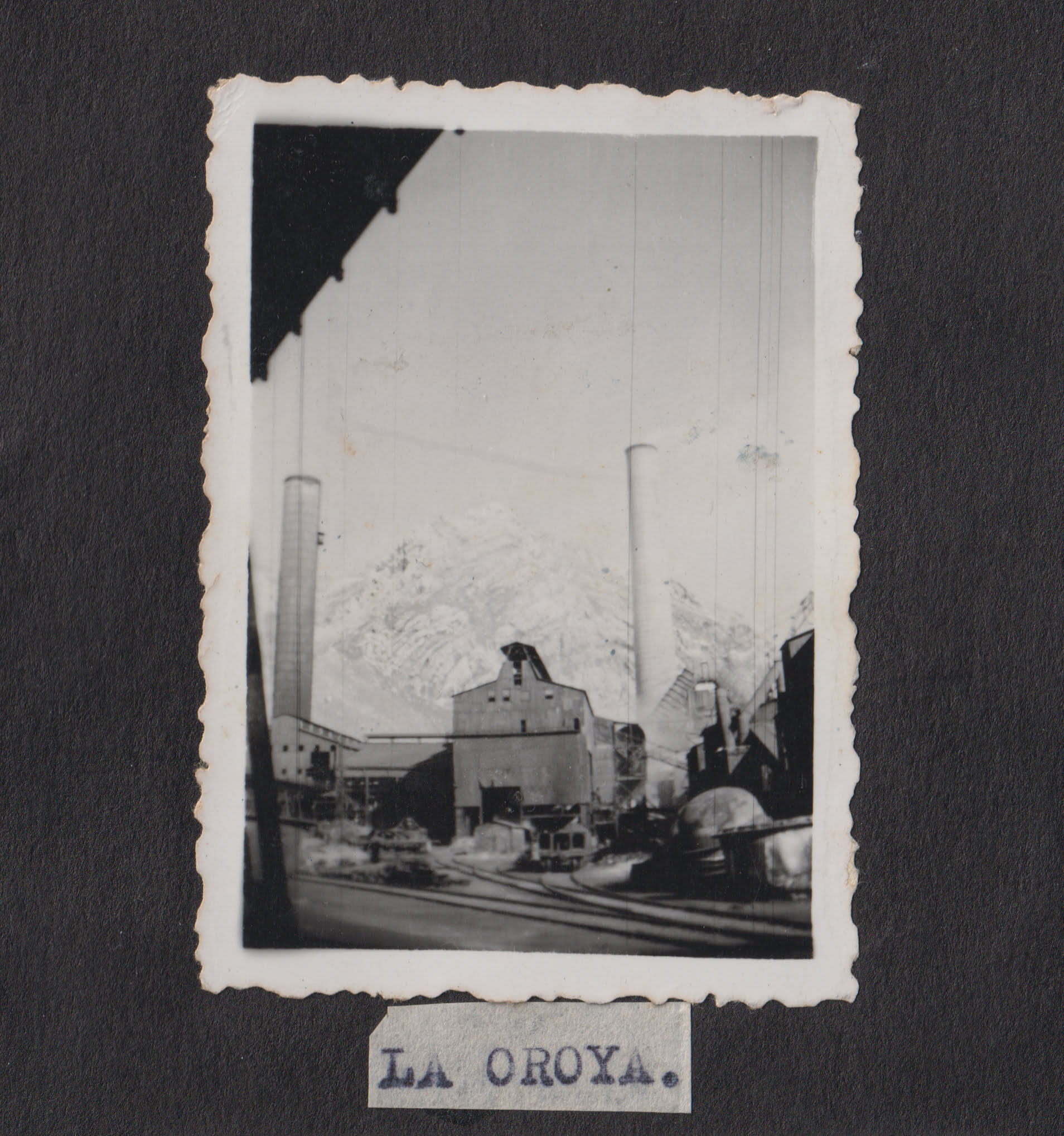
In 1982, at Chulec Hospital in the Peruvian city of La Oroya, my great-grandfather, Demetrio Cárdenas, passed away. The doctor diagnosed that the cysts were a result of his 35 years of work in the lead processing furnaces of the mining complex. Despite this diagnosis, the state mining company Centromin Perú never took responsibility. The case of Demetrio Cárdenas is just one among thousands affected by heavy metals since the opening of the metallurgical complex in La Oroya in 1922.
(Tania Wamani)
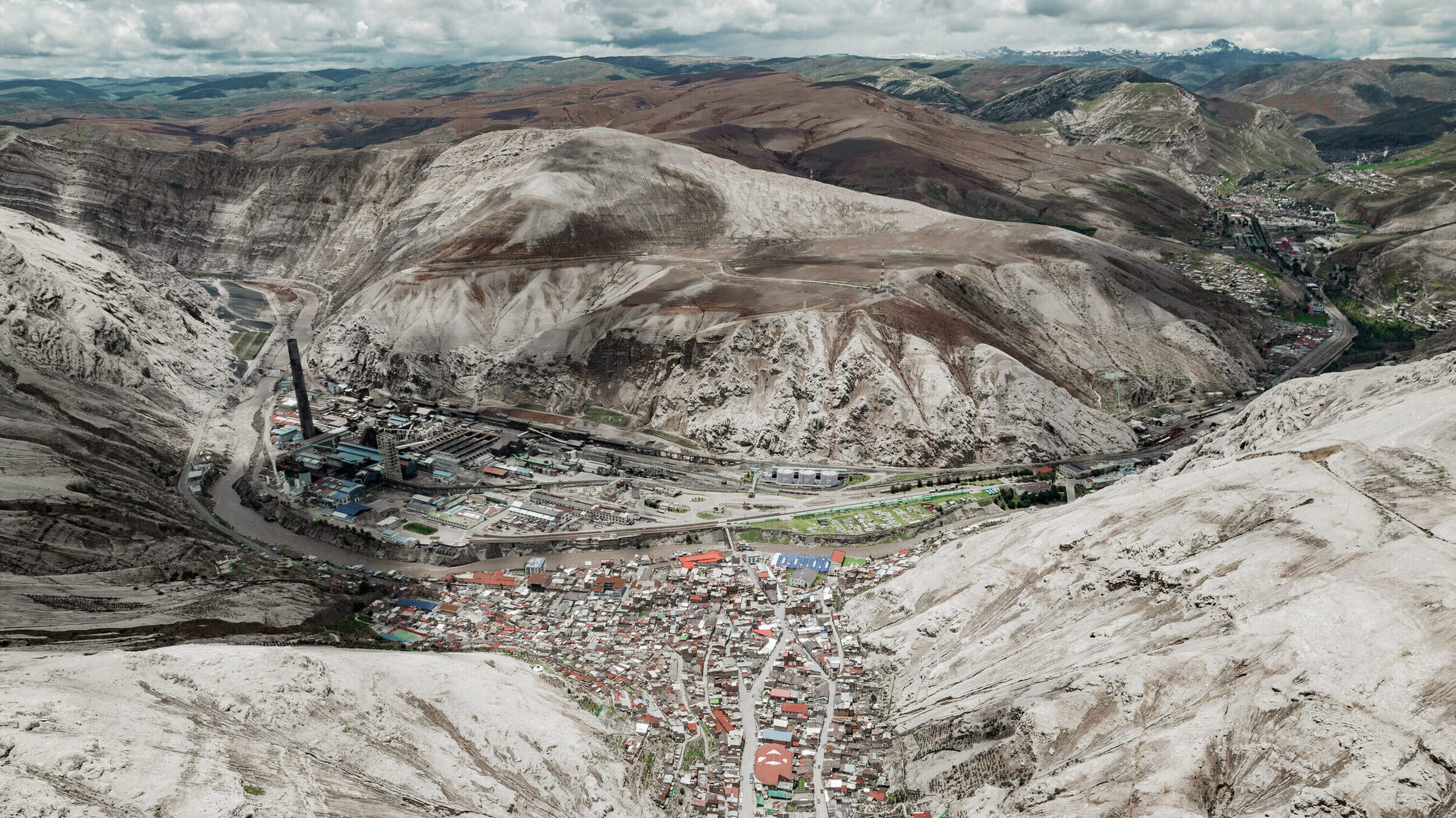
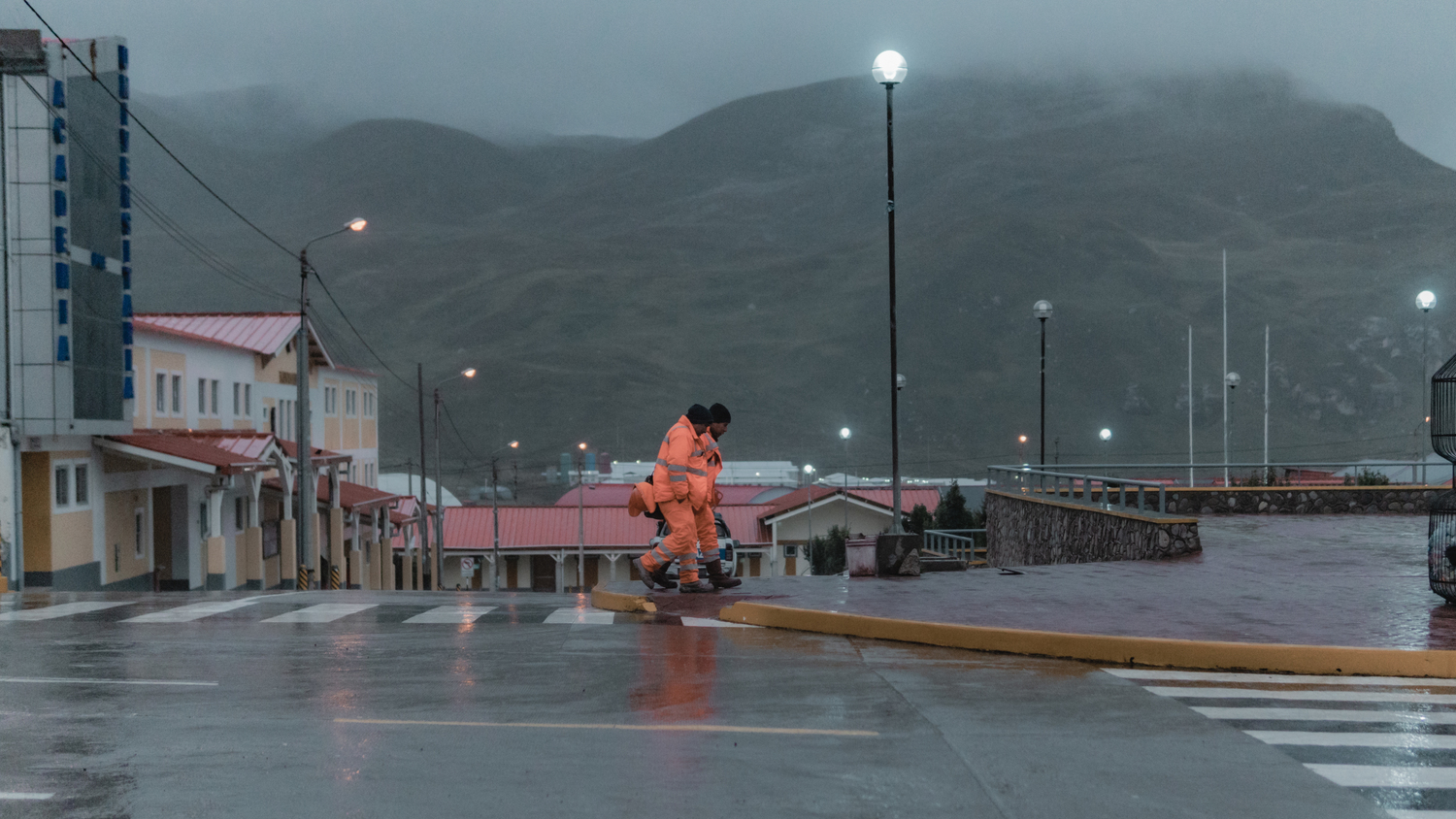
La Oroya is a small town located at 4000 meters above sea level, in the depths of the Peruvian Andes, where my mother was born and where both my grandfather and great-grandfather worked as miners in one of the most polluted cities in the world.
This town is the capital of the Yauli province, with a mining history dating back to 1761. Centuries of mining activity have left a toxic legacy that has ensnared its inhabitants in a vicious cycle of displacement, landscape mutilation, environmental pollution, irreversible health damage, and constant social conflict between those dependent on mining as their sole source of income and those who see it as a deadly threat due to the high levels of heavy metals in the air they have breathed for decades, hindering the development of other economic resources.
“In La Oroya, we have seen adults and children fade away like a candle, with no hope of life,” says Yolanda Zurita Trujillo, a native of La Oroya and a former worker at the metallurgical complex.
At an early age, she and her father, Epifanio Zurita, a miner, saw their health deteriorate due to toxic gas emissions. Yolanda, along with her mother Victoria Trujillo, has dedicated her life to environmental activism, leading the demand against the mining company Doe Run Peru, owned by the Renco Group. Despite constant threats from those who yearn for the economic boom years that mining brought to La Oroya, Yolanda persists in her struggle.
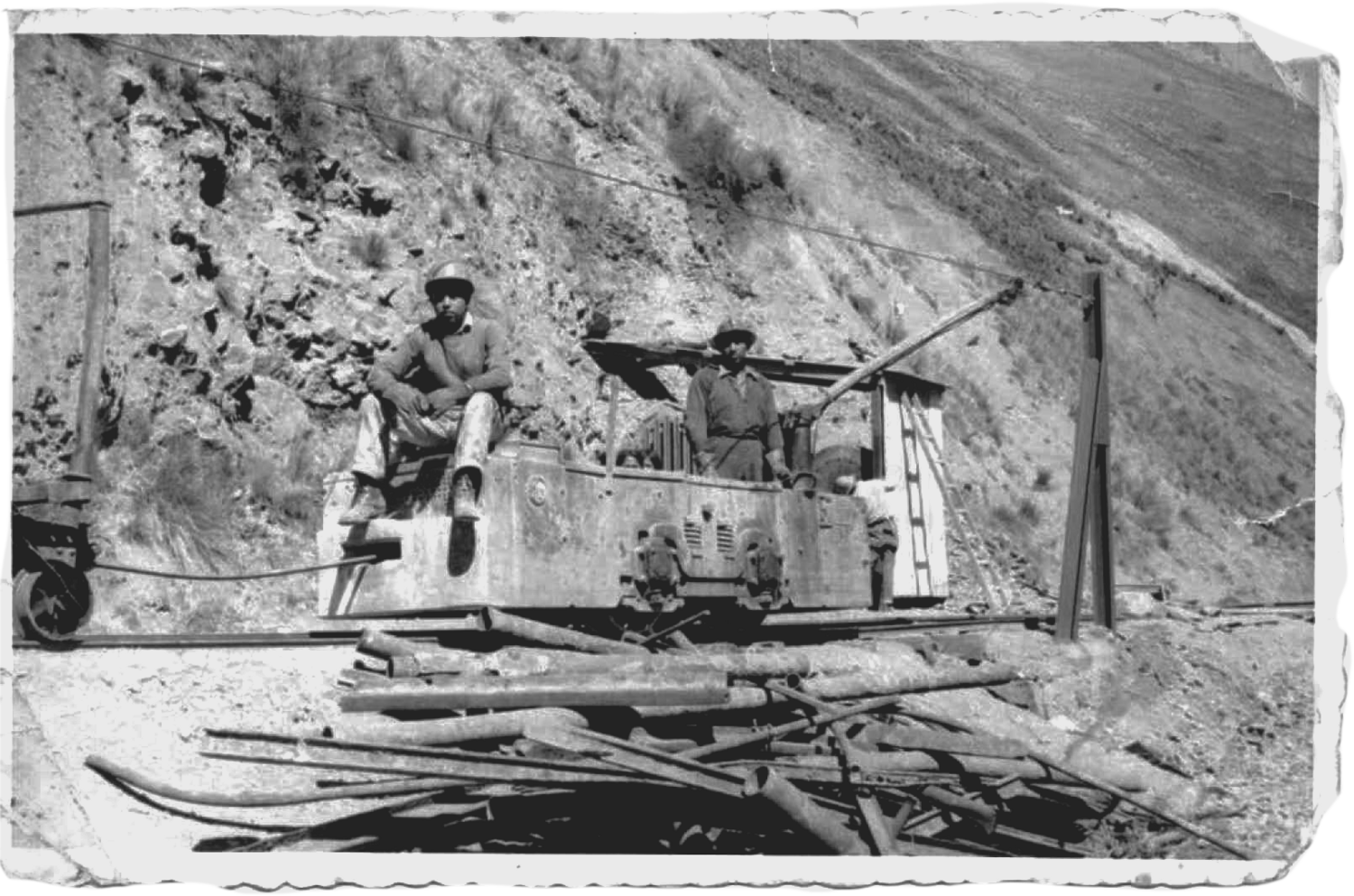
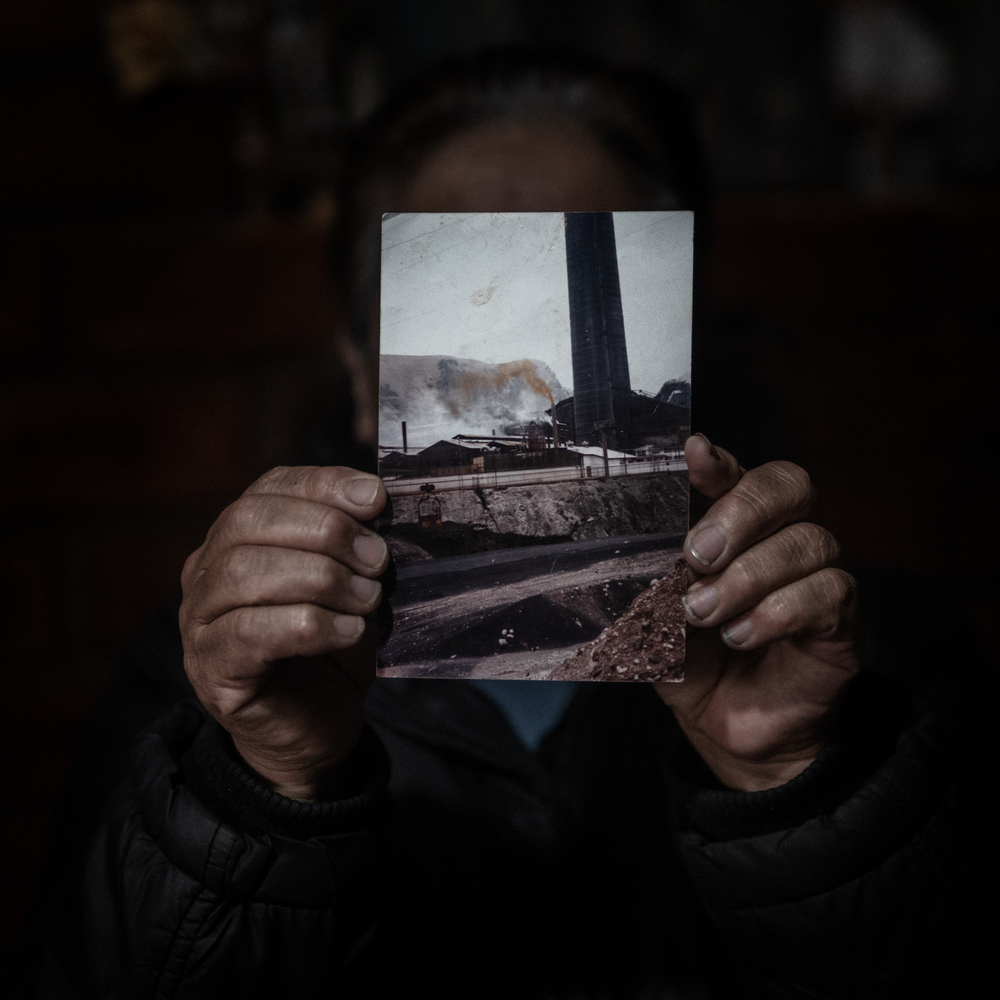
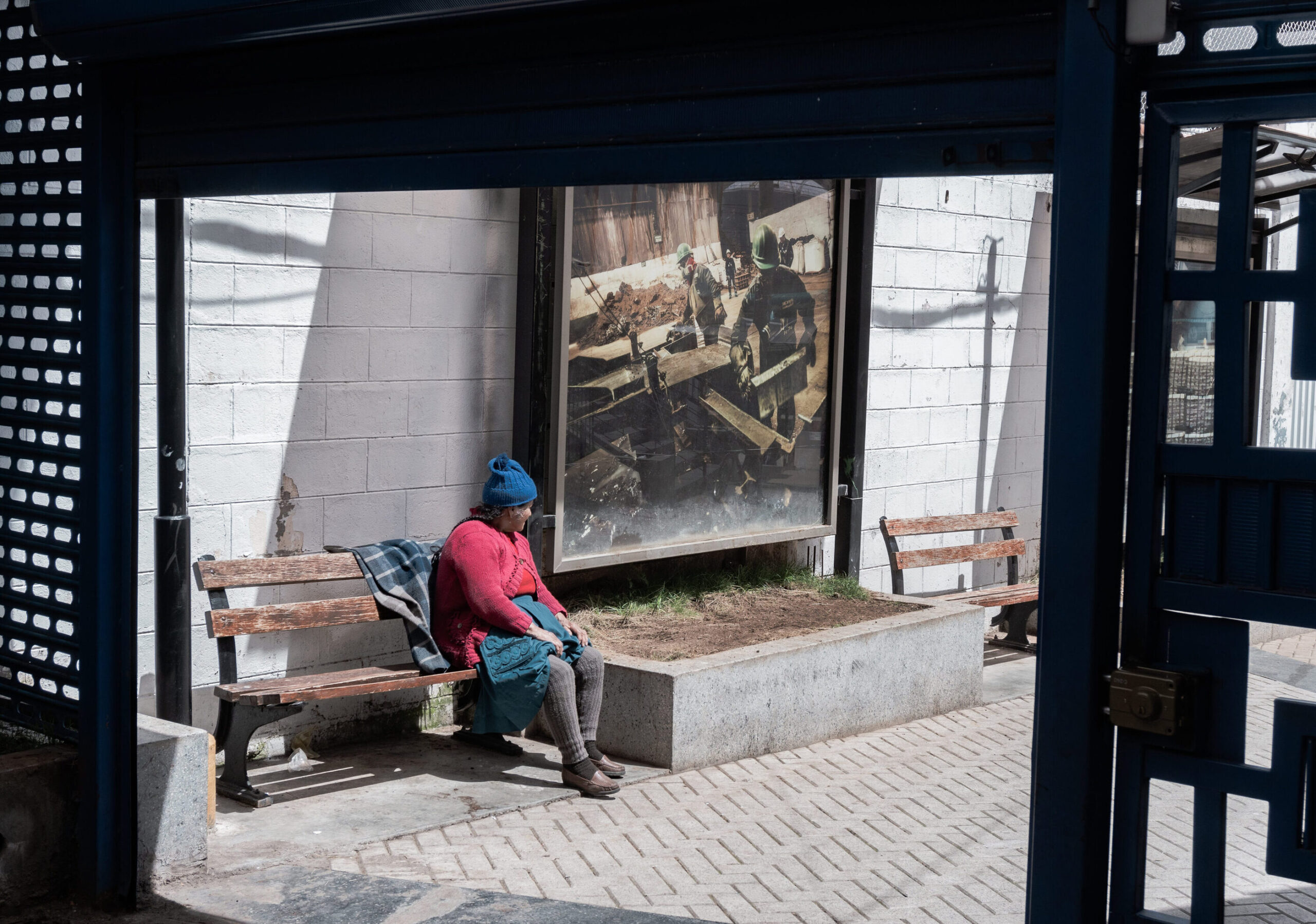
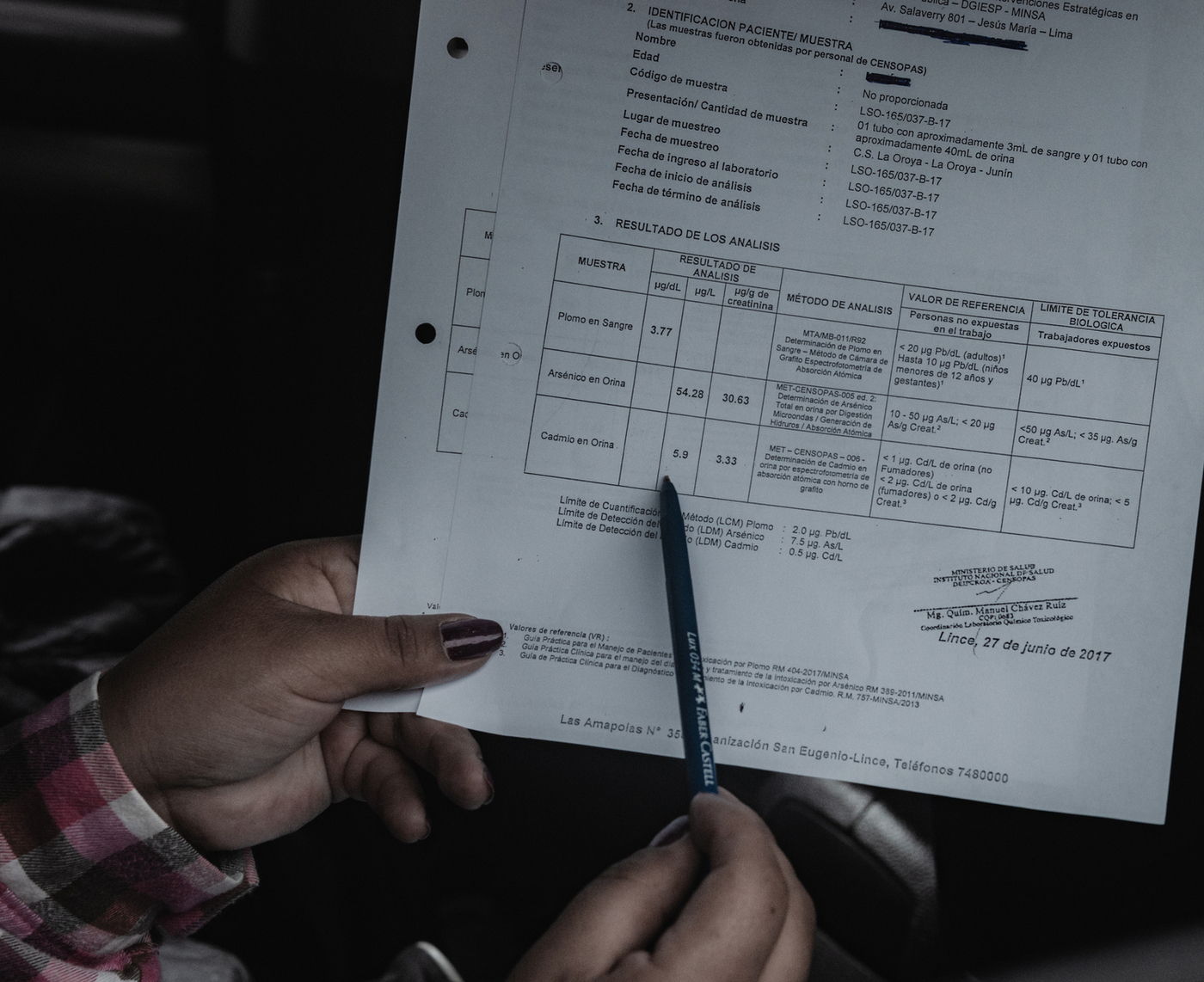
Demetrio Cárdenas in one of the wagons used to transport materials for processing at the metallurgical complex in La Oroya. Yauli-La Oroya, Junin, Peru, sometime in 1960.(Tania Wamani)From Yolanda Zurita’s archive, as part of her fight against the emission of heavy metals generated by the metallurgical complex of Doe Run Peru. The fugitive emissions from the pipes are highly toxic, as they involve leaks of unchanneled contaminating substances. Yauli-La Oroya, Junin, Peru, January 2010.(Tania Wamani)In parks and streets of La Oroya, images are found that denote its close identity with mining. Yauli-La Oroya, Junin, Peru, January 2024.(Tania Wamani)In the Chulec hospital, a doctor examines a 3-year-old girl with lymph node cancer. The effects of heavy metals are reflected in the damage to the health of the population; however, the current mining company takes no responsibility. Yauli-La Oroya, Junin, Peru.(Tania Wamani)
Nowadays, the mining legacy that has deeply marked this land persists a few kilometers from La Oroya, in the desolate ruins of the ancient city of Morococha. Six families resist in solitude the displacement of the slopes of what used to be the Toromocho mountain. In just 14 years, the company Chinalco Peru has erased the mountain, leaving only a deep pit for copper extraction that continues to grow and pollute the air with dust containing metals, a result of the constant daily blasts executed by the mining company.
Here, where a mountain once stood, where there were towns and a vibrant life, everything has been altered by the extractive activities of foreign companies.
Just weeks ago, the Inter-American Court of Human Rights condemned Peru for neglecting to regulate the La Oroya mining complex, ordering the country to compensate for environmental damage and provide free medical care to victims.
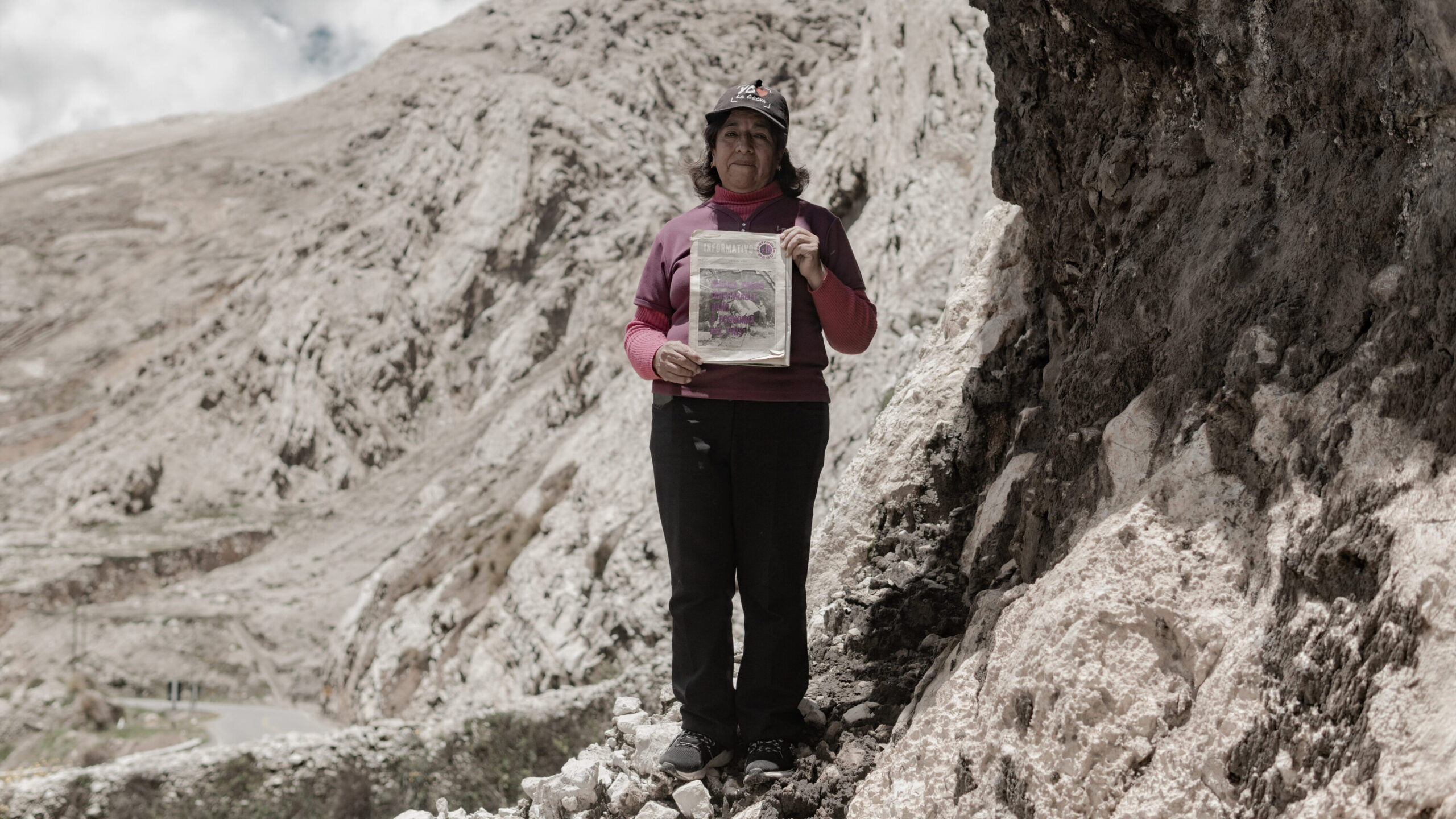
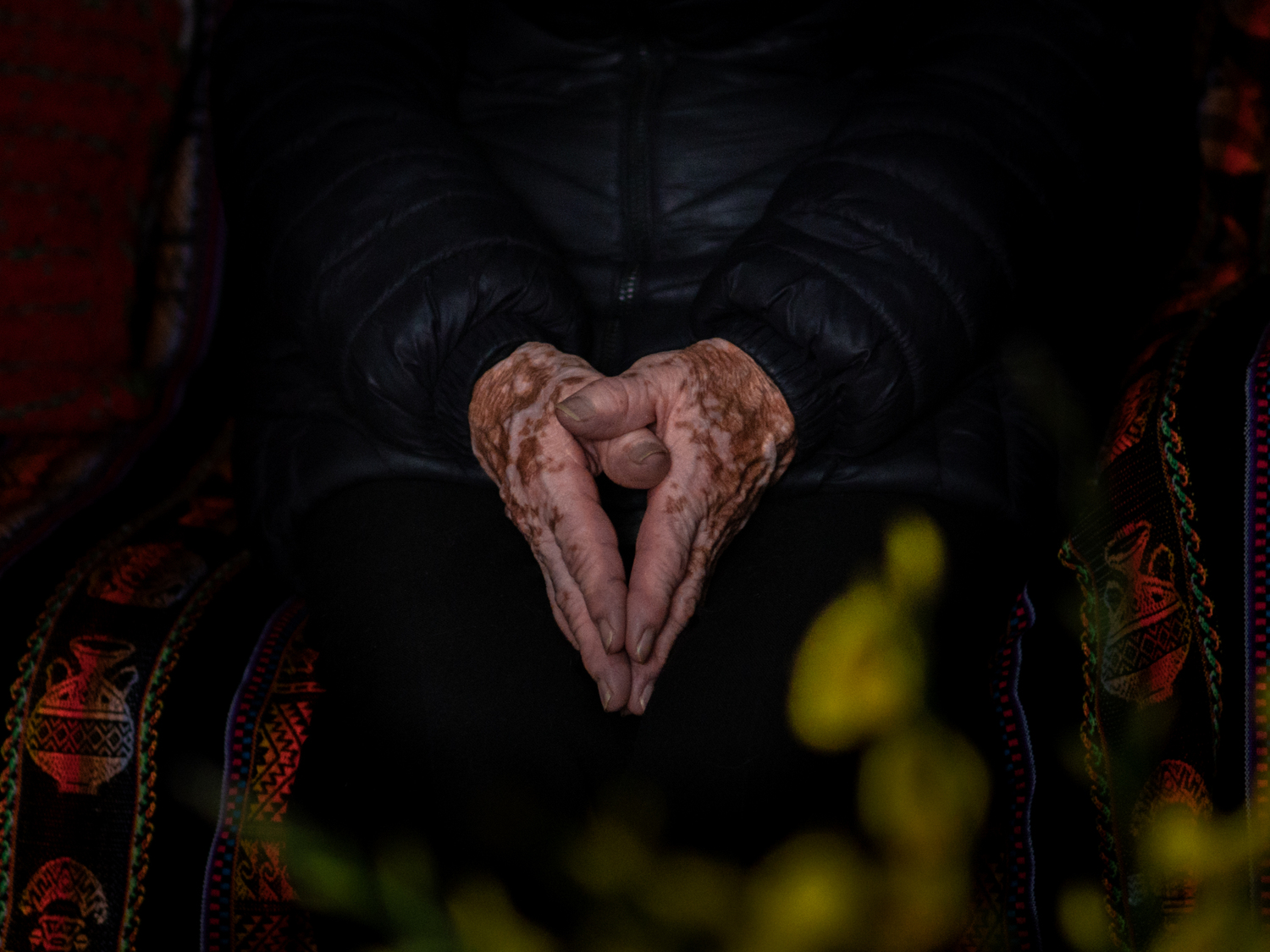
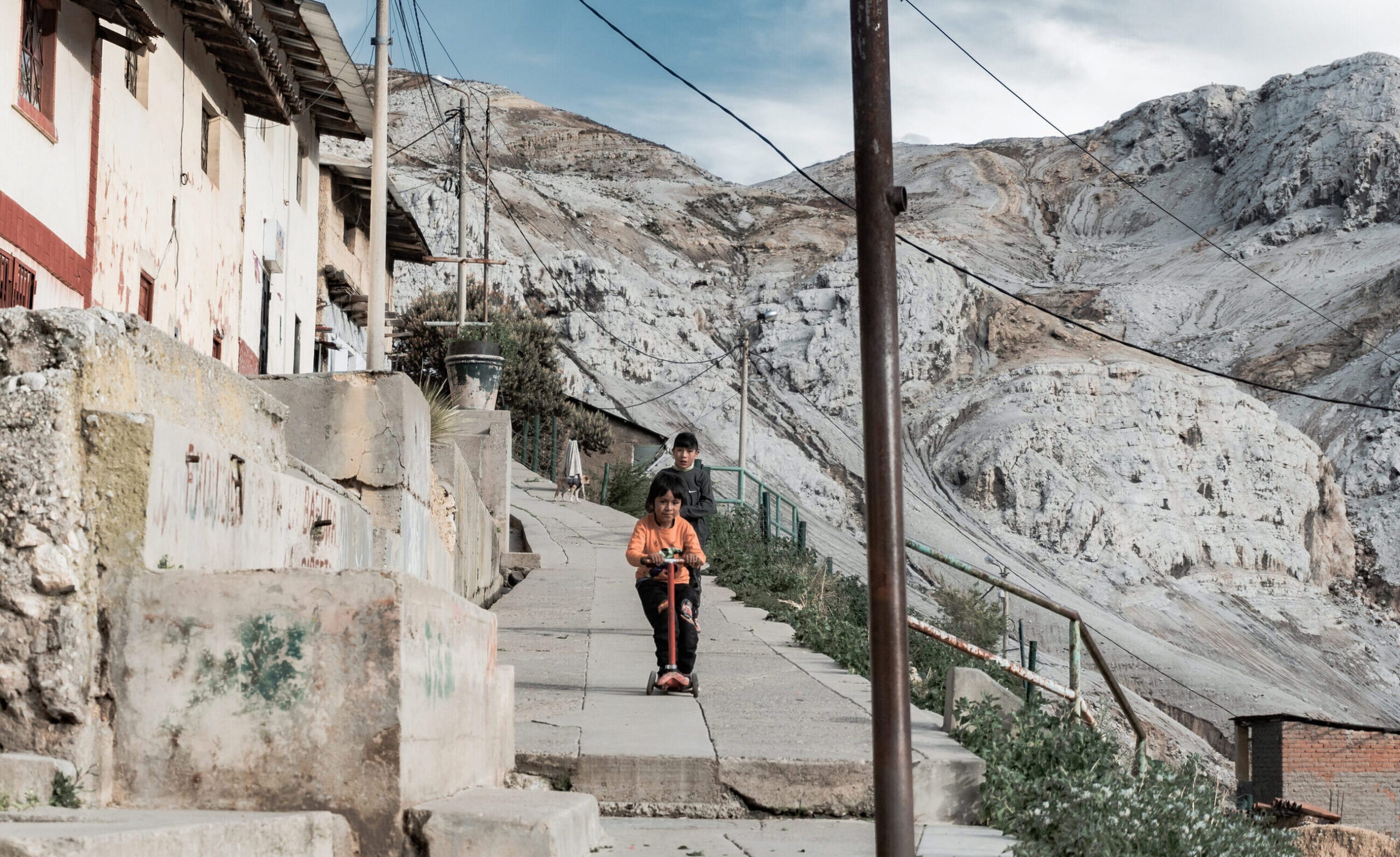
Yolanda Zurita Trujillo, a 65-year-old woman affected by heavy metal emissions, has devoted her life to environmental activism despite threats from local residents. As part of her archive, she possesses a bulletin from the Centromin Peru mining company from the year 1978 with the headline “Strike Causes Irreparable Damage to the Country’s Economy.” Located in Yauli-La Oroya, Junin, Peru, January 2024.(Tania Wamani)Residents of the ancient Morococha, there are six families living among the ruins of houses that were demolished and later enclosed by the mining company. They are situated at the foothills of the open copper pit that continues to expand through constant explosions, polluting the air with dust containing heavy metals. Due to a lack of job opportunities, one of their sources of income is the production of concrete bricks. This community is located in Yauli-La Oroya, Junin, Peru, in January 2024.(Tania Wamani)The hands of Mrs. Victoria Trujillo, who at 85 years old continues to accompany her daughter Yolanda Zurita in the fight for the repair and justice for the damage to health and the environment caused by the Doe Run Peru mining company in Yauli-La Oroya, Junin, Peru, January 2024.(Tania Wamani)In the upper parts of the town of La Oroya, children play surrounded by white hills. It’s not their natural color; these mountains have been scorched by centuries of exposure to the heavy metals emitted from the chimneys of the mining complex. Only infertile soil remains.(Tania Wamani)The health of 65-year-old Yolanda Zurita was affected by the heavy metals emitted by the metallurgical plant. In adolescence, she began experiencing seizures, which prevented her from continuing her studies. Over the years, bone malformations developed in her hands as a result of being born and raised in exposure to the heavy metals of La Oroya. In the background, a Centromín Peru bulletin from the 1980s with the headline “Pollution Control.” Yauli-La Oroya, Junin, Peru, January 2024.
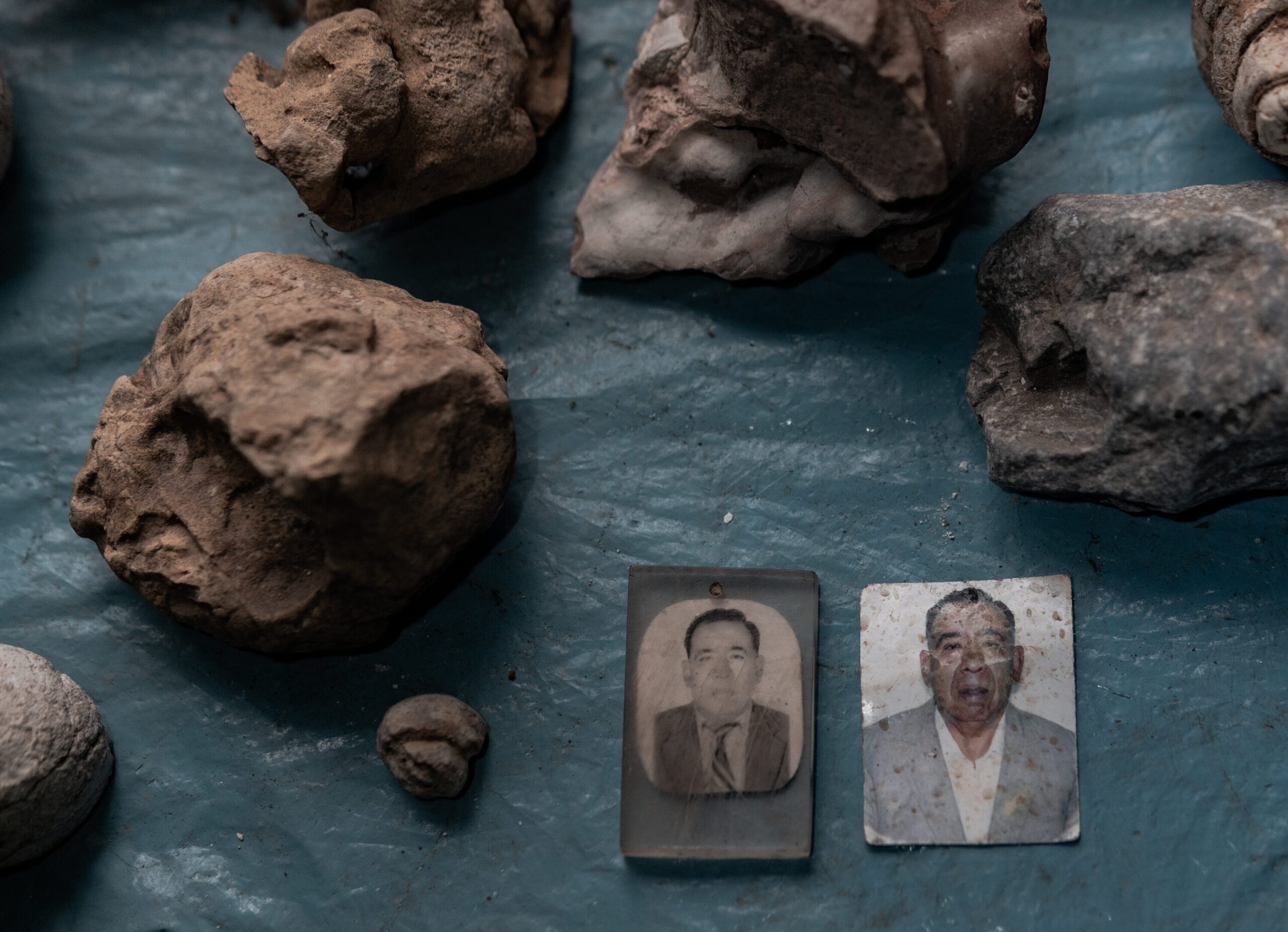
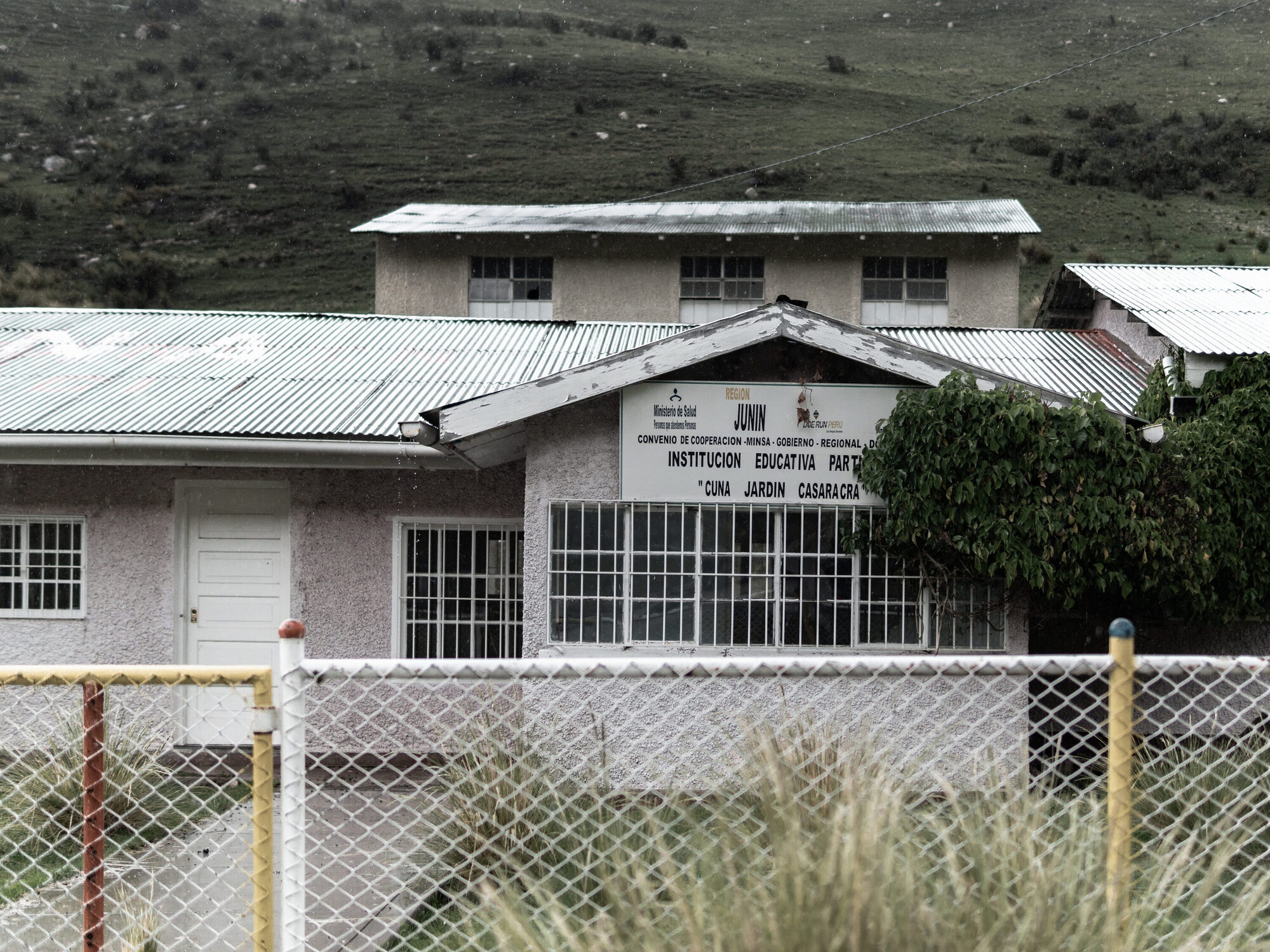
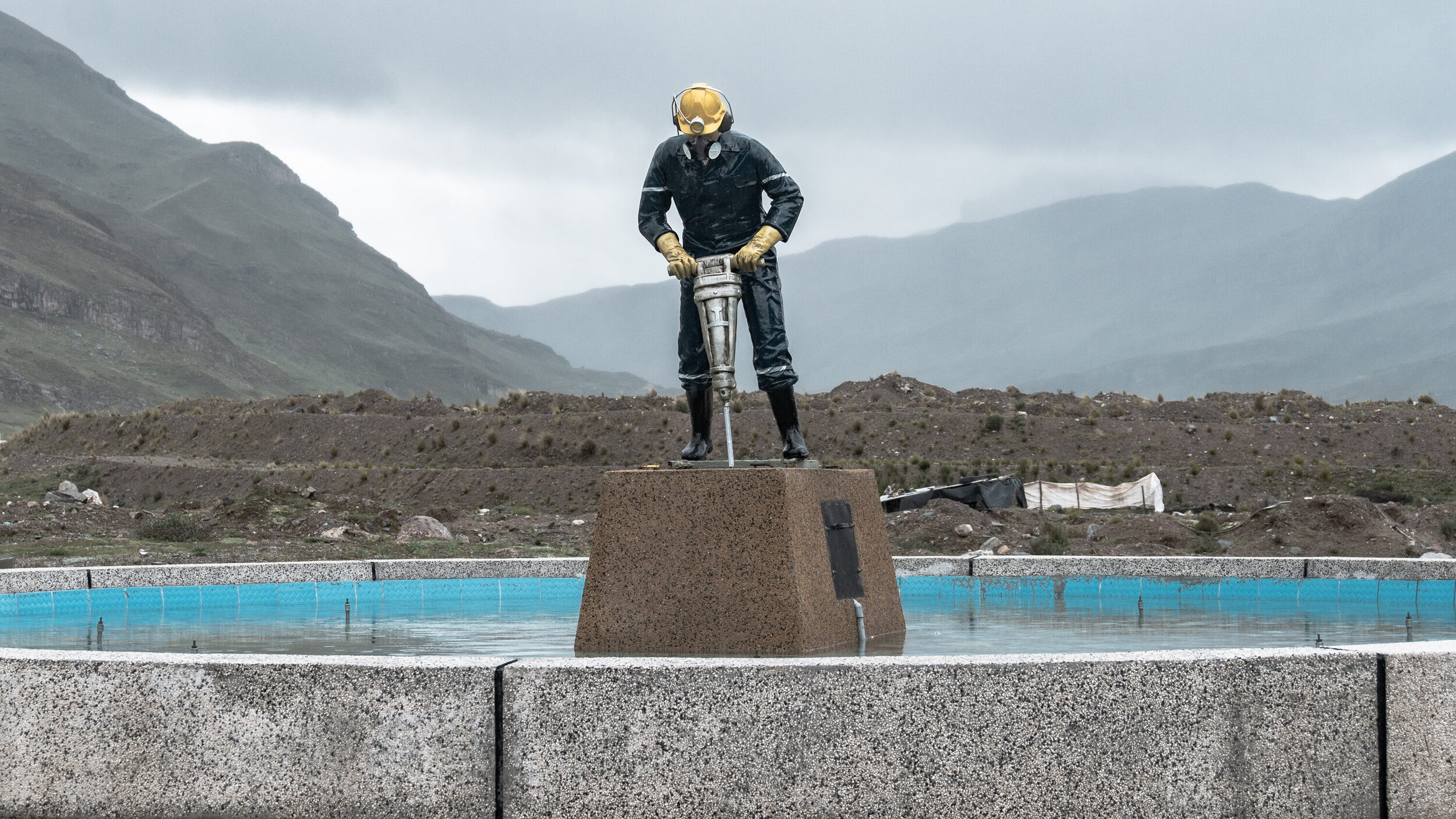
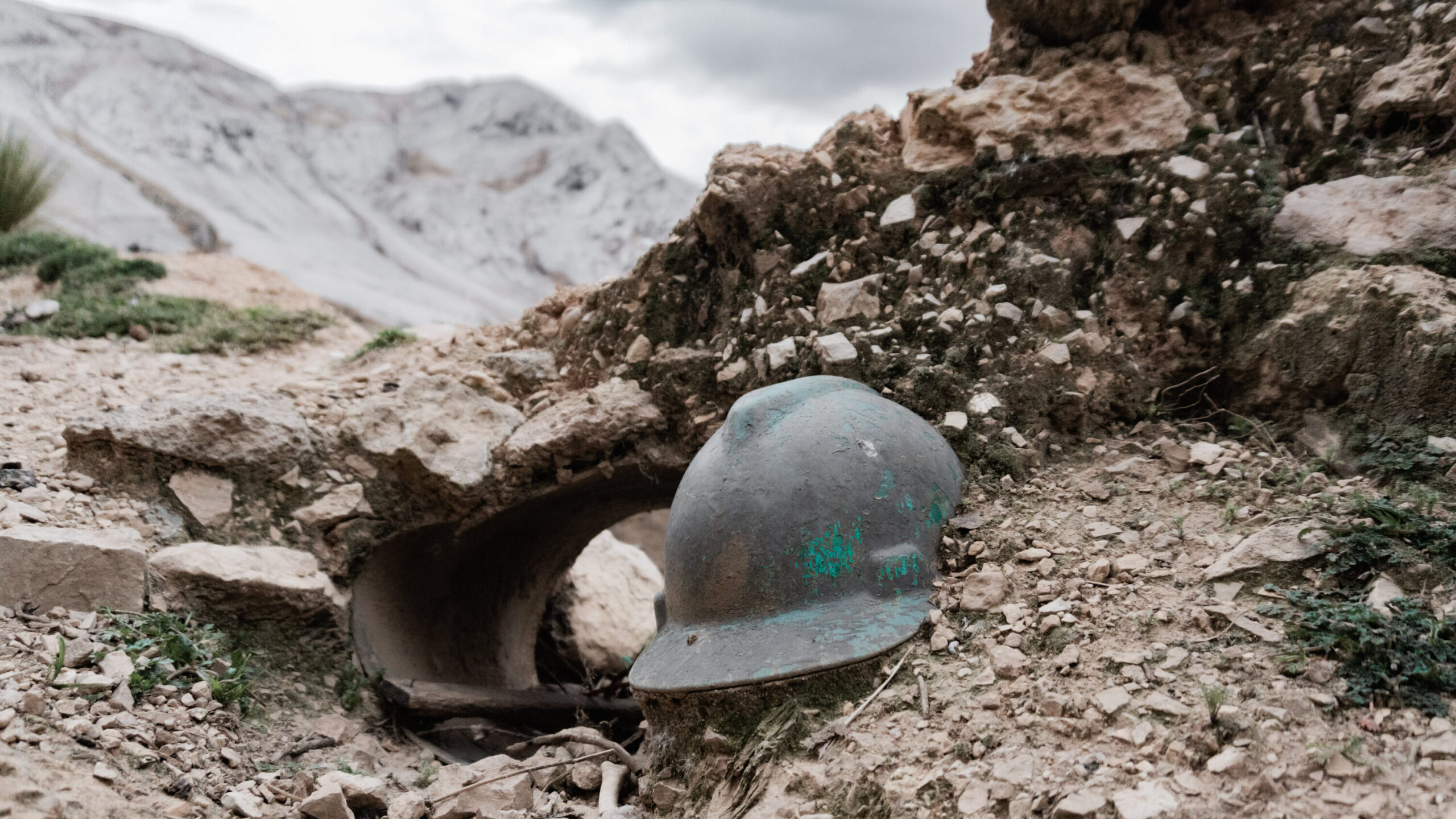
(Tania Wamani)“Epifanio Zurita at two different ages, surrounded by minerals and seashells that he enjoyed collecting during his walks in abandoned archaeological areas of La Oroya. Yauli-La Oroya, Junin, Peru, January 2024.”(Tania Wamani)A resident of La Oroya reflects the shared longing of many inhabitants for the American dream that Doe Run Peru represented in the 1990s and early 2000s in the area. Yauli-La Oroya, Junin, Peru, January 2024.(Tania Wamani)The Casaracra Nursery School was constructed by the mining company Doe Run Peru, located 30 minutes from La Oroya. It was established as a solution to the issue of high lead levels in the blood of children under 8 years old. Children were sent to this nursery in Casaracra to breathe clean air for 8 hours a day and return to La Oroya at sunset with their parents. Yauli-La Oroya, Junin, Peru, January 2024.(Tania Wamani)(Tania Wamani)In New Morococha, the town where the residents of the old Morococha have been resettled, no inhabitants are seen. The streets are empty, and a solitary statue pays tribute to the miner. Yauli-La Oroya, Junin, Peru, January 2024.(Tania Wamani)The new city of Morococha, where the residents of the old Morococha were displaced after their homes were demolished, now appears as an abandoned town nestled among the mountains. The lack of job opportunities and indifference to the population’s demands have led to its sole use as a mining camp for those working in the surrounding mining deposits. New Morococha–La Oroya, Junin, Peru, January 2024.(Tania Wamani)At the end of the town of La Oroya, there are abandoned houses and objects. The helmet of a miner embedded in the ground tells us of the absence, of the end of the mining boom due to the lawsuits against Doe Run Peru.(Tania Wamani)
Between the reemergence of right-wing red-baiting and Donald Trump’s use of the chilling National Security Presidential Memorandum–7 to criminalize left political organizing, we’re seeing McCarthyism reborn before our eyes.
This assault on democracy cannot be ignored or wished away. Resisting it requires bravery in the face of threats and repression, a steadfast commitment to the truth, and the unwavering belief that we can—and will—overcome this darkness.
We must have an independent media that sets the record straight, unearths corruption and abuses of power, and advances a politics of justice and dignity for all if we’re to win this fight.
That’s why I’m writing to you today. This September, The Nation needs to add 100 monthly donors to sustain our progressive journalism. Your contribution makes the next investigative report, the next truth-speaking column, and the next pathbreaking essay all possible.
I hope you’ll support our work with a recurring donation today. If you donate $10 or more a month, we’ll send you a brand new “Hands Off the Free Press!” sticker to recognise your commitment to our cause. Please, donate today.
Onward,
Katrina vanden Heuvel Editor and Publisher, The Nation
The state has become a testing ground under an eviscerated FEMA and a missing-in-action “recovery czar,” Michael Whatley, with big political ambitions.
Working in the wilderness could not satiate my intellectual impulses. But for the protagonist of Hothouse Bloom, the binary between mental and physical labor is what calls her.