
Love of the world is so clearly come and go,
the way we talk sounds beautiful and sad.
You have to try these three words before you can
say the harder thing.
The air at evening crumbles into rose flakes.
The wind like a child’s breath.
This is cement. It’s almost hard now, but when it’s new, it’s soft.
If we step in it then it’ll be there forever.
To describe is to praise, I’ve always felt that.
Two crows fly up and disappear into the depths of the redwood.
Talking with Sarah in bed I touch her hair.
How often do we use the word “safe” each day? Thanks,
a walk sounds nice. When I write this
winter I trace lines of motion I conclude
I’ve lived. My mentor tells me I am
more than a series of inclinations,
twilight knotted with dislikes.
More from The Nation
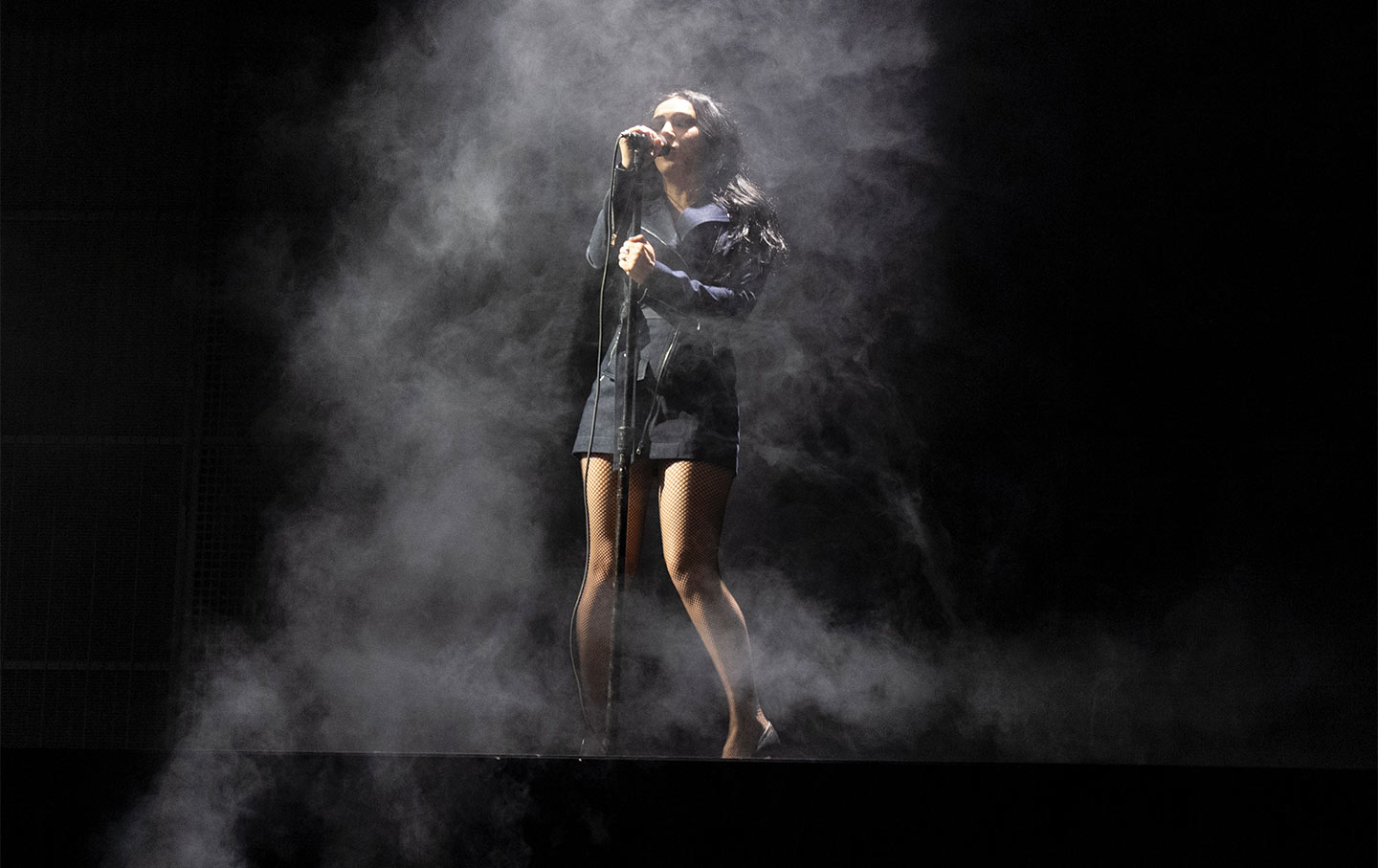
The Genius of Charli XCX The Genius of Charli XCX
On her new album, Music, Fashion, Film, the musician embraces rock.
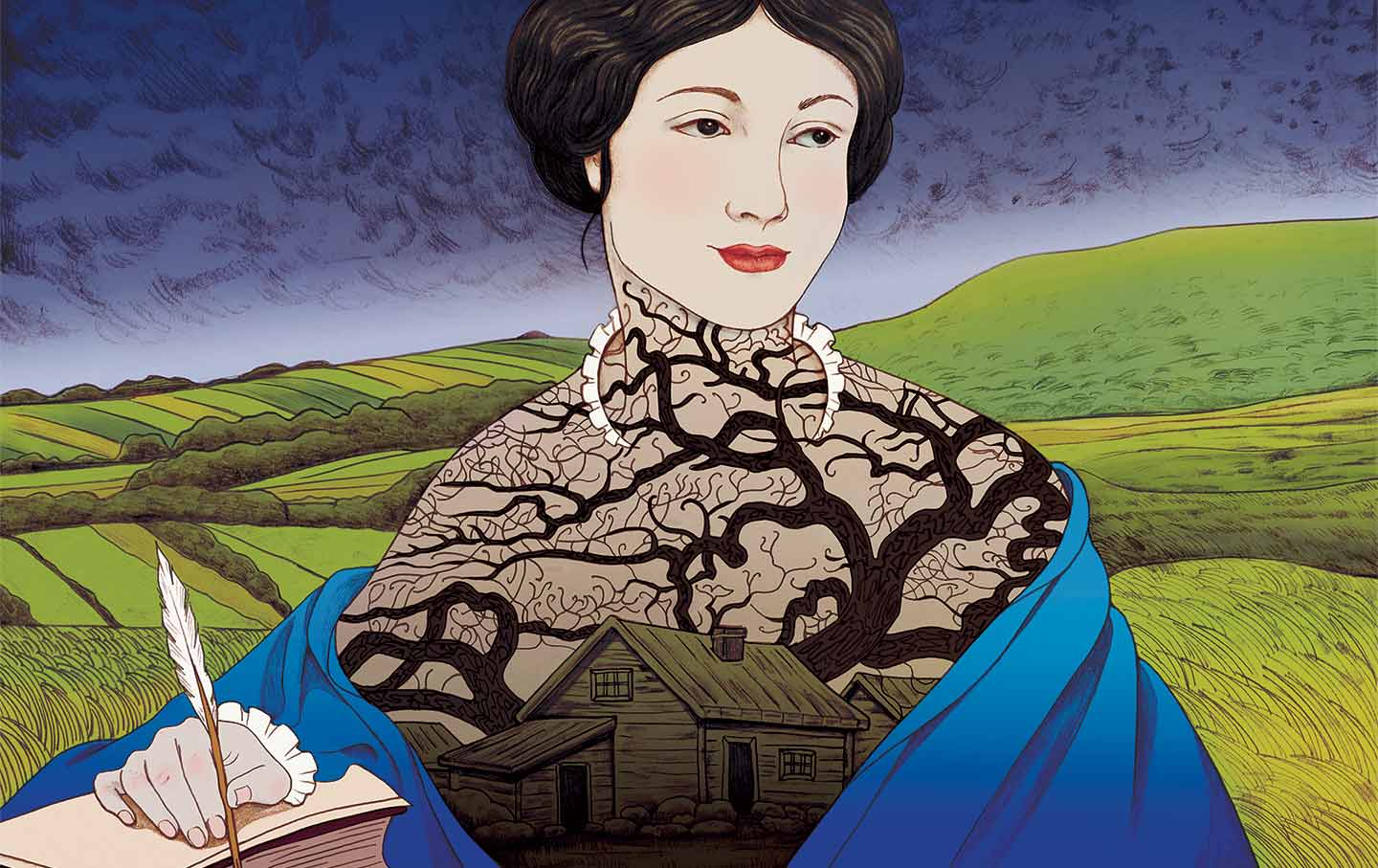

The Architectural Follies of Trump’s Washington, DC The Architectural Follies of Trump’s Washington, DC
The president plans to remake the capital in his own image, but is all he is doing destroying what’s already there?
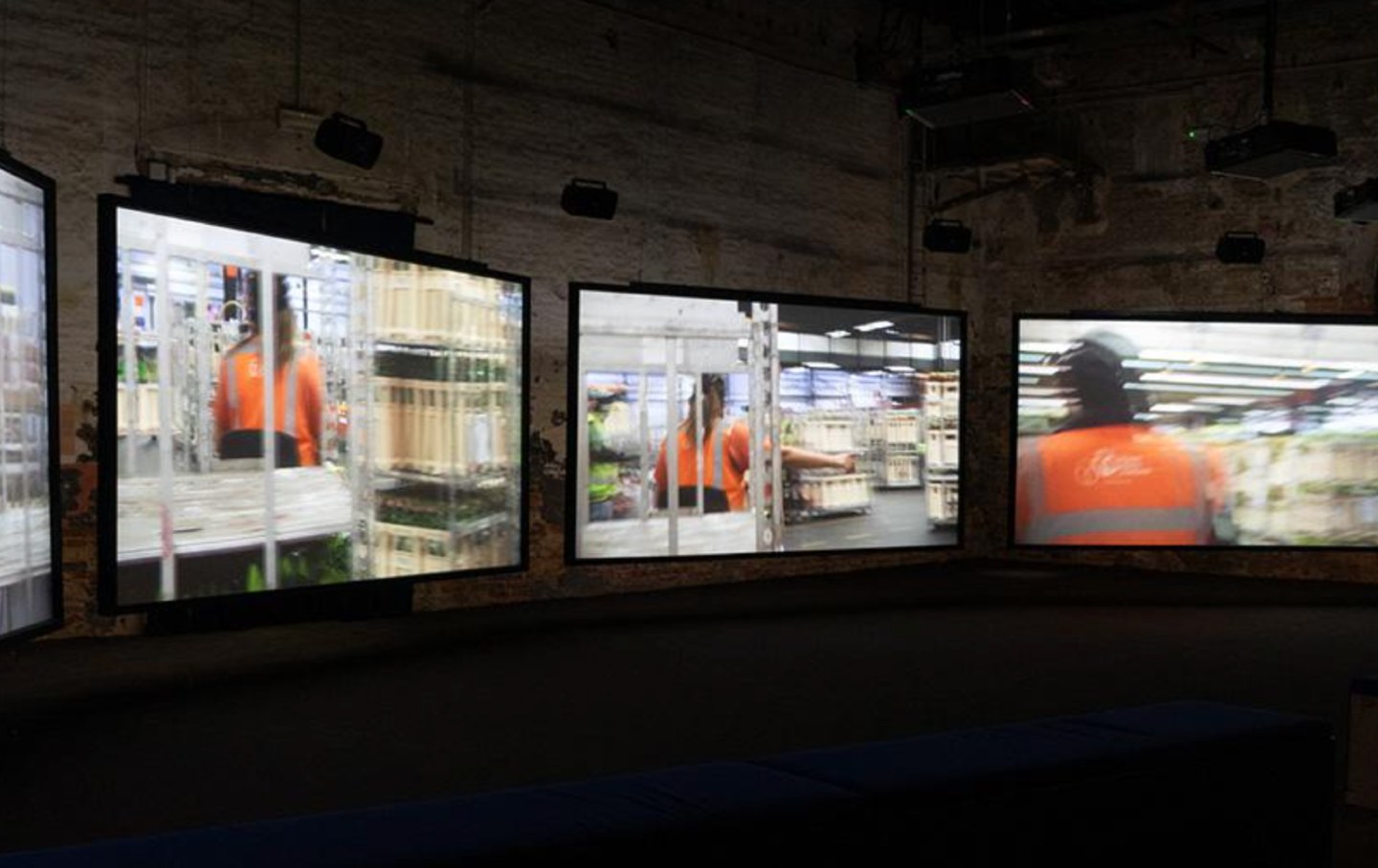
The Carnival of Venice Biennale The Carnival of Venice Biennale
That so much of the art of “In Minor Keys” is muted in effect is ironic, because so much of it is overproduced, aspirationally eye-catching, and so big.

